
Hiking essentials for beginners: the complete checklist and starter guide
The full hiking essentials checklist plus what to wear, what to pack, and the beginner mistakes to skip on your first hikes.

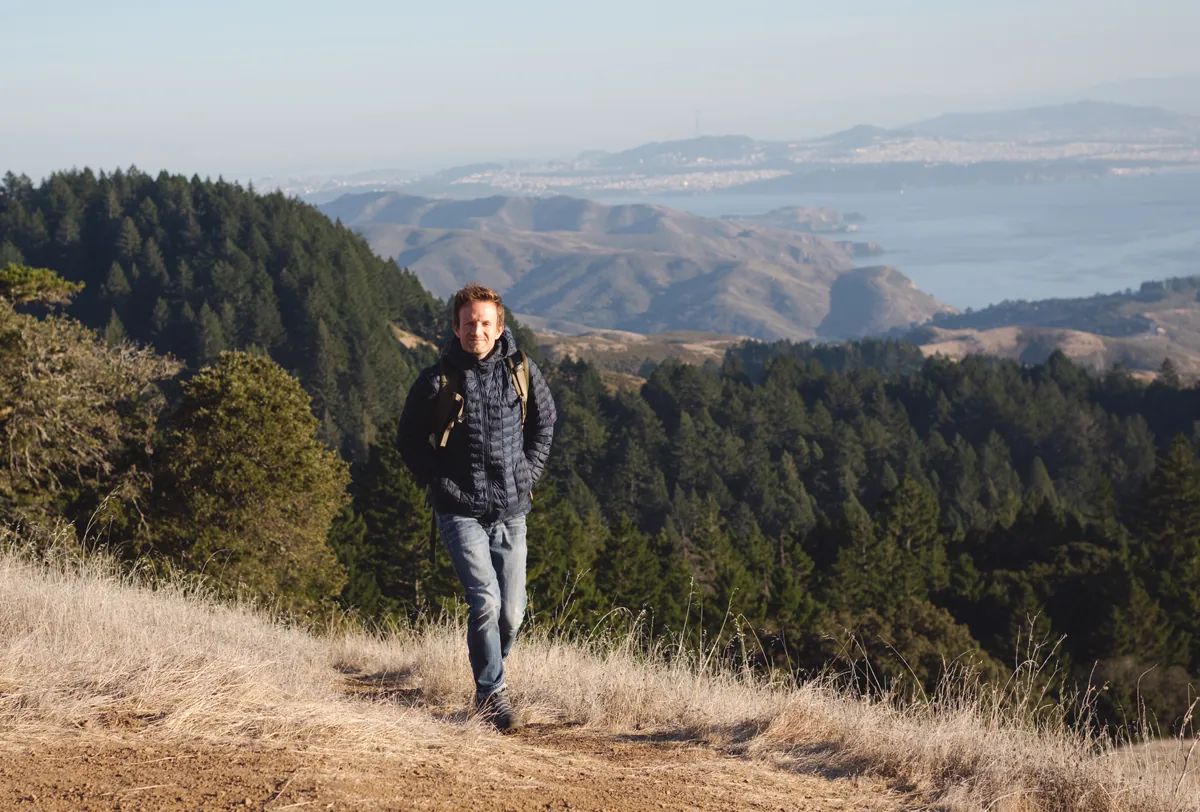
I've been hiking, trail running and racing ultra marathons on trails for over a decade, and I've learned that the difference between a hike you remember fondly and one you'd rather forget almost always comes down to what's in your pack.
This is the complete hiking essentials guide and 10 Essentials checklist I wish I'd had when I started. It covers what to bring on a hike, what to wear, how to pack a day hiking backpack, and the 10 most useful beginner hiking tips I share with friends getting into the outdoors.
If you want a more relaxed, no-pressure read about your very first hike, head to my guide to your first hike. This story is the gear-focused checklist version.
If you purchase through links in this article, we may earn a small affiliate commission.
This guide is brought to you with the support of REI.com.
REI's commitment to quality outdoor gear and their Co-op model makes them my go-to recommendation for hikers building their kit. If you're new to hiking, becoming an REI Co-op member is worth it for the dividend alone.
Their support helps us bring practical, experience-backed gear recommendations to you. Thank you to REI for backing this guide.
The 10 Essentials checklist: what to bring on every hike
The 10 Essentials is a hiking gear system that's been around for decades, and it still holds up. It's not a shopping list to buy all at once, it's a framework for thinking about what can go wrong on a hike and how to handle it.
Here's the full checklist, with my picks for each category:
1. Navigation
- Trail map (paper or downloaded offline on your phone via AllTrails)
- Compass (optional for short, well-marked trails, essential for anything remote)
- GPS watch for backtracking
- Satellite communicator, if you're heading anywhere with no cell signal
2. Sun protection
- Sunglasses with UV protection
- Sunscreen (SPF 30 minimum, reapply every two hours)
- Sun hat
- Long-sleeve sun shirt for exposed hikes
3. Insulation (extra clothing)
- Merino wool base layer for temperature regulation
- Lightweight insulating layer (synthetic puffy or fleece)
- Waterproof rain jacket
- Spare wool or synthetic socks
4. Illumination
- A good headlamp with fresh batteries
- Spare batteries (or a charged power bank for rechargeable headlamps)
5. First aid supplies
- Blister kit (learn how to prevent and treat blisters)
- Adhesive bandages and gauze
- Pain reliever (ibuprofen or acetaminophen)
- Antihistamine for allergic reactions
- Tweezers for ticks and splinters
- Insect repellent
6. Fire
- Waterproof matches or a lighter
- Fire starter (cotton balls in petroleum jelly work fine)
7. Repair kit and tools
- Multi-tool such as a Leatherman
- Duct tape (wrap a few feet around a trekking pole or water bottle to save space)
- Cord or paracord
8. Nutrition (extra food)
- High-energy snacks: nuts, dried fruit, jerky, bars
- Energy gels for longer or harder hikes
- One extra meal or snack beyond what you think you'll need
9. Hydration (extra water)
- Water bottles or a hydration bladder in your pack
- A backpacking water filter if there are water sources along your route
- Electrolyte tablets for hot days
10. Emergency shelter
- Emergency foil blanket (weighs almost nothing, lives in the bottom of your pack)
- Lightweight bivy or tarp for longer or remote hikes
Other gear worth packing
These aren't part of the official 10 Essentials but they make hiking better:
- Trekking poles for steep descents and protecting your knees
- Bathroom kit like the PACT Bathroom Kit for leave-no-trace toilet stops
- Whistle (some packs have one built into the chest strap)
- Binoculars for wildlife and views
- Camera or phone in a protective case
- Nature ID app or pocket guide
What to wear hiking
The single most important rule: do not wear cotton.
Cotton holds moisture, dries slowly, and increases friction when damp. That's a recipe for chafing in the heat and feeling cold when you stop moving. Synthetic and merino wool fabrics wick sweat, dry fast, and stay comfortable across temperature shifts.
Here's the simple layering system that works for most day hikes:
- Base layer: lightweight synthetic or merino tee
- Mid layer: long-sleeve top or light fleece (carry it even on warm days)
- Outer layer: lightweight wind or rain jacket (in your pack, not on)
- Bottoms: stretch hiking pants or shorts, never jeans or sweatpants
- Socks: wool or wool-synthetic blend
- Sun hat or cap
For a full breakdown, see my guide to what to wear hiking.
Hiking footwear: boots, shoes, or trail runners?
A decent pair of hiking shoes will make or break your day on the trail, so it's worth getting this one right.
You have three real options:
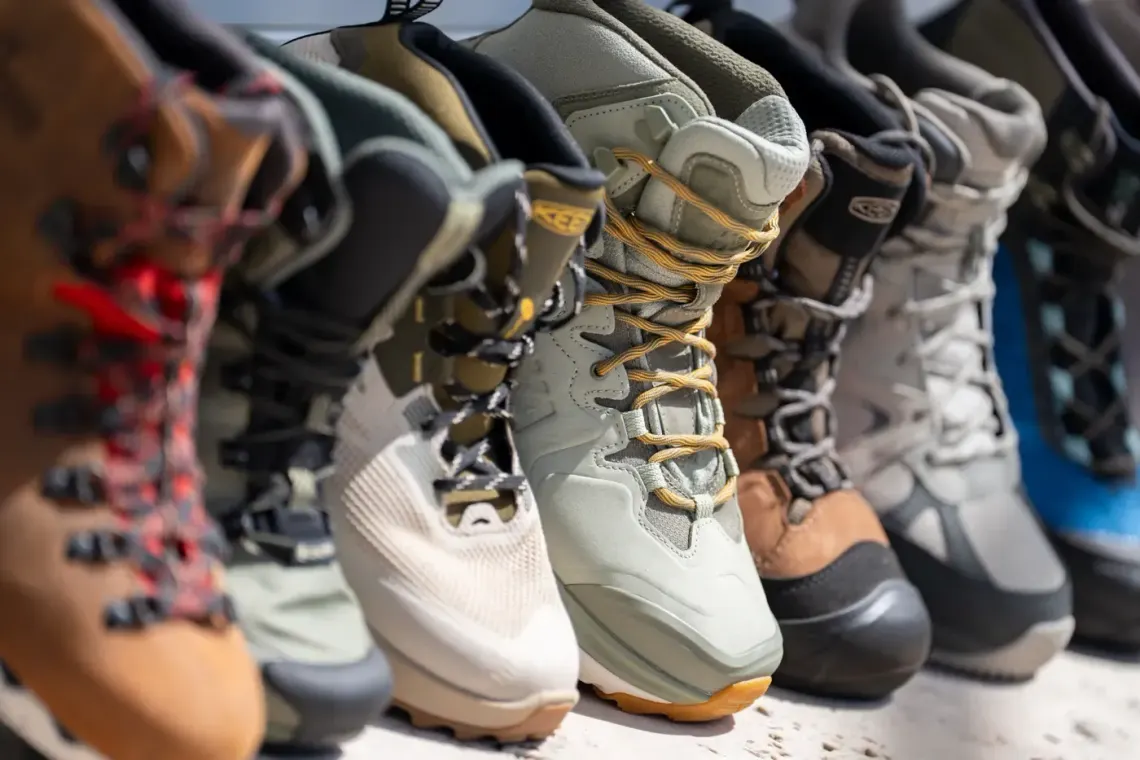
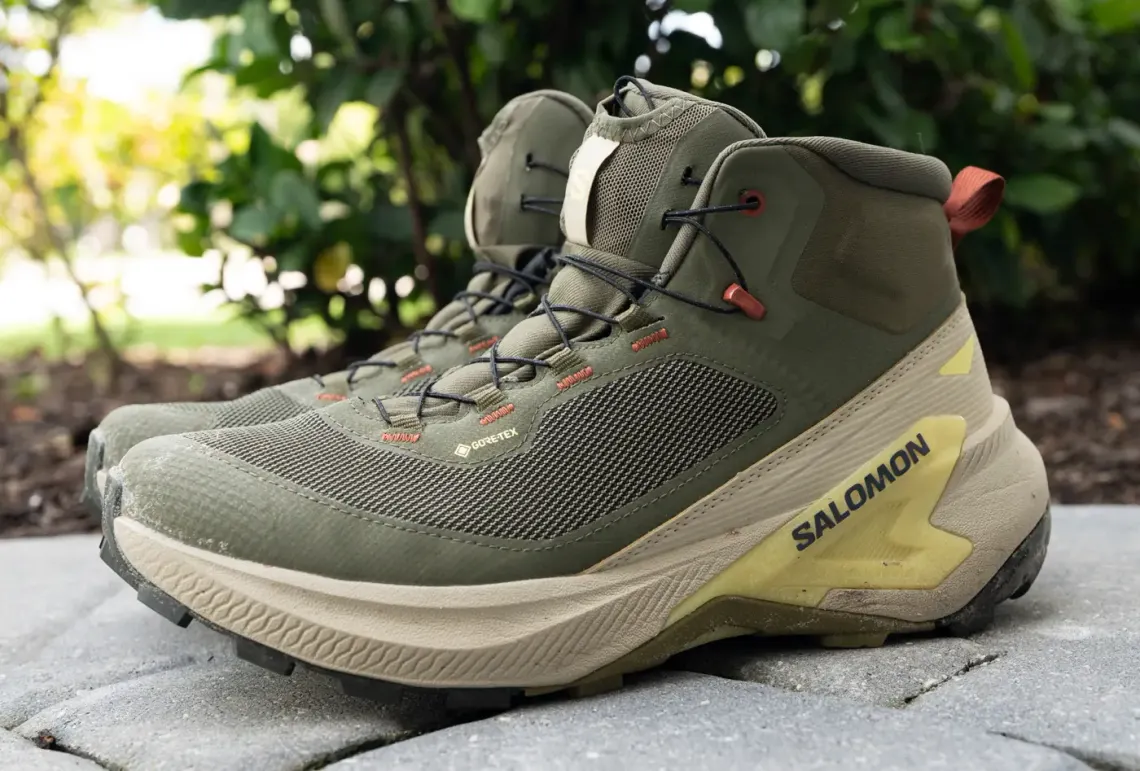
- Hiking boots offer the most ankle support and protection on rough or wet terrain, but they're heavier and need breaking in. Best for backpacking, rocky trails, and shoulder-season conditions.
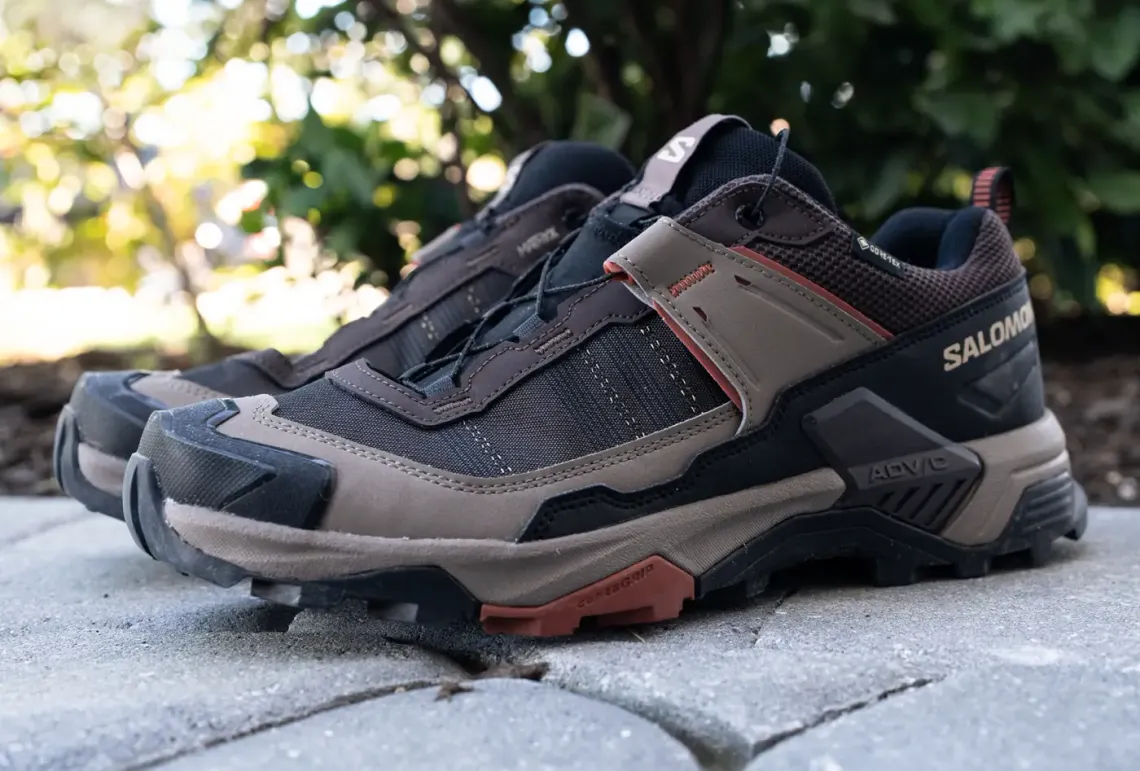
- Hiking shoes are low-cut and lighter than boots, with similar grip and protection. A good middle ground for most day hikes.
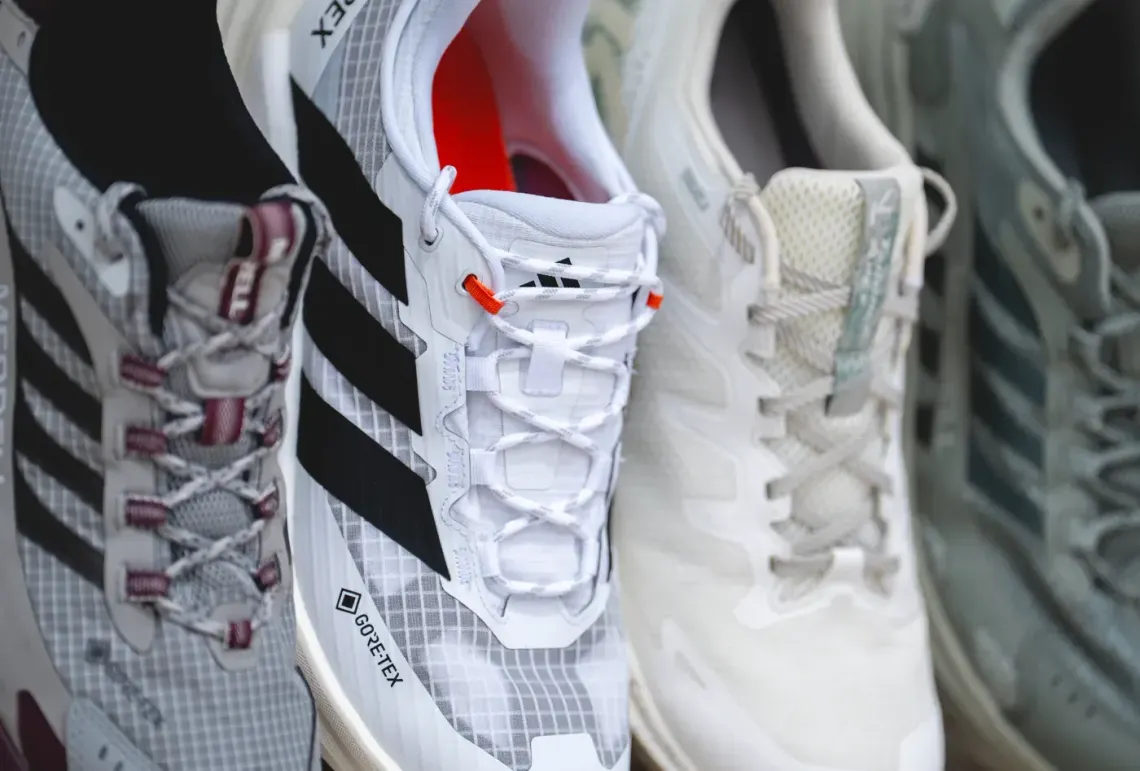
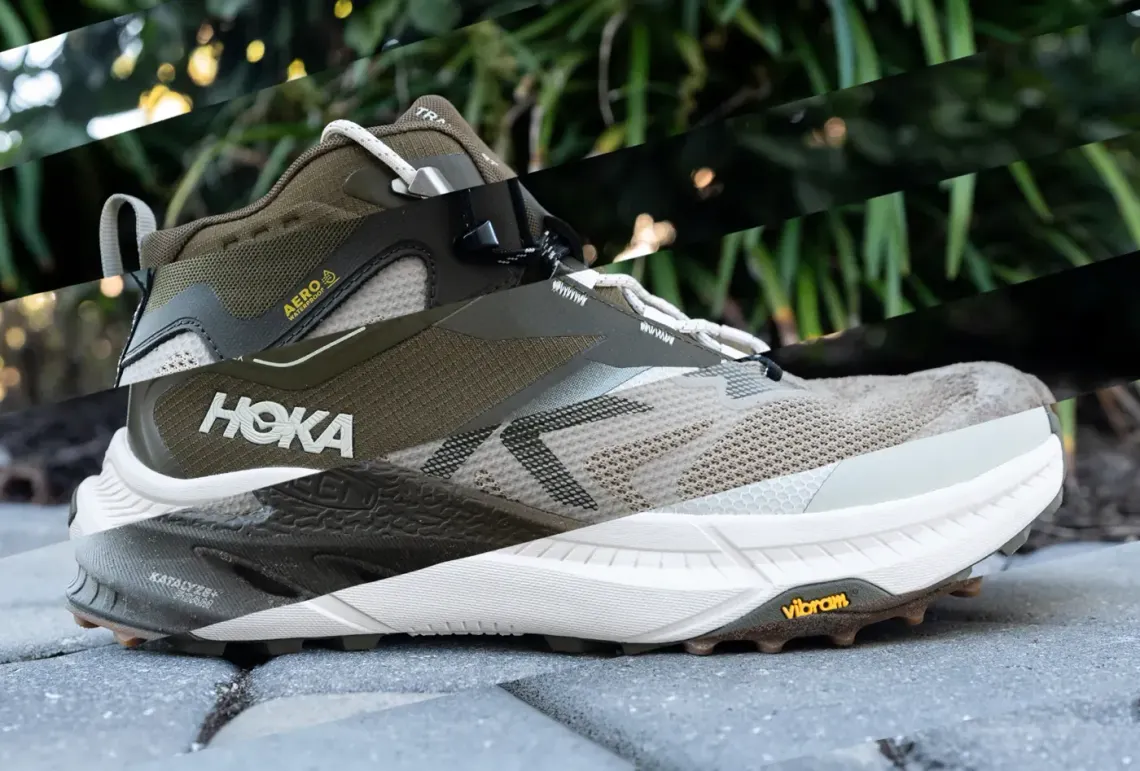
- All-mountain trail running shoes are what I wear most often. They're lighter, more breathable, and grip well on dry technical terrain. Less ankle support, so they're not ideal if you're carrying a heavy pack.
Whatever you choose, good socks matter almost as much as the footwear. Stick to wool or wool-synthetic blends.
Best Trail Running Shoes for Hiking (2026), Tested Across Every Terrain
The best trail running shoes for hiking handle pavement, gravel, dirt, and everything in between; here are my top picks across road-to-trail and all-mountain, personally tested.
 Alastair Dixon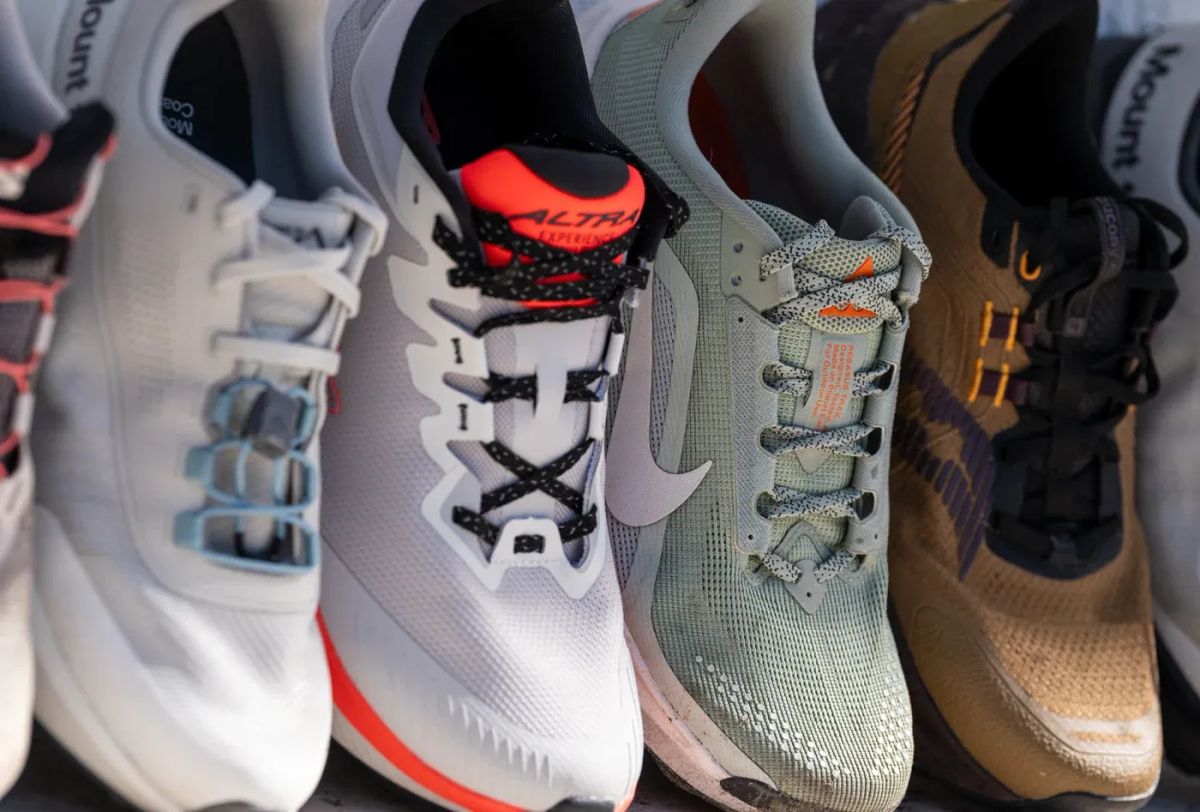
How to pack a day hiking backpack
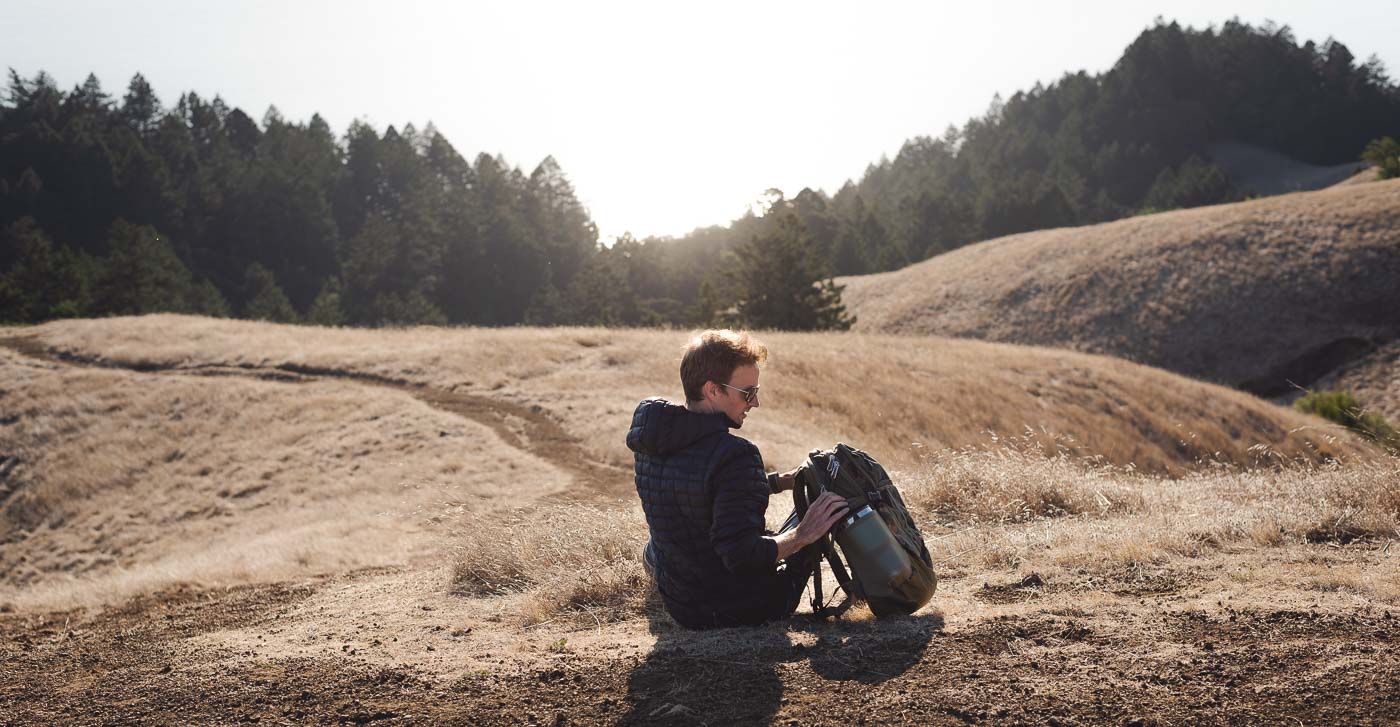
For most day hikes, a 15 to 25 liter daypack is plenty. Here's how I pack mine:
- Bottom: rain jacket, emergency blanket, extra layer
- Middle: food, first aid kit, repair tools (keep heaviest items closest to your back)
- Top: snacks you'll eat first, sun protection, gloves
- Hip belt pockets: phone, snacks, lip balm
- Side pockets: water bottles, trekking poles when not in use
- Hydration sleeve: water bladder if you use one
Don't have a daypack yet? REI has a solid range of day hiking packs at every price point.
10 hiking tips for beginners
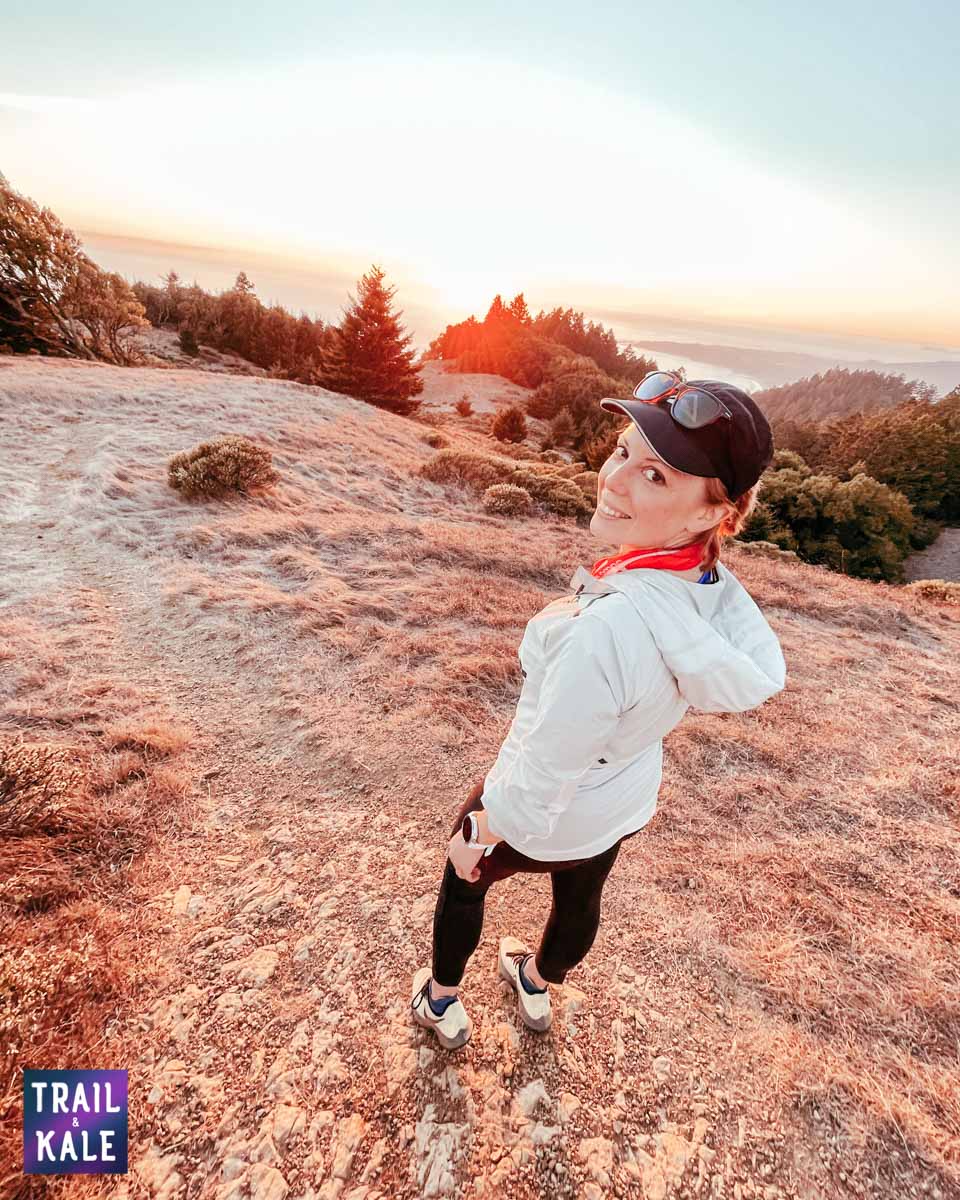
These are the lessons I wish someone had told me before my first hikes.
1. Pick a beginner-friendly trail
Your trail choice matters more than your gear. Look for something that's:
- Well-marked, so navigation is easy
- Popular enough that you'll see other hikers
- Modest elevation gain, no brutal climbs
- An out-and-back route, so you can turn around any time
Plan for 60 to 90 minutes total for your first hike. Use AllTrails to find local trails with difficulty ratings, elevation profiles, and recent reviews.
2. Check the weather before you leave
Even if it's sunny at home, mountain weather can be completely different. Check the forecast for your trailhead, not your home town, and look at wind chill if you're going to elevation.
If thunderstorms are forecast in the afternoon, start early enough to be back at the trailhead before they roll in.
3. Start early in the day
Morning hikes give you cooler temperatures, quieter trails, better light, and a daylight buffer if your hike takes longer than expected. In summer, this also keeps you off the trail during the hottest hours.
4. Be honest about your fitness
Hiking uphill is harder than most beginners expect, especially downhill on tired legs. If you haven't done much walking recently, start with short, flat hikes and build up.
A walk every day in your hiking shoes does double duty: it builds fitness and breaks in your footwear. If anything rubs, you'll find out before you're miles from the car.
5. Start with a short hike
A 3 mile flat hike might take an hour. The same distance with 1,000 feet of climbing in hot weather could take three. Use the AllTrails app to check elevation profiles before you commit.
6. Take more water than you think you need
Dehydration is one of the most common hiking issues, and it's preventable. A rough rule: a half liter per hour of moderate hiking in moderate temperatures, more in heat or at altitude.
Water is heavy, so it's tempting to bring less. Don't. You can also bring a water filter if your route passes streams or lakes.
7. Wear in your footwear before the trail
New hiking shoes feel great in the store. After three miles of climbing, the same shoes can give you blisters that ruin the day. Wear them on dog walks, errands, and short urban walks for a few weeks before any real hike.
8. Pace yourself on climbs
A good beginner pace is one where you can breathe steadily and hold a conversation on flat ground. On climbs, slow down until your breathing settles, and take short breaks before you feel wiped out.
If you're using trekking poles, they take real load off your legs on steep terrain.
9. Tell someone your plan
Before any hike, tell someone where you're going and when you expect to be back. On well-trafficked trails this is overkill, on remote trails it's the single safest habit you can have.
If you're heading somewhere with no cell signal, a satellite communicator lets you send check-ins and call for help.
10. Leave no trace
Pack out everything you bring in, including food scraps, peel, and your dog's waste. Stay on the trail to protect plants and prevent erosion. If you find litter, take it out with you.
What to bring on a hike: quick reference
If you only remember a few things, remember these. For a short, local hike on a well-marked trail:
- Water (at least 1 liter)
- A snack
- One extra layer
- Sun protection
- Charged phone
- Small first aid kit with blister tape
- Map or AllTrails route saved offline
That's enough margin for a short hike to feel relaxed instead of risky. As your hikes get longer or more remote, the full 10 Essentials checklist becomes more relevant.
How to build your hiking fitness
Hiking is great cardio in itself, so the best training for hiking is more hiking. But if you want to build fitness before you start, here's what actually helps:
- Daily walks in your hiking shoes, working up to an hour
- Hills and stairs for leg strength and endurance
- Strength training focused on legs, glutes, and core (lunges, step-ups, planks)
- Long walks on weekends with a light pack, gradually adding weight
If you'd like to follow a hiking training plan, our plan generator below has you covered.
Hiking Training Plan: Build Yours Free With Our Generator
Build your personal week-by-week hiking training schedule using the generator below; then read on for the strength work, cardio, and specifics that make it stick.
 Alastair Dixon
If you haven't exercised in a while, check in with your doctor before starting anything strenuous.
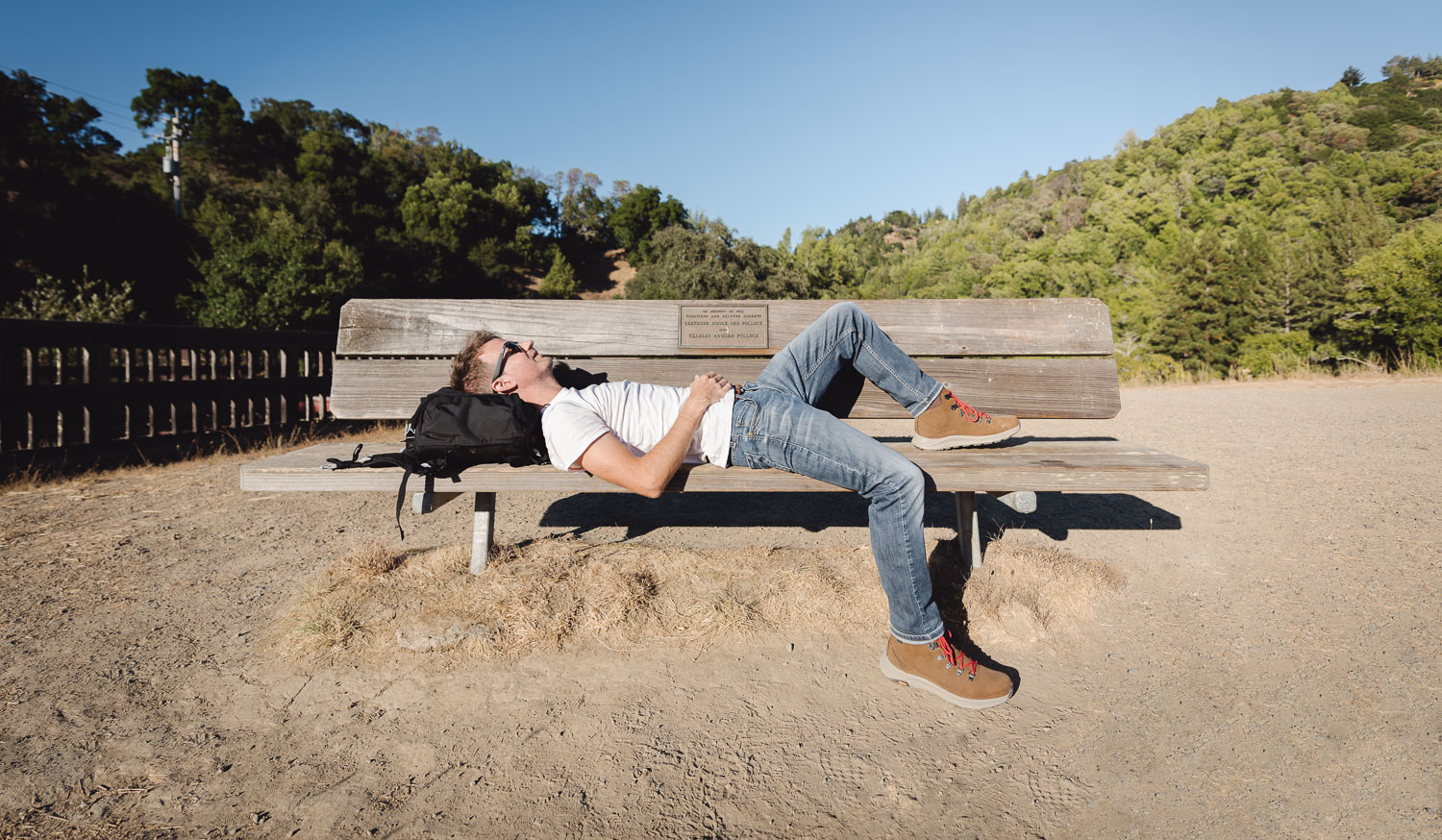
Staying safe on the trail
The most common hiking risks aren't dramatic. They're:
- Dehydration from not bringing enough water
- Sprains and falls from rushing, fatigue, or wrong footwear
- Exposure from cold, wind, or storms
- Getting lost on poorly marked trails or unfamiliar terrain
- Heat exhaustion in summer
All of these are largely preventable with the gear and habits above. Wildlife and crime are far down the list of real risks for almost every popular hiking area.
If something does go wrong, the 10 Essentials are designed to give you a margin of safety: shelter, warmth, food, water, and a way to navigate or call for help.
Hiking essentials FAQ
What should a beginner bring on a hike?
For your first hike on a local, well-marked trail: water, a snack, one extra layer, sun protection, a charged phone, and a small first aid kit with blister tape. As your hikes get longer or more remote, work toward the full 10 Essentials checklist above.
What are the 10 Essentials for hiking?
Navigation, sun protection, insulation, illumination, first aid, fire, repair tools, nutrition, hydration, and emergency shelter. Each category covers a type of problem that can come up on the trail, not a specific product.
Do I need hiking boots to start?
No. Many beginner-friendly trails are perfectly hikeable in trail running shoes or hiking shoes. Boots help on rocky, wet, or heavily loaded hikes but aren't required to begin.
Here are the best trail running shoes for hiking.
How long should my first hike be?
60 to 90 minutes total is a good first target. Long enough to feel like a real outing, short enough that small mistakes don't become big problems.
What's the difference between hiking and trekking?
In most contexts they mean the same thing. Trekking sometimes implies a longer or more demanding multi-day journey, but the words are used interchangeably in most English-speaking countries.
What should I wear hiking?
Synthetic or merino base layers, stretch hiking pants or shorts, wool or wool-blend socks, and proper hiking footwear. Avoid cotton. Always carry one extra layer in your pack, even on warm days.
How do I find a good hiking trail near me?
The AllTrails app is the easiest way. You can filter by difficulty, length, elevation gain, and dog-friendliness, and read recent reviews from other hikers.
Where to next
If you want a softer, no-pressure read about getting outside for the very first time, my guide to your first hike is a shorter, more lifestyle-led companion to this one.
For deeper gear reviews and route planning, browse our hiking content or start with these:
- Best hiking boots buyer's guide
- Best trail running shoes for hiking
- Best running headlamps for hiking and camping
- Hiking training plan builder
- What is a switchback in hiking
- Guide to snowshoeing for beginners if you want to keep hiking through winter
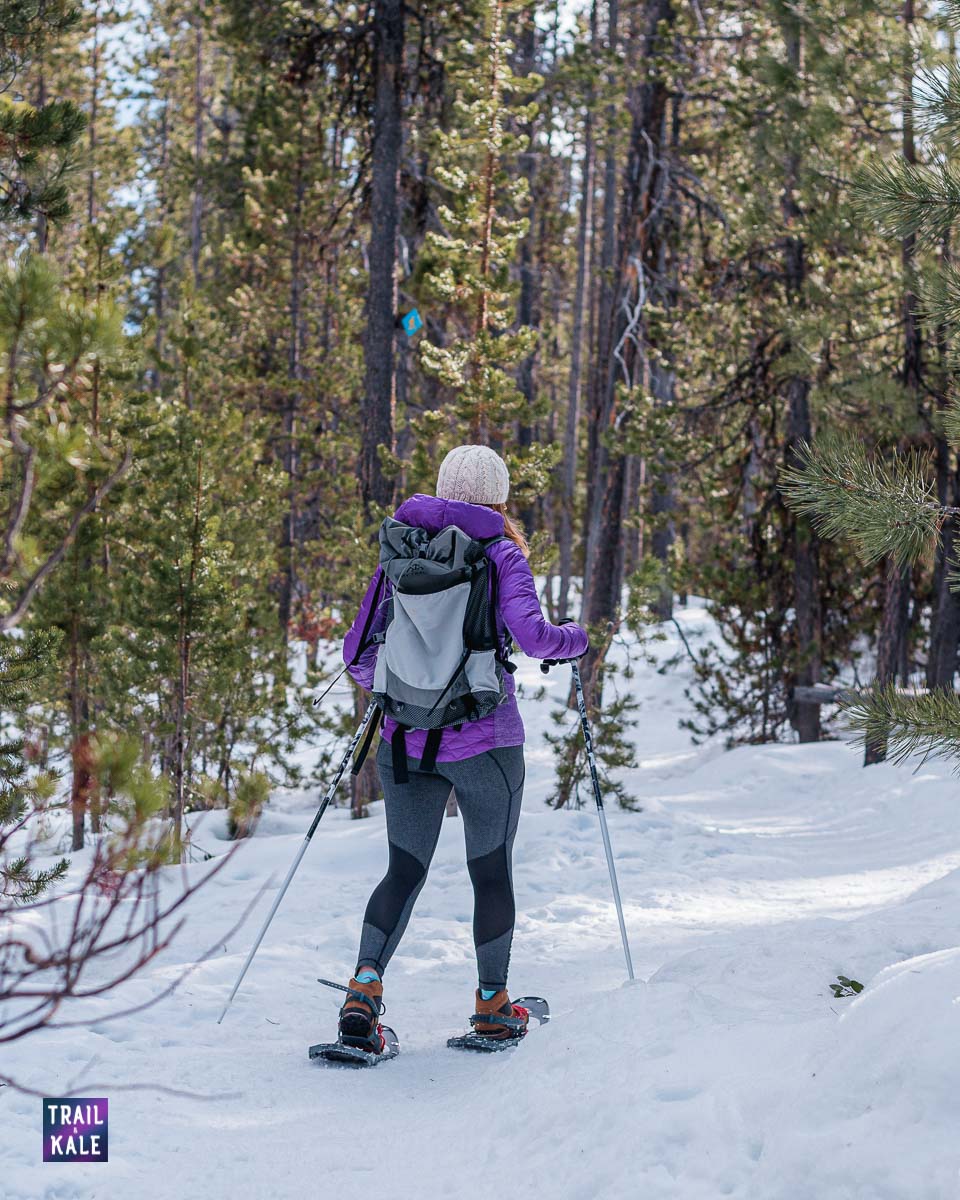
The biggest favor you can do yourself as a new hiker is to keep the first few hikes easy and enjoyable. The gear, fitness, and trail knowledge all build naturally from there.
Written by

Subscribe to new posts
Gear that earns its place, outdoors and at home | Reviews, Roundups, News








Member discussion