
Hiking training plan: how to train for any hike
Build your personal week-by-week hiking training schedule using the generator below; then read on for the strength work, cardio, and specifics that make it stick.

So many people show up to a hard hike undertrained; not dramatically so, and they're not unfit, they've just done the wrong kind of preparation.
General cardio doesn't build the eccentric quad strength you need to break down 2,000 feet of descent, for example. Gym fitness doesn't translate to six hours on your feet carrying a pack; and hiking itself, while excellent exercise, isn't enough on its own if you want to push further, go higher, or carry more weight.
This guide covers everything including what hiking fitness actually requires, the specific strength exercises that make the biggest difference, how to train for different terrain types including mountains and high altitude, and how to substitute gym and trail sessions with treadmill work.
Hiking For Beginners PLUS The 10 Essentials Checklist
The ultimate guide to hiking for beginners, includes 10 top tips to know, what to wear and bring PLUS a hiking essentials checklist.
 Alastair Dixon
If you're completely new to hiking, read our Beginner's Guide To Hiking, next; it will get you up to speed on everything you need to know, and this story will guide you on your first hike.
Use the generator below to build your training plan for free (you just need to be a Trail & Kale member to reveal it) — the article explains the principles behind it.
Build your hiking training plan
⬆ Ready to gain access to OUR tools for Runners & HIKERS?
Subscribe to a free account to reveal our Hiking Training Plan Builder and get extra perks like access to exclusive content, training tools, gear roundups, community comments, and our newsletter.
How to use our hiking plan generator
- Select your hike type: day hike, multi-day, backpacking, long distance, or thru-hike
- Fill in your hike date, target distance, fitness level, training days per week, and equipment access. For multi-day, backpacking, and thru-hike types the distance field asks for your average daily mileage rather than a total trip distance.
- Pick a hike date and the generator calculates your plan length options.
- Hit generate and your week-by-week schedule appears below with every session laid out.
- Tap any week to expand the daily breakdown, or print your complete plan as a single A4 landscape sheet.
Is hiking a good workout?
Yes, more than most people realize.
A moderate day hike burns 300–500 calories per hour depending on terrain, pace, and how much you're carrying. Sustained hiking develops cardiovascular fitness, builds lower-body muscular endurance, and recruits stabilizer muscles throughout the hips, ankles, and core that more predictable gym movements rarely reach.
What hiking does well: aerobic endurance over long durations, proprioception and balance on uneven terrain, and a low-impact introduction to sustained physical effort.
What hiking doesn't do well enough on its own: building the specific quad strength to handle long descents without your knees complaining, developing the posterior chain power that makes uphills feel controlled rather than labored, or preparing you for the added load of a heavy pack.
The best approach combines hiking as the primary cardio tool with targeted strength work and specific cardio substitutes for training days when you can't get to a trail.
What hiking fitness actually requires
Three components, each distinct, all necessary.
Cardiovascular endurance is the engine.
Hiking (especially uphill) is a sustained aerobic activity. Your aerobic base determines how long you can sustain effort, how quickly you recover between ascents, and how much you have left on day two or three of a multi-day trip. For most people, this is the first limiting factor on a long, hard day.
Muscular strength and endurance is the chassis.
The muscles most used in hiking (glutes, quads, hamstrings, calves, and the stabilizers around your hips, knees, and ankles) need to sustain significant load over long distances.
Descending is particularly demanding: your quads act as a brake on every downhill step, absorbing eccentric load that most gym training doesn't replicate. This is why people's knees fold on long descents even when they're generally fit; I see this time and time again with trail runners too.
Movement specificity is the calibration.
Even very fit athletes need time to adapt to the specific patterns of hiking. Sustained forward lean on ascent, controlled braking on descent, lateral stability on off-camber terrain, and the cumulative loading of carrying a pack for hours. The closer your training mimics real hiking conditions, the better prepared you'll be on the day that counts.
How long does it take to get in shape for hiking?
For a moderately challenging day hike of around 8–12 miles, and up to 2,000 feet of gain; you're looking at about 6 weeks of consistent training to make a meaningful difference.
For a serious mountain objective, a long-distance day hike (15+ miles), or a multi-day backpacking trip, 10–12 weeks gives your body the time it needs to genuinely adapt.
Starting fitness matters. Someone who exercises 3–4 times per week will progress faster than someone starting from scratch. The generator calibrates the starting intensity and week-to-week progression based on your fitness input.
My honest advice is that more time is almost always better. An 8-week plan started the week before your hike doesn't work. The same plan started 12 weeks out, with a 4-week foundation phase ahead of it, produces real results.
Strength training for hiking: the exercises that matter
These movements directly develop the muscles hiking demands most. Two sessions per week is plenty. The generator prescribes sets and reps based on your phase and fitness level, here's the reasoning behind each exercise.
Squats
The foundation of hiking strength, squats train the quads, glutes, and hamstrings through a range of motion that mirrors ascending and descending terrain.
Start with bodyweight until form is solid, then progress to goblet squats (dumbbell at chest height) and then barbell back squats or heavy goblet variations. Aim for thighs parallel to the floor or below; shallow squats train the top end of the movement only, which isn't where hiking happens.
Step-ups
More hiking-specific than any other exercise on this list. Use a box, bench, or step.
Step up with one leg, drive through the heel, fully extend the hip at the top, then lower the trailing foot under control. The lowering phase is just as important when doing this one: it trains the eccentric quad strength that protects your knees on every downhill step.
Use a height at or above knee height and add dumbbells in each hand to progress. A 3-second lowering tempo makes this significantly harder and more specific.
Romanian deadlifts
Trains the posterior chain: hamstrings, glutes, and lower back. These muscles stabilize your pelvis and transfer power on every uphill stride. Hinge at the hips, with a slight bend in at the knees, maintain a neutral spine, feel the hamstring stretch, then drive back to standing.
Single-leg Romanian deadlifts are an excellent progression, they also develop the ankle stability you'll need on technical terrain.
Hip thrusts and glute bridges
The glutes are the primary power source on uphill hiking and carry much of the load on the lower back during long days with a pack. Bridges (lying on your back, driving hips to ceiling, feet flat on floor) are the accessible starting point. Hip thrusts (shoulders on a bench) allow greater range and load. Add weight across the hips as you get stronger.
Lateral lunges
Most gym training moves in a straight line but hiking terrain doesn't. Lateral lunges train the hip abductors and adductors through the frontal plane — the lateral stability that keeps you planted on off-camber ground and sidehills. Step wide, sit into the hip of the stepping leg, keep the opposite leg straight.
Go slow. The range of motion matters more than the pace.
Single-leg calf raises
Calves absorb significant load on technical terrain and on every uphill stride. Standard two-legged calf raises are a starting point; single-leg raises on the edge of a step (full range, heel dropping below step level, slow and controlled) are the appropriate challenge. Progress by slowing the lowering phase to 3–4 seconds or adding load.
Farmer's carries with a loaded pack
The most specific exercise for backpackers. Load a pack to 10–15% of your bodyweight and walk, on uneven ground where possible. Build toward your expected trail weight by the final training weeks.
This trains postural endurance, grip, core stability, and the foot and ankle adaptation you'll need simultaneously, and in the exact pattern that hiking demands. Don't skip this one if you're carrying a pack.
Rucking is having a moment, so I gave it a try
Rucking builds strength and resilience through slow, deliberate effort. Here’s what happened when I tried it out with the 5.11 TacTec Trainer Weight Vest
 Alastair Dixon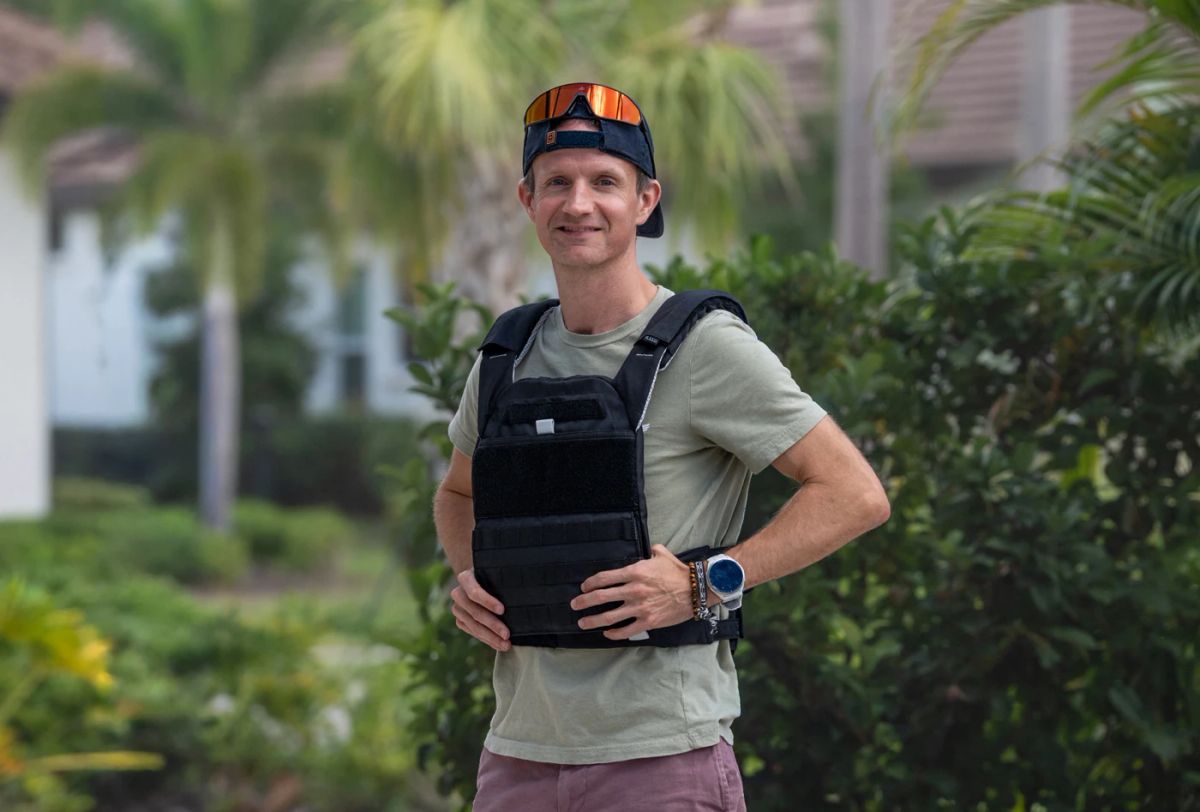
You could also try Rucking, it has a similar effect and turns any walk into more of a hike training session.
Core: dying bugs and Pallof press
Hiking demands anti-rotation and bracing; your core maintaining a stable trunk position under load over hours. Dying bugs (lying on your back, extending opposite arm and leg while maintaining a neutral spine) and Pallof presses (cable or band, pressing away from a fixed anchor point) train exactly these functions. Crunches don't.
Strength training for hiking without a gym
No gym access doesn't mean no strength training. These bodyweight and minimal-equipment movements cover the same patterns:
Quads and glutes: bodyweight squats, reverse lunges, Bulgarian split squats (rear foot elevated on a chair), jump squats for power development.
Posterior chain: single-leg Romanian deadlifts with a resistance band, Nordic hamstring curls (kneeling, feet anchored under a sofa, lower your body toward the floor under control), glute bridges.
Calves: single-leg calf raises on any step. A step at home is all you need.
Lateral stability: lateral lunges, clamshells with a resistance band, lateral band walks.
Core: dying bugs, hollow body holds, side planks, single-arm carries using any heavy bag.
The generator's "no gym" sessions use these movements throughout.
Cardio training for hiking: what to do between trail days
The most effective cardio is hiking itself. But most people can't access trails every training day, which is where smart substitutes come in.
Treadmill workouts for hiking
Incline treadmill walking is the best gym-based substitute for uphill hiking, and it's genuinely underrated. At 10–15% grade and a brisk walking pace (3–4 mph), a 45-minute session is a demanding hiking training session. It targets the hip flexors, calves, and cardiovascular system in a way that flat running doesn't replicate.
A practical treadmill workout for hiking:
- 5 minutes at 5% incline, easy warm-up pace
- 10 minutes at 12% incline, brisk walk
- 2 minutes at 5%, active recovery
- 10 minutes at 14% incline, sustained effort
- 2 minutes at 5%, recovery
- 10 minutes at 12% incline, brisk walk
- 5 minutes at 3%, cool-down
Total: 44 minutes. Adjust the incline ceiling based on your current fitness; start at 10% if 12–14% is too much.
Don't run at high incline unless you're already an experienced trail runner. The movement pattern diverges significantly from hiking. Set the speed to a brisk walk and let the incline do the work.
What is Trail Running? The Complete Beginner’s Guide (2026)
How to start trail running like choosing your first trail, knowing what gear you need, running safely on uneven ground, and building confidence without chasing pace.
 Alastair Dixon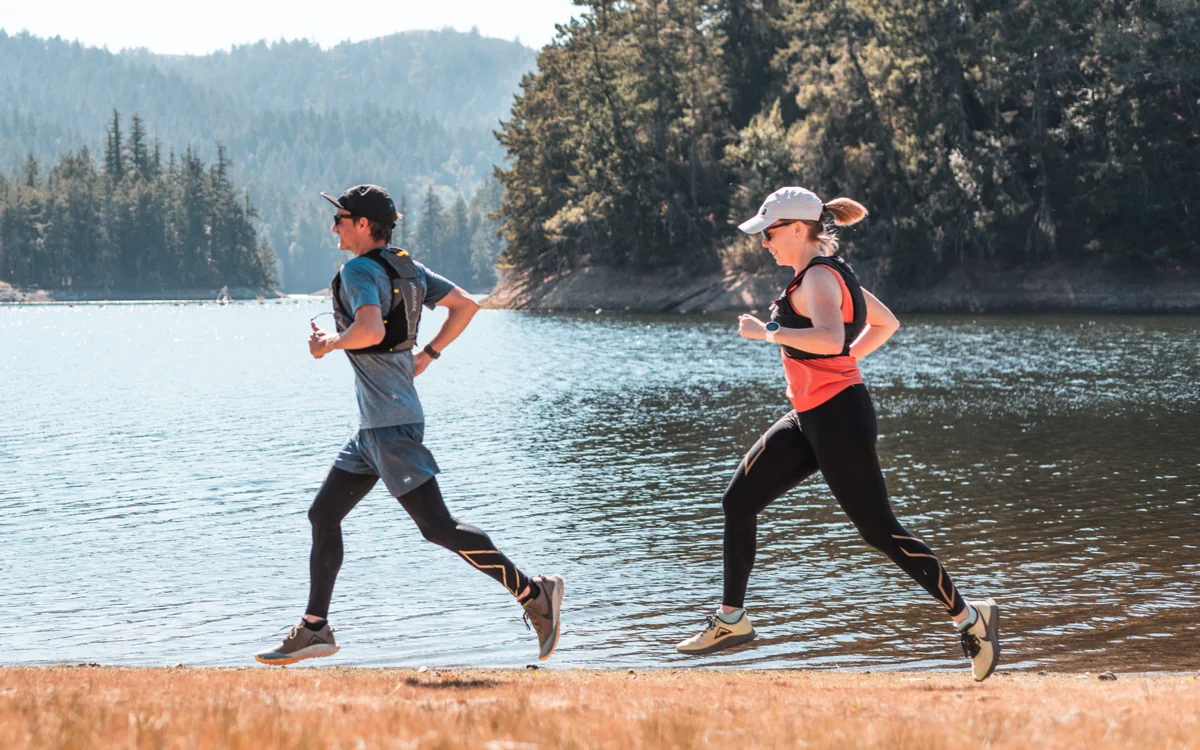
If trail runnign is something you've always been curious about trying, I recommend reading our Beginner's Guide To Trail Running, next.
Hold the handrails only for safety, not to offload effort. Gripping the rails bypasses the core and postural demand. If you need the rails to maintain your pace, reduce the incline.
Stair climbing
The most specific cardio substitute available without hills. Long building staircases, stadium steps, or a StairMaster closely replicate the muscular pattern of ascending terrain.
If you have access to a tall building, use it. Descend the stairs (don't take the elevator down), the eccentric loading on the way down is specific and valuable.
Cycling
Builds aerobic capacity and quad strength with low injury risk. An excellent cross-training option, particularly if you're managing any foot or ankle issues that make walking uncomfortable.
Zone 2 cardio
Sustained effort where you can hold a full conversation; this should make up the majority of your training volume. Hiking is fundamentally a Zone 2 activity. Long treadmill sessions, long walks with elevation, and long bike rides all count. Building your Zone 2 capacity (the ability to sustain comfortable aerobic effort for hours) is the single most transferable quality you can develop for hiking.
How to train for hiking at the gym
If the gym is your primary training environment, this is how to structure it:
Two strength sessions per week using the exercises above. Prioritize step-ups, Romanian deadlifts, and glute bridges — these three cover the most hiking-specific movement patterns. Add squats, lateral lunges, and calf raises to complete the session.
Two to three cardio sessions per week on the treadmill at incline, stair climber, or stationary bike. At least one of these should be a long, sustained session (45–60+ minutes) at moderate effort. This is your weekly "long hike" equivalent.
One longer session per week that prioritizes duration over intensity: 60–90 minutes on the treadmill at 10–12% incline, or stair climbing for as long as you can sustain it. This session is the most important one of the week.
As your hike approaches, add a loaded pack to the treadmill sessions. Start light and build toward your expected trail weight.
Training for specific hike types
Mountain hikes with significant elevation
The emphasis shifts toward elevation-specific cardio and descent training. Seek out sustained climbs; long, steady ascents are more specific than short, steep repeats.
On descents in training, slow down and focus on quiet, controlled footsteps. Your quads should be doing the braking, not your joints. The step-up with a 3-second lowering tempo in the gym directly replicates this pattern.
If you don't have hills, treadmill sessions at 12–15% incline for 45–60 minutes are the most direct substitute for ascent conditioning.
The generator adds progressive elevation gain to long sessions for mountain and altitude terrain selections, and increases incline-specific cardio work as the plan progresses.
How to train for hiking at high altitude
High altitude above 8,000 feet reduces your available oxygen; sometimes dramatically. There's no equal training substitute for acclimatization at altitude itself, but you can arrive in significantly better condition.
Build the biggest aerobic base you can. Zone 2 capacity matters more at altitude than at sea level because every step costs more oxygen. A well-trained cardiovascular system handles the demand better than an undertrained one, full stop.
Maximize your long session length. If you can build to 4–5 hour sustained hiking sessions in the final 4 weeks before your trip, do it. The duration adaptation is the most transferable quality to altitude.
On arrival: spend your first 24–48 hours at a lower elevation than your planned hiking routes if possible. Keep the first ascent easy regardless of how fit you feel. Drink more water than you think you need, altitude increases respiratory water loss significantly. Watch for altitude sickness symptoms (headache, nausea, dizziness, fatigue out of proportion to effort) and descend if they appear or worsen.
The generator adds altitude-specific coaching notes to each week when you select "high altitude" terrain.
Long-distance day hikes (15+ miles)
Volume is the priority over everything else.
Our hiking training plan generator progressively pushes your weekly long session, and in the peak phase introduces back-to-back longer efforts to simulate the fatigue of a big mileage day. A "big weekend" of a 3-hour session Saturday and a 2-hour session Sunday. More than intensity, more than strength work, cumulative time on feet is what prepares you for long-distance hiking.
Backpacking trips
Everything above, plus pack-specific training introduced from the midpoint of your plan. The generator adds loaded carries to the strength sessions and flags pack weight in the long session descriptions. Starting at 10–15% of your bodyweight and building toward your expected trail weight by the final hard weeks.
Get your pack fit dialed in during training. Don't discover that your hip belt is riding on your hips instead of your iliac crest at mile 10 of day one.
Thru-hikes and long trail sections
A structured plan is a starting point for thru-hike preparation, not a complete solution. Our plan generator gives you a 12-week framework, but the most specific preparation is hiking as much as possible in the months before, including back-to-back long days and multi-day trips with your exact gear.
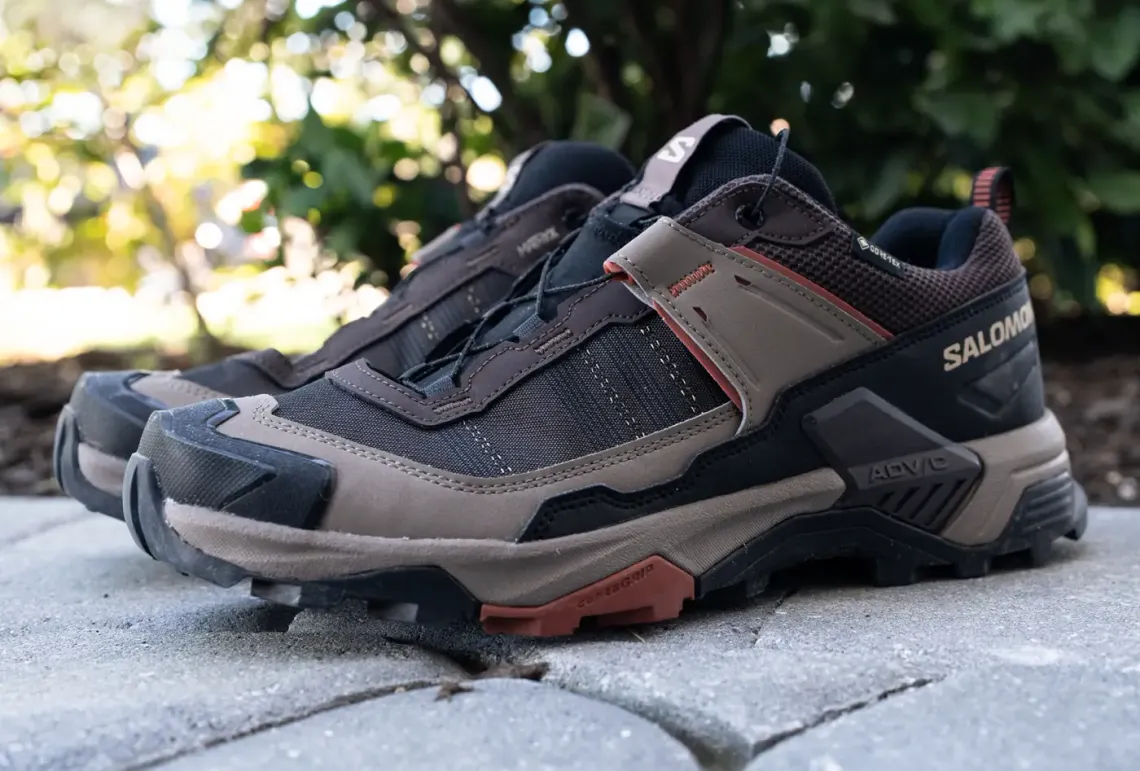
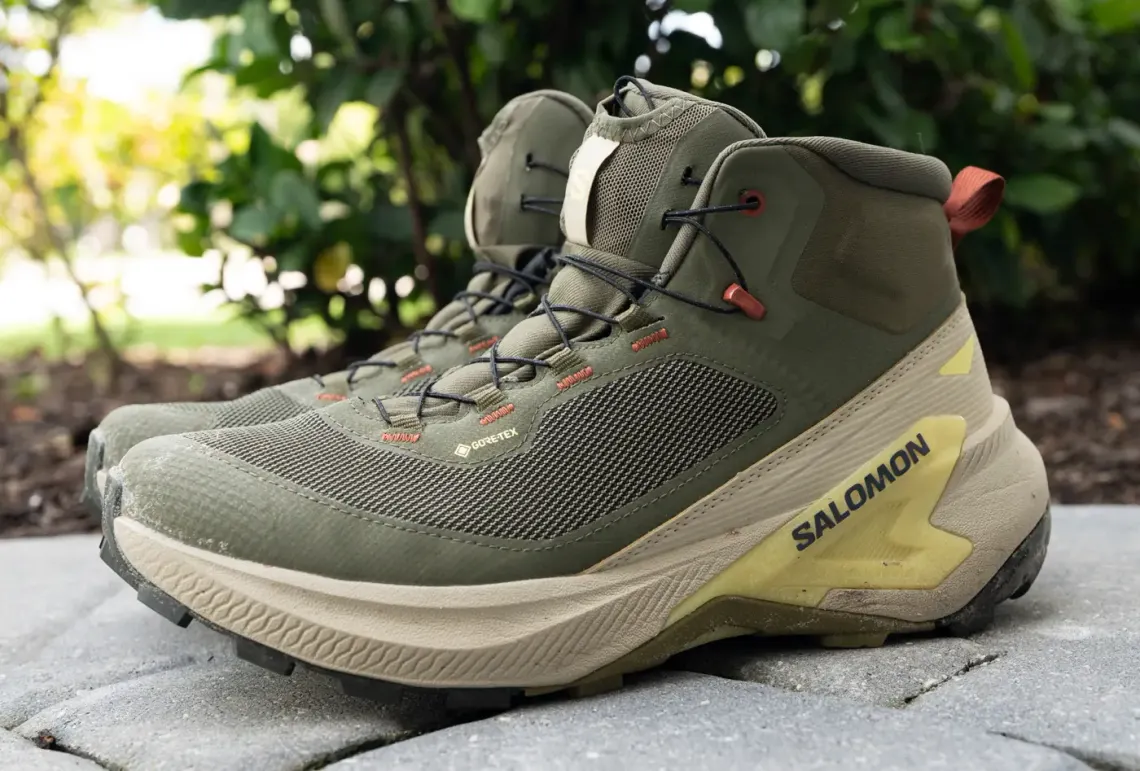
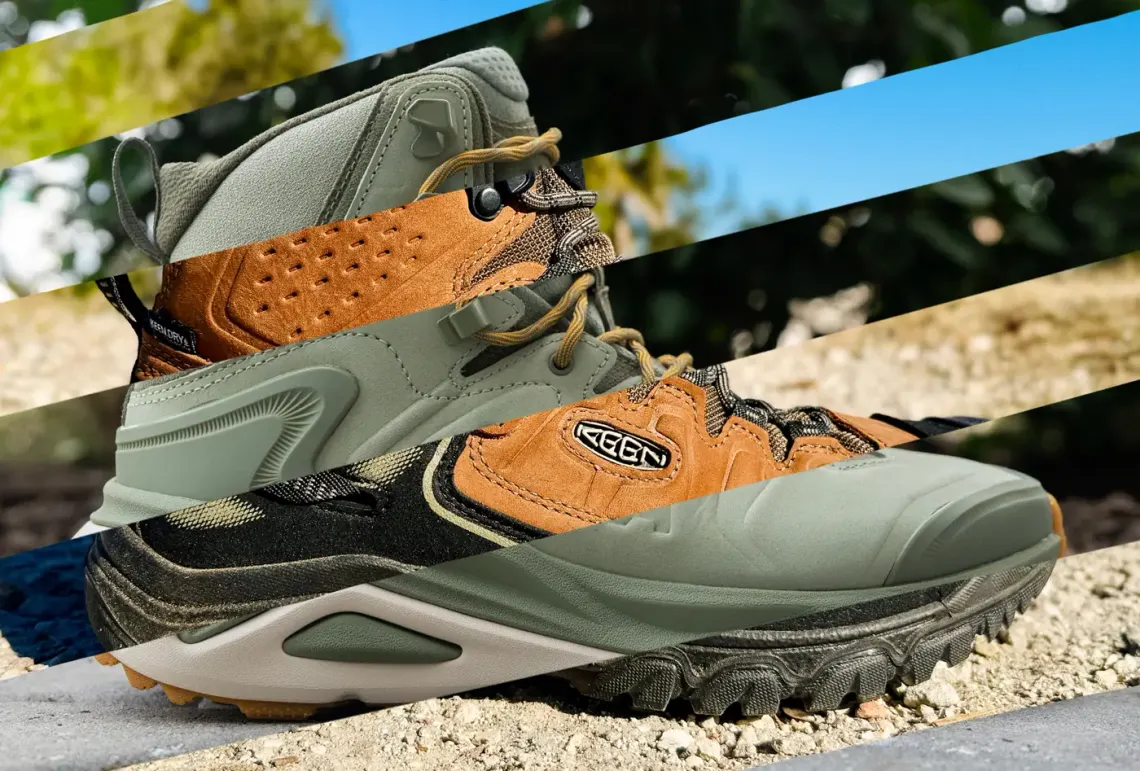
Pay close attention to footwear: log enough miles in the shoes or boots you plan to hike in to know, with certainty, that they work for your feet.
Best Trail Running Shoes for Hiking (2026), Tested Across Every Terrain
The best trail running shoes for hiking handle pavement, gravel, dirt, and everything in between; here are my top picks across road-to-trail and all-mountain, personally tested.
 Alastair Dixon
How to prepare for a hiking trip: the non-training checklist
Training fitness is one part of showing up prepared. These are the other parts:
Boot and shoe break-in. Most hiking blisters are caused by footwear that hasn't been broken in properly. Wear your hiking boots or trail shoes for at least 20–30 miles of normal activity and training walks before the target hike. Do this in the exact socks you'll wear on trail.
Route familiarity. Know the trail before you leave the trailhead. Download it to AllTrails, review the elevation profile, identify key landmarks and turnaround points. Navigation uncertainty adds stress and sometimes extra miles.
Pack weight audit. Weigh your loaded pack before multi-day trips. Most hikers carry more than they need. Every pound saved is felt on every step. Work backward from a target pack weight rather than forward from a wishlist.
Ultralight Backpacking Gear: The Complete Kit Guide
How to build a sub-10lb ultralight backpacking kit, with the best lightweight gear from REI across every category, plus a free base weight calculator.
 Alastair Dixon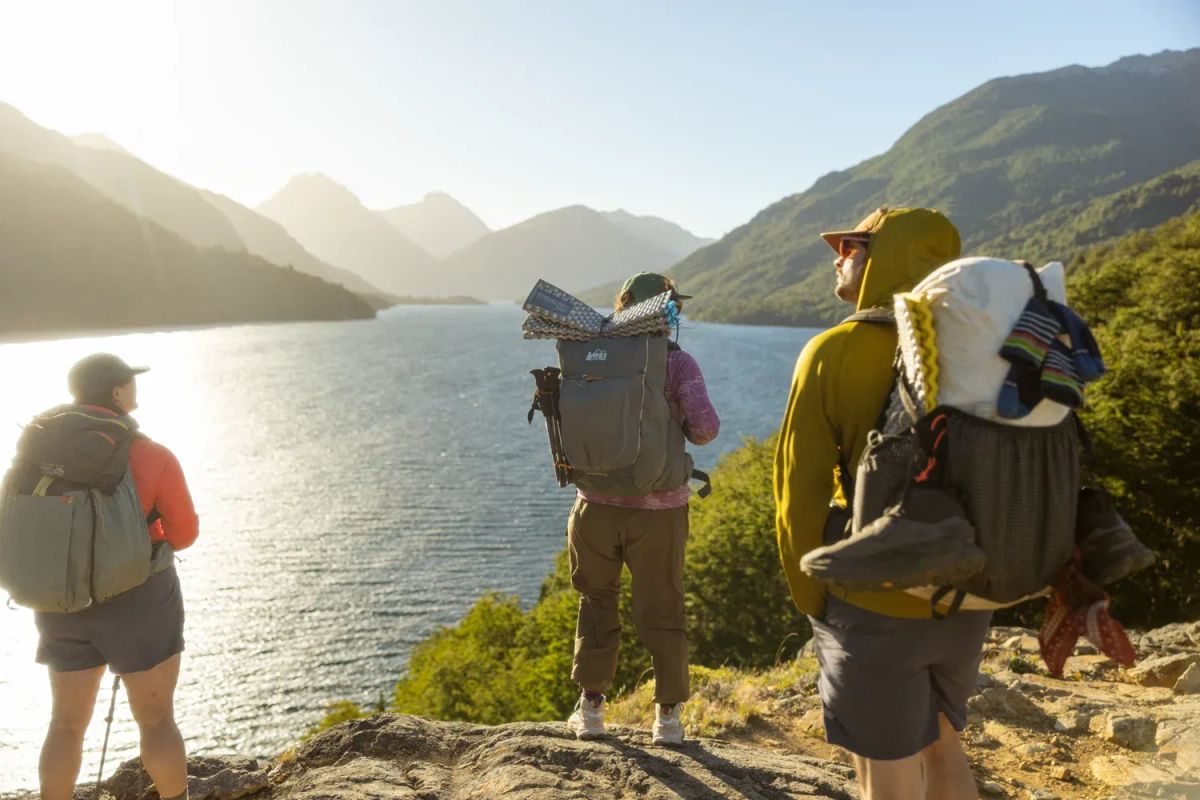
Weather and conditions. Check the forecast for the trailhead and summit if relevant. Mountain weather changes faster than lowland weather and the consequences of being caught out are more serious. Build in flexibility if your trip involves exposed ridgelines.
Emergency kit. The Ten Essentials (navigation, sun protection, insulation, illumination, first aid, fire, repair tools, nutrition, water, emergency shelter) exist because they've repeatedly saved lives on trails where nothing was supposed to go wrong.
I'll leave you with this
Training for hiking pays off on every single outing. Even 6 weeks of focused preparation changes the experience: the hard sections become the satisfying kind of hard, you recover properly overnight on multi-day trips, and you arrive at the views with something left rather than on empty.
Use the generator above for your plan. For something built around your specific hike date, daily mileage goals, and elevation profile, the Trail & Kale training plan generator for members handles all of it.
The best hike you'll ever do is the one you showed up fit for. -Alastair
Frequently asked questions
Does hiking build muscle?
Hiking develops muscular endurance in the legs, glutes, and core, particularly on sustained ascents with a pack. For building meaningful muscle mass, resistance training is more efficient and effective. The combination of hiking as cardio and aerobic training, plus strength sessions is what our generator prescribes.
Do I need a gym to train for hiking?
No. The most important training happens outdoors: hiking with elevation, stair climbing, walking with a loaded pack. If you have hills, stairs, and a backpack, you have everything you need. Select "no gym" in the generator and it builds a fully outdoor and bodyweight plan throughout.
How do I train for hiking if I have bad knees?
Strengthen the muscles around the knee rather than resting it entirely. Glute bridges, clamshells, and straight-leg raises develop the hip and quad strength that takes load off the joint.
Step-ups at low height with a very slow lowering phase can be done comfortably and progressed gradually. Cycling is an excellent low-impact cardio substitute. A physiotherapist can assess your specific situation and give targeted guidance.
How should I train for hiking over 50?
The same principles apply with more emphasis on recovery time between sessions. Three to four sessions per week rather than five, with extra rest days between hard efforts. Strength training matters more with age, not less; muscle and bone density both respond well to resistance exercise at any age, and both directly affect how sustainable hiking is long-term. Progress more gradually and prioritize sleep and protein to support adaptation.
Is hiking good for weight loss?
Yes. Hiking is an effective calorie-burning activity, particularly on longer, more demanding routes with a pack. Like any exercise for weight management, it works best alongside consistent nutrition rather than as a standalone solution. A demanding 3-hour hike with elevation burns 800–1,200 calories, which is hard to replicate in a typical gym session.
How do I get in shape for a hike fast?
More time is always better, and the physiological adaptations that matter can't be rushed. That said, if you have 4 weeks, focused preparation is significantly better than none.
Priority order: daily walking with as much elevation as possible, two strength sessions per week focused on step-ups and single-leg work, getting your footwear broken in, and sleeping well. The generator has a 4-week plan option for exactly this situation.
What is a fitness hike?
A fitness hike is a hike undertaken primarily for the physical training benefit rather than for a specific destination or trail. These are typically faster-paced, with more elevation gain, and treated as structured cardio sessions rather than leisure walks. They're one of the most effective hiking-specific training tools available, and fit naturally into the "long hike" sessions in any week of the plan.
Written by

Subscribe to new posts
Gear that earns its place, outdoors and at home | Reviews, Roundups, News







Member discussion