
Hiking boots vs trail runners: which should you actually hike in?
I've tested dozens of hiking boots and trail runners on the same trails. Here's which to choose based on load, terrain, and weather.

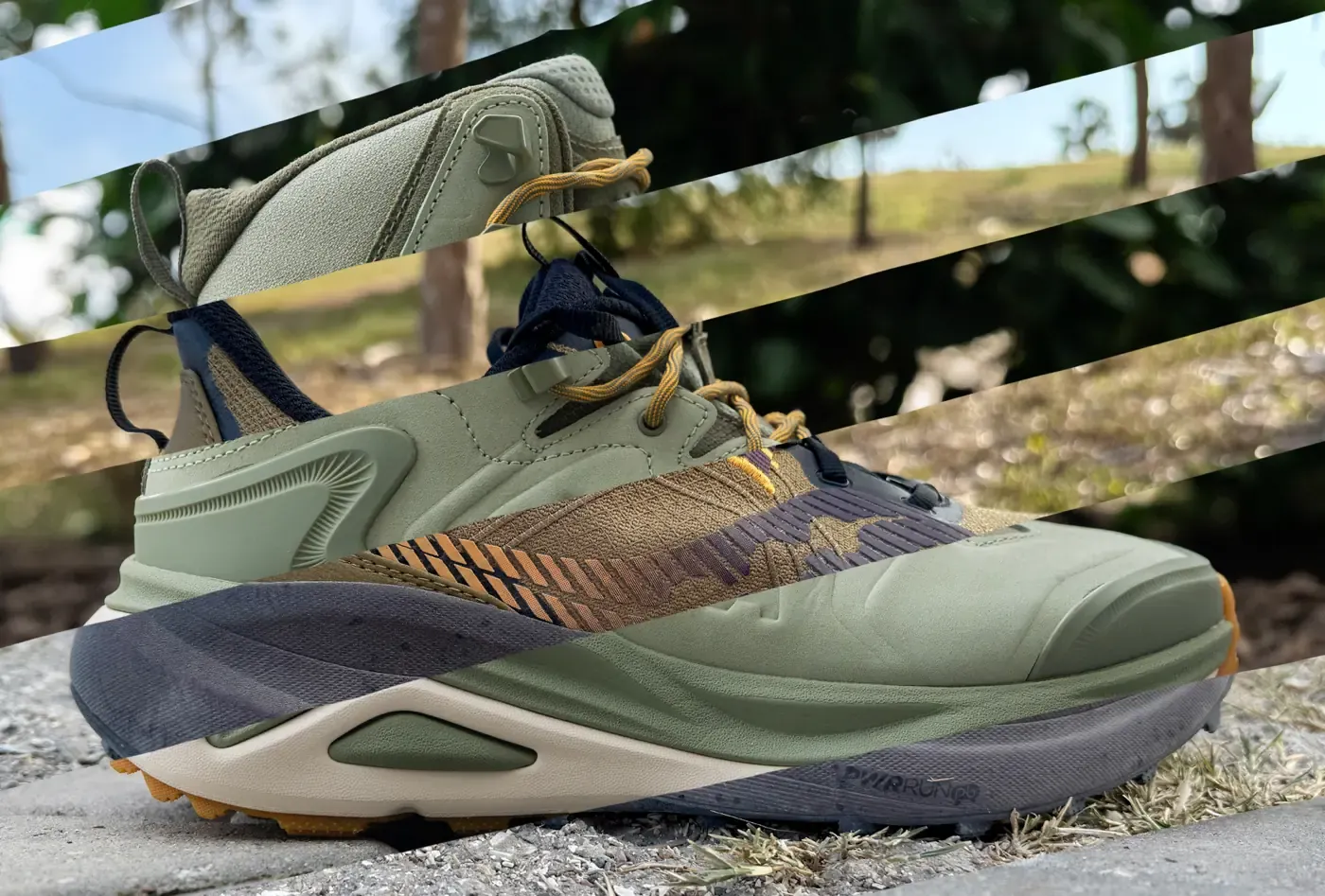
I've spent years testing both sides of this debate, many of which on the same trails. Recent hiking boots like the Hoka Kaha 3 GTX and Keen Targhee, and trail running shoes like the Hoka Speedgoat and Saucony Peregrine are a few that have performed very well for the same purpose.
So I'm not going to give you the fence-sitting answer. For most day hikers on most trails, trail runners are the better choice.
But there are real situations where a boot still earns its place, and I'll walk you through exactly where that line sits.
If you purchase through links in this article, we may earn a small affiliate commission.
The quick answer
Choose trail runners if you hike established trails in three-season conditions, care about comfort and weight, and don't carry heavy loads.
Choose hiking boots if you carry a heavy pack, hike in cold or wet shoulder-season conditions, spend time off-trail on rough terrain, or simply want more protection and durability from one pair of footwear.
Hiking Essentials Checklist: 10 Essentials + Beginner Guide
The full hiking essentials checklist plus what to wear, what to pack, and the beginner mistakes to skip on your first hikes.
 Alastair Dixon
Weight: the biggest difference you'll feel
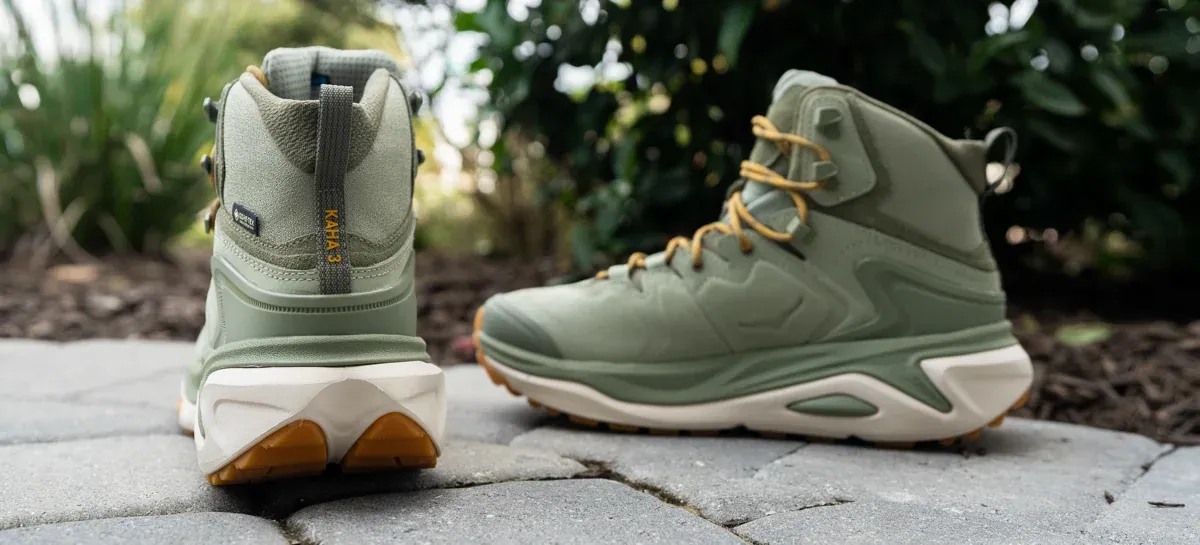
A typical waterproof mid hiking boot like the Hoka Kaha 3 GTX weighs somewhere between 1 lb 8 oz and 2 lb per pair. Most trail running shoes come in around 1 lb to 1 lb 5 oz.
That sounds small on paper. Over a full day of hiking it isn't, because you lift each foot thousands of times.
There's a reason thru-hikers on the Appalachian Trail and PCT overwhelmingly switched to trail runners years ago. Less weight on your feet means less fatigue at mile ten.
Ankle support: mostly a myth
The classic argument for boots is ankle support. Having tested plenty of mid-height boots, I'll be honest: the support most of them provide is modest at best.
A padded collar around your ankle is not a brace. What actually prevents rolled ankles is a stable platform, a secure midfoot hold, and strong lower legs from hiking regularly.
Some of the most stable footwear I've hiked in has been low-cut, the Merrell Moab Speed 2 or Keen Targhee Apex being two good examples. A well-designed trail runner with a planted, wide base can be more sure-footed than a tall boot with a narrow platform.
Where mids genuinely help is debris protection and confidence on loose, rocky descents with a heavy pack. That's worth something, just not the injury insurance it's often sold as.
Protection and durability: where boots win
This is the honest trade-off; boots use thicker leather or synthetic uppers, substantial toe caps, and stiffer midsoles.
Kick a rock in a burly boot and you'll barely notice. Do it in a lightweight trail runner and you'll remember it for a mile.
Durability follows the same pattern; a quality pair of boots can last 600 to 1,000 miles or more. Most trail runners are showing their age by 400 to 500 miles; the KEEN Roam and Seek are two recent exceptions with midsole durability ratings of over 900+ miles.
If you hike a lot, that difference matters for your wallet. Factor it in.
Grip: closer than you'd think
Modern trail running shoes give up nothing here. Outsoles like Vibram Megagrip appear in both categories now, and the trail running versions often bite better because the lugs are more aggressive as they're designed to offer more traction at higher speeds.
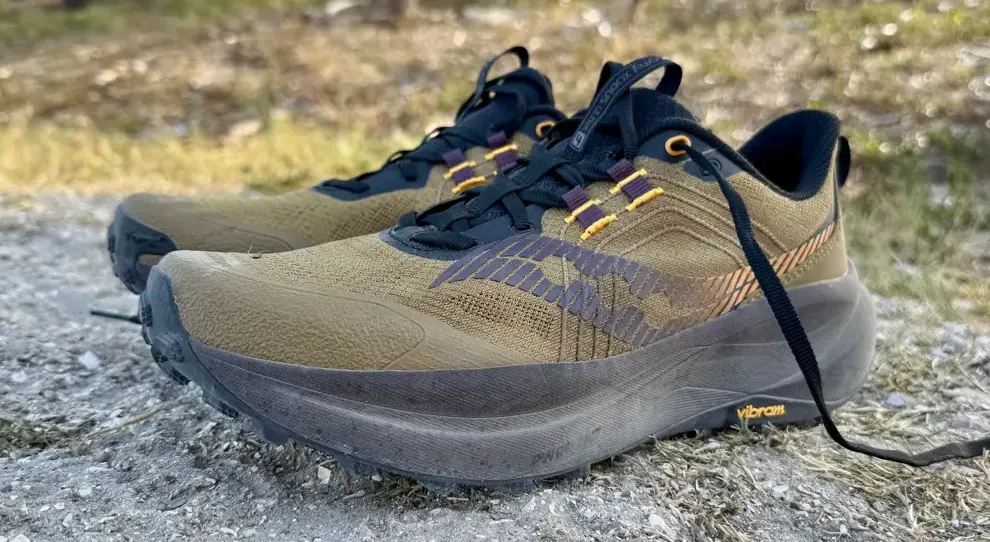
On wet rock, mud, and loose gravel, I trust a shoe like the Saucony Xodus Ultra 4 or the Hoka Speedgoat 7 as much as any boot I've tested.
Waterproofing: think harder about this one
Most hikers default to waterproof everything; I'd push back on that.
A Gore-Tex membrane like the one in the awesome Merrell Moab Speed 2 GTX (one of my all time favorites) keeps splashes and shallow puddles out. It also traps heat, dries slowly once water gets in over the collar, and adds weight.
In warm weather, a non-waterproof trail runner that drains and dries fast is often the more comfortable choice, even in rain. Save the waterproof membrane for cold conditions, snowmelt, and shoulder seasons, where wet feet become a safety issue rather than an annoyance.
Comfort and break-in
Good trail running shoes are comfortable out of the box; there's no break-in period, no hot spots to manage, no ritual.
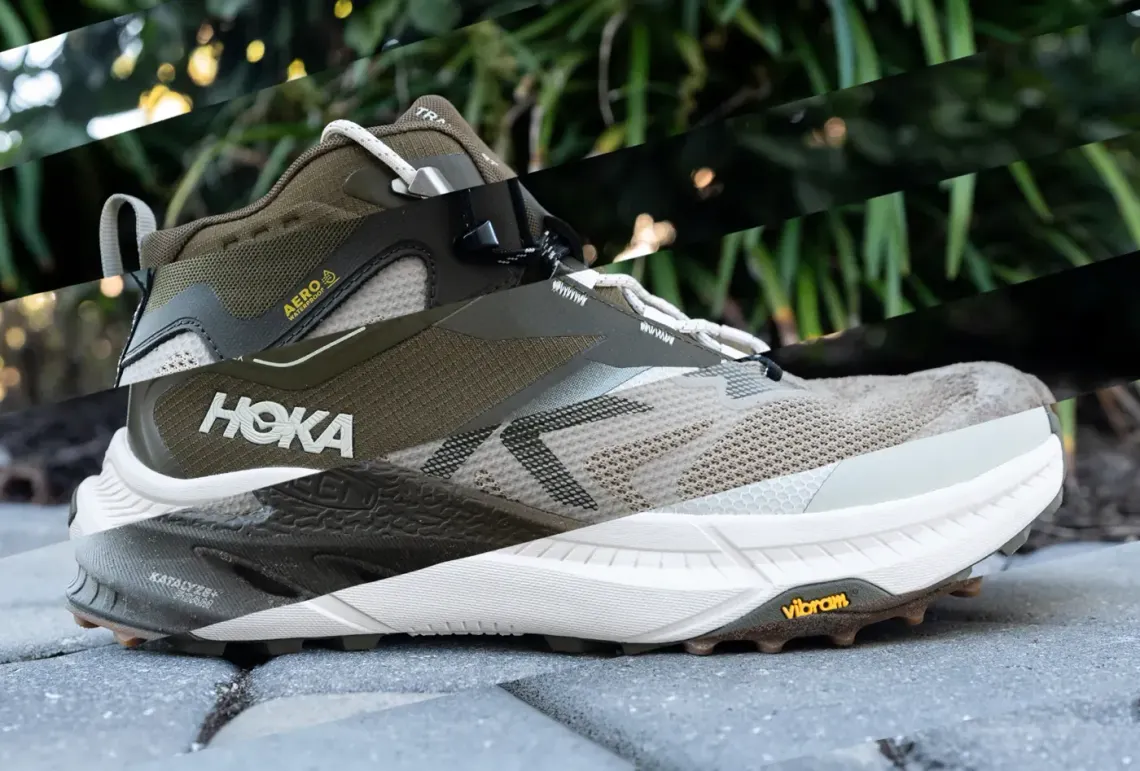
Boots have improved enormously here, however. Modern options built on running-shoe DNA, like Hoka's hiking line, feel closer to sneakers than the stiff leather boots of a decade ago. But heavier traditional boots still need miles before they settle in.
When I choose a boot
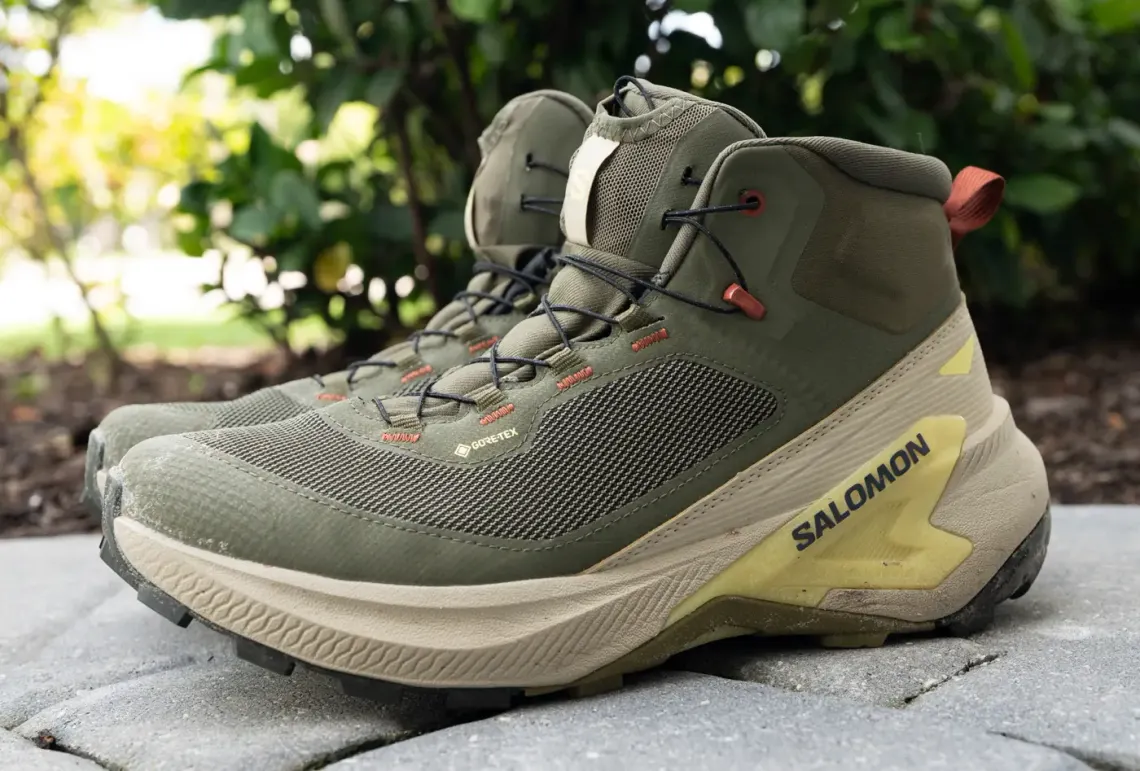
I reach for a boot when I'm carrying a loaded pack (or my son Sebastian), when the forecast is cold and wet, when there's snow on the route, or when I know the terrain is rough and off-camber.
The extra structure under a heavy load is real. So is warm, dry comfort when conditions turn.
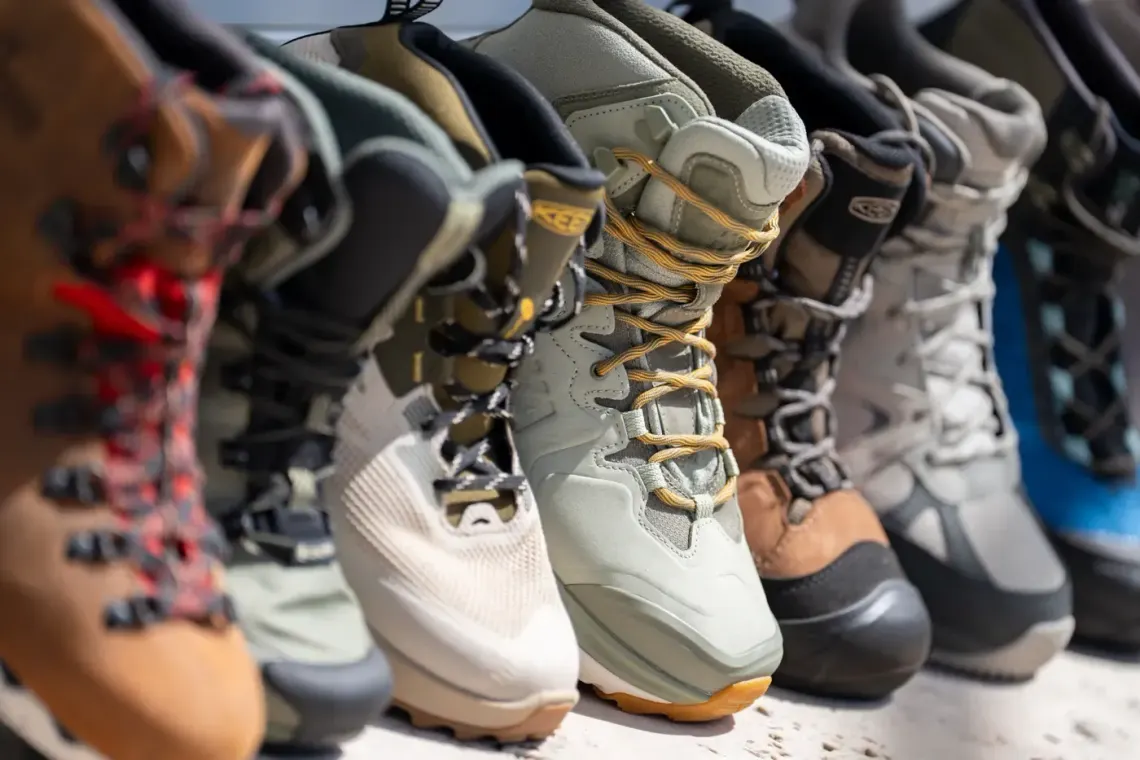
Best hiking boots 2026: The pairs that stood out in testing
Every hiking boot here has been fully trail-tested. These are my current top picks.
 Alastair Dixon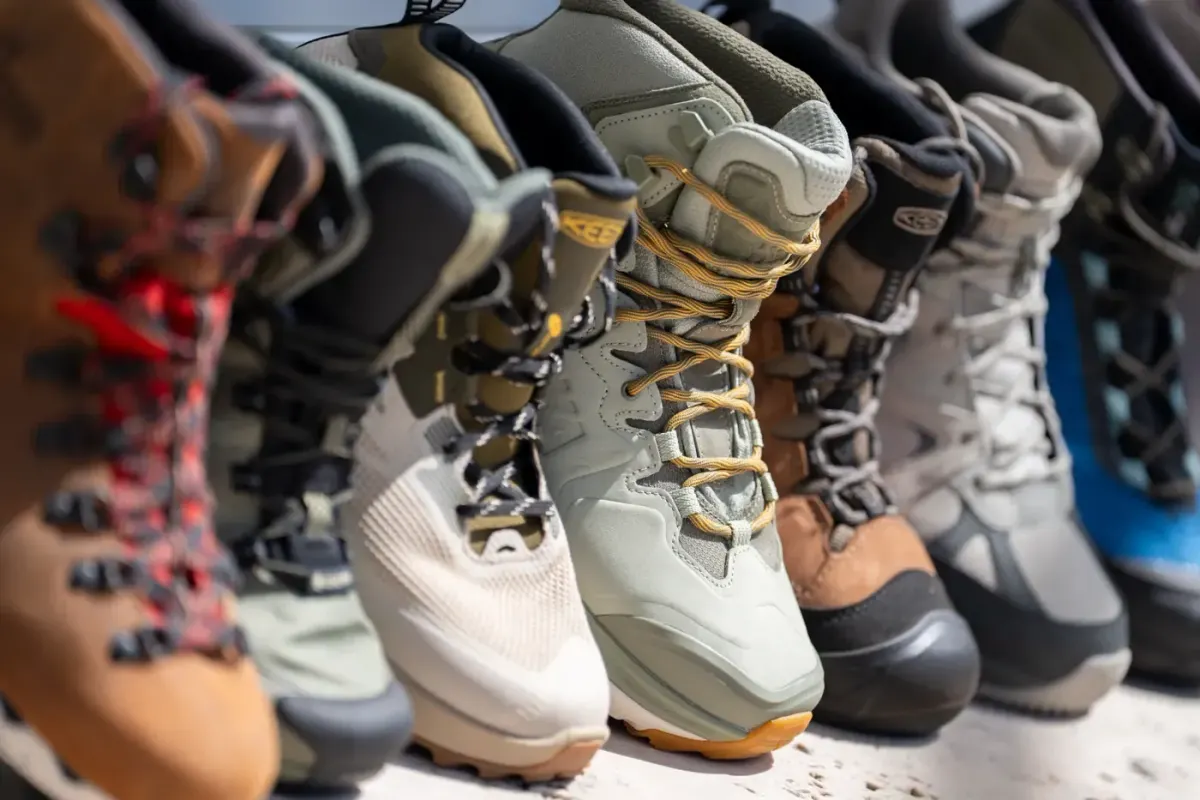
My specific top picks are in my best hiking boots roundup; If you've settled on a boot, Kaha 3 vs Targhee IV covers my two favorites head to head.
When I choose a trail runner
For everything else; day hikes, fast-and-light missions, warm weather, well-maintained trails, and any hike where I'd rather move quickly and comfortably than armor up.
What is Trail Running? The Complete Beginner’s Guide (2026)
How to start trail running like choosing your first trail, knowing what gear you need, running safely on uneven ground, and building confidence without chasing pace.
 Alastair Dixon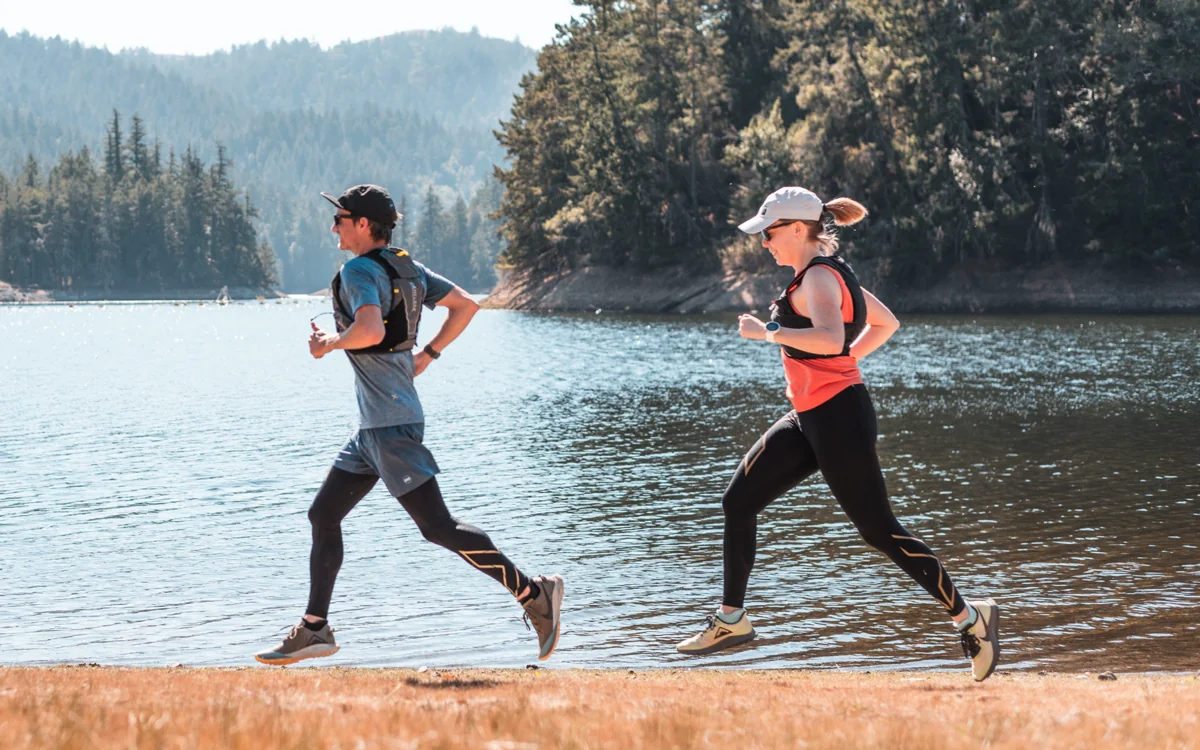
If you're only going to own one pair for hiking and you mostly do day hikes, make it a trail running shoe with a grippy outsole and a stable platform. My current picks are in my roundup of the best trail running shoes for hiking.
And if your hikes start from your doorstep with pavement before the trailhead, my best road to trail running shoes roundup over on Alastair Running covers the hybrid options.
Hiking Training Plan: Build Yours Free With Our Generator
Build your personal week-by-week hiking training schedule using the generator below; then read on for the strength work, cardio, and specifics that make it stick.
 Alastair Dixon
The bottom line
The boot vs trail runner question isn't really about footwear categories; it's about load, terrain, and weather.
Light load, decent trail, three-season weather: trail runners, and it isn't close. Heavy pack, rough ground, cold and wet: a boot still earns its keep.
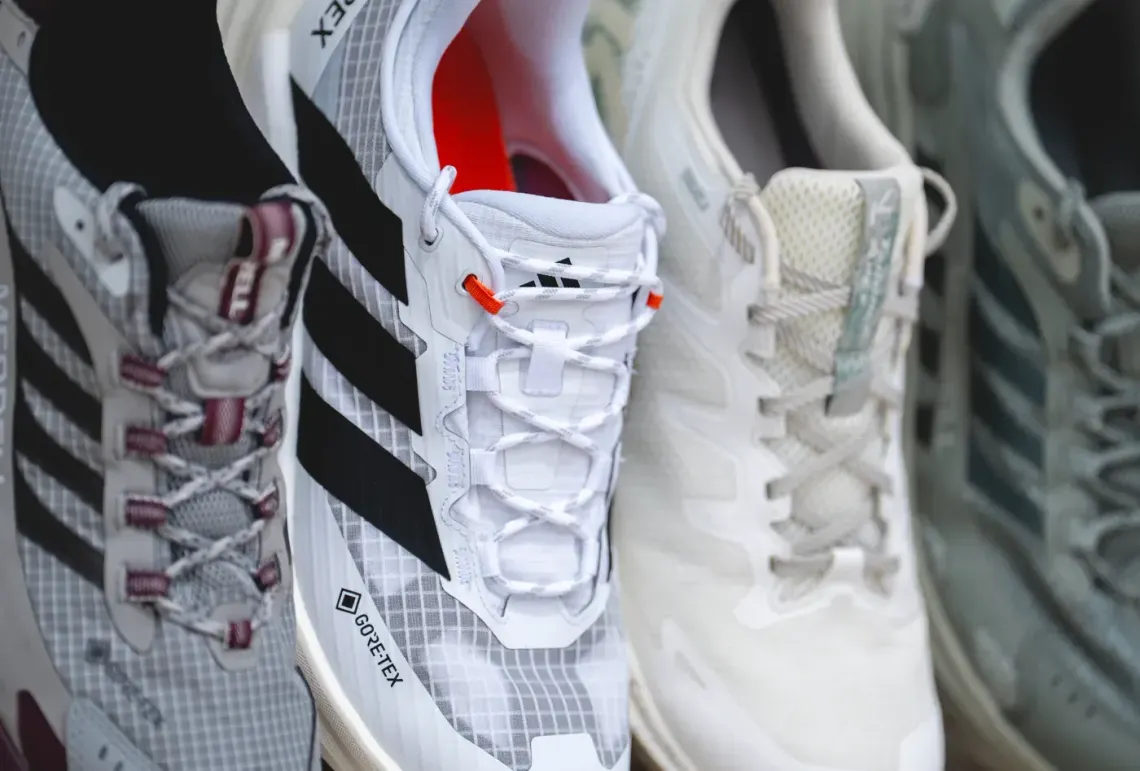
And if you land somewhere in the middle, the fast-growing category of low-cut hiking shoes splits the difference, with more protection than a trail runner and less bulk than a boot.
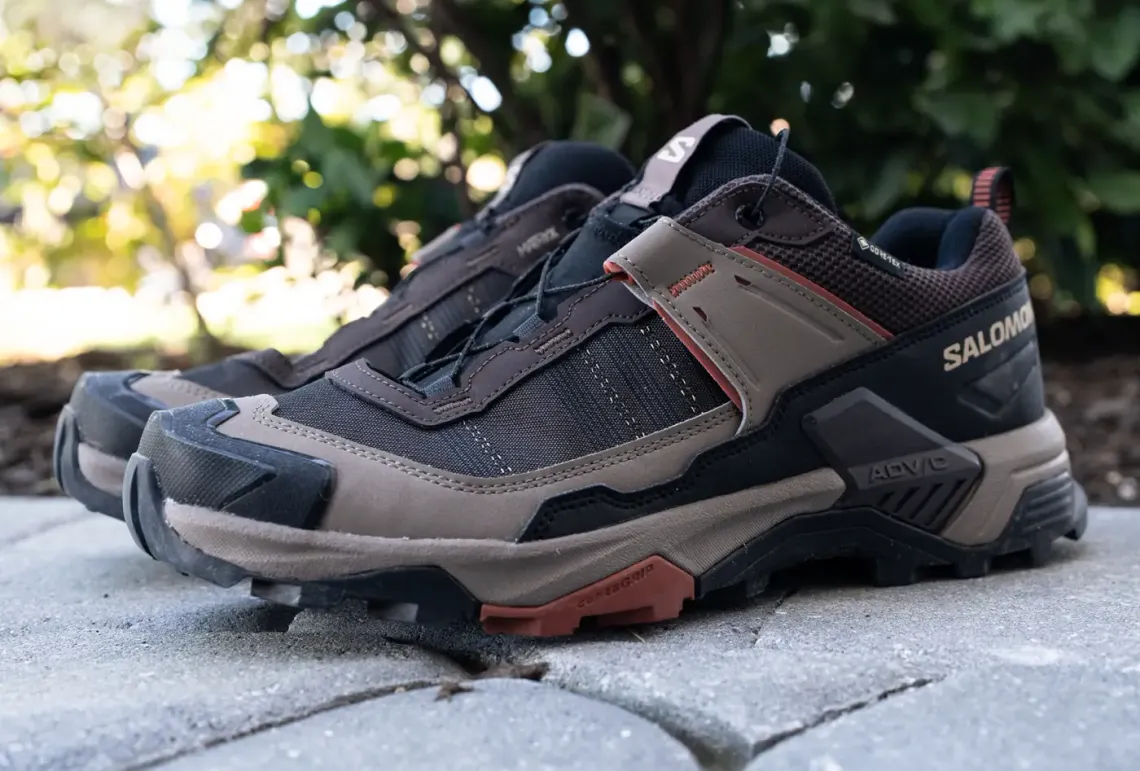
A firm, stable hiking shoe like the Salomon X Ultra 5 GTX is a good example of what that middle ground feels like: chassis-level stability and real waterproofing, without the weight or warmth of a boot.
Salomon X Ultra 5 GTX review: planted, grippy, one fit flaw
Stable underfoot, excellent Contagrip traction, and GORE-TEX that does its job. Here’s where the X Ultra 5 GTX shines, and why the heel hold never quite satisfied me
 Alastair Dixon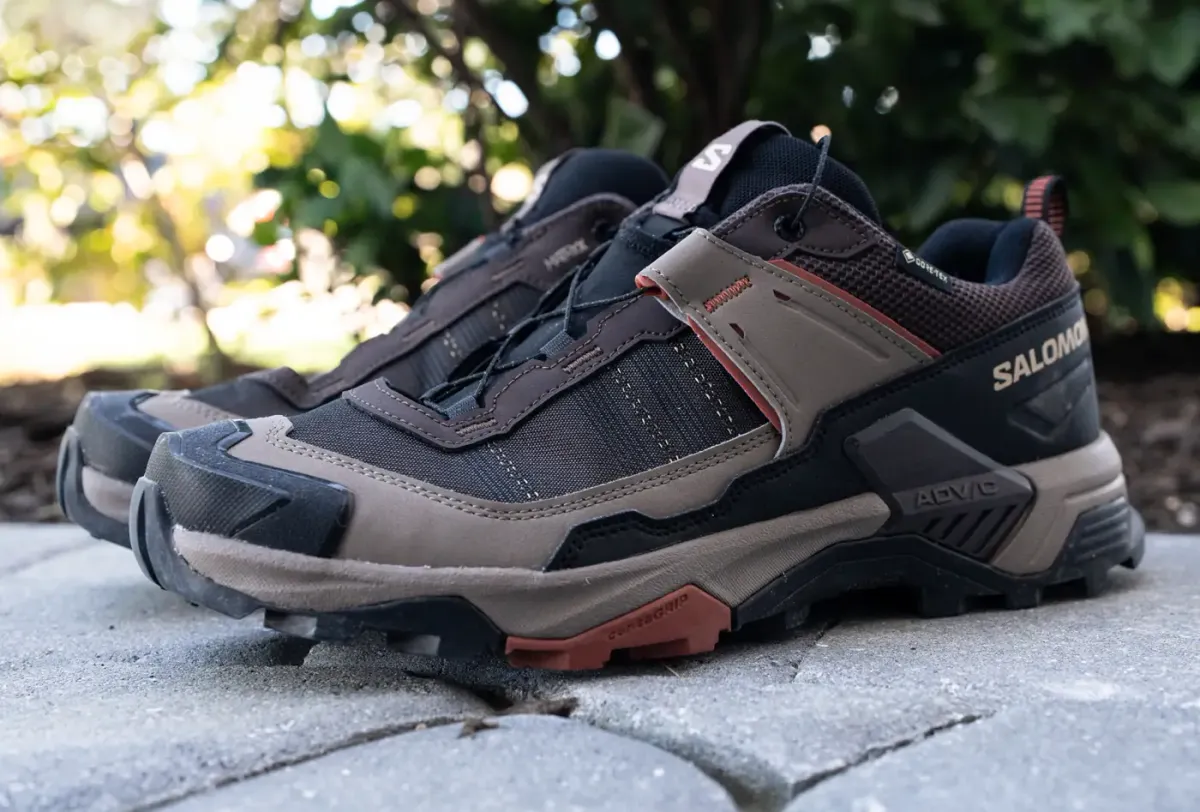
Landed in the trail runner camp? Start with my best trail running shoes roundup, where every pick has been through my usual testing process.
If you haven't already, signup to our free newsletter, for more quality outdoor content like this. -Alastair
Written by

Subscribe to new posts
Gear that earns its place, outdoors and at home | Reviews, Roundups, News








Member discussion