
Salomon X Ultra 5 GTX review: firm, planted, grippy, and one heel that wouldn't lock
Stable underfoot, excellent Contagrip traction, and GORE-TEX that does its job. Here's where the X Ultra 5 GTX shines, and why the heel hold never quite satisfied me

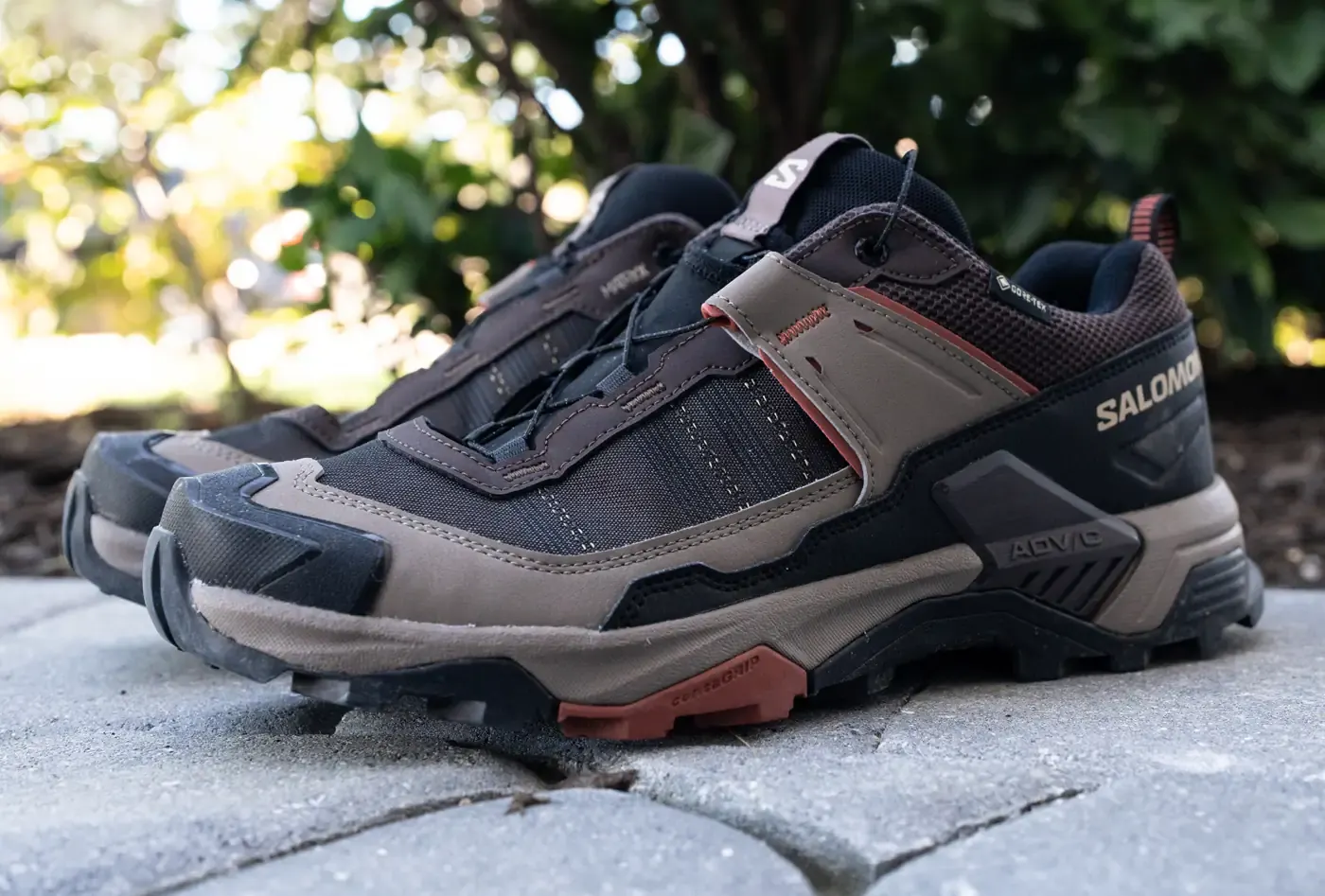
The X Ultra has been one of the default answers to "which waterproof low hiking shoe should I buy" for years, and the Salomon X Ultra 5 GTX doesn't change that.
This is a refinement, not a reinvention. It's a little tougher and a little more stable than the X Ultra 4, with the same firm, planted personality that made the line popular in the first place.
I've been hiking in my pair on mixed trails, and the headline is simple; the platform and the grip are excellent, the waterproofing works, and the shoe is usable straight out of the box.
The one place it didn't work for me is the heel lockdown, and I'll spend time explaining that below because it's the thing that should decide whether this shoe works on your feet or someone else's.
If you purchase through links in this article, we may earn a small affiliate commission. For exclusive content, our newsletter, and more perks, become a member, it's free! -The Trail & Kale team ✌🏼
Key specifications
- Price: $170 at Salomon
- Weight: 13.4 oz / 380 g (men's US 9, my pair)
- Drop: 11mm (33mm heel / 22mm forefoot stack height)
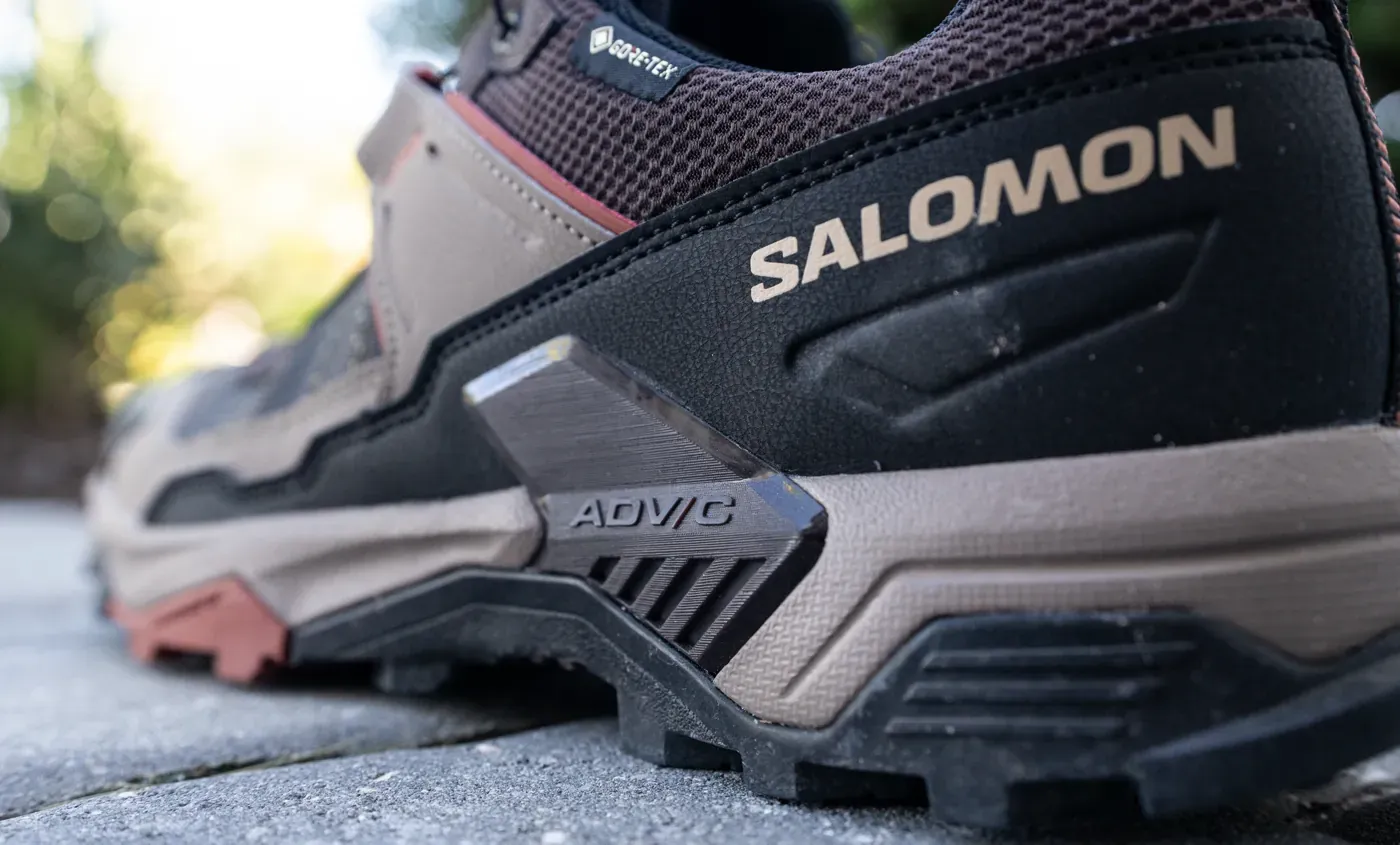
- Upper: Matryx textile with Kevlar fibers for abrasion resistance, protective toe cap, and a PFC-free GORE-TEX waterproof membrane
- Midsole: EnergyCell EVA with Salomon's advancedCHASSIS for lateral support and stability
- Outsole: All-Terrain Contagrip rubber
- Extra attributes: Quicklace single-pull lacing with lace garage, recycled materials in the build, regular and wide widths in men's (women's is regular only)
Sizing and fit
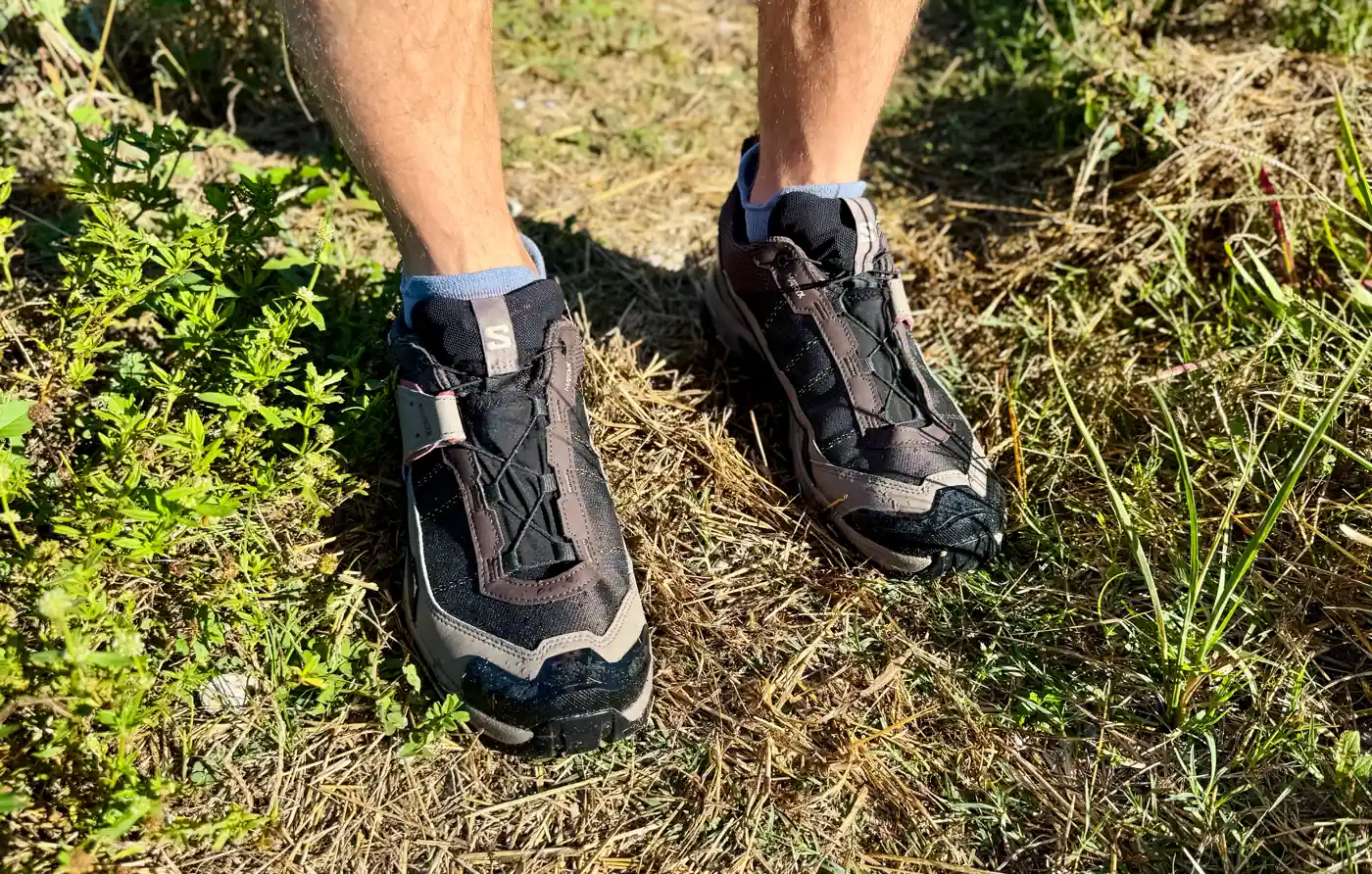
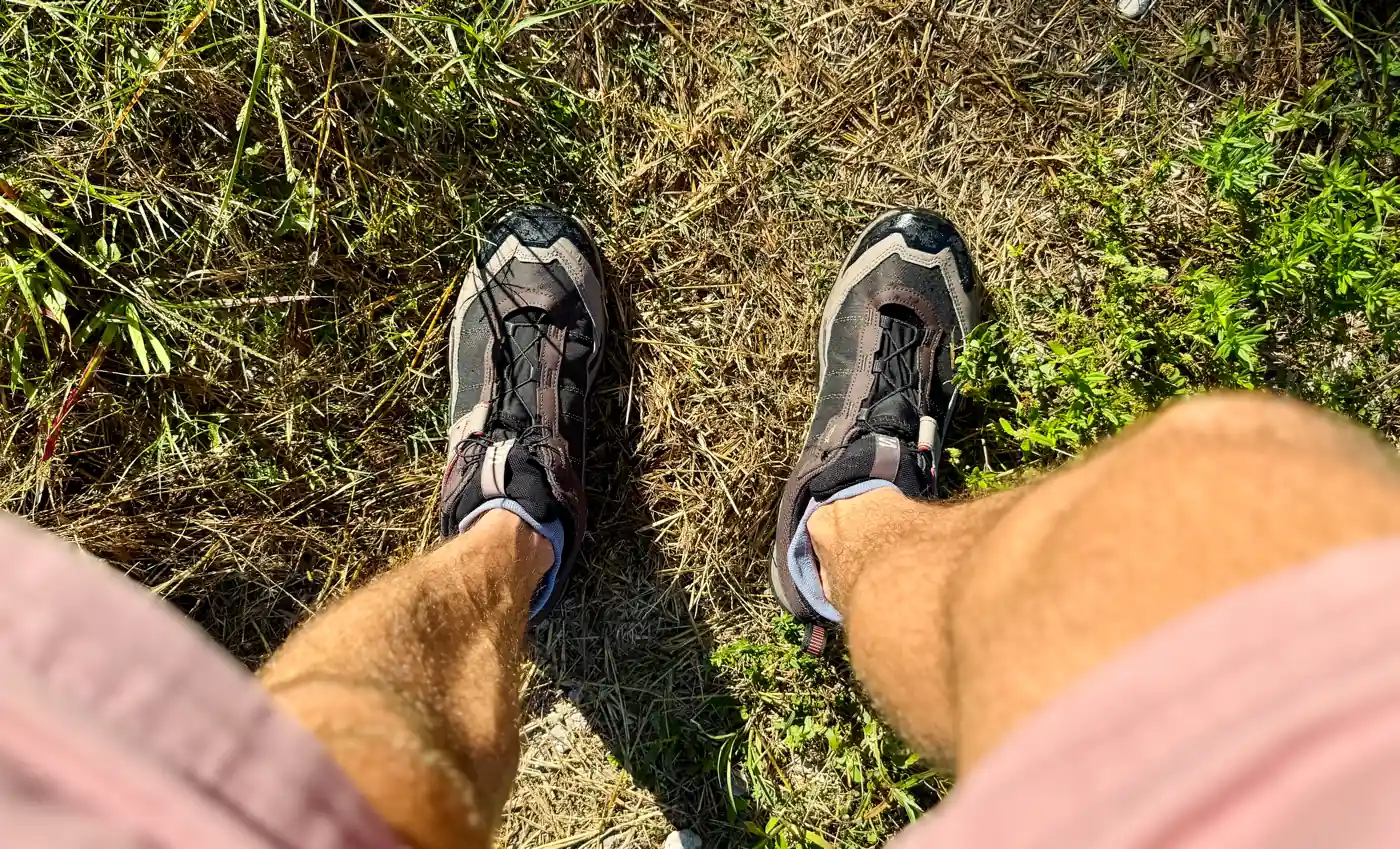
The X Ultra 5 GTX is built on a snug, precise Salomon fit, so it's a lower-volume shoe than something like the roomy KEEN Targhee Apex.
For most people your usual US size will work, but if you're between sizes, have a wider forefoot, or plan to hike in thicker socks, go up a half size or straight to the wide version.
The fit advice you'll find on this shoe is all over the place, and that's because the last is unforgiving of feet it doesn't suit.
The toe box is secure rather than spacious, the midfoot wrap is excellent, and the collar is well padded.
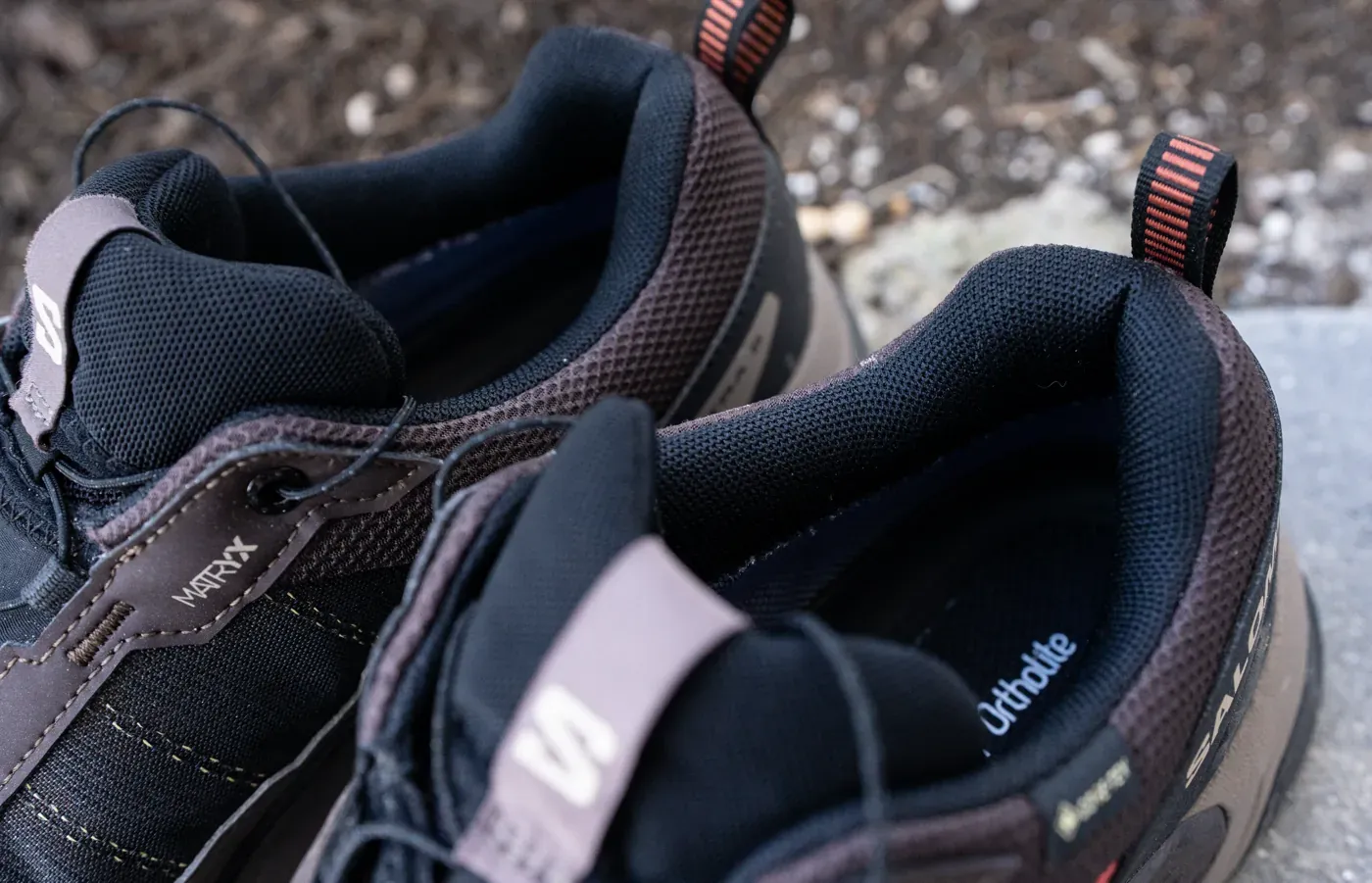
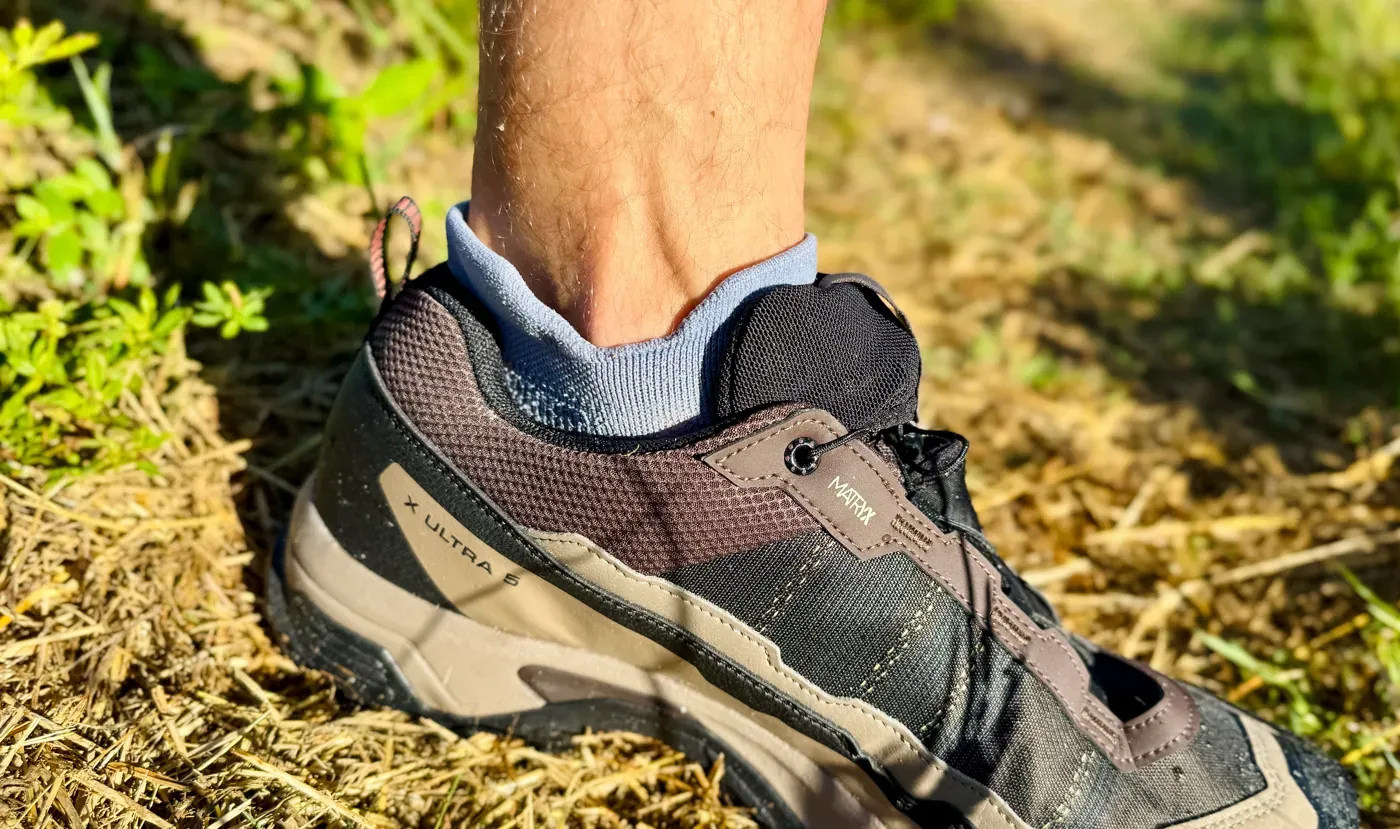
nice padded collars (left), heel lock down (right)
The heel is the part that didn't work for me, and I'll get into exactly why in the performance section.
Performance review
The ride and the grip are the reasons to buy this shoe, so that's where I'll spend most of this review.
Stability and confidence is the whole point of this shoe
The advancedCHASSIS and the firm EnergyCell midsole are the identity of the X Ultra 5 GTX. Everything else is built around them.
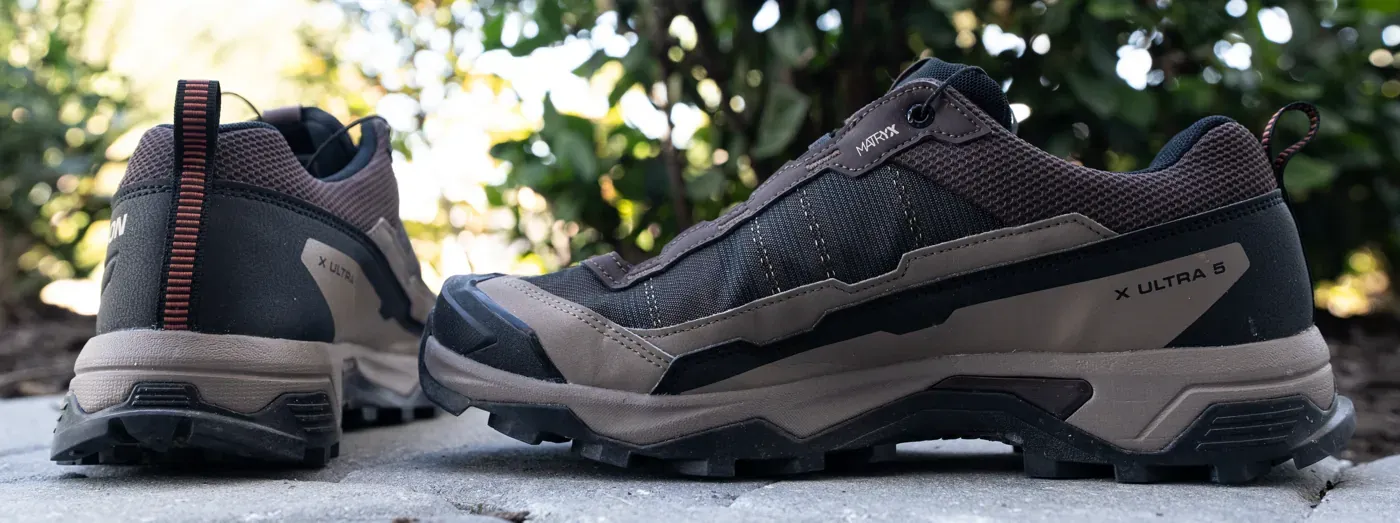
On roots, loose rock, and off-camber sections, the platform stays level and predictable, and the shoe never feels like it's going to roll out from under you. It's the kind of stability that lets you stop looking at your feet and look at the trail instead.
"That same firmness is the trade-off."
This is a connected, grounded ride, not a plush one, and it's the wrong shoe if you want a tall, soft stack midsole under foot.
If soft and springy is what you're after, the Adidas Terrex Free Hiker 3 Low GTX is the low-cut waterproof hiker that delivers it, and it's my current best overall pick in the category.
Adidas Free Hiker 3 Low GTX review: soft, planted, proven
Running shoe comfort meets serious trail grip. I tested the new waterproof Free Hiker 3 Low GTX to find out if Adidas finally perfected the formula.
 Alastair Dixon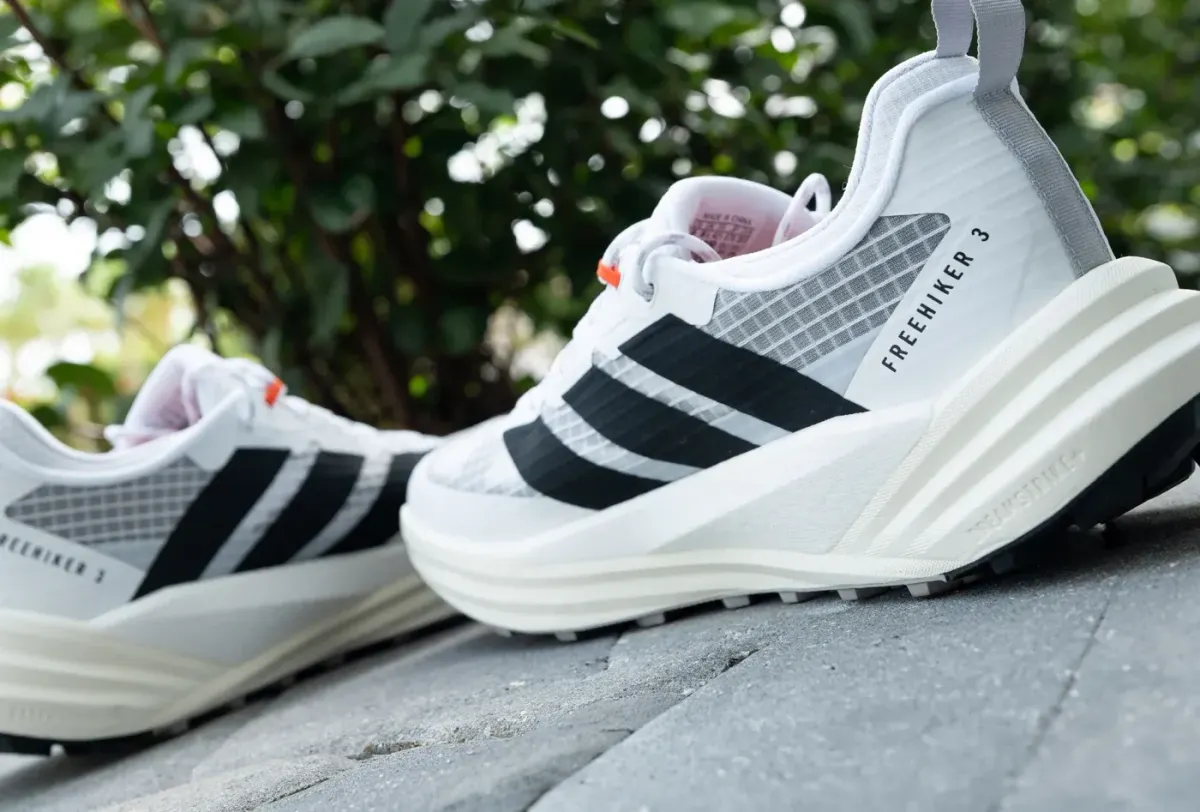
Contagrip traction I rarely had to think about
Grip is the least arguable thing about this shoe.
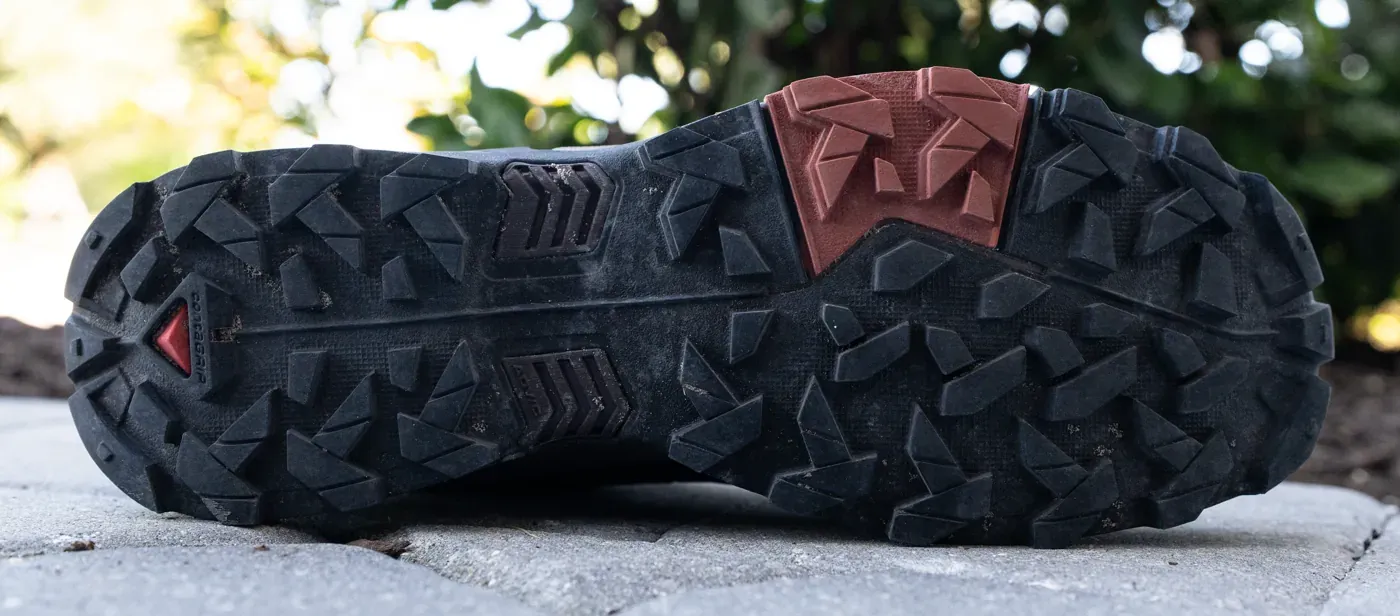
Contagrip has been excellent for me on dirt, mud, loose rock, and gravel, on climbs and descents alike.
The one asterisk is wet, polished stone. On slick granite, shale, and river slabs the rubber can lose some of its bite, and you'll want to place your feet more carefully there.
That caveat applies to almost every hiking outsole I've tested, so it's not a mark against the X Ultra 5 GTX so much as a reminder that no rubber is magic on wet slab surfaces.
Ten minutes of stiffness, then you're good
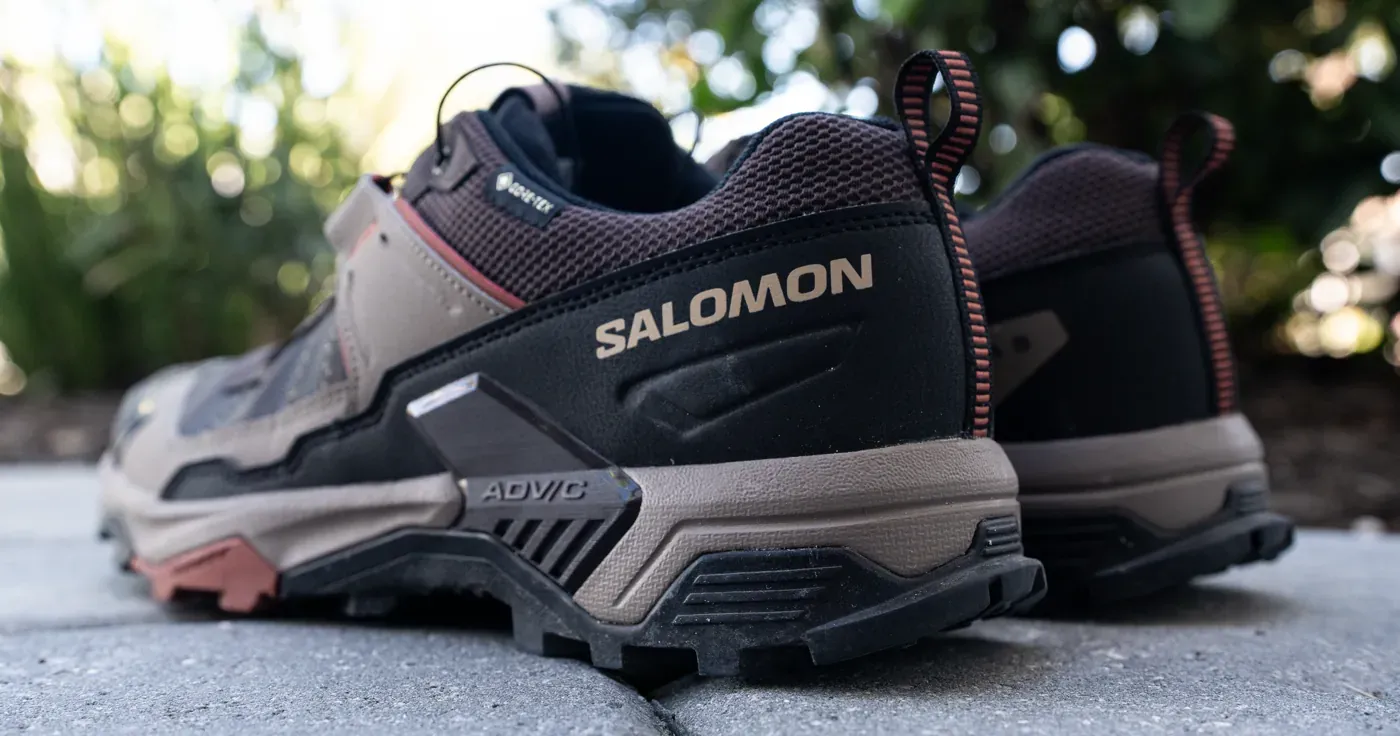

The X Ultra 5 GTX felt a little stiff for roughly the first ten minutes of my first hike in them, and then it didn't.
There was no multi-mile break-in period, no hot spots to manage, and nothing that needed a "give it a few more outings" excuse. For a structured waterproof hiker with a chassis in the midsole, that's a real point in its favor.
If you're coming from traditional boots that demanded a break-in ritual, my guide on how to break in hiking boots explains why modern synthetic hikers like this one skip most of that.
How to break in hiking boots without wrecking your feet
The break-in method I use on every test boot, how long it really takes by boot type, and the shortcut myths that damage boots and feet.
 Alastair Dixon
GORE-TEX that keeps water out, and heat in
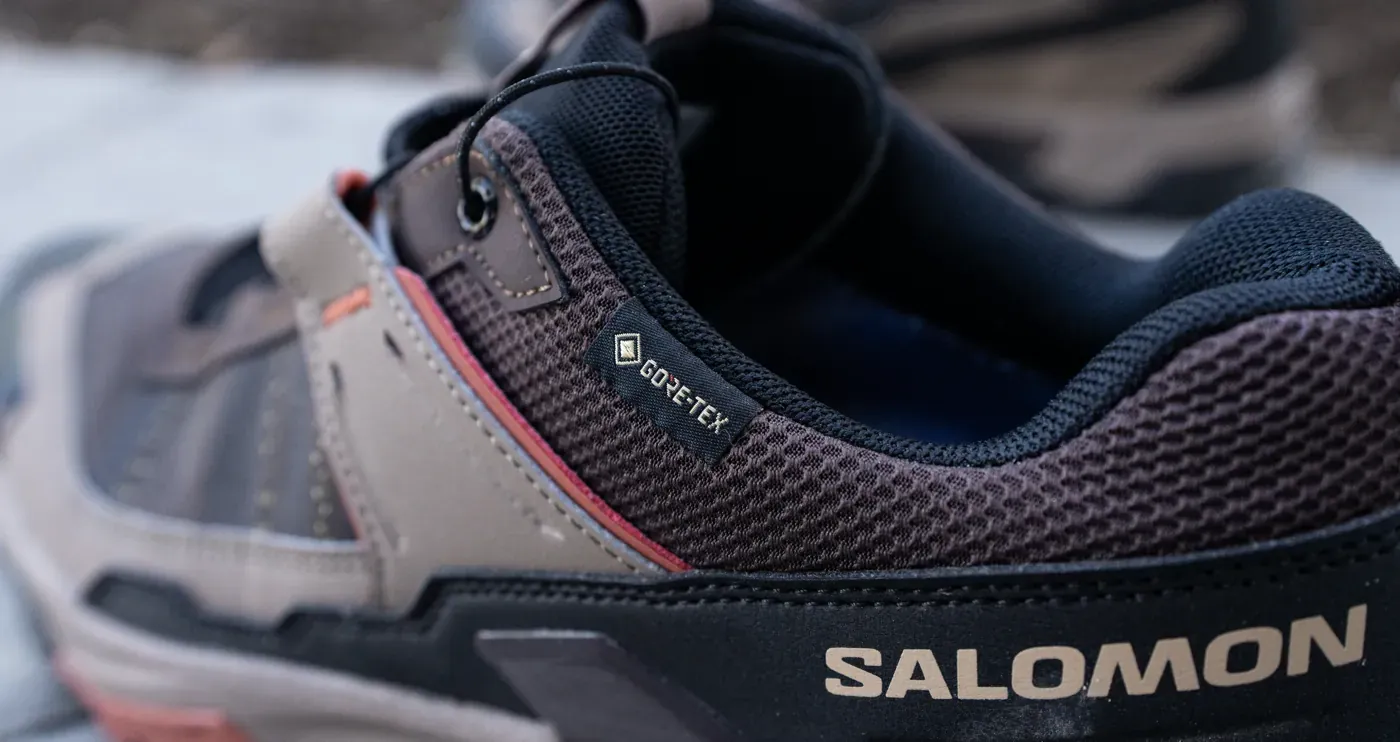
The membrane does its job. Shallow crossings, wet brush, dewy morning grass, and rain have all stayed on the outside of the shoe, as long as water doesn't come in over the low collar.
The complaint isn't leaks, it's temperature. Like every GORE-TEX low, this shoe runs warm, and once it does get wet inside it's slow to dry out.
That makes it a great shoulder-season and wet-weather shoe and a poor summer daily driver.
If most of your hiking is hot and dry, the non-waterproof Merrell Moab Speed 2 is the better everyday pick, in my humble opinion.
Merrell Moab Speed 2 hiking shoes review: a breathable hiker that gets the balance right
Cushioned, stable, and easy to wear for long days, the Moab Speed 2 blends trail comfort, support, and breathability really well.
 Alastair Dixon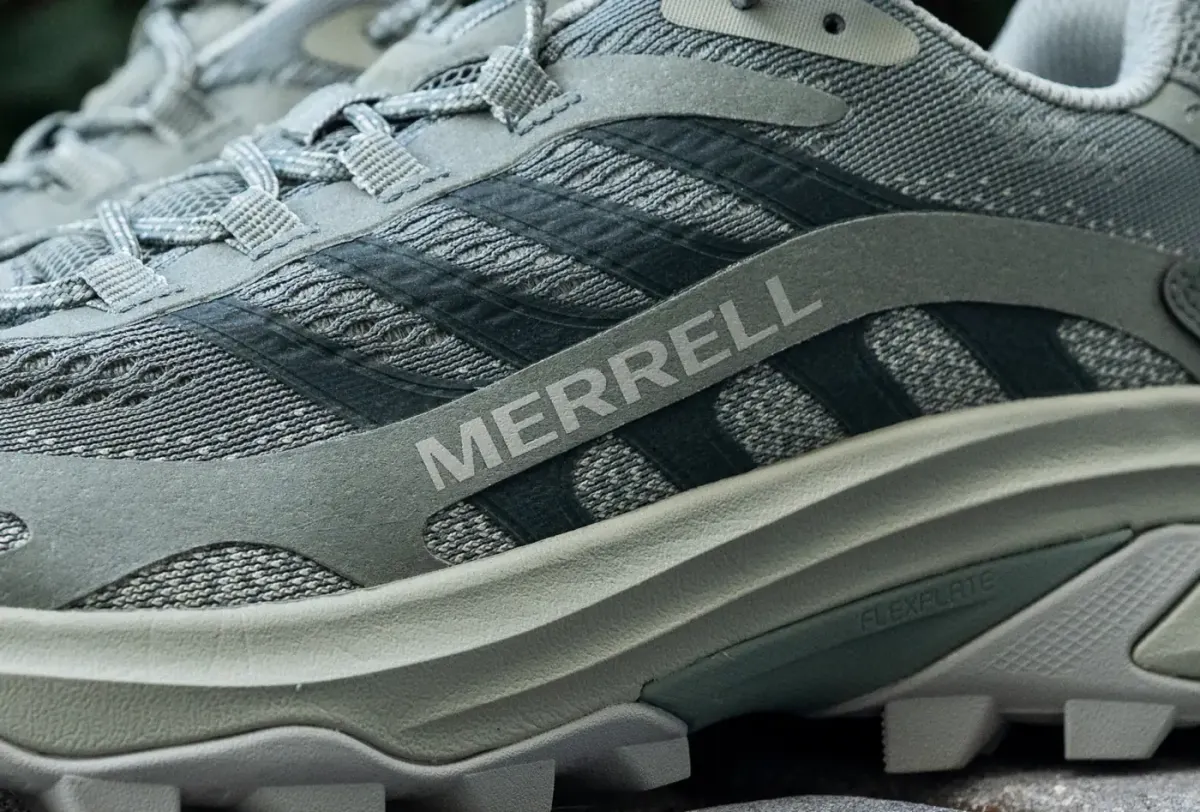
The Matryx upper is the real upgrade over the X Ultra 4
If you owned an X Ultra 4, you'll likely know the toe-crease wear that showed up after while.
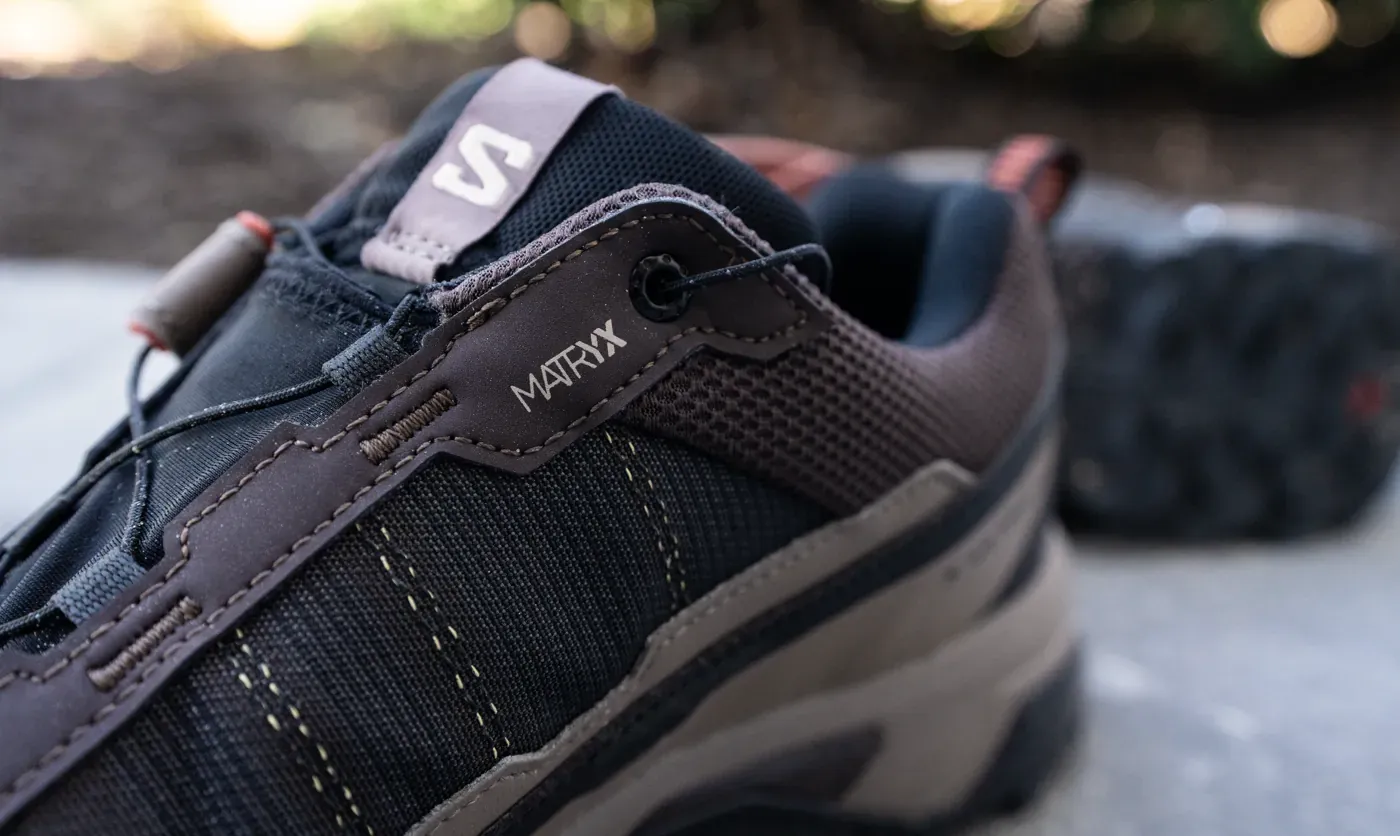
The Kevlar-reinforced Matryx upper on the 5 is the generational change that addresses it.
Abrasion resistance is excellent, the upper is holding its shape well so far, and the outsole lugs show little wear. The watch item on this line has always been the midsole and heel lining, and I'll update this review as the miles add up.
At 13.4 oz / 380 g per shoe it's mid-pack for a waterproof hiker.
It only feels heavy if you're comparing it to trail runners, and if that's your frame of reference, my hiking boots vs trail runners breakdown will help you decide which category you want to be in.
Hiking boots vs trail runners: what I actually hike in
I’ve tested dozens of hiking boots and trail runners on the same trails. Here’s which to choose based on load, terrain, and weather.
 Alastair Dixon
The heel lock is where my pair let me down
Here's the honest caveat, and it's the one that separates my experience from the general consensus on this shoe.
The collar is padded and the midfoot wrap is excellent, but my heel never fully locks down into the X Ultra 5 GTX. On steep descents I can feel it lifting slightly with each step, and no amount of cinching the Quicklace fixed it.
Part of that is the Quicklace system itself. It's fast and tidy, but it tightens the whole upper in one pull, so you can't dial in the heel independently the way you can with traditional laces, and there's no easy runner's-loop fix with that extra eyelet you may be familiar with.
Plenty of people get on fine with the heel on this shoe, so treat this as a fit-dependent flag rather than a universal flaw. If heel slip on descents bothers you, try this one on before you commit, and pay attention to the heel specifically rather than the overall snugness.
My verdict
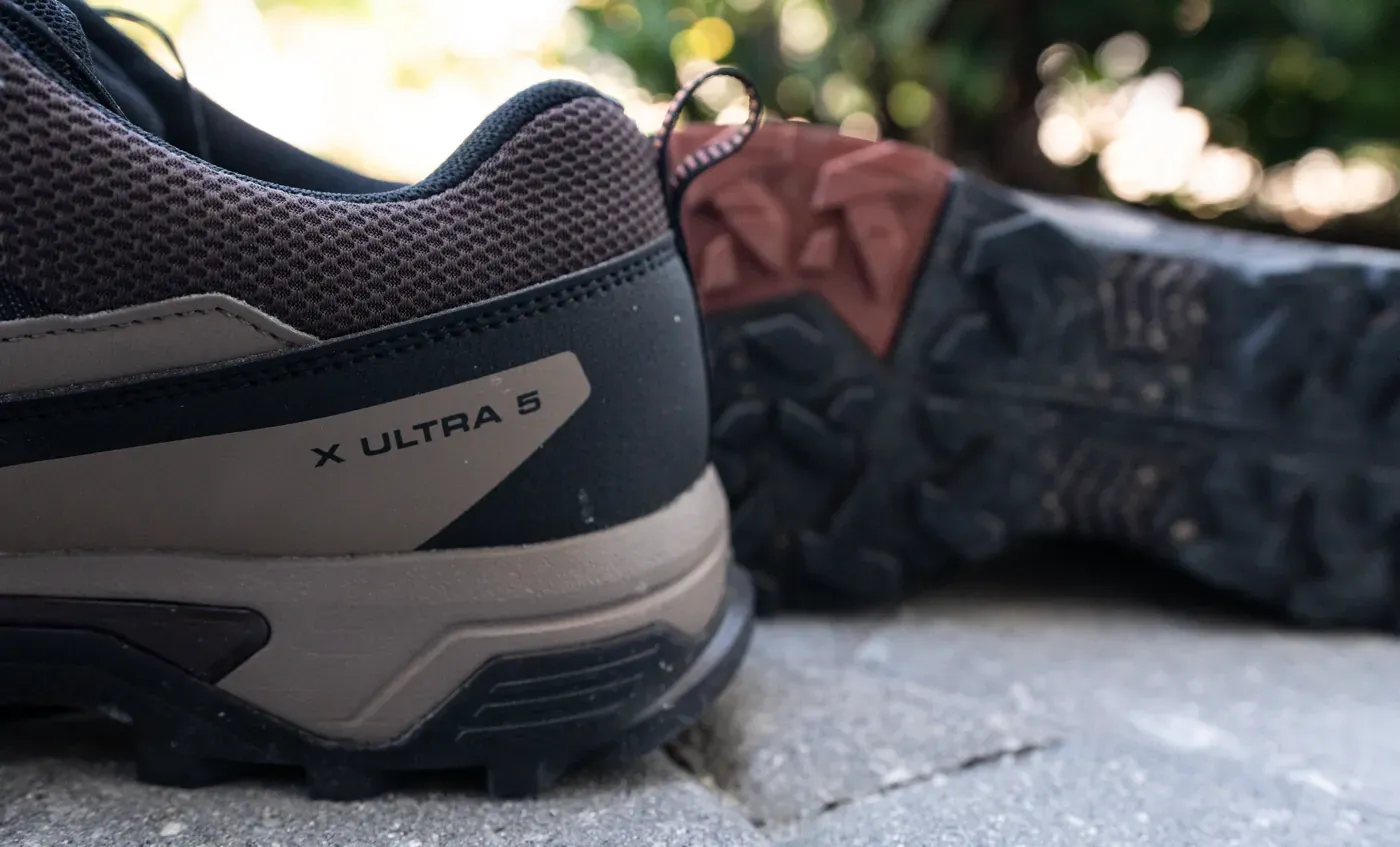

The Salomon X Ultra 5 GTX is a firm, planted, wet-weather day hiker with excellent traction, and for mixed, rocky, and technical trails it's an easy shoe to recommend, as long as the fit shape works for your foot.
Buy it for the stability and the grip, treat the GORE-TEX warmth, the Quicklace, and the firm ride as known trade-offs rather than surprises, and check the heel hold in the store before you check out.
Skip it if you want plush cushioning, or if you need a heel that stays locked on steep descents.
For a softer waterproof alternative that also feels athletic, my Salomon Genesis Mid GTX review covers Salomon's fast-and-light option, and the Merrell Moab Speed 2 GTX is the closest waterproof low-cut rival.
Merrell Moab Speed 2 GTX review: comfort, stability, and serious trail protection
A protective waterproof hiker built for long days, mixed terrain, and cooler-weather adventures.
 Alastair Dixon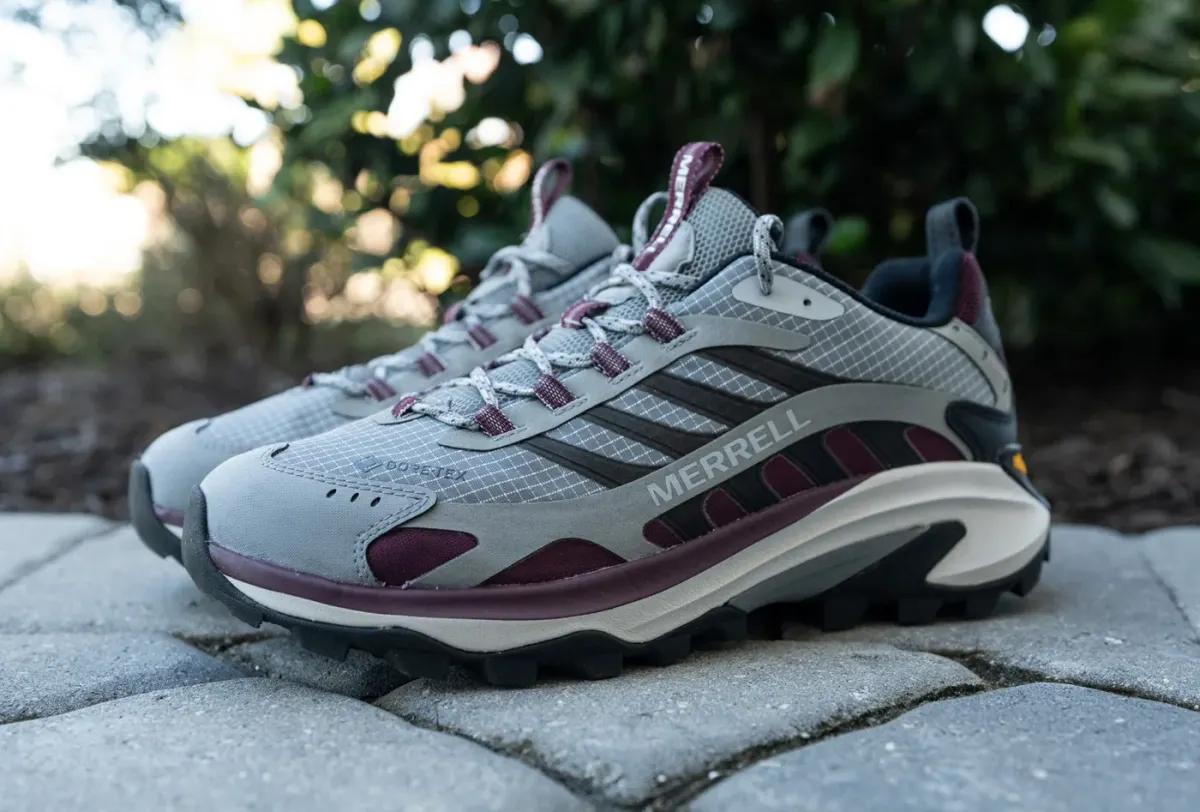
To see where this shoe lands against everything else I've tested, head to my best hiking shoes roundup.
Best hiking shoes 2026: Tested on the trails and for lifestyle use
Every hiking shoe here is thoroughly trail-tested. All my top low-cut picks, waterproof and breathable, with honest caveats.
 Alastair Dixon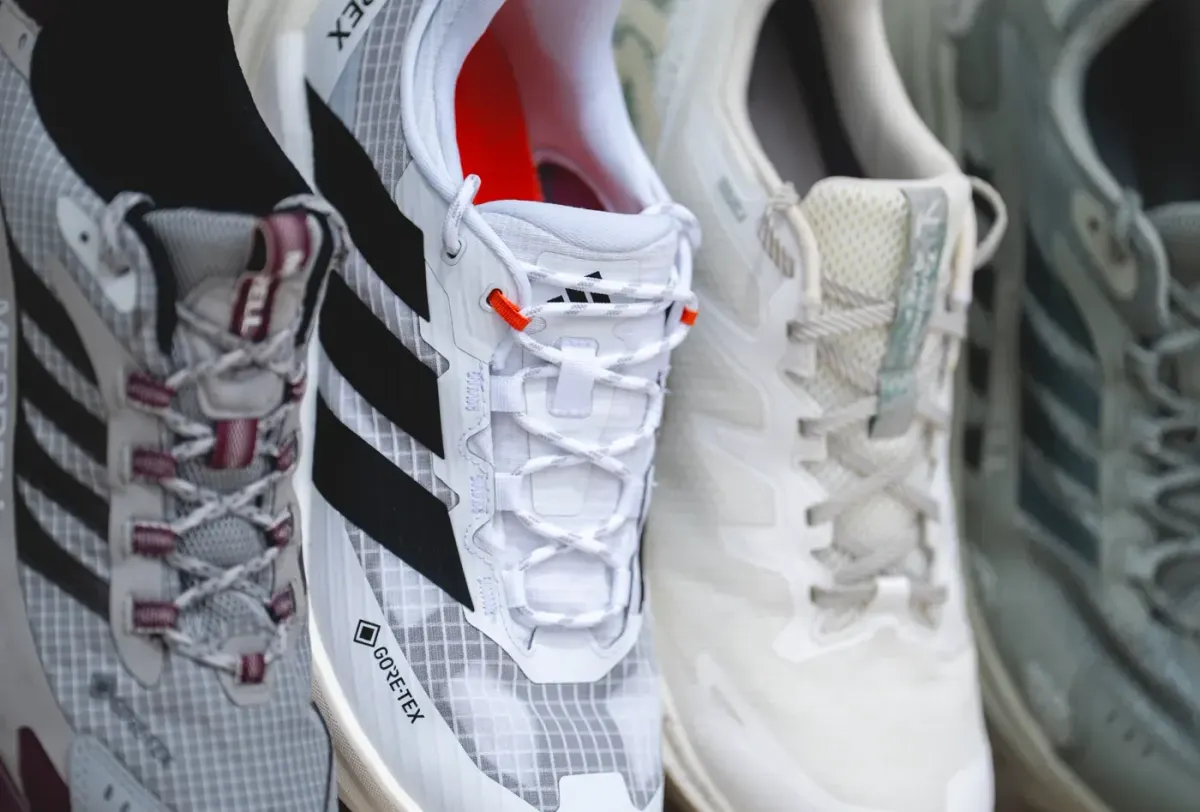
And if your trail time leans more toward running than walking, start with the best trail running shoes right now.
If you're building toward bigger days out, try my free hiking training plan generator.
Hiking Training Plan: Build Yours Free With Our Generator
Build your personal week-by-week hiking training schedule using the generator below; then read on for the strength work, cardio, and specifics that make it stick.
 Alastair Dixon
If you haven't already, signup to our free newsletter, for more quality outdoor content like this. -Alastair
Written by

Subscribe to new posts
Gear that earns its place, outdoors and at home | Reviews, Roundups, News







Member discussion