
Trail Running for Beginners – An Easy Guide to Get Started on Local Trails
How to start trail running like choosing your first trail, knowing what gear you need, running safely on uneven ground, and building confidence without chasing pace.

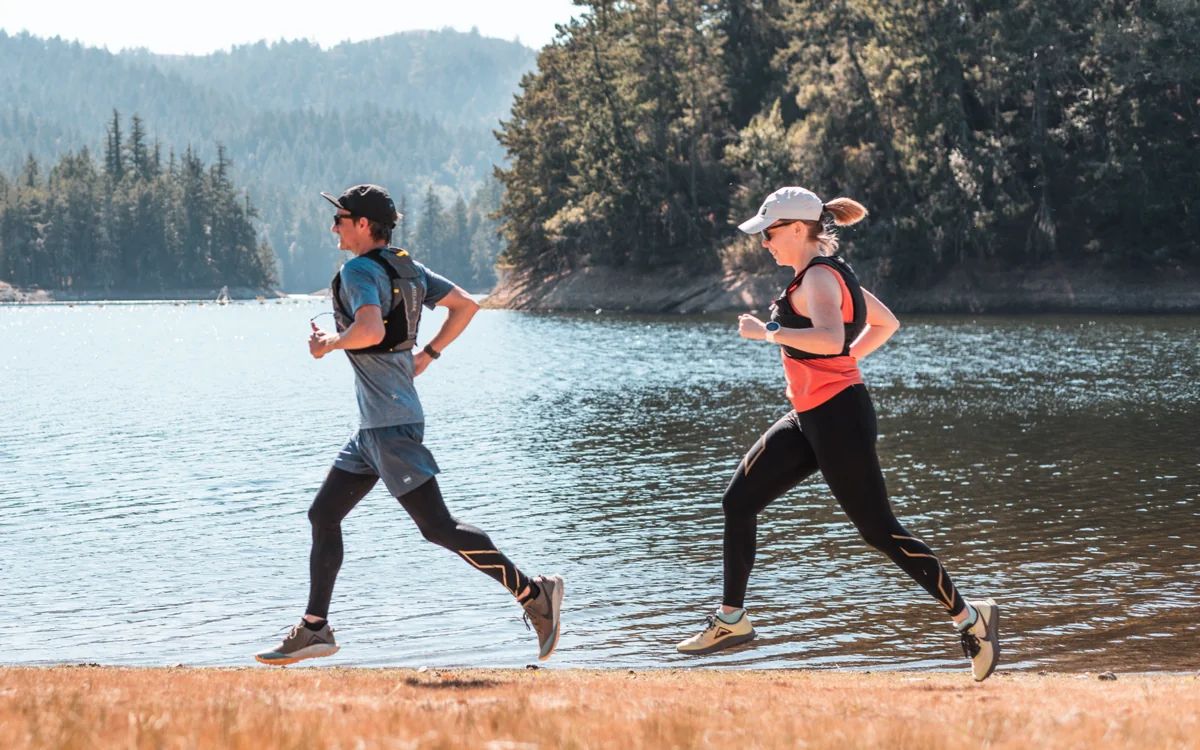
Trail running can look somewhat intense from the outside, especially if you haven’t done much road running or hiking before.
You see runners dancing down rocky descents, purposefully speed-hiking steep climbs, and moving through terrain that doesn’t look remotely “runnable”… and yet, somehow, they’re smiling like they’ve discovered a secret no one else knows about.
Then you try it, and the first thing you notice probably isn’t speed, it’s the new found appreciation for attention and focus on the ‘now’.
On the road, you can settle into rhythm and let your mind drift but trails don’t really allow that. The ground keeps changing, the line keeps shifting, and your body starts making tiny adjustments without you even thinking about it. At this point you’re not just running through space, you’re responding to it.
That’s why trail running feels different; it isn’t simply road running with dirt under your shoes. It’s a more interactive version of running that’s less linear, and more present.
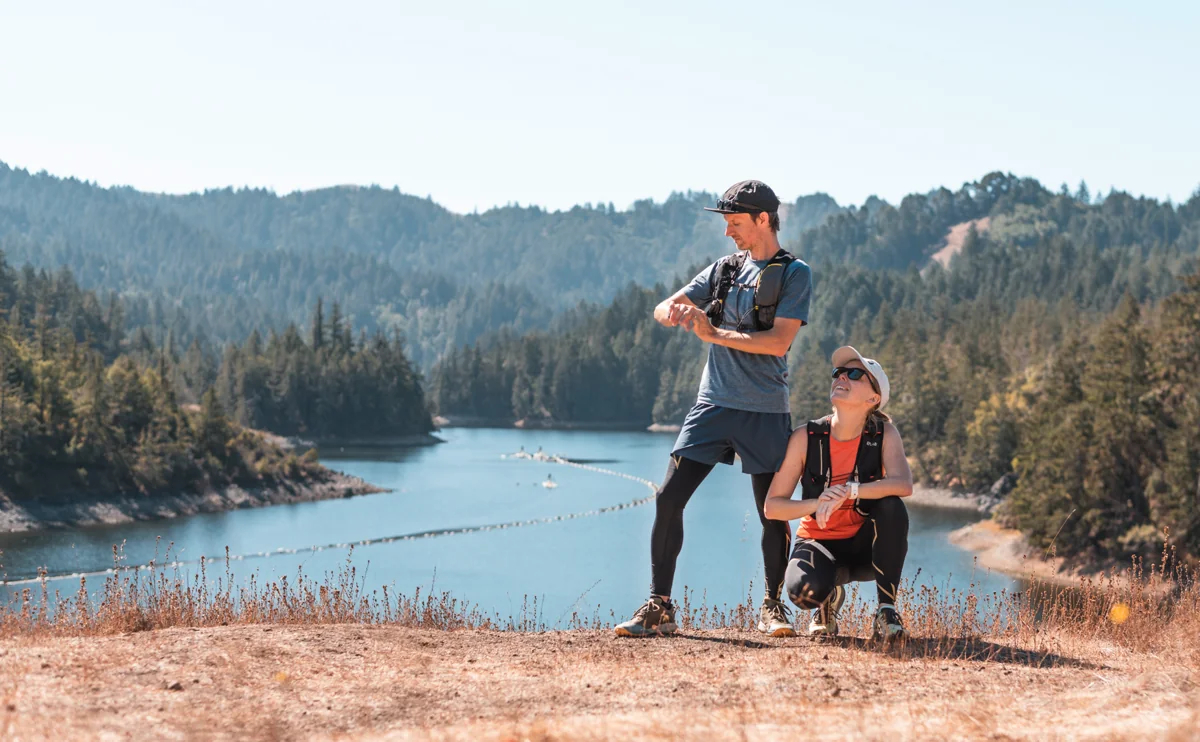
And you don’t need mountains, extreme routes, or a stacked gear closet to start. You just need a trail that feels friendly enough to meet you where you’re at, like easy running trails near you that fit into your daily walks.
If you're brand new to running altogether, start with our beginner's guide to running, before tackling the trails.
How to Start Running for Beginners: the Complete Guide (2026)
Everything you need to know to get started with running, including how to build up to a 5k with our free training plan generator.
 Alastair Dixon
In this article 🌲
- Why trails feel different (and why pace stops mattering so much)
- The mindset shift: effort is more important than splits
- Walking and power-hiking (the not-so-secret skill)
- The beginner gear list (with quick explainers)
- Choosing your first trail so you actually enjoy it
- Trail technique basics (climbs + descents without eating dirt)
- Safety, fuel, etiquette
- A simple “first month” plan + checklists
This guide has been sponsored by our friends at REI. I have linked any trail running gear I mention to the REI store, and if you purchase through those links, we may earn a small commission (at no extra cost to you).
If you’re going to shop at REI more than once, it’s worth considering the REI Co-op Membership: it’s a small one-time fee (no annual dues), and members typically earn an annual Co-op Member Reward (cash back) on eligible full-price purchases, plus access to member-only perks and offers.
We have been members for a long time, and have saved so much money over the years, from all the annual member benefits and sales.
Roads are predictable but trails are a conversation
On roads, effort tends to be clean and measurable, consistent if you will. Pace, splits, heart rate zones are all very controlled, and to some degree you can chase progress in a straight line.
A quick bit of advice for you to take with you; trails don’t care about your target pace, so neither should you (at least whilst you're getting started).
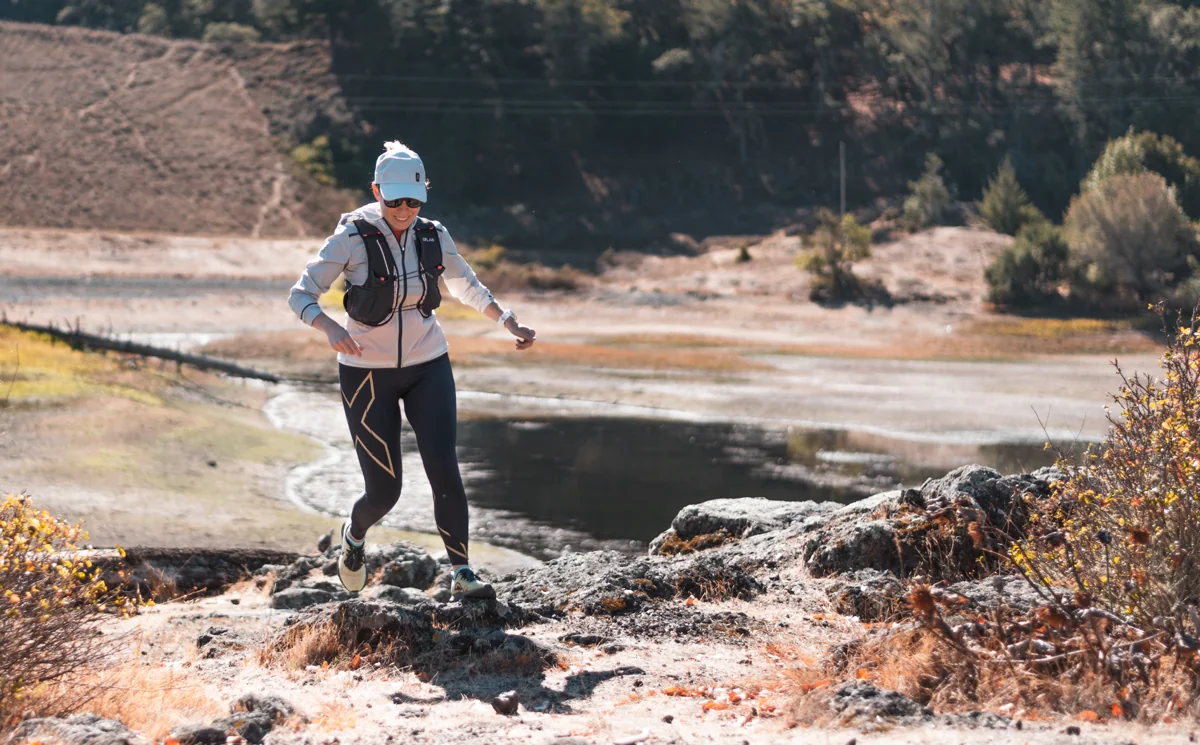
A mellow dirt path might let you float, then two minutes later you’re stepping over roots, climbing a short pitch, adjusting stride to avoid loose rocks, and slowing down without even deciding to, because the terrain quietly makes that decision for you.
That unpredictability is exactly why trail running can feel like a journey instead of a workout; the workout comes as an added bonus to the adventure. You’re not just ticking off miles, you’re moving through a place, enjoying the journey in nature.
Quick Compare: Trail Running vs. Road Running
Wondering how trails stack up against roads? Here's a simple breakdown to ease the shift.
Trails trade predictability for presence, but both build your base. (For a deeper dive, check our full Trail vs. Road running guide).
| Aspect | Trail Running | Road Running | Why It Matters for Beginners |
|---|---|---|---|
| Pace | Variable; slower due to terrain | Steady and measurable | Ditch the watch pressure—focus on effort to avoid frustration. |
| Mindset | Responsive, present-moment | Rhythmic, goal-oriented | Trails sharpen focus, great if you crave mental reset over PRs. |
| Impact | Softer surfaces, joint-friendly | Harder pavement, higher strain | Easier entry if roads feel jarring; build resilience gradually. |
| Gear | Grippy shoes, hydration vest | daily trainers, speed training shoes, racing shoes | Start hybrid; trail shoes add stability without overcomplicating. |
The biggest mindset shift is that pace doesn’t matter, but 'effort' does
If you’re used to road running, your watch is about to get humbled. Trail pace often looks “slow” because the surface and elevation ask more from you, even when you’re cruising.
Instead of chasing splits, I think in terms of:
- Relative Perceived Effort (RPE): easy, steady, hard
- Heart rate: if you like structure, then paying attention to your heart rate is another way to understand your effort level, no matter the trail, or distance
- Time on feet: because trails can stretch time in a good way
And if you want a simple permission slip: it’s completely normal to be noticeably slower on trails than roads.
Nothing is wrong, you’re just doing a different sport with the same two legs, so NEVER let that dismay you.
Walking isn’t failure, it’s actually a big part of trail running
Most road runners assume walking is what happens when the run goes wrong but smart trail runners treat walking as a strategic tool.
Power-hiking is one of the most underrated “skills” in trail running.
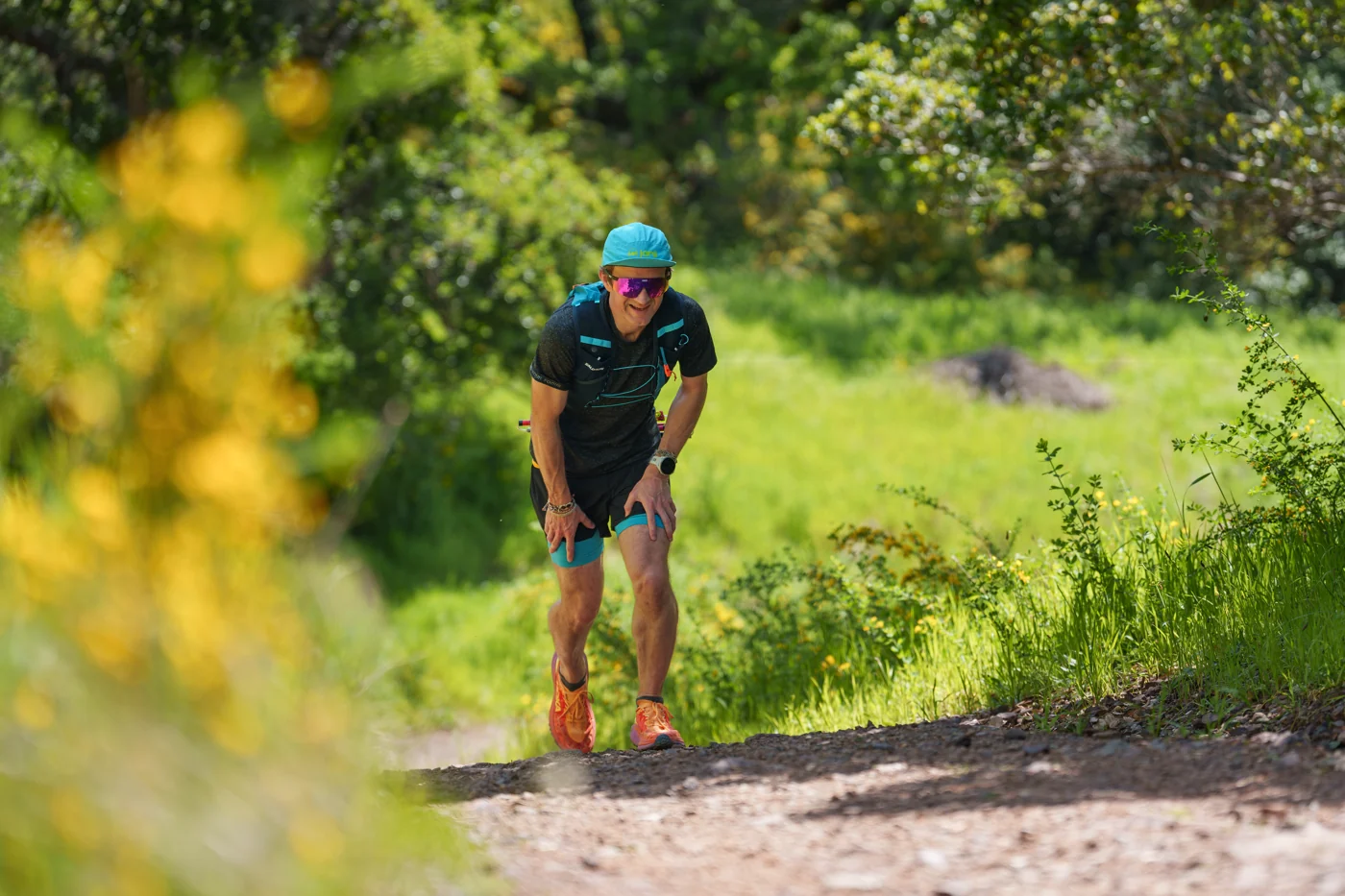
When a climb gets steep enough that your form collapses and your cardio just can't keep up, hiking is often more efficient than trying to run it in that half-shuffle, half-suffer mode.
You stay in control, keep your heart rate from blowing up, and you hit the top still able to run again when the gradient eases - that's a huge tactical advantage during a trail race.
It’s also where trail running becomes oddly freeing because the trail gives you permission to move how you need to move.
There's no judgment, and certainly no 'pace police' on the trails.
You only need a few essentials to get started
Trail gear can become a rabbit hole, but starting doesn’t need to be complicated, and if you do want to go down that rabbit hole, Trail & Kale mag is here to help you navigate.
For starting out, I’d keep it to:
Trail running shoes
Road shoes work fine on dry, mellow dirt paths but you're much better off with a good pair of road-to-trail (hybrid) running shoes. A pair of all-mountain trail running shoes will be a better option if you don't plan on running roads too.
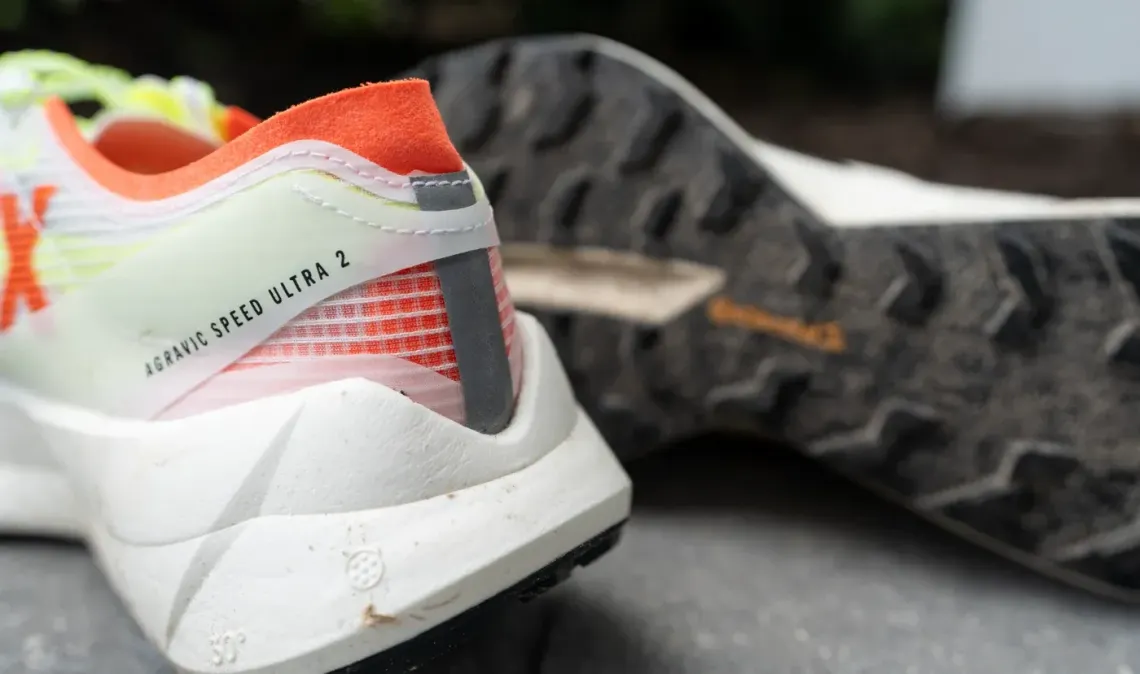
Best Trail Running Shoes (2026) — Tested & Reviewed
My personal top picks across all-mountain, road-to-trail, ultra running, and trail racing; plus the best trail running shoes for women. No filler, no shoes I haven’t run in.
Alastair Dixon
Once it gets rocky, steep, loose, or muddy, trail shoes make the whole experience calmer and safer, more comfortable, and ultimately even more enjoyable.
My road-to-trail pick for beginner's is the KEEN Roam, and my all-mountain trail shoe pick is the Saucony Xodus Ultra 4.
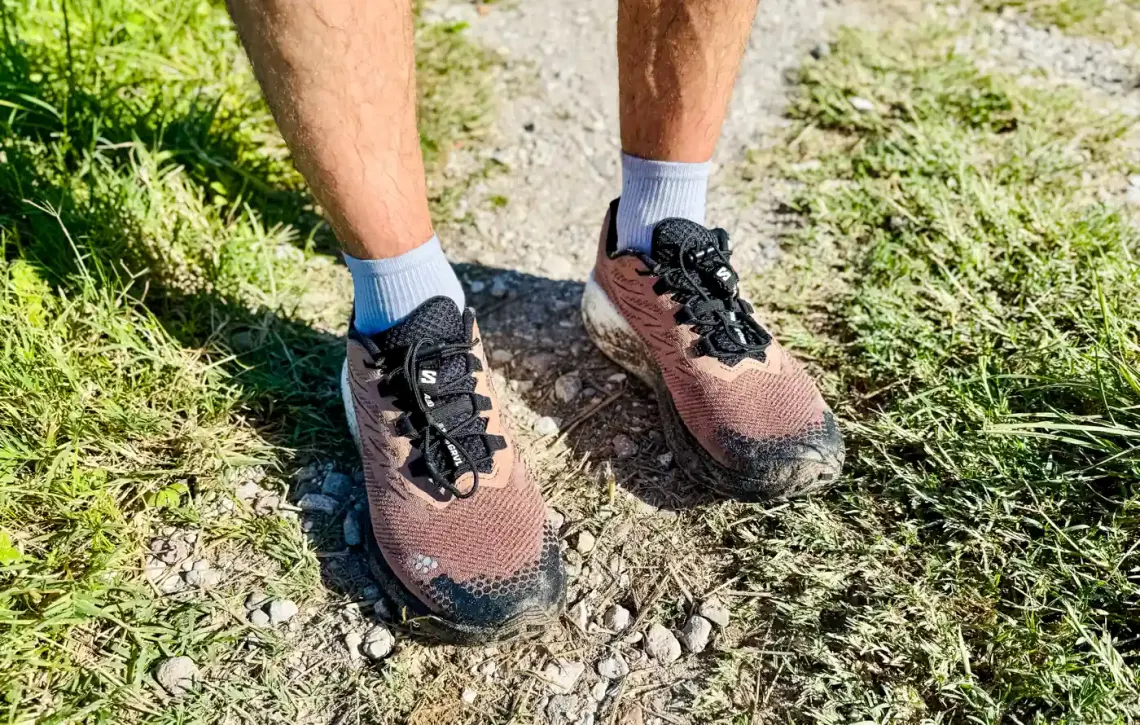
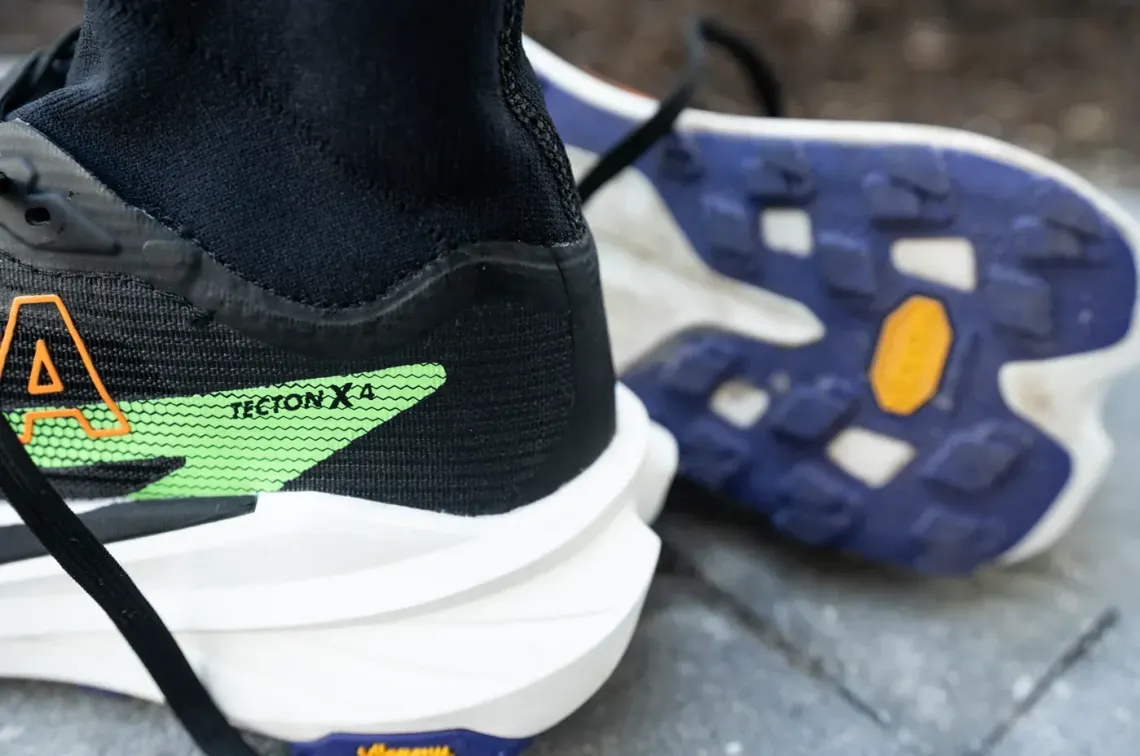
If you want a road-to-trail alternative that leans a little more toward the road, the Salomon Aero Blaze 4 GRVL is a brilliant $140 first pair that handles pavement, gravel, and easy trails.
Salomon Aero Blaze 4 GRVL review: $140 road-to-trail value
The Salomon Aero Blaze 4 GRVL is a $140 hybrid running shoe for roads, gravel, hills, and light trails. Here’s how it rides and who it’s best for.
 Alastair Dixon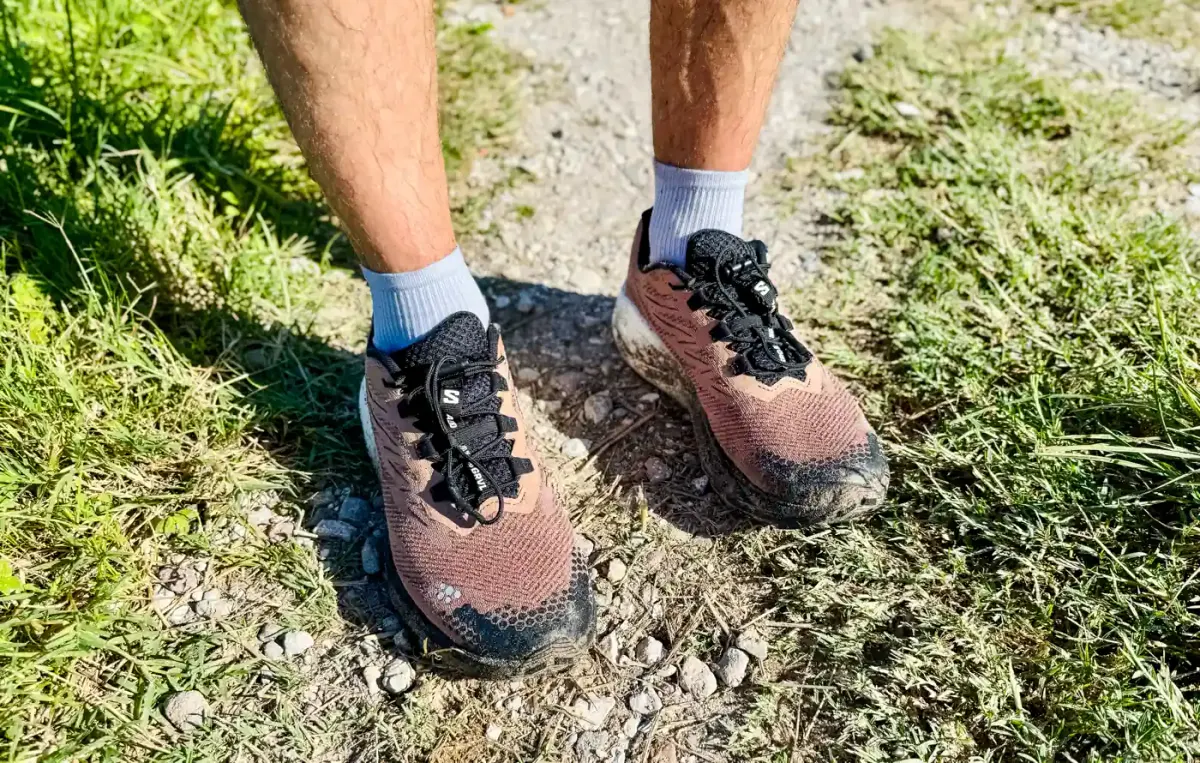
To explore the full range of trail running shoes at REI, hit that button below:
Hydration
Trail runs often take longer than expected, even when you don’t plan them to, so bring more than you think.
I recommend getting yourself a running hydration vest that can store essential items like water, running gels & snack bars, key, waterproof later, and even running poles for when you decide you want them.
There are a lot of options there but I recommend the Salomon brand right now, as they make the best ones. They come in men's and women's specific fits, and various different capacities; the Salomon ADV Skin 5 (reviewed here) is a great option for most runs.
A light layer
Weather can flip quickly on the trails, especially if you’re exposed or out longer than planned. A wind or waterproof running jacket is one of those essentials that can make or break your day out.
Optional extras
A GPS watch can be handy for logging your runs, navigation and safety features, but it’s not required early on.
Here are the best running watches under $450, right now.
Everything else can come later, once you’ve earned a sense of what you actually need for your trails, your weather, and your style of running.
Choosing your first trail is where most beginners either stick or fold
When someone tells me they “tried trail running” and didn’t like it, it’s often because they started on something too technical, too steep, or too remote - or it was raining and they weren't properly prepared.
If your first trail run feels more like a test than an introduction, then you did it wrong.
Your first trail should feel forgiving, welcoming, and enjoyable enough to make you want to go out and do it again.
What you need first, is a park loop, fire road, mellow singletrack, or somewhere you can turn around easily and relax enough to enjoy it. Your goal isn’t to prove anything, it’s to come back thinking, “Okay… I want to do that again”.
There's an app called AllTrails that can help you find beginner-friendly routes, and Strava heatmaps is also a great way of discovering where local trail runners actually go.
And if you can run with someone who already knows the trails, you’ll learn faster and feel safer from day one.
How to move on trails without eating dirt (most of the time)
Trail technique isn’t about perfect form; adaptability is far more valuable.
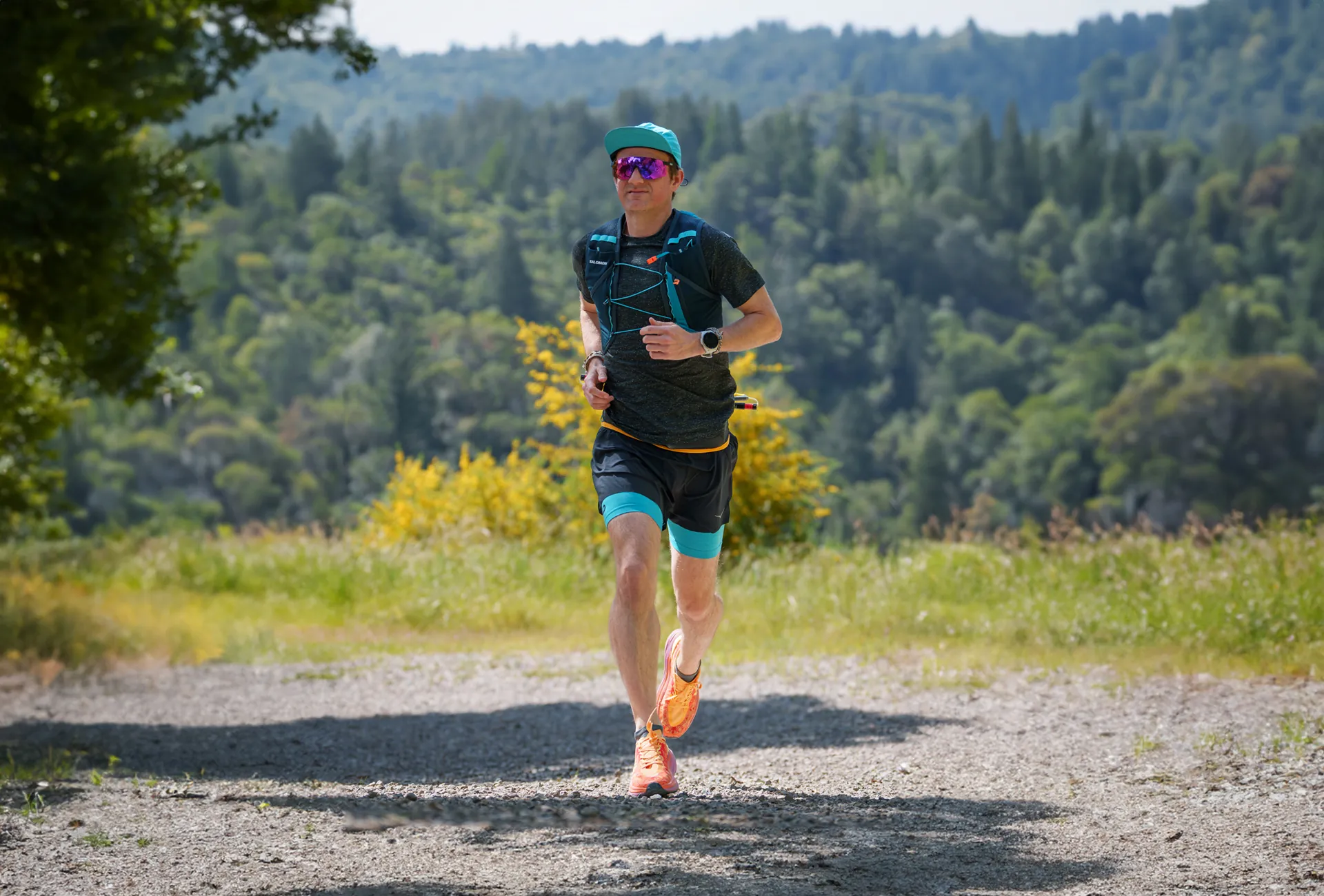
On climbs, the biggest mistake is trying to keep a road-running stride. Trails reward shorter steps, steady rhythm, and patience.
If it’s steep, hike it with intent. If it eases, start running again. Flow with the terrain instead of fighting it.
On descents, the big beginner mistake is braking.
People lean back, overstride, and slam their quads into the ground like they’re trying to stop a shopping cart rolling downhill. That’s a fast track to wrecked legs and unnecessary slips.
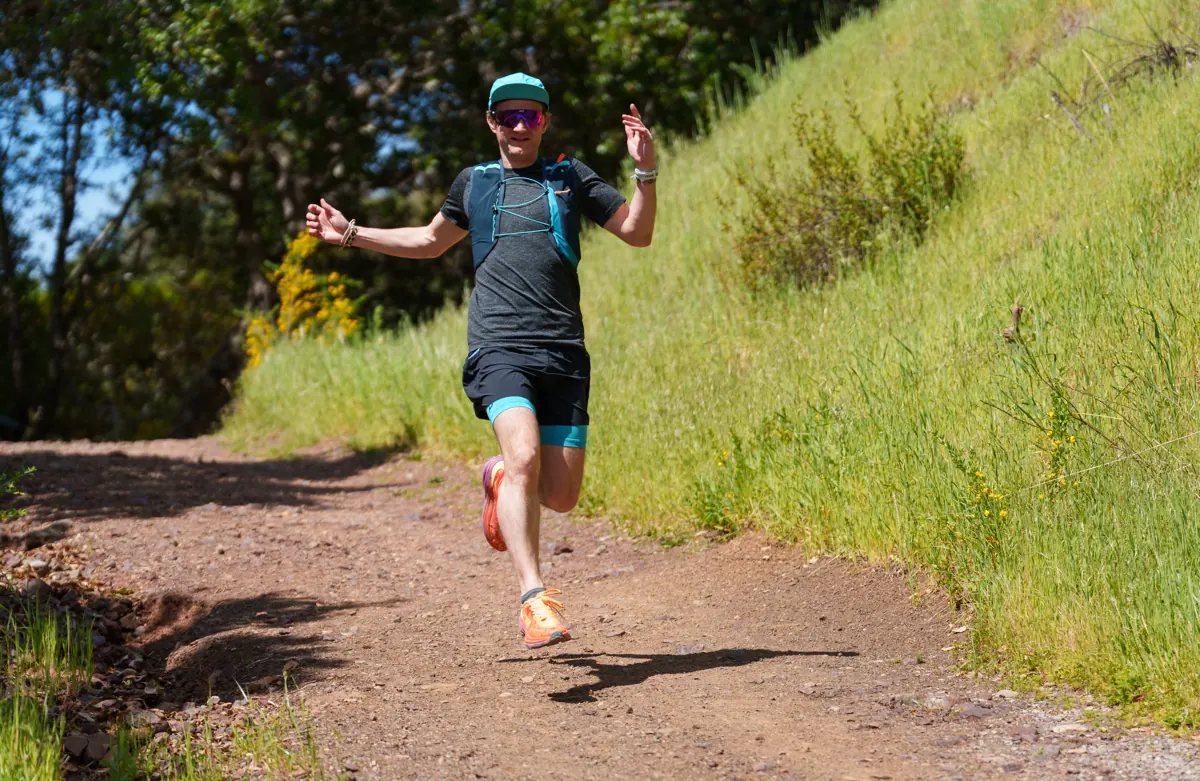
Instead, think: quick feet, soft knees, and a slight forward lean, or at least get as parallel to the slope as possible.
Look a few steps ahead rather than staring at your shoes. Let your arms help with balance. Stay light. The goal isn’t always to “send it”. The plan is to stay in control and finish feeling good enough to want to run tomorrow.
And yes, one day you’ll slip, maybe even fall, it happens. The trail teaches shows you where your limits lie fairy quickly.
The trick is not letting one messy moment convince you you’re bad at it.
Everyone earns trail confidence the same way; one run at a time.
Safety basics (especially if you run solo)
Most trail running mishaps come from small, avoidable things: not enough water, running later than planned, getting turned around, weather changing.
Keep it simple, follow this advice:
- Tell someone your route and when you expect to be back
- Carry a phone and don’t rely on “I’ll be fine” logic
- Bring extra water + a little fuel even if you think it’s a short run
- If there’s any chance of low light, bring a headlamp - The BioLite Range 300 is the best bang-for-your-buck running headlamp, right now
- Be okay turning around — the trail will still be there tomorrow
Prepared = relaxed. Relaxed = a more confident, enjoyable running experience. Fail to prepare, prepare to fail...
Fuel is the sneaky reason trail runs go sideways
On the road, you can wing a lot. Short runs, no water, no food, just pace setting vibes.
Trails are different because effort varies constantly. Climbing costs energy, technical footing costs attention, and routes tend to take longer than you think, especially when you’re new at it.
Once you’re getting past an hour, bringing calories (and electrolytes) starts feeling like basic common sense rather than “race-day behavior”.
For longer runs, always carry electrolytes, snacks, and energy gels to avoid what we like to call, the classic trail 'bonk'.
Trail etiquette is what keeps trails nice for everyone
Trail running culture is one of the best parts of the sport, and a lot of that comes down to how we treat shared spaces.
Leave no trace (yes, including banana peels). Be courteous. Share the trail. Give extra space to horses. Say 'hi' to hikers.
And I’ll say it; run through puddles when it’s safe. It’s fun, and it helps prevent trails from widening as people tiptoe around the edges.
Optional adventures: night running and running with your dog
Night trail running can be amazing, but I’d treat it as a “later” thing, once you know your routes and you’re confident reading the trail.
Trails look totally different in the dark, and it’s easy to miss turns or underestimate how technical a section really is.
If you do it, go familiar, bring a real headlamp, and have a navigation plan.
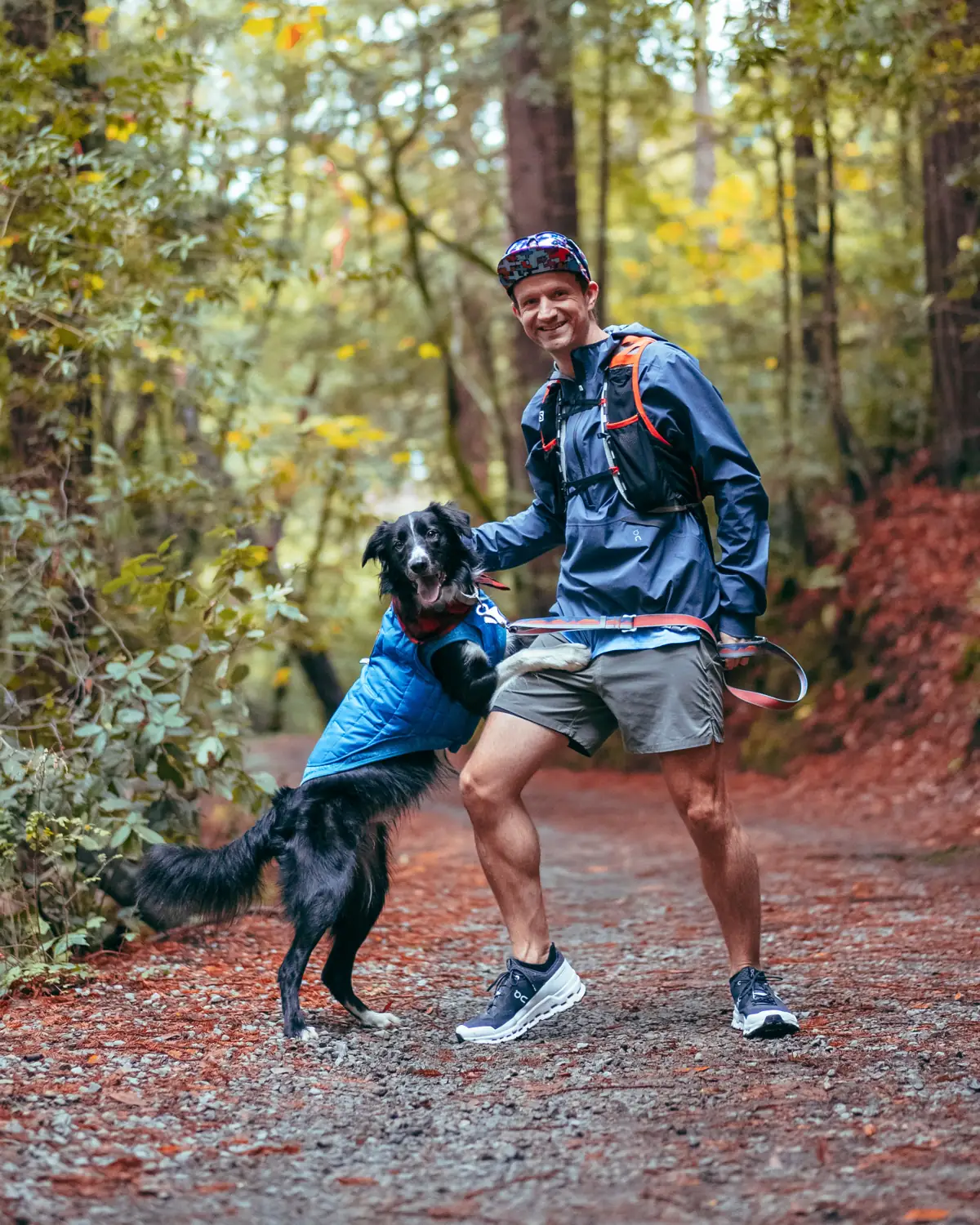
Running trails with your dog can be one of the best ways to spend time outside, but it comes with responsibility.
Dogs don’t pace themselves like we do, and they can’t sweat like we can. Build them up gradually, carry extra water, watch paws and fatigue, and be honest about heat.
A simple first month plan
You don’t need to “become a trail runner” in one heroic run. You just need a plan and consistency.
Week 1: Friendly trails only
- 20–40 minutes
- Run/walk is perfect
- Choose smooth terrain you can relax on
Week 2: Add a little variety
- One run on the same trail (confidence run)
- One run on a slightly different trail (curiosity run)
Week 3: Introduce gentle hills
- Hike the steeper bits on purpose
- Practice controlled descents, not fast descents
Week 4: Build time on feet
- One longer easy outing
- Fuel + hydration practice if it’ll be 60+ minutes
Quick checklists
Before you go ✅
- Choose a beginner-friendly route (easy to turn around)
- Water (more than you think)
- Small fuel if you might be out 60+ minutes
- Phone + basic safety plan (tell someone)
- Light layer if weather might change
While you’re out ✅
- Effort over pace (RPE is your friend)
- Short steps on climbs, quick feet on descents
- Hike steep sections with intent
- Look ahead, stay light, stay in control
After ✅
- Note what worked (shoes, route choice, hydration)
- Decide your next run while the stoke is still fresh
- Keep it simple: same trail again is a win
The quiet truth is that 'trail confidence' is earned, not bought
You don’t need to run fast, know every trail, or own fancy gear to belong out there, it's an incredibly inclusive sport.
Confidence comes from repetition, showing up again after an challenging run, learning how your body responds to hills and uneven ground, making small mistakes, adapting, and realizing you’re going to be just fine.
One day you’ll notice you’re looking farther ahead instead of staring at your feet, you’ll stop fighting the climbs, and you’ll float down a descent that used to scare you.
And without realizing it, you’ll start choosing dirt over pavement whenever you can, that’s when you know you’re a trail runner!
Now lace up, find a new trail and enjoy the beautiful journey that is trail running! -Alastair
If you ever have a question about trail running, I am always available to answer your questions! Either reach out in the comments or hit us up on Instagram.
Written by

Subscribe to new posts
Gear that earns its place, outdoors and at home | Reviews, Roundups, News










Member discussion