
Best adaptogen drinks 2026: tested for energy, focus, and recovery
The best adaptogen drinks of 2026, tested for energy, focus, and recovery. Honest picks across shots, powders, sparkling cans, and alcohol alternatives.

The adaptogen drinks category has gone from niche wellness shelf to mainstream supermarket aisle in about three years. There is a reason. People are looking for steadier energy, better focus, calmer evenings, and immune support that does not come in a 16oz can with a wall of synthetics on the back.
Adaptogens are botanicals (think ashwagandha, rhodiola, eleuthero, holy basil, reishi) traditionally used to help the body adapt to physical, emotional, and environmental stress.
The good adaptogen drinks pair these herbs with thoughtful formulations, real ingredients, and dosing that actually does something. The bad ones are sugar water with a sprinkle of trendy roots.
This roundup is the shortlist I would actually buy from. These are the ones that slot into daily life, training blocks, travel, and the kind of long workdays where wellness products either earn their place or get binned.
The picks below cover every realistic use case from morning lift, focus, immunity, recovery, evening wind-down, and the social hour.
If you purchase through links in this article, we may earn a small affiliate commission. For exclusive content, our newsletter, and more perks, become a member, it's free! -The Trail & Kale team ✌🏼
What to look for in a good adaptogen drink
A few things separate the genuinely good adaptogen drinks from the marketing-led ones, and they are worth knowing before you buy.
Real adaptogens at functional doses. Trace amounts of ashwagandha or rhodiola will not do much. Look for brands that list specific milligram amounts per serving, or at least name the adaptogens prominently in the ingredients (rather than burying them in a "proprietary blend").
Clean ingredient lists. Organic where possible, no synthetic colours or flavours, low or no added sugar. The whole point of an adaptogen drink is to feel better, not to swap one problem for another.
Format that fits your day. Shots for travel and quick rituals. Powders for home use and customisation. Sparkling cans for social occasions and afternoon resets. Bottles for the alcohol-alternative crowd. There is no single best format, only the one you will actually use consistently.
Honest pricing. Functional drinks sit between $1.50 and $6 per serving. Anything cheaper is usually under-dosed; anything more expensive needs to justify it through formulation or experience. Most subscriptions knock 15-25% off the cost.
Transparency on testing. The best brands publish certificates of analysis, name their sources, and back up their claims. The worst ones lean entirely on packaging design.
With that framework in mind, here are our top picks.
1. Best overall: Balaveda
Balaveda Review: Ayurvedic Adaptogen Drinks & Wellness Shots
Honest Balaveda review covering its USDA Organic adaptogen drinks, wellness shots, and nootropic powders, formulated by an Ayurvedic practitioner.
 Alastair Dixon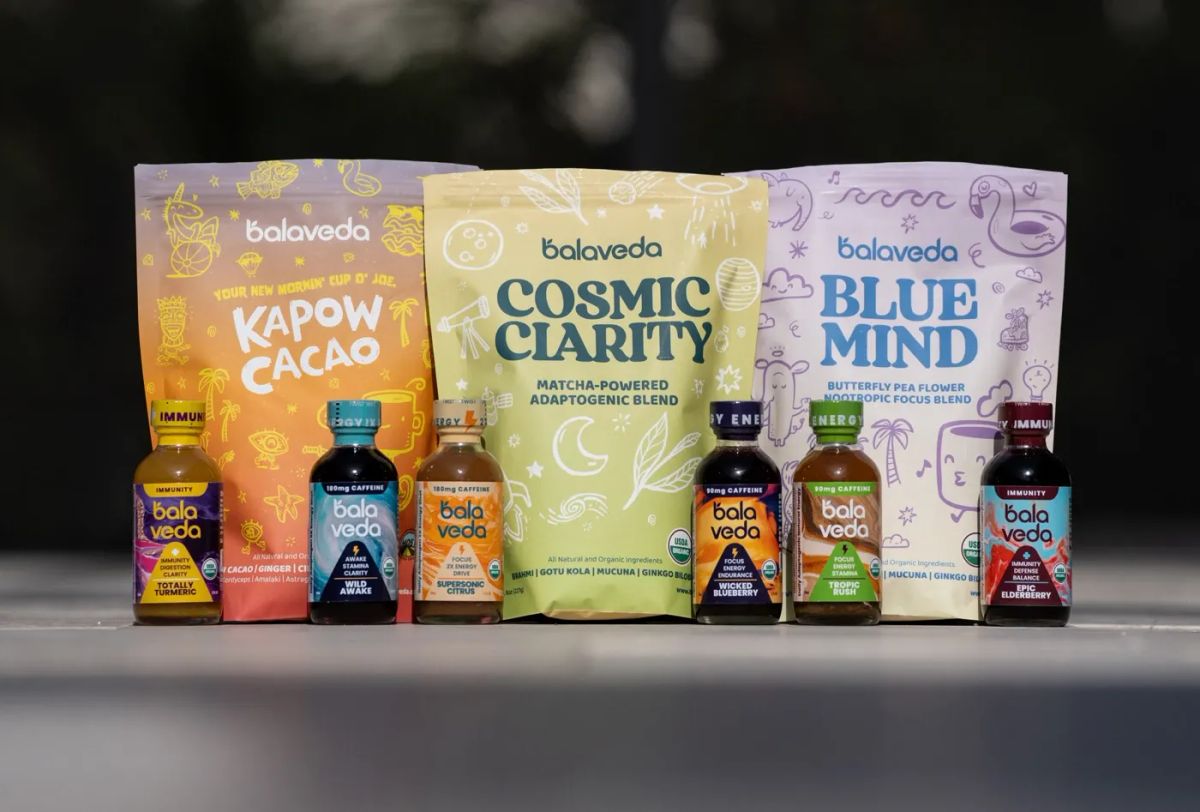
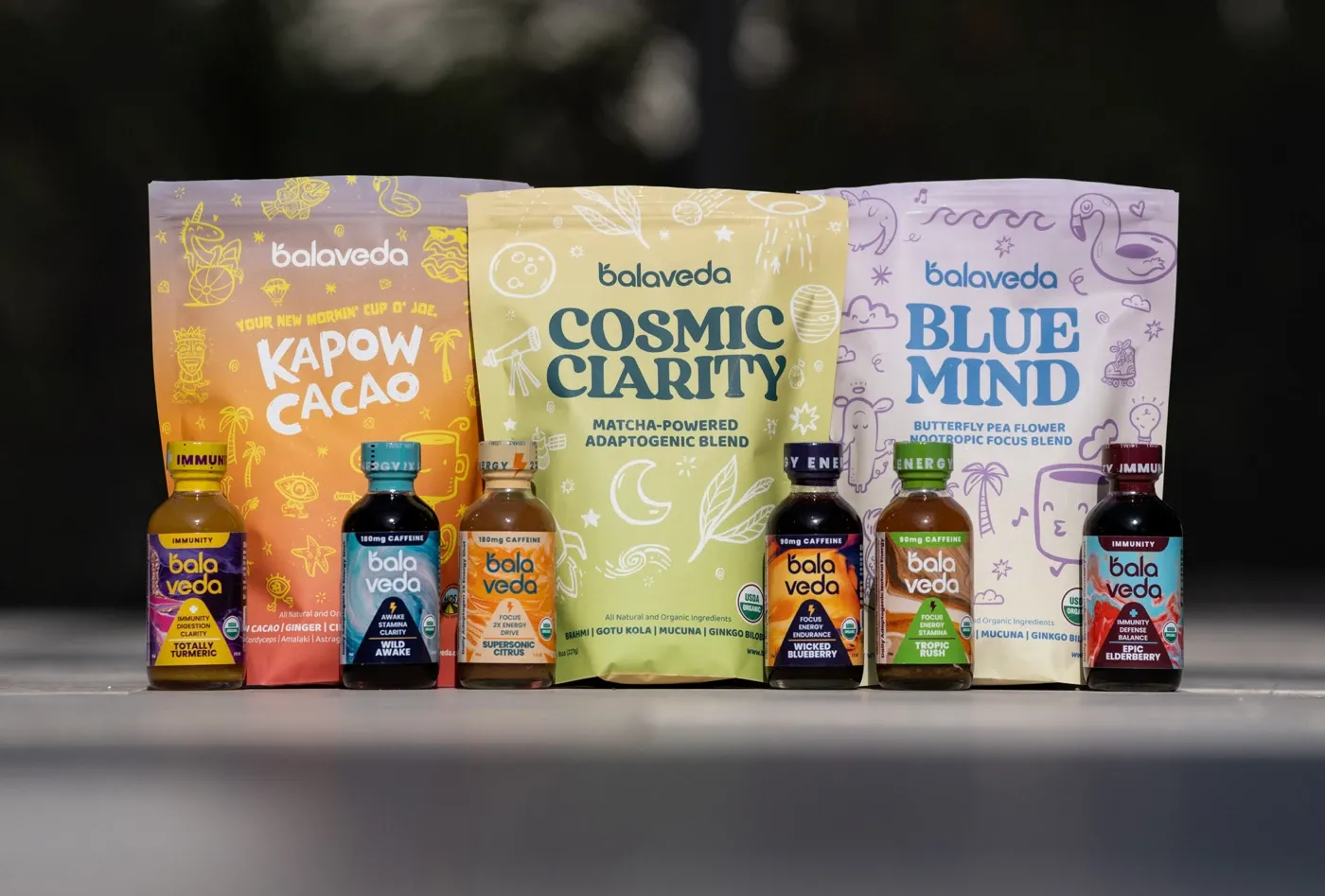
Balaveda is the most thoughtfully built adaptogen drinks brand I have tested in a long time. Founded by Amanda Hester-Smith, a certified Ayurvedic and Naturopathic practitioner, herbalist, and yoga instructor since 2002, the range covers energy shots, immunity shots, collagen shots, and a newer line of nootropic powders.
Everything is USDA Organic, in either 2oz recyclable glass shots or post-consumer recycled powder pouches. Cordyceps, eleuthero, ashwagandha, reishi, brahmi, gotu kola, and amla all show up across the range, chosen for specific functional roles rather than buzzword appeal.
The flavours are genuinely drinkable, which sounds like a low bar but is rare in this category. Totally Turmeric tastes like a zesty cold-pressed juice. Wild Awake uses real blueberry and vanilla over a green coffee and cordyceps base. Kapow Cacao is one of the best mushroom coffee alternatives I have tried, with raw cacao, reishi, ashwagandha, cordyceps, and warming spices.
What sets Balaveda apart is the credentials behind the formulations and the breadth of the lineup. If you only buy one adaptogen drink brand to figure out what works for you, this is the one.
Price: Shots and samplers start at $19.50/mo on subscription (50% off first order + 20% recurring). Powders from $24.50/mo.
2. Best for daily greens base: AG1 Next Gen
AG1 Next Gen review: My honest thoughts after 30 days
A greens powder I actually look forward to drinking, and one that fits into my real life, even when things get hectic.
Alastair Dixon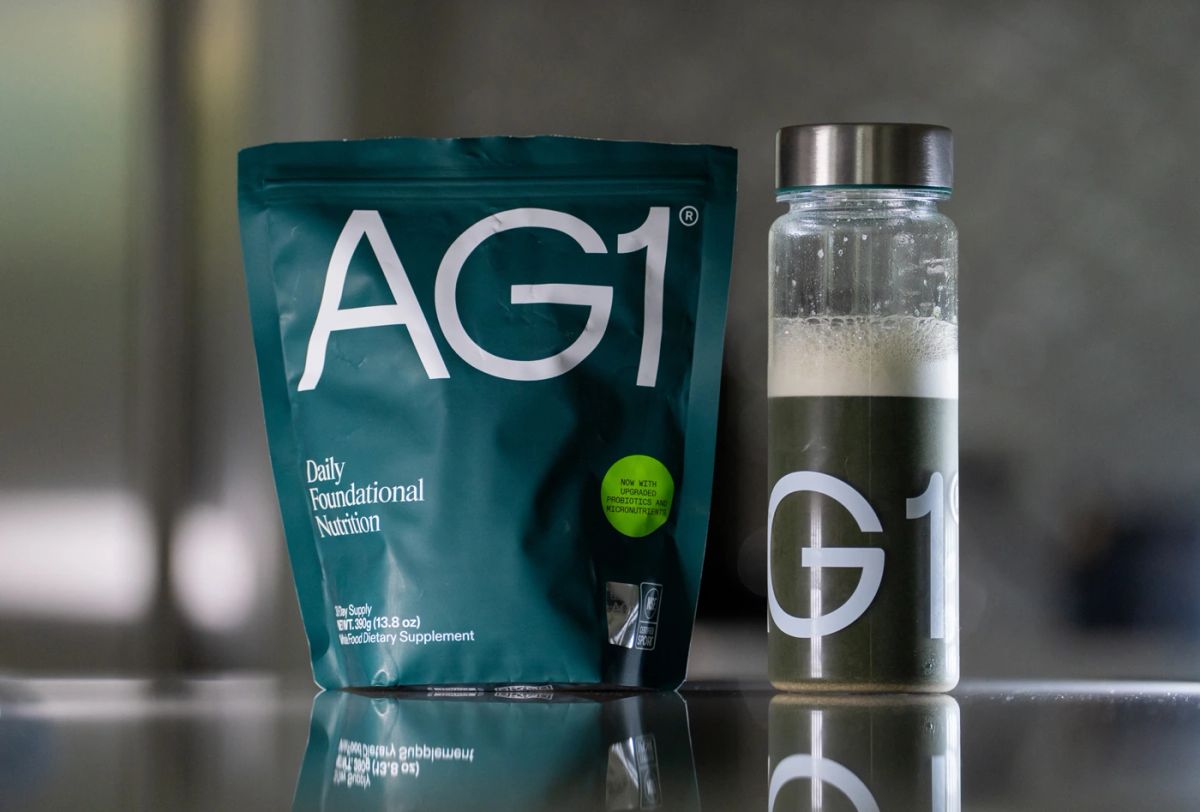
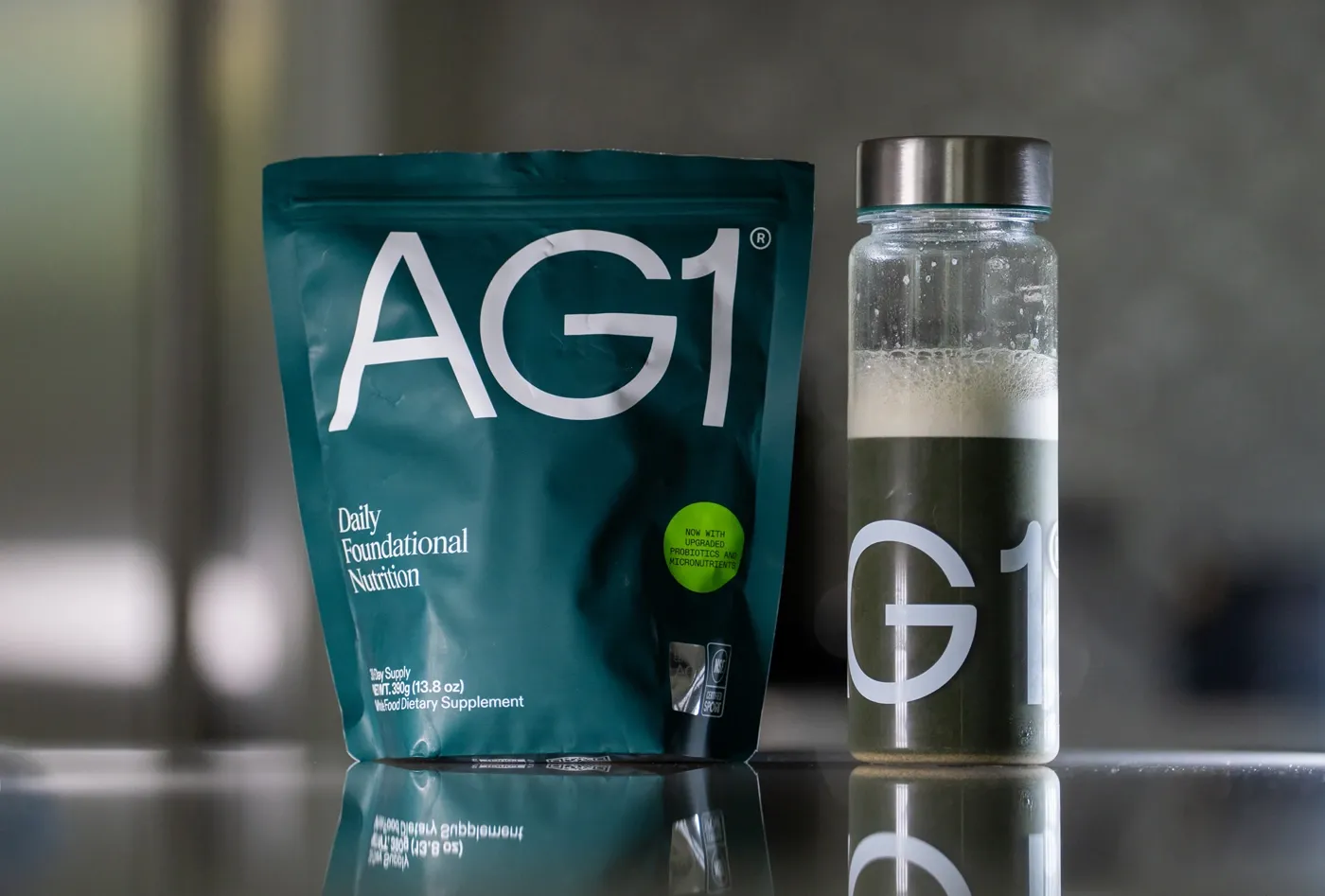
AG1 Next Gen is the daily greens powder that helped define the category. The Next Gen formulation, launched in late 2024, added more adaptogens (ashwagandha, rhodiola, eleuthero) alongside the existing greens, vitamins, minerals, probiotics, and digestive enzymes.
It is not the cheapest pick on this list but it is the most complete daily wellness foundation in a single scoop, and the adaptogen layer earns it a place here. If you want one drink that covers greens, micronutrients, gut support, and adaptogens, this is it.
Price: $79 per month on subscription, $99 one-time purchase (~$2.63 per serving). First-time subscribers get a free welcome kit.
3. Best for sleep and recovery: AGZ
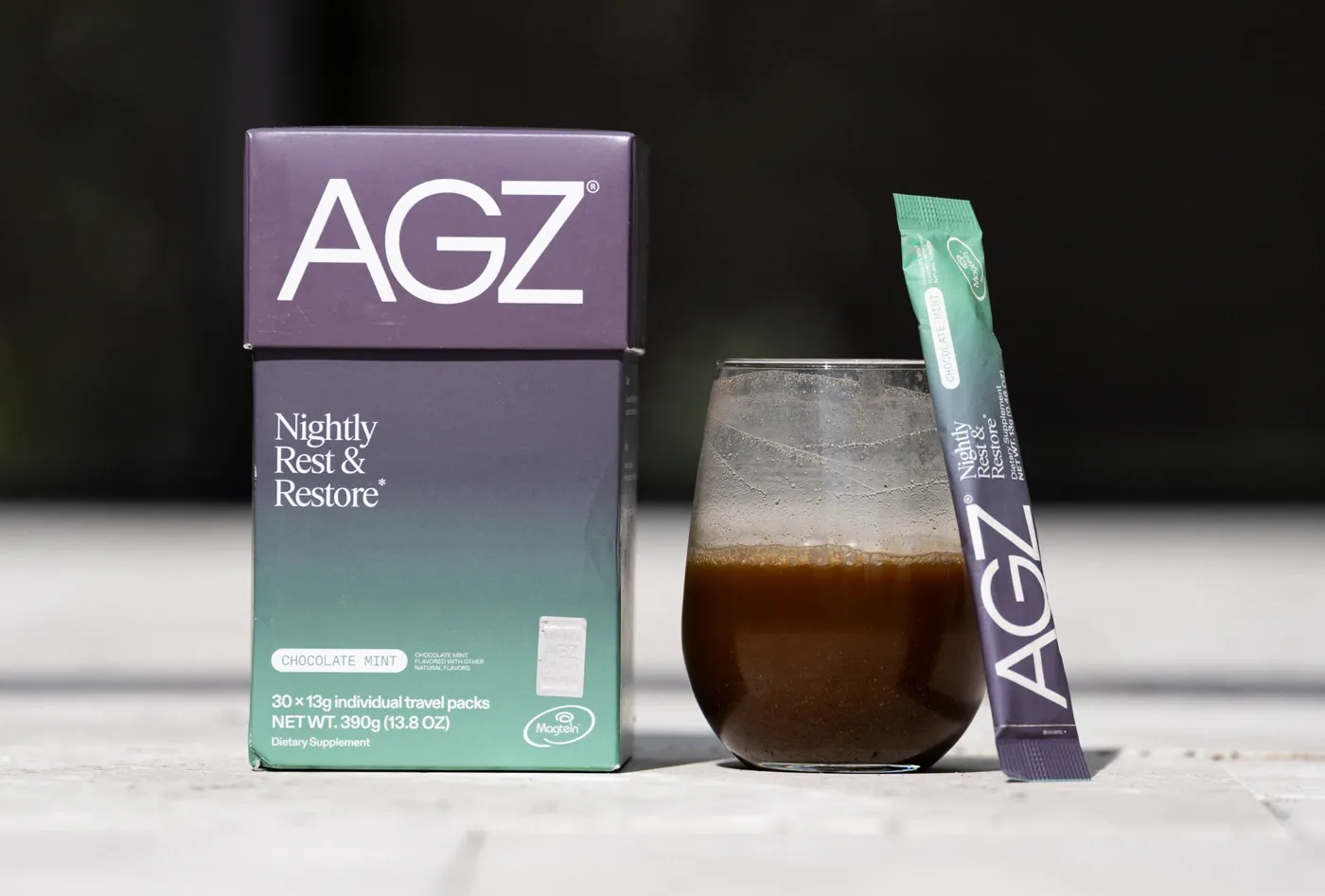
AGZ review: my honest thoughts after 30 nights
A nightly ritual that feels as intentional as my morning AG1 Next Gen routine, and one that’s actually helped me unwind and wake up feeling more rested.
Alastair Dixon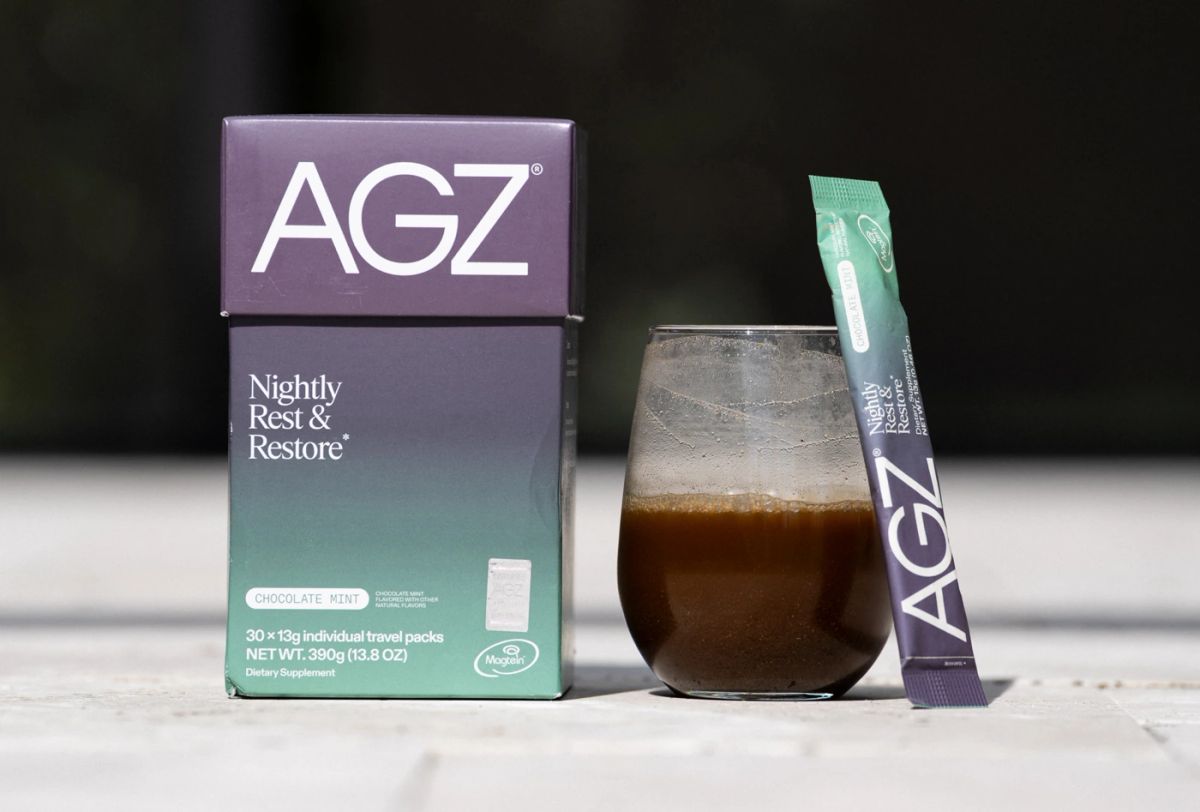
AGZ is AG1's evening companion, designed for sleep, recovery, and the wind-down hours. The formula leans on magnesium, glycine, L-theanine, and a stack of calming adaptogens including ashwagandha, reishi, and lemon balm.
After 30 nights of testing, what I noticed most was steadier sleep onset and a calmer transition into bed. It is not a sleeping pill and does not knock you out, which is the point. It nudges your nervous system toward rest rather than forcing it.
For runners and anyone training hard, the recovery angle matters. Better sleep is the most underrated training input there is, and AGZ is one of the cleanest ways to support it.
Price: $79 per month on subscription, $99 one-time for 30 servings (~$2.63 per serving). Drops to $69/mo if bundled with AG1.
4. Best for focus: Plant People WonderFocus
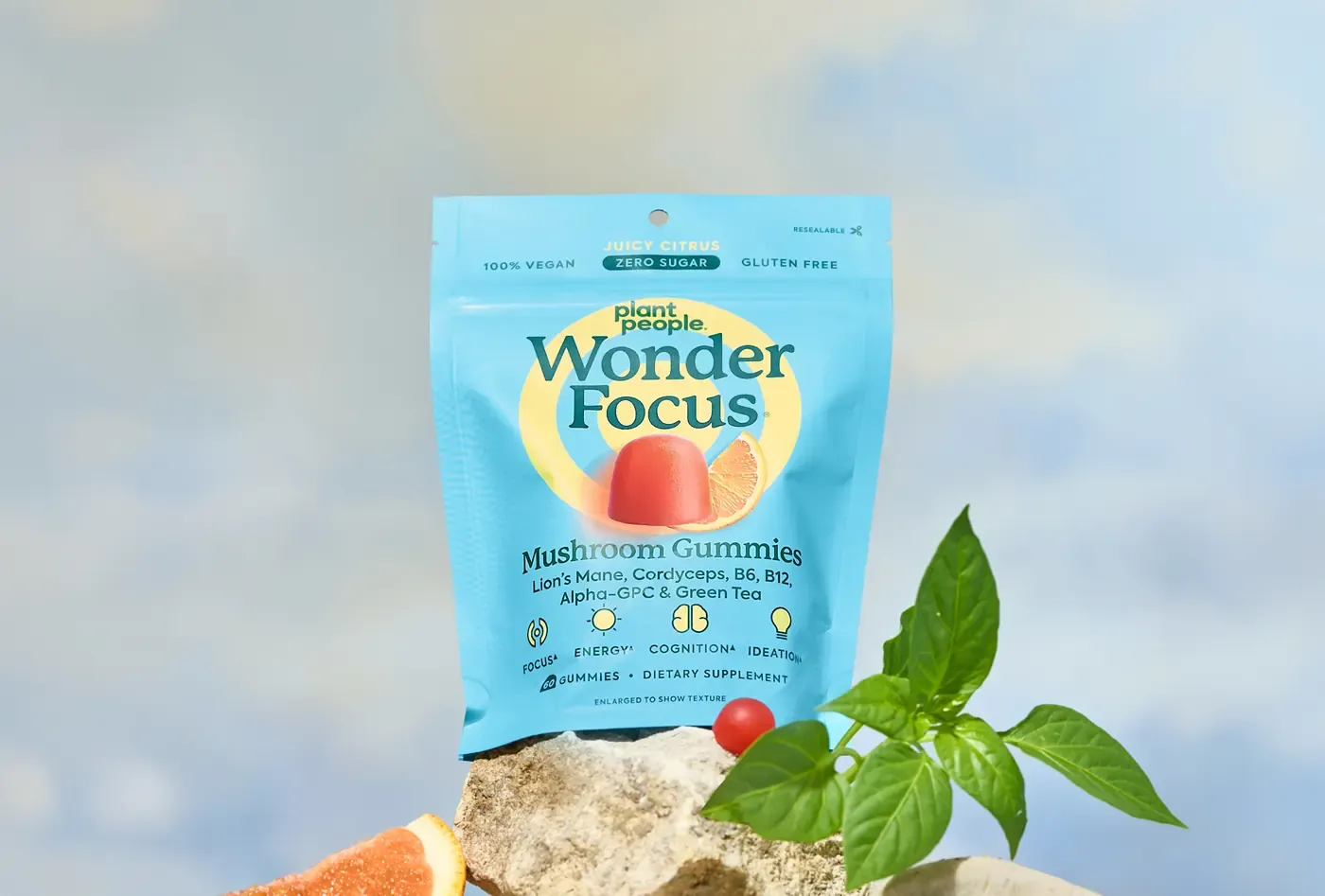
Plant People Review: 30 Days Of WonderFocus Mushroom Gummies
My 30 day journey to see whether Plant People can bring me better focus, energy, and clarity with their WonderFocus and Clear Focus supplements
Alastair Dixon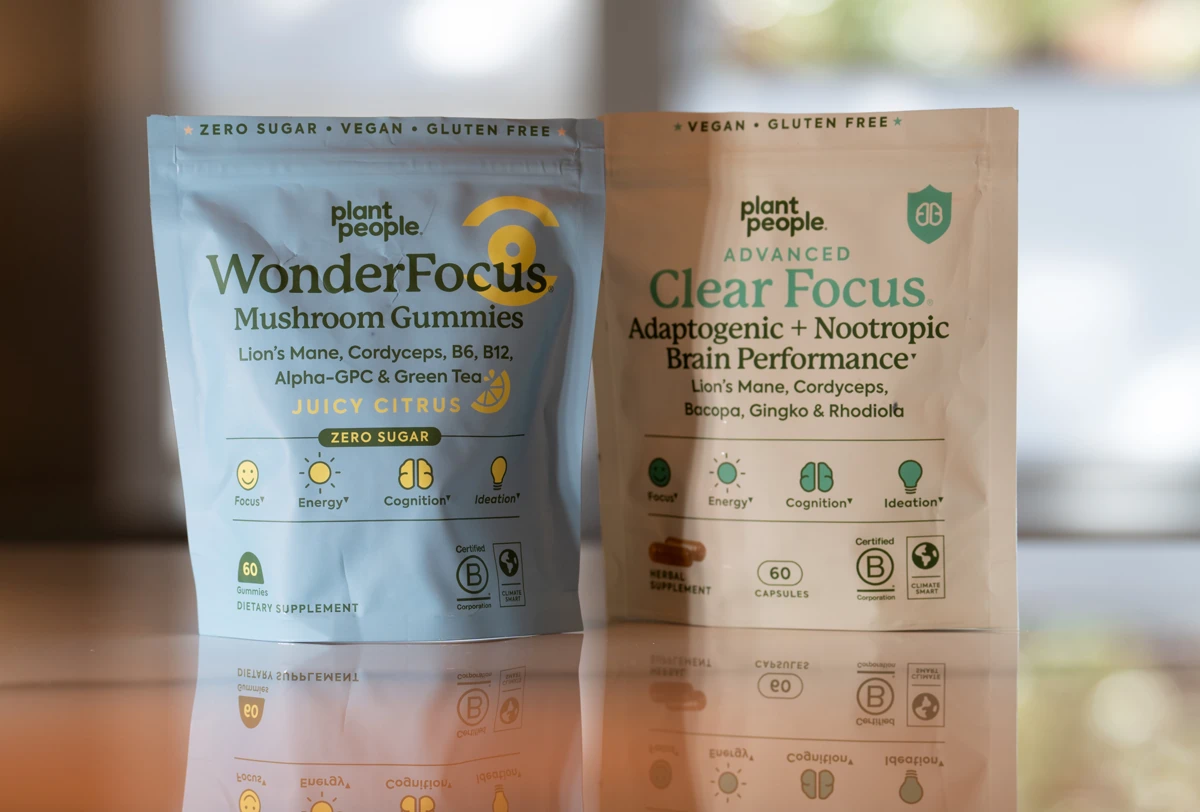
Plant People WonderFocus is a functional mushroom and adaptogen blend built around lion's mane, bacopa, ginkgo, and rhodiola, designed to support focus and cognitive performance without caffeine.
It is the pick for desk-bound creative work, deep focus sessions, and the kind of long writing or coding blocks where you want a clear head without the jitter. I have used it on heavy editorial days, and the effect is subtle but real: fewer distractions, longer focus runs, less of the mid-afternoon mental fog.
The formulation is organic, the brand is genuinely science-led, and the cognitive blend is one of the more thoughtful in the space.
Price: $35 for 60 gummies (30 servings) — ~$1.17 per serving. Subscription savings available.
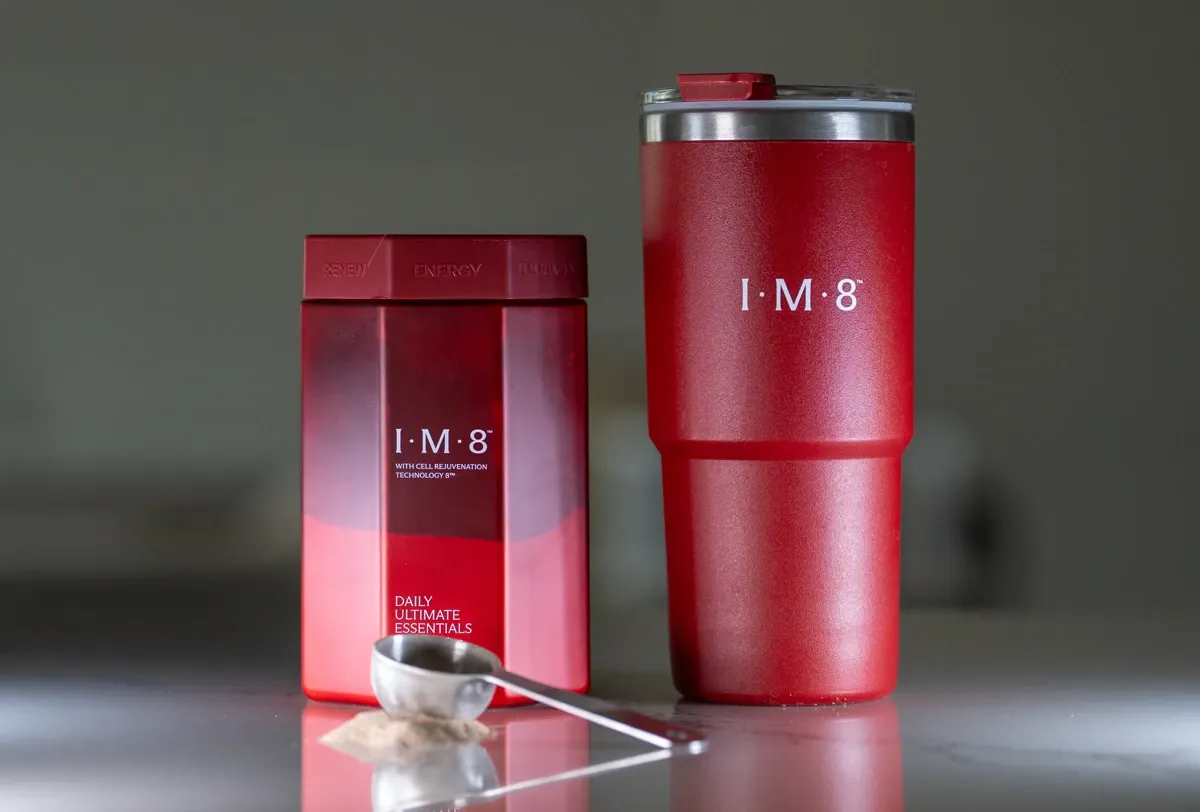
5. Best all-in-one: IM8 Daily Ultimate Essentials
IM8 Daily Ultimate Essentials Review: My 30-Day Experience
IM8 is an all-in-one supplement backed by David Beckham that actually tastes good and delivers real daily energy and focus.
Alastair Dixon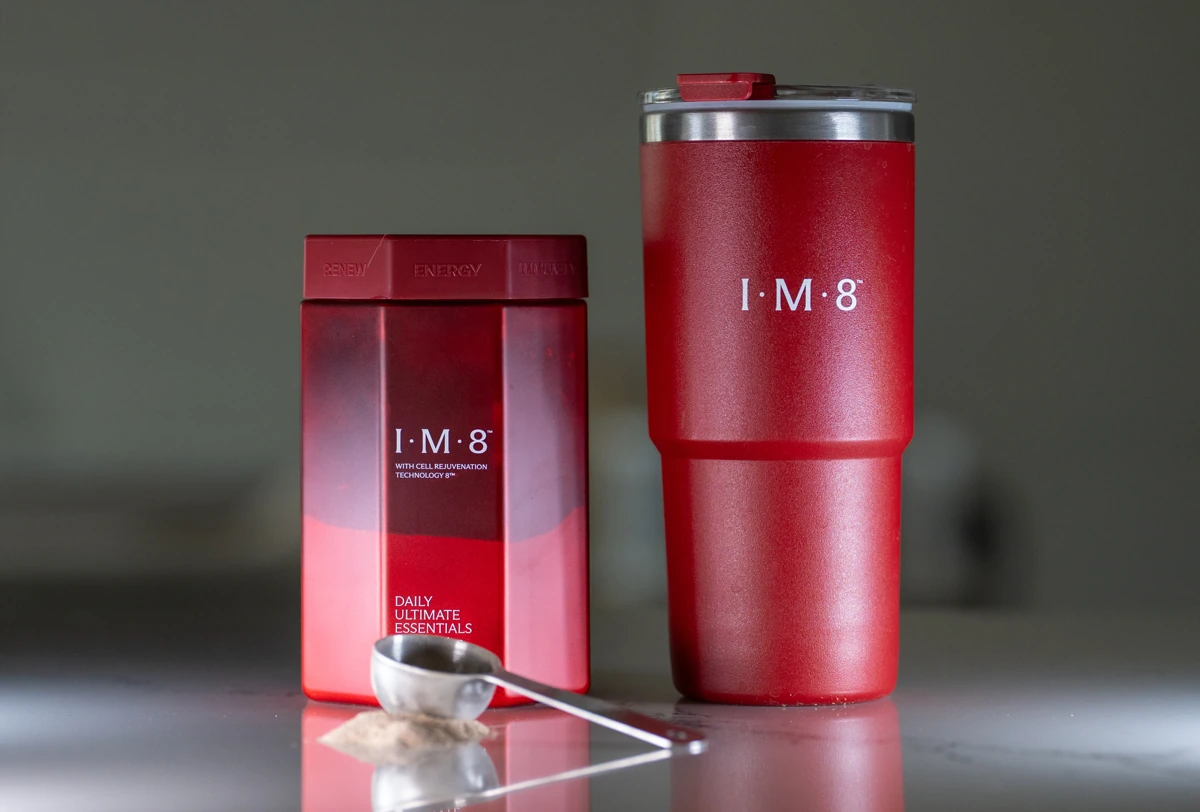
IM8 Daily Ultimate Essentials is a more recent entry into the daily wellness powder space, and it has earned a slot here for the breadth of its formulation. Vitamins, minerals, prebiotics, probiotics, postbiotics, mushrooms, adaptogens, and a polyphenol blend, all in a single daily scoop.
The adaptogen profile includes ashwagandha, eleuthero, and a few mushroom extracts. The flavour is more drinkable than AG1 (lighter, slightly tropical), which makes daily consistency easier.
IM8 vs AG1: which daily drink is actually worth sticking with?
What’s inside, how they feel day to day, and the quickest way to pick the right one for your routine.
Alastair Dixon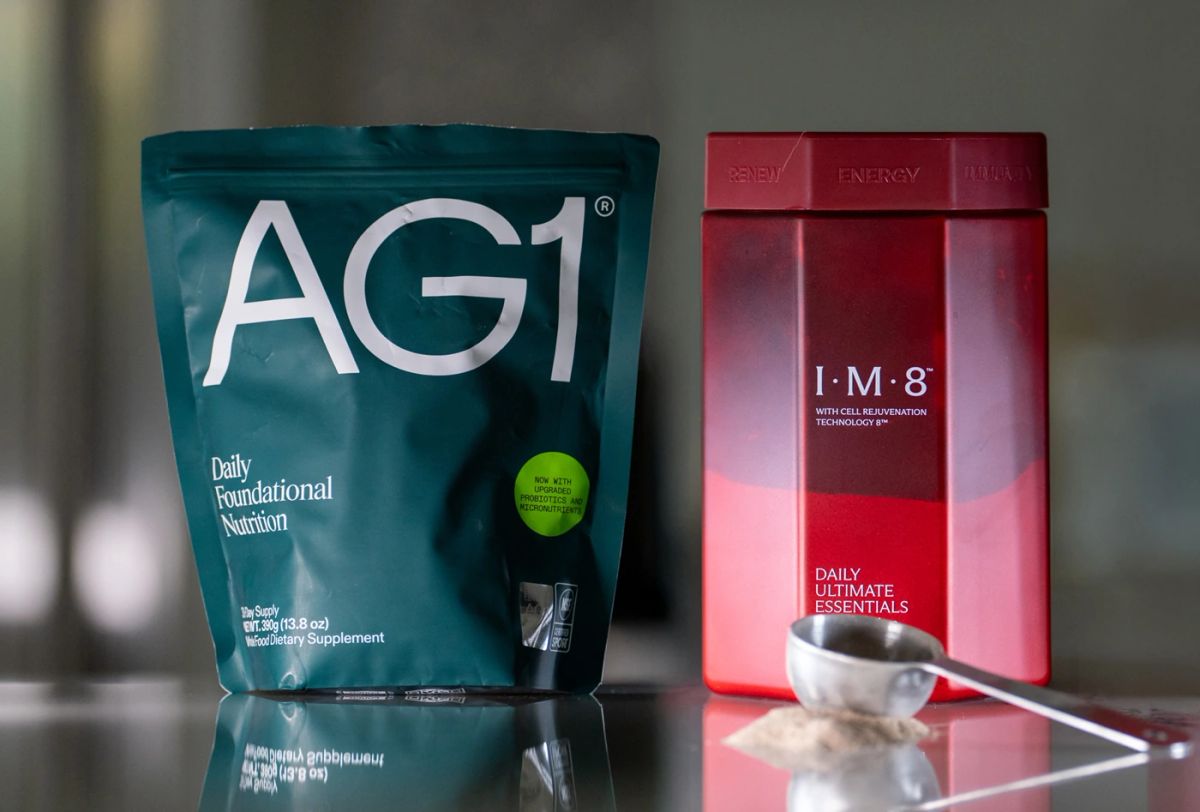
If you are weighing IM8 against AG1, the honest answer is that both are excellent and the choice often comes down to taste and price. IM8 is the value pick of the two; AG1 has the longer track record.
Price: ~$89 for 30-serving kit; subscriptions typically 20–30% lower.
6. Best gummy format: Grüns
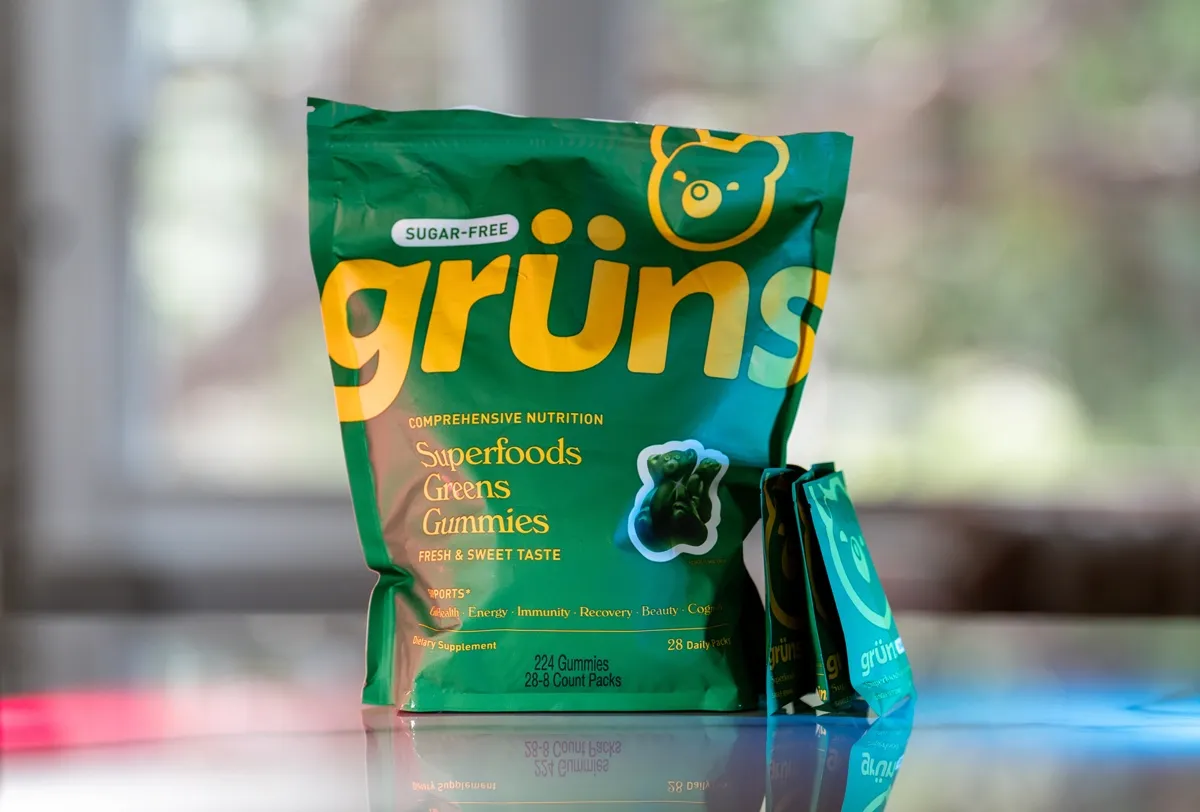
Grüns Review: A Daily Greens Supplement In Gummy Bear Form
This tasty gummy greens supplement is a convenient way to boost your daily nutrition on the go, with no powders or extra water required.
Alastair Dixon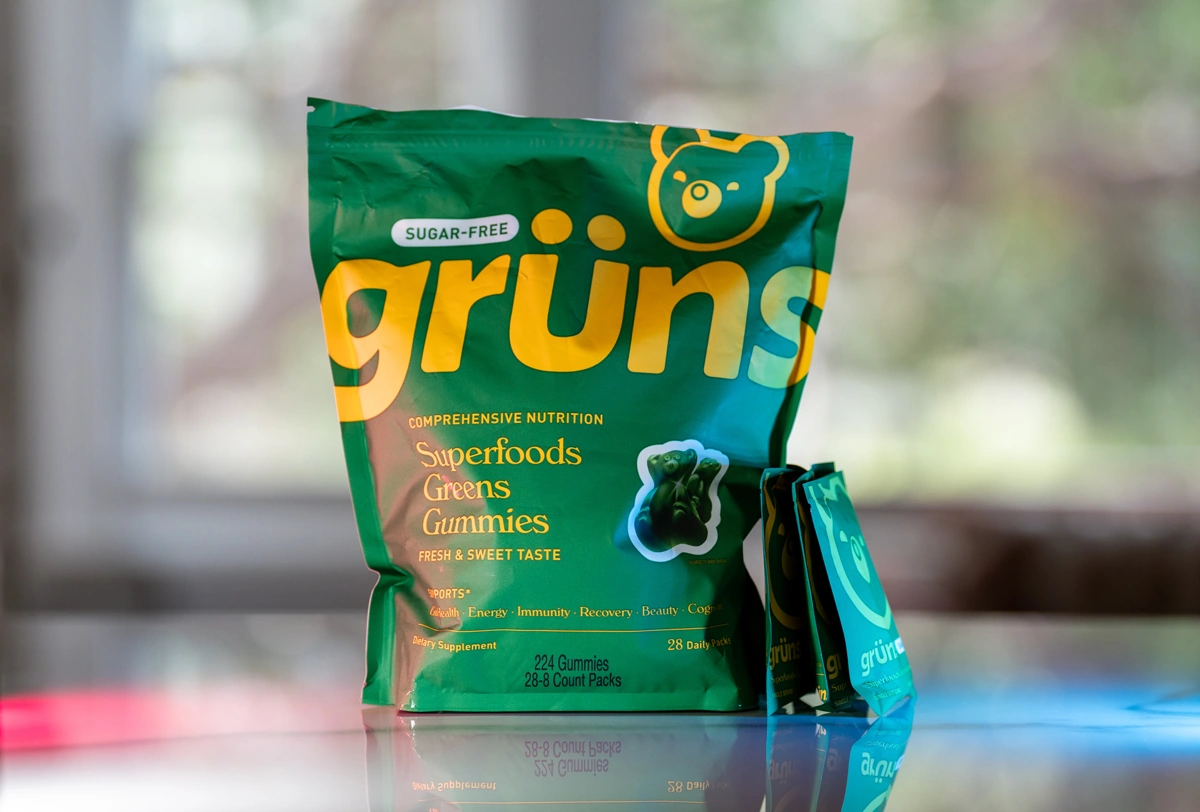
Grüns is a daily wellness gummy that compresses 60+ whole-food ingredients into a chewable format. The adaptogen layer includes ashwagandha and reishi, alongside greens, fruits, mushrooms, and probiotics.
It is the format that fits the people who never quite get into powders. Travel-friendly, portion-controlled, and genuinely pleasant to take. The catch is that gummies cannot pack the same dose density as a full scoop of powder, so treat Grüns as a baseline supplement rather than a complete daily greens replacement.
For families, travellers, and anyone who has bounced off green powders before, this is the easiest entry point in the category.
Price: $79.99 one-time, $59.99/mo subscription (~$2.14 per day) for 28 daily packs.
7. Best mushroom coffee alternative: Mud\Wtr
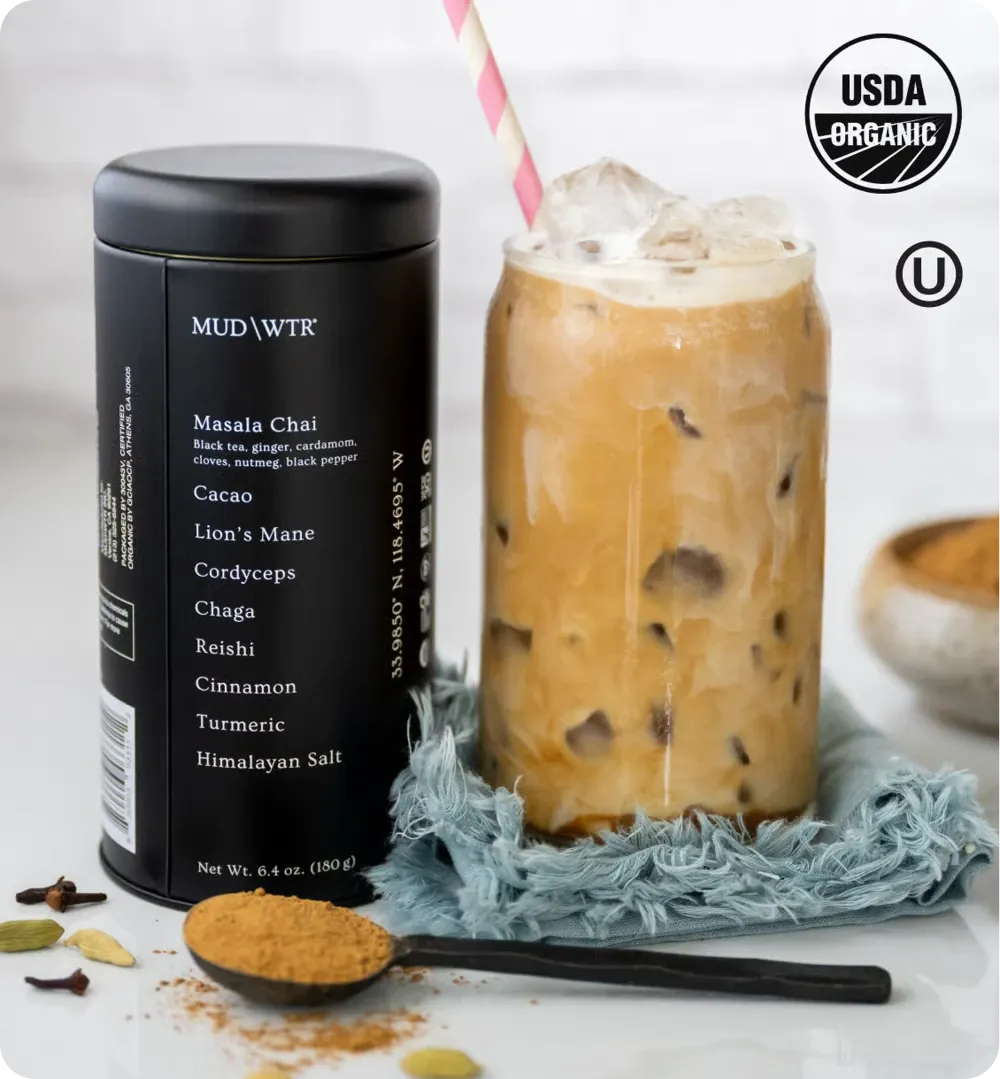
Mud\Wtr is the mushroom coffee category's most recognised brand, and for good reason. The original :rise blend uses masala chai as its base, with chaga, reishi, lion's mane, cordyceps, cacao, and turmeric layered on top. About a seventh of the caffeine of a regular coffee.
The pitch is straightforward: warm, grounding morning ritual, less caffeine, more functional ingredients. After a few weeks of swapping it in for my second coffee of the day, the energy curve does feel smoother, and the afternoon dip is genuinely less pronounced.
Taste-wise, it is earthy and spiced rather than coffee-like. If you go in expecting a coffee replacement, you will be disappointed. If you go in expecting a chai-adjacent functional latte, you will probably keep buying it.
Best for: anyone trying to reduce caffeine without losing the morning ritual.
Price: Starter kit ~$40 on subscription; refills ~$1.30 per serving on subscription.
8. Best calming and mood: Recess Mood
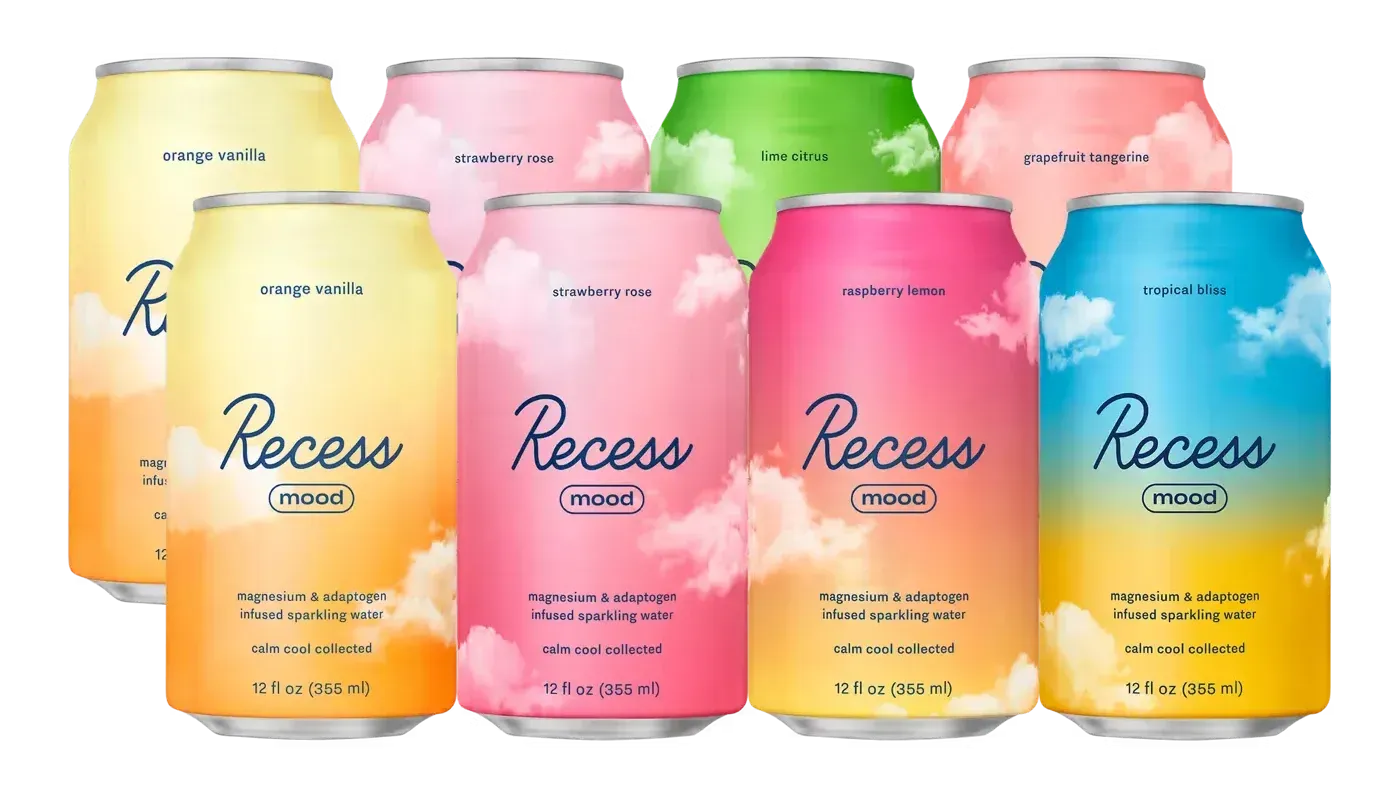
Recess Mood is the sparkling option, and the most accessible adaptogen drink on this list. Available in cans and powders, the formulation centres on a magnesium L-threonate blend (the form best supported for brain absorption), L-theanine, and lemon balm.
Each can is around 53mg of magnesium, 20 calories, and low sugar. The flavours (Tropical Bliss, Strawberry Rose, Black Cherry, Blood Orange) actually taste good, which matters for something you might drink three or four times a week.
The effect is subtle. It is not a sedative; it is more of a gentle nervous-system reset. Good for the late afternoon, post-work decompression, or as an alternative to a glass of wine. Available widely in Target, Walmart, and most natural grocery chains, which makes it the easiest pick on this list to actually buy.
Best for: the 5pm wind-down, replacing a beer, or the afternoon stress reset.
Price: 12-pack cans ~$40–$50 (~$3.50–$4 per can). Powder tubs ~$1.50 per serving. Subscriptions save 15%.
9. Best alcohol alternative: Kin Euphorics
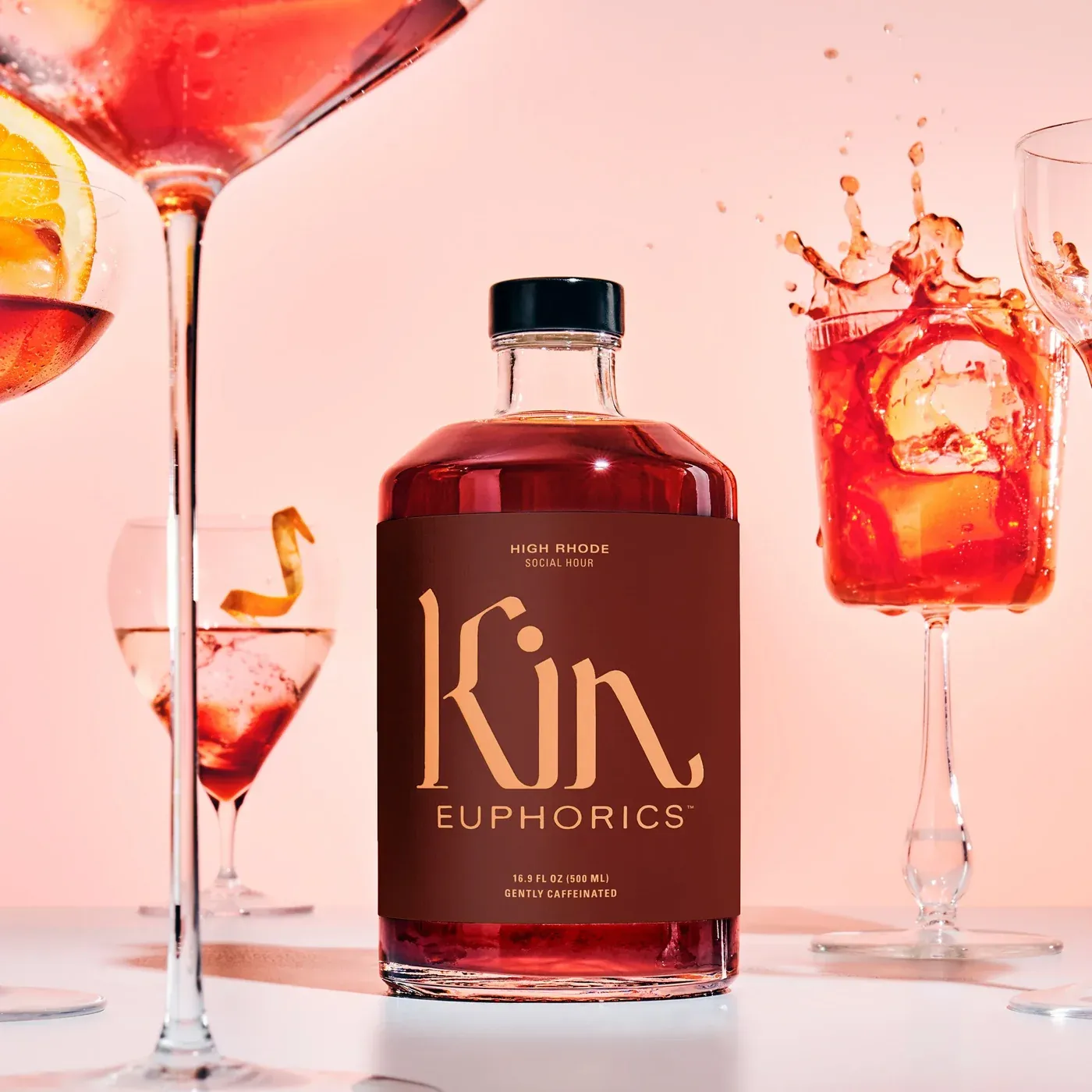
Kin Euphorics is the functional non-alcoholic spirit that defined the alcohol-alternative category. The range covers different moods and times of day: High Rhode (rhodiola, 5-HTP, GABA, with light caffeine) for social hour; Lightwave (reishi, L-theanine, L-tryptophan) for evenings; Dream Light (reishi, melatonin, L-tryptophan) for sleep.
The pitch is mood-state-specific drinks, not generic relaxation. The made-to-mix bottles work like a non-alcoholic spirit (mix with tonic, sparkling water, or juice), and the cans drink like a functional cocktail.
Where Kin earns its slot: the formulations are sophisticated, the branding actually makes drinking less alcohol feel desirable rather than punitive, and the adaptogens are genuinely present at functional doses. Pricier than the rest of the list, but doing a different job. If you are dialling back alcohol, this is the smoothest landing.
Best for: social occasions, dinners, the times you would normally reach for a cocktail.
Price: Made-to-mix 8-pack $39 (~$4.88 per serving). Subscriptions get 25% off.
How we tested
Every pick on this list has been used over multiple weeks of regular life: training blocks, work weeks, travel, family rhythms, and the boring Tuesdays in between.
I am looking for a few specific things when I assess an adaptogen drink:
Does it do something real? Subjective, but consistent. Steadier energy, better focus, calmer evenings, less crash. The effect should be noticeable within a couple of weeks of regular use.
Does the formulation hold up? Real adaptogens at real doses, named ingredients, transparent sourcing. Bonus points for organic certification and published certificates of analysis.
Is it actually drinkable? A wellness drink you do not want to drink is a bad wellness drink. Taste, mixability, and format ease all factor in.
Does it hold up on value? Per-serving cost weighed against the formulation and the experience. Cheaper is not always better; expensive needs to earn it.
I run TAK as an editorially independent publication. Brands sometimes send products for review, but no pick on this list has paid for placement, and every product has been used long enough to form a real opinion.
Frequently asked questions
What are adaptogens?
Adaptogens are botanicals (herbs, roots, and mushrooms) traditionally used to help the body adapt to physical, emotional, and environmental stress. Common examples include ashwagandha, rhodiola, eleuthero, holy basil, reishi, and cordyceps.
The research base is growing, and individual adaptogens like ashwagandha (cortisol reduction) and rhodiola (fatigue and mental performance under stress) have meaningful evidence behind them.
Are adaptogen drinks safe to drink daily?
For most healthy adults, yes. The adaptogens used in mainstream beverages have strong safety profiles at typical doses. That said, if you are pregnant, breastfeeding, on prescription medications, or managing a health condition, consult your doctor first. Some herbs interact with medications, and a few (licorice root, for example) need to be taken with awareness of dose and duration.
Do adaptogen drinks actually work?
The honest answer is: it depends on the dose and the individual. Trace amounts of adaptogens in a heavily marketed drink will not do much. Functional doses of named adaptogens (ashwagandha at 300-600mg, rhodiola at 200-400mg, L-theanine at 100-200mg) will produce noticeable effects in most people within 2-4 weeks of consistent use. The effect is usually subtle: smoother energy, better stress response, calmer evenings, rather than a dramatic before-and-after.
Adaptogen drinks vs energy drinks: what's the difference?
Energy drinks rely primarily on caffeine and sugar (or artificial sweeteners) for a short, sharp lift. Adaptogen drinks usually contain less caffeine (or none) and rely on botanical and mineral ingredients to support steady energy, focus, or calm without the crash. Some adaptogen drinks include caffeine from green coffee, matcha, or guayusa, but the dose is typically lower and balanced with calming ingredients like L-theanine.
What is the best time of day to drink adaptogen drinks?
It depends on the formulation. Morning options like AG1 Next Gen, Mud\Wtr, and Balaveda's energy shots fit a morning ritual. Focus blends like Plant People WonderFocus work best for the cognitive hours of the day. Calming picks like Recess and AGZ are designed for the afternoon and evening. The general rule: caffeinated picks before 2pm; calming picks after 4pm.
What about magnesium supplements for the calming effect?
Magnesium is a mineral, not an adaptogen, but the two often get grouped because both support stress response. Magnesium is genuinely important for sleep, muscle function, and mood, and many people are mildly deficient.
If you want a dedicated magnesium supplement to pair with the adaptogen drinks above, Pure Synergy Vital Ocean Magnesium is the one I am currently using.
Best magnesium for sleep in winter: what the evidence actually supports
Forms, dosing, food sources, and tempering the hype around magnesium glycinate for sleep.
Alastair Dixon
My verdict: which adaptogen drink should you buy first?
If you only buy one product from this list to start, Balaveda is the pick. The breadth of the lineup means you can experiment across energy, immunity, beauty, and focus without committing to a single brand or format, and the credentials behind the formulations are stronger than anything else in the category.
If you want a single daily foundation, AG1 Next Gen or IM8 will cover the most ground. If you are looking for an afternoon reset that fits into any social context, Recess Mood is the easiest entry point. If you are dialling back alcohol, Kin Euphorics is the most sophisticated landing.
Adaptogen drinks are not magic. They are a tool, and like any tool they work best when you use them consistently and stack them with the basics: sleep, training, food, and time outdoors. The good ones make those basics easier to maintain, which is the whole point.
If you haven't already, signup for our free newsletter, and subscribe to our YouTube Channel for more quality content like this. -Alastair
Written by

Subscribe to new posts
Gear that earns its place, outdoors and at home | Reviews, Roundups, News









Member discussion