
What do the numbers on binoculars mean? A simple guide for hiking and birding
Learn what 8x25, 8x42, and 10x42 mean on binoculars, how magnification and lens size affect your view, and which numbers to look for when hiking or birding.

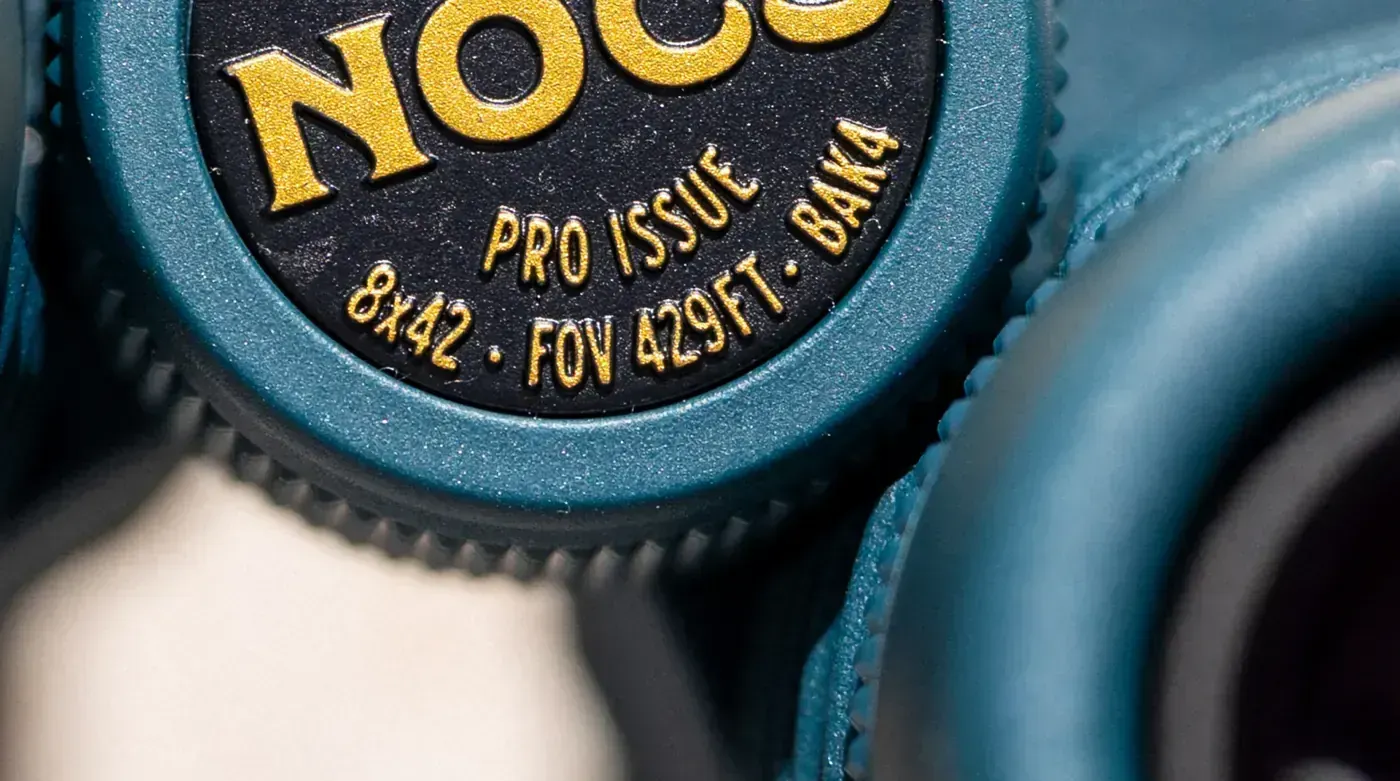
An 8x25, an 8x42, and a 10x42 can all look like sensible choices when you're shopping for binoculars. But those numbers tell you quite different things about the view you'll get and the size of the binoculars you'll be carrying.
The first number is the magnification. The second is the diameter of each front lens, measured in millimeters. So 8x42 binoculars have 8x magnification and 42mm objective lenses.
That's the basic explanation. Here's how I would use it to choose a pair for hiking, birdwatching, or keeping handy for wildlife in the backyard.
The quick answer: binocular numbers explained
The "x" separates the magnification from the lens diameter.
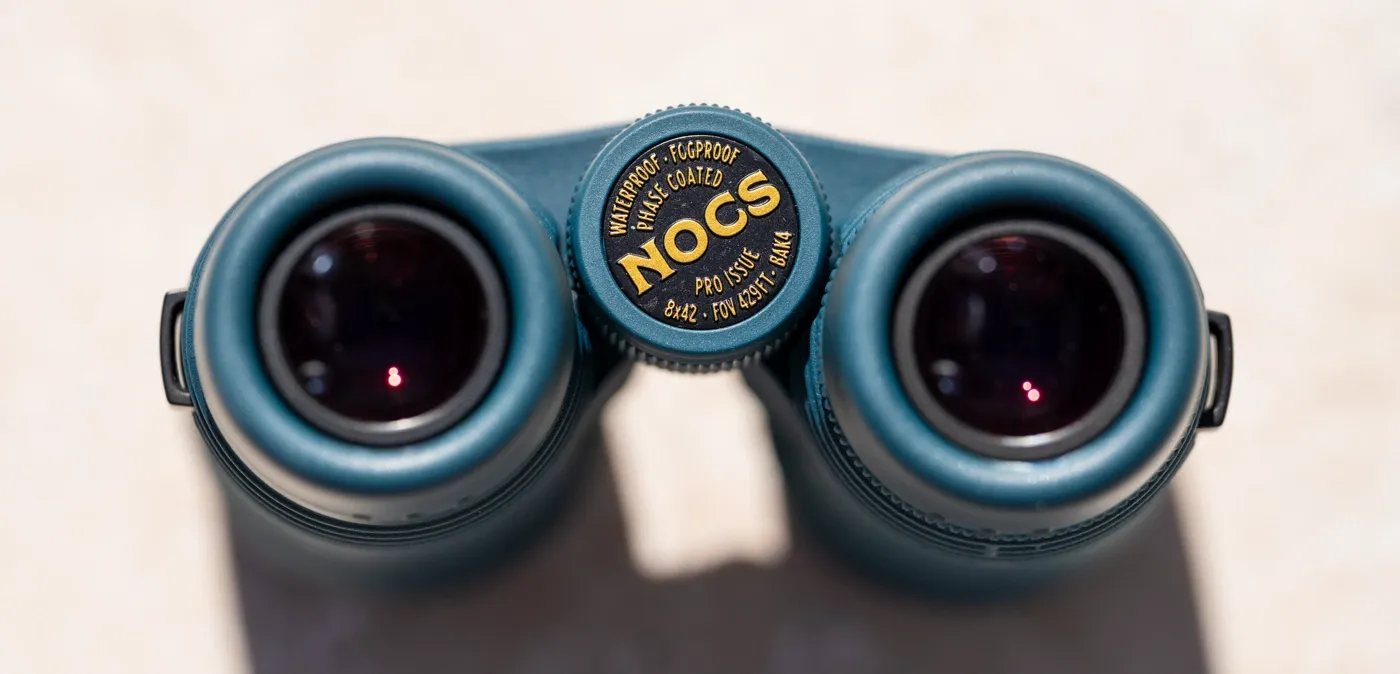
You don't multiply the two numbers together, and an 8x42 binocular doesn't zoom from 8x to 42x.
| Binocular numbers | Magnification | Front lens diameter | What I'd consider them for |
|---|---|---|---|
| 6x30 | 6x | 30mm | Relaxed wildlife viewing with less visible hand shake |
| 8x25 | 8x | 25mm | A small pair for daytime hikes and travel |
| 8x32 | 8x | 32mm | A balance of carrying size and birding use |
| 8x42 | 8x | 42mm | General birdwatching, including when the light starts fading |
| 10x42 | 10x | 42mm | A closer view of more distant wildlife, with steadier hands or a monopod needed |
These are starting points. The numbers describe the format, but they don't tell you how well a particular pair is made or the quality of its optics.
The first number: how much closer things look
With 8x binoculars, a bird looks about eight times larger than it does with your naked eyes. Think of a bird 80 meters away appearing roughly the size it would at 10 meters without binoculars.
Moving to 10x gives you more magnification. It also magnifies the movement of your hands, which can make the extra detail harder to appreciate.
For general hiking and birding, I'd start by looking at 8x.
It's a manageable amount of magnification for handheld use, especially when you're still getting used to finding a bird through the eyepieces.
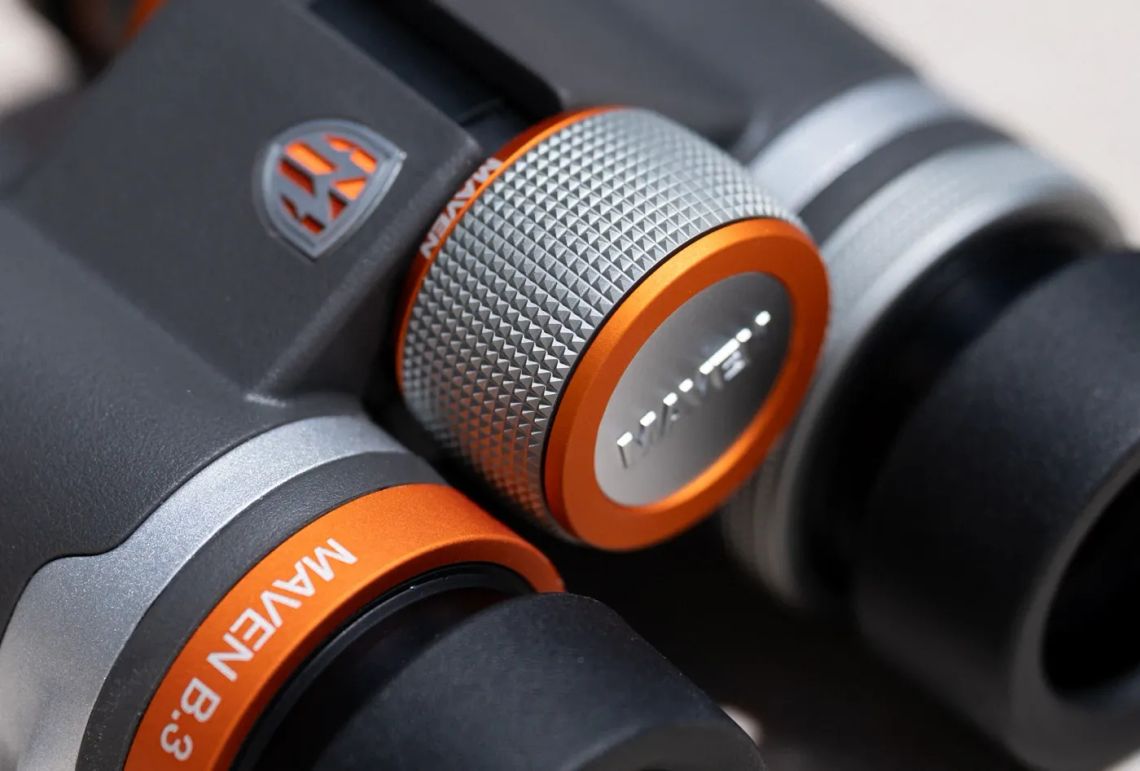
Lower magnification is worth considering too. The pair I tested recently in my Maven B.3 review was the 6x30, and I was particularly impressed by the visual clarity.
Maven B.3 Review: Compact Binoculars With Stunning Clarity
Hands-on Maven B.3 review covering the 6x30, 8x30, and 10x30 compact binoculars, the optical clarity that stood out, and which to buy.
 Alastair Dixon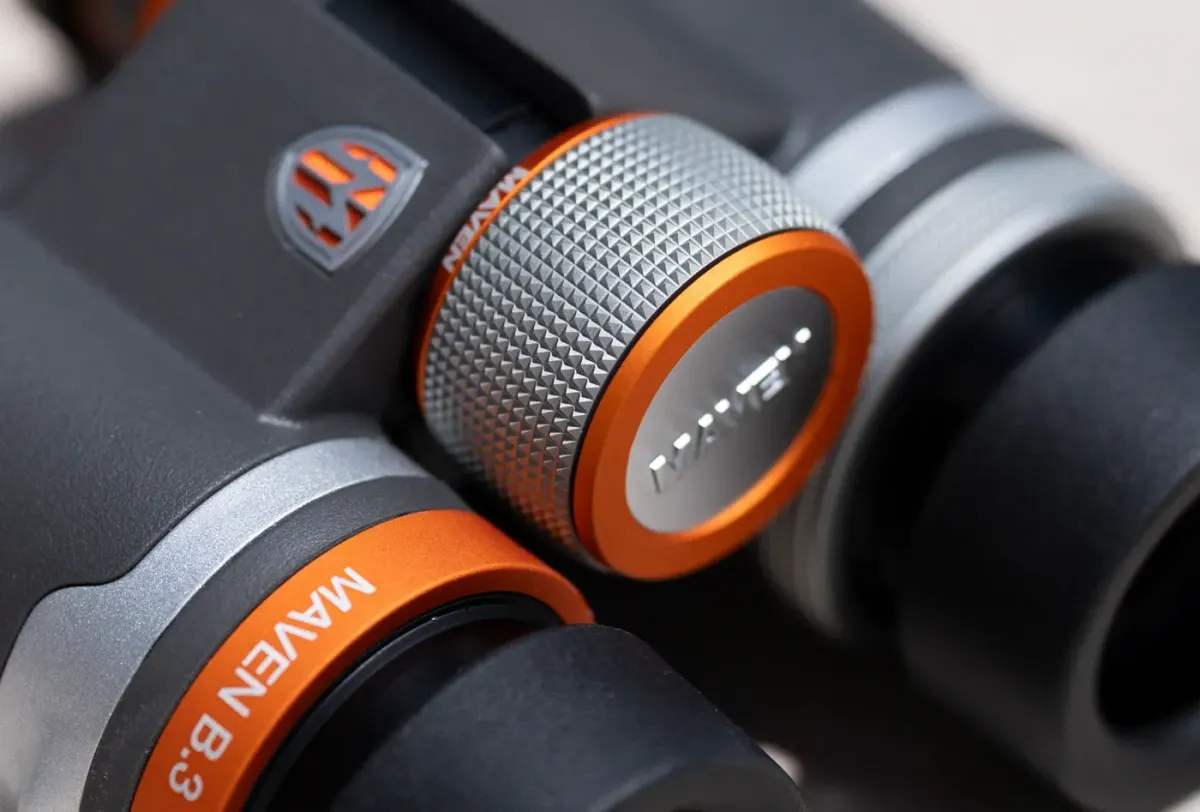
There's more to a satisfying view than choosing the highest power.
The second number: the size of the front lenses
The objective lenses are the two lenses at the front, facing whatever you're looking at. In 8x25 binoculars, each one is 25mm across; in 8x42 binoculars, each is 42mm.
Larger objectives collect more light, but generally mean a bigger, heavier binocular. At the same magnification and with comparable optics, that extra light-gathering ability becomes useful as conditions get darker.
For a daytime hike where carrying space matters, smaller binoculars can make a lot of sense.
Nocs Binoculars Review: Waterproof Compact Binoculars
Our Nocs binoculars review covers these budget-friendly, waterproof 8x25 compact binoculars for travel, hiking, surf-spotting and wildlife viewing.
 Alastair Dixon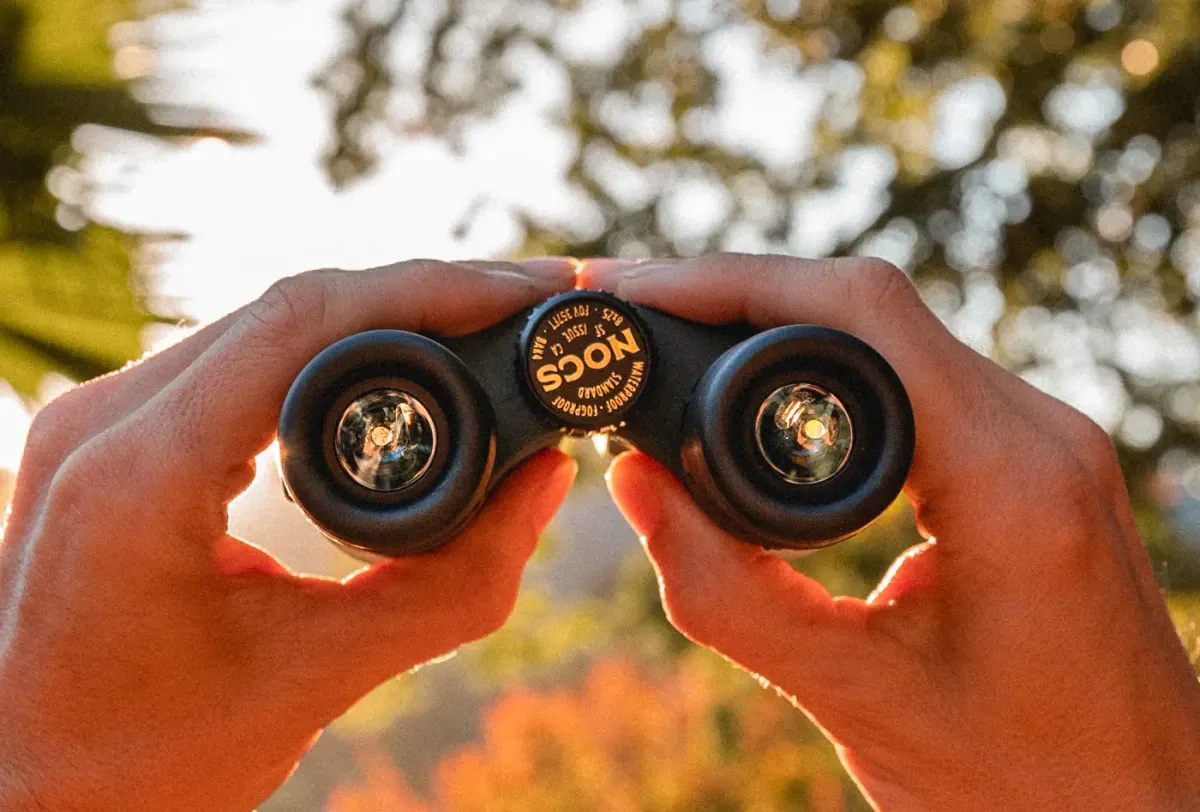
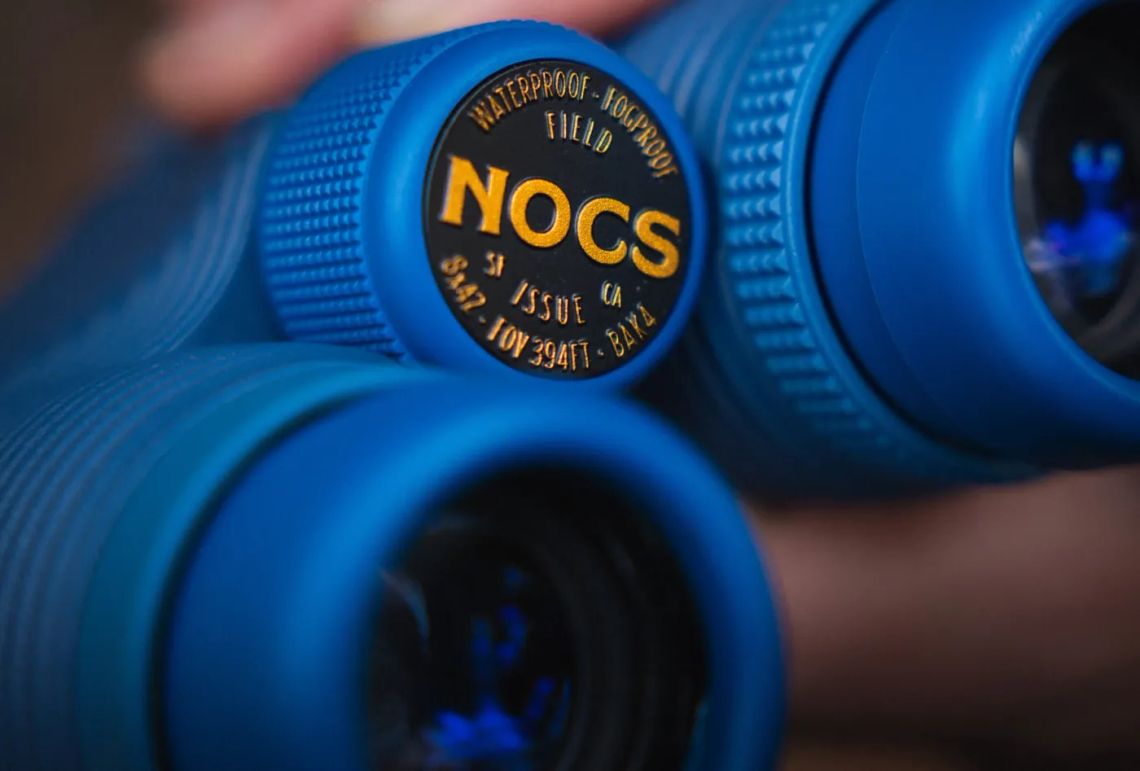
The 8x25 format tested in my Nocs Standard Issue review is a good example of that approach.
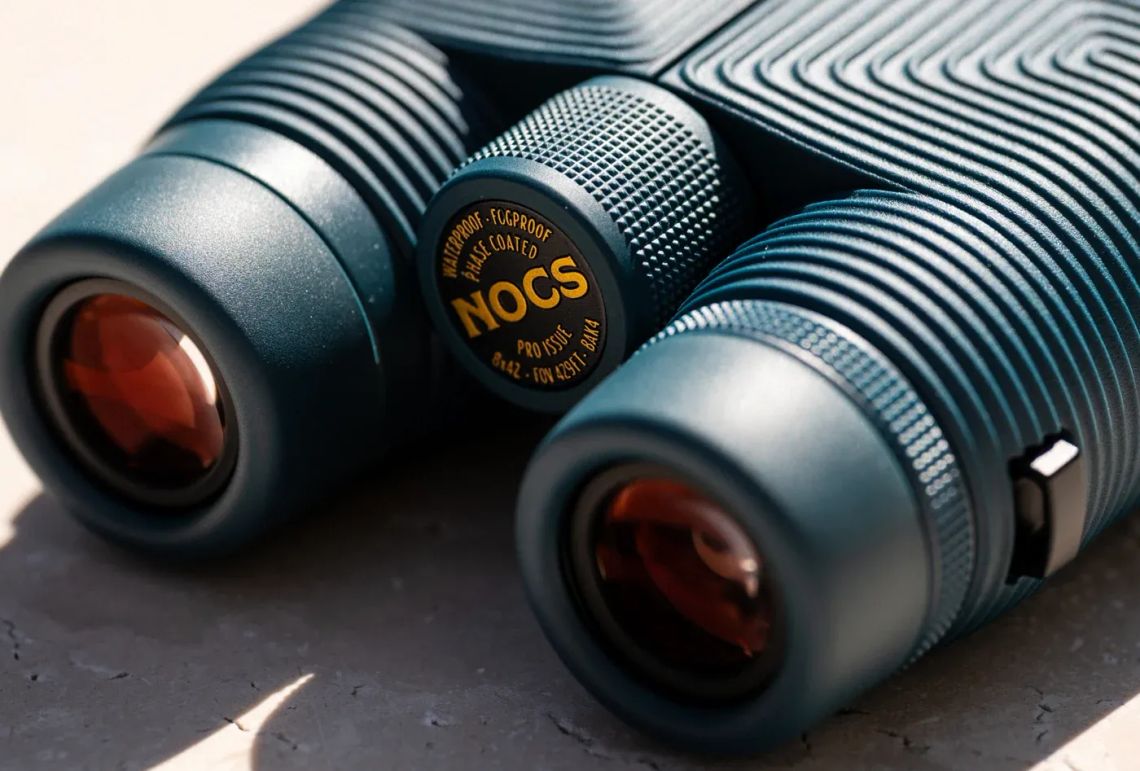
If birdwatching is the main reason you're going out, I'd give 42mm objectives more consideration. You can see what that looks like in practice in my Nocs Pro Issue 8x42 review, including the extra weight that comes with them.
Nocs Provisions Pro Issue 8x42 Binoculars Review
Hands-on review of the Nocs Provisions Pro Issue 8x42 binoculars. Field of view, optics, build quality, and who they’re really for.
 Alastair Dixon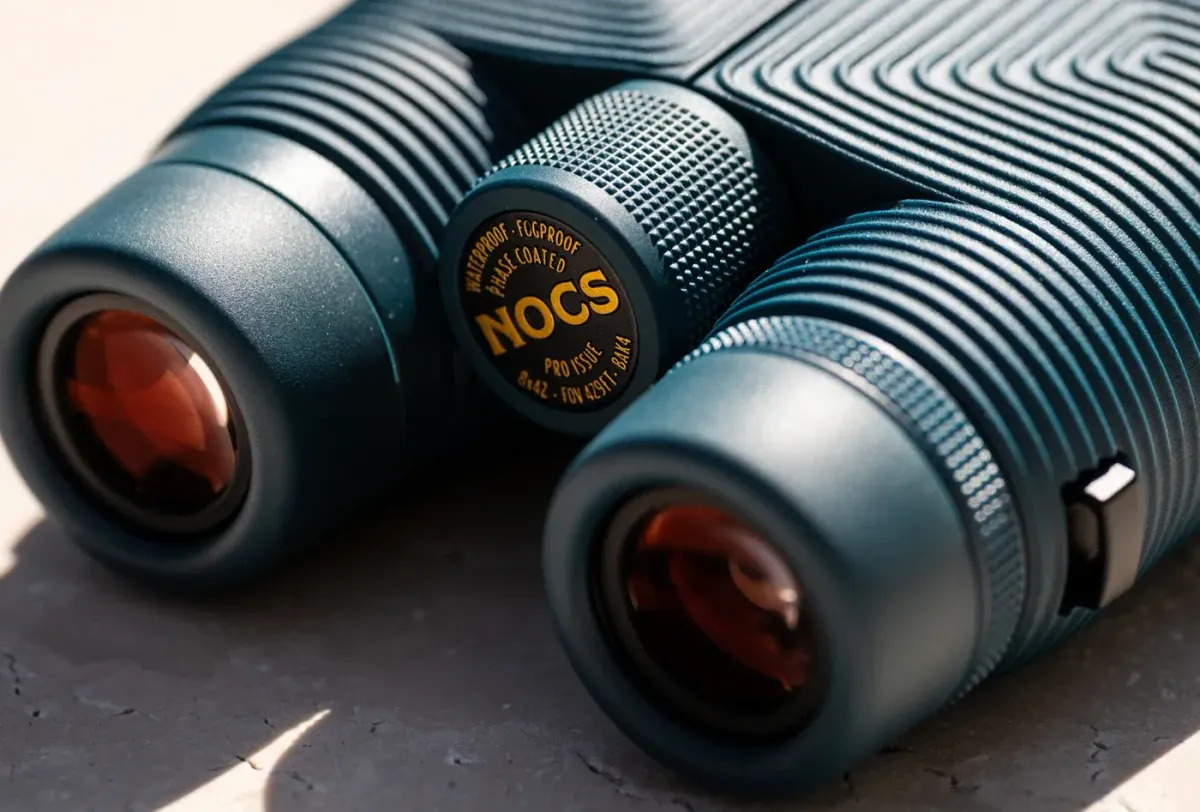
An 8x42 doesn't bring a bird closer than an 8x25. Both have 8x magnification. The larger second number changes the lens size and the light gathering potential.
How the two numbers affect brightness
There's one small calculation that helps explain the relationship: objective lens diameter ÷ magnification = exit pupil.
The exit pupil is the diameter of the beam of light leaving each eyepiece. You don't need to memorize the term, but it's useful when comparing formats.
| Format | Calculation | Exit pupil |
|---|---|---|
| 8x25 | 25 ÷ 8 | 3.1mm |
| 8x32 | 32 ÷ 8 | 4mm |
| 8x42 | 42 ÷ 8 | 5.25mm |
| 10x42 | 42 ÷ 10 | 4.2mm |
Notice how the 10x42 has a smaller exit pupil than the 8x42, even though the front lenses are the same size; hence why 8x42 is such a popular combo.
With comparable optical quality, a larger exit pupil can help preserve a brighter view in dim conditions, when your own pupils open wider. In bright daylight, that advantage may be much less noticeable because your pupils are smaller.
I wouldn't use this number alone to judge image quality. Glass quality, lens coatings, optical design, and how much light actually reaches your eyes matter too.
What do the other numbers mean?
Once you start comparing specifications, you'll usually find a few more measurements. These are the ones I'd pay attention to...
Field of view: how much of the scene you can see
You might see a figure such as 400 feet at 1,000 yards. That means the visible scene is 400 feet wide at that distance, without moving the binoculars. Metric specifications often give the width at 1,000 meters instead.
A wider view helps when you're locating a bird among branches or following one as it moves. Two pairs of 8x42 binoculars can have different fields of view, so check the actual specification.
You may also see the real field of view written as an angle, such as 7°. That's another way to describe the width of the view; it isn't another magnification setting.
Eye relief: especially relevant if you wear glasses
Eye relief is the distance from the eyepiece lens to where your eye needs to sit to see the full view. It's measured in millimeters.
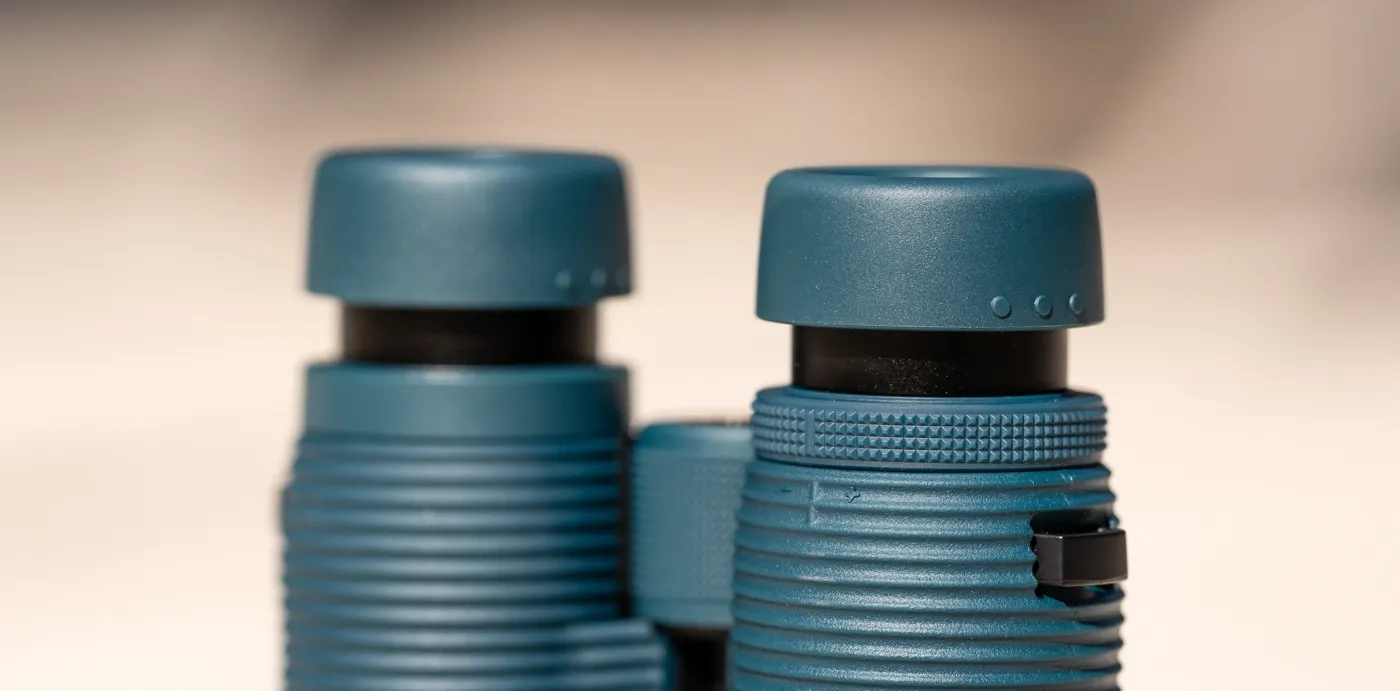
Glasses keep your eyes farther from the eyepieces, so longer eye relief is generally helpful. I'd still check the fit with your own glasses, because the eyecups and frame shape affect how comfortably you can get into position.
Close focus: how near a subject can be
A close-focus distance of 2 meters means the binoculars can focus on a subject about that far away. It's worth checking if you want to watch nearby butterflies or birds visiting a feeder.
It doesn't describe how far into the distance you can see.
Which numbers would I choose for hiking and birding?
For a small pair to keep in a daypack, I'd look at 8x25 or 8x32. Check the actual weight and dimensions; the format gives you a useful starting point, but bodies vary between models.
For a first pair mainly for birdwatching, 8x42 would be my starting point, provided you're happy carrying the extra bulk.
My birdwatching for beginners guide covers the next steps, from finding local birds to getting help with identification.
Bird Watching for Beginners – Easy Guide to Start Birding Locally
This guide shows you how to start birding locally. Discover beginner gear, simple identification tips, a first-week plan, and mindful ways to enjoy nature right outside your door.
 Alastair Dixon
I'd consider 10x42 when distant subjects are the priority and you're comfortable holding the view steady. If possible, try 8x and 10x before buying and notice how easily you can find your subject and keep it in view.
Once you've narrowed down the format, my best compact binoculars guide covers specific options for hiking, birding, and travel, including their size, optical performance, and limitations.
Best Compact Binoculars 2026: Hands-On Picks for Hiking & Birding
The best compact binoculars of 2026, tested for hiking, birding, and travel. Honest picks across budgets, with our editor’s premium and value choices.
 Alastair Dixon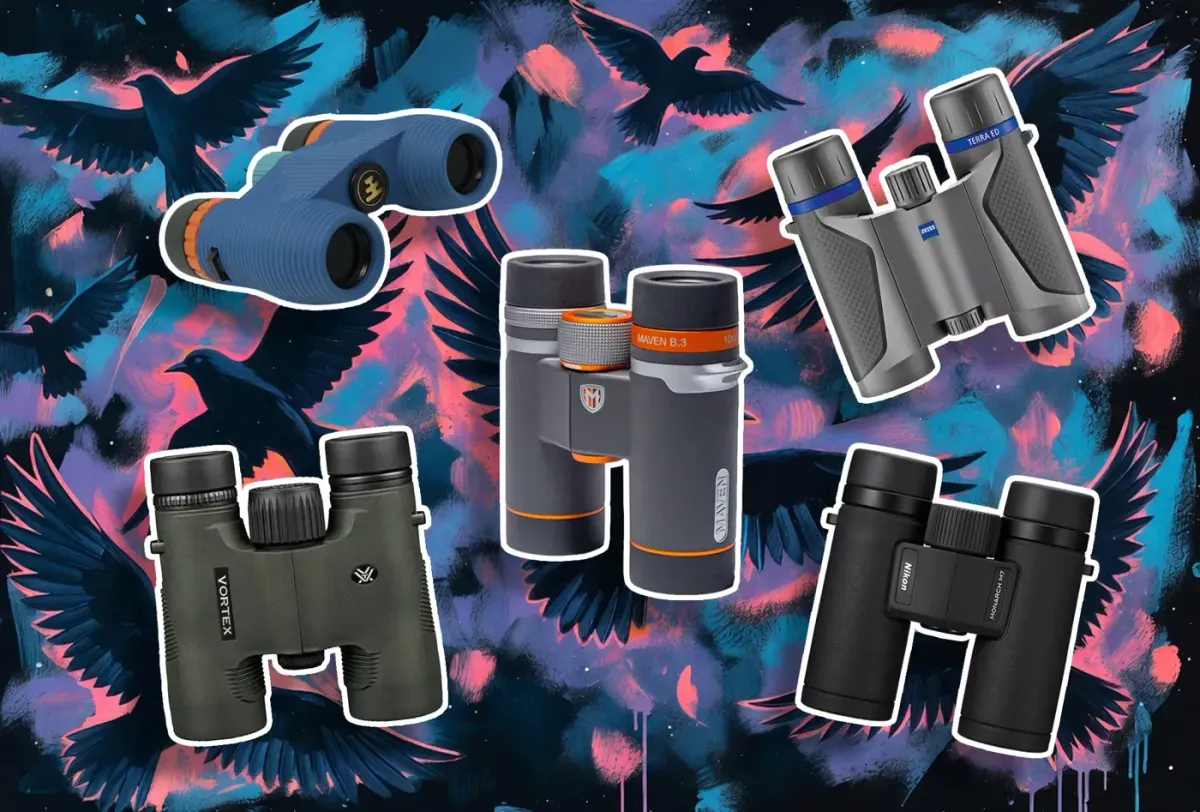
If you haven't already, signup to our free newsletter, for more quality outdoor content like this. -Alastair
Written by

Subscribe to new posts
Gear that earns its place, outdoors and at home | Reviews, Roundups, News







Member discussion