
Maven B.3 review: I wasn't ready for how clear these compact binoculars are
Hands-on Maven B.3 review covering the 6x30, 8x30, and 10x30 compact binoculars, the optical clarity that stood out, and which to buy.

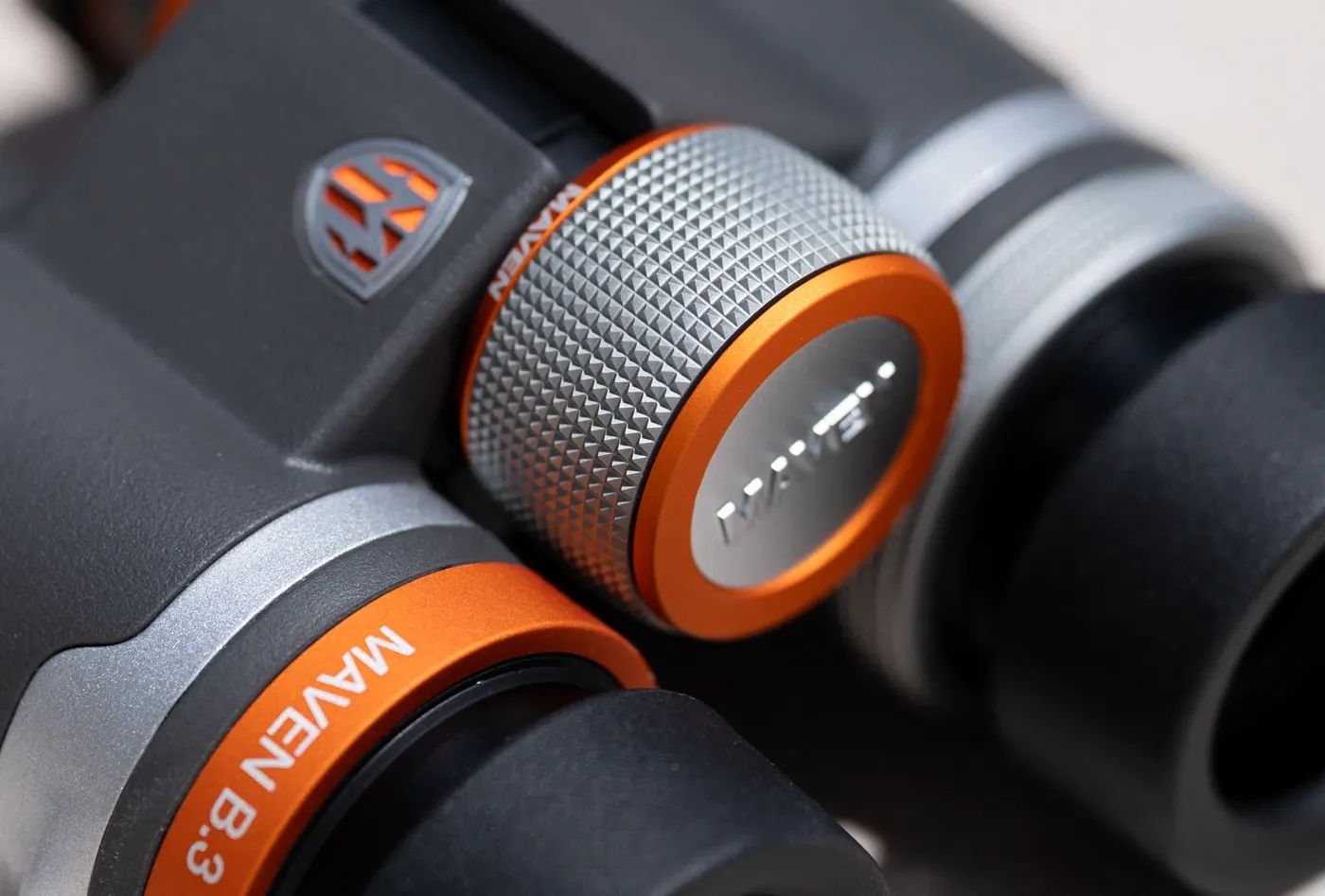
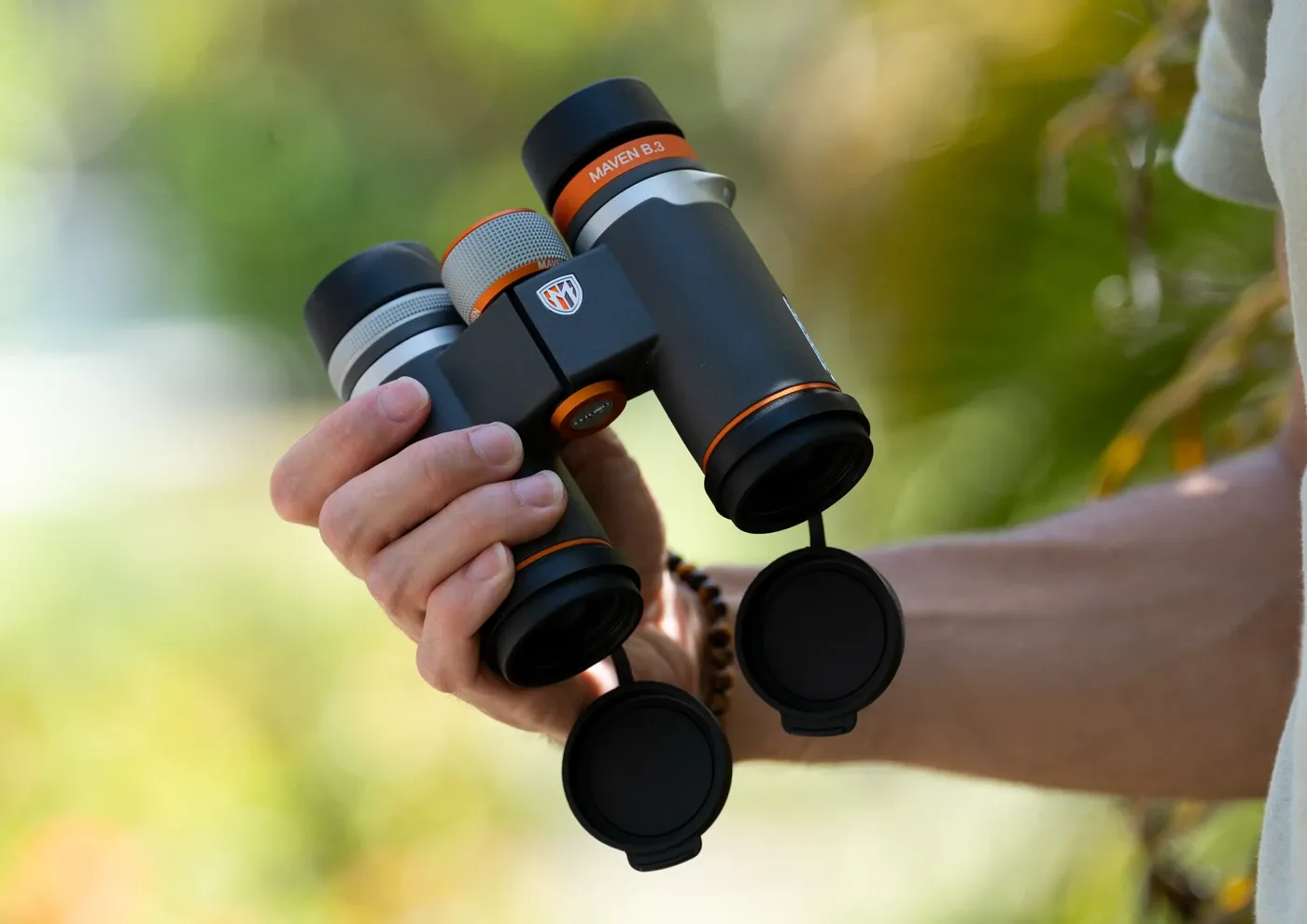
The first time I lifted the Maven B.3 to my eyes, I made an involuntary noise. The kind of gasp you make when something genuinely surprises you. I had been using compact binoculars for years, and I thought I knew what to expect from a 30mm objective lens in a small body. The B.3 immediately rewired that expectation.
It is the clarity. The image is so clean, so sharp, so brightly lit edge-to-edge, that it took me a moment to recalibrate against everything I had used before. This is what people mean when they say good glass changes the experience. You stop looking through binoculars and start looking with them.
I have been testing the Maven B.3 across family hikes, and casual birding for the past few weeks. This is my hands-on take.
If you purchase through links in this article, we may earn a small affiliate commission.
What it is, briefly
The B.3 is the compact entry point in Maven Outdoor Equipment Company's premium B Series. Founded in 2014 in Lander, Wyoming, Maven sells direct to consumer using Japanese optical components and US assembly, which is how they put high-grade ED glass and dielectric-coated prisms into a binocular at roughly half the price of comparable Swarovski or Zeiss optics.
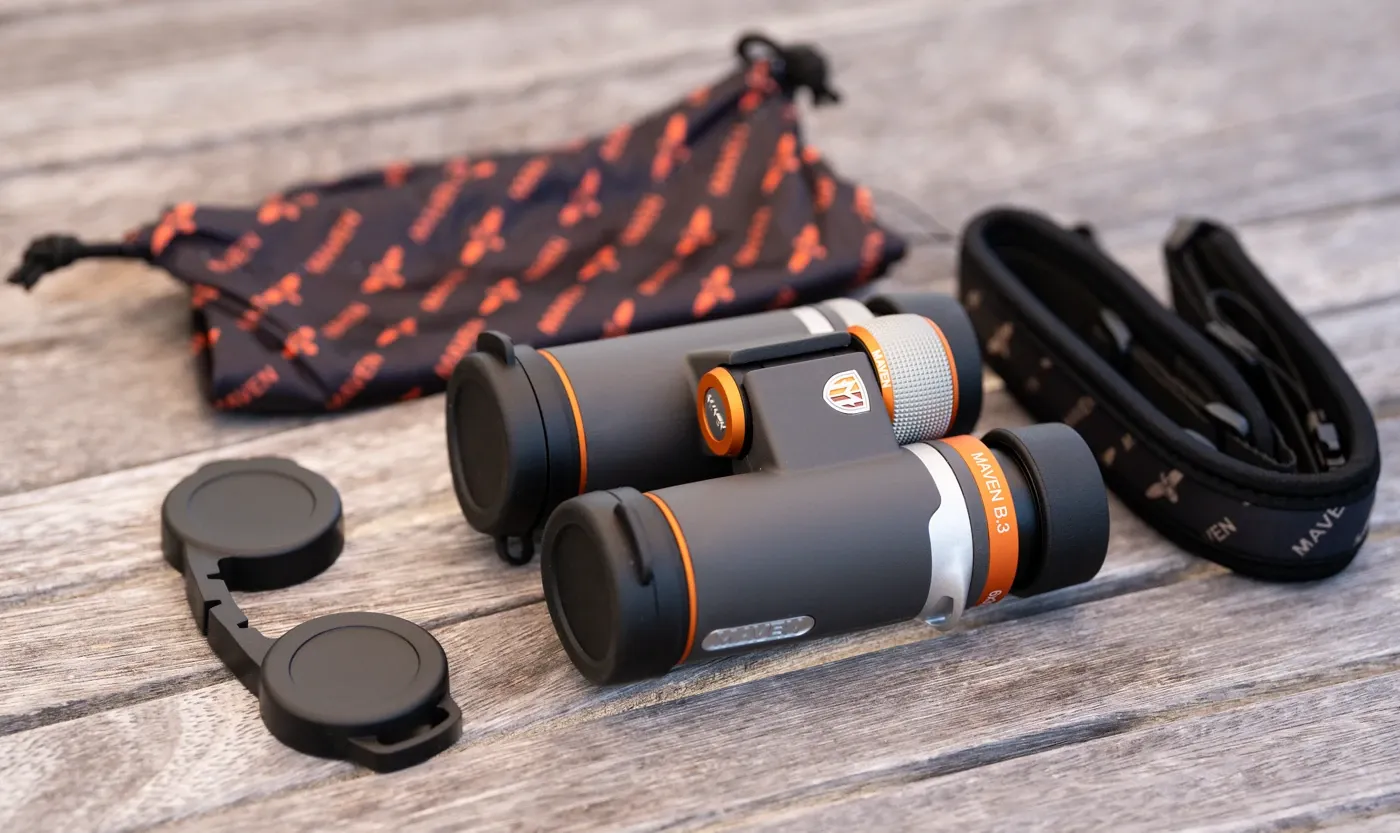
The B.3 comes in three magnifications; 6x30, 8x30, and 10x30, sharing the same compact body, weight class, and feature set. Current price is $575 direct from mavenbuilt.com, and a lifetime warranty backs every pair.
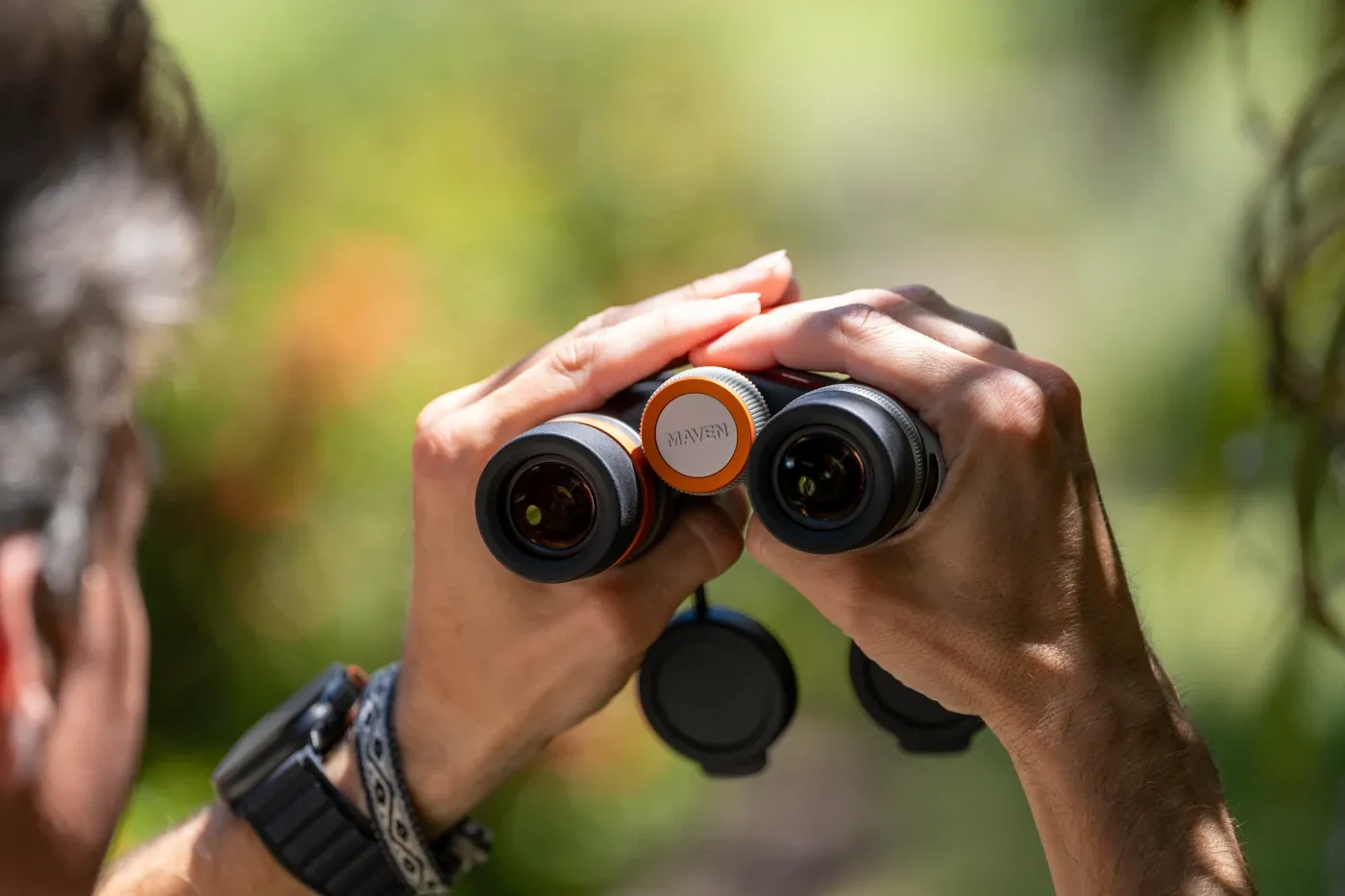
I tested the 6x30 in the stock grey-and-orange colourway.
Here are the specs that matter
- Price: $575 at mavenbuilt.com
- Weight: 16.1 oz
- Glass: Extra-low dispersion (ED), fully multi-coated, scratch- and oil-resistant
- Prisms: Schmidt-Pechan with dielectric coating and phase correction
- Light transmission: 94.6%
- Field of view: 446 ft @ 1,000 yds (8.5 degrees, wider than many full-size 8x42s)
- Eye relief: 18.3mm (the most glasses-friendly of the three, vs 15.1mm)
- Close focus: 8.2 ft listed (some reviewers have focused them as close as 5.2 ft)
- Waterproofing: IPX7, nitrogen-purged, fogproof
- Operating temperature: -13°F to 140°F
What the clarity actually feels like
Here is the comparison that crystallised it for me. I had been using the Nocs Standard Issue 8x25 for the last couple of years, perfectly fine optics for the price, sharp enough in the centre, and the pair I would still happily recommend to someone starting out.
Nocs Binoculars Review: Waterproof Compact Binoculars
Our Nocs binoculars review covers these budget-friendly, waterproof 8x25 compact binoculars for travel, hiking, surf-spotting and wildlife viewing.
 Alastair Dixon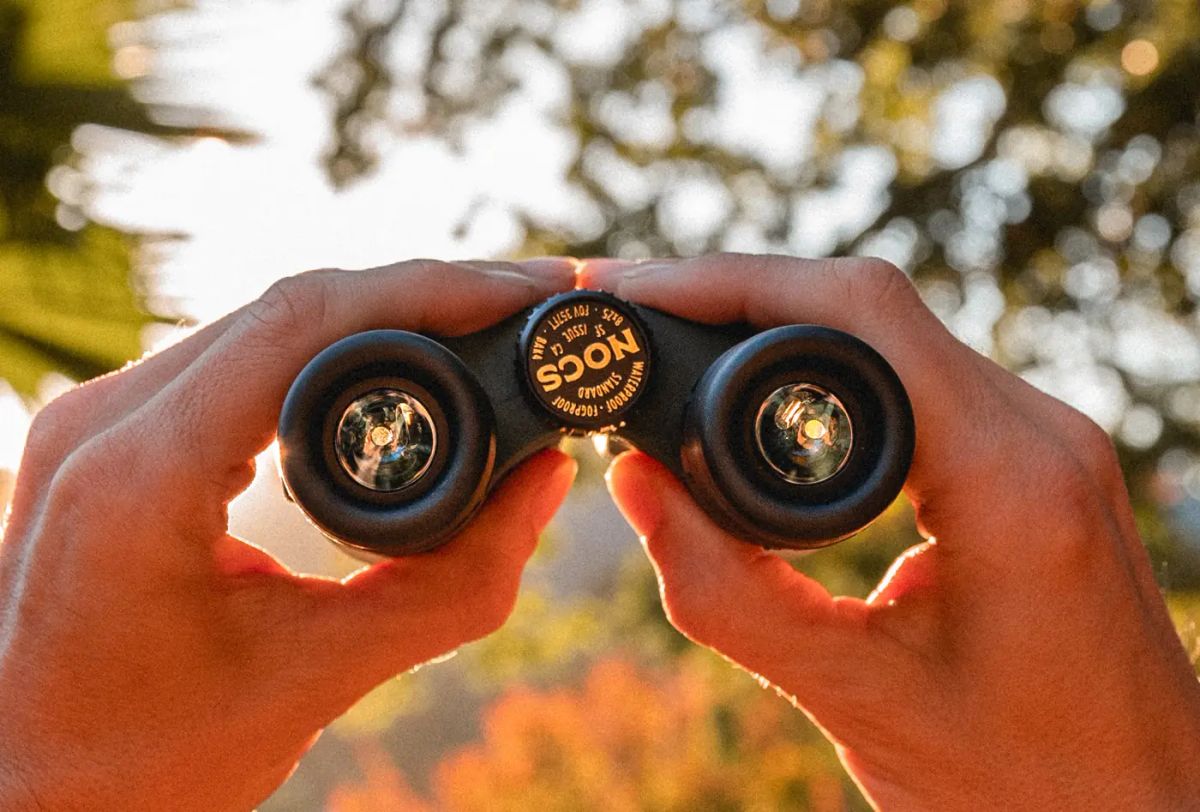
Picking up the B.3 immediately after, the difference was not subtle.
The edges hold sharpness
On most compact binoculars, the image starts softening noticeably as you move out from the centre, and by the outer 20-30% you are looking at something that is technically there but not really useful.
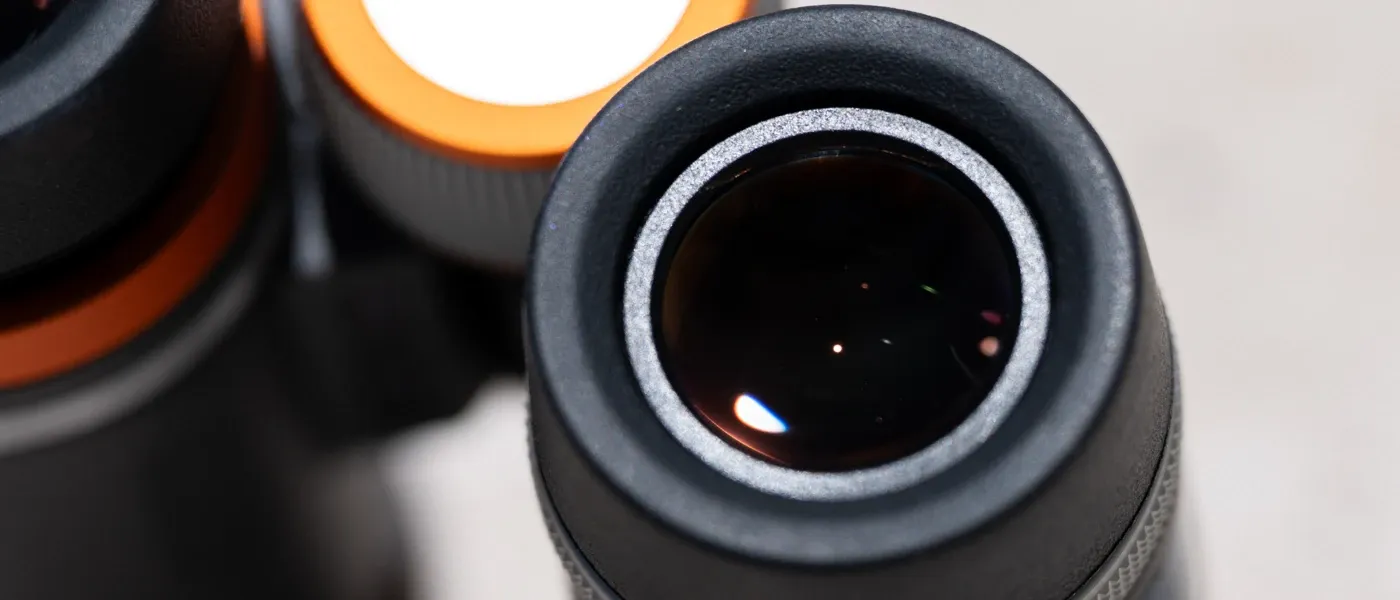
The B.3 stays crisp through far more of the field, which means the entire view is usable instead of just the middle. When you are scanning brush for movement or following a bird across the field, this is the difference between catching it and missing it.
Color is just right
Greens look like greens. The blue-grey of a tree trunk in shade reads as blue-grey, not a muted approximation of it.
The contrast is strong without being punchy, and the overall colour cast is neutral rather than tinted warm or cool the way some cheaper optics drift. This sounds like a small thing until you spend time with optics that get it right and realise how much information you were missing before.
Brightness for a 30mm objective is genuinely surprising
The 6x30's 5mm exit pupil is the largest in the B.3 lineup, and combined with 94.6% light transmission and phase-correction coatings the image is bright enough to compete with mid-size 32mm optics in good light, and holds up far better than expected at dawn and dusk.
I took the B.3 out the morning after testing it indoors, picking out detail on bird silhouettes against a pale sky in the half-light before sunrise, and the image was clean enough that I actually started identifying species I had only ever caught movement of with my old pair.
No colour fringing
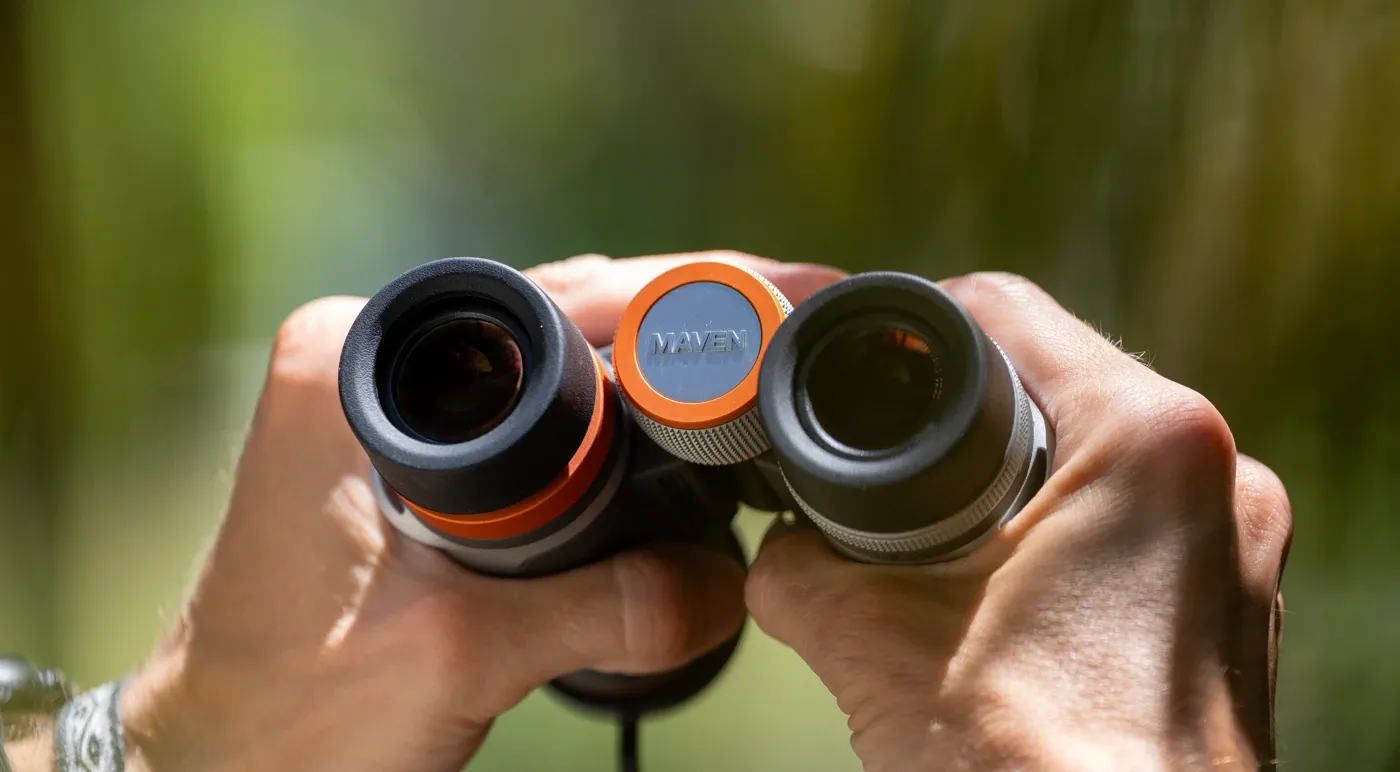
ED glass does what ED glass is supposed to do. On high-contrast edges, a dark bird against bright sky, snow against shadowed trees, a backlit branch, there is no purple or green fringing. The image is just clean.
Once you notice this absence of distortion, going back to non-ED optics feels like a step down in a way it didn't before.
The honest comparison is to optics costing $1,000 to $1,500. Multiple reviewers have run the B.3 head-to-head against the Swarovski CL Companion 8x30 and the Zeiss Conquest HD 8x42, and the consensus matches what I felt: the B.3 holds its own on sharpness and brightness, and offers a wider field of view, at roughly half the price.
How they handle in the field
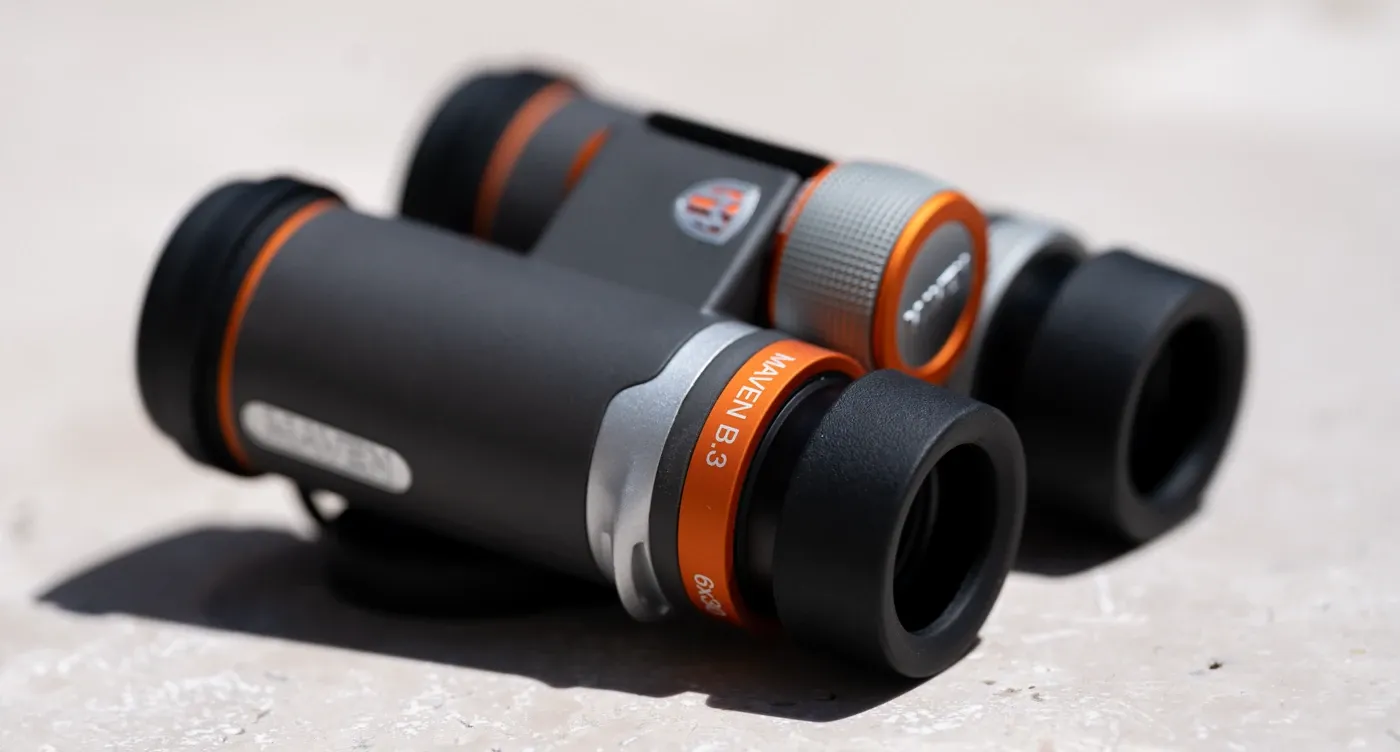
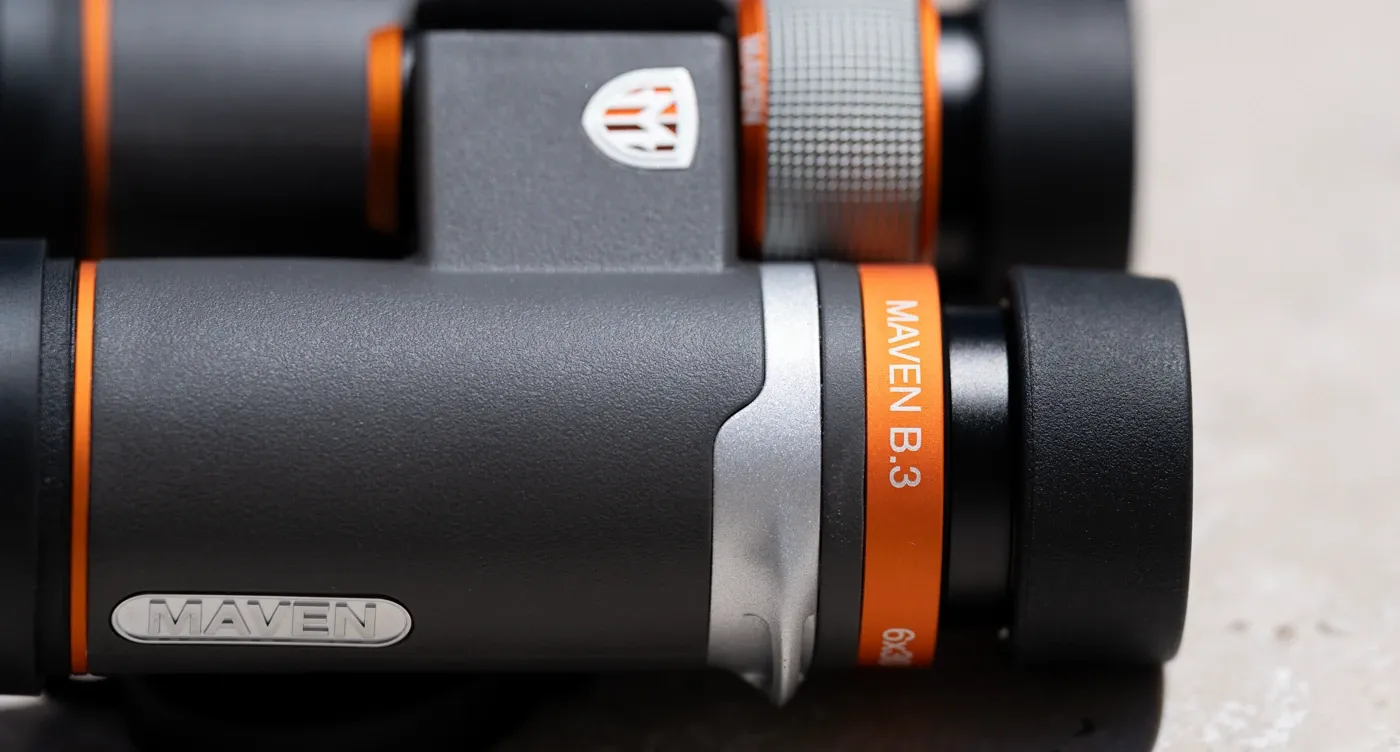
The B.3 feels denser than it looks. The polymer frame is wrapped in textured rubber armour that grips well in cold or sweaty hands, and the whole unit has the planted feel of something built to be used hard. It does not feel cheap, and it does not feel fragile.
The eyecups click cleanly into multiple positions and stay put.
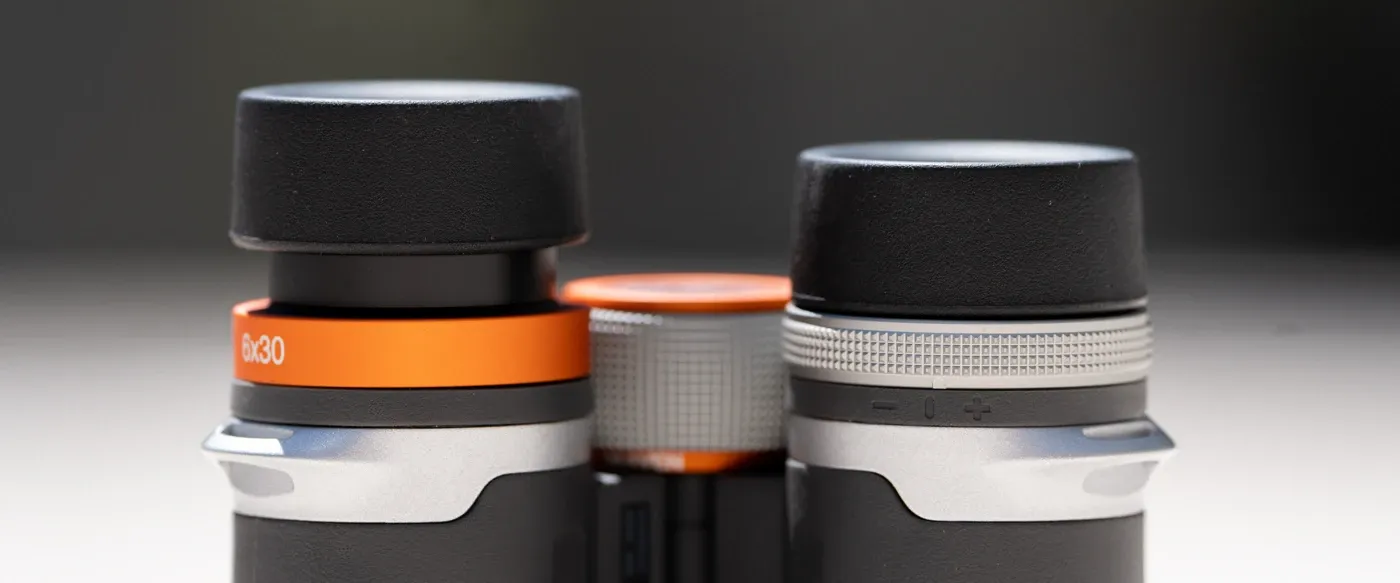
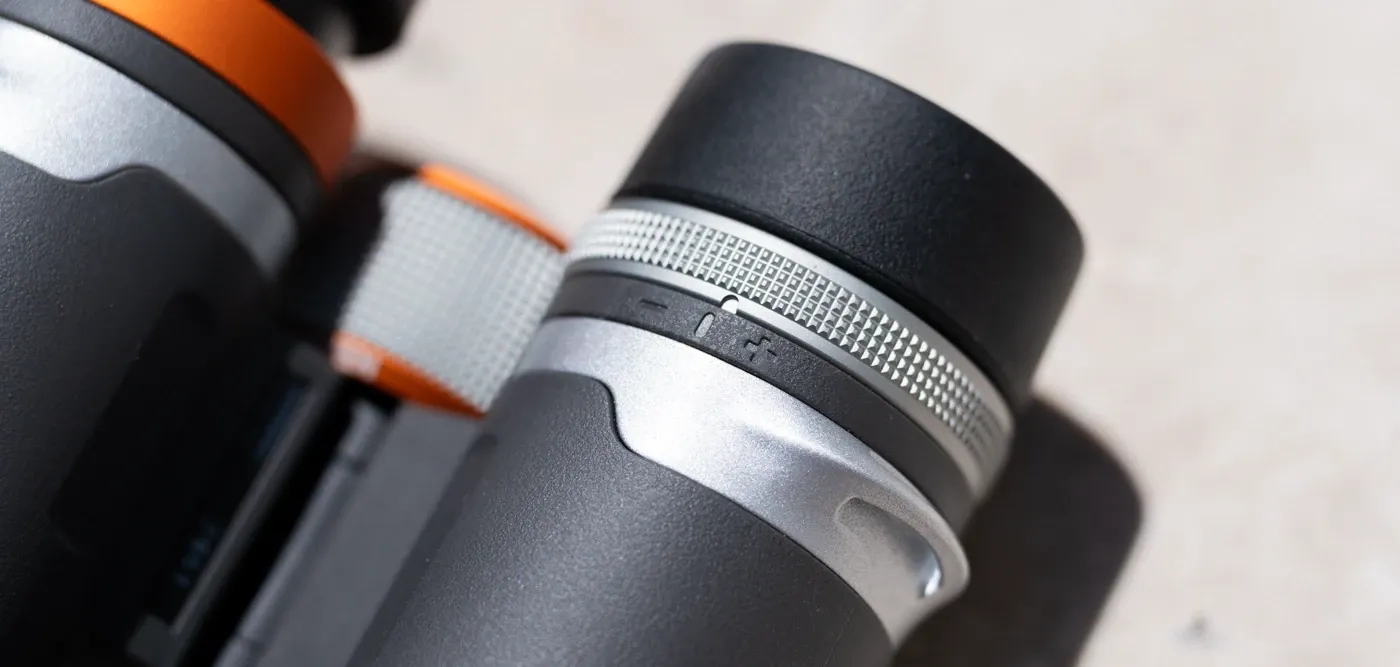
The diopter adjustment is firm enough that it doesn't drift when the binoculars get jostled in a pack.
The neck strap is wide and properly padded, with quick-release buckles that make swapping in a harness simple.
The focus wheel is precise and well-damped, and I had no complaints in normal use.
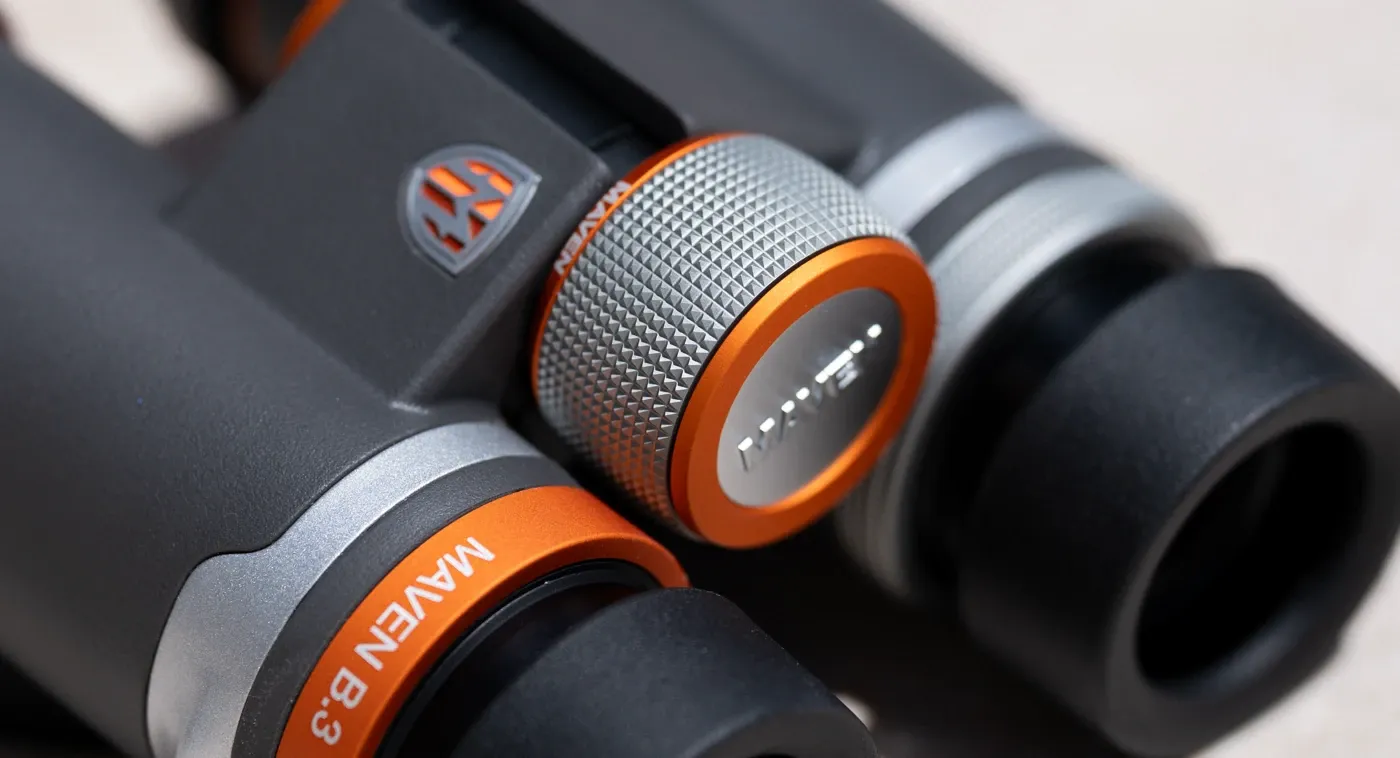
While it can be a little stiff to turn, the metal wheel has a textured raised pattern that I find tactile and easy to grip; I really like how it feels to operate.
The 16-ish ounce weight is a non-issue for me, they clip happily to a pack strap or hip belt and never make themselves felt on a day hike. The IPX7 waterproofing should handle rain, river crossings, and the kind of grim weather that puts off less-sealed optics.
How I've been using them
A few real-world contexts that came up during testing.
Casual birding
This is where the wide field of view and clean image earn their keep. The 8.5-degree field on the 6x30 is wider than many full-size 8x42 binoculars, which makes finding fast-moving birds far easier. I was spotting and identifying species I would have lost in the field of view of my old pair.
If you are getting into birding, our bird watching for beginners guide covers the broader basics, and the B.3 sits at the upper end of where most casual birders ever need to spend.
Bird Watching for Beginners – Easy Guide to Start Birding Locally
This guide shows you how to start birding locally. Discover beginner gear, simple identification tips, a first-week plan, and mindful ways to enjoy nature right outside your door.
Alastair Dixon
Hiking
Spotting a route, picking a line through difficult terrain, or just watching wildlife from a respectful distance, all of it becomes part of the day rather than a planned activity, because the binoculars are actually with me. That is the whole point of compact glass; they have to be there.
Casual stargazing
Not the primary use case, but worth mentioning because it surprised me. The brightness and wide field make the B.3 surprisingly capable for the moon, star fields, and brighter night-sky objects.
Not a replacement for a proper astronomical setup (covered in our stargazing guide for beginners), but a genuinely useful quick-look option from a back porch or campsite.
Stargazing for Beginners Guide
No Telescope required. Learn when, where and how to stargaze, PLUS the best gear & apps for stargazing.
Alastair Dixon
Which magnification you should buy
I tested the 6x30, but the lineup also includes 8x30 and 10x30 with the same body and feature set.
If the 6x30, 8x30, and 10x30 options need a little decoding first, start with my guide to binocular numbers, then come back for the pick.
Honest guidance based on my testing and the broader reviewer consensus:
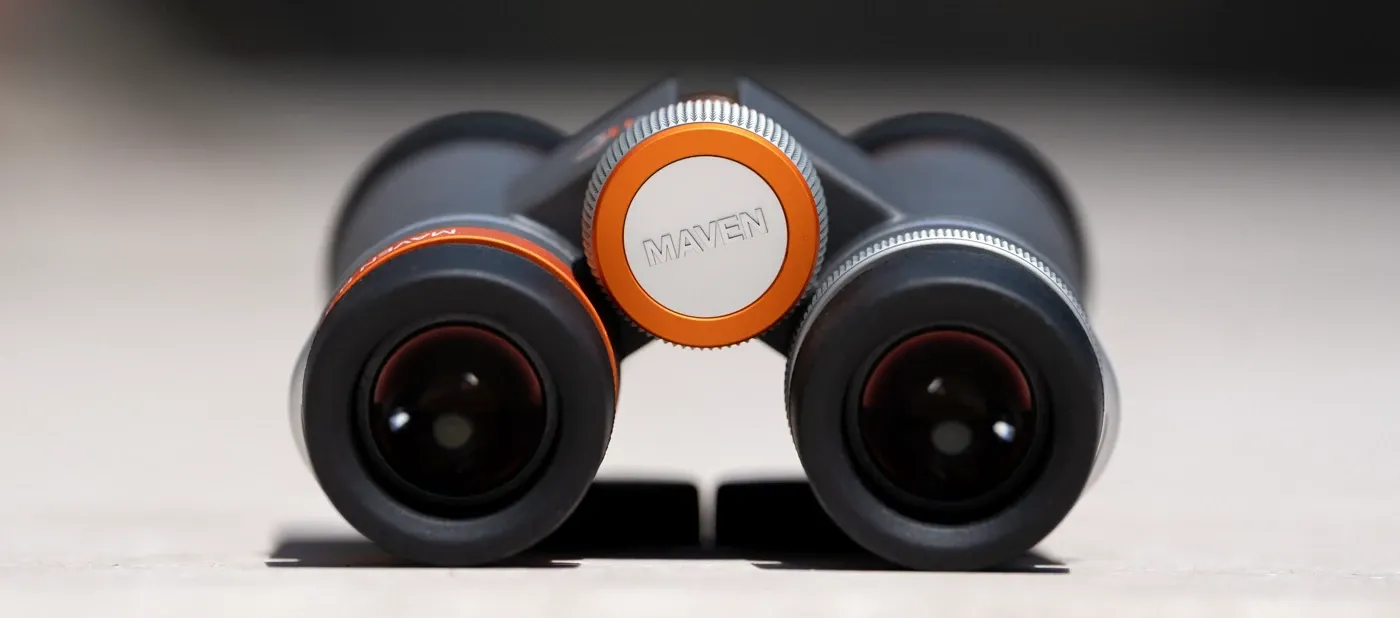
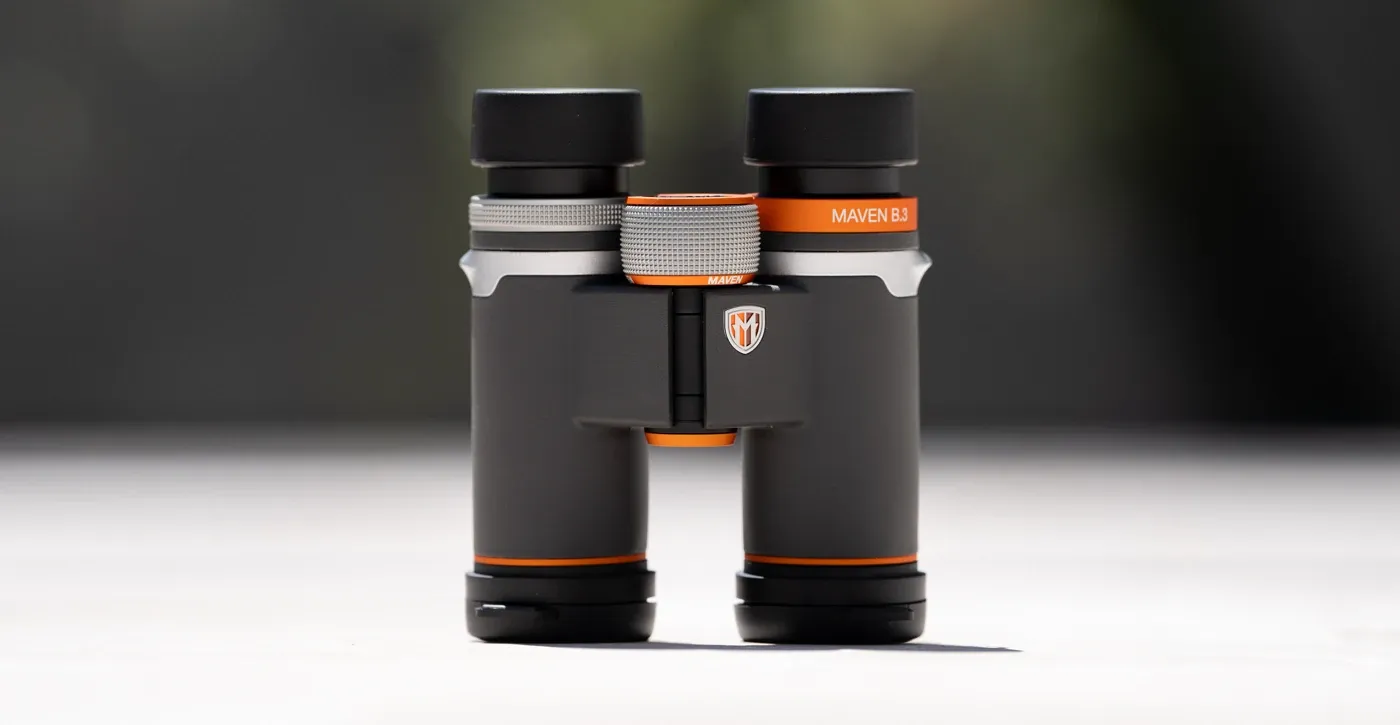
The 6x30 ($575) is what I tested and what I would buy again. The 18.3mm eye relief is the most glasses-friendly of the three, the 5mm exit pupil delivers the best dawn and dusk performance in the lineup, the 8.5-degree field of view is the widest, and the lower magnification means less hand-shake when you are tracking something on the move. Best for hiking, general outdoor use, low-light viewing, and anyone who finds higher-magnification binoculars hard to keep steady.
The 8x30 ($625) is the all-rounder most reviewers and most buyers land on. Slightly tighter field, slightly smaller exit pupil, but extra reach for birding and wildlife. If you want one binocular to do everything and you don't wear glasses, this is probably the right pick for you.
The 10x30 ($675) is for distance specialists: spotting wildlife at range, scanning open terrain, or supplementing a spotting scope. The narrower field of view and 3mm exit pupil make it less forgiving in low light or shaky hands, and Maven recommends a tripod for sustained use.
If you are upgrading from compact entry-level optics like the Nocs Standard Issue covered above, and want a meaningful step up in optical quality without going full-size, the 6x30 or 8x30 is the natural path.
Nocs Provisions Pro Issue 8x42 Binoculars Review
Hands-on review of the Nocs Provisions Pro Issue 8x42 binoculars. Field of view, optics, build quality, and who they’re really for.
Alastair Dixon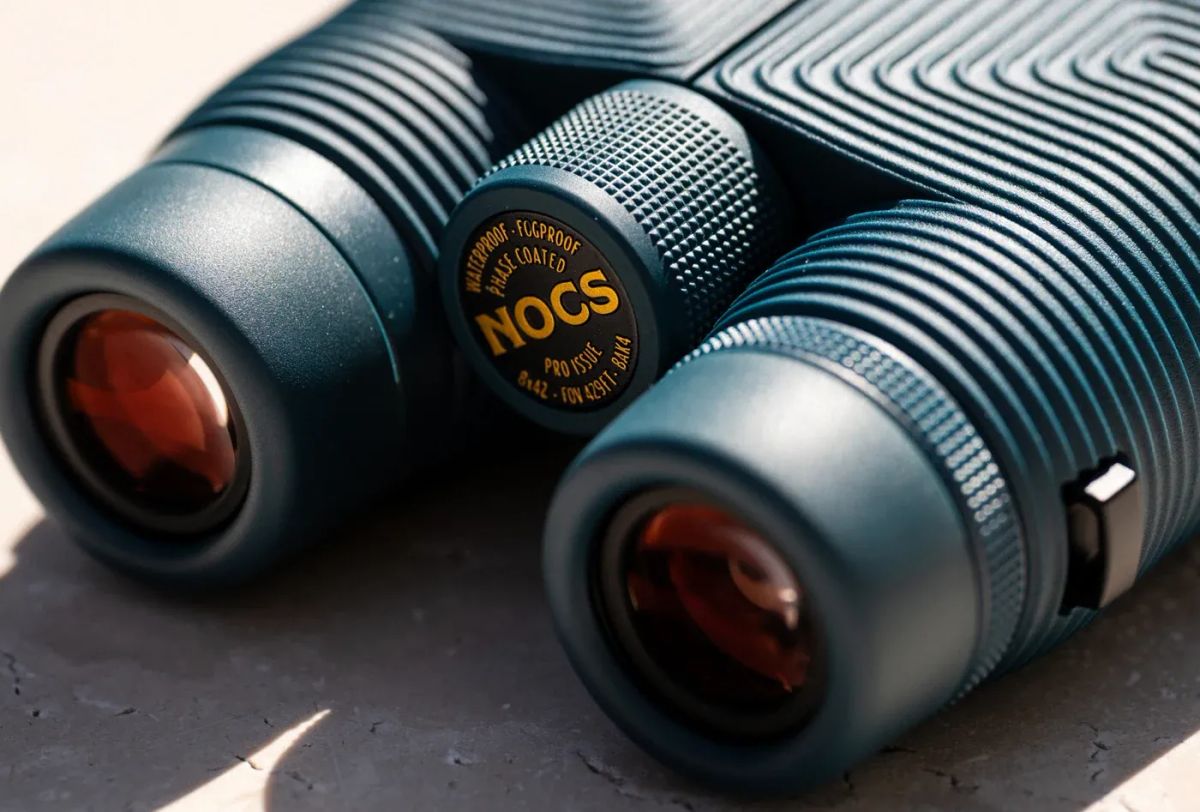
If instead you decide you want the extra reach and low-light performance of a full-size optic at a similar price point, the Nocs Pro Issue 8x42 is the alternative worth a look.
What to know before buying
A few honest considerations before you commit.
Eye relief on the 8x and 10x is marginal for glasses wearers. The 6x30 I tested is the comfortable choice at 18.3mm; the 8x30 and 10x30 fall just short of the 16mm minimum most glasses wearers find comfortable.
The focus wheel divides opinion. My experience was positive, but enough reviewers find it stiff or uncomfortable that it is worth flagging. Try before you buy if possible.
They are still 30mm objectives. No 30mm binocular replaces a 42mm or 50mm in extreme low light, deep dusk, or for serious astronomical use. The B.3 is a high-end compact, not a do-everything optic.
Price is honest, not cheap. $575 puts the B.3 above casual gift-budget territory. The value case is real if you compare it to optics at twice the price. The value case is harder if you are coming from $100 binoculars and don't yet know whether you will use a pair this often.
My verdict
The Maven B.3 has changed what I expect from compact binoculars. The clarity is the headline, sharp edges, accurate colour, no chromatic aberration, surprising brightness for a 30mm objective, and it is a genuine step-change from anything I had used at this size before.
The build quality, the wide field of view, the lifetime warranty, and the direct-to-consumer pricing all back that up.
For most people, the 8x30 is the right buy. It is the all-rounder, the magnification most people land on, and the one that handles the widest range of real-world uses well.
The 6x30 is what I tested and the one I would personally buy again, especially if you wear glasses, prioritise stability, or do a lot of low-light viewing. The 10x30 is for distance specialists.
If you have outgrown your first pair of compact binoculars and want something that will last for decades and genuinely deliver on the optics, this is the right step.
Visit mavenbuilt.com for the B.3 lineup and the custom configurator, and Maven's lifetime warranty plus return policy means the only real risk is deciding which magnification fits your life best.
If you haven't already, signup for our free newsletter, and subscribe to our YouTube Channel for more quality content like this. -Alastair
Written by

Subscribe to new posts
Gear that earns its place, outdoors and at home | Reviews, Roundups, News








Member discussion