
What is boondocking? Free off-grid camping, explained by someone who lived it
Free camping on BLM land and in National Forests: the rules, the apps, the gear and the etiquette, from someone who spent months doing it in a self-built Sprinter.

Boondocking is camping for free on public land with no hookups: no power pedestal, no water spigot, no toilet block. Just your vehicle, what you carry in it, and a lot of quiet.
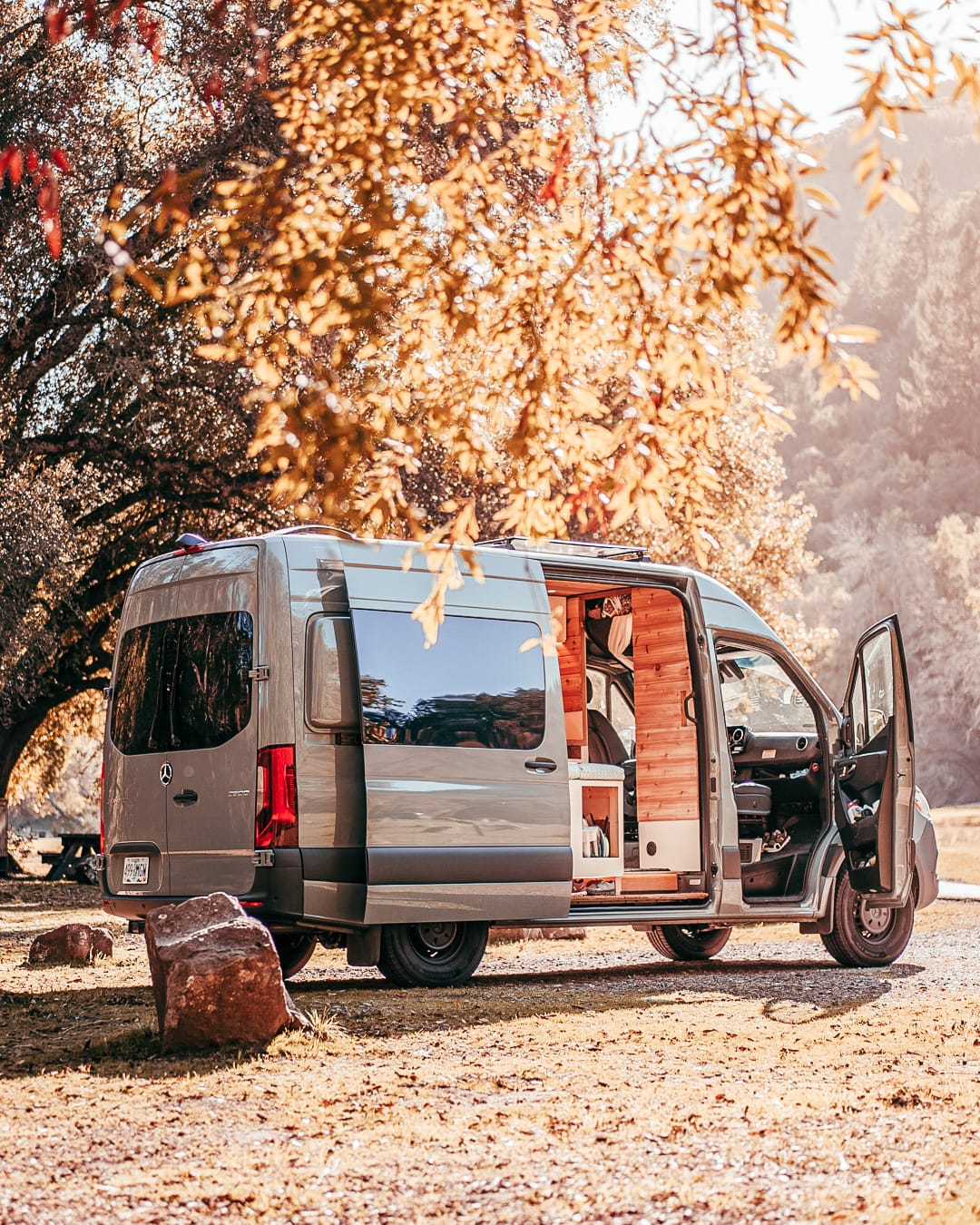
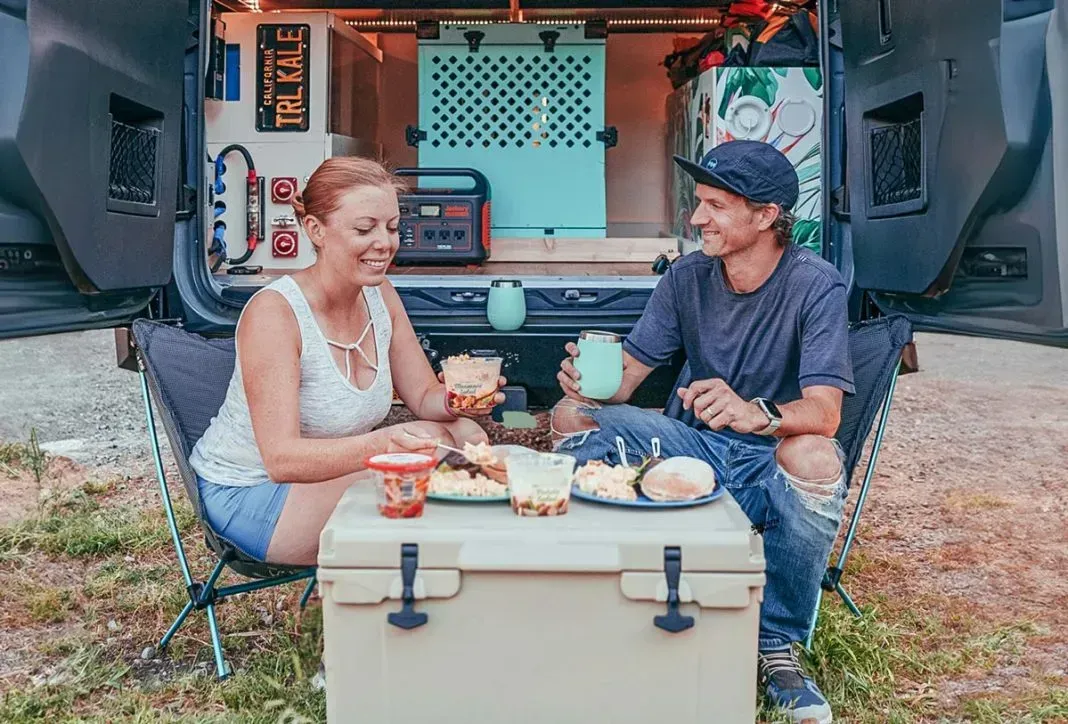
I spent a good chunk of the covid years doing exactly that. I built out a Mercedes Sprinter 144 in Bend, Oregon, and many of the nights Helen and I spent in it were on BLM land and in National Forests across the West, parked wherever the map said we were allowed to be.
We sold our beloved van a couple of years ago before we moved to Florida, but the way to camp hasn't changed, and boondocking works just as well from an SUV or a truck as it does from a van.
This guide covers what boondocking actually is, where it's legal, how to find good spots, what your rig needs, and the etiquette that keeps these places open.
If you purchase through links in this article, we may earn a small affiliate commission.
What boondocking actually means
You'll hear three terms used almost interchangeably, and they overlap more than they differ.
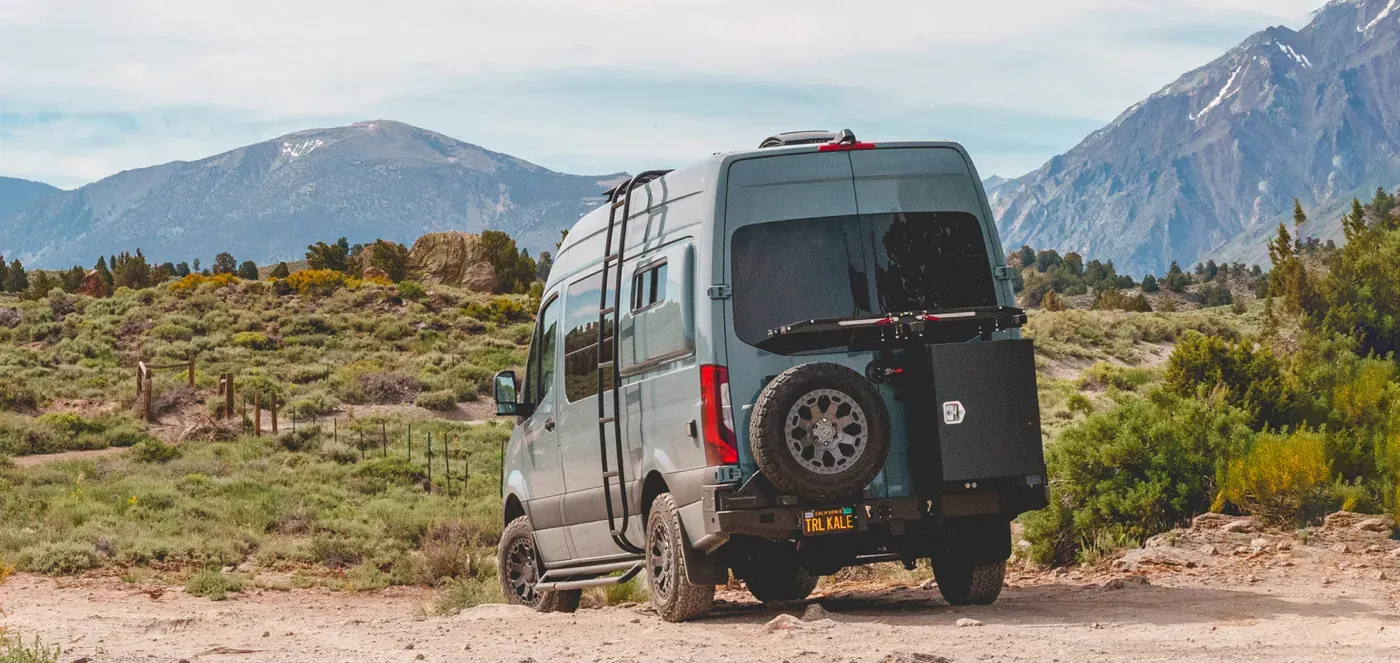
Boondocking is the catch-all; sleeping in your vehicle somewhere with no services. The word comes from "the boondocks", which tells you the original idea was being out in the sticks.
Dispersed camping is the land agencies' term for the same thing. It means camping on public land outside a developed campground, usually along a dirt road, in a spot people have used before.
Dry camping just means camping without hookups. You can dry camp in a developed campground that has no electric or water at the site, so it's the broadest of the three.
What boondocking is not is stealth camping, which is sleeping in your vehicle on a city street or in a parking lot without drawing attention. That's a different skill with different rules, and I cover the parking side of it in the unglamorous side of van life.
Van Life Manual - Part 5: The unglamorous stuff like parking, showers, toilets & more
The practical side of van life: where to park, shower, work, collect mail, use the bathroom — and how to stay clean (you and your van), connected, and comfortable.
 Alastair Dixon
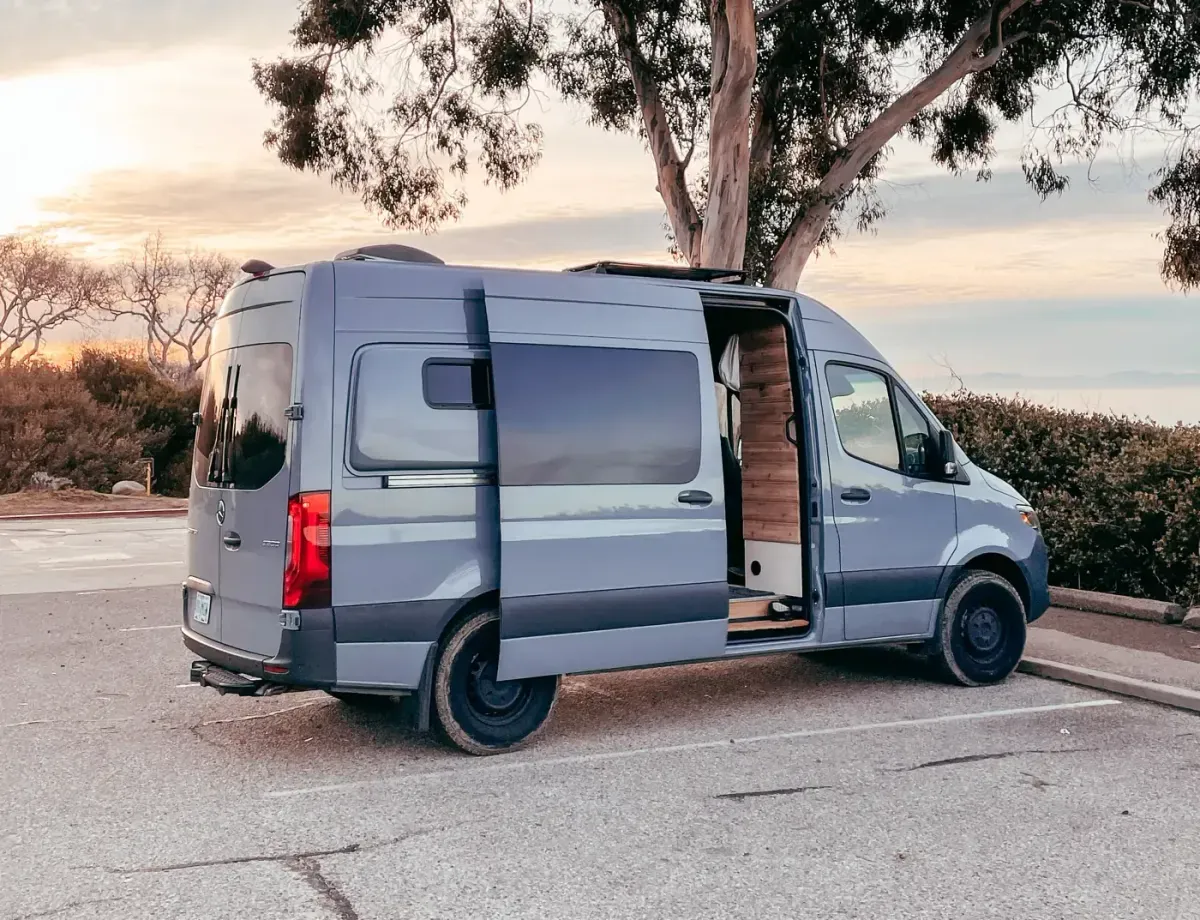
The appeal is simple. It's free, it's quiet, and the best spots have views that no campground can touch. The trade is that you have to be self-contained: your own water, your own power, your own toilet plan, and your own trash bag going home with you.
Where you can boondock legally
Most of the free camping in the United States sits on two kinds of federal land.
Bureau of Land Management (BLM) land. This is the big one in the West: Oregon, Nevada, Utah, Arizona, California, Colorado, Idaho, Wyoming, Montana and New Mexico are full of it. Most BLM land is open to dispersed camping unless it's posted closed. The standard rule is a 14-day limit within any 28-day period, after which you have to move at least 25 miles from your spot, though the exact distance varies by field office, so check the local rules. You also can't leave your gear unattended for more than 10 days.
National Forests. Managed by the US Forest Service, and generally open to dispersed camping along forest roads unless signs say otherwise. Stay limits are usually 14 days too, but each forest sets its own, and some popular areas now restrict you to designated dispersed sites. The Motor Vehicle Use Map (MVUM) for each forest shows which roads you're allowed to drive and camp along.
Designated dispersed sites. In high-traffic areas (think Moab, Sedona, parts of the Sierra), the agencies have marked specific pullouts and numbered sites and asked people to use only those. They're still free and still primitive, just more organized. No reservations, first come, first served.
Where you can't. National Parks almost never allow dispersed camping; you need a campground or a backcountry permit. State parks are campground-only. State trust land varies wildly by state, so don't assume. And any land that's posted closed, under fire restriction, or private is off the table no matter what an app says.
The rule that covers everything; if you're not sure, the local ranger district or BLM field office will tell you in one phone call.
Is boondocking safe?
In my experience, yes, and more so than parking lots. Out on public land you're generally surrounded by people who went there for the same reason you did; quiet and space.
In all the nights we spent out there, we never had a single bad encounter; except for that one random woman who knocked on our van door (seemingly out of nowhere), in the middle of a salt flat where we parked our van, in just her bikini... errr yeah there's a funny story to that one...
The real risks are practical, however, not people.
Examples include: getting stuck on a road that was fine until it rained. Having broken AC when rolling through Death Valley, or even running low on fuel in the same location (that last one nearly happened to us, with our 3 pets in the van). Running out of water a long way from a tap. Getting stuck in a polar vortex (yes, that one happened too). Rolling in after dark and discovering the "campsite" is a wash. A fire restriction you didn't know about.
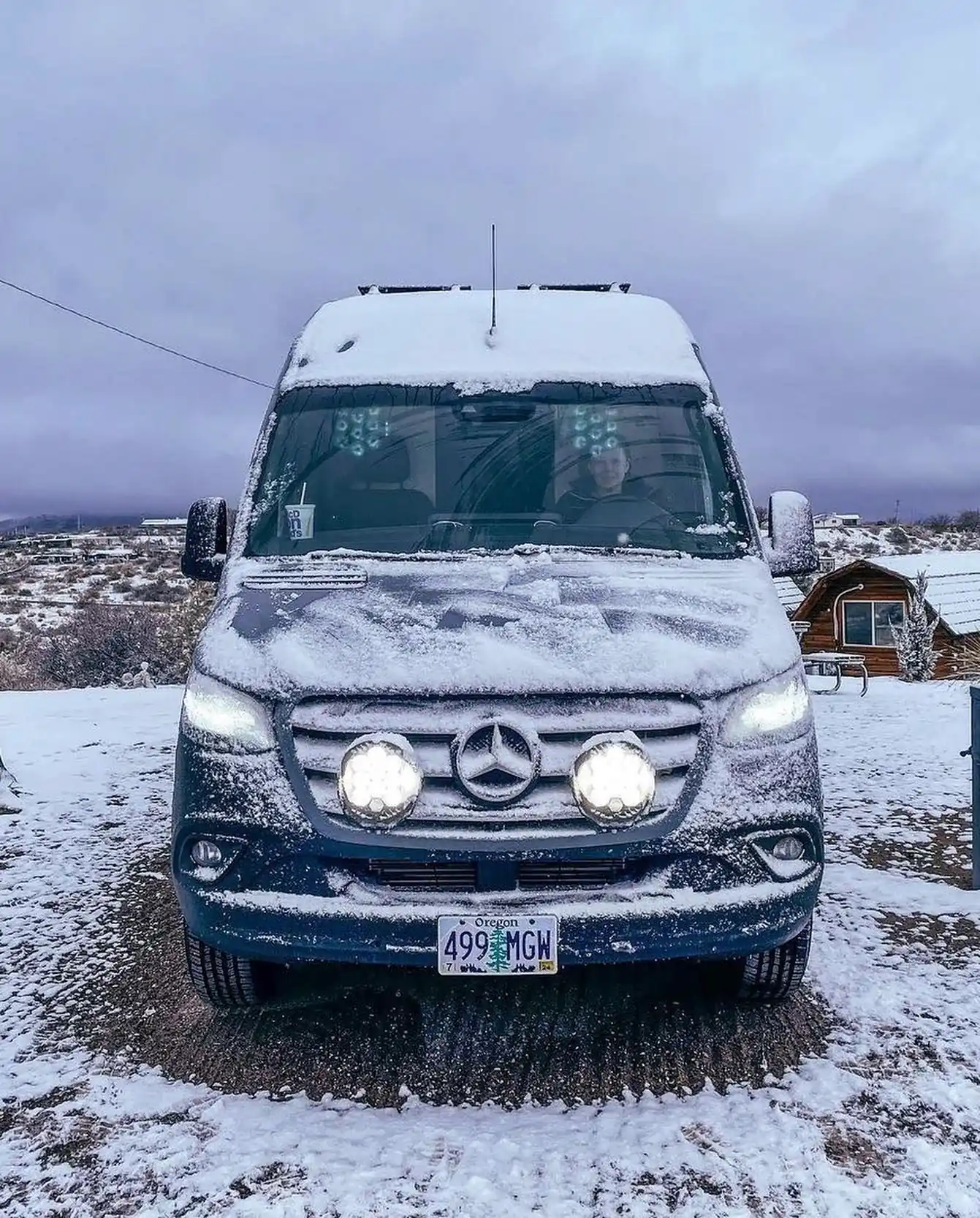
Almost all of it is solved by arriving in daylight, checking the forecast, and reading the recent reviews on whatever app you use.
Trust your gut on a spot the same way you would anywhere. If a place feels wrong, there's always another pullout a mile down the road.
How to find boondocking spots
I used a mix of apps and the agencies' own maps, and the combination matters, because the apps are only as good as the last person who posted.
- iOverlander: free, community-driven, worldwide. The best coverage of informal spots, with photos and notes on road conditions. My first stop every time.
- Campendium: strong on reviews and cell signal reports by carrier, which is what you want if you work from the road.
- The Dyrt: broad campground database, and the paid PRO tier adds a public land map and offline access.
- FreeRoam and freecampsites.net: both free, both useful as a second opinion.
- Forest Service MVUMs and BLM maps: the source of truth for which roads are legal. Download the MVUM for the forest you're heading to before you lose signal.
A good spot usually gives itself away: a flat, already-cleared area with a fire ring and tire tracks, off a secondary road, not right next to the main one. Camping in an existing site rather than making a new one is both the etiquette and the law in a lot of places.
Two habits saved us repeatedly. Save offline maps before you leave town, because signal disappears fast. And read the three most recent reviews, not the average rating, because a spot that was perfect in June can be closed or washed out in October.
What your rig needs to boondock
You don't need a $150,000 build. You need to cover five things.
Water
Carry more than you think. Our van had a fixed tank, but on long stretches we still kept extra 5 to 7 gallon jugs, the same stackable containers I now keep for storm season (I covered sizing in my 90 days of supplies guide).
90 days of supplies? What governments actually recommend
Where the 90-day number really comes from, what governments actually tell households, and a tiered plan built from gear you already own.
 Alastair Dixon
Budget a gallon per person per day for drinking and cooking, and treat showers as a luxury, not a plan.
Power
If you're staying put for more than a night, you need a way to make electricity, not just store it. In the van we had a solar and lithium system we wired ourselves.
If you're boondocking from a car, SUV or a simpler build, a portable power station plus a folding solar panel does the same job with none of the install. The compact EcoFlow RIVER Gen4 units are the right size for a weekend in a car, and the DELTA 3000 Gen4 will run a fridge and a laptop for days.
Power station vs generator: which one to actually buy
A practical, real-world breakdown of how the two technologies actually compare across camping, home backup, RV use, outages, and indoor power needs.
 Alastair Dixon
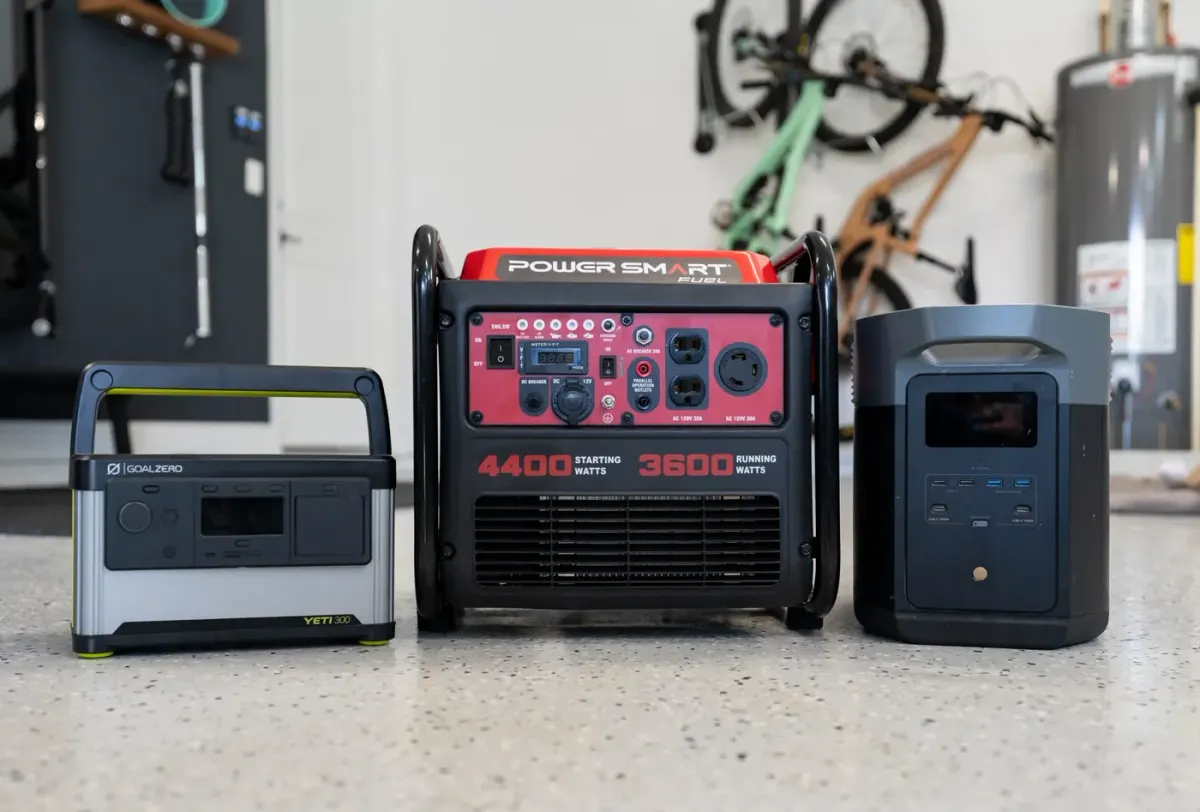
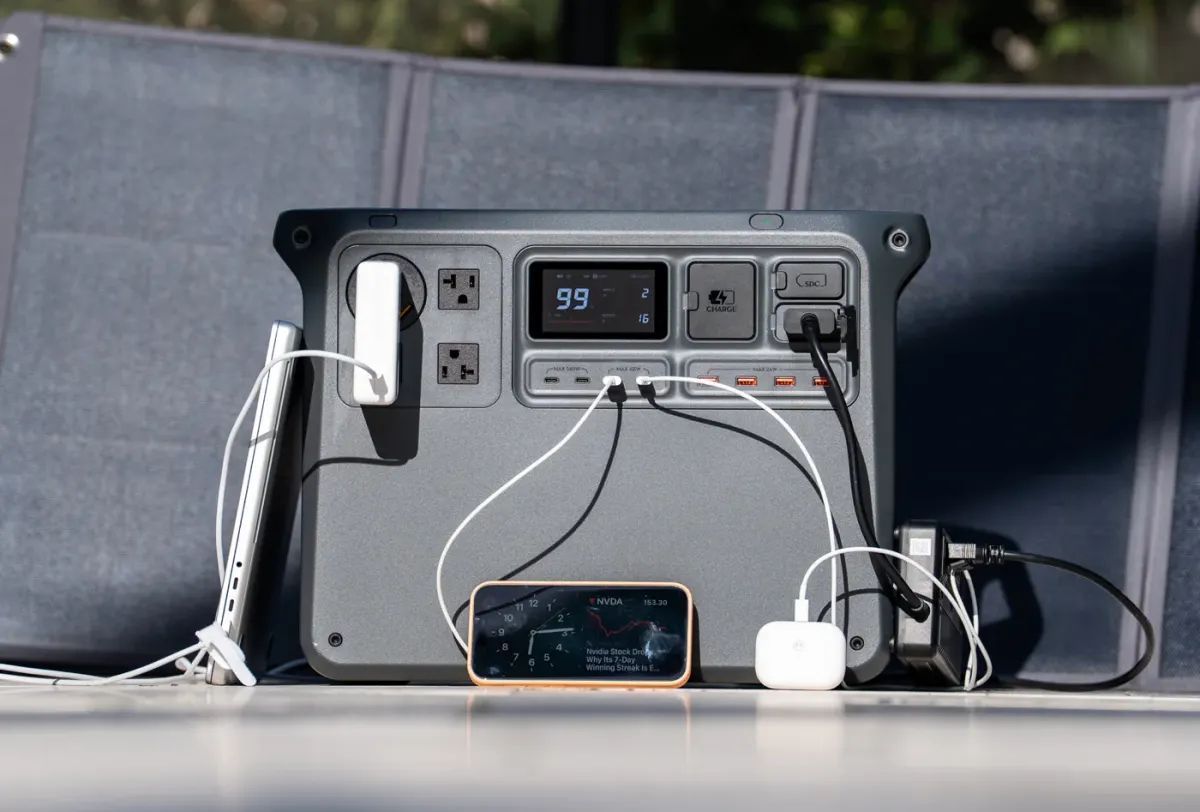
I compared the two approaches in portable power station vs generator, and my take is still that a power station wins for boondocking, because a generator is exactly the noise everyone drove out there to escape. Don't be the campsite that runs one at 7am. I also reviewed the DJI Power 2000, which is in the same class as the DELTA.
DJI Power 2000 Review: Portable Power for Off-Grid Living
Compact, expandable, and fast-charging; learn why DJI’s Power 2000 is a unique portable power station for backup, travel, and remote work.
 Alastair Dixon
Cold food
A powered fridge changes boondocking more than any other single item, because it removes the ice run that would otherwise drag you back to town every three days.
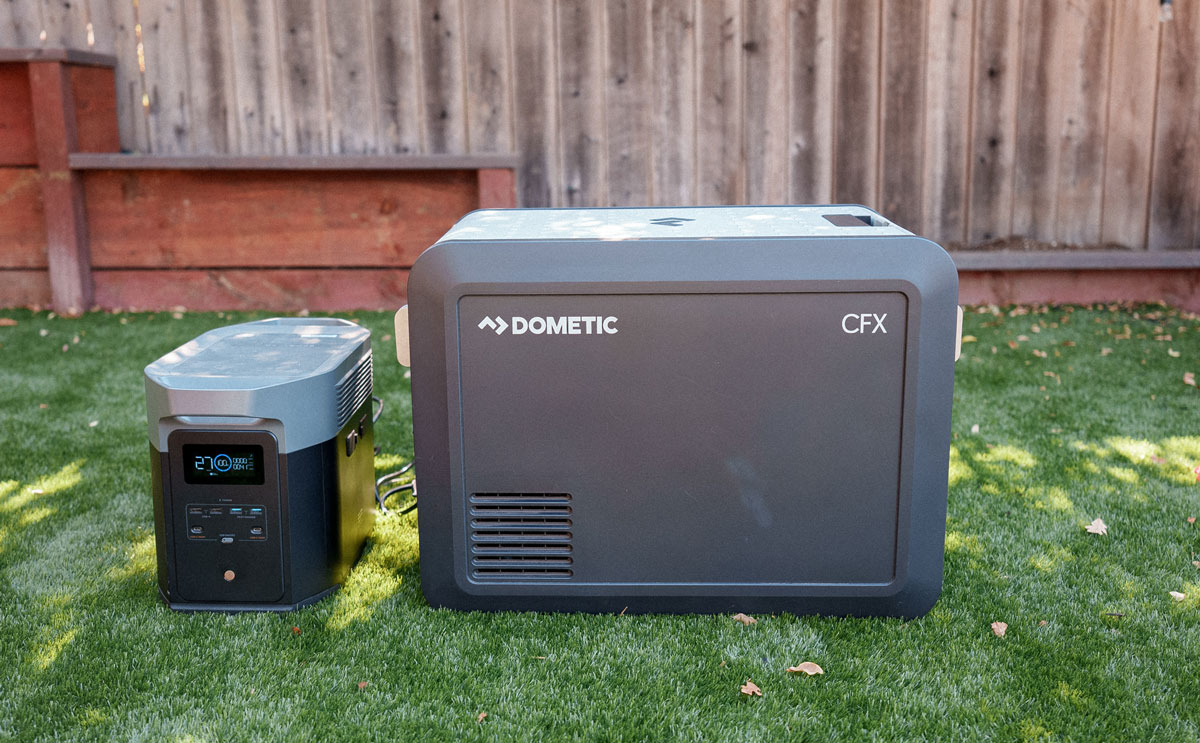
We ran a compressor fridge in the van; the Dometic CFX3 45 is the one I'd buy for a car or SUV setup. If you're on ice, a high-end rotomolded cooler buys you several days, and I ranked the ones worth having in the best coolers roundup.
Dometic Cooler Review: How The CFX3 45 Electric Cooler Stacks Up
Our Dometic cooler review covers the key features of the Dometic CFX3 45 electric cooler, pros, cons, and whether it's worth the money.
 Helen
A toilet plan
This is the part nobody puts on Instagram.
The rules are simple: no dumping gray water or black water on the ground, and human waste either goes in a container you carry out or in a cathole at least 200 feet from water and well away from camp.
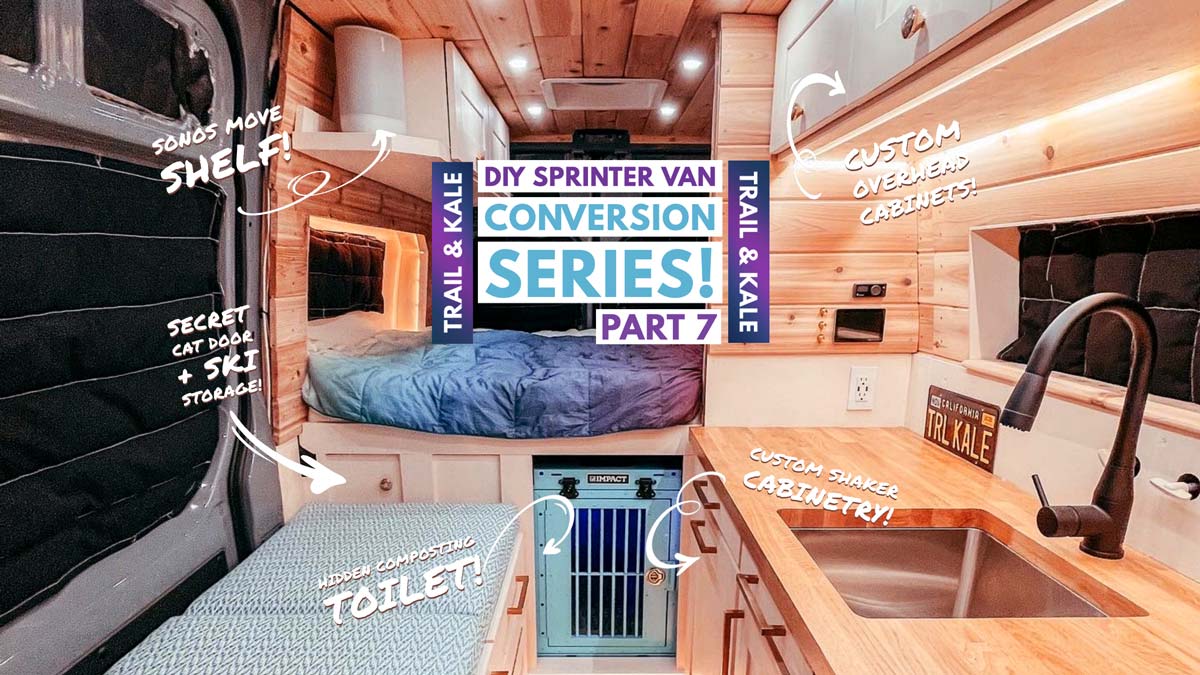
We built a hidden composting toilet into our van, which I documented in part 7 of the Sprinter build, and it was the single best decision in the whole build, I was very proud of that.
DIY Sprinter Van Conversion Part 7: Our Campervan's Hidden Toilet, Secret Door & Custom Overhead Cabinets
This DIY van build update includes a tour of recent additions to the build, including custom overhead cabinets, our campervan's hidden toilet and a secret door!
 Helen
A portable cassette toilet or even a bucket system with bags works fine for a car.
Heat, light and connectivity
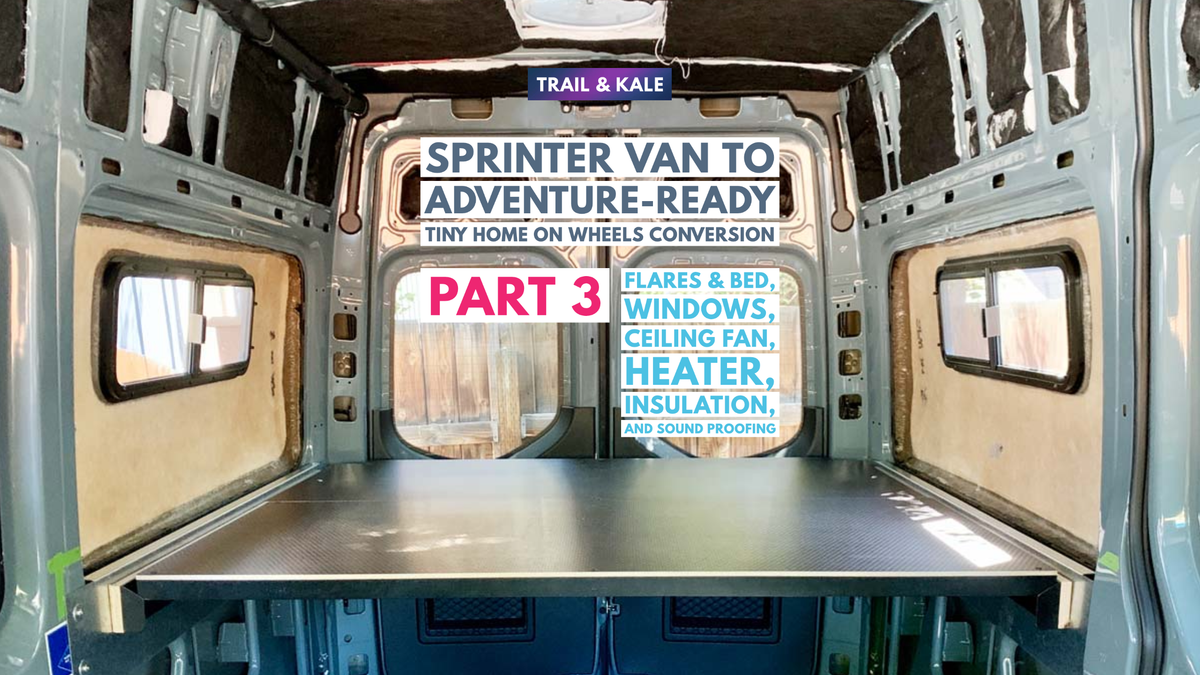
Nights on BLM land at 6,000 feet are cold even in summer. We had an Espar diesel heater, installed in part 3 of the build; a good sleeping bag and a Rumpl blanket do the job in a car.
Van Build PART 3: Getting Flarespace Flares Installed in our Sprinter Van (Plus Windows, Espar Heater & More)
In addition to adding a heater, roof vent and opening windows, we also had Flarespace flares installed in our Sprinter van. But are they worth it?
 Helen
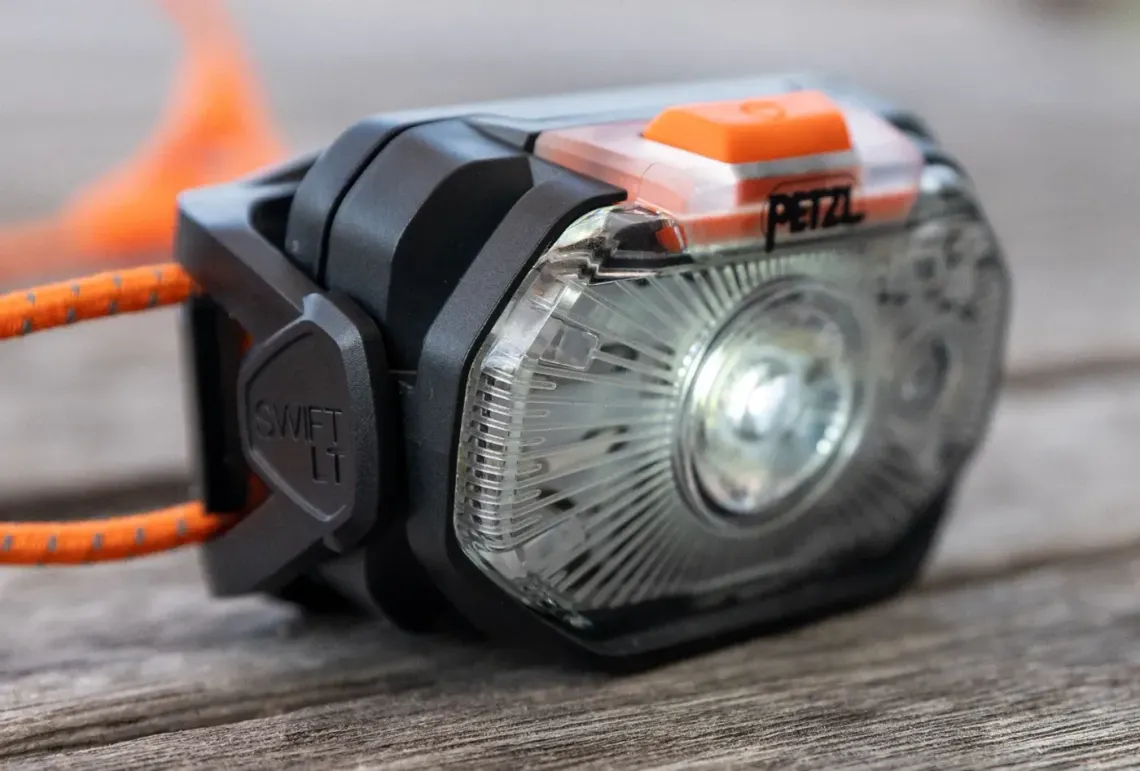
For light, a rechargeable headlamp each is better than any lantern, and my headlamp picks all run for a week of camp use on a charge.
For internet, a Starlink Mini on a power station is now the honest answer for working from a boondocking spot; I worked out its power draw in does Starlink work in a power outage, and the numbers apply exactly the same off-grid.
Does Starlink work in a power outage? Yes, with one catch
The satellites don't care about your local blackout, but your dish does. The real wattage numbers, the setup that keeps you online, and what the new Mini 2 changes.
 Alastair Dixon
Boondocking etiquette (and why it matters)
Free camping exists because land managers tolerate it.
Every spot that gets trashed, every fire ring that gets bigger, every "road" that gets driven across a meadow makes it easier for an agency to close an area. So the etiquette isn't optional.
- Use existing sites. Don't clear a new one, don't dig, don't level, don't trim branches.
- Camp at least 200 feet from water. Lakes, streams and springs are where the wildlife needs to be.
- Stay on the road. Driving off-road to reach a better view is illegal almost everywhere and leaves scars for years.
- Pack out everything. Trash, food scraps, toilet paper. Leave the fire ring cleaner than you found it.
- Fire rules are not suggestions. Check restrictions before you light anything, keep fires small, and drown and stir before bed.
- Keep gray water in the rig. Dishwater goes in a tank or jug, not on the dirt.
- Noise and lights. No generators at dawn or after dark, no floodlights, no music that carries. Sound travels a long way in open country.
- Space. If there's room, don't park next to the only other rig in a mile of empty desert. They came for the same thing you did.
- Respect the stay limit, and move on when you hit it.
What I learned from living in the van
A few things that aren't in the rulebooks but made every trip better.
Arrive with daylight to spare. Every bad night we had involved pulling in after dark. Scouting the road, picking a level spot and seeing who else is around is a daylight job.
Level matters more than the view. A slight slope that looks fine at 6pm is a long night. Carry leveling blocks even in a van.
Check the road, not just the spot. Even in the Sprinter there were forest roads I turned around on. Reviews that mention "high clearance" or "4x4 after rain" mean it.
Two days of margin on everything. Water, food, power, fuel. The point of boondocking is not having to leave; the margin is what lets you stay when the spot turns out to be perfect.
Signal is a feature. If you need to work, a spot with one bar of LTE and a clear southern sky is worth more than a prettier one with nothing.
Leave early. The best part of a boondocking spot is 6am with coffee and nobody else moving. Sleep in and you miss it.
Cheap alternatives when public land isn't nearby
East of the Rockies, free public land gets thin, and sometimes you're just passing through a city. The fallbacks we used:
Dry camping in developed campgrounds. State parks and Forest Service campgrounds without hookups are often $10 to $25 and come with a toilet and a water spigot. Not free, but cheap and reliable.
Overnight parking lots. Some Walmarts, Cracker Barrels, Cabela's stores, casinos and truck stops allow it. Policies change store by store and city by city, so call ahead, arrive late, leave early, and don't set up camp.
Harvest Hosts and Boondockers Welcome. Paid memberships that let self-contained rigs stay overnight at farms, wineries, breweries and private driveways. Harvest Hosts Classic is $99 a year, adding Boondockers Welcome takes it to $169, and the All Access plan is $179. You're expected to buy something from a Harvest Hosts business. We loved these on long drives across farm country; you meet people, and you sleep somewhere interesting.
If you're thinking about a van but haven't committed, the cheapest way to find out whether boondocking is your thing is to rent one for a week and go do it. I listed the companies worth renting from in the best camper van rental companies, and if you're further back than that, start with is van life for you.
Van Life Manual - Part 1: Is this lifestyle for you?
Is this lifestyle really for you? A real-world look at van life, who it’s for, and how to know if you’re ready to hit the road.
 Alastair Dixon
Boondocking FAQ
Is boondocking legal?
Yes, on land that allows it. Most BLM land and National Forest land is open to dispersed camping unless posted closed, with a stay limit that's usually 14 days. National Parks, state parks and private land are not, and city streets and parking lots depend on local ordinance and the business owner.
How long can you boondock in one spot?
On BLM land, 14 days within a 28-day period is the standard, and then you have to move a set distance (often 25 miles) before you can return. National Forests mostly use a 14-day limit too, but it varies by forest, so check the ranger district's rules for where you're going.
Can you boondock in a car or SUV?
Absolutely. A car with a sleeping platform, a portable power station, a cooler or 12V fridge and a water jug is a complete boondocking setup. The rules and etiquette are identical; the only difference is you'll make more town runs for water and ice than a van with tanks would.
Do I need a 4x4 to boondock?
No. Plenty of the best spots are a few hundred yards off a graded gravel road. What you need is clearance and judgment: read recent reviews, avoid roads that mention mud or sand, and turn around when a road gets worse than you're comfortable with. Plenty of the spots we loved in the Sprinter were reachable by any car with decent clearance.
If you haven't already, signup for our free newsletter, and subscribe to our YouTube Channel for more quality content like this. -Alastair
Written by
Subscribe to new posts
Gear that earns its place, outdoors and at home | News, Reviews, Roundups







Member discussion