
Trail Running vs Road Running: Key Differences, Benefits, and Which Is Right for You
Trail running vs road running: injury risk, calorie burn, muscles worked, and how to decide which belongs in your training. Plus the key differences between trail and road running shoes.

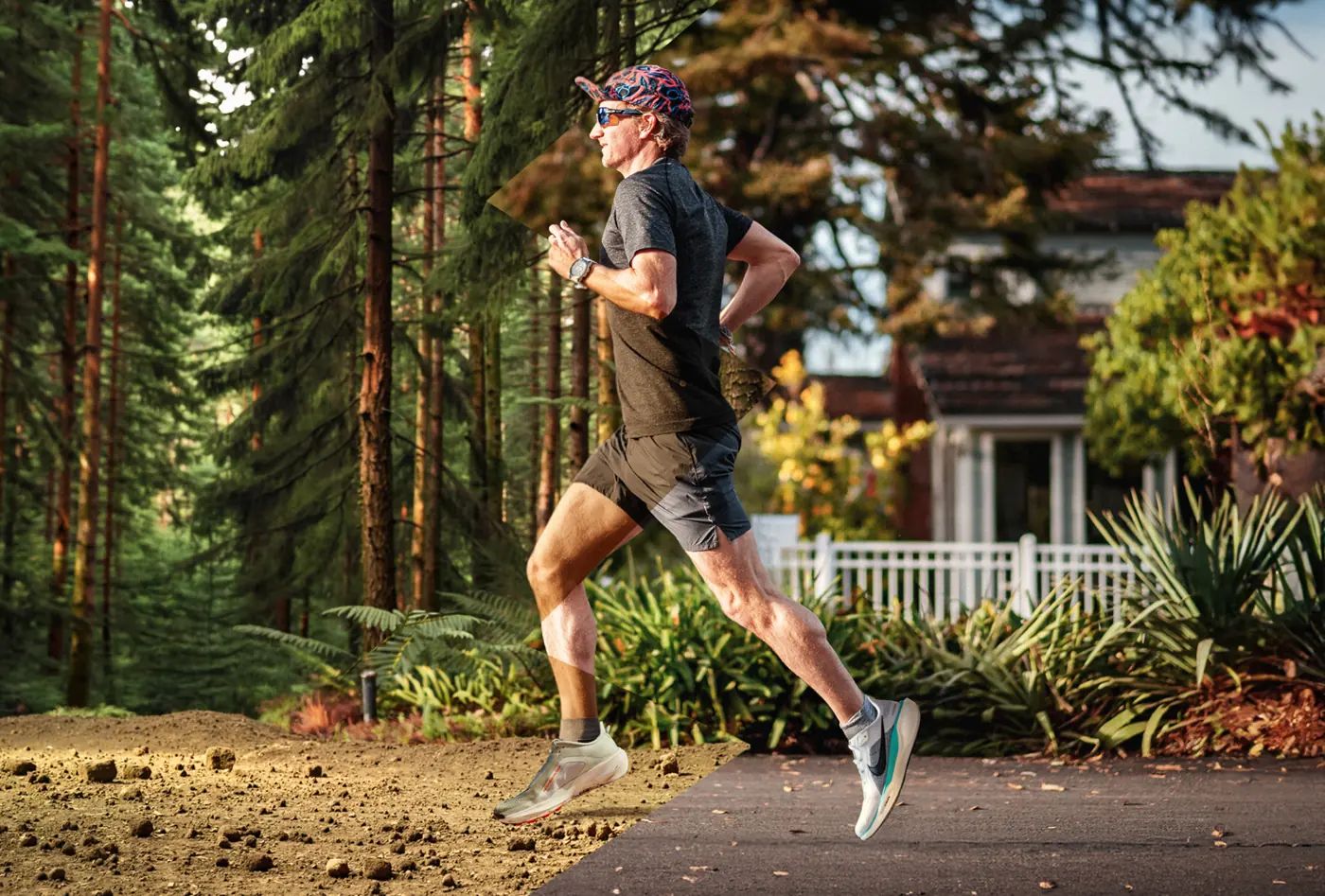
I've done a lot of both. I started on roads like most runners do, graduated to trails, and now split my time pretty evenly between the two depending on the week, my goals, and honestly, my mood.
They're different disciplines in more ways than most people expect; different physically, different mentally, and different in what they ask of your gear.
This isn't a "trail running is better" or "trail running is harder" argument. It's a genuine unbiased comparison so you can make an informed decision about where your running should take you.
Running training plan generator (5K to 100-mile ultra)
Build a personalized half marathon, marathon, or ultra training plan around your race date and current mileage. Road and trail, any distance, any level.
 Alastair Dixon
If you purchase through links in this article, we may earn a small affiliate commission.
The core difference
Road running is more about consistency when you're on the move. Same surface, predictable footing, measurable pace, repeatable effort. You can dial in exactly how hard you're working and track your progress session to session with very little interference from external variables, except of course the weather.
Trail running is more about variability. The surface changes constantly; packed dirt, loose gravel, tree roots, wet rock, steep climbs, technical descents. Your pace becomes largely irrelevant, and it's your effort that becomes the only honest measure.
Neither of those things is inherently better. They're just different tools for different goals.
Nike ACG Pegasus Trail review: best road-to-trail shoe?
The Nike ACG Pegasus Trail is a versatile road-to-trail running shoe with improved grip, more cushioning, and a wider fit. Here’s who it’s for and how it runs.
Alastair Dixon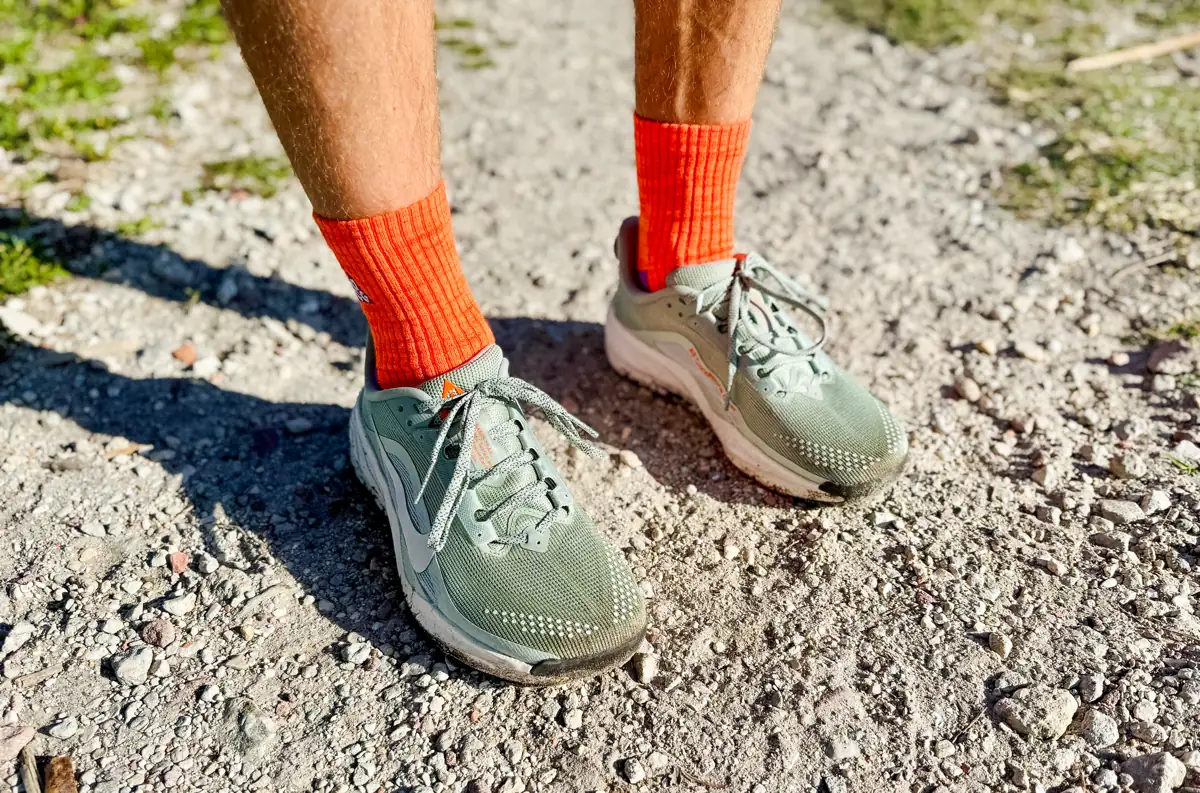
How trail running and road running differ physically
Impact and injury risk
This is where the comparison gets interesting, and where a lot of runners' assumptions turn out to be wrong.
Road running puts the same repetitive impact through your legs, thousands of times per run, on a completely unyielding surface. That repetition of landing exactly the same way, on the same hard tarmac, mile after mile, is what drives the most common running injuries:
- IT band syndrome
- shin splints
- plantar fasciitis
- stress fractures.
I experienced far more overuse injuries during my road-heavy years than I do now.
Trail running distributes that load differently. The surface changes constantly, which means your foot strike changes constantly. Your muscles, tendons, and joints are never hammering the same pattern on repeat. The ground also has more give to it; dirt and grass absorb impact in a way that concrete and tarmac simply doesn't.
The trade-off is acute injury risk. Roots, rocks, uneven camber, and loose surfaces mean more potential for ankle rolls, trips, and falls.
Trail Running for Beginners – An Easy Guide to Get Started on Local Trails
How to start trail running like choosing your first trail, knowing what gear you need, running safely on uneven ground, and building confidence without chasing pace.
Alastair Dixon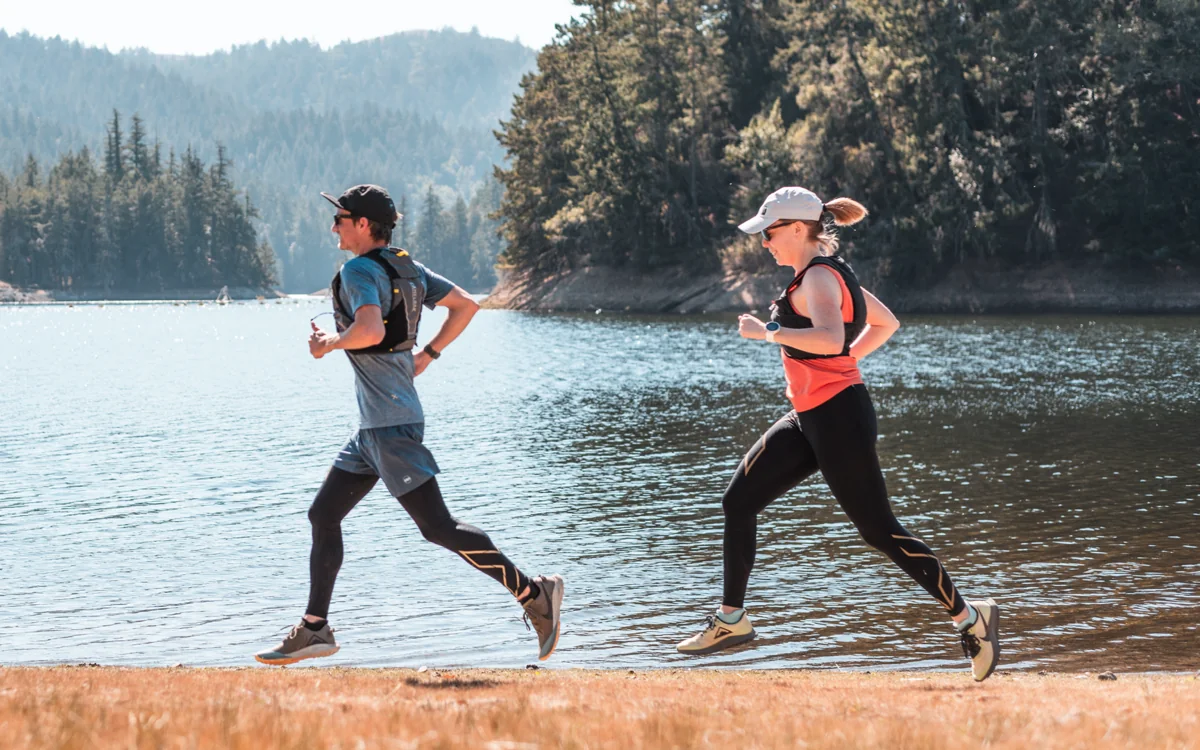
The key word is potential — with good technique and appropriate footwear, the actual rate of acute trail injuries is lower than most beginners expect. But it's a real variable that road runners stepping onto trail for the first time should be aware of.
Muscles worked
Trail running recruits significantly more muscle than road running at equivalent effort.
The constant micro-adjustments required for uneven terrain activate stabilising muscles in your ankles, knees, hips, and core that road running largely bypasses. Steep climbs load your glutes and hamstrings in ways that flat road miles don't. Technical descents demand eccentric quad strength that most road runners discover they lack after their first proper mountain descent.
This is one of the reasons trail running produces less overuse injury; the load is spread across more muscle groups rather than hammering a narrow chain repeatedly.
It's also why trail running makes you a stronger road runner. Adding trail miles to a road-focused training block builds the supporting musculature that road running alone doesn't develop.
Calorie burn
Trail running burns more calories than road running at the same pace; typically 10–20% more, depending on terrain and elevation. The increased muscle recruitment, the hills, and the extra effort required to stabilise on uneven ground all add up. If calorie burn is a priority, trails deliver more per mile.
Pace and distance
Expect to run 1–3 minutes per mile slower on trail than on road, depending on how technical the terrain is. This isn't a limitation; it's just a different measurement system. Trail runners use time and effort as their primary metrics, not pace.
A two-hour trail run is a two-hour trail run regardless of how many miles it covers.
How trail running and road running differ mentally
Road running is where you go to hit a specific workout. Intervals, threshold runs, tempo efforts; the predictability of pavement makes structured training straightforward and much more easily measured. You can hold a precise pace, measure your splits accurately, and compare sessions without terrain as a variable.
Trail running demands a different kind of focus. Navigating technical terrain requires you to be genuinely present; you can't zone out and scroll mentally while picking your way over a rooted descent.
That enforced mindfulness is one of the things trail runners consistently report as one of the major benefits of trail running. You finish a trail run thinking about the run, not whatever was stressing you out before you left.
Being in natural environments also has a measurable effect on mood and stress. Cleaner air, less noise, more green. The evidence for the mental health benefits of time in nature is solid, and trail running is just a more active way of getting after it.
The practical differences
Finding routes
Road running wins on accessibility. Most people can open their front door and run. Trails require either proximity to natural terrain or a commute to reach it. For most runners, this means trail running is a weekend or occasion activity rather than a daily option, and that's completely fine.
Gear requirements
Road running is forgiving on gear. A decent pair of road running shoes and you're all set.
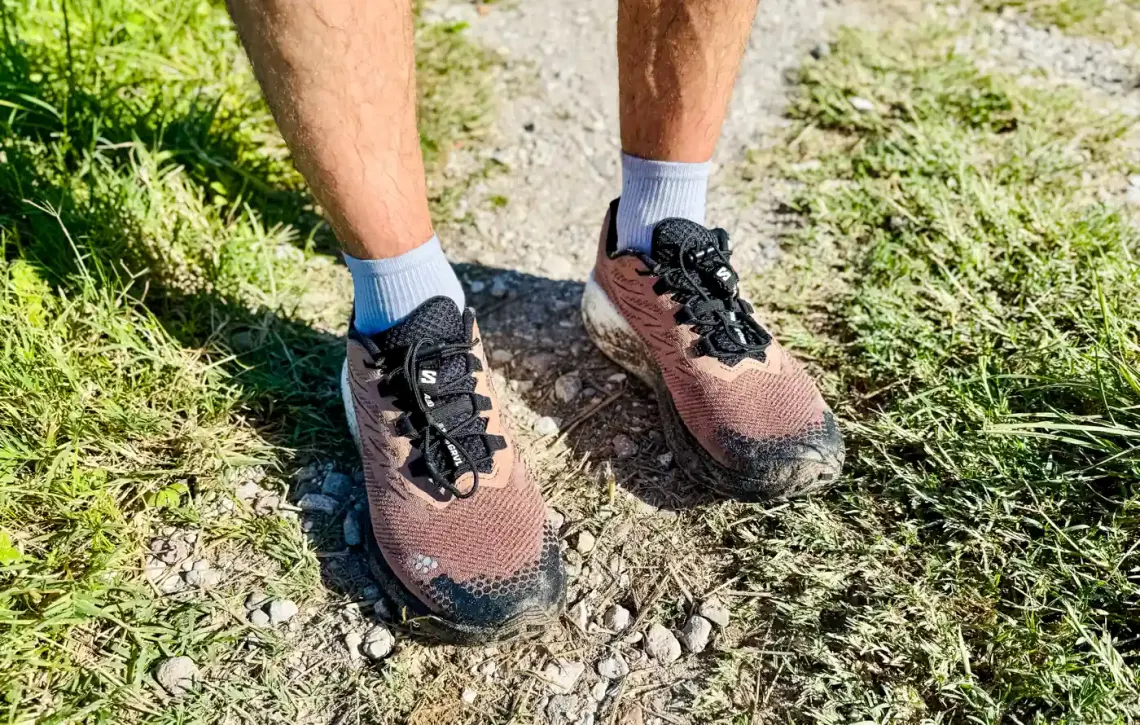
Trail running asks more of your footwear. You need good traction, protection from rocks and debris, and a shoe that handles variable surfaces without compromising on the road sections that connect most real-world trail routes. You'll also want to carry water on longer efforts; a hydration vest becomes essential once you're going beyond an hour in terrain without facilities.
The right trail shoe makes a dramatic difference to how much you enjoy trail running, particularly when you're new to it. A road shoe on wet roots or loose gravel is a genuinely unpleasant experience.
Trail running shoes vs road running shoes: what's actually different?
This is one of the most-asked questions in the running shoe world, and the answer matters whether you're buying your first road shoe or trying to figure out whether you can run trails in your road shoes.
Best Trail Running Shoes (2026) — Tested & Reviewed
My personal top picks across all-mountain, road-to-trail, ultra running, and trail racing; plus the best trail running shoes for women. No filler, no shoes I haven’t run in.
Alastair Dixon
Outsole
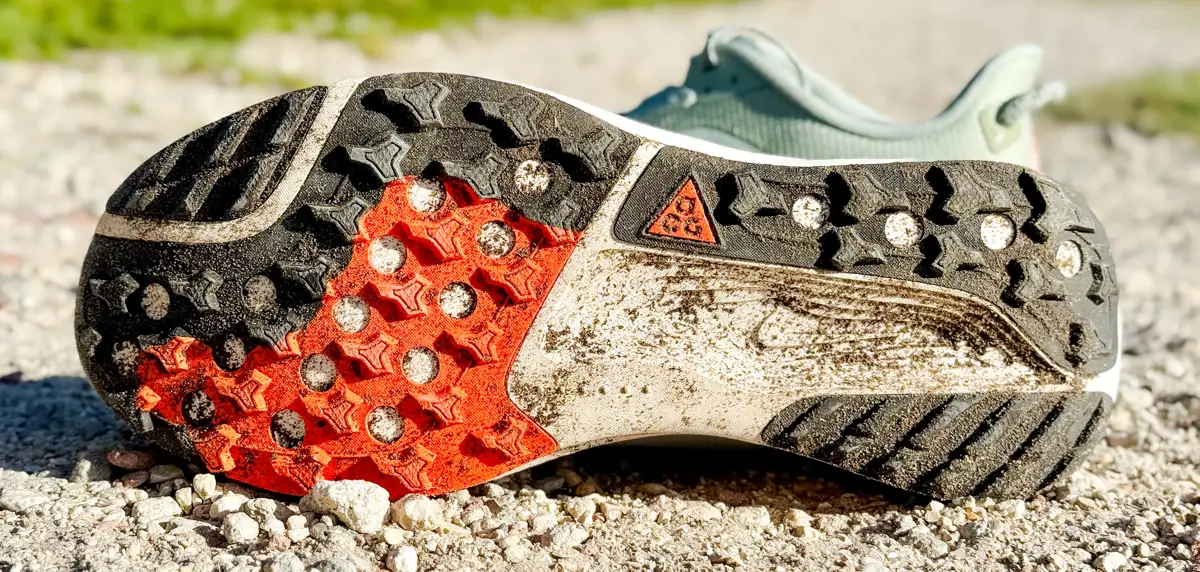
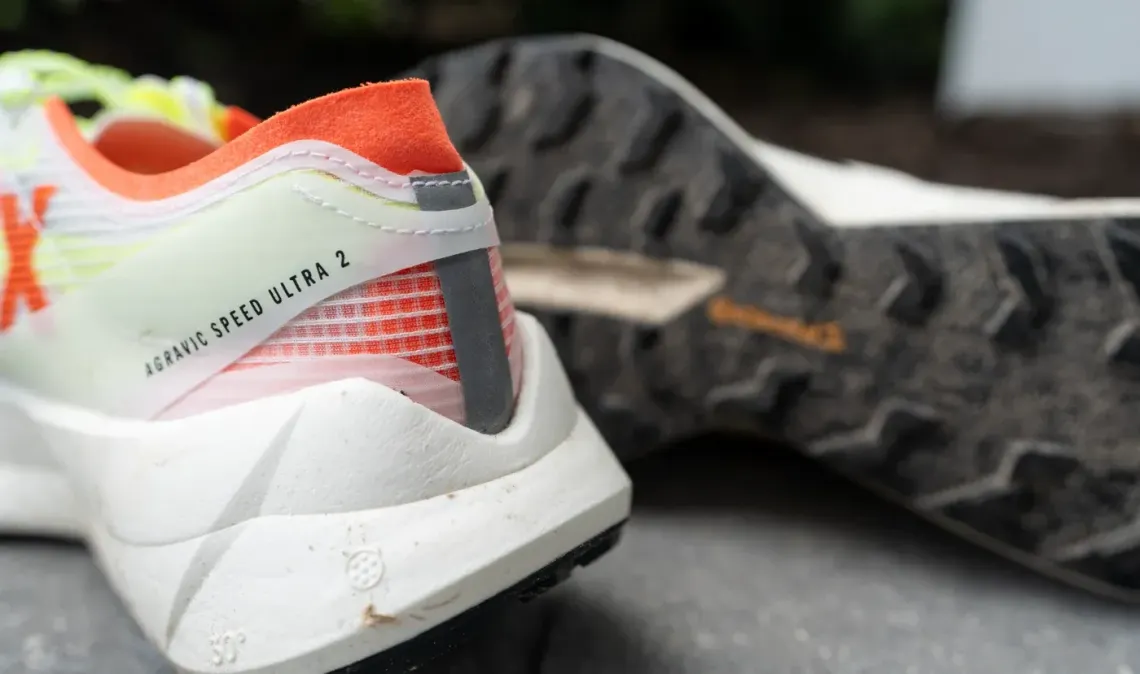
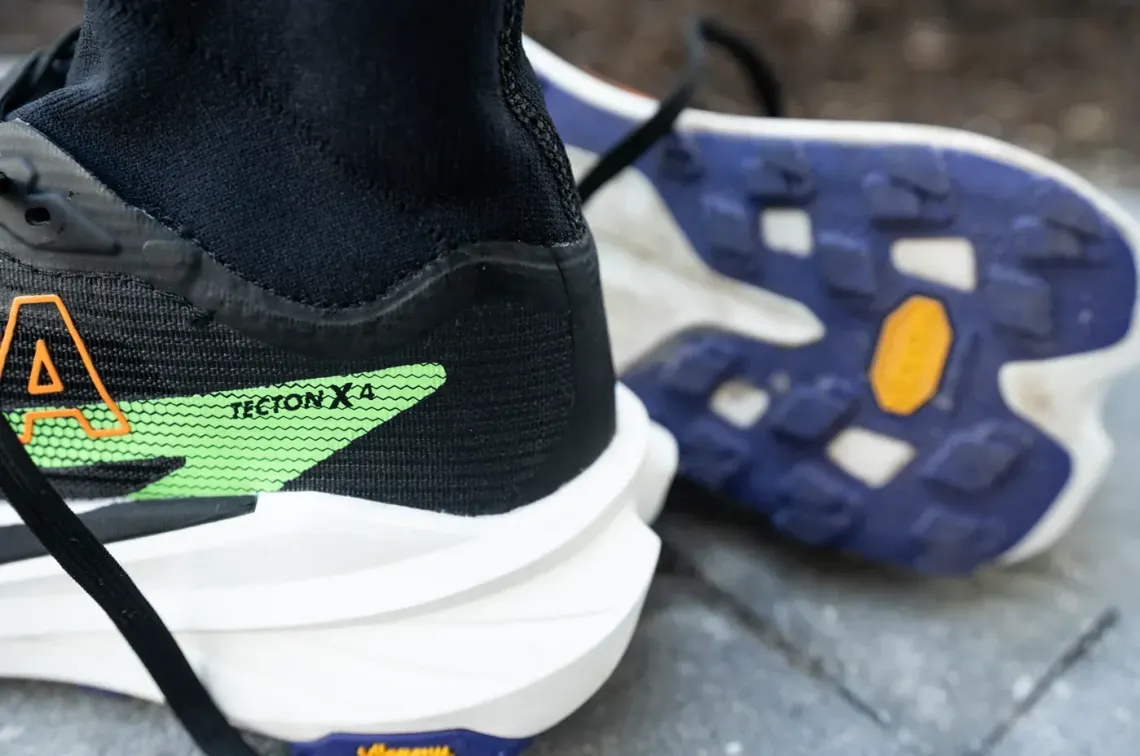
The biggest difference is that road running shoes have smooth or lightly textured rubber optimised for traction on hard, predictable surfaces. Trail running shoes have lugged outsoles; raised rubber nubs or patterns designed to dig into dirt, grip on wet rock, and shed mud.
Lug depth varies: shallow lugs (~2–3mm) for mixed-surface use, deeper lugs (4–6mm+) for technical mountain terrain.
Midsole
Road shoes typically prioritise cushioning volume and energy return for repetitive, high-impact landings on hard surfaces. Trail shoes balance cushioning with stability; a slightly firmer, more structured platform that doesn't roll unpredictably on uneven ground.
Some trail shoes include a rock plate, a thin rigid layer in the midsole that protects your foot from sharp rocks underfoot and adds to the stability.
Upper
Trail uppers are built tougher. Denser mesh, overlays, and often a reinforced toe bumper to protect against rocks and debris. Road uppers prioritise breathability and light weight, since protection from the environment isn't a factor.
Weight and drop
Trail shoes used to be significantly heavier than road shoes, but the gap has narrowed considerably. Modern hybrid trail shoes designed for mixed-surface use are competitive with many road shoes in weight.
'Drop' is the height difference between heel and forefoot, and it varies across both categories, though trail shoes often run slightly lower drop to encourage a more natural, stable footstrike on uneven terrain.
Can you use trail running shoes on the road?
Yes, but with caveats. Trail shoes with shallow lug patterns handle road sections fine; they roll reasonably efficiently on tarmac and don't grind excessively. Aggressive lug patterns (deep, widely spaced lugs designed for mud) feel clunky and slow on pavement and wear down faster.
For runners whose routes include both road and trail, a road-to-trail hybrid outsole (designed to transition efficiently between both surfaces) is the practical solution rather than two separate pairs of shoes.
Can you use road running shoes on trails?
On smooth, dry, well-maintained trails: yes. On wet, rooted, loose, or technical terrain, the lack of grip becomes a real problem, fast. Road shoes offer no protection against sharp rocks and debris, and the smooth outsole rubber has very little traction on anything other than dry, flat ground.
Which shoe works for both?
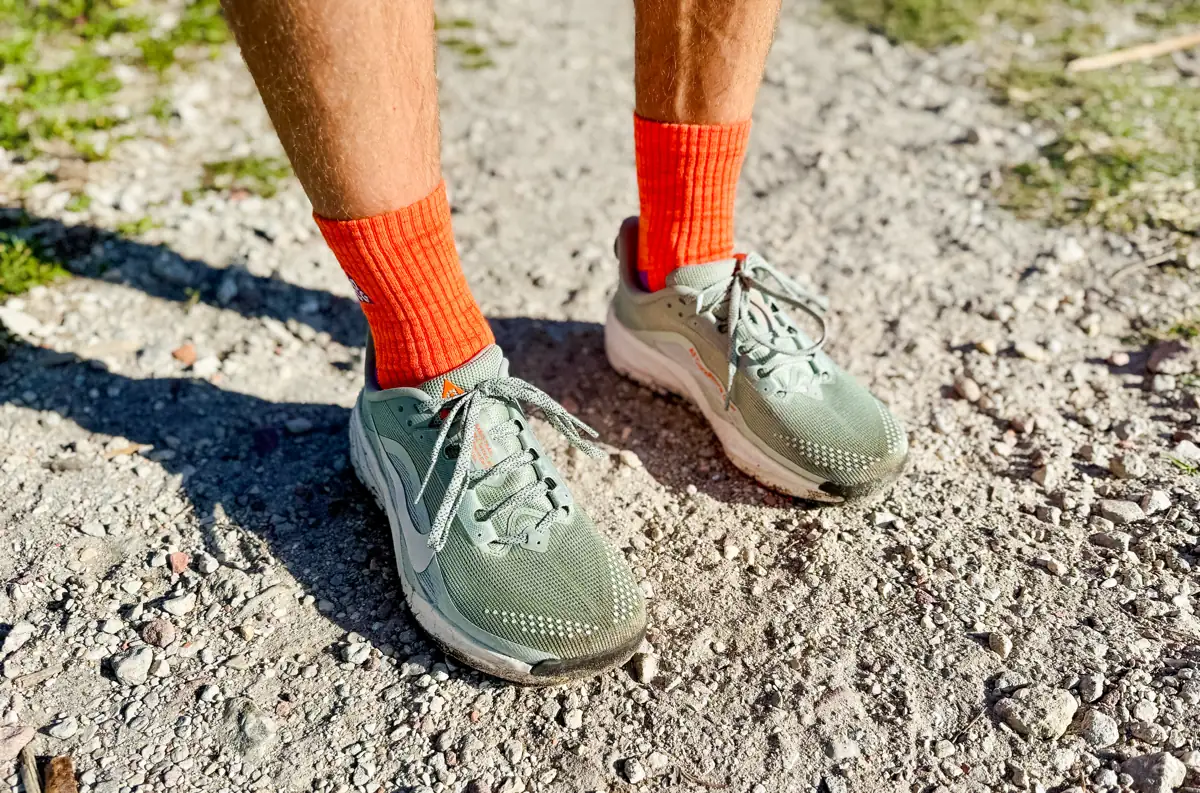
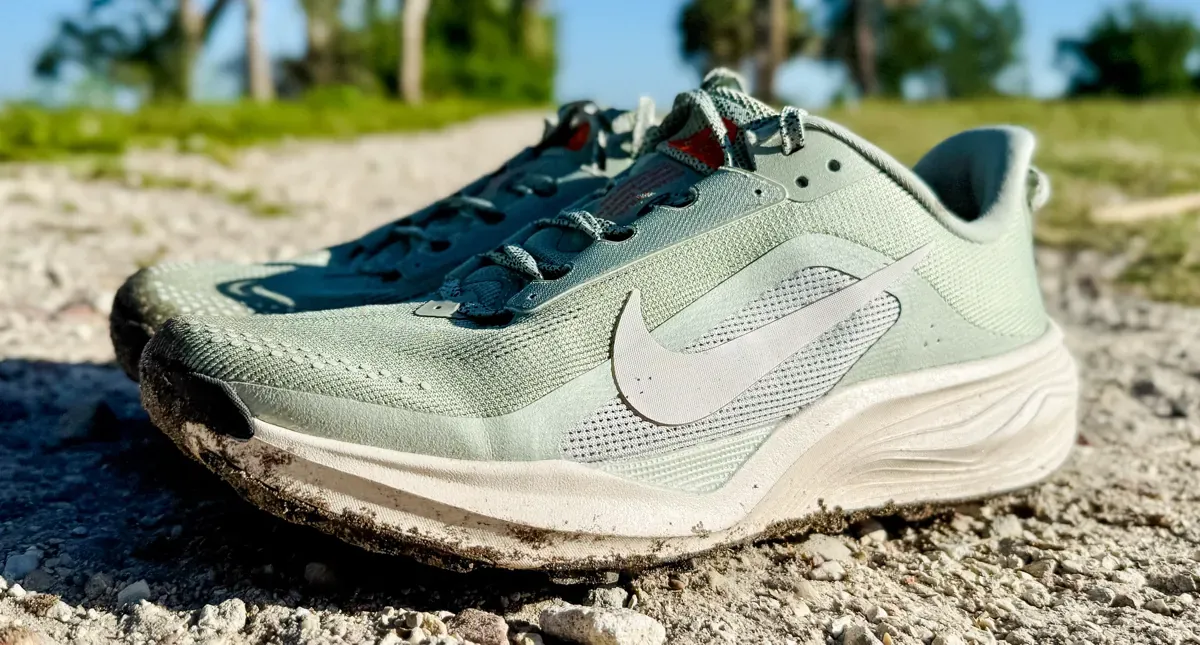
If you want to run trails without committing to a dedicated trail-only shoe, or if your routes mix road and trail in the same outing; the Nike ACG Pegasus Trail is the shoe I'd point you to right now.
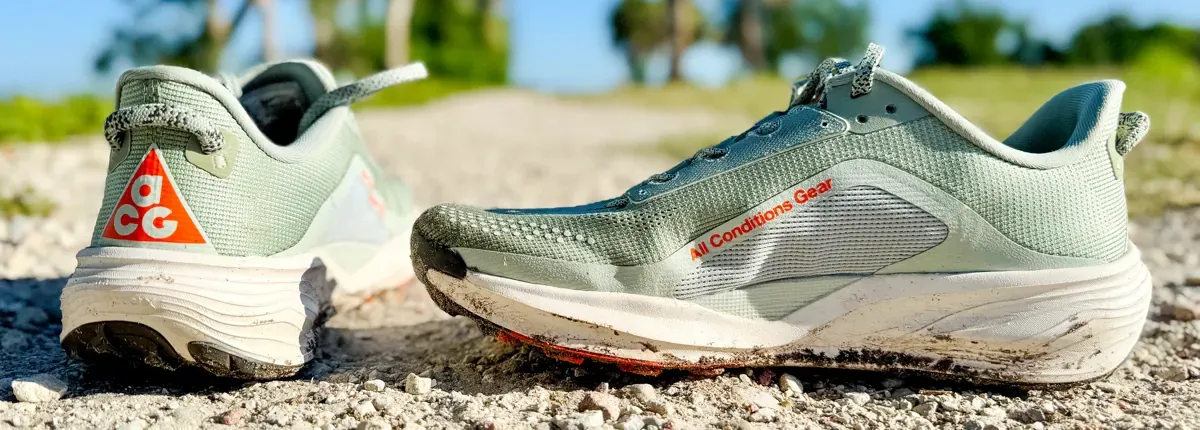
It's built on the Pegasus platform that road runners already trust, with trail-specific upgrades layered on top: Nike's new ATC 2.0 outsole for confident grip on wet dirt, gravel, and loose terrain, ReactX foam cushioning that holds up over long mixed-surface efforts, a wider toe box for natural foot movement on technical ground, and a quick-draining upper that handles wet conditions without holding onto water.
It's not a dedicated mountain racing shoe, if you're heading into serious technical terrain, you'll want something more purpose-built.
But for the runner who wants to explore trails without buying a second pair of shoes, it handles everything between the front door and the trailhead and back again without asking you to compromise.
Trail running vs road running: which is right for you?
Start with road running if:
- You're new to running and want to build a base without adding terrain complexity
- Structured training, intervals, and pace-based progress tracking are your priority
- You don't have easy access to trails
Add trail running if:
- You're dealing with recurring overuse injuries from road running
- You want more variety and a stronger mental connection to your running
- You want to build full-body strength that road running alone doesn't develop
- You're curious; most runners who try trails don't go back to running exclusively on roads
Run both if:
- You want the physical benefits of trail running alongside the structure of road training
- Your goal is a road race but you want to build resilience and variety into your training
- You have access to both and enjoy the contrast between them
Gear Up for Spring/Summer Trail Running with Nike ACG
Nike ACG has rebuilt its trail running lineup from the ground up for SS26. Here’s how to wear it, and why each piece earns its place in your kit.
Alastair Dixon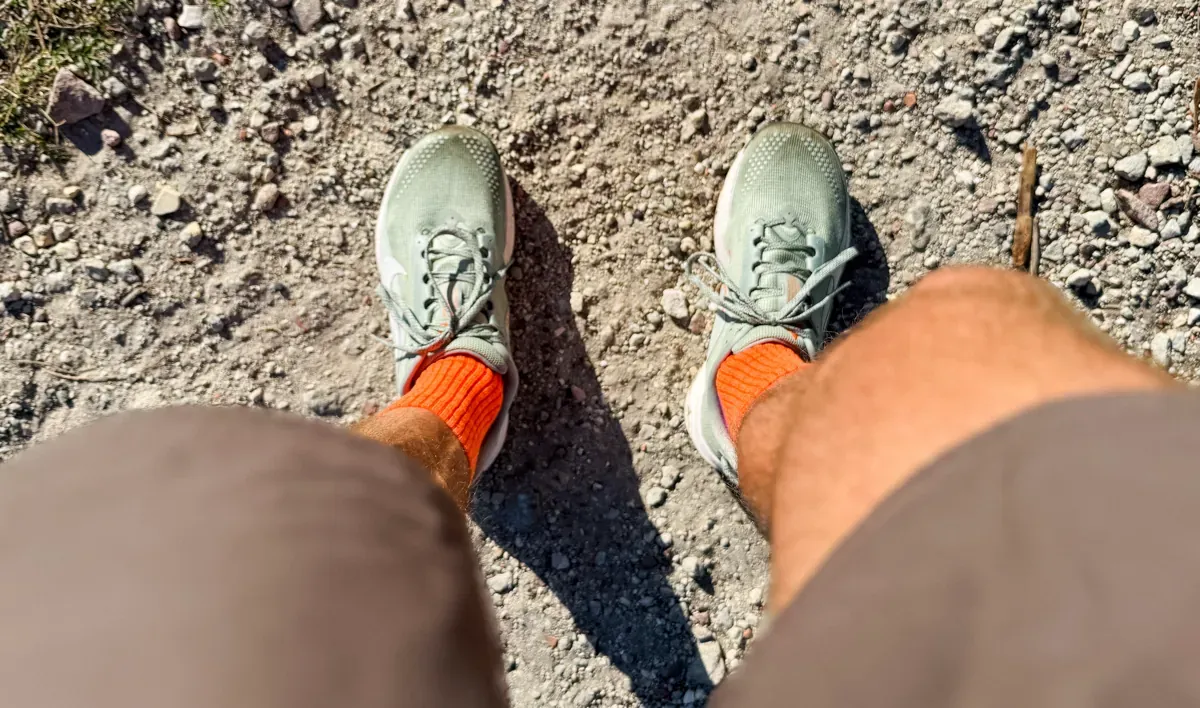
Most experienced runners end up here. Road running for structure and speed work. Trail running for the long runs, the mental reset, and the terrain that makes your legs genuinely strong. The two disciplines complement each other better than most people expect before they try.
FAQ
Is trail running harder than road running? It depends on what you mean by harder. Trail running is slower and more physically demanding per mile, recruiting more muscle and requiring more focus. Road running is harder in the sense that it demands pace discipline and puts more repetitive impact through your legs. Most runners find trail running harder at first and more enjoyable once they've adapted.
Does trail running burn more calories than road running? Yes. Typically 10–20% more at equivalent effort, due to increased muscle recruitment, elevation changes, and the extra energy required for uneven terrain.
What is the difference between trail running shoes and road running shoes? Trail running shoes have lugged outsoles for grip on dirt and wet terrain, tougher uppers with toe protection, and a more stable midsole platform for uneven ground. Road shoes prioritise cushioning and energy return for repetitive hard-surface impact. The practical gap has narrowed with road-to-trail hybrid designs that handle both surfaces reasonably well.
Can you use trail running shoes on the road? Yes, particularly shoes with shallower lug patterns designed for mixed-surface use. Aggressive lugs designed for mud feel inefficient on tarmac and wear down faster. A road-to-trail hybrid like the Nike ACG Pegasus Trail is specifically designed to transition cleanly between both surfaces.
Can you use road running shoes on trails? On smooth, dry, well-maintained trails, yes. On wet, rooted, loose, or technical terrain, the lack of grip becomes a genuine hazard. Road shoes also offer no protection against sharp rocks underfoot.
Is trail running better for your knees? Generally yes, for overuse injury reasons; the variable surface and softer ground reduce the repetitive impact that causes most knee problems in road runners. Acute injury risk is higher on technical terrain, but appropriate footwear and technique significantly reduce that variable.
How do I start trail running if I'm a road runner? Start on easy trails; smooth dirt paths, gravel fireroads, park trails with minimal technical terrain. Keep your pace honest, slow down on anything technical, and expect your first few trail runs to feel harder than equivalent road efforts. The adaptation happens quickly.
If you haven't already, signup for our free newsletter, and subscribe to our YouTube Channel for more quality content like this. -Alastair
Written by

Subscribe to new posts
Gear that earns its place, outdoors and at home | Reviews, Roundups, News










Member discussion