
100 Hikes of a Lifetime U.S.A.: what's still on your someday list?
Trail & Kale's Book of the Month (April 2026): A look at 100 Hikes of a Lifetime U.S.A. by Stephanie Pearson, and the quieter question underneath it. What are you still actually planning to go and do?

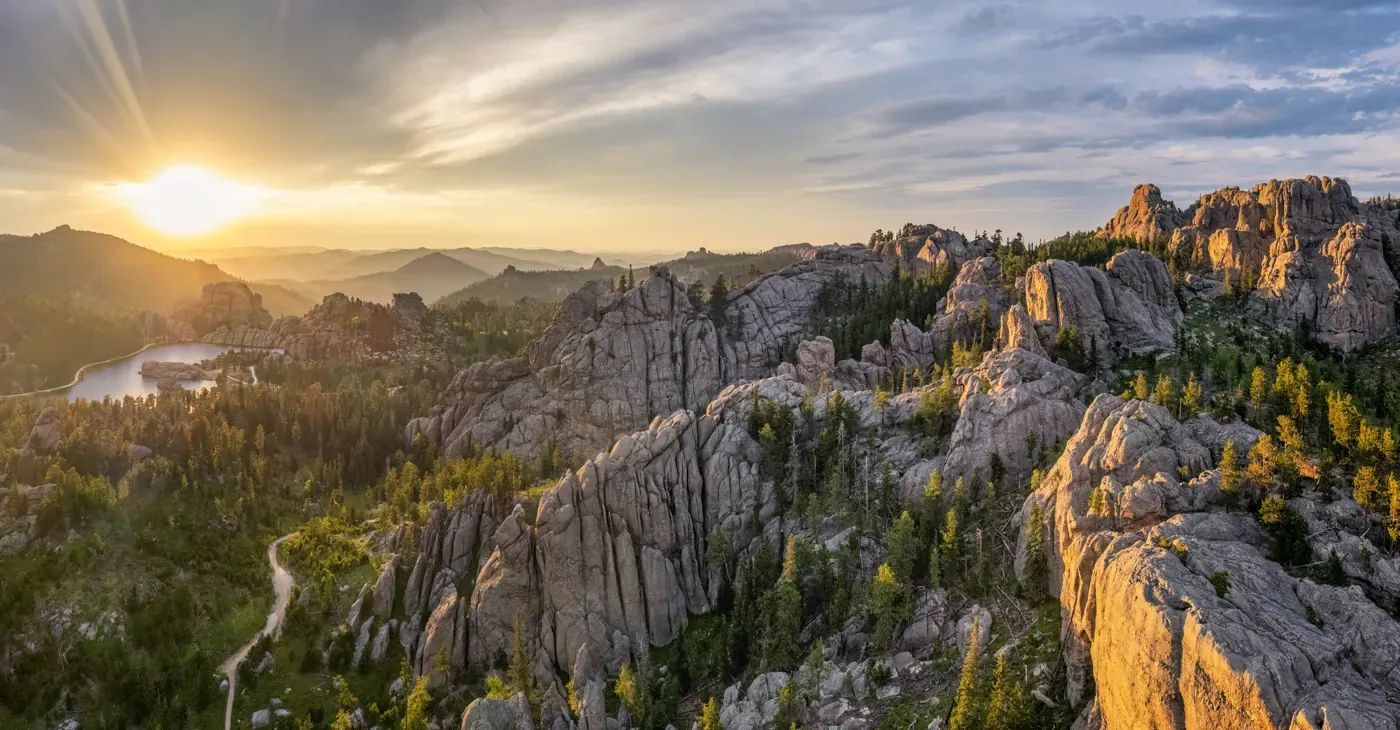
Some books are read cover to cover. Others sit on the coffee table and slowly do their work over months, sometimes years.
Bucket list books tend to fall in the second camp.
You don't sit down on a Sunday and read 100 Hikes of a Lifetime U.S.A. like a novel. You leave it where you can see it. You open it when the light is good. You let the photos pull you in for ten minutes at a time, and somewhere along the way you start asking yourself a question that has very little to do with hiking.
Which of these places do I just want to know about, and which do I actually want to go to?
That's the energy of this month's pick.

It's a big book, physically, and a big book in scope, but the more time I spent with it the more it stopped feeling like a checklist and started feeling like a mirror.
Less here are 100 trails to conquer, more here is what your relationship to the American landscape might still look like, if you let it.
If you purchase through links in this article, we may earn a small affiliate commission.
Quick details

- Price: Currently $28.91 at Amazon (hardcover)
- Author: Stephanie Pearson
- Pages: 400
- Publisher: National Geographic
- Publication date: April 7, 2026
What this book is really about
On the surface, 100 Hikes of a Lifetime U.S.A. is exactly what the cover suggests. A follow-up to Kate Siber's bestselling 100 Hikes of a Lifetime, this volume narrows the lens to one country and assembles 100 trails worth knowing about in your own backyard.
The selections cover the full range.


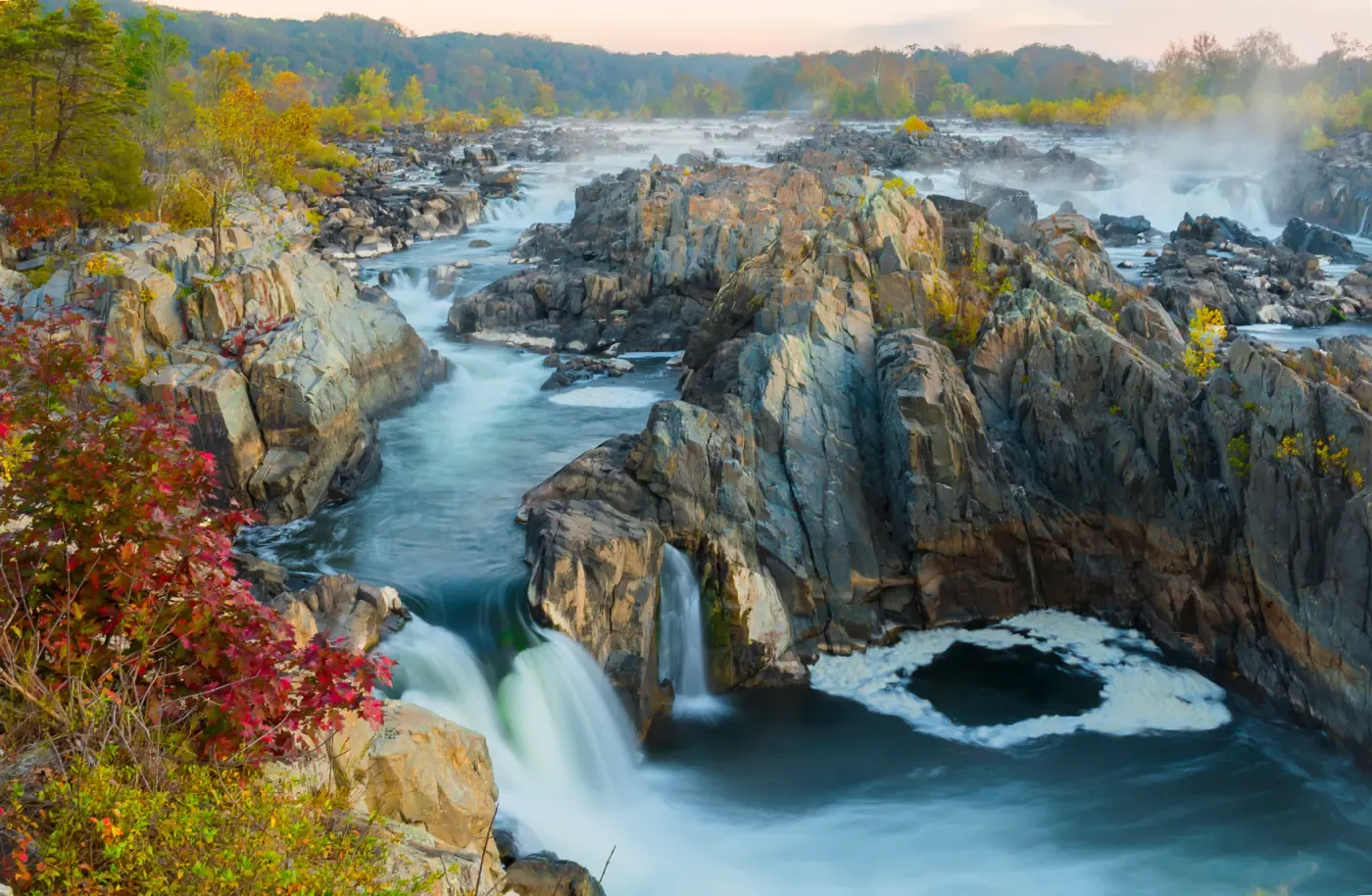
A rim-to-rim push across the Grand Canyon, a day on Old Rag in Virginia, the full Pacific Crest Trail, the Lost Coast in California (one of the few genuinely coastal long hikes left on the mainland), the Superior Hiking Trail with its improbable 37,800 feet of total elevation along Lake Superior, the summit loop on Mount Katahdin, and the 6,800-mile American Discovery Trail running coast to coast from Point Reyes to Cape Henlopen.
Get outside and go hiking for the first time
A beginner-friendly guide to hiking basics, what to wear, what to bring, and the 10 Essentials checklist.
 Alastair Dixon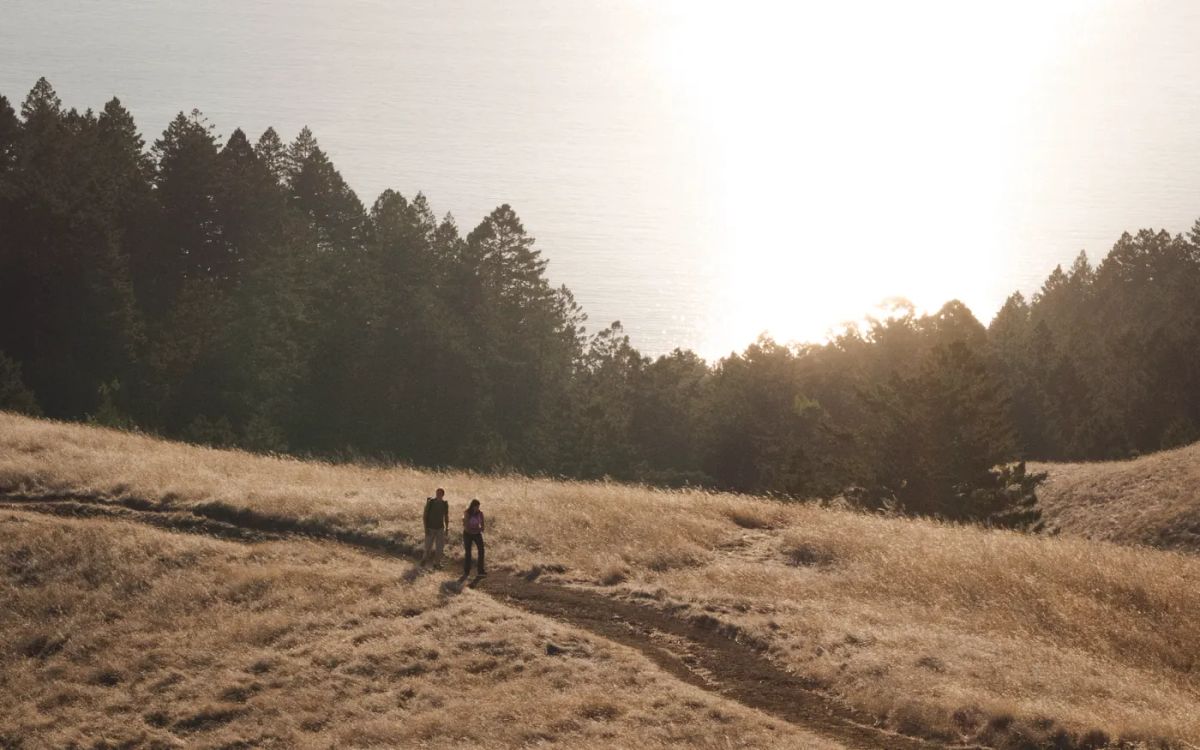
Each hike comes with the practical scaffolding: distance, elevation, skill level, where to sleep, what wildlife to look for, alternative routes if the main one isn't your speed.
The author, Stephanie Pearson, is a National Geographic Explorer and a longtime contributing editor at Outside. She grew up in Duluth and learned to hike on the Superior Hiking Trail, which gives the Midwest sections in particular a grounded, lived-in feel that bucket list books often miss.
The Nat Geo photography is doing a lot of work too. In a book like this, the images aren't decoration. They're part of the argument. But I don't think the book lands best as a checklist.
I read it more as a book about what we are still actually planning to do.
Not what we've done. Not what we're optimizing. Just the quiet inventory of places, experiences, and efforts we keep meaning to make real.
Book of the month - Trail & Kale
Book of the Month is a monthly book club that acts like a lens for bigger life questions. We pull out what the book is really about, the ideas that hold up, and what they change in everyday life.

Why the bucket list framing is more useful than it sounds
The phrase "bucket list" gets a bit eye-rolled now, and I get why. It can feel performative. It can feel like a thing to post, not a thing to live. There's also the narrower version of it that flattens beautiful places into trophies you collect.
But underneath the cliché, I think the original instinct is honest.
Most of us are carrying a quiet list. Not a written one, necessarily, and maybe not even a large one. Just a set of things we'd like to actually go and do at some point. A trail. A coastline. A season in someone's company. A craft we've been circling for years. The list isn't really about achievement. It's about a shape we want our life to have.
A book like this is useful because it surfaces that list. It doesn't manufacture it. You flip the page to the Lost Coast Trail and either feel nothing, or you feel a small lurch of I would actually love to walk that.
That second feeling is the part worth paying attention to.
Why this resonates with me right now
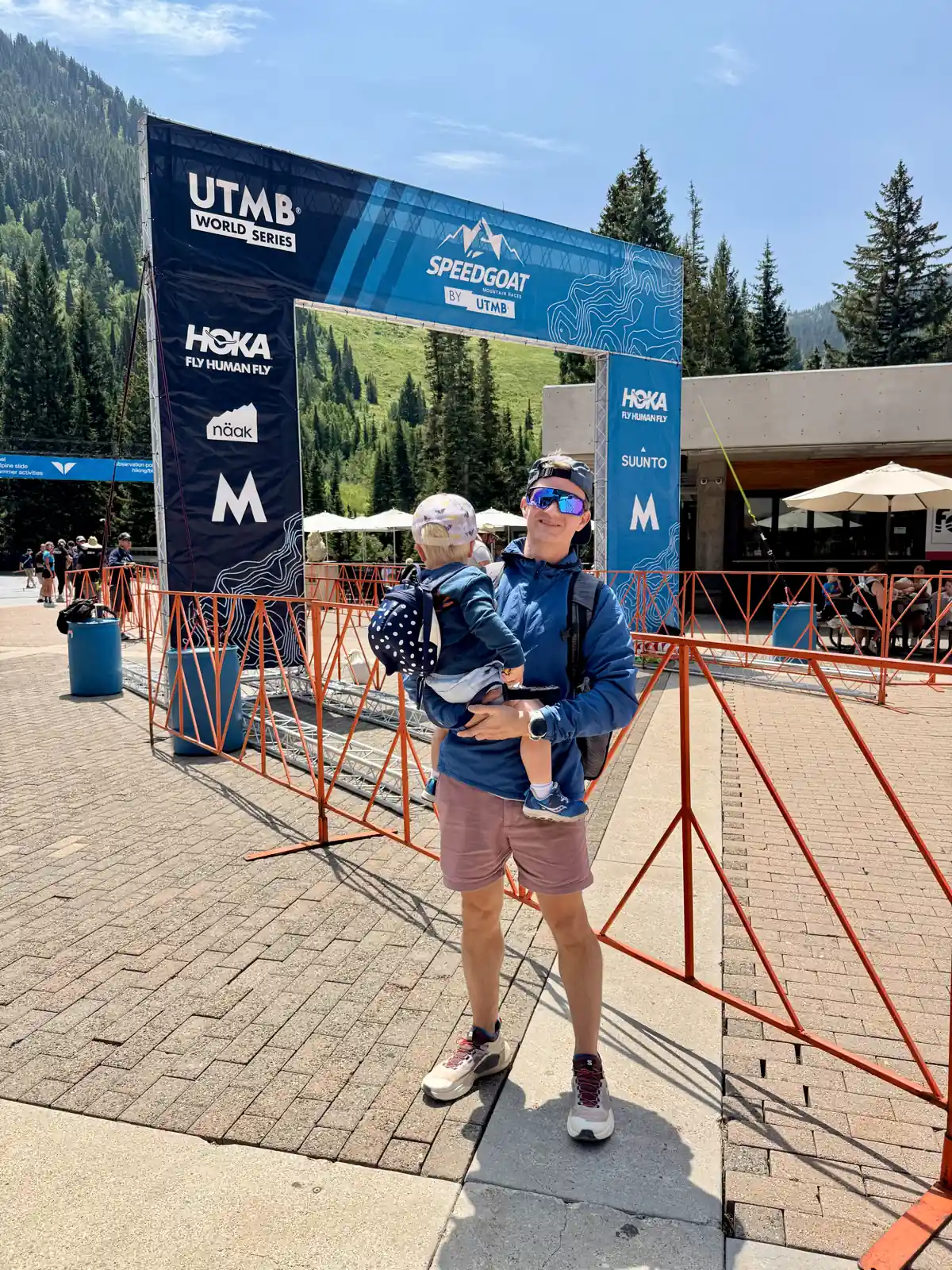
I'm currently based in Florida. I like to run and hike, my son Sebastian is small, and most of my mileage is on roads and shorter trail loops. The big multi-day American hikes are not where my everyday lives, right now unfortunately.
Trail Running for Beginners – An Easy Guide to Get Started on Local Trails
How to start trail running like choosing your first trail, knowing what gear you need, running safely on uneven ground, and building confidence without chasing pace.
Alastair Dixon
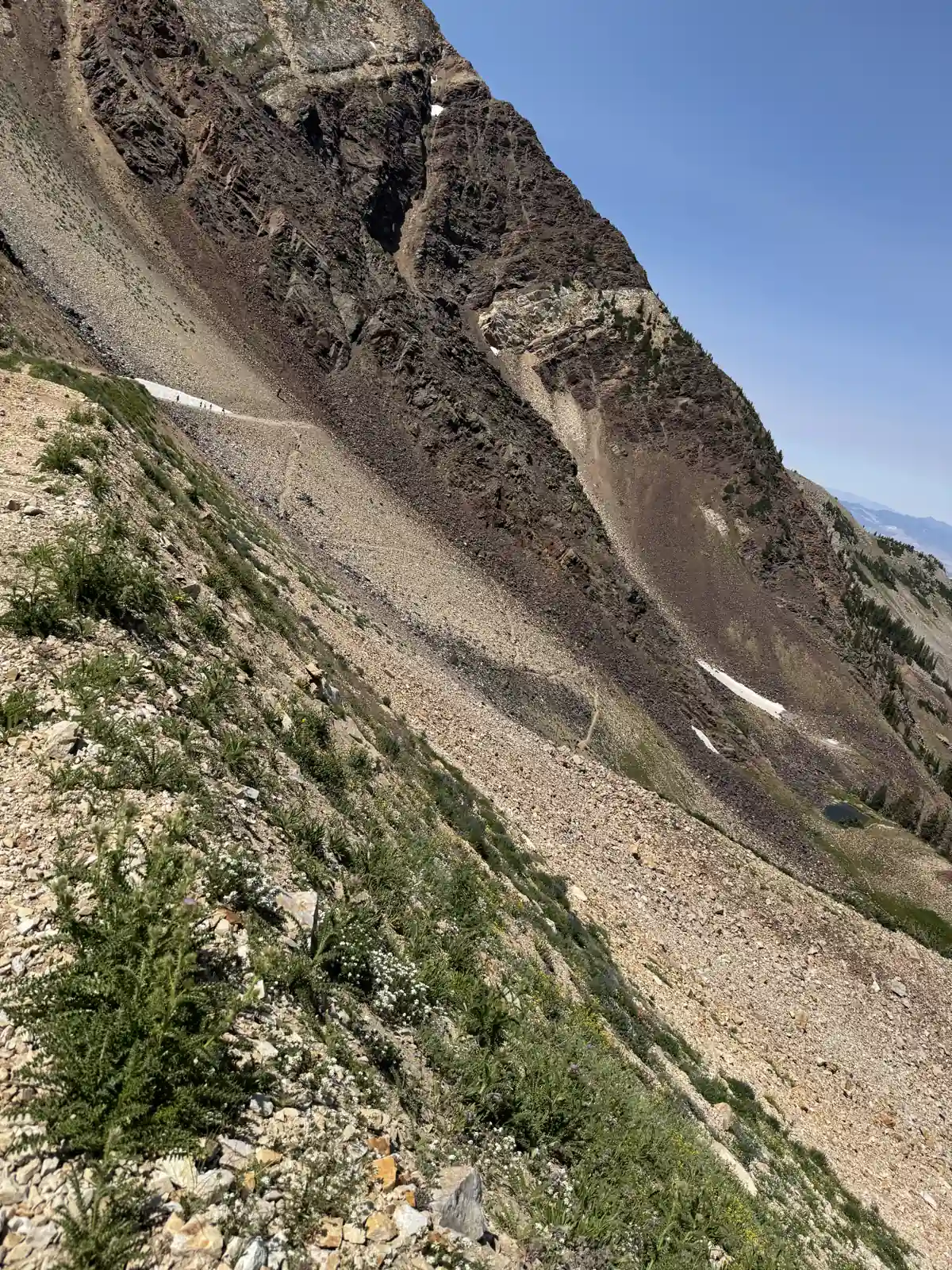
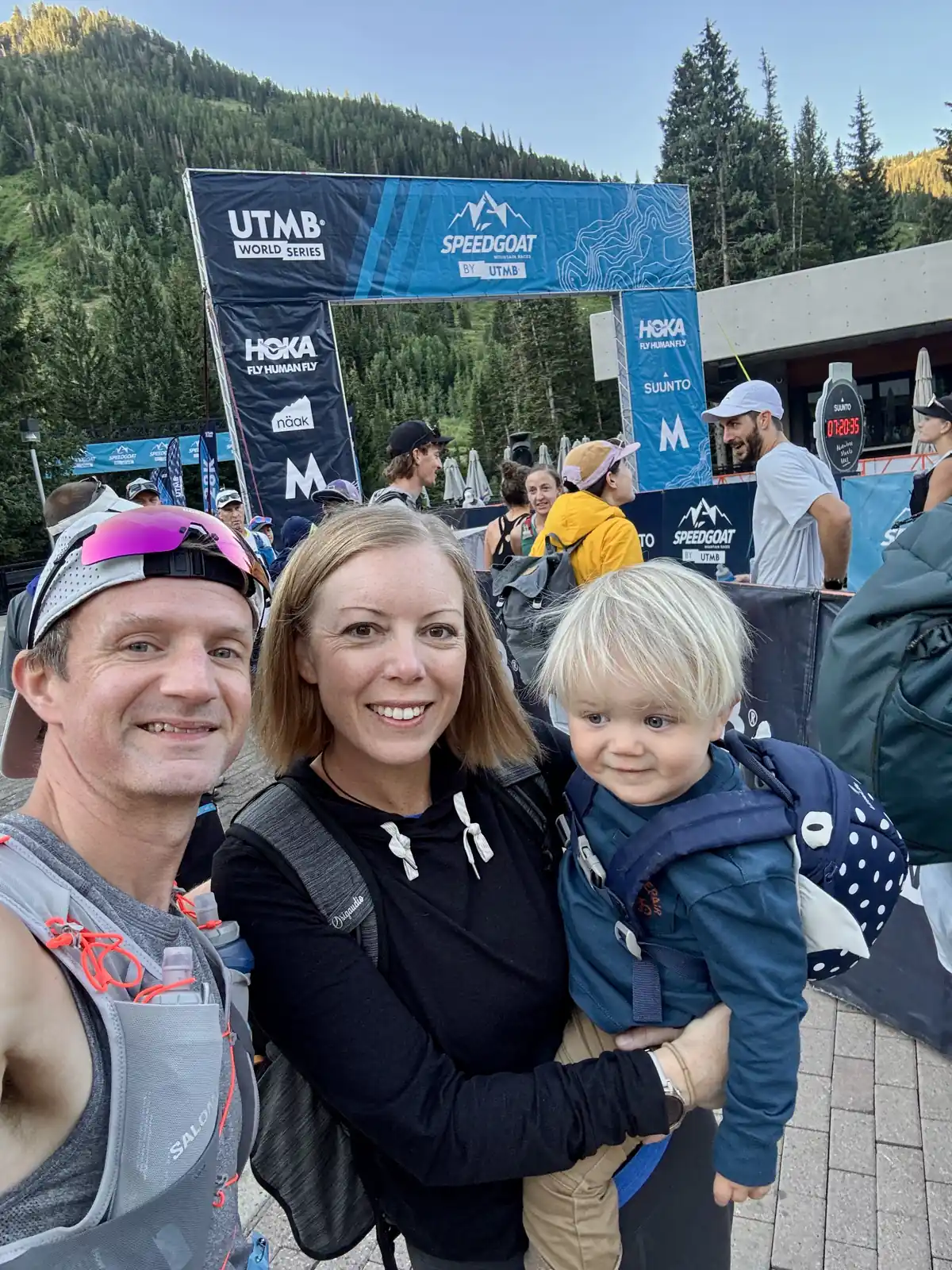
My best chance of getting a day out in the mountains at the moment (with such a young son) is by signing up to an ultramarathon, and we take a family trip where my wife and son support me along the course; it's my idea of heaven. Utah again this Summer! 😄
But that's part of why a book like this matters more, not less, in this season of life.
When the daily logistics are full, it's easy to let the bigger landscape of what you'd like to do quietly compress. You stop imagining the rim-to-rim, or the Lost Coast, or Katahdin, not because you've decided against them, but because they no longer come up. They're not on the calendar. They're not on the list. They're not on the table.
A book on the coffee table puts them back on the table.
And as I went through it, I noticed the question wasn't which of these will I do? It was something more honest:
Which of these am I still actually planning, in some real way, to go to?
That is a different question than ranking them.
A useful counterweight to the "everything is content" version of hiking
One thing I appreciate about how the book is put together is that it isn't optimized for shareability. It's not a list of the most photogenic 30 seconds of each trail.
A lot of modern hiking content is, at this point, basically a highlight reel. Eight seconds of summit, a drone pull-back, a caption you've read in a hundred variations. It's not bad, but it makes everything start to look the same.
What this book does instead, because it's a book, is sit with each trail long enough to give it context. Geology, history, planning notes, where to stay, what you might miss if you only chase the summit shot. The Superior Hiking Trail entry isn't there to be Instagrammed. It's there to be understood.
That changes the relationship a little.
You start thinking about going somewhere as a thing you'd actually do, not as a thing you'd post.
The harder, quieter question this book asks
Here's the part I keep coming back to.
The book is generous. It hands you 100 ideas. But what it cannot do, and shouldn't try to, is decide for you which ones are real intentions and which ones are just nice to look at.
That's the harder work, and it sits with the reader.
Some of the hikes in here will, for any individual reader, be daydream material. Beautiful to know about, not actually going to happen, and that's fine. A daydream is its own form of useful mind fuel.
But some of them are different. Some of them are the ones you've been quietly meaning to do for ten years, and the only thing standing between you and the trailhead is the act of putting it on a calendar.
A bucket list book becomes valuable, I think, in the moment you can tell those two categories apart for yourself.
Not by making the list longer. By being honest about which entries are real.
For families, for runners, for the in-between years
A small thing I like about Pearson's approach is that not every hike in the book is a multi-week effort. There's a real range, from short day hikes you could line up around a long weekend, to the Pacific Crest Trail, to the 6,800-mile American Discovery Trail.
That mix matters more than it might first appear.
If you're in a season of life where a thru-hike isn't realistic (small kids, demanding work, a recovering body, a partner whose calendar doesn't sync with yours), the book still has a use. It's the day hikes, the weekend pieces, and the rim-to-rim style trips that you can plan in the next 12 months without rearranging your entire life.
For me, that's the part of the book I'll spend the most time in. Not the Pacific Crest Trail entry. The trails I could do with Sebastian walking next to me in a few years, or on a quiet stretch when I'm out solo for day running in the mountains.
Bucket lists land best when they meet you where you actually are.
Get it at Amazon
A reflective close
Bucket list books work best when they stop being inventories and start being mirrors.
100 Hikes of a Lifetime U.S.A. is a generous, well-photographed, thoughtfully written collection of trails, and it earns its place on the coffee table on those terms alone. But the more useful version of the book, I think, is the one that asks you a quieter question after you close it.
What are you still planning to go and do? Not someday in the abstract. Not in a decade. In the season of life you're actually in.
Sometimes the answer is "less than I thought", and that's worth knowing. Sometimes it's "more than I've been admitting", and that's worth knowing too.
Either way, you put the book back on the table, and you walk out of the room with one or two trails that have moved from "nice to know about" to "I'd like to actually go". -Alastair
If you haven't already, signup for our free newsletter, and subscribe to our YouTube Channel for more quality content like this. -Alastair
Written by

Subscribe to new posts
Gear that earns its place, outdoors and at home | Reviews, Roundups, News











Member discussion