
woom GO 2 review: my first real pedal bike, no training wheels needed
Superlight, cleverly built, and honest about the hard part; here's what learning to pedal on woom's 14-inch first bike is really like.

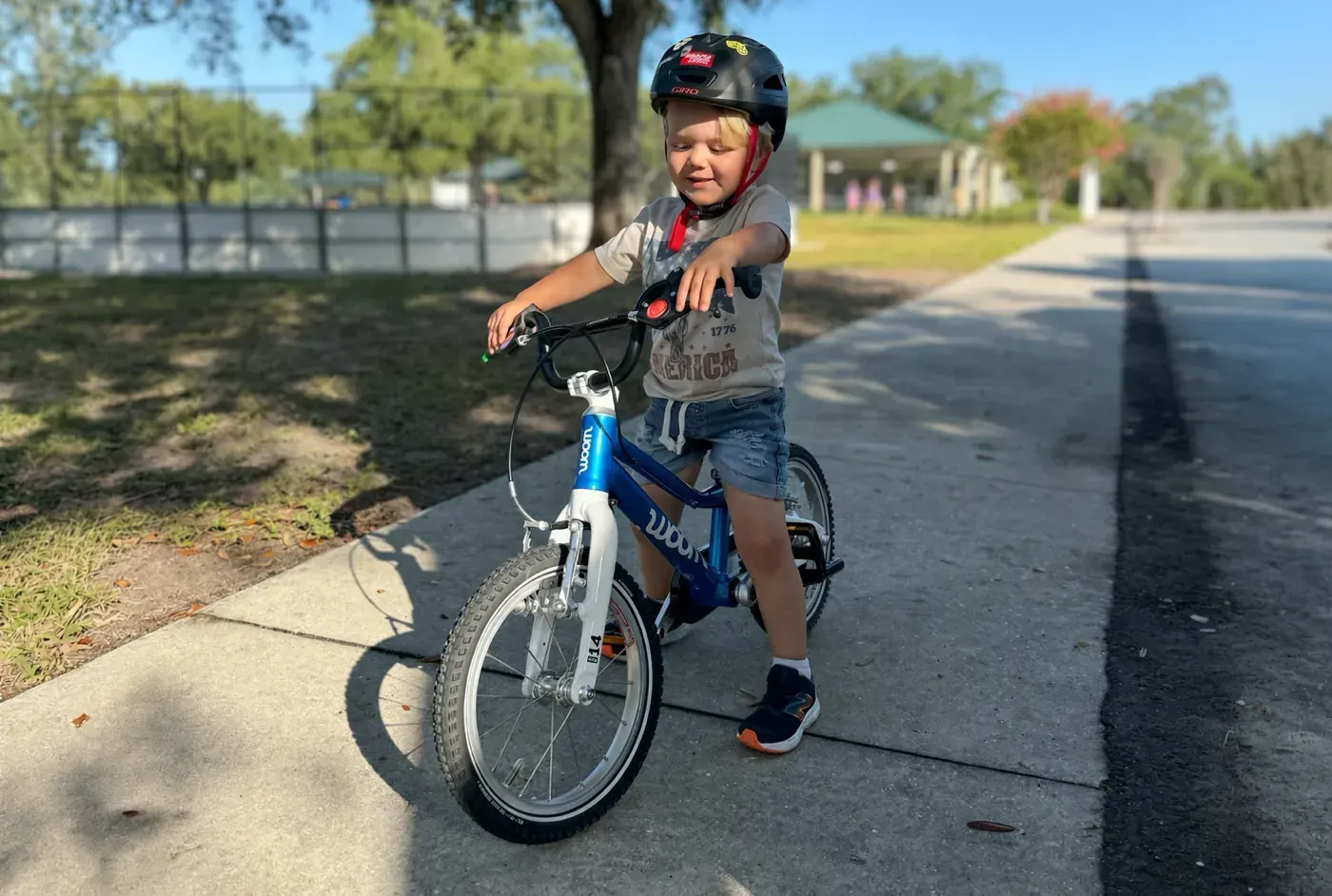
Hello again. I'm Sebastian, I'm 3 now, and I have very important news: my new bike has pedals!
Real ones. The spinny kind.
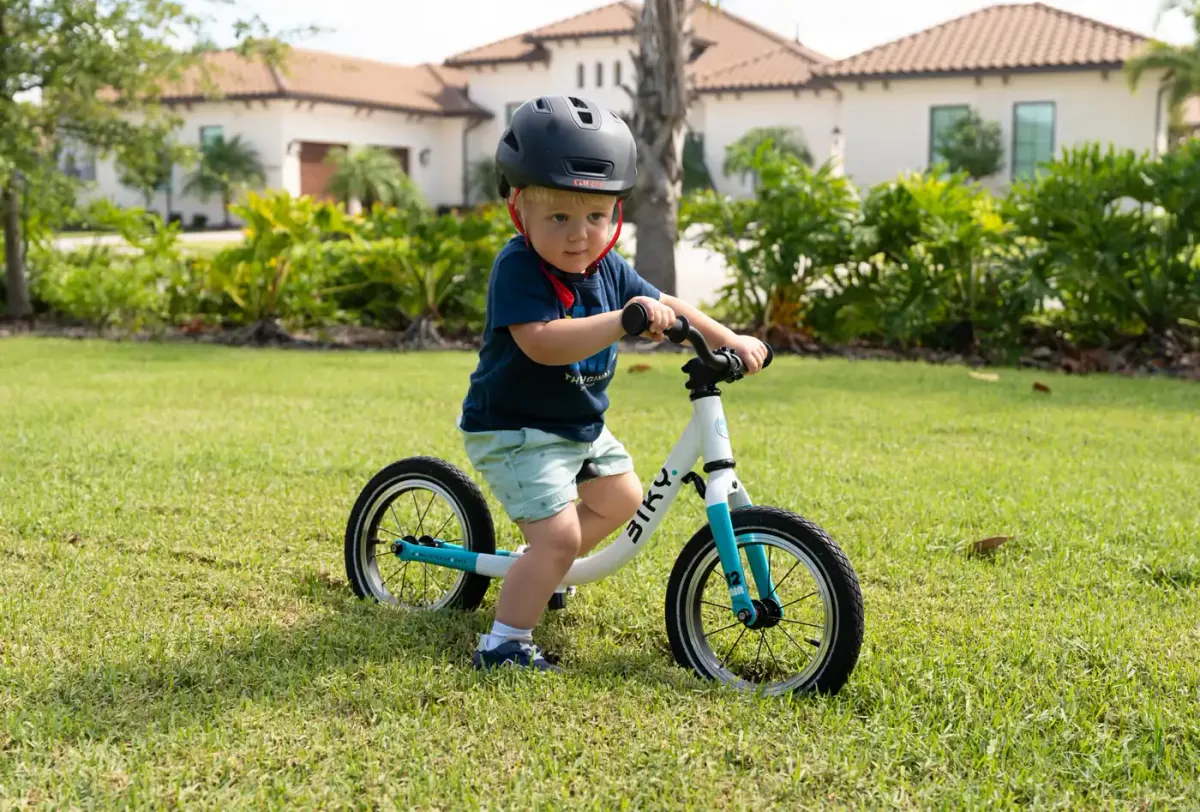
If you have been following my very serious bike career, you know I learned to scoot on my Biky Air 12, then learned to glide and use a hand brake on my woom GO 1.
woom GO 1 review: a premium balance bike for toddlers
Ultra-light, cleverly designed, and full of small details that help little riders learn balance and braking with real confidence from the very start.
 Sebastian
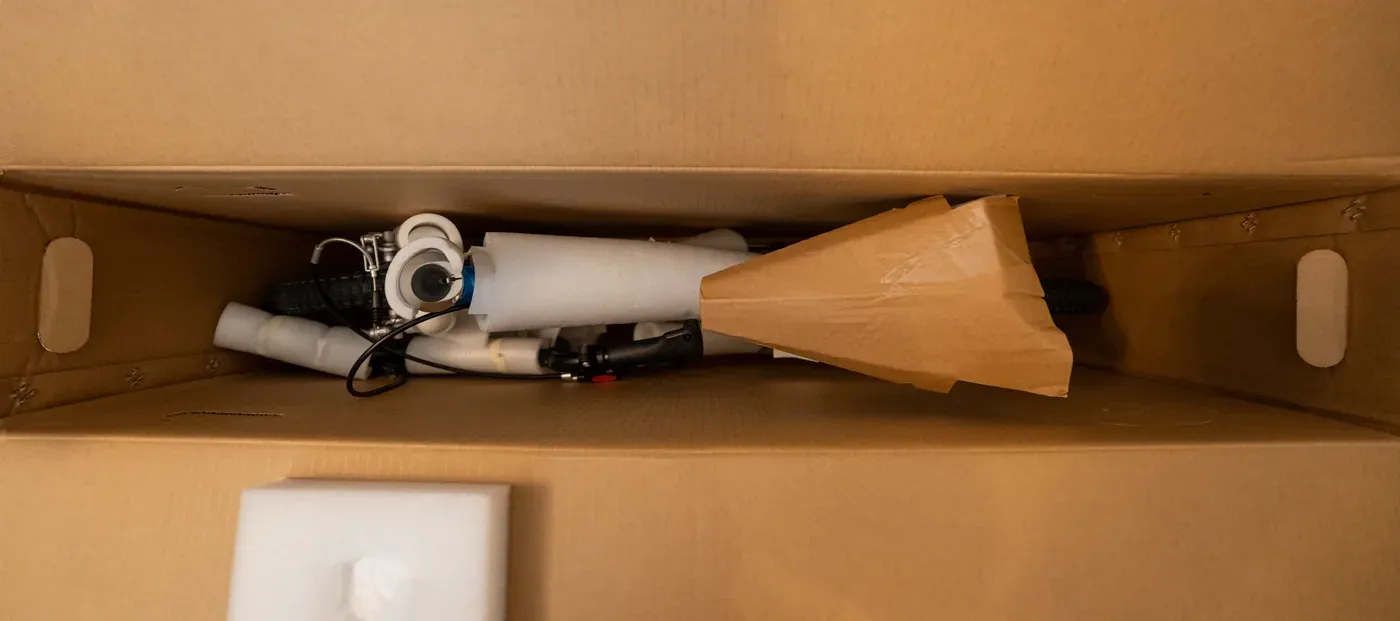
So when a big box arrived with a metallic blue woom GO 2 inside, I knew exactly what I was looking at. The big kid bike.
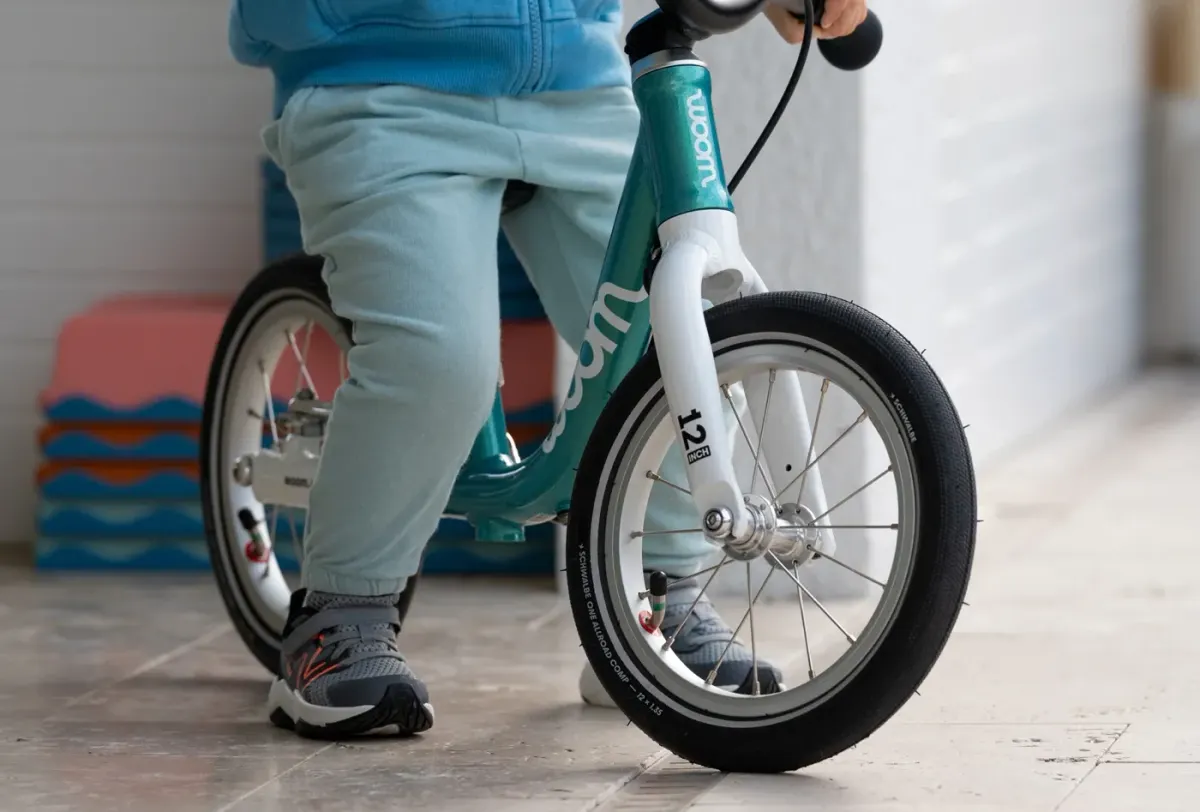
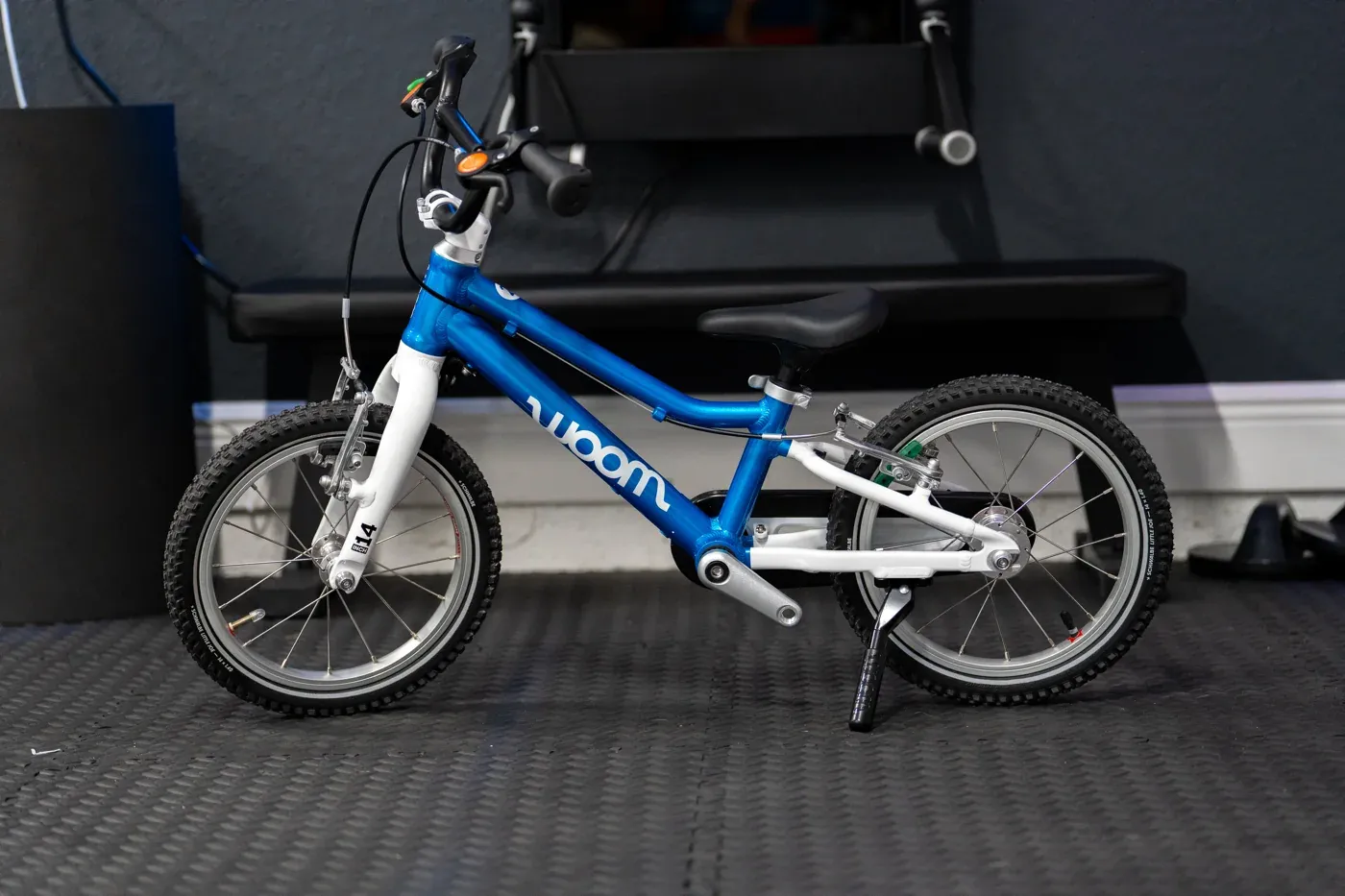
The GO 2 is woom's 14-inch first pedal bike for kids aged 3 to 4.5, and it arrives with a reputation. This is the eighth generation of the bike that has been the default "first pedal bike" recommendation for about a decade, now with a comfier kid-specific saddle, slimmer grips, and matching fit markings on the bars and seatpost.
Not a reinvention, just the proven bike with nicer touchpoints.
Its one mission is to get a small person from balance bike to actual cycling without training wheels, and without tears. Mostly without tears. I will explain.
Black Friday deal: woom has the GO 2 at 20% off right now ($367.20, down from $459) through December 1, and the discount applies automatically at checkout with no code needed.
If you purchase through links in this article, we may earn a small affiliate commission. For exclusive content, our newsletter, and more perks, become a member, it's free! -The Trail & Kale team ✌🏼
Key specifications
- Price: $459 at woom.com (Black Friday: $367.20, 20% off through December 1, applied automatically at checkout) - (plus $26 for the freewheel kit, more on that below)
- Weight: 12.2 lb as shipped in the US with the coaster hub and kickstand; the freewheel swap shaves roughly a pound, so mine sits a little under that
- Age/height range: 3 to 4.5 years, 37 to 43 in tall, 16 to 19.1 in inseam
- Wheel size: 14 in, with a saddle height range of 15.5 to 19.3 in
- Frame: AA 6061 aluminum with an aluminum fork, low step-through, and a 10-year warranty on the frame, fork, bars, and stem once registered
- Brakes: two child-specific mini V-brakes with tool-free reach adjustment and a green rear lever and pads; US models also ship with a coaster brake
- Gearing: single speed, 18-tooth chainring and 10-tooth cog on short 80 mm cranks with a narrow pedal stance
- Tires: Schwalbe Little Joe 14 x 1.4 in with a light knobby tread, reflective sidewalls, and Schrader (car-type) valves
- Extra attributes: LEGGIE kickstand pre-installed, removable steering limiter, enclosed chainguard, quick-release seatpost, slim grips with oversized crash ends, 132 lb weight limit, 5-minute assembly, six colors (mine is metallic blue)
Sizing and fit
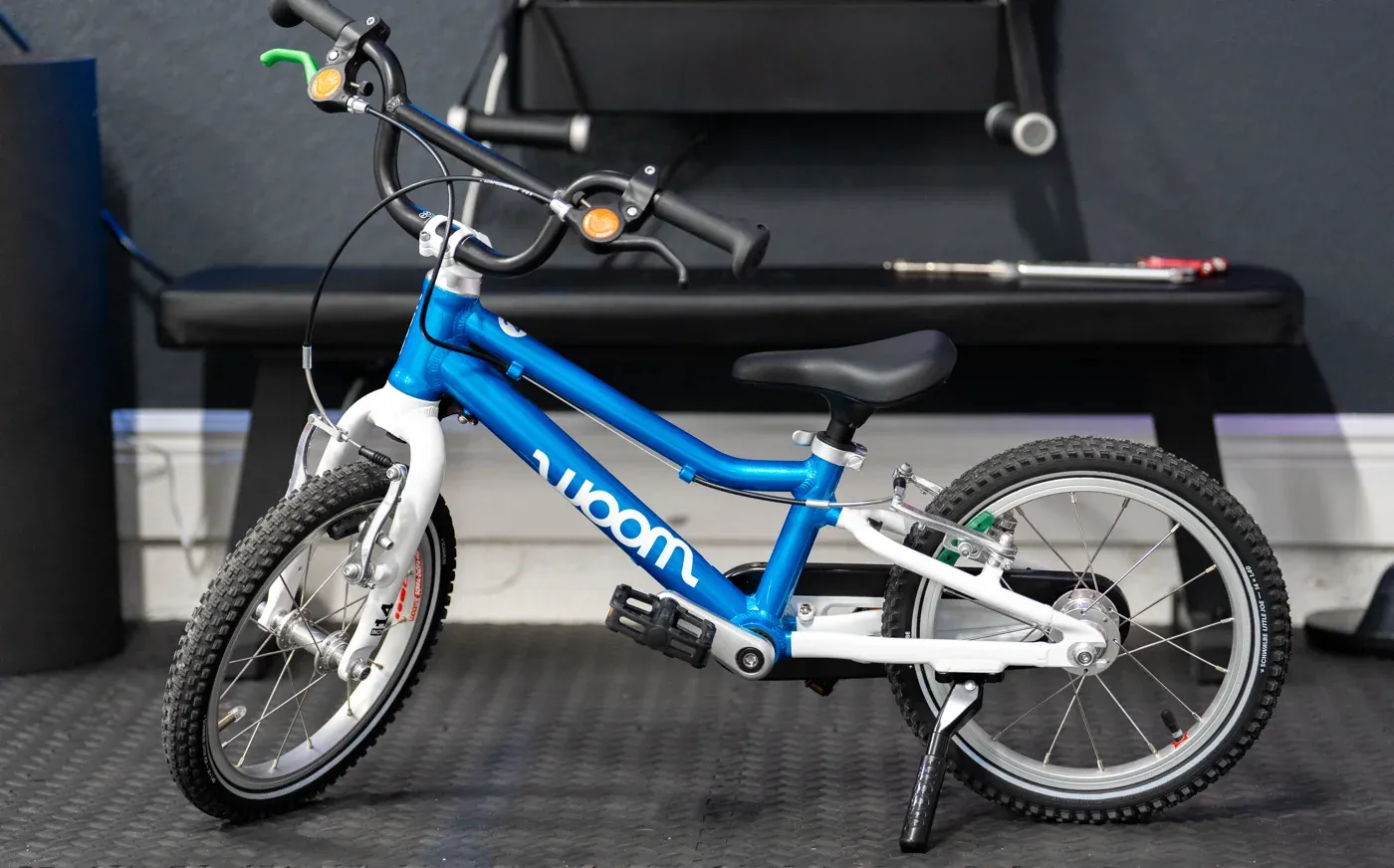
The rule for a brand-new pedaler is simple, your inseam should be at least the minimum saddle height, so both feet sit flat on the ground. For the GO 2, that means a 16 in inseam at the low end, with room to grow to about 19 in.
I'm 3 and right in the heart of that window, which woom pegs at 3 to 4.5 years. If your kid is already close to a 19 in inseam or pushing 4.5, size up to the 16-inch GO 3 instead, because this bike's fit window is honest but short, about a year of riding for most kids.
One more trick from the woom playbook: if your child is coming straight off a balance bike and feeling unsure, you can leave the pedals off at first and let the GO 2 be a big balance bike until they are ready. I needed that step...
Riding review
Still light enough for me to boss around
At 12.2 lb, the GO 2 is one of the lightest first pedal bikes you can buy, and almost nothing in the 14-inch class comes in under it. Yes, that is nearly double my 6.4 lb GO 1, but pedal bikes carry a lot more machinery, and plenty of big-box 14-inch bikes weigh 16 lb or more.
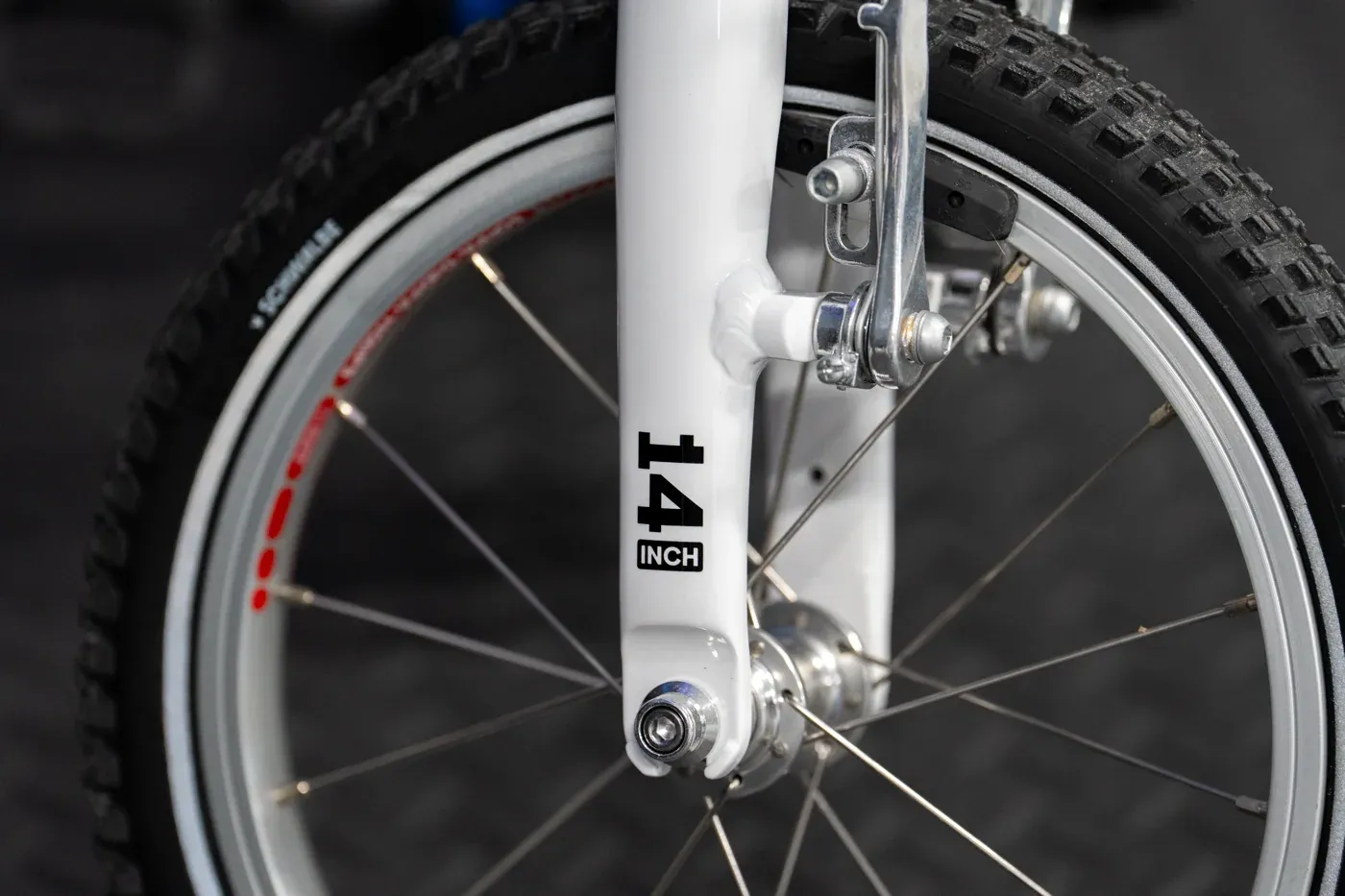
That weight matters even more now than it did on my balance bike. When your legs are the engine, every pound the bike carries is a pound I have to pedal.
This is also the big reason kids learn so fast on this bike. The story parents tell over and over is "pedaling in minutes" or "pedaling in a couple of days," and the light weight plus the low, long, upright geometry is why. More on my own timeline in a minute, because I am an honest reviewer.
I can still pick it up after a tip-over, wheel it around the driveway, and get on and off the low frame without too much trouble.
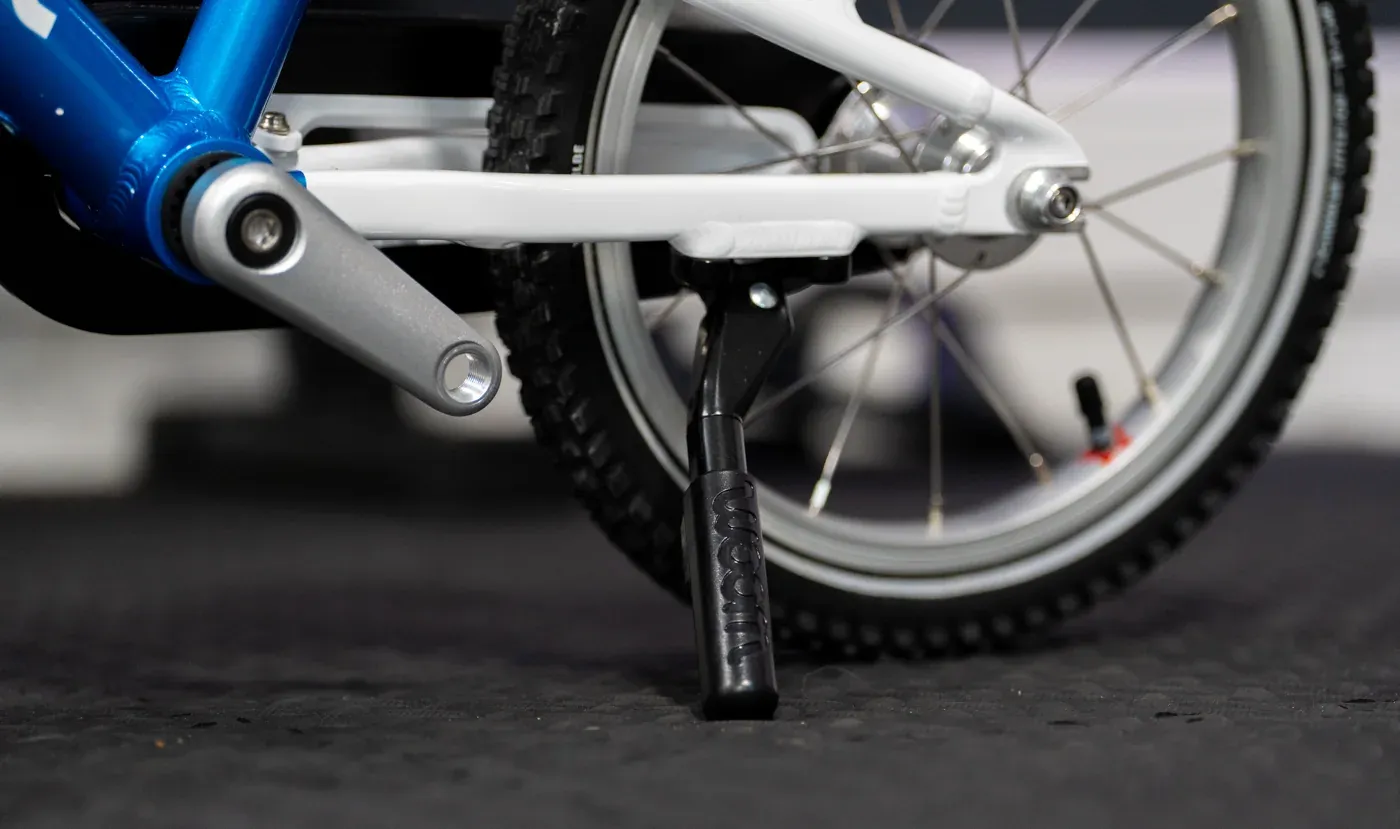
And it finally has a kickstand, the LEGGIE, which sits back on the chainstay clear of my pedals and springs up if I forget it.
I once suggested my bikes should have a little leg like my toy giraffe. Someone at woom was clearly listening.
The freewheel swap was the smartest thing my parents did
Here is something the product photos do not tell you. In the US, the GO 2 ships with a coaster brake, which the government requires on little bikes like this (a CPSC rule, my dad says).
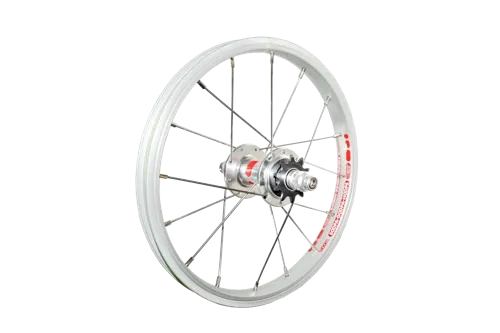
A coaster brake means the pedals are connected to the rear wheel. Pedal backward and you brake. It also means that when the bike rolls, the pedals turn whether your feet are ready or not, and kids learning to ride backpedal naturally, so the bike keeps stopping them dead mid-wobble.
For a kid who learned on balance bikes, that is confusing. I want to glide with my feet resting on the pedals while my brain sorts out the balancing, not play footsie with spinning pedals.
So my parents fitted woom's FREEWHEEL Kit, a $26 conversion that replaces the coaster hub with a freewheel hub, and it is the same advice nearly everyone who tests kids' bikes gives.
They told me this swap over took way longer than it should have and because they didn't quite have the right tools to remove the tire from the old wheel, they accidentally punctured the inner tube, and had to buy a new one; yikes glad I wasn't there during that ordeal!
Anywho... now the wheels coast freely while the pedals stay still, exactly like a grown-up bike.
The difference was immediate. I can push off, glide like I did on my GO 1, rest my feet, and add pedal strokes when I am feeling brave, with no surprise braking.
Three grown-up notes from my dad:
- The kit does not include a tire and tube, so the rear tire gets swapped over to the new wheel.
- The install is fiddly (the chainguard and coaster arm come off), so woom suggests a bike shop if you are not handy. And once the coaster is gone, all the stopping comes from the hand brakes, which I had already learned on my GO 1.
- If your toddler finds backpedal-to-stop intuitive and has never touched a brake lever, you can keep the coaster a little longer. For balance bike graduates, the freewheel is the move.
Pedaling is hard, and that is a me problem, not a bike problem
I am going to be honest with you, because that is what we do here. Learning to pedal has taken me longer than the "pedaling in minutes" kids you hear about.
Scooting is easy. Gliding is fun. But pedaling while balancing while steering while also keeping an eye out for lizards is a lot of jobs at the same time.
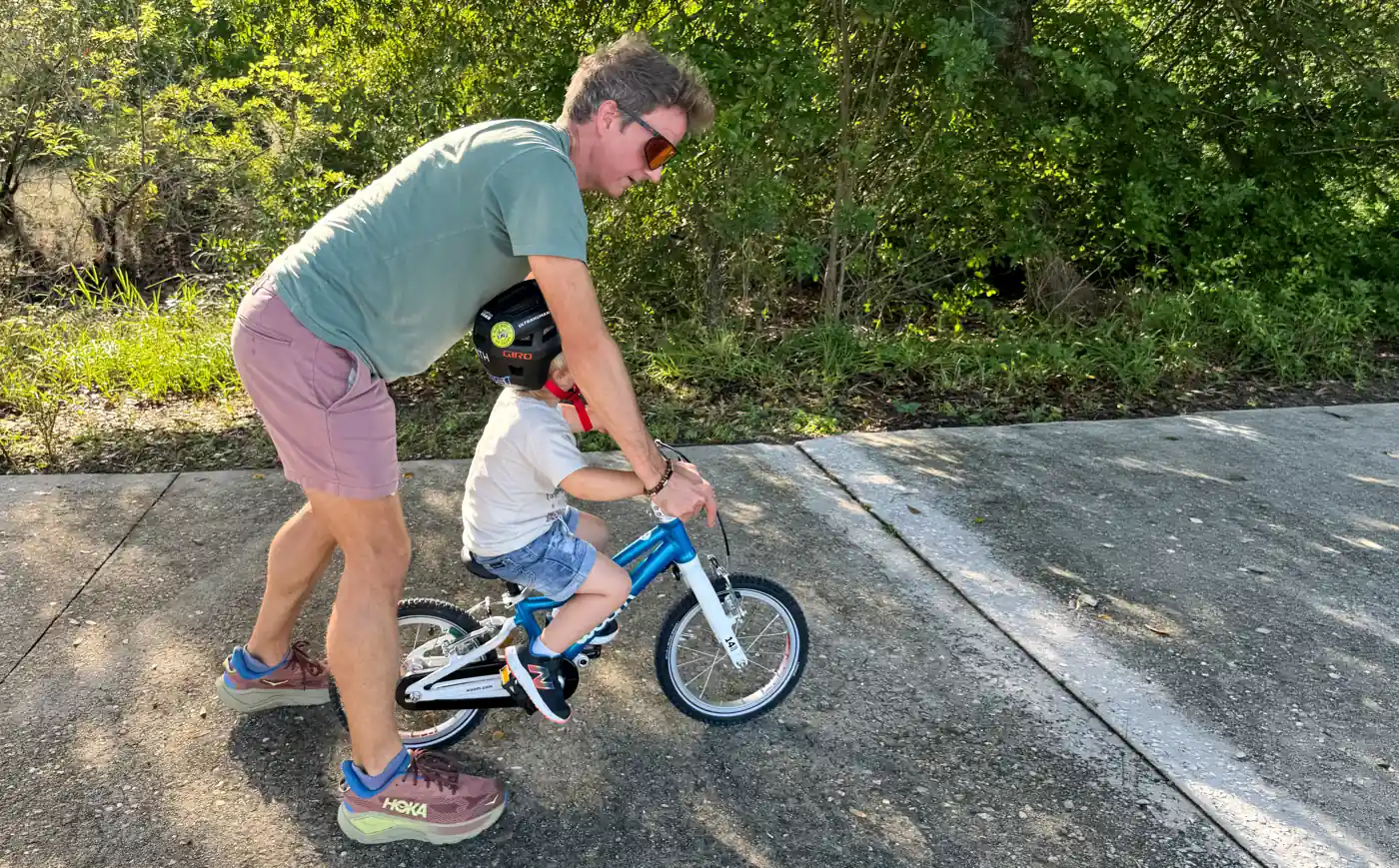
My dad's first training system first involved walking behind me holding my handlebars to give me a sense of safety, then we adapted our style where he walked behind me holding a towel looped under my arms, like a seatbelt with a human attached. Dignified? No. Effective? VERY.
And here is the good news: I am nearly there. I can now ride short stints completely by myself, no towel, no hands, just me and my metallic blue rocket.
None of the slow parts were the bike's fault.
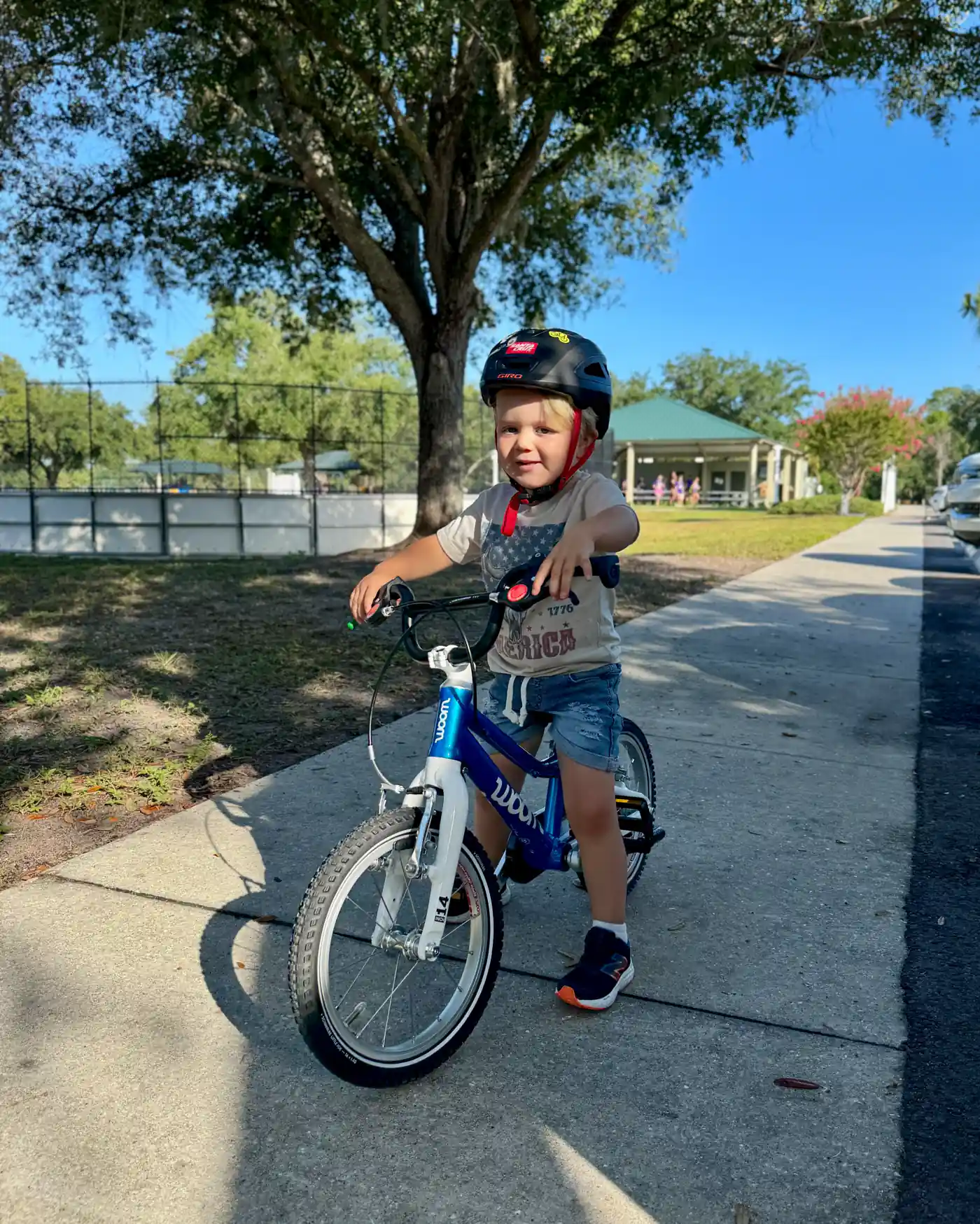
The upright position keeps me calm and looking where I am going, the long wheelbase makes the bike feel planted instead of twitchy, and the light wheels respond to small legs.
The one thing woom cannot sell you is a bike that pedals itself. I checked.
Two hand brakes, and the green one is genius
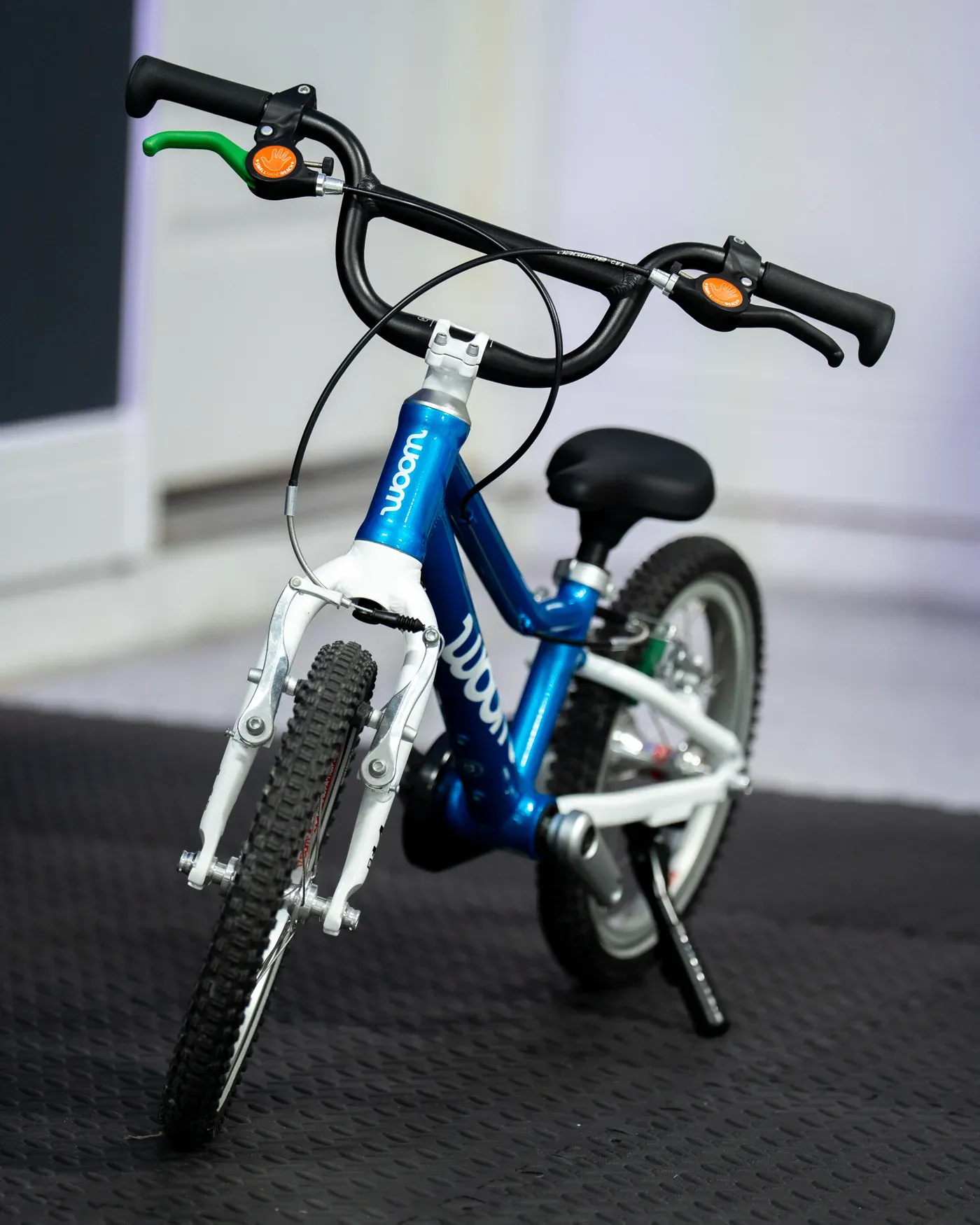
The GO 2 has two proper mini V-brakes with levers shaped for small hands that do not have much squeeze in them yet, and the reach adjusts without tools as my hands grow.
The clever bit is that the rear brake lever and pads are green.
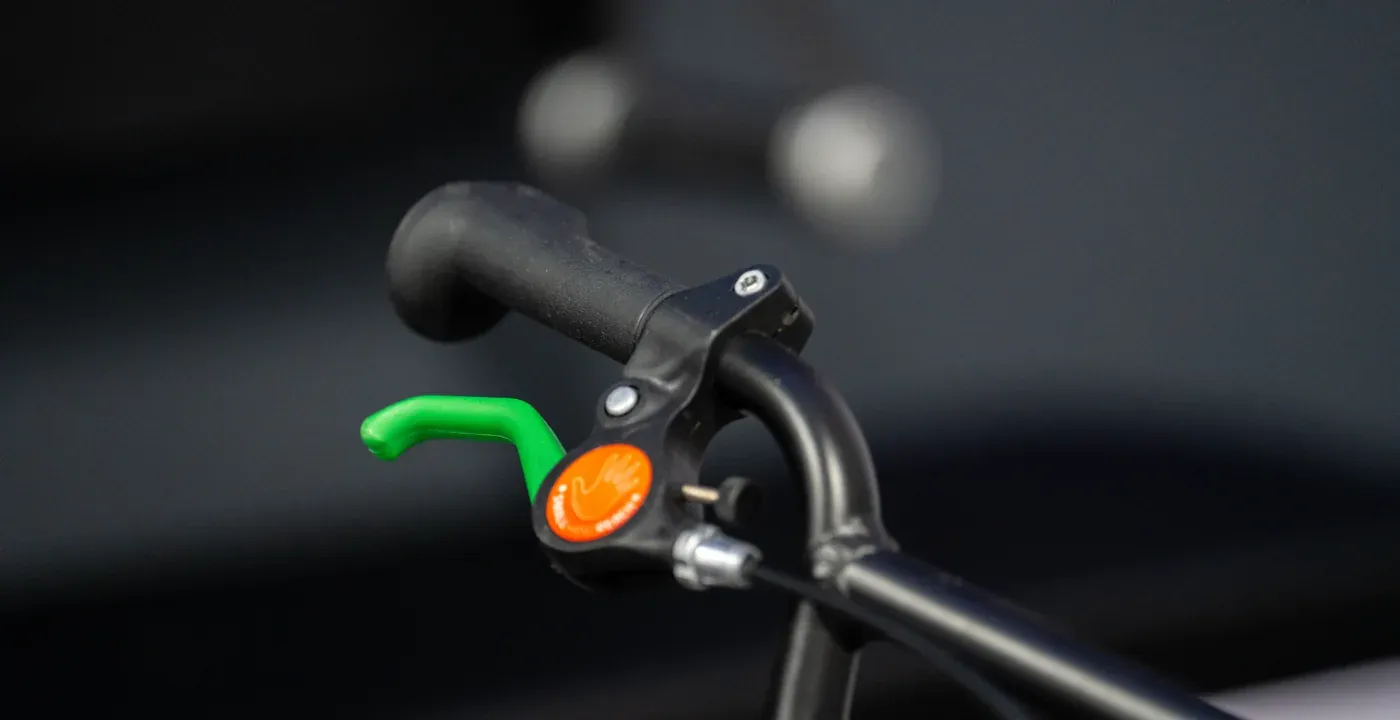
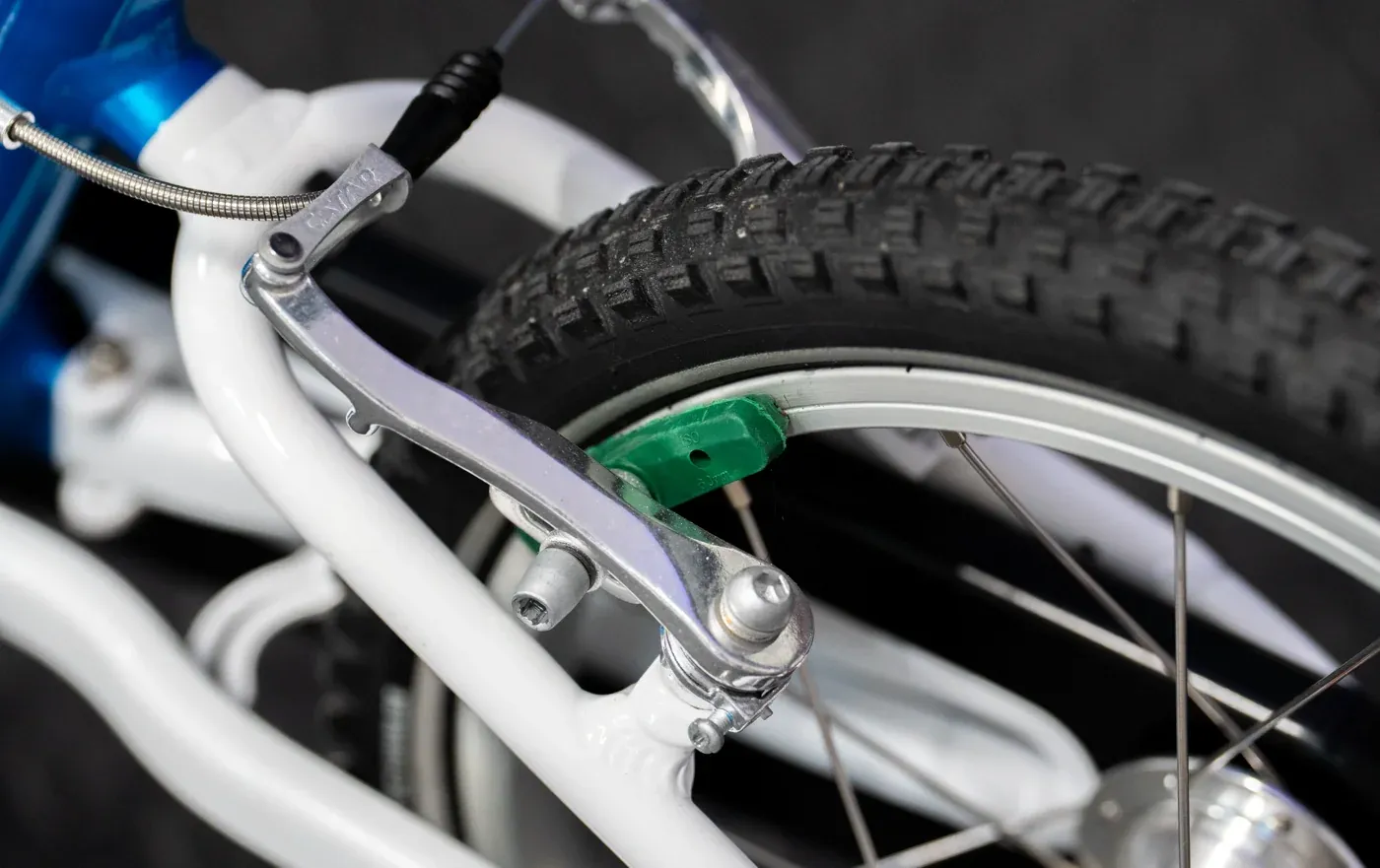
So instead of a lecture about left and right, my parents just shout "squeeze the green one!" and I know the bike will slow down gently instead of the front wheel doing anything dramatic.
Since I practiced hand braking on my GO 1, this part was not new to me. That bike's homework is paying off now.
One gear, and where this bike likes to ride
The GO 2 is single speed, with a slightly tall gear (18 teeth up front, 10 at the back).
In plain toddler terms, it takes a firm push to get going, then rewards you with real speed on the flat.
That suits me perfectly, because I live in Florida, where our steepest climb is the driveway. If your family rides real hills, know that one tallish gear means little legs will work hard going up.
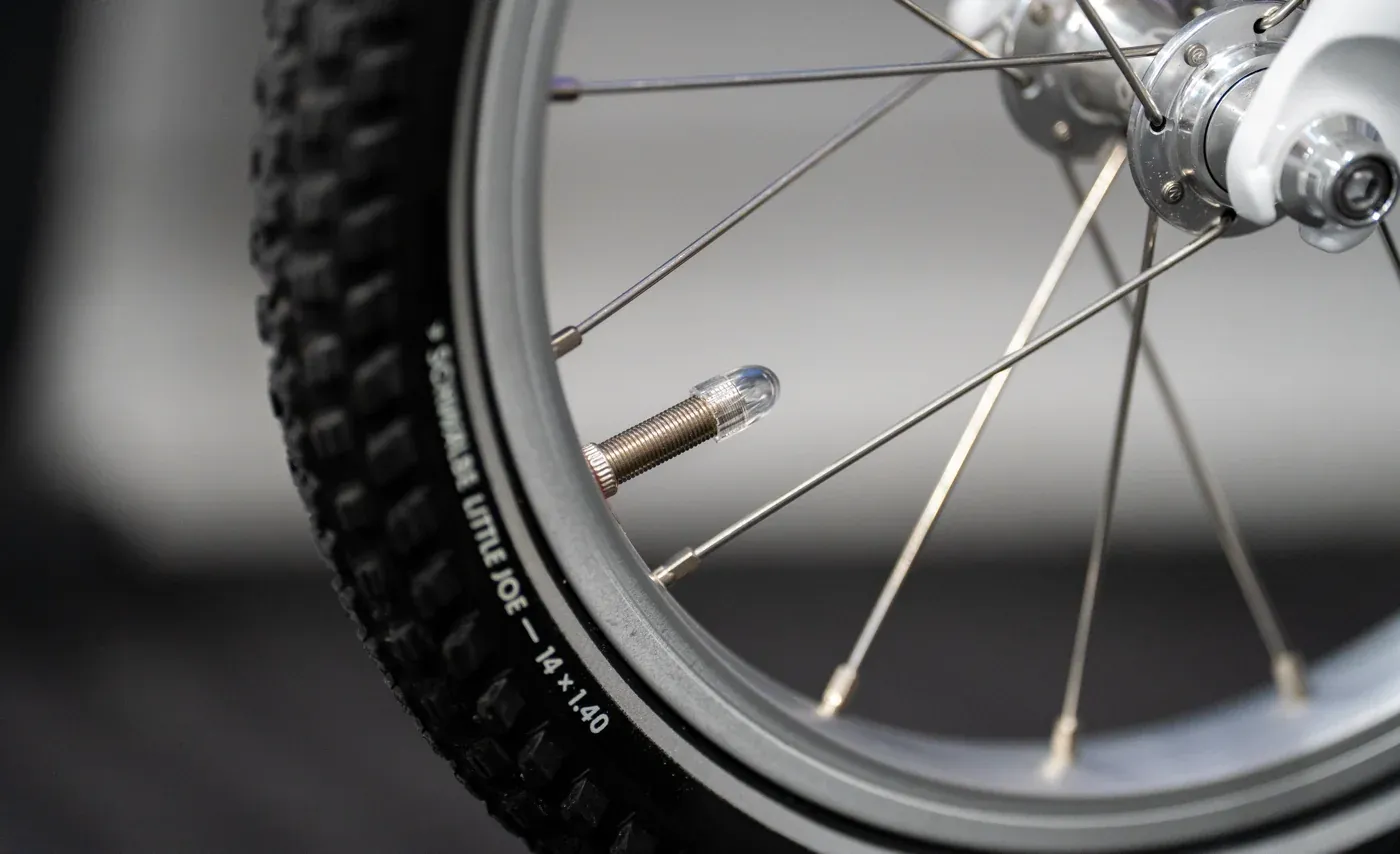
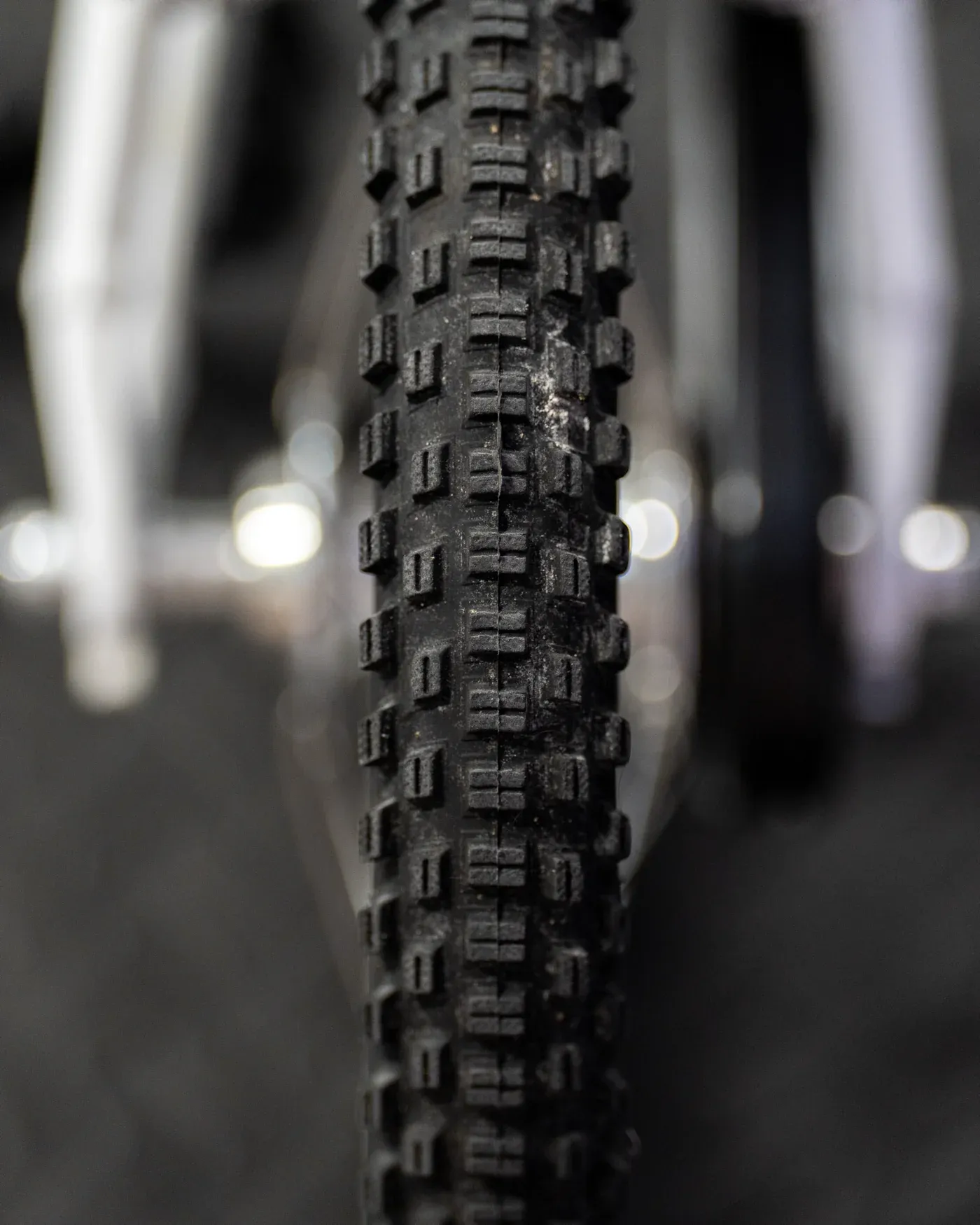
The Schwalbe Little Joe tires have a light knobby tread that grips nicely on pavement, sidewalks, and packed dirt paths, which is where almost all first-bike miles happen.
Deep sand and rough trails are not its happy place, and that is fine, they are not mine either.
I do wish the valve for pumping up the tires stuck out to the side a bit; that would make pumping up the tires much easier - My GO1 had this feature.
The small details are still the woom specialty
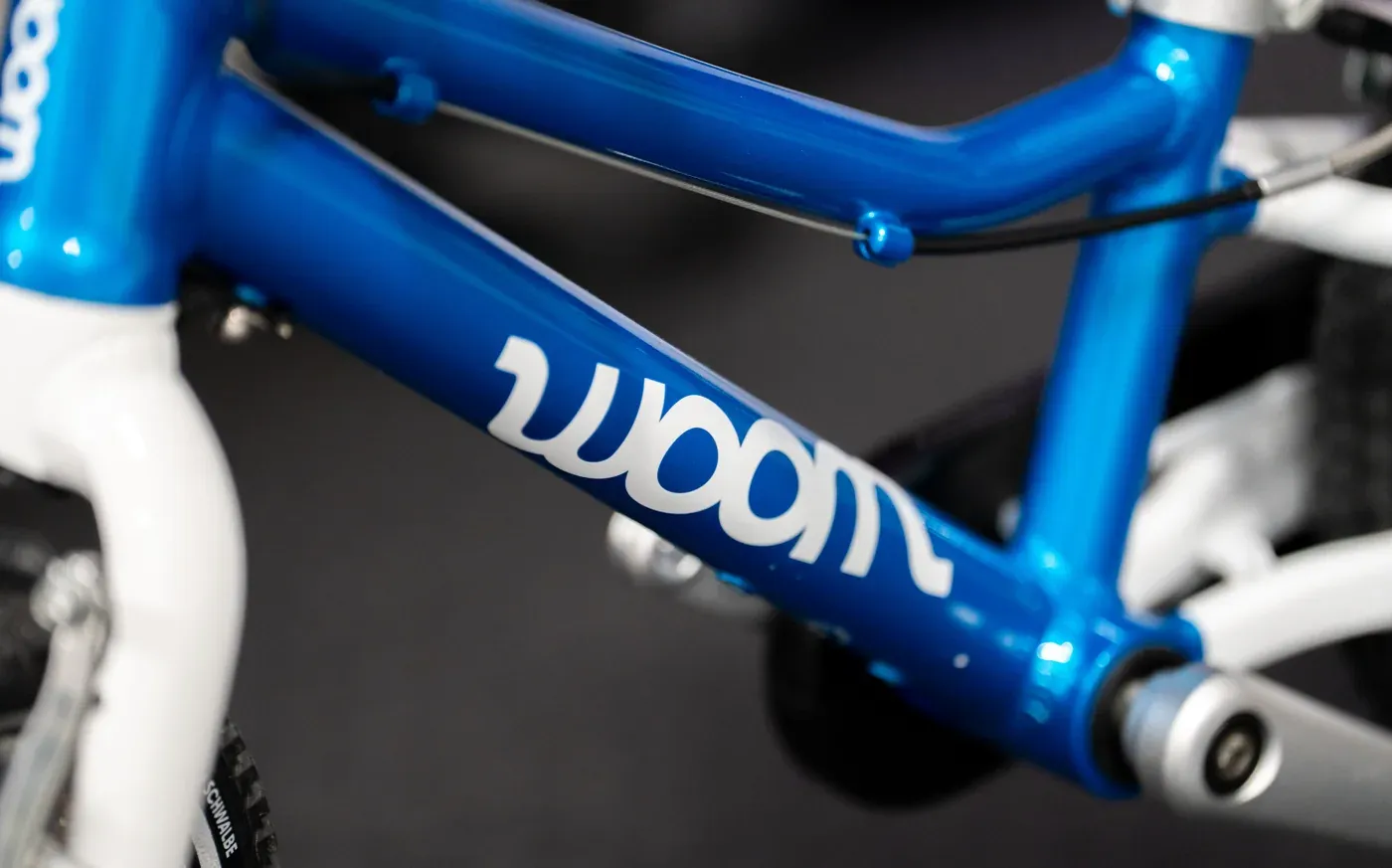
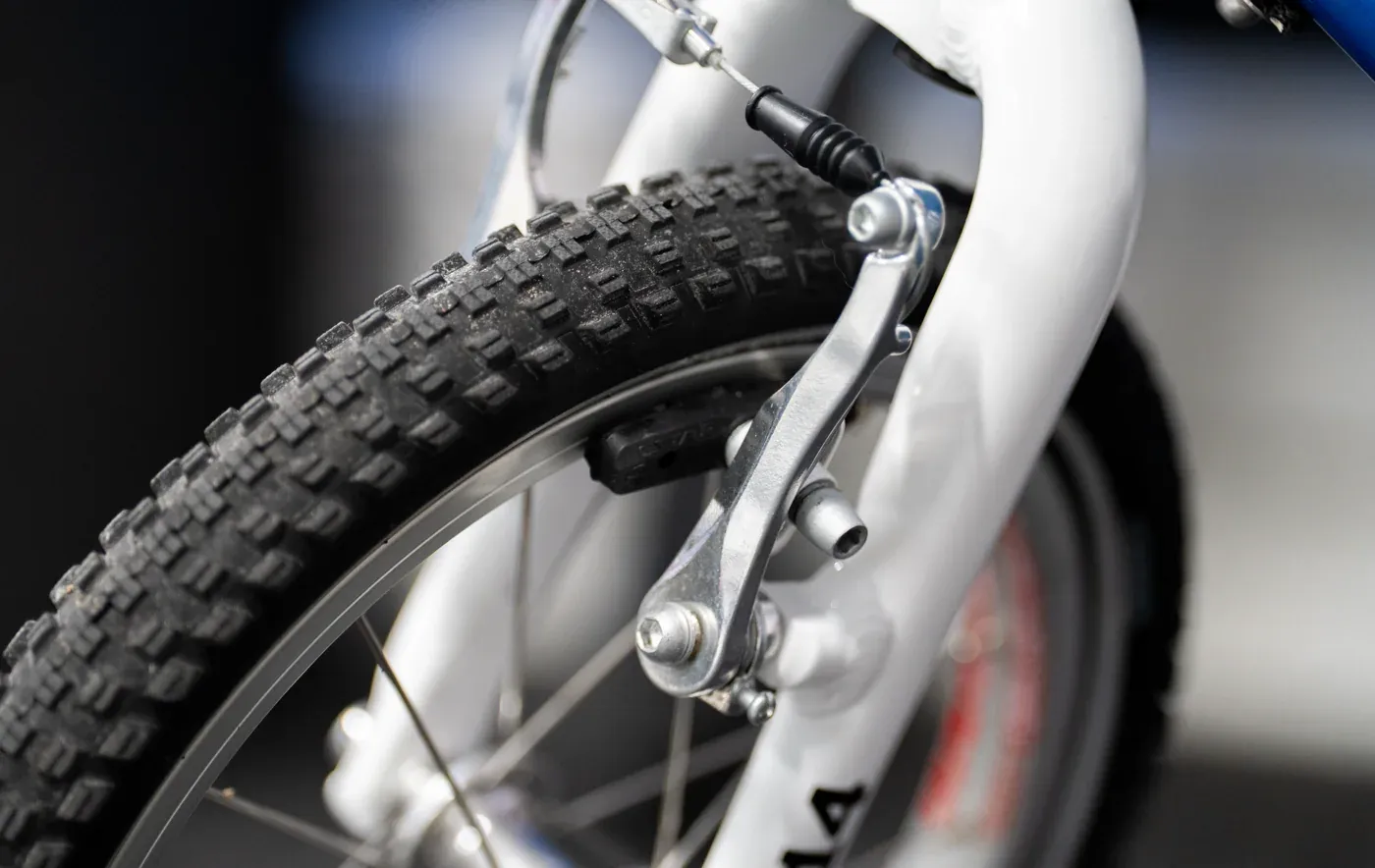
The flexible steering limiter is back, gently stopping my more creative handlebar inputs from turning into a jackknife, and it pops off later when I outgrow it.
The BMX-style riser bars put me in an upright, confident position, and the slim grips with oversized ends fit my hands and protect them when I park the bike horizontally at speed.
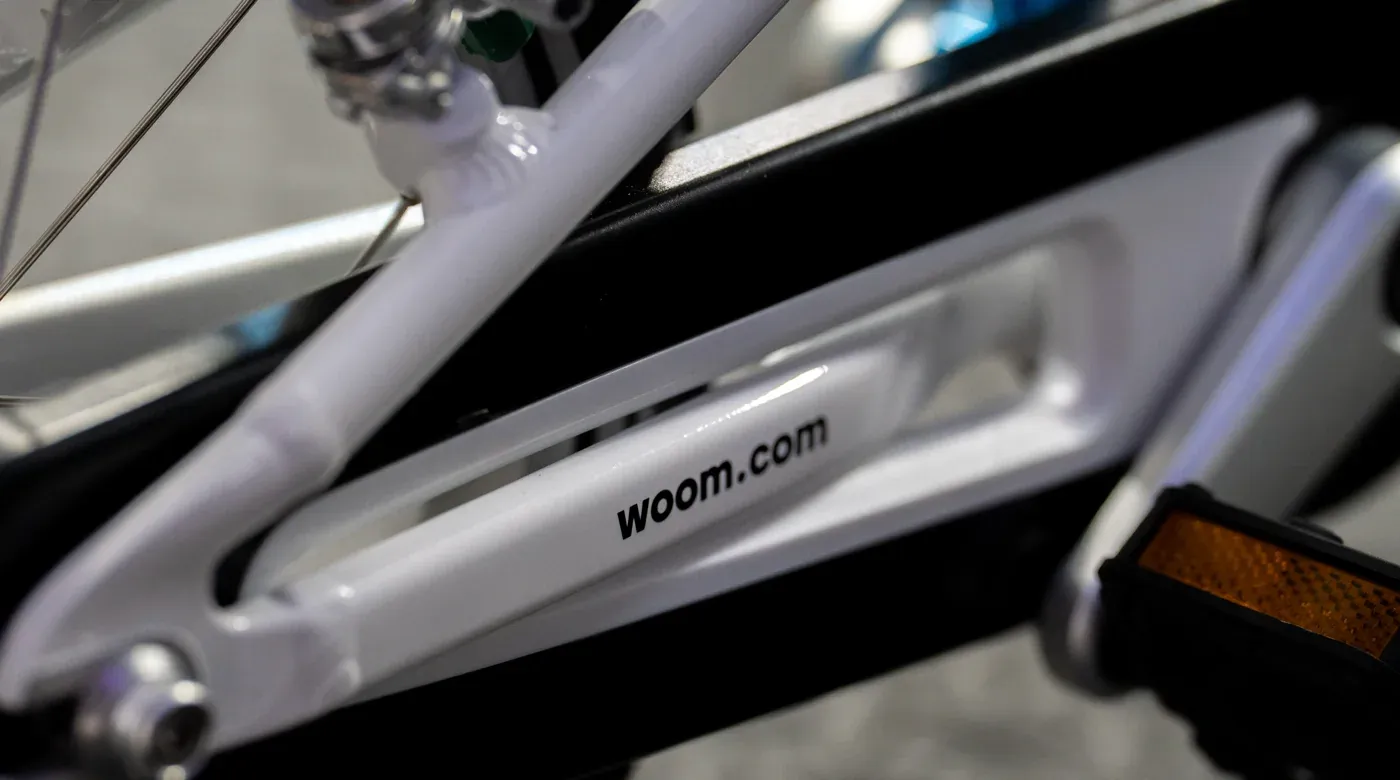
The enclosed chainguard keeps my fingers and pants out of the chain without rattling, the tires have reflective sidewalls so I am easy to spot, and the valves are the car type, so dad can top up the tires with a standard pump, it's just tricky to access, as mentioned earlier.
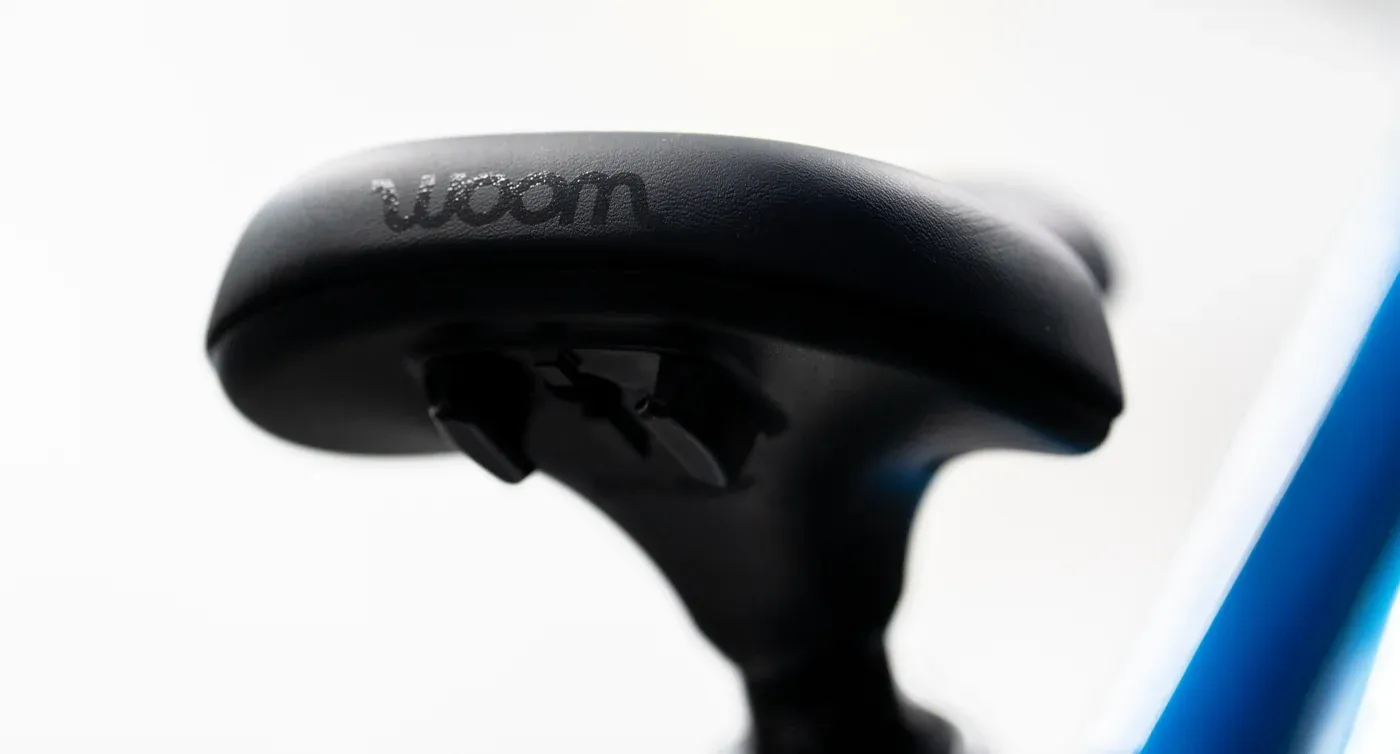
The saddle is also very comfortable to sit on.
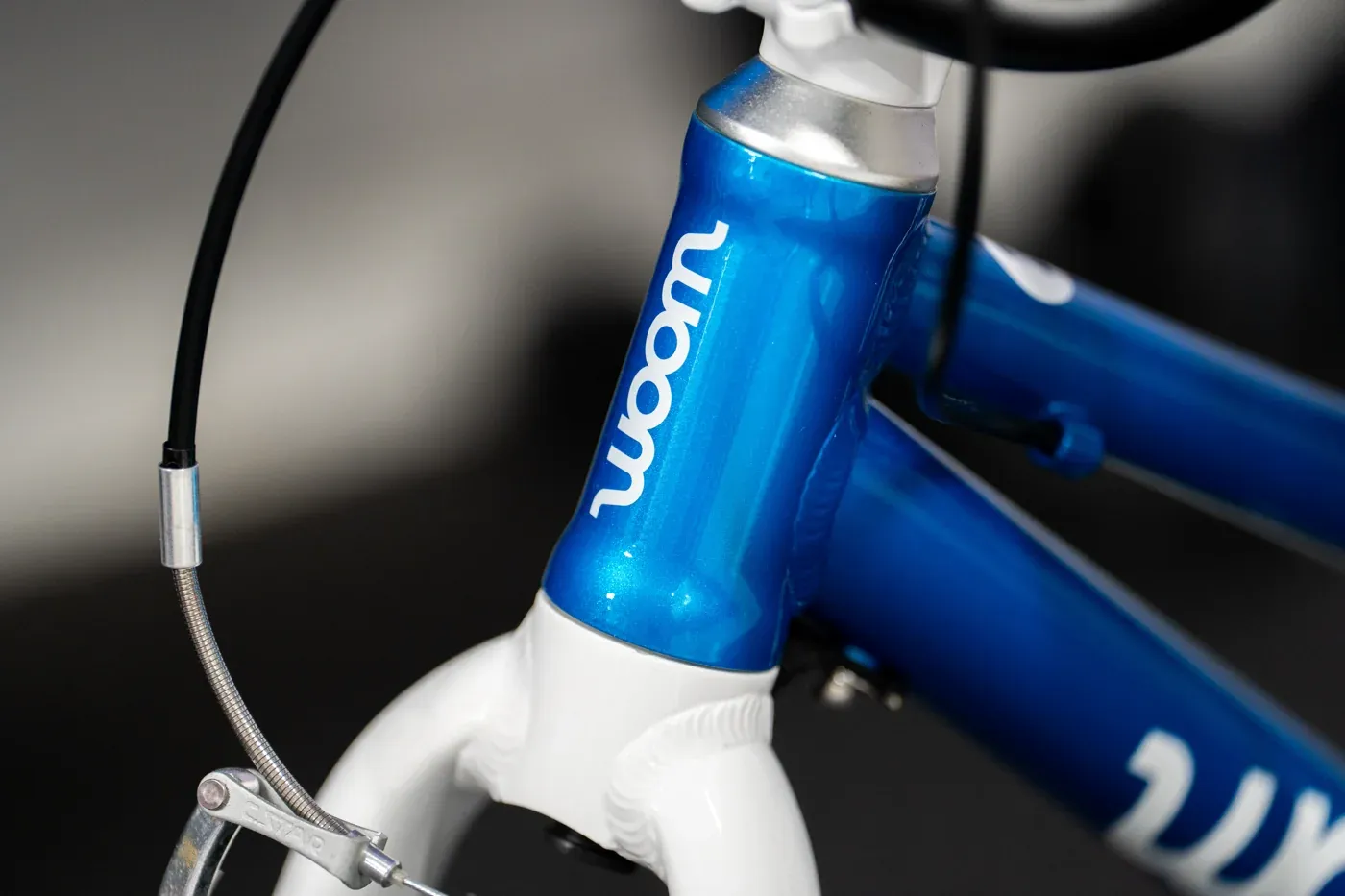
And the paint... WOW; The metallic blue is sparkly like a very expensive sports car, and I remain a person who loves cars very much; especially monster trucks right now, I never leave the house without one.
Two tiny gripes from our garage is that the little stickers on the brake levers and bars wear off faster than the paint deserves, and if you fit woom's handlebar basket, I hear there is nowhere left to mount a front light.
The price
Now for the grown-up problem. The GO 2 costs $459 at woom.com, for a bike I will fit for about a year.
By my math, that is 459 applesauce pouches, which means applesauce inflation has reached the bike shed too. So let's have the debate properly, because it is the only real argument anyone has about this bike.
The case against: cheaper 14-inch bikes exist, and they work; maybe not as well but they work. It also weighs about 16 lb, roughly 4 lb more than my woom GO 1, and on a bike this small, weight is the single thing that matters most.
The case for: this is a buy-nice-once bike that does not actually cost what it says on the tag. woom bikes hold their value unusually well, with families commonly reselling for 70 to 80 percent of the original price, and outgrown wooms get snapped up fast secondhand. Net of resale, or handed down to a little brother or sister, the real cost shrinks a lot.
Two money tips from my dad. Skip woom's $59 upCYCLING trade-in membership unless selling locally is a real hassle, because its 40 percent credit is usually beaten by just selling the bike yourself. And if a clean used GO 2, or a recent woom 2 ORIGINAL (the previous version of this same bike, made after February 2021 so the freewheel kit fits), turns up near you, that is the best value of all.
If your kid is on the small or sporty end of the spectrum, it is also worth knowing the field; the Biky Air 14 (in testing, and review coming soon), the bigger sibling of my first bike, is slightly lighter with slick tires but skips the kickstand, and the Prevelo Alpha One fits smaller riders and puts them in a lower, more aggressive position.
Who it is for and who should skip it
The GO 2 makes the most sense for a kid who is done with their balance bike and for parents who want one of the lightest, calmest, least frustrating paths to real pedaling, with no training wheels anywhere in the story (they do not even fit this bike, by design).
The upright, planted position is ideal for cautious and average learners like me. If your child is a fearless little charger already eyeing the pump track, a lower, sportier bike may suit them better.
If your child is between 37 and 43 inches tall with at least a 16 in inseam and can already glide confidently, this is the sweet spot.
Still mastering balance? Start with a balance bike like the woom GO 1 or Biky Air 12 first.
Biky Bikes Biky Air 12 review: My first bike and why I love it
I’m Sebastian, I’m 2, and this is the best way to learn to balance without falling on and hurting myself.
 Sebastian
Already near a 19 in inseam? Go straight to the GO 3.
And if budget is the priority, a heavier budget bike will still technically work. It will just make a hard skill a little harder to master.
My verdict
The woom GO 2 is the best first pedal bike money can buy right now, and for once, nearly everyone who has put a small child on one agrees.
Learning to pedal is hard, and that part belongs to the kid, not the bike. Some kids crack it in ten minutes. I am taking the scenic route.
What the GO 2 does is remove every excuse the bike could have added: it is light, stable, sized for my body instead of shrunk from a grown-up's, stops with brakes a 3-year-old can actually use, and with the freewheel kit fitted, it lets you learn at your own speed.
My Biky taught me to scoot. My GO 1 taught me to glide and brake. This one is teaching me to pedal, and I am so close that my dad's towel is about to go back to being just a towel.
Black Friday: $367.20, 20% off through December 1, applied automatically at checkout
Buy it nice once, ride it hard, then sell it or pass it down. That is the woom math, and it checks out even in applesauce pouches.
Now if you will excuse me, there is a very smooth stretch of driveway calling my name. This time, I am bringing pedals.
If you haven't already, signup for our free newsletter, and subscribe to our YouTube Channel for more quality content like this. -Alastair
Written by

Subscribe to new posts
Gear that earns its place, outdoors and at home | News, Reviews, Roundups







Member discussion