
Tonal vs Peloton: an honest comparison (they're not really competing)
Two of the best home fitness machines you can buy, but they do very different things, and that distinction matters more than any spec comparison.

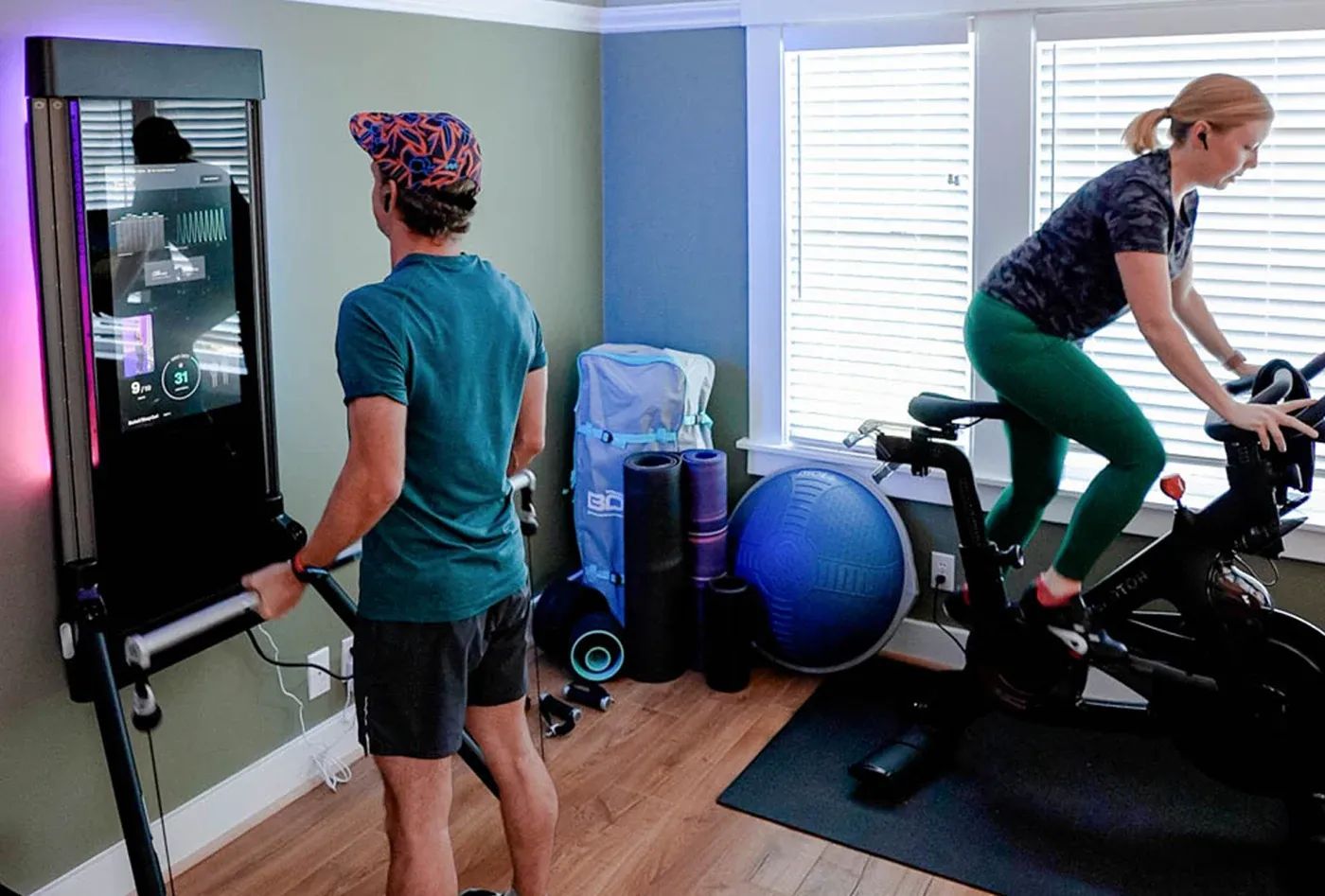
Here's what most Tonal vs Peloton articles get wrong: they treat this as a binary choice. Pick one, commit, done.
In practice, the people asking this question are usually active, fitness-minded people who want to build a complete home training setup, and when you actually spend time with both machines, the better question becomes less "which one?" and more "do I need both, and in what order?"
I've trained on both for a meaningful stretch of time. I'm a runner, and I use both machines as training tools alongside running rather than instead of it.
My honest take is that Tonal and Peloton are more complementary than they are competitors; they target different physiological systems, suit different training moods, and deliver very different experiences. Understanding where each one shines is more useful than a head-to-head score.
That said, most people are buying one, so let's look at both honestly.
If you purchase through links in this article, we may earn a small affiliate commission.
What each machine actually is
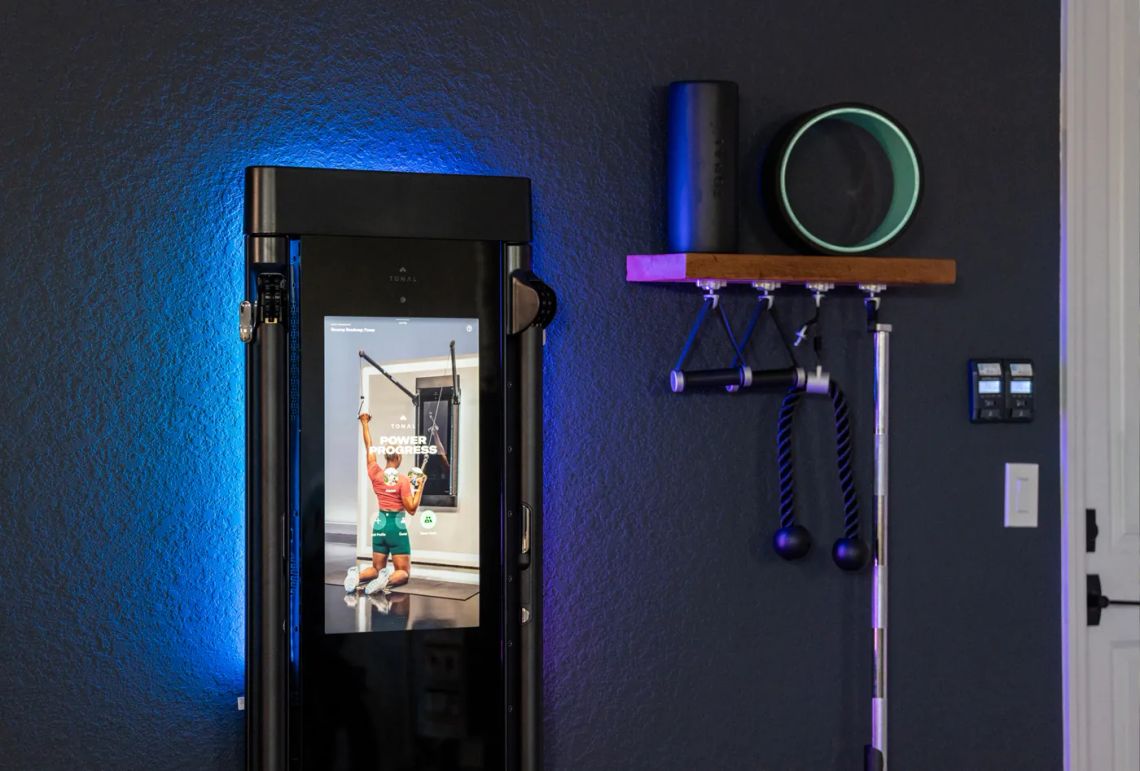
Tonal 2 is a wall-mounted electromagnetic cable machine with a 24" touchscreen.
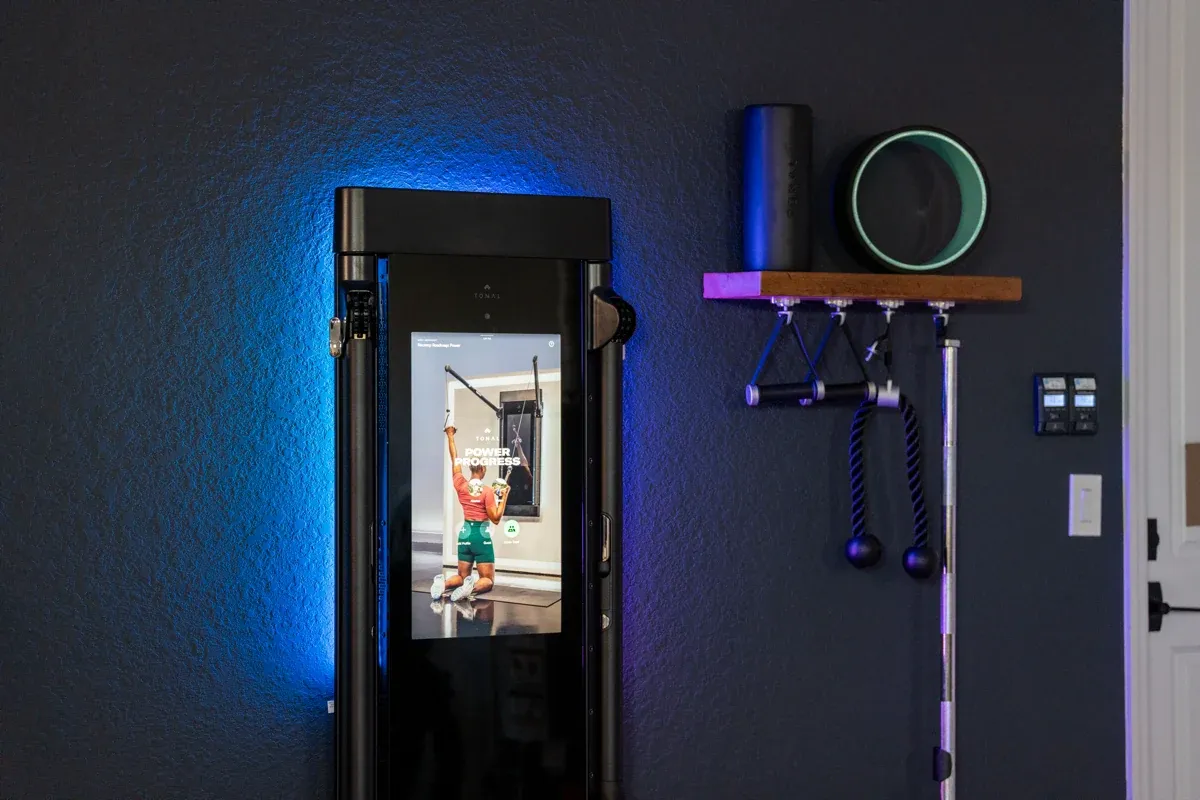
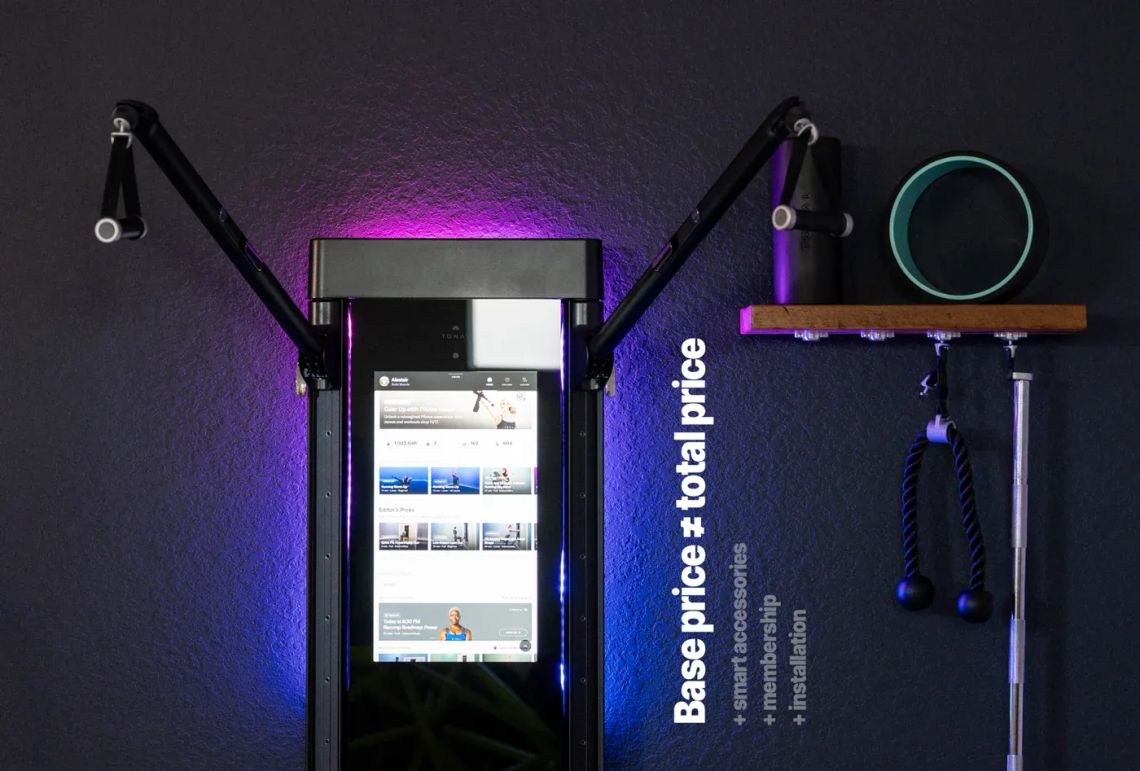
It delivers up to 250 lbs of digital resistance across two adjustable cable arms, with a subscription-based library of coached strength, HIIT, yoga, and mobility workouts. Its defining feature is the AI system; adaptive weight that adjusts rep by rep, Smart View form coaching, and a progressive overload engine that tracks your strength over time. Read my full Tonal 2 review for the complete picture.
Tonal 2 home gym review: a smarter, quieter, more complete strength system
How Tonal 2 has transformed my at-home strength training from a routine to a habit that I stick to.
 Alastair Dixon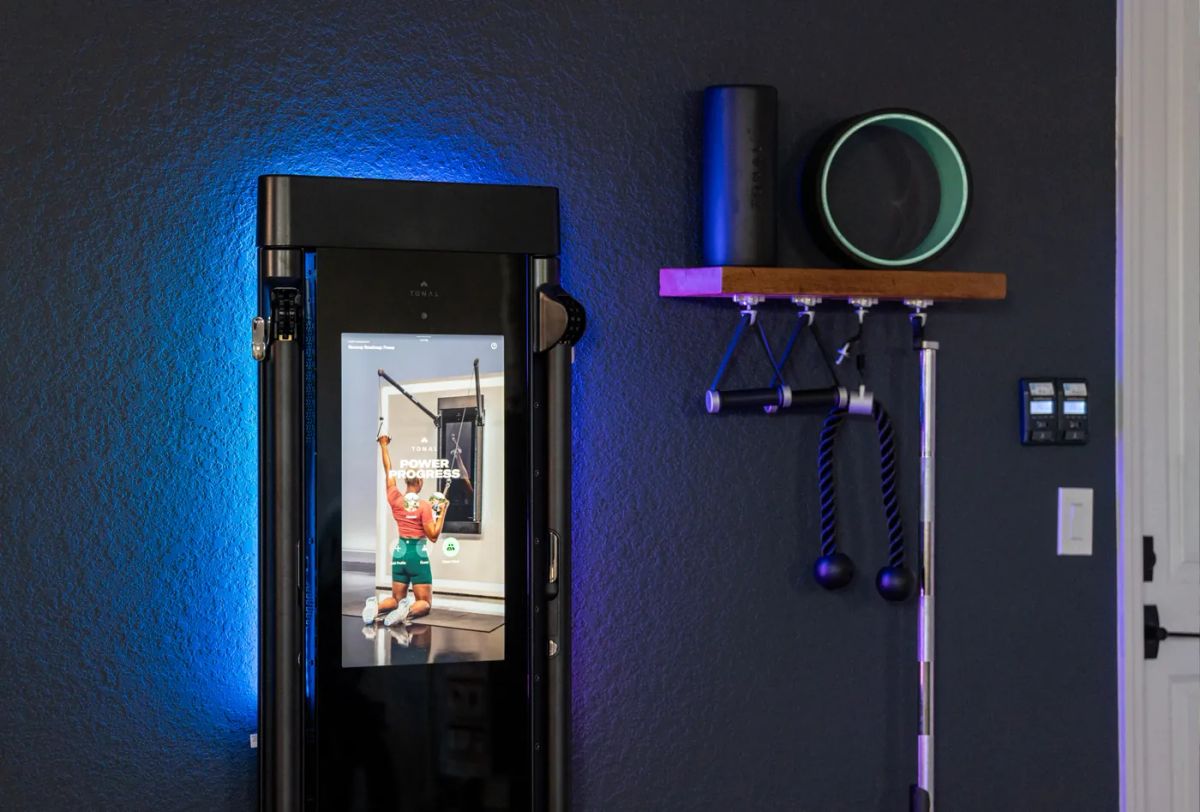
Peloton is a connected fitness platform that started with a stationary bike and has expanded into a full ecosystem: the Cross Training Bike and Bike+, Tread, Tread+, and Row+.

The recently relaunched Cross Training Series adds a 360-degree swivel screen to the Bike+ and integrates Peloton IQ, an AI system that provides real-time form correction and rep tracking for off-bike strength and mobility workouts.
The All-Access Membership ($49.99/month) gives your entire household access to the full class library across cycling, running, rowing, strength, yoga, meditation, and stretching, on or off the hardware.
A quick distinction worth making is that the base Cross Training Bike ($1,695) keeps the screen fixed and is primarily an indoor cycling bike. The Bike+ ($2,695) adds the 360-degree swivel screen that makes off-bike classes like yoga, stretch, strength, Pilates, genuinely practical without contorting around a fixed display. Everything I reference in this comparison about off-bike workout capability is a Bike+ feature. If you're buying the base Bike, assume it's primarily for riding.
These are not the same machine, they don't occupy the same category, and that's the crux of the comparison.
Pricing: a real difference
| Tonal 2 | Peloton Bike+ | |
|---|---|---|
| Hardware | $4,295 | $2,695 |
| Installation | $295–$550 | Included |
| Subscription | $59.95/mo | $49.99/mo |
| Year-one total (approx) | ~$5,800 | ~$3,995 |
| Ongoing annual cost | ~$720 | ~$600 |
Peloton is meaningfully cheaper on both hardware and subscription. The Cross Training Bike (not Bike+) at $1,695 makes the gap even wider for buyers who don't need the swivel screen.
The important caveat is that Tonal's subscription covers a machine whose primary value is strength training. Peloton's subscription covers an entire platform (cycling, running coaching, rowing, yoga, strength, and meditation) that can replace multiple gym categories in one membership. On a per-workout-category basis the value comparison shifts considerably.
For a full breakdown of what Tonal actually costs across year one and beyond, including installation, accessories, and how the numbers change per household member, our Tonal pricing guide and cost calculator runs through every component in detail.
How much does Tonal 2 cost? + free calculator
Every cost you need to know before you buy; machine, installation, subscription, accessories, and how it compares to a gym membership or personal trainer over time.
Alastair Dixon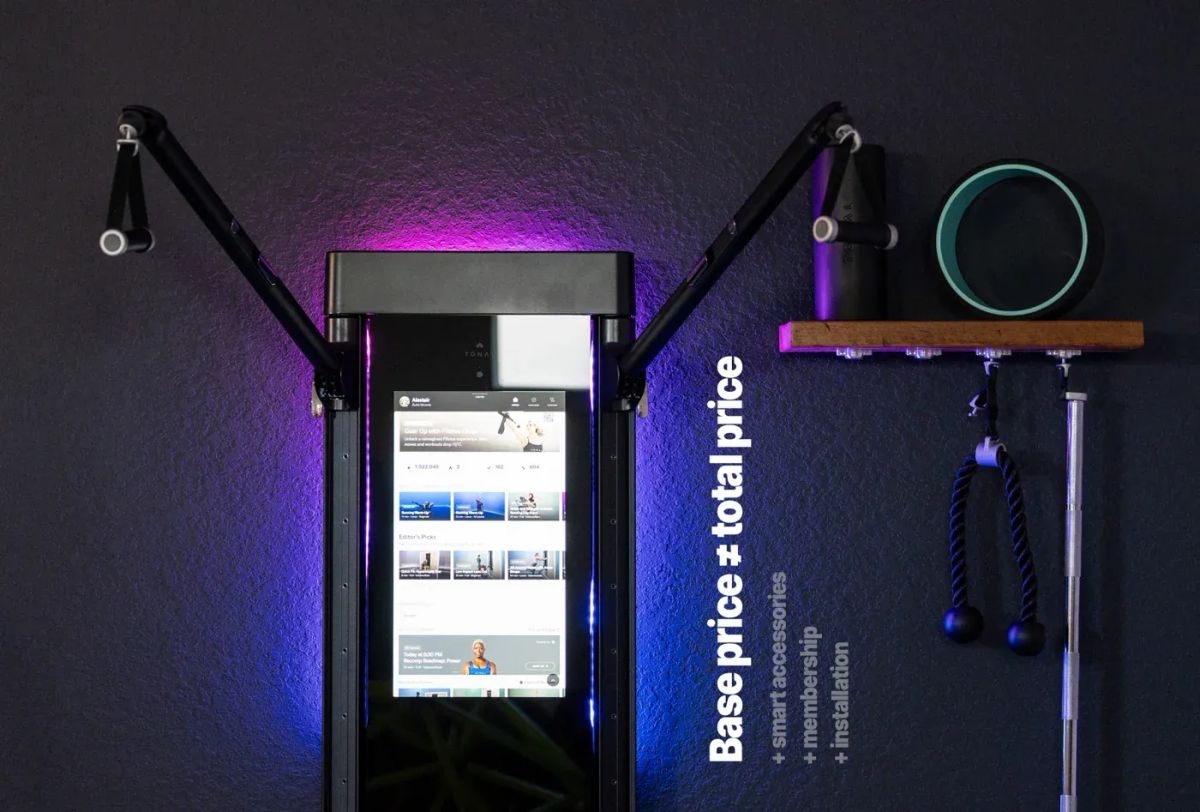
Both are HSA/FSA eligible via Truemed, which can take 30% off the hardware cost for qualifying buyers. Worth checking before you buy either.
What each one does best
Tonal: strength training, full stop
Tonal is the most sophisticated strength training tool available for home use. The adaptive weight system tracks your output rep by rep and adjusts load based on fatigue and performance, not just in a single workout but over the course of your strength building journey.
The Smart View camera analyses your movement and flags form issues in real time, and can take a selfie of you after each workout to help you track your progress.


The progressive overload tracking means your programme adapts automatically rather than requiring you to manually manage your own periodisation.
If your goal is to get meaningfully stronger over time; and to do so with the kind of structured, coached progression that produces real results, then Tonal is genuinely difficult to match.
The cable machine format means you can do almost everything a commercial gym offers for strength: chest press, rows, deadlifts, lat pulldowns, flyes, curls, tricep work, squats, hip hinges. The range of movement is wide, the resistance is substantial, and the coaching scaffolding is excellent.
What Tonal isn't: a cardio machine. There are HIIT and Aero classes in the library that will get your heart rate up, and I've found these genuinely effective for building work capacity, but if aerobic fitness is your primary goal, Tonal alone isn't the right answer.
Peloton: cardio, community, and a surprisingly broad library
Peloton built its reputation on indoor cycling, and the bike remains the product it does best. The ride quality on the Bike+ is excellent; smooth, quiet, with 100 levels of resistance and the auto-follow feature that syncs the bike's tension to instructor callouts.


The class library is deep and well-produced, the instructors are genuinely skilled coaches, and the community features (leaderboard, high fives, social challenges) create a motivational environment that a lot of people find harder to replicate on a home machine than they expected.
But the Bike+ has become considerably more than a spin bike since the Cross Training Series relaunch. The 360-degree swivel screen means you can step off the bike and follow yoga, strength, stretch, Pilates, and meditation classes using the same machine and subscription.
Peloton has invested significantly in this off-bike library, and it's genuinely useful, particularly for runners who need more than just cycling.
The Tread+ extends the platform into running (with a 12-mile-per-hour top speed and a 15% incline), and the Row+ covers rowing. If you're building out a home fitness ecosystem over time, Peloton's platform scales with you in a way Tonal's doesn't.
The runner's perspective
I want to be direct about how I actually use these machines, because it's probably not the way most people expect.
I use the Peloton primarily for three things: stretch and yoga sessions using the off-bike class library, low-impact cardio and active recovery, and hill simulation when conditions make running outside impractical due to things like bad air quality from wildfires, extreme heat, or days when I need the load of climbing without the impact.
For a runner in Florida or anywhere with unpredictable conditions, a stationary bike that can simulate grade changes and load the aerobic system without pounding is a genuine training tool, not just a fallback. I run alot of mountain races around the world so I have to get create when it comes to training for elevation.
The Tonal, counterintuitively, supports my aerobic fitness through a different route: structured strength training makes me a more resilient, efficient runner.
Hip strength, single-leg stability, core strength, posterior chain work, upper body conditioning for running economy; Tonal handles all of this with a level of organisation and progression I couldn't replicate with free weights and a programme I was managing myself. Strong runners get injured less and recover faster. That's the real aerobic payoff from the Tonal.
Both machines complement running training. They just do it through different pathways.
Where they overlap, and where the comparison gets complicated
The Bike+ with its swivel screen and Peloton IQ now does some of what Tonal does: off-bike strength training with AI form guidance and rep tracking, recommended weights, and progression. And Tonal's Aero HIIT sessions deliver a genuine cardiovascular workout.
So there's overlap at the edges. But the overlap is surface-level. Peloton's off-bike strength library works with handheld dumbbells, it doesn't replicate cable machine movements, and it doesn't deliver the adaptive loading and progressive tracking that define Tonal's strength system. And Tonal's cardio output, while real, doesn't match the volume, variety, or machine quality of a dedicated Peloton Bike session.
Think of it this way: Peloton is 90% cardio with genuine strength capability. Tonal is 90% strength with genuine conditioning capability. If you need both in equal measure, you need both machines.
Who should buy Tonal
You're primarily motivated by getting stronger, building muscle, or improving body composition. You want a coaching system that manages your progression automatically. You're prepared for the wall-mount installation and the higher upfront cost. You want a cable machine that can replace a commercial gym for strength work. Your home has a suitable wall, ceiling height, and floor space.
If you're not sure whether your space qualifies, our Tonal installation guide covers exact dimensions, wall requirements, and what to expect on the day; it's worth reading before you order.
Tonal is also the better fit if you already do cardio outside (running, cycling outdoors, swimming) and are adding strength work to a training plan that's already cardio-heavy.
Who should buy Peloton
You want a primary cardio training tool with a world-class library of instruction. You value community and the leaderboard dynamic. You're a runner or outdoor athlete who needs an indoor cardio option for bad weather or injury periods. You want access to yoga, stretch, meditation, and mobility alongside cycling, all under one subscription. Your budget favours a lower entry price.
The Bike+ is specifically compelling for runners because of the hill simulation capability: Power Zone and Climb rides that load the aerobic system with varied intensity closely mirror the demands of outdoor running without the ground impact.
Who should buy both
Honestly, more people than you'd think. If you're serious about training, the combination of a world-class strength system and a world-class cardio platform creates a home gym that competes with a commercial facility in almost every meaningful way.
Tonal handles progressive strength training. Peloton handles cardiovascular fitness, recovery sessions, yoga, and conditioning. They don't duplicate each other.
If budget requires sequencing, the order depends on your current training gaps. If you're already doing plenty of cardio but not strength training consistently, start with Tonal. If you're strong but your aerobic base needs work, start with Peloton.
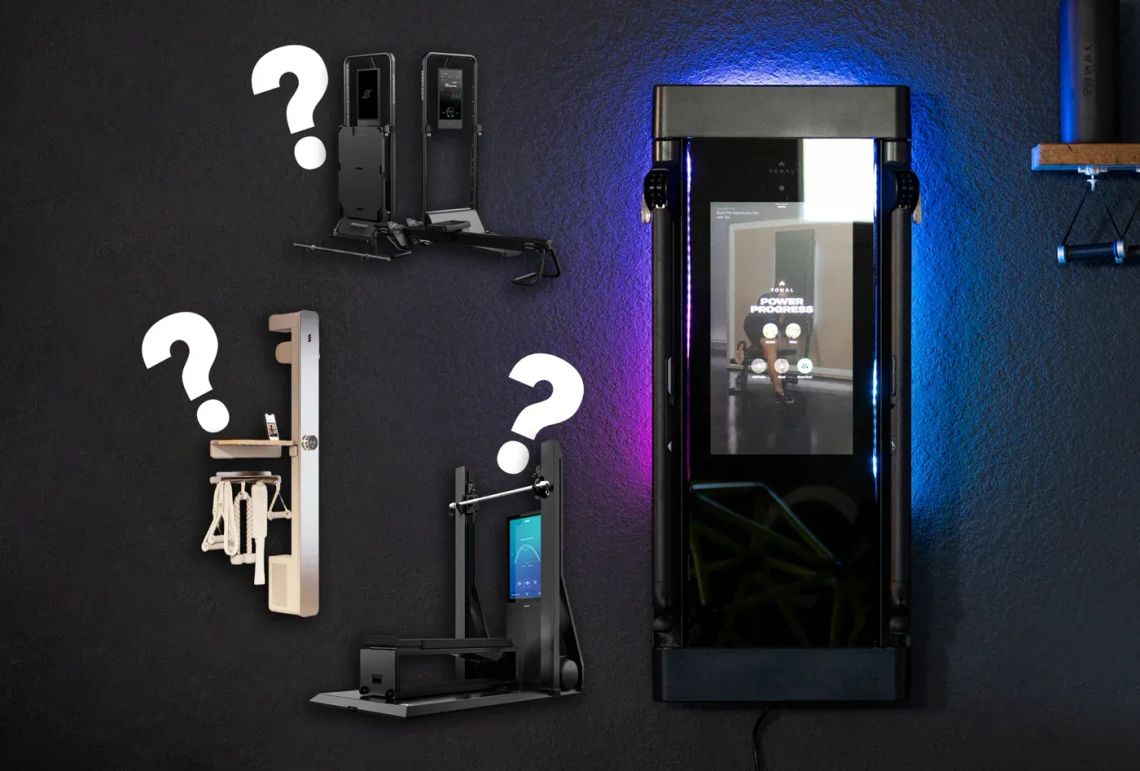
If Tonal's price point is the sticking point, our best Tonal alternatives guide covers five other smart home gym systems; including options that are freestanding, cheaper, or don't require a subscription — and when each one makes more sense than Tonal itself.
My verdict
Neither machine is better than the other. They're measuring different things.
If I could only keep one, I'd keep Tonal because strength training is the modality I was most inconsistently doing before I had a dedicated home system for it.
Peloton's cardio I can replicate outdoors when conditions allow. Tonal's AI-coached strength progression I can't replicate anywhere else without going to a commercial gym and managing my own programme.
But I've found genuine value in both, and I'd be dishonest if I described choosing between them as a straightforward decision.
If you're building a serious home training setup, the better question is: what are you consistently missing from your current training? Buy that one first.
Tonal 2 — from $4,295 | Peloton Bike+ — from $2,695
If you haven't already, signup for our free newsletter, and subscribe to our YouTube Channel for more quality content like this. -Alastair
Written by

Subscribe to new posts
Gear that earns its place, outdoors and at home | Reviews, Roundups, News








Member discussion