
Salomon S/Lab Genesis 2 review: is the racer upgrade worth $50 more?
The Salomon S/Lab Genesis 2 is a precise, low-stack technical trail shoe with premium materials and an integrated gaiter. Here's whether it justifies the $200 price.

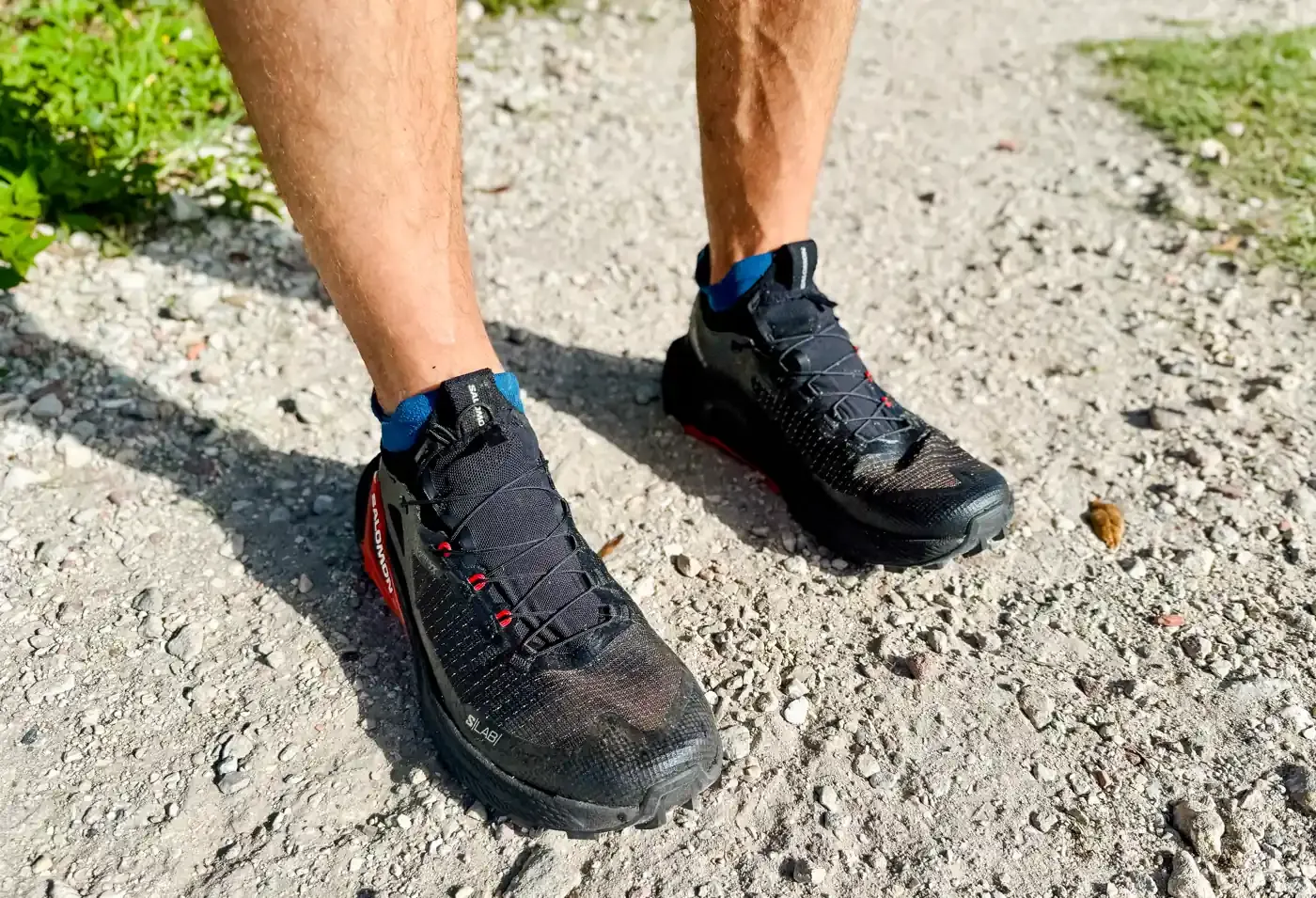
Salomon's S/Lab line is where the brand puts its best materials and most race focused designs, and the S/Lab Genesis 2 is the sharpest example of that in its trail lineup right now.
At $200 it sits $50 above the standard Genesis 2, which raises an obvious question: what does the extra money actually buy you, and is it worth it?
The short answer is a lighter, lower, more precise shoe with premium materials throughout, an integrated gaiter, better rock protection, and a fit built for runners who prioritise control over cushioning.
This is a specialist tool rather than an everyday trail shoe. For fast technical running, rocky mountain terrain, and long adventure days where precision matters more than softness underfoot, it's one of the most capable trail running shoes available.
For everything else, the standard version may serve you better, and I'll explain why below.
If you purchase through links in this article, we may earn a small affiliate commission.
Key specifications
- Price: $200 at Salomon (available Aug 1)
- Weight: 9.3oz / 264g (US men's 9)
- Drop: 6mm
- Stack height: 31mm heel / 25mm forefoot
- Midsole: dual-density optiFOAM² with reengineered activeCHASSIS for guided stability
- Outsole: All-Terrain Contagrip with 4.5mm lugs and revised lug geometry
- Upper: Matryx Micro woven with individually coated Kevlar fibers, abrasion resistant and breathable
- Notable extras: integrated gaiter, Quicklace with lace garage, endoFit inner sleeve, profeelFILM rock protection, semi-protective toecap, medial protective pad
Sizing and fit
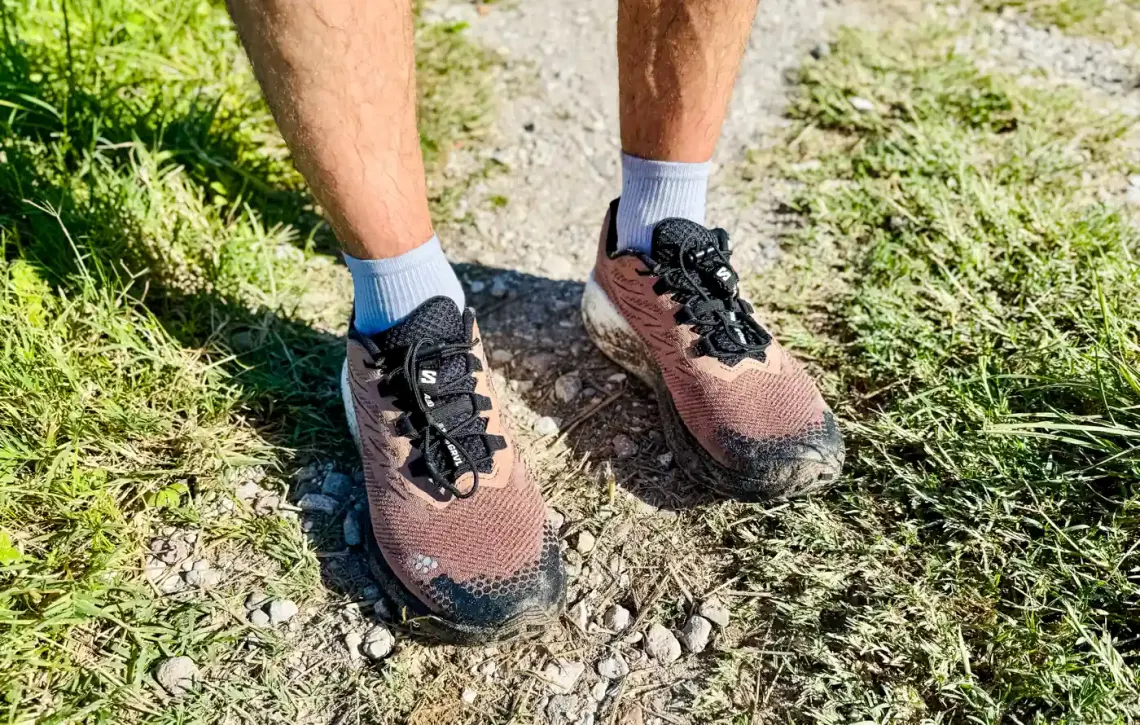
The S/Lab Genesis 2 runs true to size with a medium width.
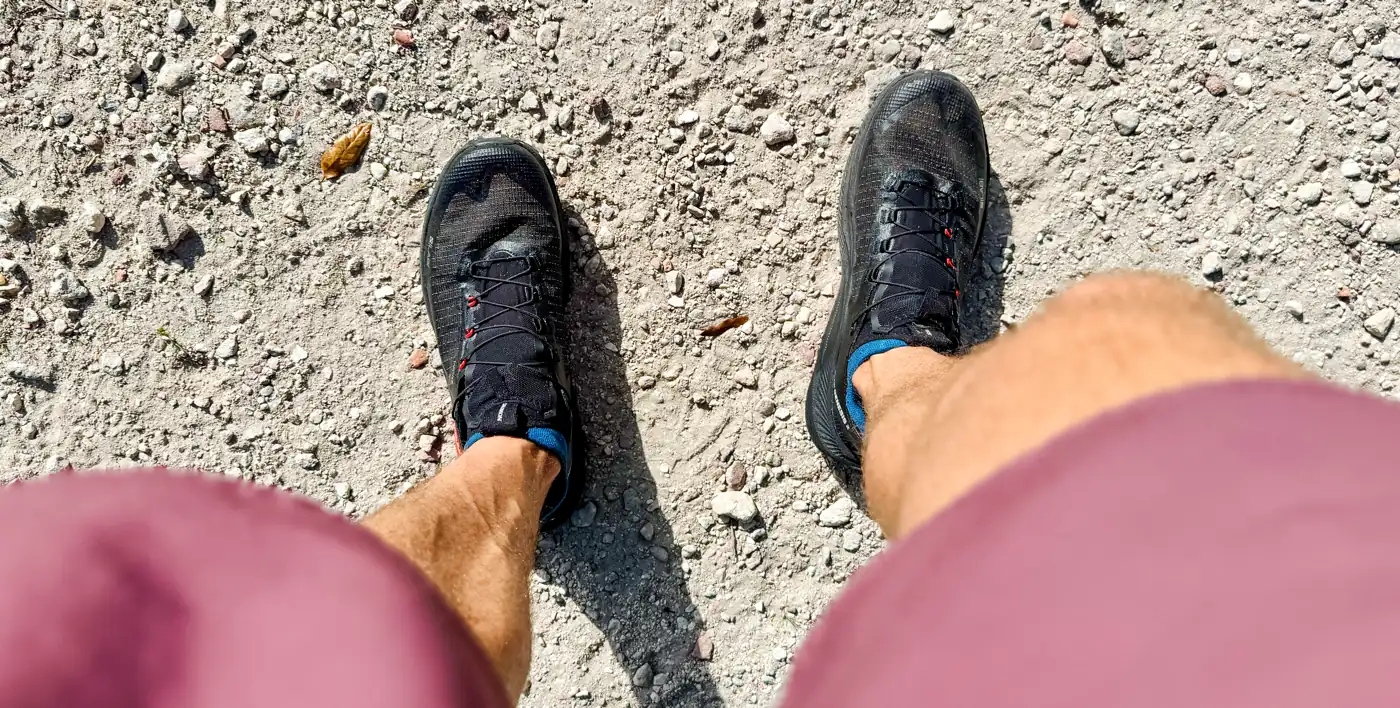
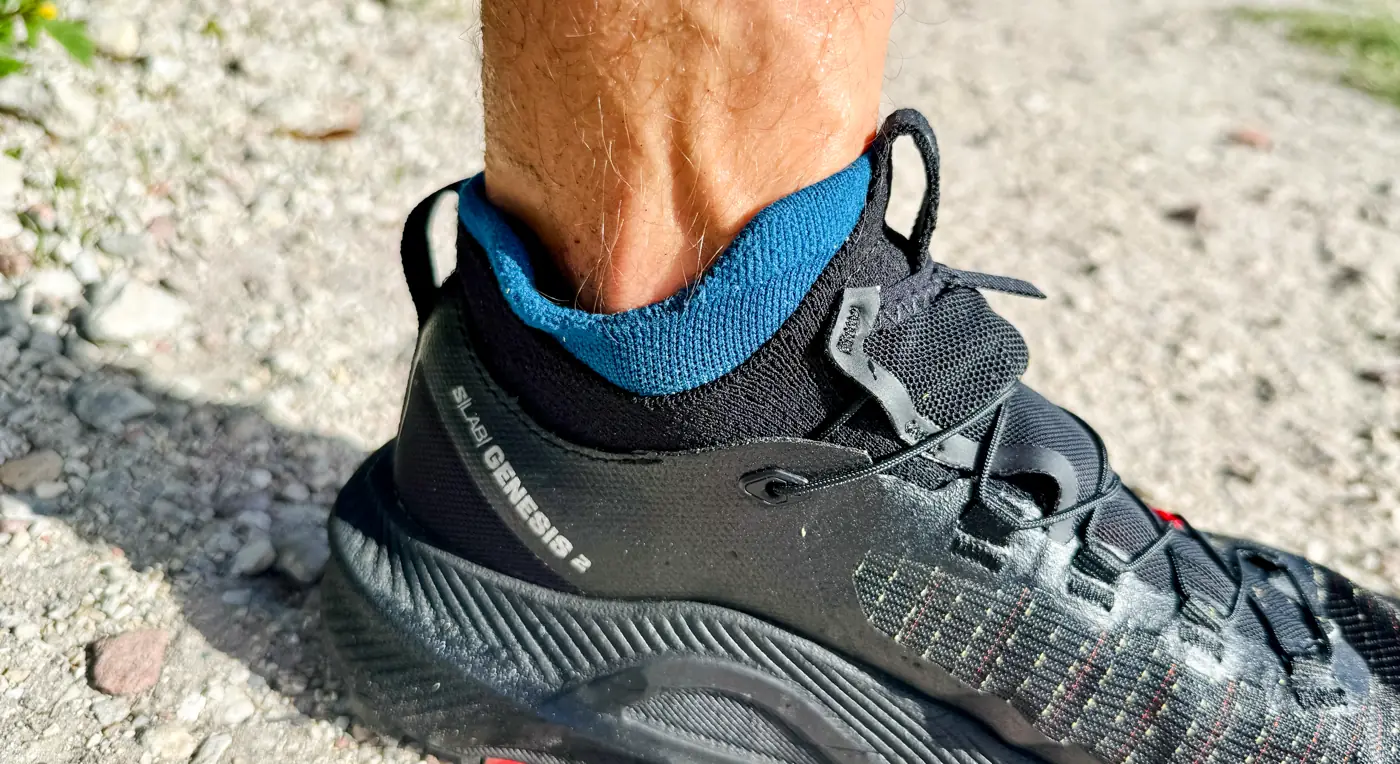
The midfoot is snug out of the box and breaks in nicely after a few runs, settling into a precise, secure hold. This is a race-oriented fit, and it's worth being clear about that.
Lockdown at the heel and midfoot is excellent, the integrated gaiter keeps debris out effectively, and the collars are well padded.
But if you have very wide feet, this precise S/Lab shape probably won't work for you. The standard Salomon Genesis 2 offers a more accommodating fit at a lower price if that sounds like a concern.
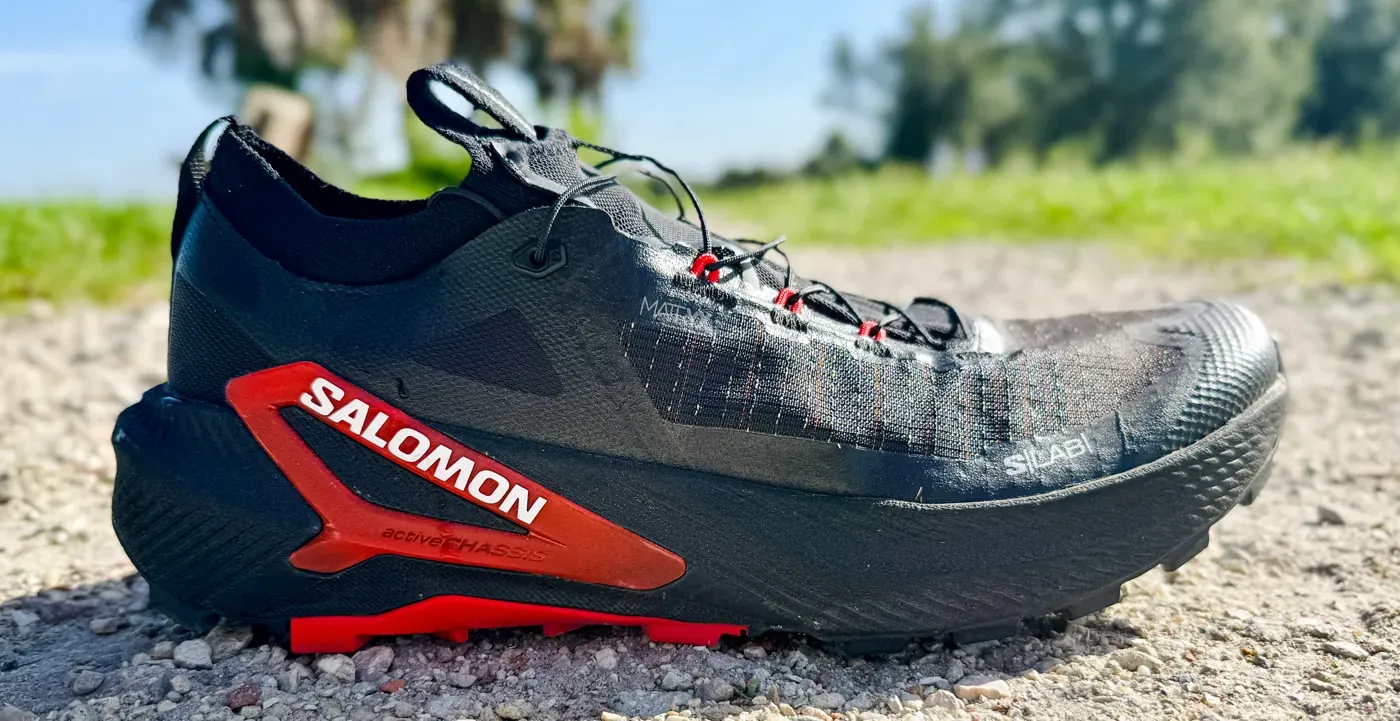
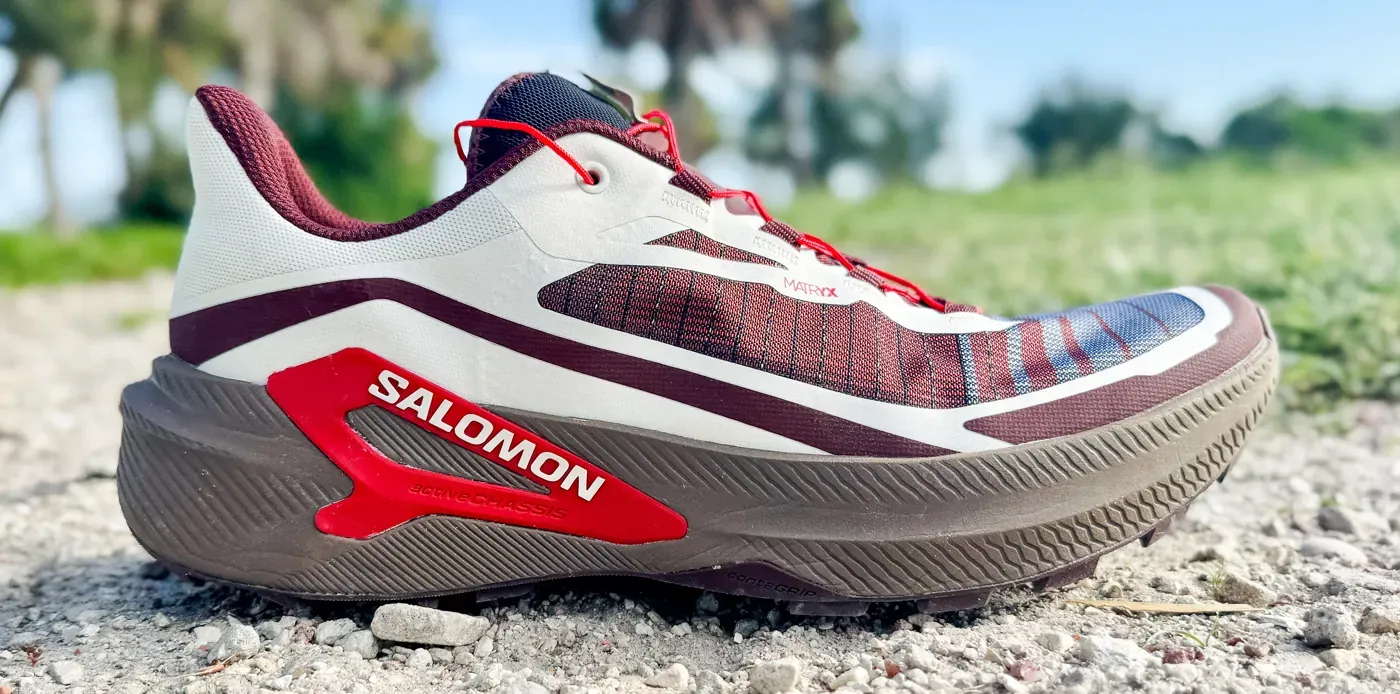
S/Lab Genesis 2 (left), Genesis 2 (right) - both release August 1
Breathability is very good, which helps on long efforts in warm conditions.
Features I love
The low stack keeps you reading the trail
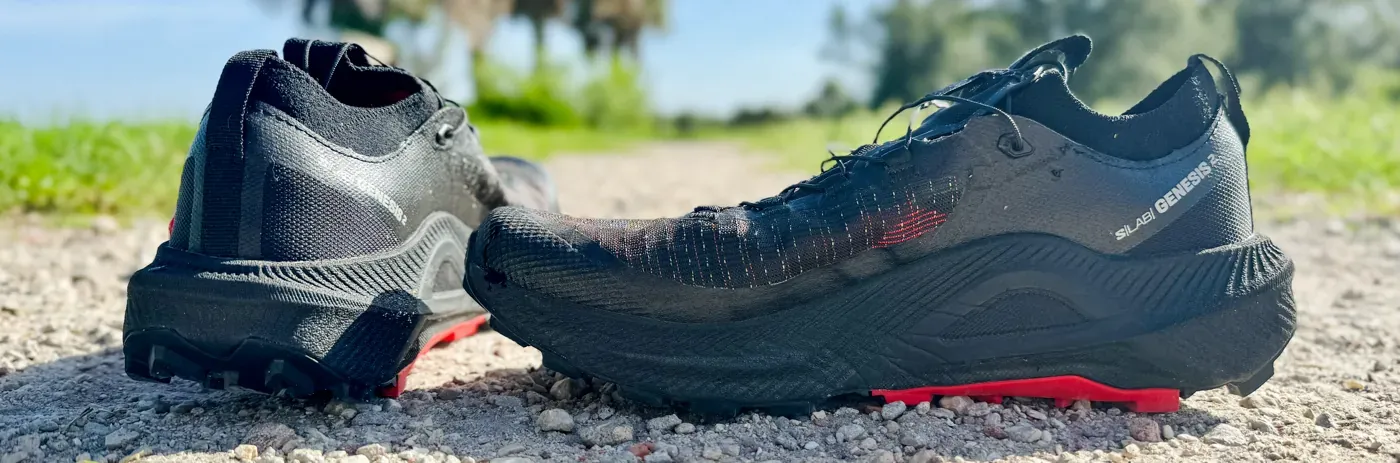
At 31mm heel and 25mm forefoot, this is a genuinely low-stack shoe by modern standards, and that's entirely deliberate. You feel the terrain, react to it, and the shoe never floats you above the ground you're trying to read; you stay connected.
The 6mm drop (down from 8mm on the original) reinforces that grounded character.
For technical running where foot placement matters and you need to respond instantly to what's underfoot, this connection is the whole point. It's a very different philosophy from the tall, cushioned trail shoes dominating shelves right now, and for the right terrain it's far more effective.
The new foam construction adds real energy without changing the character
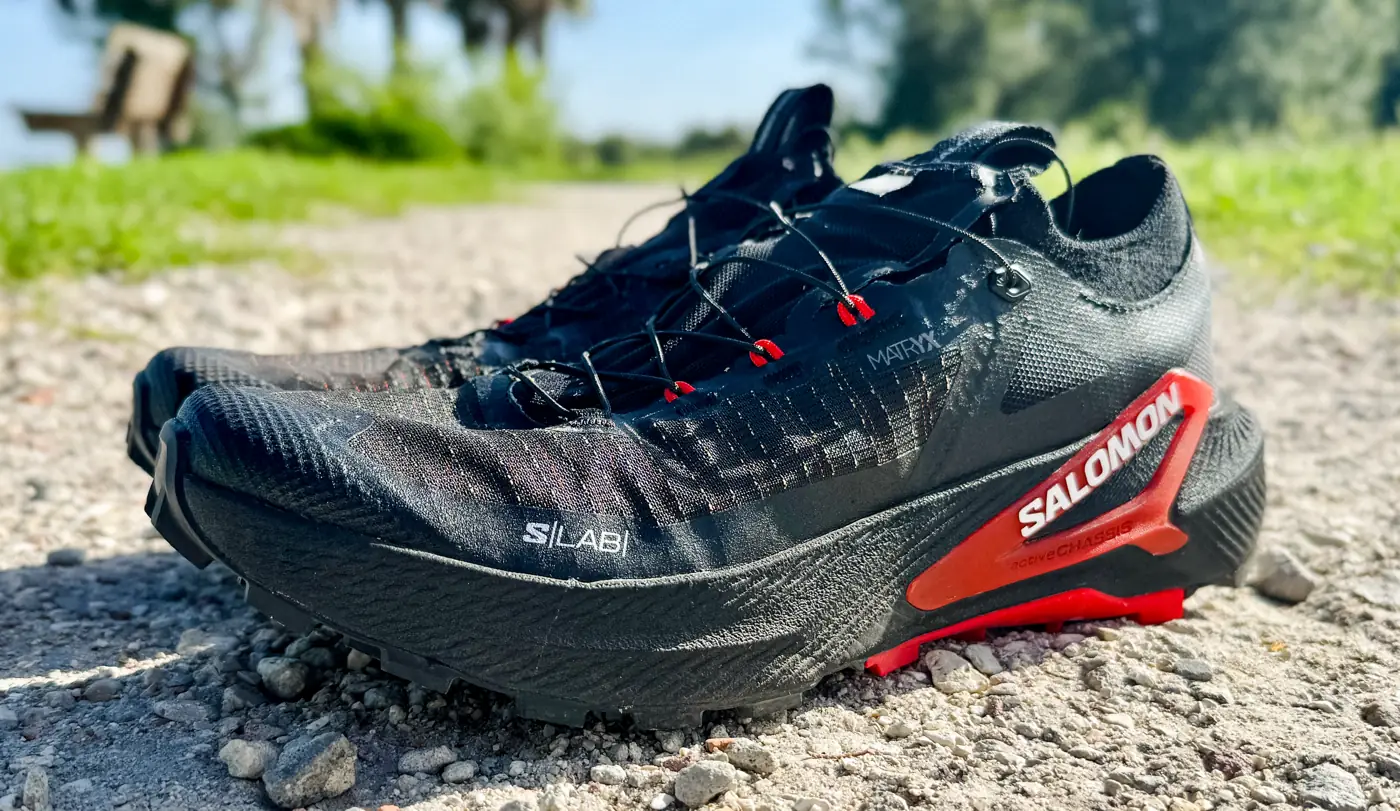
The dual-density optiFOAM² midsole is the headline change, and it's well judged.
The ride keeps the same controllable, ground-connected feel as the original, but there's more energy return and response now.
The foam compresses smoothly on impact and recovers quickly, which translates to more fluid transitions when moving fast over uneven ground.
It also promises better longevity than the original EVA setup, which matters on a $200 shoe you'll want to keep for a full season of mountain running rather than replacing after a few months or a handful of ultras.
The guided stability is very effective on technical ground
The reengineered activeCHASSIS is the biggest functional upgrade here.
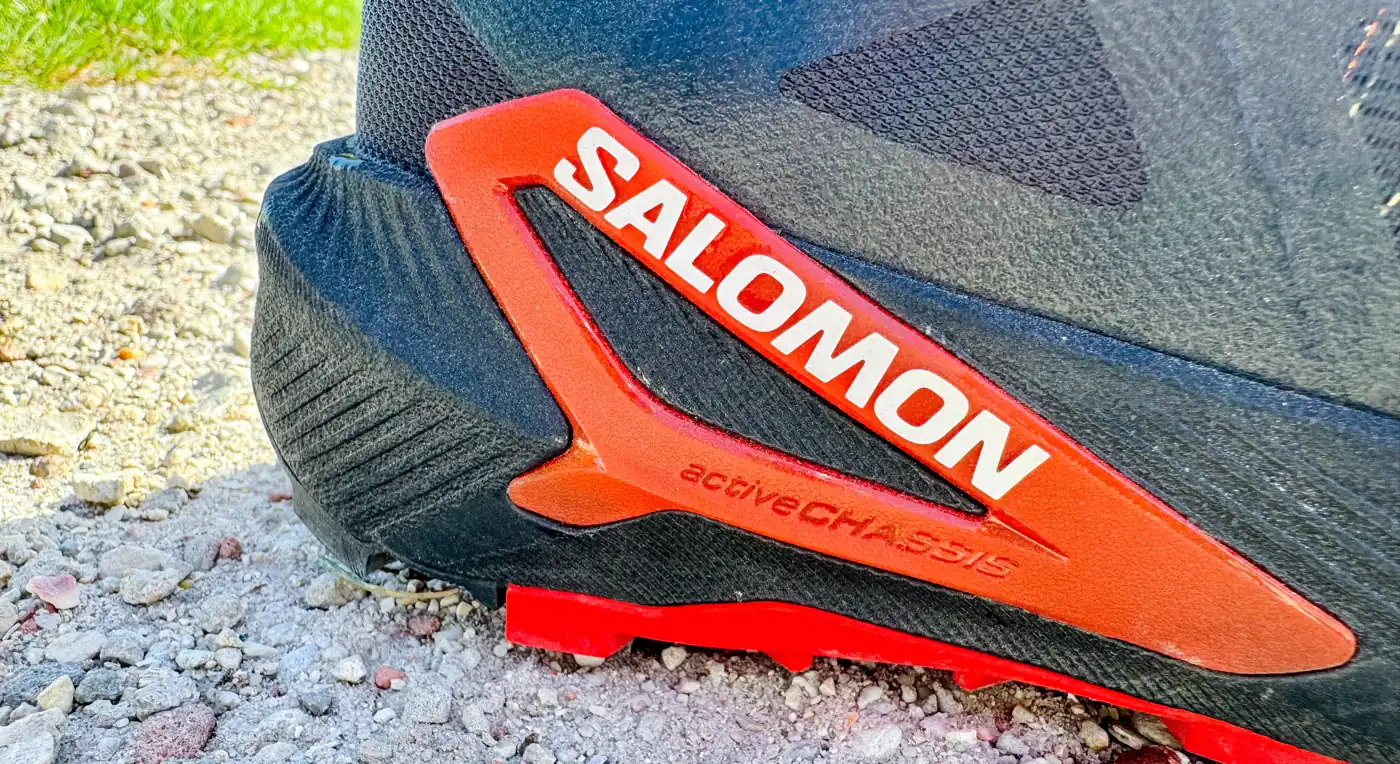
It provides guided stability that improves foot alignment on uneven terrain without restricting natural movement, so you can adapt instantly to changes in pace, direction, or surface.
In practice this makes the S/Lab Genesis 2 one of the best performers I've run in for technical conditions.
Rock gardens, off-camber singletrack, loose steep descents; the shoe should hold your foot exactly where it should be while staying agile and responsive. It's more dynamic and just as comfortable as the first version, striking a strong balance between precision and all-day usability for those who prefer the more minimal experience.
The protection and durability are built for real mountain use
This is where the premium materials earn their place.
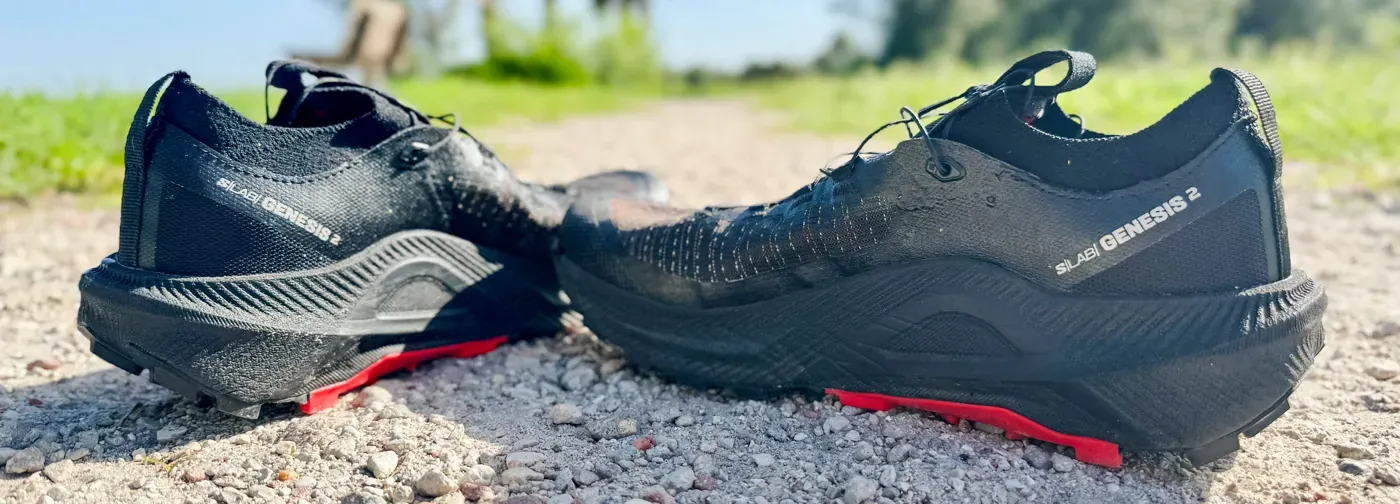
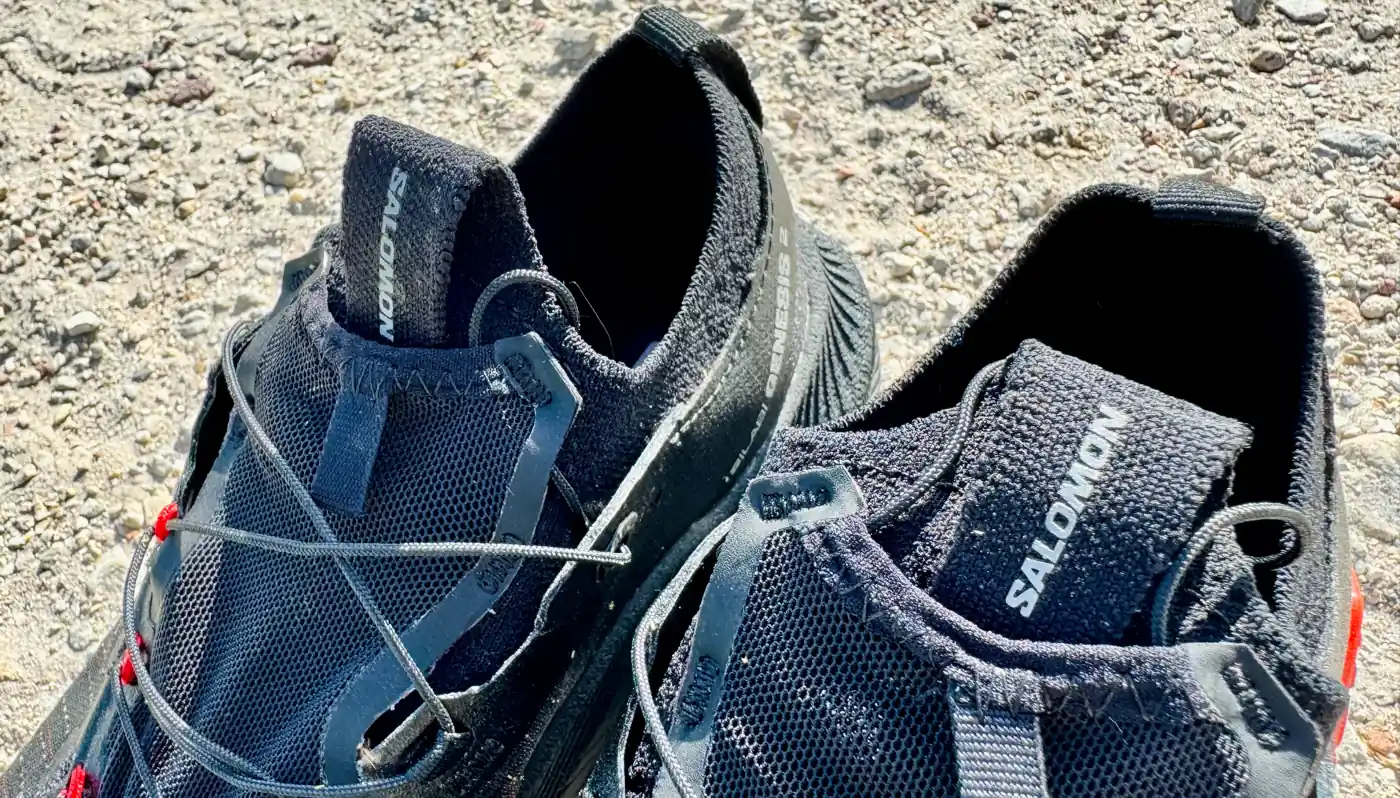
The Matryx Micro upper with individually coated Kevlar fibers shrugs off rock and root abrasion, and the profeelFILM layer filters out sharp ground elements without dulling ground feel.
Add the semi protective toecap, medial pad, and integrated gaiter, and you have a spec sheet clearly designed for long days in genuinely rough terrain.
The Quicklace system with lace garage is a practical detail too: one pull, tuck the ends away, and you never think about it again.
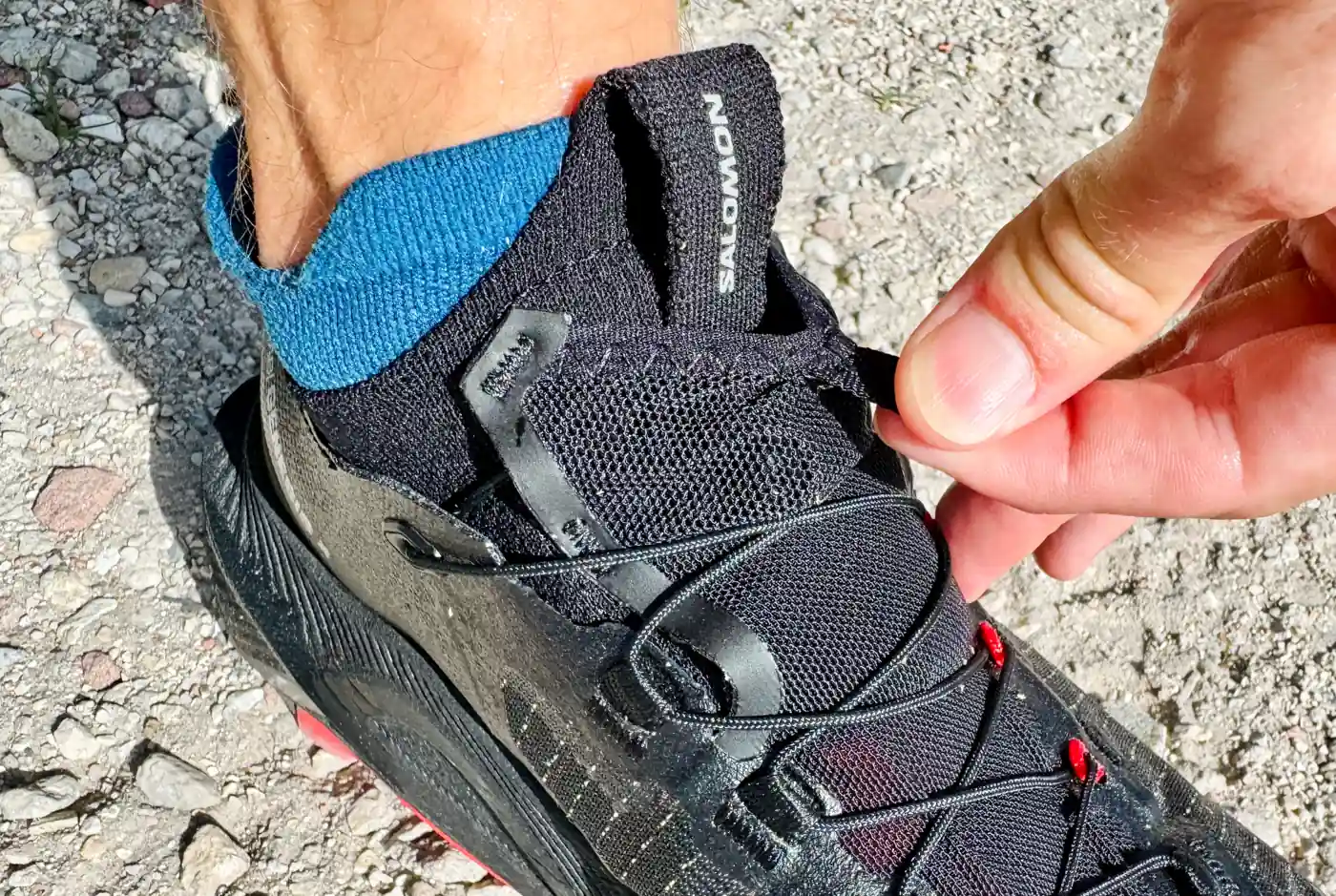
These aren't features that show up on a spec comparison in an obvious way, but they're what you notice over a long mountain day.
The traction is aggressive and well thought out
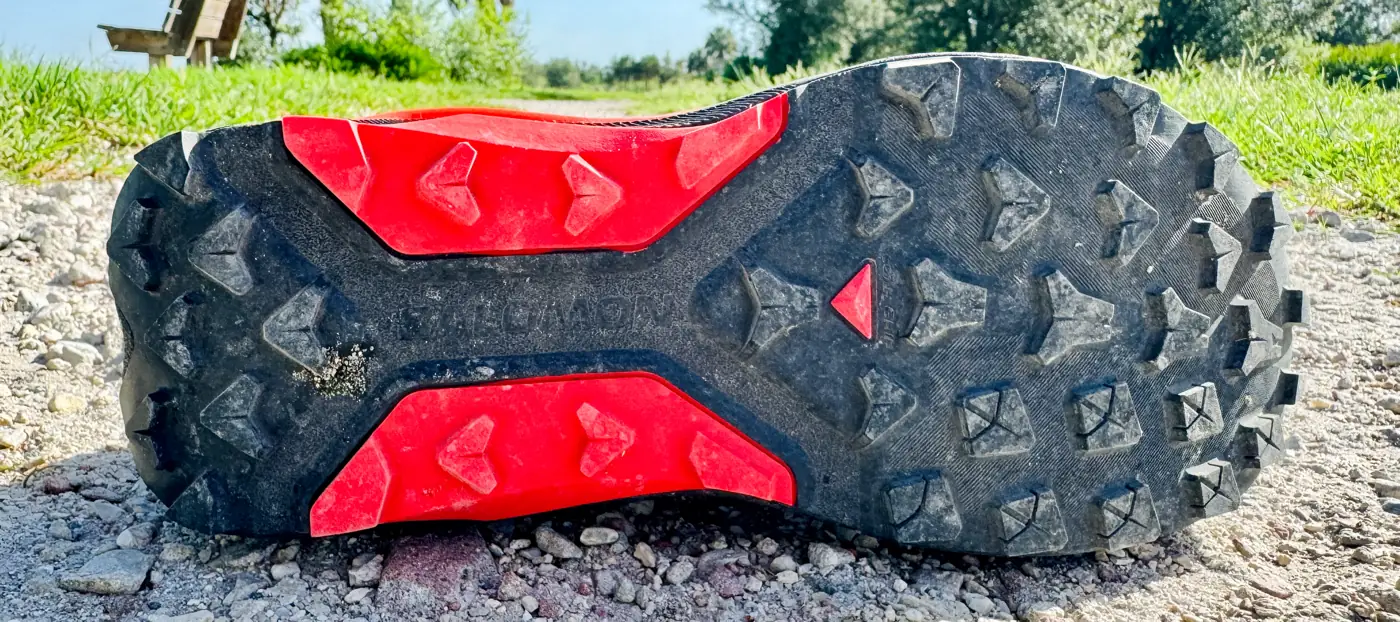
The All-Terrain Contagrip outsole keeps its 4.5mm lugs but gets a revised geometry aimed specifically at wet rock, loose gravel, steep climbs, and fast descents.
Wet rock was the one relative weakness of the original, so the targeted revision is a welcome improvement but time will tell whether these claims hod true.
For a shoe designed around technical mountain terrain, having traction you don't need to think about is essential, and this delivers.
What could be improved
The $200 price is the biggest consideration. This is a specialist shoe and the price reflects premium materials and a focused design, but it's a serious investment.
For a lot of trail runners, the standard Genesis 2 at $150 covers the same terrain well enough that the extra spend is hard to justify.
The precise fit also excludes a meaningful chunk of runners. If you have wide or high-volume feet, this simply won't be comfortable, especially in the midfoot, and no amount of break-in will change that for you.
Salomon Ultra Glide 4 review: max cushion with real trail manners
This high-stack trail shoe softens rough ground beautifully, but what makes it interesting is how composed it still feels when the terrain gets awkward.
 Alastair Dixon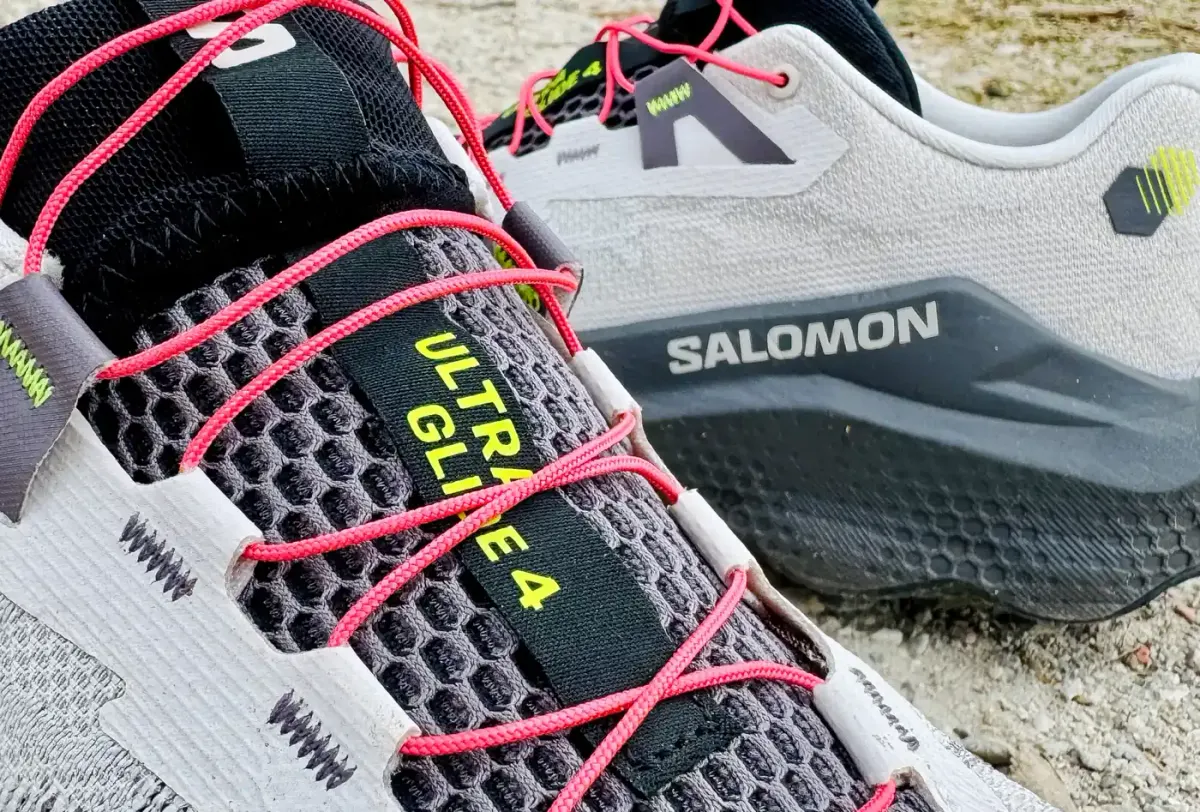
Finally, this isn't a shoe for maximum cushioning or easy comfort miles. If you want a soft, protective long-haul feel, the Salomon Ultra Glide 4 is a much better choice in Salomon's lineup.
My verdict
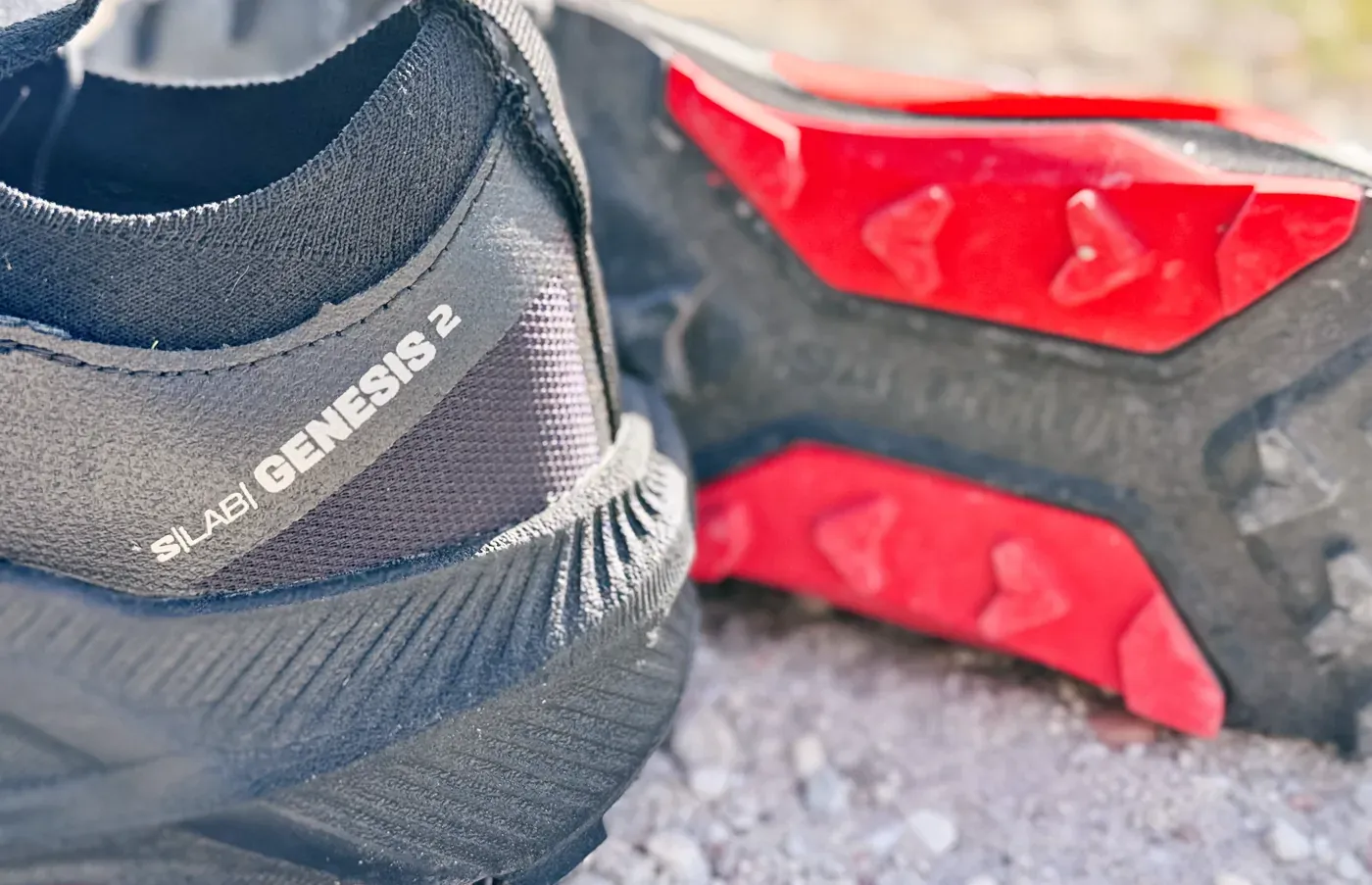
The Salomon S/Lab Genesis 2 is an evolution rather than a reinvention, and that's exactly what it should be, because they already had a winner.
It keeps the secure, low-stack, controllable feel that made the original a favourite among technical trail runners, then adds more energy return, better guided stability, and improved durability.
If you ran in the first version and liked it, this is the same shoe made better, with a largely unchanged fit. If you're new to the S/Lab line, this is the shoe to consider for fast, technical, rocky terrain and ultra-distance adventure days where precision matters more than plushness.
Whether it's worth $50 over the standard version comes down to your terrain, ability and ride preference.
If you're regularly on technical mountain ground and want the lightest, most precise option with the best protection, yes. If your trails are more moderate, the standard Genesis 2 covers that ground for less.
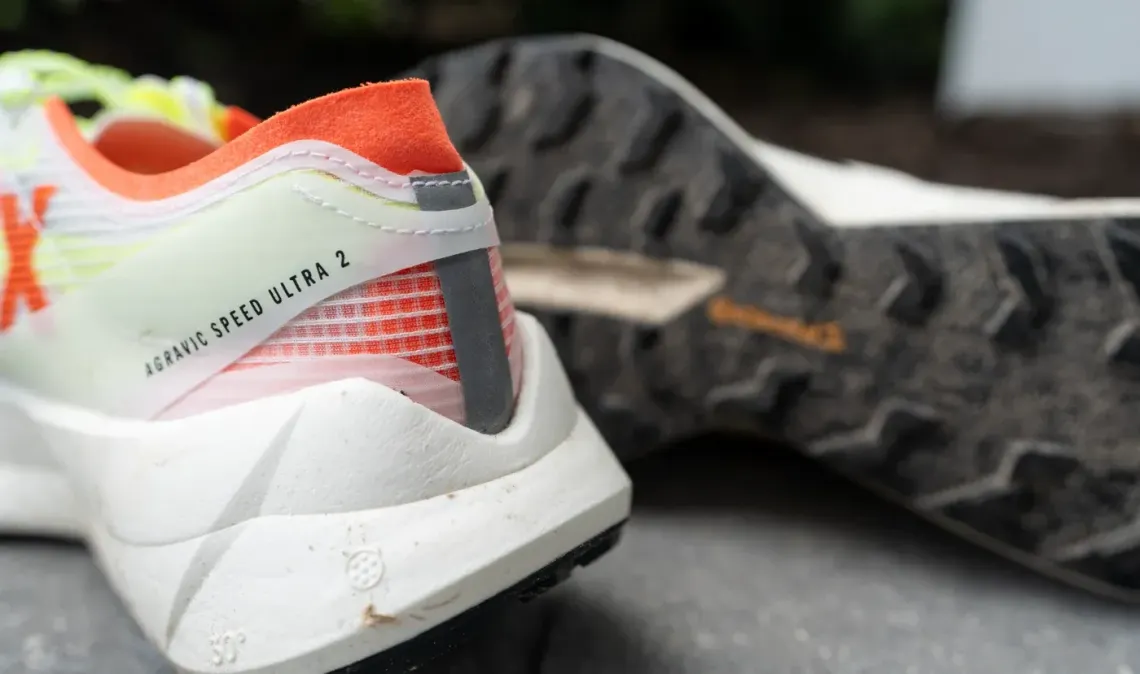
At the opposite end of the ultra spectrum, the Adidas Agravic Speed Ultra 2 trades this shoe's precision for maximum bounce on runnable ground.
For a broader view of what else is worth considering, my best trail running shoes roundup has the full range.
Best Trail Running Shoes 2026: Tested & Ranked
My personal picks across all-mountain, road-to-trail, ultra, and trail racing — every shoe tested firsthand, no filler.
 Alastair Dixon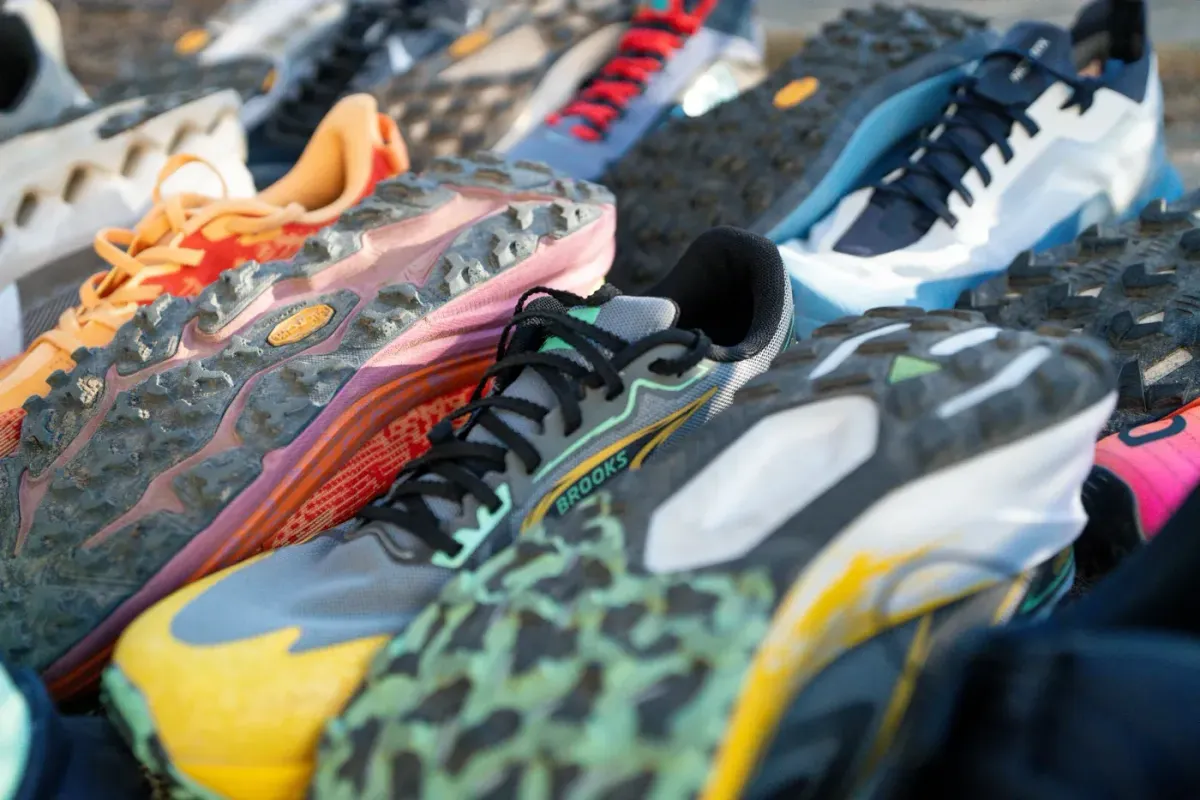
If you haven't already, signup to our free newsletter, for more quality outdoor content like this. -Alastair
Written by

Subscribe to new posts
Gear that earns its place, outdoors and at home | Reviews, Roundups, News









Member discussion