
Is cold water bad for you? What the science actually says
The old warning finally gets tested: hydration, digestion, exercise in the heat, and the few people who really should skip the ice.

Someone in your life likely believes cold water is bad for you. Maybe it's a parent, a group chat, or a well-meaning aunt who winces every time you order ice water with a hot meal.
It's one of the most persistent health beliefs on the internet, and it resurfaces every few months with millions of views behind it. So I did what I do with gear claims: went looking for what the research actually shows.
The short version is that for most people, cold water is completely fine. For athletes in the heat, it might even be the better choice. But a few of the warnings do have a kernel of truth, and they're worth knowing.
If you purchase through links in this article, we may earn a small affiliate commission. For exclusive content, our newsletter, and more perks, become a member, it's free! -The Trail & Kale team ✌🏼
Where this belief comes from
The idea that cold drinks harm the body is genuinely old and genuinely widespread. In traditional Chinese medicine, cold water with hot food is thought to create imbalance, which is why meals are often served with warm water or tea. Similar beliefs show up in cultures all over the world.
That history deserves respect; these systems were observing bodies long before anyone had an ultrasound machine.
But observation and mechanism are different things, and the modern claims that grew out of this (cold water "shocks" the body, cripples digestion, or solidifies fat in your stomach) are testable. So let's dive in on those tests.
Claim 1: cold water hydrates you less
No evidence for this. Cold and room-temperature water hydrate you equally well, and your body is very good at bringing whatever you drink to its own temperature.
If anything, temperature matters most for a completely different reason; you drink more of what tastes good to you. A Cleveland Clinic gastroenterologist notes that athletes gravitate toward cold water and that it seemed to cool them down faster, and the hotter the day, the more that palatability matters.
The best water temperature for hydration is the one that gets you to actually finish the bottle.
Claim 2: cold water ruins digestion
This is the big one, and the honest answer is cold water measurably changes stomach activity for a while, and that change appears to be harmless.
The most careful study I found used ultrasound to watch the stomachs of 11 healthy young men after they drank 500 ml of water at different temperatures. Ice-cold water (2°C) did reduce the frequency of stomach contractions compared to warm water across the hour they measured.
Notice what that is and isn't. It's a temporary slowdown in stomach churn after chugging a full pint of near-freezing water, in a small study. It is not damage, pain, illness, or any evidence of harm, and the researchers themselves say the findings need confirming in larger groups.
And the dramatic version of the claim, that cold water "solidifies fat" in your gut? I couldn't find a single credible source for it, and neither could the clinicians who've looked.
Your stomach sits at body temperature and warms everything you put in it within minutes.
Claim 3: cold water is bad when you exercise
Here the evidence points the other way, and this is the part that matters for anyone who runs or hikes in the heat (which is most of our audience).
In a 2008 study published in Medicine and Science in Sports and Exercise, eight cyclists rode to exhaustion in a 35°C (95°F) chamber.
With a cold (4°C) drink, they lasted about 64 minutes. With a body-temperature drink, 52 minutes. That's roughly 23% longer, and the cold drink also lowered their core temperature before they even started riding.
It's a small study, but it matches both common sense and what sports medicine has recommended for decades: in the heat, cooler fluids reduce heat strain, and you'll drink more of them. Here in Florida, this is not a theoretical benefit.
The practical takeaway for hot-weather miles is that ice in the hydration bladder is a performance aid, not a health risk.
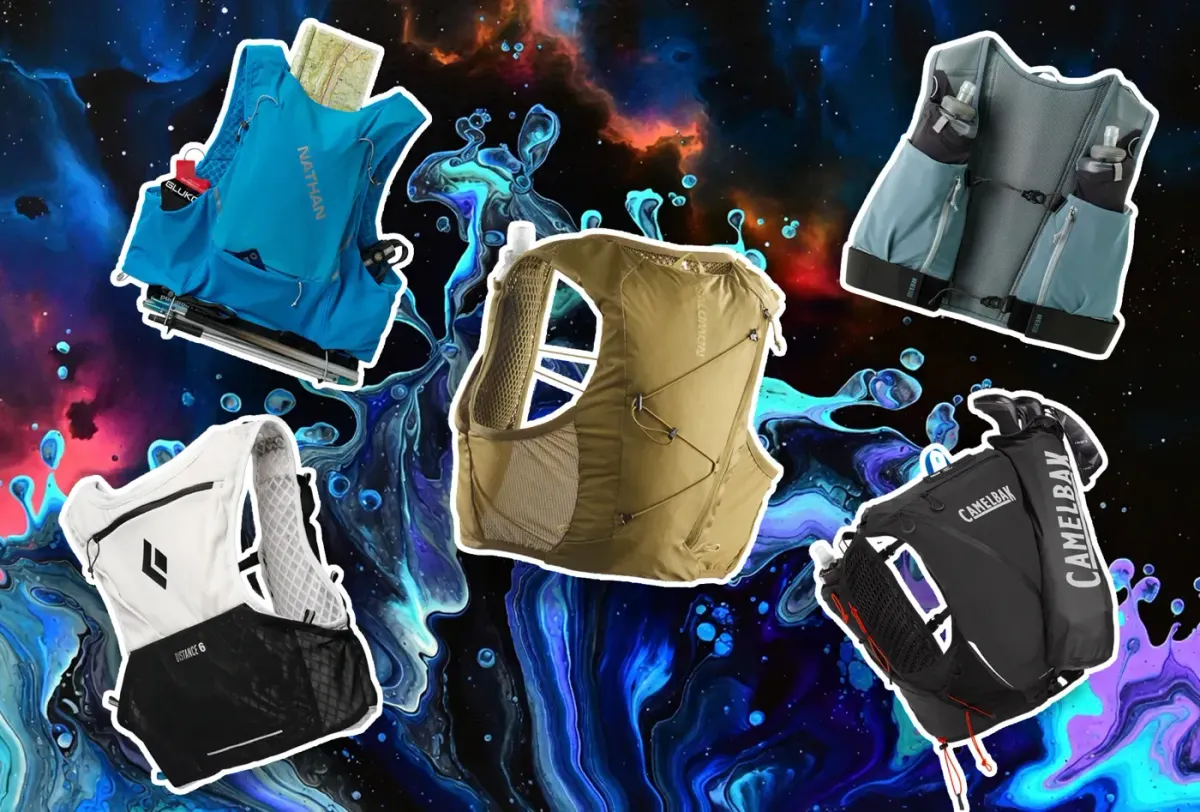
If you're choosing a pack for exactly that job, my tested picks are in the best hydration packs and running vests roundup.
Best Running Hydration Vests 2026: Tried and Tested
The best running hydration vests for every distance, from 5k to trail ultras. Every pick on this list has been personally tested.
 Alastair Dixon
The kernels of truth
A few groups of people really may want to skip the ice, and this is where the old advice earns some credit:
- Migraine sufferers. Older research found ice-cold water can trigger migraine attacks in people prone to them. If that's you, you likely already know the brain-freeze feeling that precedes it.
- People with achalasia or other esophageal conditions. Cold water can worsen symptoms, while warm drinks may help the lower esophageal sphincter relax.
- When you're congested. A small 1978 study found cold water thickened nasal mucus, while hot water and chicken soup made breathing easier. Grandma's soup advice holds up better than most internet health claims.
None of this makes cold water risky for everyone else, and none of it overrides whatever your own doctor has told you about your situation.
My verdict
Drink the water you'll actually drink - common sense rules here.
That's the entire game with hydration. Cold water hydrates just as well, helps rather than hurts in the heat, and the digestion effects are brief and benign for healthy people. If warm water is what your body likes, or what your culture's table has always served, that's equally fine; there's no study showing it's better or worse for healthy people either.
At home we keep some filtered water at room temperature in our the LifeStraw Home glass pitcher, and we also have a chilled pitcher in our fridge for when the desire for cold water hits.
Drink what you'll actually drink, especially on a hot hike. The water that stays in the bottle is the only kind that's bad for you.
FAQ
Is drinking cold water bad for your stomach?
For healthy people, no. Ice-cold water temporarily slows stomach contractions, but studies show no harm, no damage, and no lasting effect. People with achalasia or similar esophageal conditions are the main exception.
Does cold water hydrate you as well as room-temperature water?
Yes. Both hydrate equally well, and your body quickly brings anything you drink to its own temperature. Drink the temperature you enjoy, because you'll drink more of it.
Is it bad to drink cold water during exercise?
The opposite, in the heat. In one study, cyclists drinking cold water lasted about 23% longer in 95°F conditions than with a body-temperature drink. Cooler fluids reduce heat strain and go down easier.
Does cold water solidify fat in your stomach?
There's no credible evidence for this claim. Your stomach operates at body temperature and warms whatever you drink within minutes.
If you haven't already, signup to our free newsletter, for more quality outdoor content like this. -Alastair
Written by

Subscribe to new posts
Gear that earns its place, outdoors and at home | Reviews, Roundups, News









Member discussion