
How to Keep Bananas Fresh for Longer (And Why They Spoil So Fast)
Learn how to keep bananas fresh for longer with science-backed storage tricks; from stem wrapping to the fridge debate, plus the truth about organic vs. conventional ripening.

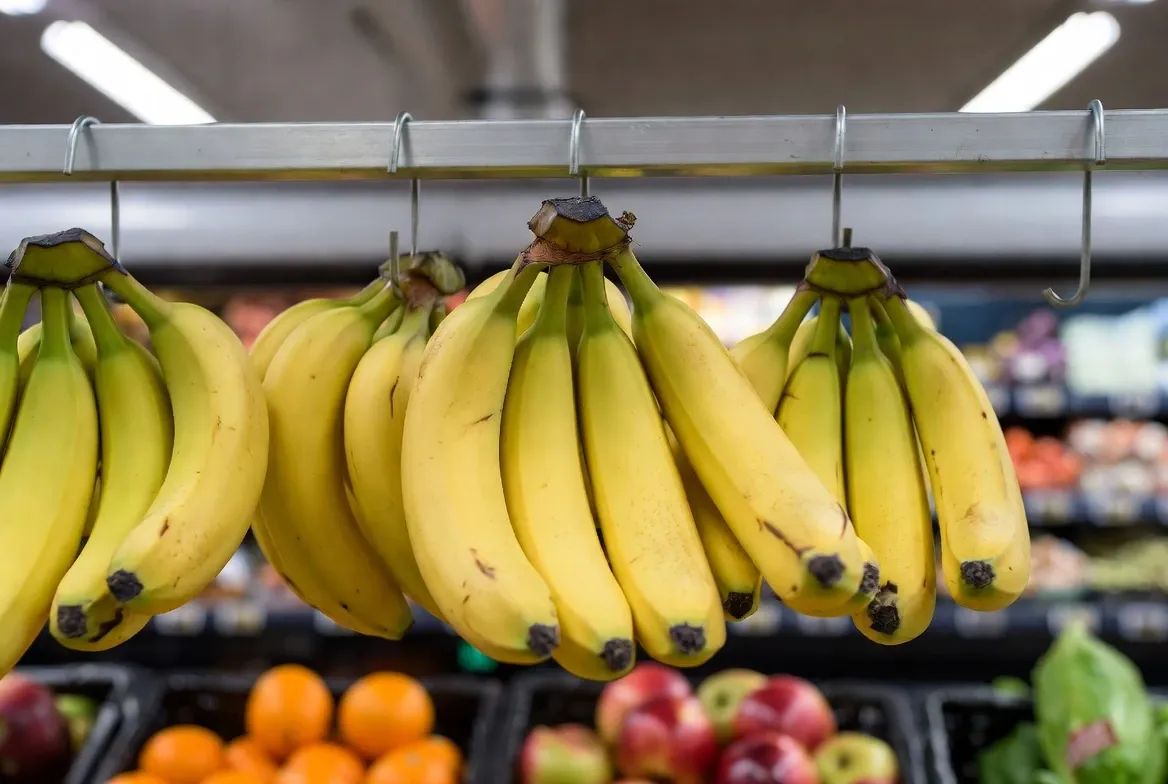
You've done it. You bought a perfect bunch of bananas on Monday. Firm, yellow, practically glowing. By Wednesday they're freckled. By Friday they're black-tipped and leaking onto the counter, and you're googling banana bread recipes at 10pm just to justify not throwing them out. Been there!
It's not you. It's science; and a surprisingly complex global supply chain. But here's the good news: once you understand why bananas ripen so fast, keeping them fresh longer takes about 30 seconds of effort. This is that guide.
Since having a child, bananas are basically a household staple nowadays, so seeing how they appear to ripen so fast, nowadays, I had a lot of questions that I just had to go and research.
(And yes, before we get into the chemistry; I'll get to why bananas are also one of the best things you can eat 30 minutes before exercise. Come for the storage tips, stay for the nutrition and fuel angle).
Why Do Bananas Ripen (and Spoil) So Fast?
Bananas are what scientists call a climacteric fruit, meaning they continue ripening after they've been picked, driven by a natural plant hormone called ethylene gas.
Unlike strawberries or grapes, which basically stop developing once off the vine, bananas keep going. The stem releases ethylene, ethylene triggers more ethylene production, and the whole thing snowballs with starches converting to sugars, tissue softening, and the skin browning.
One over-ripe banana in your fruit bowl is effectively gassing all the others into ripening faster. And if you bought them near other ethylene-producing fruits like apples, avocados, or pears; you've built yourself a very enthusiastic ripening chamber.
Here's the part that surprises most people: your bananas were already gassed before they got to you.
Commercially, Cavendish bananas are harvested completely green, shipped in refrigerated containers at precisely 13°C (colder causes irreversible chill damage), then placed in purpose-built ripening rooms where they're exposed to controlled doses of ethylene gas for around 24 hours.
This triggers a uniform yellow colour for the shelf - making them especially attractive to consumers. Once that process has been triggered, the clock is ticking; typically 2–4 days at room temperature until spotting begins.
So no, they didn't "used to last longer", like I have been thinking recently. You're getting fruit that's been deliberately accelerated.
How Long Do Bananas Actually Last?
Here's a realistic timeline at room temperature (around 20°C):
- Green/unripe: 3–5 days to turn yellow
- Yellow with no spots: 2–3 days before spotting starts
- Yellow with brown spots: 1–2 days before they're very soft and sweet
- In the fridge once fully ripe: 5–7 additional days (skin blackens but fruit inside is perfectly good)
- Peeled and frozen: 3–12 months
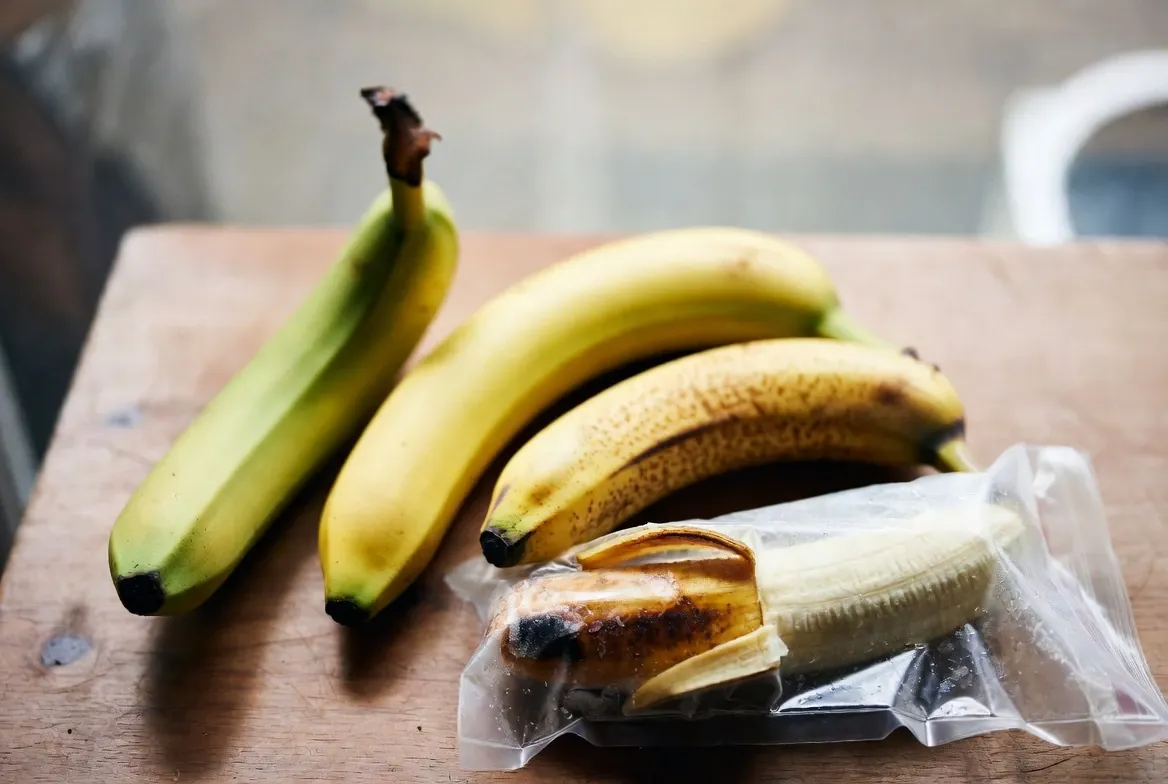
The total window from shop to bin is typically 7–10 days if you do nothing. Apply the tricks below and you can realistically stretch that to 12–16 days; or indefinitely if you freeze.
How to Store Bananas: 6 Evidence-Backed Tricks
These aren't old wives' tales. They're rooted in how ethylene actually works.
1. Wrap the Stems (This Is the Big One)
The stem — or crown — is the main ethylene release point. Wrapping it tightly with cling film, foil, or a reusable silicone cover creates a partial seal that slows gas dispersal to the rest of the bunch. In consumer tests, this consistently outperforms every other single intervention. Takes five seconds. Makes a noticeable difference.
Cute and reusable silicone banana wraps, like NANA HATS are great for this and worth the money if you eat a lot of bananas.
2. Separate the Bunch
Sounds counterintuitive, but leaving the bunch intact means the ethylene produced by each banana is reinforcing the others. Pull them apart (or buy them loose). Less concentrated gas exposure, slightly slower ripening.
3. Hang Them
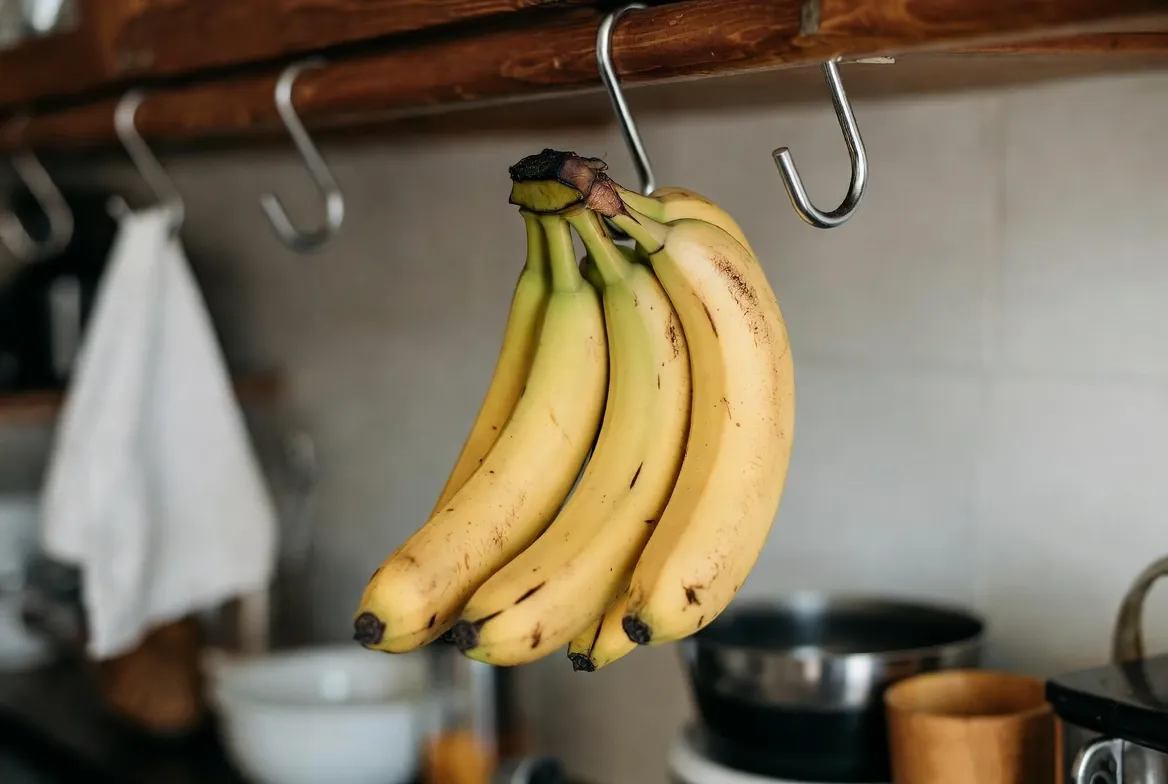
Banana hangers aren't just a kitchen novelty. Resting bananas on a hard surface traps moisture underneath and accelerates bruising, which itself speeds breakdown. Hanging allows airflow around the whole fruit.
If you don't have a hook, just put them on top of something rather than in a fruit bowl where they press against each other.
4. Keep Them Away from Other Fruit
Apples are notorious ethylene producers. If your fruit bowl is a mixed arrangement, your bananas are being fast-tracked. Store them separately, or at least not directly against other ethylene-heavy fruit.
5. Use the Fridge (at the Right Time)
There's a lot of confusion here. Cold temperatures slow enzymatic ripening significantly, but only once the banana is already ripe.
Putting an unripe green banana in the fridge will cause chill injury: the skin will turn black and the flesh will be starchy, waxy, and unpleasant. Wait until the banana is yellow (ideally with just a few spots), then refrigerate.
The skin will blacken in the fridge regardless; that's a cosmetic reaction to cold, not rot, but the flesh inside will stay fresh and sweet for another 5–7 days.
6. Freeze Overripe Bananas Immediately
The moment a banana tips into "too ripe to eat fresh", peel it, slice it or leave it whole, lay it on a lined tray to freeze individually, then bag it. Frozen bananas keep for 3–12 months, and they're actually sweeter; cell walls rupture in freezing, releasing more sugars. Perfect for smoothies, banana bread, or nice cream (blended frozen banana on its own is genuinely excellent).
The Organic vs. Conventional Question
One thing people often wonder, myself included (seeing as they cost more and are more natural) is "do organic bananas last longer?" The short answer is not really; but for interesting reasons, and not the ones I had thought.
Both organic and conventional bananas go through the same ethylene gas ripening process. The USDA's organic certification explicitly permits ethylene for post-harvest ripening of tropical fruit, because ethylene is a naturally occurring plant hormone rather than a synthetic chemical.
So "organic" does not mean "never gassed"; it means the banana was grown without synthetic pesticides and fertilisers.
The actual shelf-life difference comes down to post-harvest disease control. Conventional bananas are often treated with synthetic antifungals like thiabendazole to prevent crown rot; a fungal issue that starts at the stem once ripening kicks in.
Organic producers can't use these, so they rely on alternatives like hot-water treatment or chitosan (a natural compound from crustacean shells). Studies show these alternatives produce near-identical shelf life when applied well, though organics can be slightly more vulnerable to stem-end spoilage, especially in warm, humid storage conditions.
A practical upshot is: if you buy organic, the stem-wrapping tip above is especially worth doing, since the stem is both the ethylene source and the entry point for crown rot.
The other real difference is that organic bananas sometimes arrive greener, because producers ship earlier to allow buffer time (no fungicide safety net). That can mean slightly more counter time before peak ripeness, which some people interpret as "organic bananas last longer" when it's actually just a shipping difference but meaningful all the same, in the eyes of the consumer!
Why Bananas Are the Perfect Runner's Fuel (and Come in Their Own Packaging)
Okay, I've saved this bit because it's genuinely one of my favourite things about bananas.

I eat a banana about 30 minutes before the start of almost every race I run, and long training runs. It's not a complicated strategy, bananas are around 23g of carbohydrate (primarily fast-releasing sugars and easy-to-digest starches), they're gentle on the stomach, they contain potassium which helps with muscle function, and they require zero preparation. No gel wrapper to pocket, there's always a trash can at the race start), and they're fairly cheap.
Couch to 5K, 10K, Half Marathon Training Plan Generator
Build a free couch to half marathon training plan from scratch. Also covers couch to 5K and 10K. Beginner-friendly, road and trail, starting from zero.
 Alastair Dixon
At aid stations on longer events, a banana half is often the thing I reach for over a gel, the texture gives your jaw something to do, the natural sugars hit quickly, and they sit better mid-run than synthetic gels for a lot of people (though this is very individual).
The science backs my intuition: one medium banana provides a fuel hit comparable to commercial sports drinks for endurance exercise, without the artificial sweeteners or the plastic bottle.
Researchers at Appalachian State University found bananas were as effective as a carbohydrate sports drink for fuelling cyclists, and with additional nutrients like vitamin B6 and fibre that sports drinks lack.
The only thing it doesn't come with is electrolyte replacement at ultra distances, so for anything over a half marathon in heat, pair your banana with some salt. But as a pre-race and mid-race fuel? It's hard to beat the calorie-per-cent-per-faff ratio.
What to Do With Bananas That Are Too Far Gone to Eat Fresh
If they've gone past the point of enjoyable eating, here's a quick hierarchy:
Freeze them — already covered, but even very brown bananas freeze well for future use.
Banana bread — the browner and softer the banana, the better the bread. Overripe bananas are a feature, not a bug, here. Mash three or four into your favourite recipe and the natural sweetness means you can often reduce the added sugar.
Nice cream — blend frozen bananas (alone, or with a spoonful of peanut butter, cocoa powder, or frozen berries). The result is a genuinely creamy, one-ingredient "ice cream" that works as a post-run recovery snack. High carb, naturally sweet, takes two minutes.
Smoothies — frozen ripe bananas are the secret to thick, creamy smoothies without added yoghurt or protein powder.
The Banana Storage Cheat Sheet
| Situation | What to do |
|---|---|
| Just bought, still firm | Wrap stems, separate, hang away from other fruit |
| Turning yellow | Keep at 13–15°C if possible, still wrapped |
| Fully ripe, not eating today | Move to fridge — skin blackens but flesh is fine |
| Going overripe fast | Peel and freeze immediately |
| Already black | Freeze for baking, or make banana bread today |
| Organic bananas | Same rules, but stem-wrapping is especially important |
One bunch, handled well, should give you a solid 12+ days from shop to either fresh eating or freezer. And if you can time it so your last banana is eaten the morning of a run, well, that's optimisation in its truest form, lol.
If you haven't already, signup for our free newsletter, and subscribe to our YouTube Channel for more quality content like this. -Alastair
Written by

Subscribe to new posts
Gear that earns its place, outdoors and at home | Reviews, Roundups, News






Member discussion