
Goal Zero Yeti 300 review: the portable power station that earns its keep outdoors
The Goal Zero Yeti 300 is a 297Wh LiFePO4 portable power station built for camping, travel, and backup use. Here's why its build quality justifies the price.

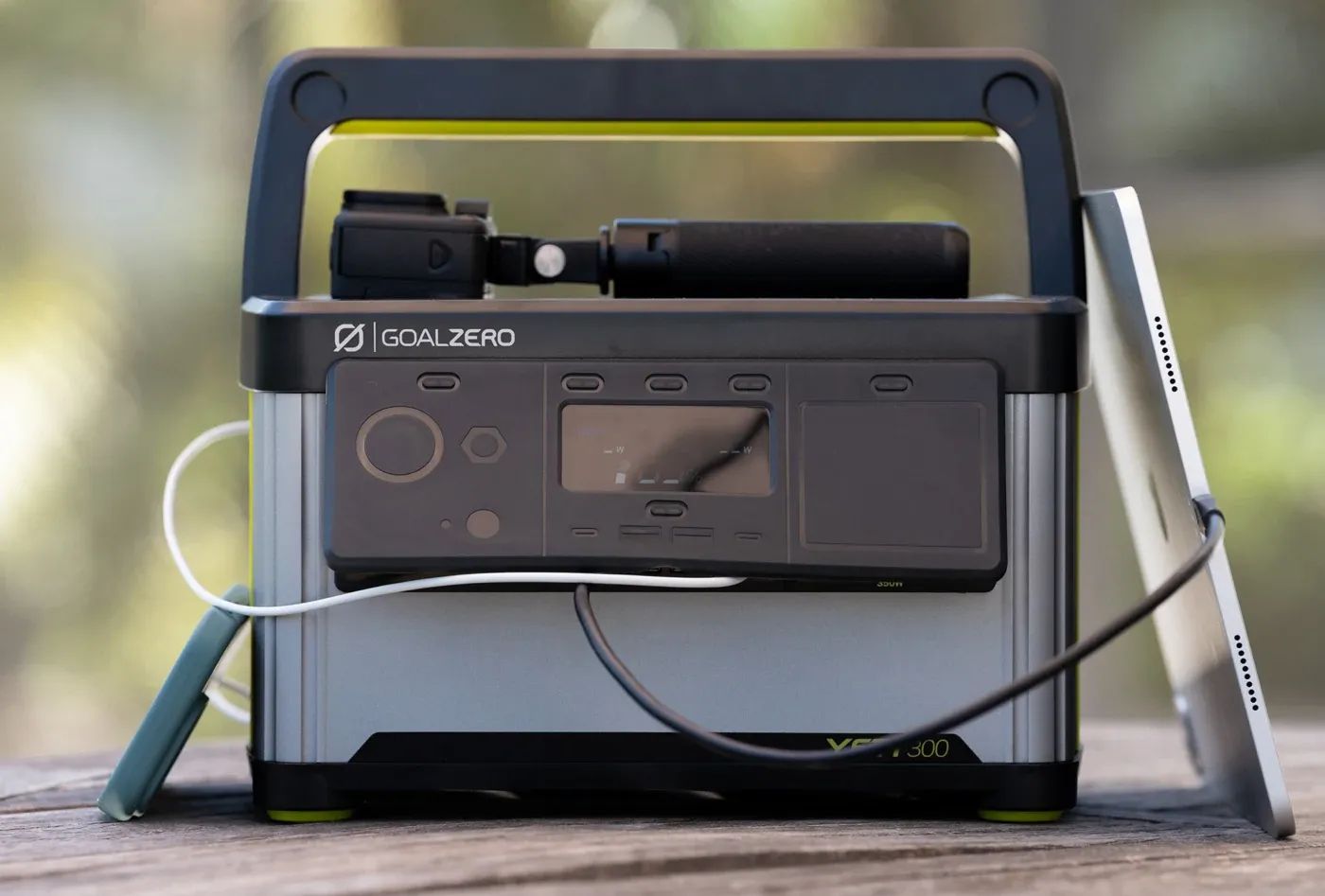
There's a version of portable power that sounds great in a product listing but turns out to be frustrating in real life. Too heavy, too slow to charge, too fragile to trust in the kind of environments where you may actually need it. The Goal Zero Yeti 300 is not that.
BioLite acquired Goal Zero in April 2025, and if you've been following BioLite (and our reviews of their products) for a while you may have noticed they've since dropped their own portable power stations. Goal Zero's lineup is now sold through both the Goal Zero store and BioLite's site, so if you're shopping either, this is what you'll find.
This is a compact 297Wh portable power station built for people who spend time outdoors, whether that's car camping, van weekends, tailgating, or keeping the basics running during a short outage at home.
It's not the biggest or the cheapest option out there, but it has the kind of hardware, durability, and thoughtful design that make you reach for it trip after trip.
Here's what it looks like in practice.
If you purchase through links in this article, we may earn a small affiliate commission.
Key specifications
- Price: $349.95 at Goal Zero
- Battery: 297Wh LiFePO4 - Cycle life: 4,000+ cycles to 80% capacity
- AC output: 350W continuous / 600W surge - AC charging: up to 420W fast charge. Solar input: up to 200W
- Outputs: USB: 2 x USB-A, 1 x 100W USB-C PD, 2 x 30W USB-C | DC: 12V auxiliary port, 12V 6mm output
- Weather resistance: IPX4
- Connectivity: Bluetooth + Wi-Fi app control
- Weight: 13.7 lb / 6.2 kg
- Dimensions: 11.3 x 7.7 x 6.7 in
- Warranty: 5 years
What makes the Yeti 300 worth considering
The most practical thing about this unit is how well it fits the way people actually travel and camp.
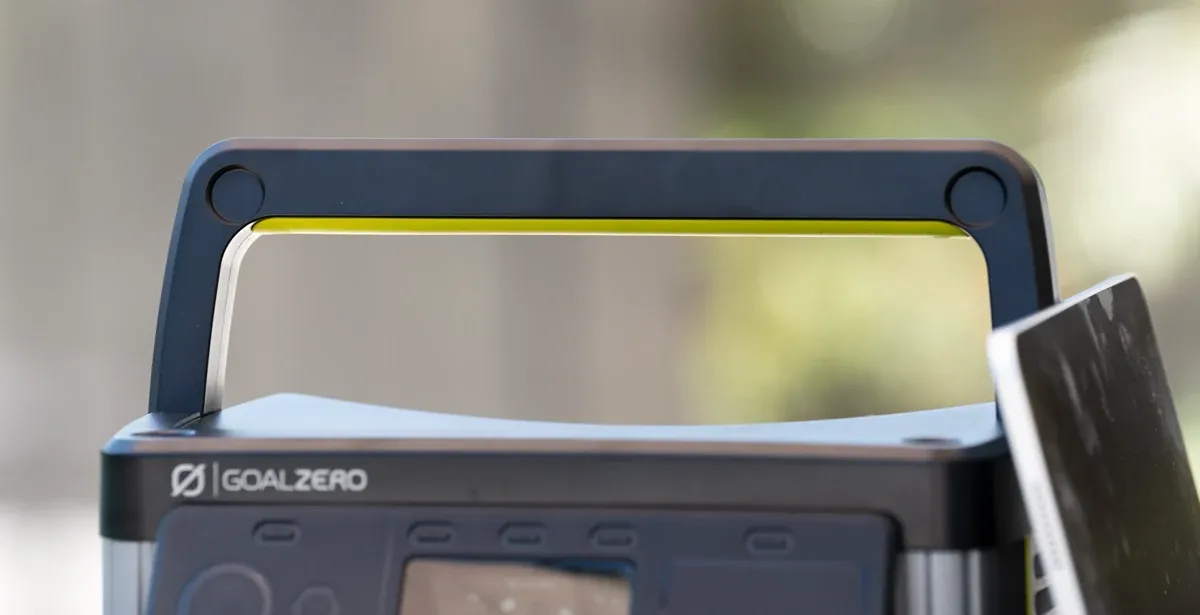
At 13.7 pounds with a proper carry handle, it's genuinely one-handed portable, (but it still has some heft to it). Being easy to carry matters more than it sounds.
A lot of power stations in this capacity range technically qualify as "portable" while being genuinely annoying to move around. The Yeti 300 is not one of them. It fits naturally in a gear bag, in the back of a car, or next to the door when storm season picks up.
What also sets it apart from a lot of similarly priced competitors is the AC fast charging.
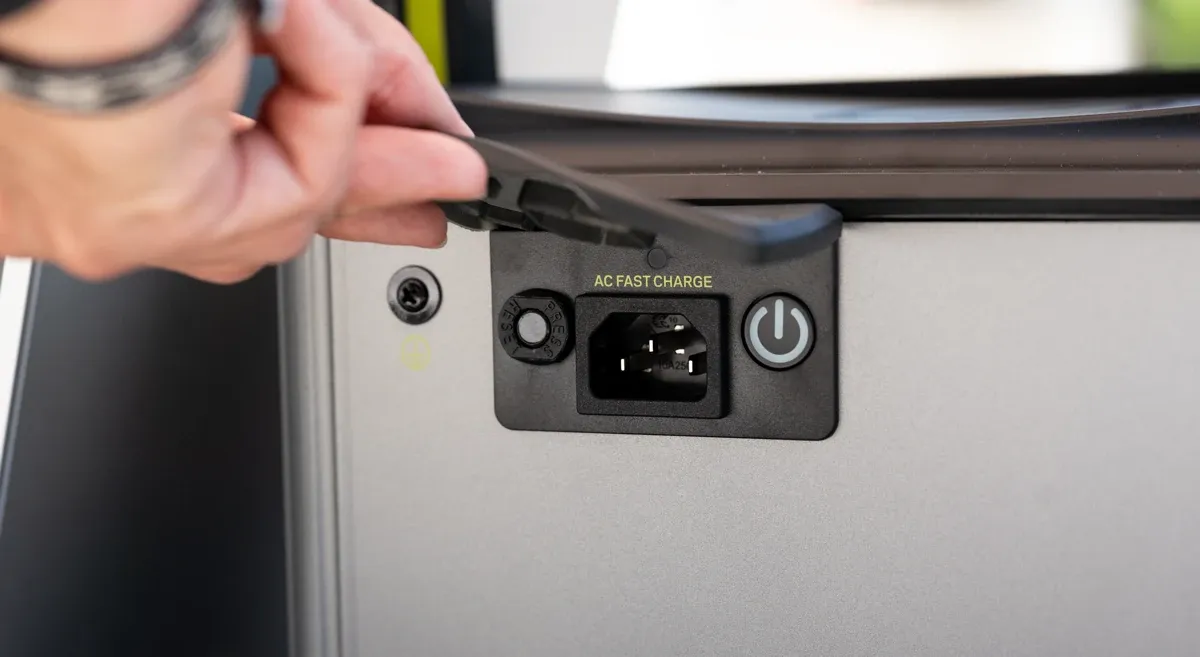
Goal Zero rates it at 0 to 100% in around 50 minutes on the higher-speed AC mode. That speed changes how you use it, because you can top it off while you're packing up, charge it during a rest stop on a road trip, or recover from a heavy evening around camp without waiting hours for it to come back.
A slower default mode is also available for quieter operation and long-term battery health, which feels like a considered choice for people who plan to own this for a long time.
The LiFePO4 battery chemistry is worth highlighting too. At 4,000+ cycles to 80% capacity, this is built for years of real use rather than a few hundred cycles before degradation sets in. That matters if you're buying this for camping every summer, as a vehicle travel staple, or as a reliable emergency power option.
Best Portable Power Stations For Camping Electricity and Home Emergency Backup Power
The best portable power stations for camping, home emergency backup power, camper van / RV / off-grid living. Don’t be left in the dark, choose wisely.
 Alastair Dixon
Build quality and durability
This is where the Yeti 300 makes its clearest case for the price premium.
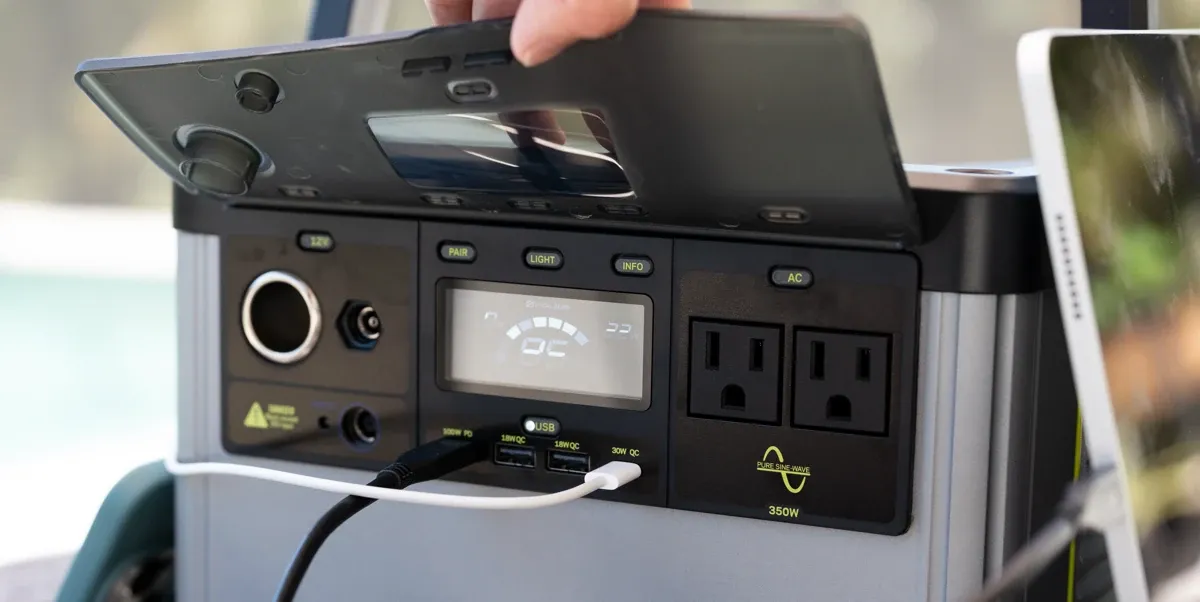
The aluminum construction, rubber port covers, and IPX4 weather resistance give it a solid, purposeful feel that cheaper units at similar capacity don't match.
IPX4 isn't waterproof, but it does mean light rain, splash, and outdoor dust aren't going to cause problems. For camping, van travel, or tailgate use, that's a meaningful reassurance.
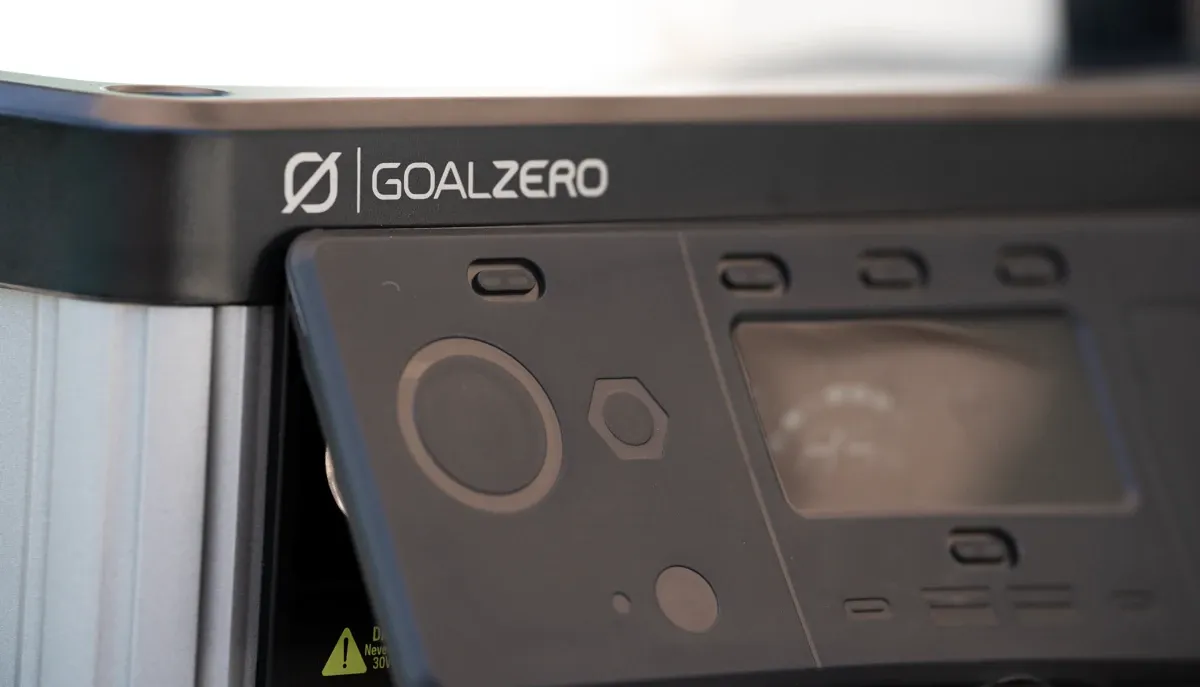
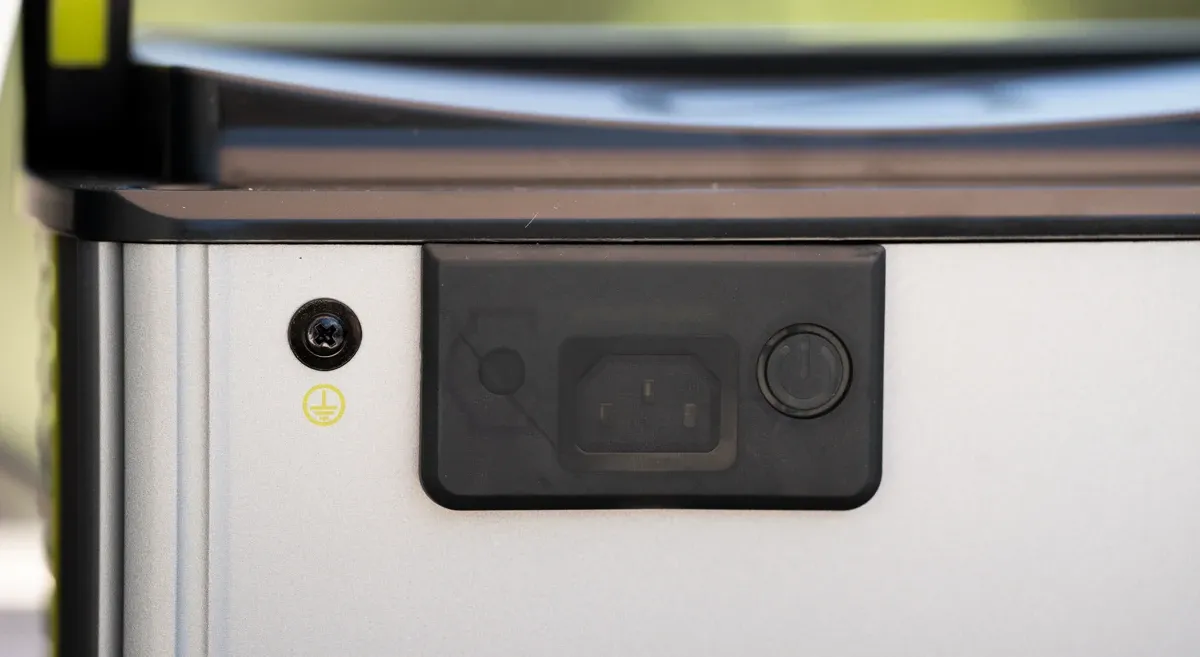
The rubber port covers on the front and rear ports are a sart addition
The durability and premium feel are what justify the price over cheaper alternatives. Portability, ruggedness, and charging speed are the three things this unit gets right most consistently, and they're also the three things that matter most for the way most people actually use a compact power station.
Port selection and everyday use
The output mix is practical and covers what most people will actually need.
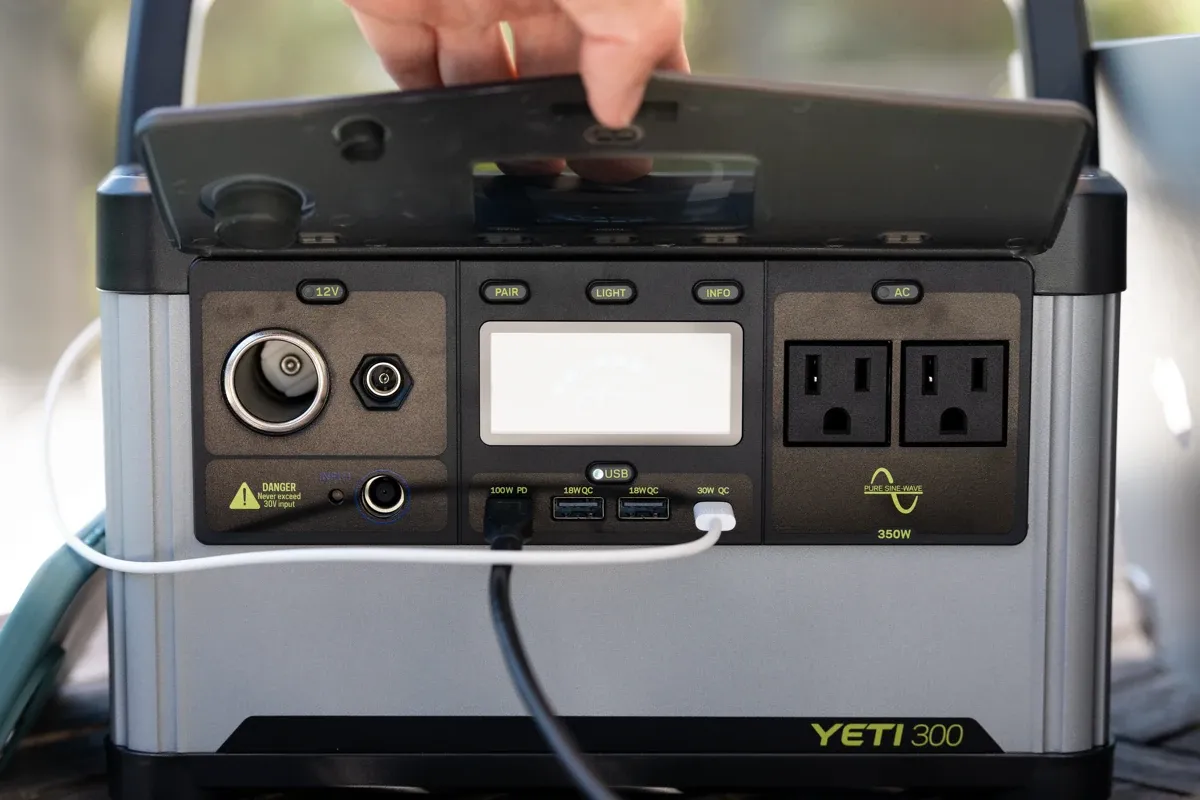
The 100W USB-C PD port is the standout here. It charges modern laptops fast, handles camera batteries, and covers essentially any USB-C device you'd bring on a trip. Two additional 30W USB-C ports and two USB-A ports mean you can charge multiple smaller devices at the same time without fighting over outlets.
Add the 2x AC outputs and 12V ports, and the use cases cover phones, GPS units, lights, cameras, a laptop, a small fan, a router, a CPAP machine, or a TV for a few hours.
Passthrough charging works well for situations where you want to keep things topped off while the unit itself is plugged in, which adds to the sense that this is designed for real-world use rather than occasional novelty.
Solar compatibility and app control
The Yeti 300 accepts up to 200W of solar input, which makes it a sensible choice if you're building out a lightweight van or overlanding setup, or just want the option to recharge off-grid without relying on a vehicle outlet or wall charger.
The app adds Bluetooth and Wi-Fi connectivity for monitoring battery status, power flow, and charging behavior.
Bluetooth is the more useful option in the field, while Wi-Fi supports remote access and firmware updates. The Wi-Fi setup does involve some account friction, which is a minor but recurring annoyance.
It's not a dealbreaker, but it's worth being aware of if you prefer low-friction devices, like I do.
I only tend to get apps for Portable power stations when I know a firmware update is needed, because I'm not a fan of too many apps on my phone.
What it won't do
The Yeti 300 is not for high-draw appliances or extended heavy loads.
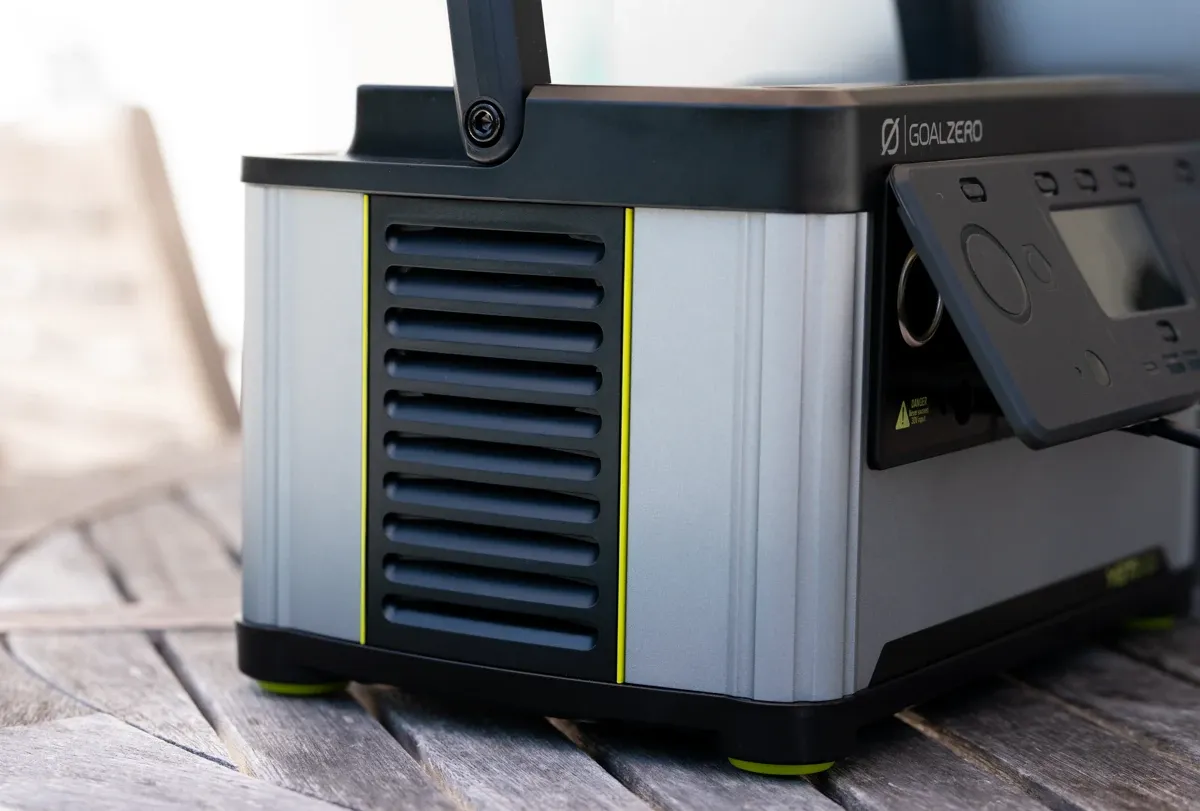
With 350W continuous output, power tools, large kitchen devices, or running a full-size fridge for more than a few hours are outside what this can realistically handle. It's also not expandable, so if your needs grow beyond this class, Goal Zero's larger Yeti models are the next step.
That's a genuine limitation, but it's also clarity. For the vast majority of camping, travel, and short-outage scenarios, the Yeti 300 delivers.

Who it's for
The Yeti 300 makes the most sense for campers, van travelers, and road trip regulars who want dependable power without the bulk of a larger unit. It's also a strong choice as a home emergency backup for keeping lights, phones, and a router going during short outages.
If you're building a lightweight overlanding or van setup and want solar compatibility alongside fast AC charging, this fits that context well too.
If you're running high-draw appliances, need expandable capacity, or want the lowest possible cost per watt-hour, you'll want to look at larger or cheaper alternatives.
The bottom line
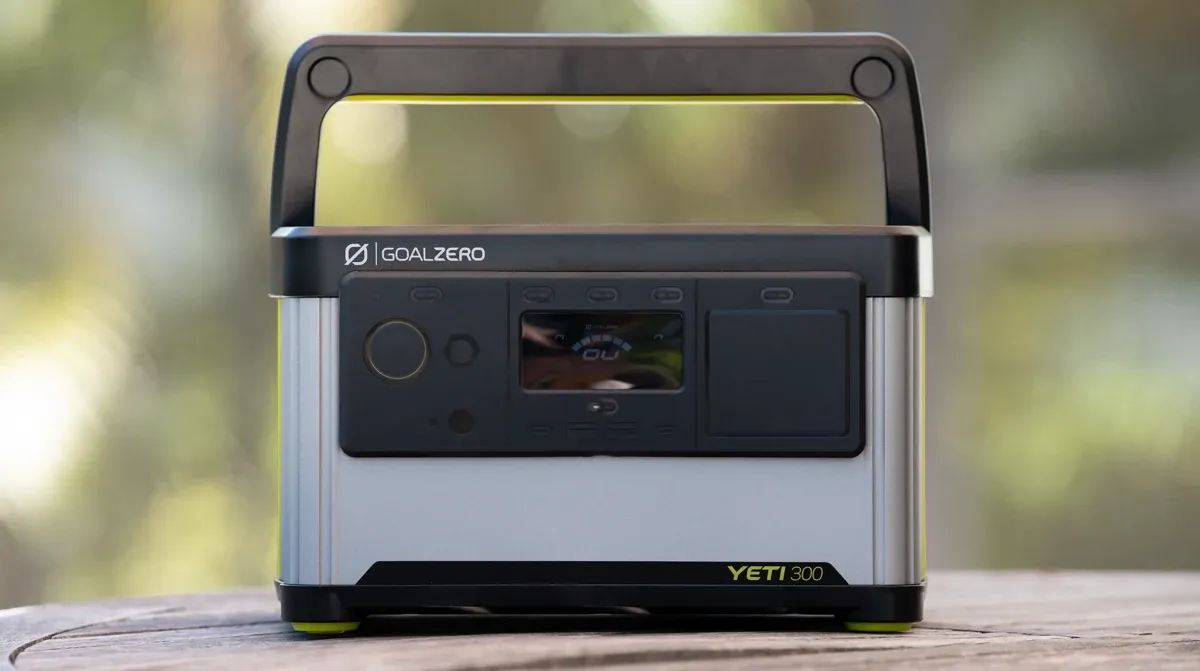
The Goal Zero Yeti 300 is a well-executed compact portable power station for people who prioritize reliability, build quality, and long-term ownership over raw spec numbers.
Fast charging, a modern port selection led by 100W USB-C PD, 4,000-cycle LiFePO4 longevity, IPX4 weather resistance, and a genuinely portable 13.7-pound package add up to something that earns its keep in real outdoor use. Portability, ruggedness, and charging speed are consistently where this unit delivers, and that tracks with everything the specs and build quality suggest.
Yes, there are cheaper options. But for a compact unit built to last and reliable enough to trust when it matters, the Yeti 300 earns its price.
If you haven't already, signup for our free newsletter, and subscribe to our YouTube Channel for more quality content like this. -Alastair
Written by

Subscribe to new posts
Gear that earns its place, outdoors and at home | Reviews, Roundups, News












Member discussion