
Get outside and go hiking for the first time
A beginner-friendly guide to hiking basics, what to wear, what to bring, and the 10 Essentials checklist.

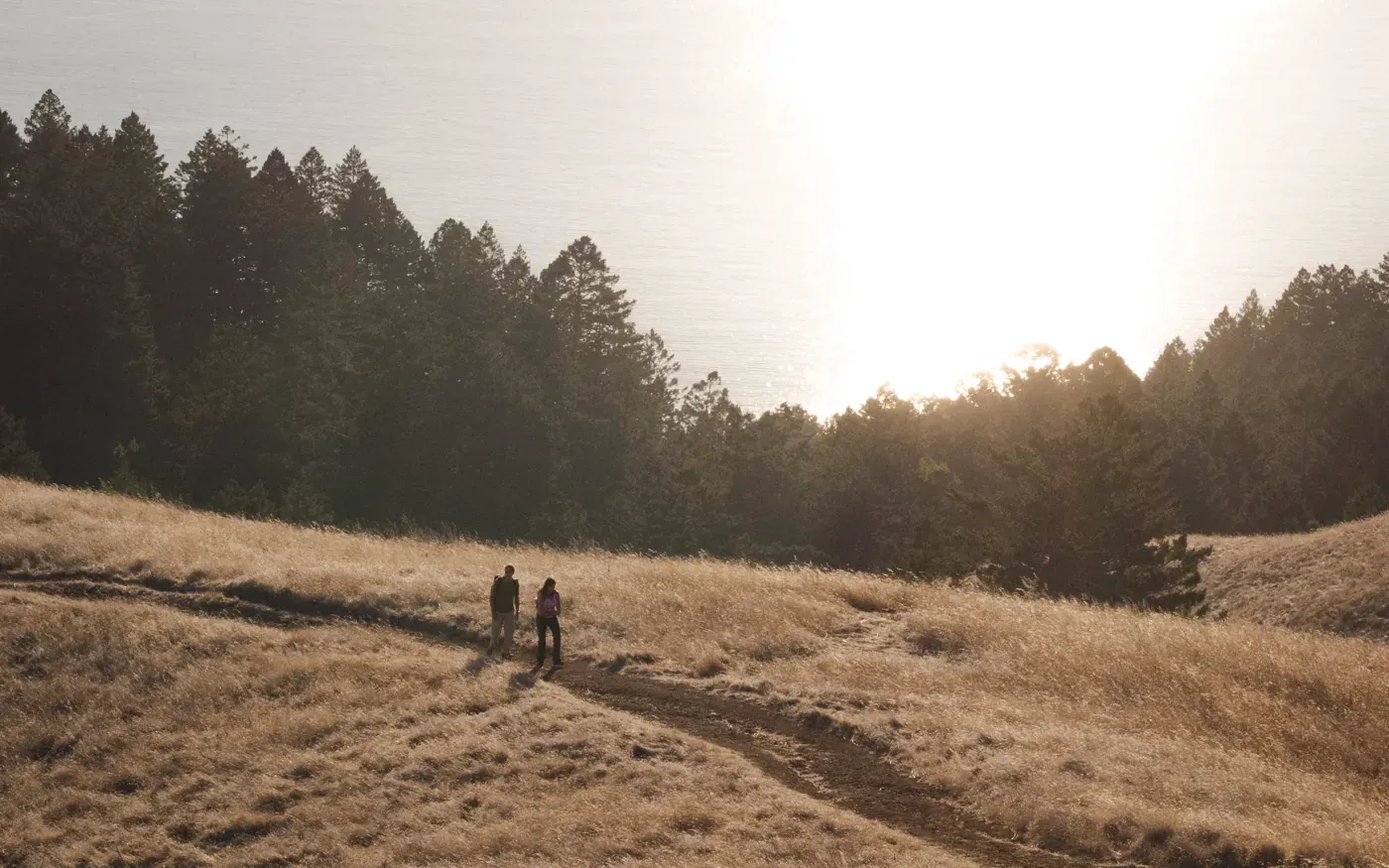
I have come to realise that most people don’t avoid hiking because they dislike the outdoors.
They avoid it because the first one feels like it comes with hidden rules: pick the right trail, wear the right shoes, bring the right stuff, don’t get lost, don’t be slow, don’t look clueless. This tends to be one of the biggest barriers to entry, for most outdoor sports.
This is a guide for that first step, not a hardcore lesson, and not an “ultimate checklist”. Just a relaxed way to make your first hike feel easy and enjoyable enough that you’ll want to do a second one, and third, you get the point.
What “counts” as a first hike
A first hike doesn’t need to be long, steep, remote, or scenic enough to earn a photo.
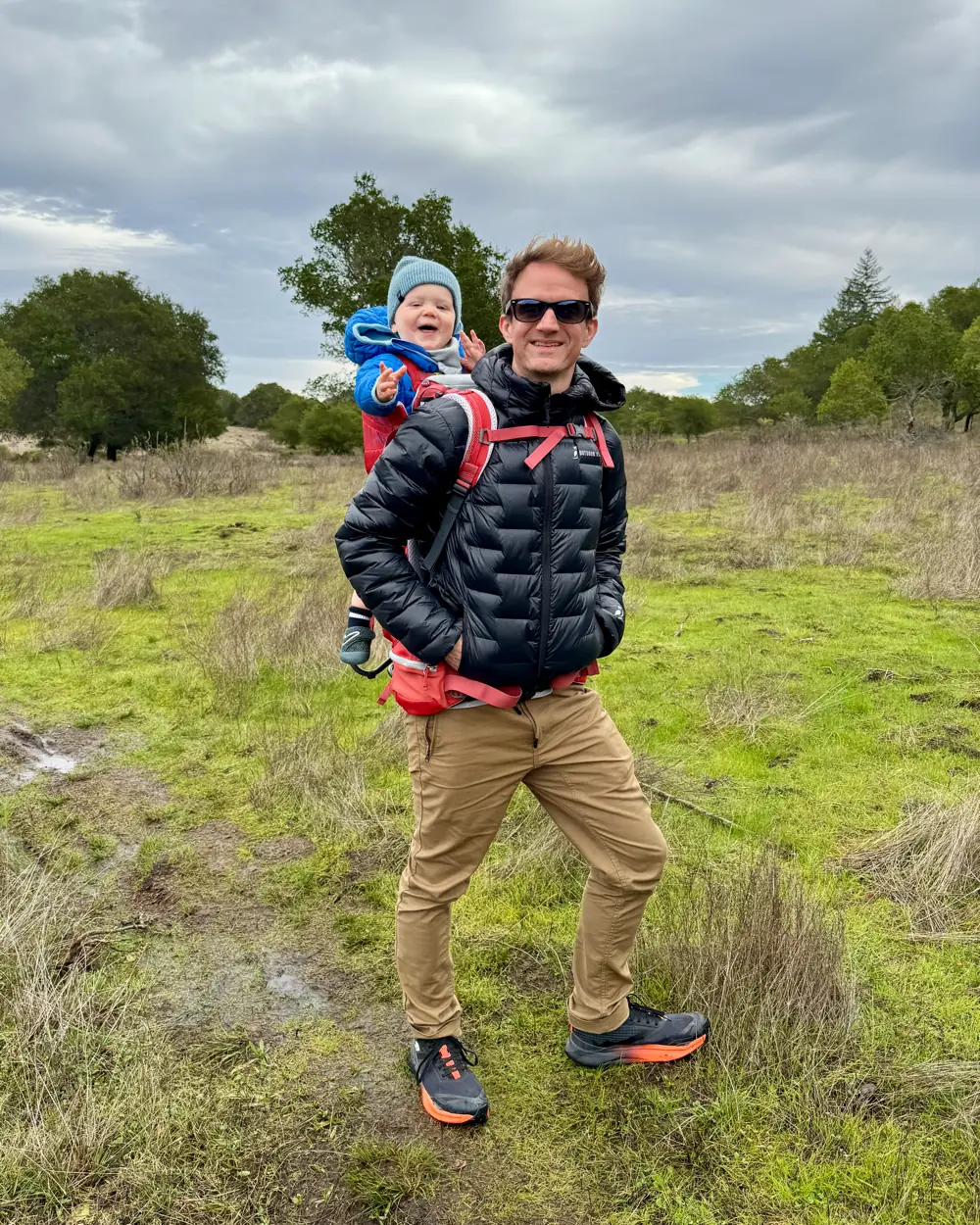
For most people, a first hike is simply a walk on a trail that lasts long enough to feel like you’ve left daily life behind for a moment.
That could be 45 minutes, it could be 90. The point is the experience, not the achievement.
If you finish thinking, “That felt good”, you did it right.
Pick a trail that makes it hard to mess up
Trail choice is the biggest success factor, more than boots, poles, backpacks, any of it.
For your first hike, you’re most likely looking for a “beginner” trail that's:
- Well-marked (so you’re not navigating constantly)
- Popular enough that you’ll see a few people (it lowers stress for most beginners)
- Modest elevation (a steady incline is fine; steep climbs can turn “hike” into “suffer” fast)
- Easy to shorten (out-and-back routes are perfect)
If you want a simple target: plan for 60–90 minutes total. That’s long enough to feel like a real outing, short enough that small mistakes don’t become big problems.
There's a very useful app called AllTrails that will help you find local trails with varying difficulty, and distance. Read my review of it to learn more about how it can help you find local trails.
A helpful mindset here is research from behavioral science: habits form more reliably when the first version is easy enough to repeat.
Your first hike is basically habit design. You’re setting yourself up to come back, so choose the trail that makes “next time” feel obvious.
Start earlier than you think you need to
Starting earlier will help remove any pressure, as you won't have any time limitations, the trails will also be quieter and you get to experience that beautiful morning light.
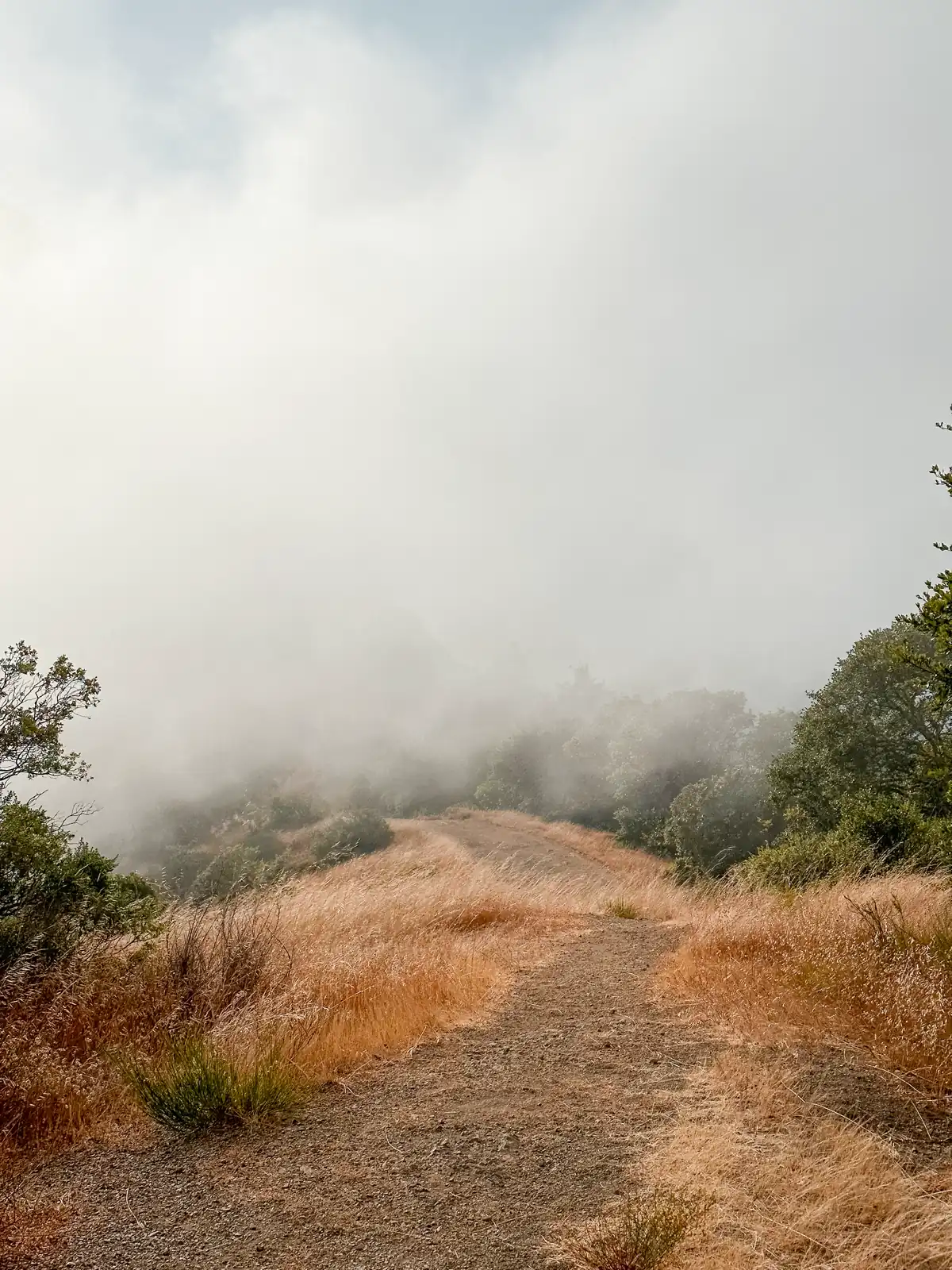
Morning hikes usually give you cooler temperatures, and more daylight buffer too.
More importantly, they reduce that background anxiety of “Are we going to run out of time?” which is what makes beginners rush, forget to drink, and end up less happy than they expected.
What to wear so you stay comfortable
You don’t need specialist hiking clothes but you do need to avoid the common comfort traps.
The main one is cotton. This isn’t outdoor elitism, it’s fabric physics.
Cotton holds moisture, dries slowly, and increases friction when damp. That’s a recipe for chafing when it’s warm and for feeling cold when the wind picks up, or you stop moving.
A simple synthetic tee or merino top usually feels better over time. Beyond that, think in layers: trails create little temperature shifts (shade, wind, exposure), and one light layer in your pack can save a hike from turning into unenjoyable territory.
If you want to keep it simple then wear what’s comfortable, and bring one extra layer you can add if conditions change. Lightweight gear is always a good way to go so that when you're not wearing it, it doesn't weigh your pack down.
Your feet matter more than your pace
A lot of first hikes are “ruined” by feet, not fitness.
You don’t necessarily need boots to start. If you’re on mellow trails, many people do great in comfortable all mountain trail running shoes. Boots can help on rough terrain or if you like the extra protection but they’re not a requirement to begin.
What I’d prioritize is socks. Wool or synthetic blend socks manage moisture and reduce friction better than thin cotton socks, which can reduce blisters and keep your feet feeling good.
And here’s the single most useful foot rule for beginners: hotspots are warnings, not challenges. If you feel rubbing starting, stop early and tape it. It’s a small interruption that prevents a miserable walk back.
What to bring (without overpacking)
Beginners often pack like they’re either invincible or about to be stranded, neither feels great.
For a first hike on a local, well-marked trail, your goal is comfort + basic margin:
Bring water, a snack you actually like, and one light layer. If the trail is exposed, bring basic sun protection, and keep your phone charged.
That’s enough for most first hikes.
If you want one “quietly smart” addition, make it a tiny blister kit (a few strips of tape and a couple basics). Not because hiking is dangerous but because feet can be fussy, and being able to fix small things keeps the whole experience feeling more relaxed.
The 10 Essentials, explained the way they’re meant to work
The 10 Hiking Essentials often get presented as a shopping list but that’s not very helpful for beginners.
They’re better understood as 10 categories of problems that become more relevant as hikes get longer, more remote, or more changeable: navigation, light, sun protection, first aid, repair tools, fire, emergency shelter, extra food, extra water, and extra layers.
On a short first hike, you’ll cover many of these almost automatically. Your phone helps with navigation, daylight is your light, your extra layer covers temperature shifts, and your snack and water cover energy.
The key idea is not “carry everything”, it’s “build margin as your hikes expand”. As you start going further or later in the day, adding a good headlamp and extra food becomes common sense.
As you go more remote, extra layers and emergency shelter become sensible.
If you want the complete checklist format, we keep that in our longer guide here: Hiking for beginners + the 10 Essentials checklist.
How to hike in a way that makes you want to do it again
This is where hiking becomes either restorative or strangely stressful.
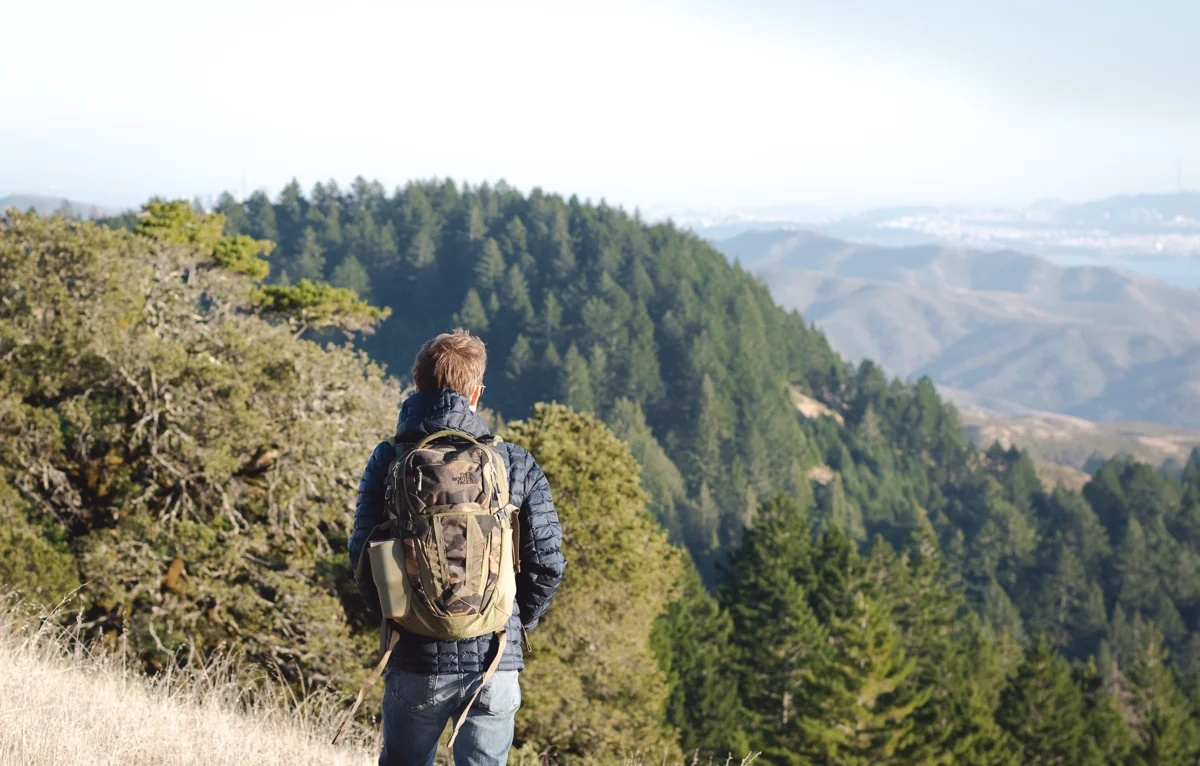
A good beginner pace is one where you can look up, breathe steadily, and talk on flatter sections. On climbs, slow down until your breathing settles again, and take short breaks before you feel wiped.
Drink little sips of water regularly, and eat a bit earlier than you think you need to. Many beginners wait until they feel depleted, and then the hike back feels harder than it “should”.
Hiking doesn’t reward intensity, it rewards steadiness.
The safety habits that actually matter
You don’t need fear-based hiking advice, but you do need to be aware of a couple of basics.
Tell someone where you’re going and when you expect to be back, stay on the trail, and turn around earlier than you think you need to if weather, energy, or daylight shifts.
Those three habits prevent most “bad hiking experiences” without turning the whole activity into a risk management exercise.
A first hike is a beginning, not a benchmark
If you want hiking to become part of your life, treat the first few hikes as a gentle ramp.
Do one short hike this week. Do another next week.
Only then start adding time or elevation, it’s not that your body can’t handle more, it’s that your enjoyment is what determines whether hiking sticks or not - it's all about feeling motivated.
And the long-term payoff is real: time outdoors is consistently associated in research with improvements in mood and stress, and hiking adds the steady movement piece that helps many people feel better in their body too. You don’t have to chase extremes to get those benefits.
A simple next step
Pick one trail this week that feels almost too easy.
Bring water, a snack, and a layer, remember to keep the pace feeling relaxed, and finish feeling like you could do a little more.
That “could do more” feeling is exactly what turns a first hike into a habit.
And if you want the deeper, checklist-style guide like packing lists, the full 10 Essentials breakdown, and more detail on gear, head here next: Hiking for beginners + the 10 Essentials checklist.
Written by
Subscribe to new posts
and discover the best gear, healthy foods, and life outdoors.








Member discussion