
PAKA Sol Hoodie with UPF 30+ protection review
This alpaca-blend sun hoodie swaps flimsy synthetics for better comfort, less odor, and all-day wearability outdoors.

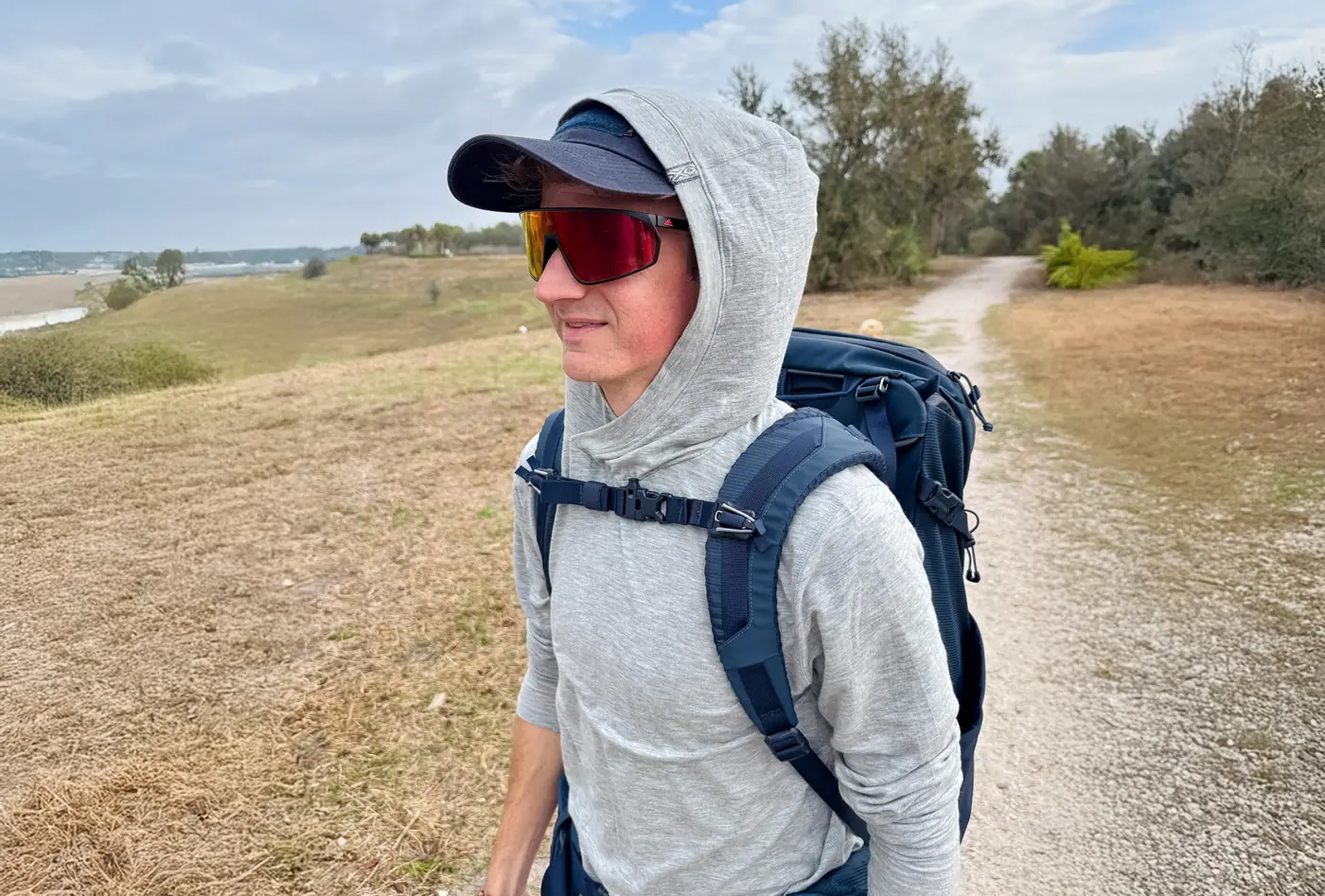
Most sun hoodies are built around the same promise of light fabric, decent coverage, and the hope that you won’t notice you’re wearing them too much.
The PAKA Sol Hoodie takes a slightly different route, and arguably, a better one.
Instead of leaning on the usual synthetic recipe, PAKA uses a blend of Tencel, nylon, royal alpaca, and spandex to create a sun layer that feels softer, more substantial, and far more wearable than the average polyester fishing or hiking hoodie.
That difference is obvious the moment you put it on. It doesn’t have that plasticky, slick-hand feel that a lot of sun hoodies do. It feels natural, smooth, stretchy, and just plain comfortable. That, really, is the story here.
The Sol Hoodie isn’t trying to be the lightest option for desert racing or humid high-output trail runs. It’s trying to be the one you want to keep wearing all day, whether you’re hiking, paddling, fishing, traveling, or just spending long hours outside in strong sun.
At $99, it sits above basic synthetic sun hoodies, but it also offers a noticeably different experience. For the right person, that difference will matter a lot more than shaving off a little fabric weight.
If you purchase through links in this article, we may earn a small affiliate commission. For exclusive content, our newsletter, and more perks, become a member, it's free! -The Trail & Kale team ✌🏼
Key specifications
- Price: $99 only at PAKA
- Materials: 67% Tencel, 14% Nylon, 14% Royal Alpaca, 5% Spandex
- UPF rating: 30+
- Fit: Regular / athletic fit - Sizes available: XS–XXL
- Key features: Three-panel crossover hood, hidden thumbholes, stretchy structured fabric
- Made in: Peru
- Care: Machine wash cold, gentle cycle, lay flat to dry
Performance review
The fabric is the differentiator
The biggest reason to buy the Sol Hoodie is the fabric.

That alpaca-Tencel blend gives it a feel that most sun hoodies simply don’t have. It’s soft in a way that makes a lot of synthetic layers feel cheap by comparison, and it avoids the itchiness some people associate with wool-based garments.
On skin, it feels smooth, breathable, and easy to wear for hours at a time. That matters more than specs suggest because comfort is what determines whether a layer becomes part of your regular rotation or ends up forgotten in a drawer.
What I like here is that the softness doesn’t come at the expense of shape.

The fabric has enough structure and stretch to move well, recover nicely, and avoid that clingy, sloppy feel some lightweight layers get after a day outside.
It feels relaxed without becoming baggy, and the cut seems well judged for active use.
It’s also one of those garments that makes sense beyond its core category. Yes, it’s a sun hoodie, but it doesn’t feel overly technical or one-dimensional.

You can wear it on a family hike, on the water, around camp, during travel days, or as a casual layer in the evening and it still feels appropriate. That versatility adds real value in my eyes.
It handles long sunny days better than most
Coverage is another big strength. The three-panel hood is a smart design.
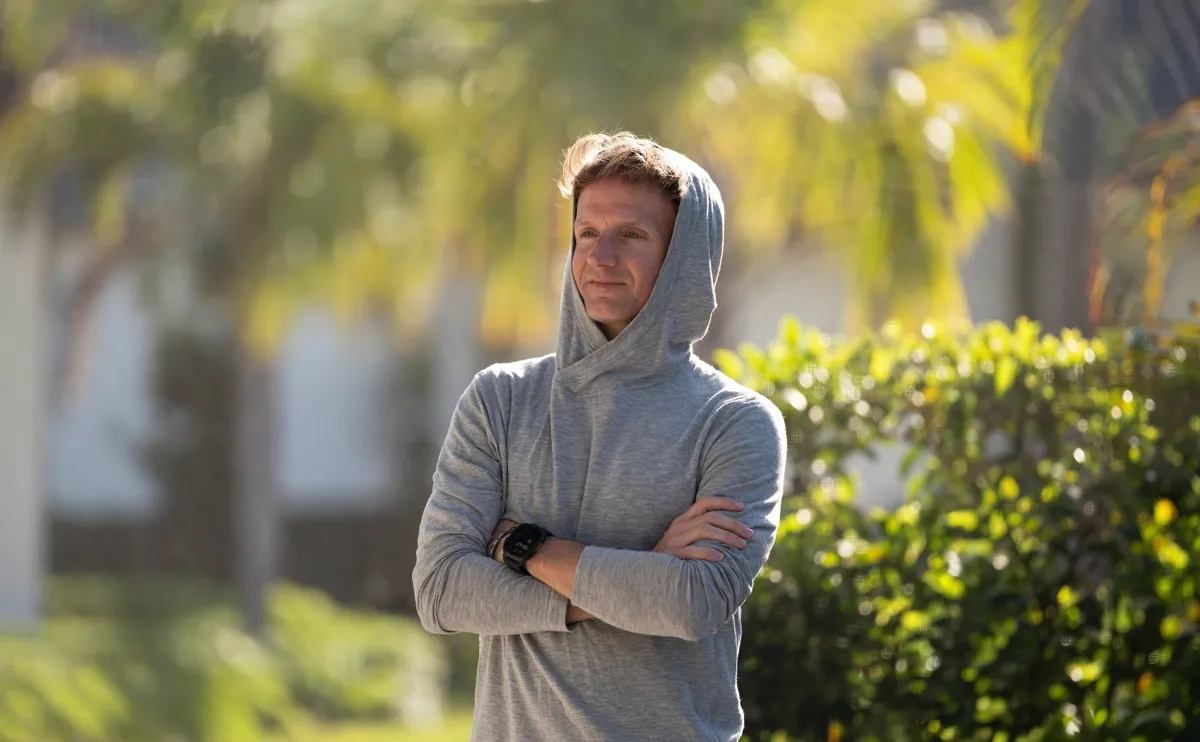

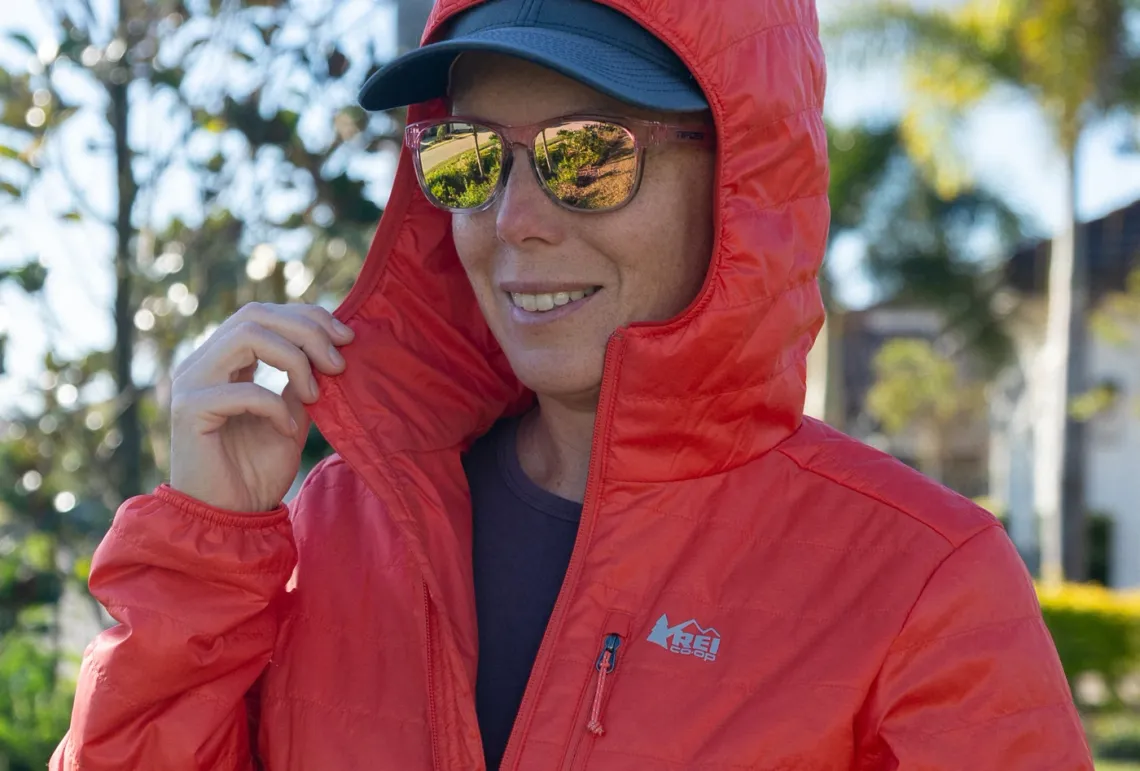
It gives better neck and side coverage than a basic hood, and it sits well over a cap without constantly needing adjustment, as you can see in the featured image of this review.
That matters when the whole point of the piece is to help you spend more time outside without getting cooked by the sun. 😄
The thumbholes also sound like a small detail until you use a hoodie that gets them wrong.
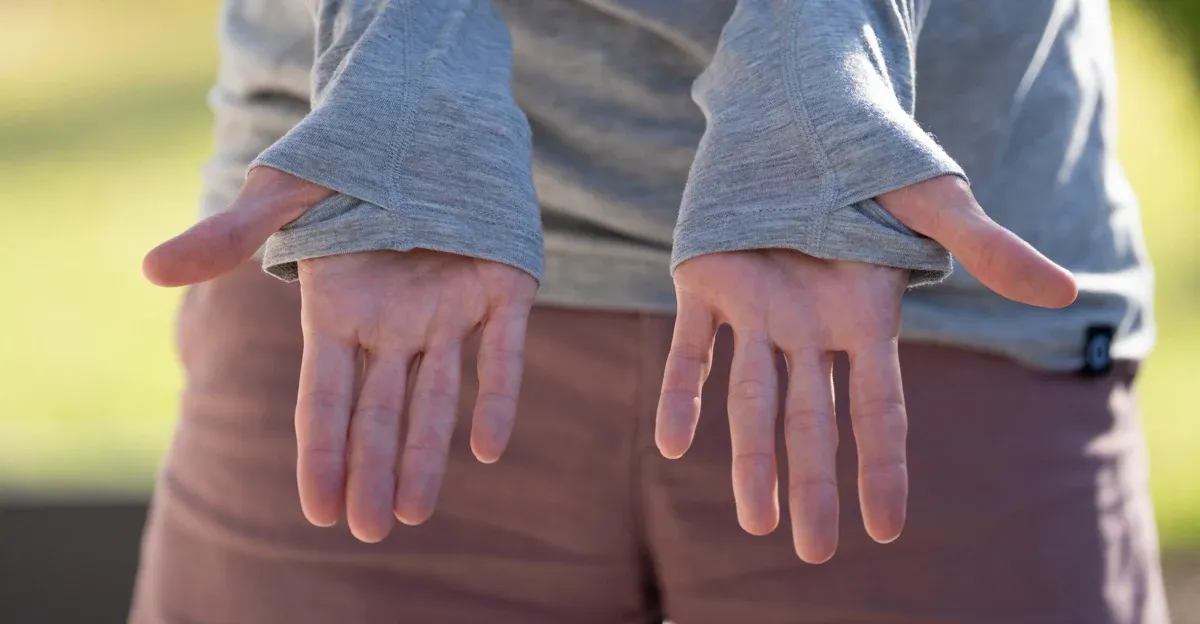
On the Sol Hoodie they appear to be well executed, giving you extra hand coverage without tugging awkwardly on the sleeves or making the fit feel restrictive.
That kind of detail can make a surprising difference during long days under direct sun, especially when you’re moving between exposed sections of trail, water, or open terrain.
The UPF 30+ protection won’t be the headline-grabbing number some synthetic competitors use, but the practical coverage story here is still strong. Between the hood, sleeve length, and overall wearability, this looks like a piece designed for real-world use rather than a lab-sheet feature battle.
PAKA Hoodie Review: Crazy-Soft AND Durable??
Our PAKA Hoodie review explains how it performs, what’s so unique about Alpaca Wool apparel, and what sets this hoodie apart from the crowd.
 Alastair Dixon
The natural odor control is a genuine advantage
This is another area where the Sol Hoodie separates itself from a lot of the field.
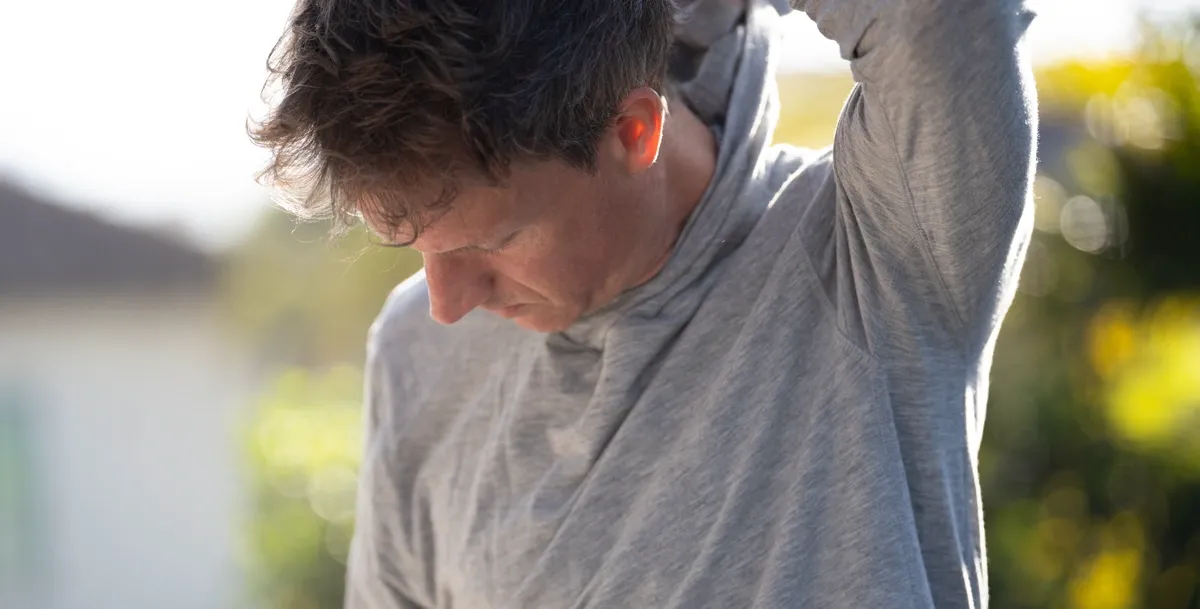
One of the biggest frustrations with synthetic sun layers is how quickly they can hold onto smell because a lot of the time you don't wear anything under a layer like this.
Even when they wick sweat well, they often end up feeling less pleasant after a hard day or a couple of wears on a trip. Alpaca helps change that.
The broader feedback around the Sol Hoodie is strikingly consistent on this point and aligns well with my experience; it it stays fresher for longer.
That makes it particularly appealing for travel, multi-day use, hiking, camping, fishing weekends, and any situation where you want one layer to do more without becoming gross halfway through.
Even if you’re not counting grams or chasing big mileage, there’s a real quality-of-life benefit in a piece that doesn’t immediately feel spent after sweat, and hours in the heat.
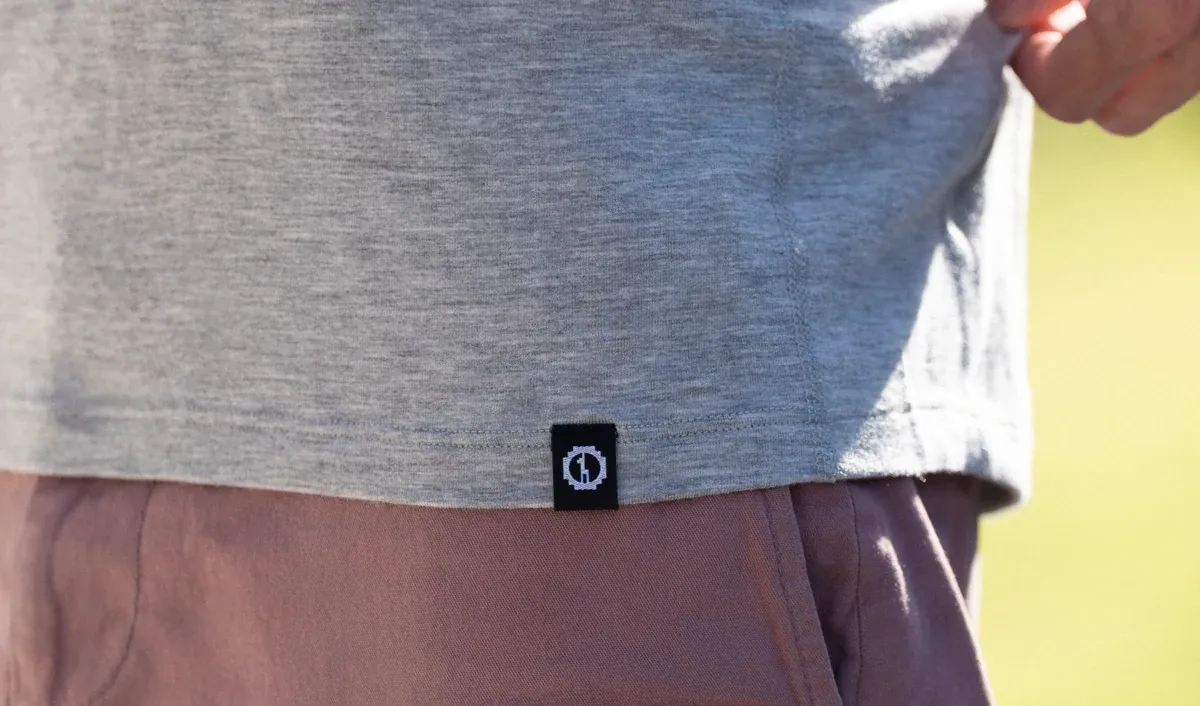
For me, that’s part of the appeal of natural-fiber performance wear in general. It often feels more livable. Less clinical. Less like a purely technical solution, and more like something built for actual people spending full days outdoors.
Best for warm to hot days, but not the harshest conditions
The Sol Hoodie’s main trade-off is pretty clear.
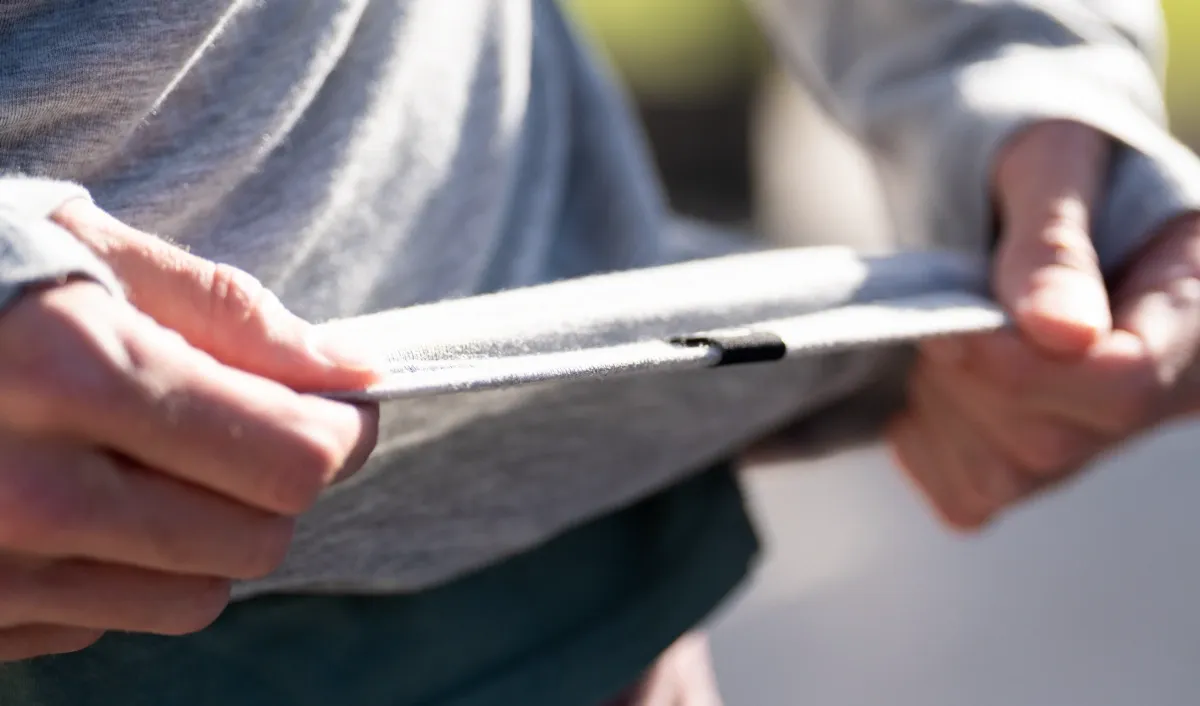
At 181 gsm, it’s a little thicker (still thin by the standards of most tops) and more substantial than ultralight synthetic sun hoodies.
That extra substance helps with comfort, softness, and the premium feel, but it also means this isn’t likely to be the best option for the hottest, wettest, most oppressive conditions, especially if you’re pushing hard.
Paka Baselayer Review: Soft, Odor-Resistant & Breathable
I now know why alpaca clothes are so popular for hiking, backpacking, travel, skiing, right now.
 Helen
Helen
For hiking, fishing, paddling, cooler beach days, shoulder-season mountain travel, and general all-day wear, that probably won’t be a problem. In fact, it may be part of why the hoodie feels so much nicer than flimsier alternatives.
But if you’re doing intense trail runs in thick humidity, or you want the absolute fastest-drying layer possible for minimalist summer missions, a super-thin synthetic will still have the edge.
That doesn’t feel like a flaw so much as a positioning note. The Sol Hoodie is aimed at people who want better comfort, better next-day freshness, and a more enjoyable feel on body.
And for plenty of people, that’s a better trade.
It also feels like a more thoughtful product
There’s one more thing worth mentioning, and that’s the brand context.
PAKA The Quarter Zip review: My new favorite alpaca wool layer
A close look at the 65/35 Royal Alpaca blend, the mock-neck zipper comfort, fit notes, and what PAKA’s 2025 impact numbers add to the story.
 Alastair Dixon
PAKA’s focus on traceable alpaca fiber, Peruvian craftsmanship, and B Corp values gives the Sol Hoodie a bit more depth than a generic performance layer. That alone won’t make the hoodie better on trail in certain circumstances, but it does add to the sense that this product was made with more care and intention than a lot of category lookalikes.
That comes through in the design too. The hood serves a purpose. The thumbholes serve a purpose. The fabric choice clearly serves a purpose. It all feels fairly coherent.
My verdict
The PAKA Sol Hoodie looks like one of the more interesting alternatives to the standard synthetic sun hoodie, and the reason is simple; it's much more enjoyable to wear.
The softness, odor resistance, thermoregulation, and overall comfort are what make it compelling for me.
This is the kind of layer that seems built for long, real days outside, when comfort starts to matter just as much as technical performance. It’s especially appealing if you’ve grown tired of synthetic sun hoodies that get clammy, hold onto smell, or just feel a bit lifeless.
What it offers instead is a more premium, more wearable, and frankly more satisfying experience. That feels like a trade many people will be very happy to make, myself included.
If you haven't already, signup for our free newsletter, and subscribe to our YouTube Channel for more quality content like this. -Alastair
Written by

Subscribe to new posts
and discover the best gear, healthy foods, and life outdoors.







Member discussion