
LifeStraw Home 7-cup glass water filter pitcher review: Great tasting, microplastic-free water
A glass pitcher with a 0.2-micron membrane plus carbon/ion exchange filters for microplastics, PFAS, and taste. Filtering is slow but the clean drinking water is well worth the wait.

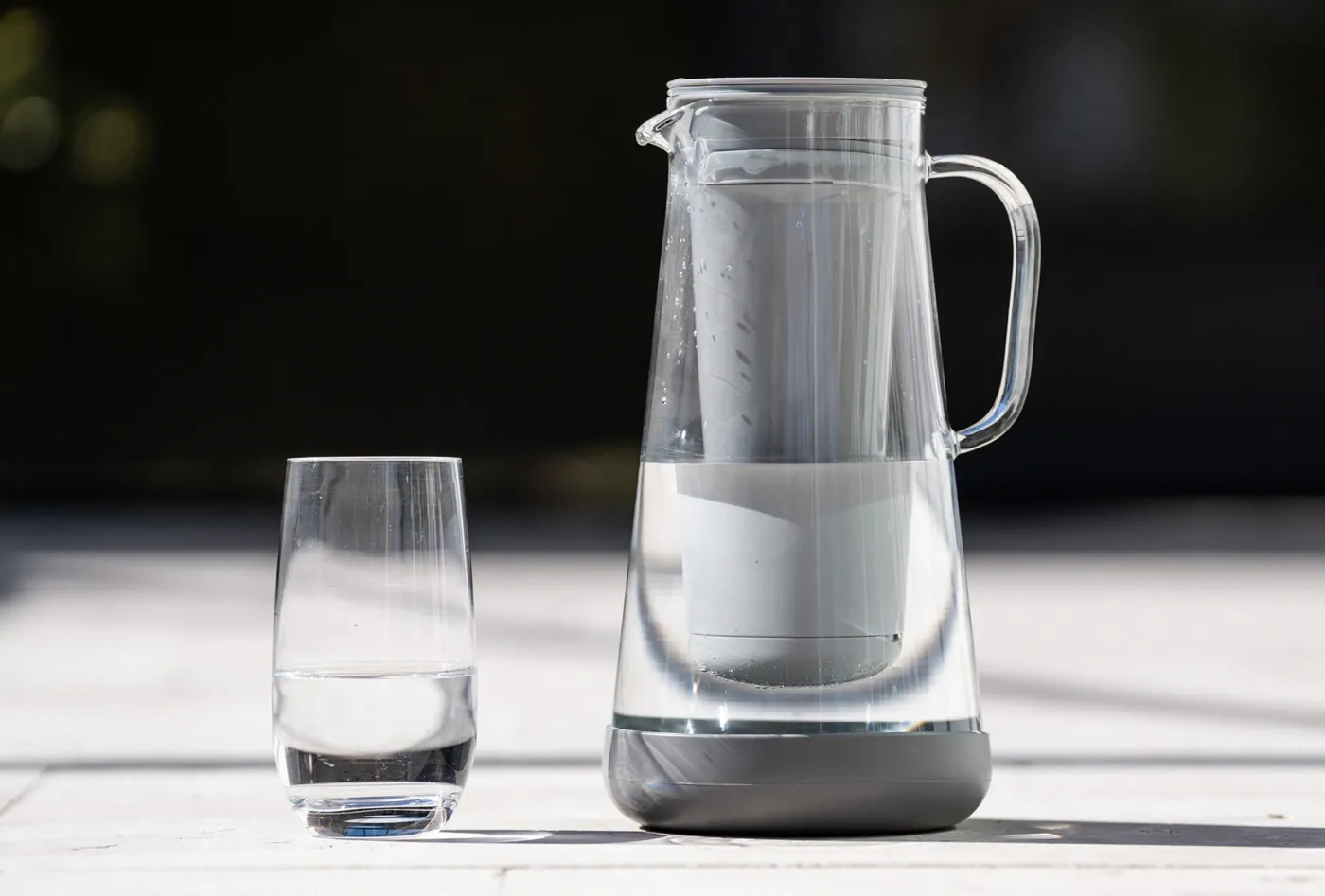
I started using the LifeStraw Home 7-cup glass water filter pitcher because I wanted one simple thing for our family: better everyday drinking water, without the extra microplastic worry that comes with plastic pitchers, bottled water, or even water direct from the tap.
And honestly, I very quickly became a fan; part of that is down to the build quality and design.
The main pitcher is made with hand-blown borosilicate glass with a BPA-free silicone base, so it feels stable on the counter and doesn't make an almighty 'clink' sound when you place it down, as it would do, if glass made direct contact with my countertops.
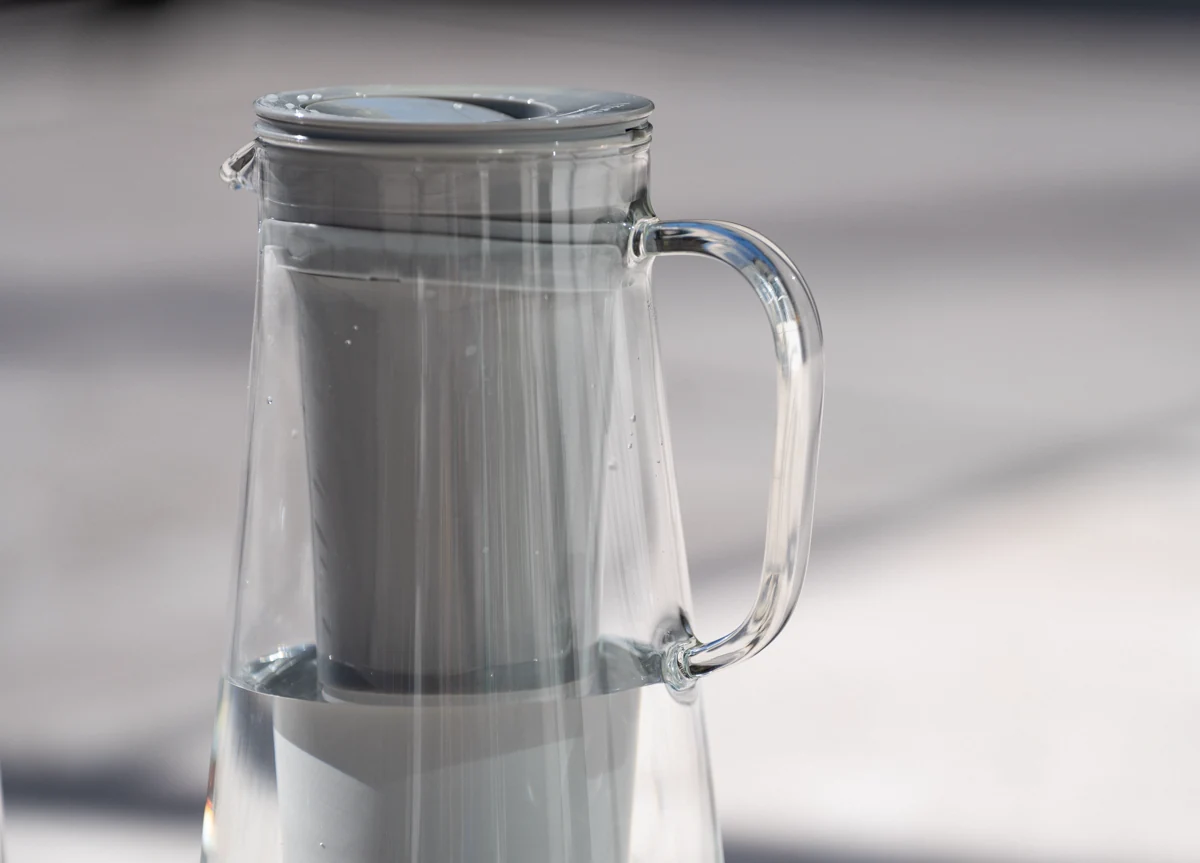
The other part is the filtration approach. This isn’t just a basic “taste filter” pitcher, LifeStraw pairs a membrane microfilter (for bacteria, parasites, microplastics) with an activated carbon + ion exchange filter (for things like chlorine taste, heavy metals, and PFAS reduction).
The tradeoff is that you get more ambitious filtration claims than most pitchers, but you pay for it in flow rate and ongoing filter replacement.
If you’re deciding between a simple pitcher setup like this and a countertop Reverse Osmosis system, my Waterdrop A2 review breaks down the pros/cons in real kitchen life.
But let's face it, if it does a thorough job that most other filter pitches just can't do (I'm looking at you microplastics), then it's worth it in my opinion, as the health of my family (and myself) is a priority for me.
Key specifications
- Price (at time of writing):
$51.96 at Amazon (sale price shown, down from $64.95) - Capacity: 7 cups
- Size: 11.25 x 5.8 in (28.5 x 14.7 cm)
- Weight: 2 lbs 4 oz (1.8 kg)
- Materials: hand-blown borosilicate glass pitcher; silicone base; easy-fill lid + filter housing
- Color colors: options include Pebble (the one I have), Juniper, Wisteria, White, Terrazzo, and Stormy Blue (availability varies)
- Filtration (two-stage):
- Membrane microfilter (0.2 micron): Claims to filter 99.999999% bacteria, 99.999% parasites, 99.999% microplastics. Life: 264 gallons / 1,000 liters (up to 1 year). Standards listed: US EPA & NSF P231 (bacteria/parasites)
- Activated carbon + ion exchange filter: Reduces chlorine/odors, heavy metals (lead, mercury, etc.), and chemicals including PFAS, pesticides, herbicides. Life: 40 gallons / 150 liters (up to 2 months). Standards listed: NSF 53, NSF 401, NSF P473 (PFOA/PFOS), NSF 42
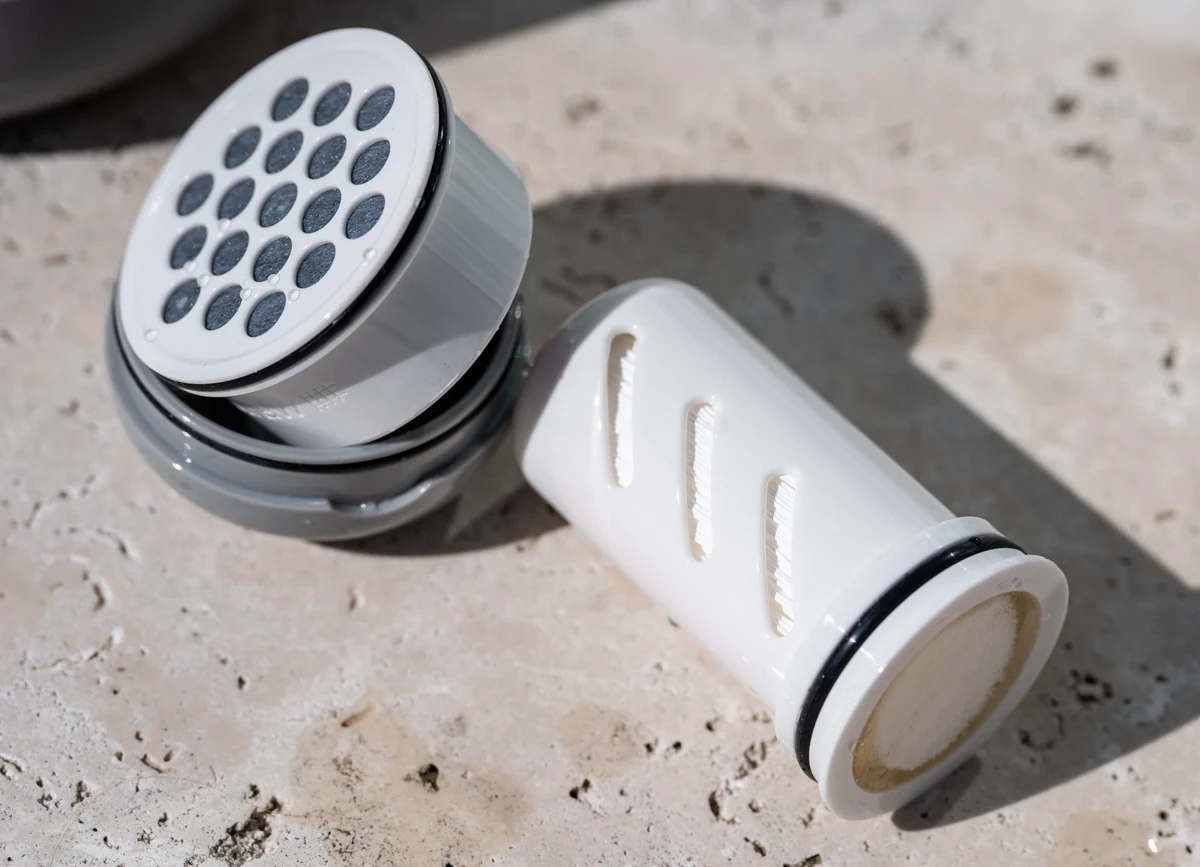
Note: LifeStraw states its products aren’t designed to remove fluoride.
Replacement filter costs: I recommend getting the 1-year supply package which consists of 6x carbon filters and 1x membrane microfilter for $60 at Amazon here.
The pitcher does come shipped with 1x activated carbon filter and 1x membrane microfilter so you'll be able to start creating clean water right out the box.
What’s in the box
Inside the box you get the full pitcher setup, ready to assemble:
- Glass pitcher
- Silicone base
- Filter housing
- Membrane microfilter
- Activated carbon + ion exchange filter
- Filter housing cap
- User manual / setup guide
Performance review
Taste and “will I actually want to drink this?”
This is the part that surprised me most: the water tastes noticeably better.
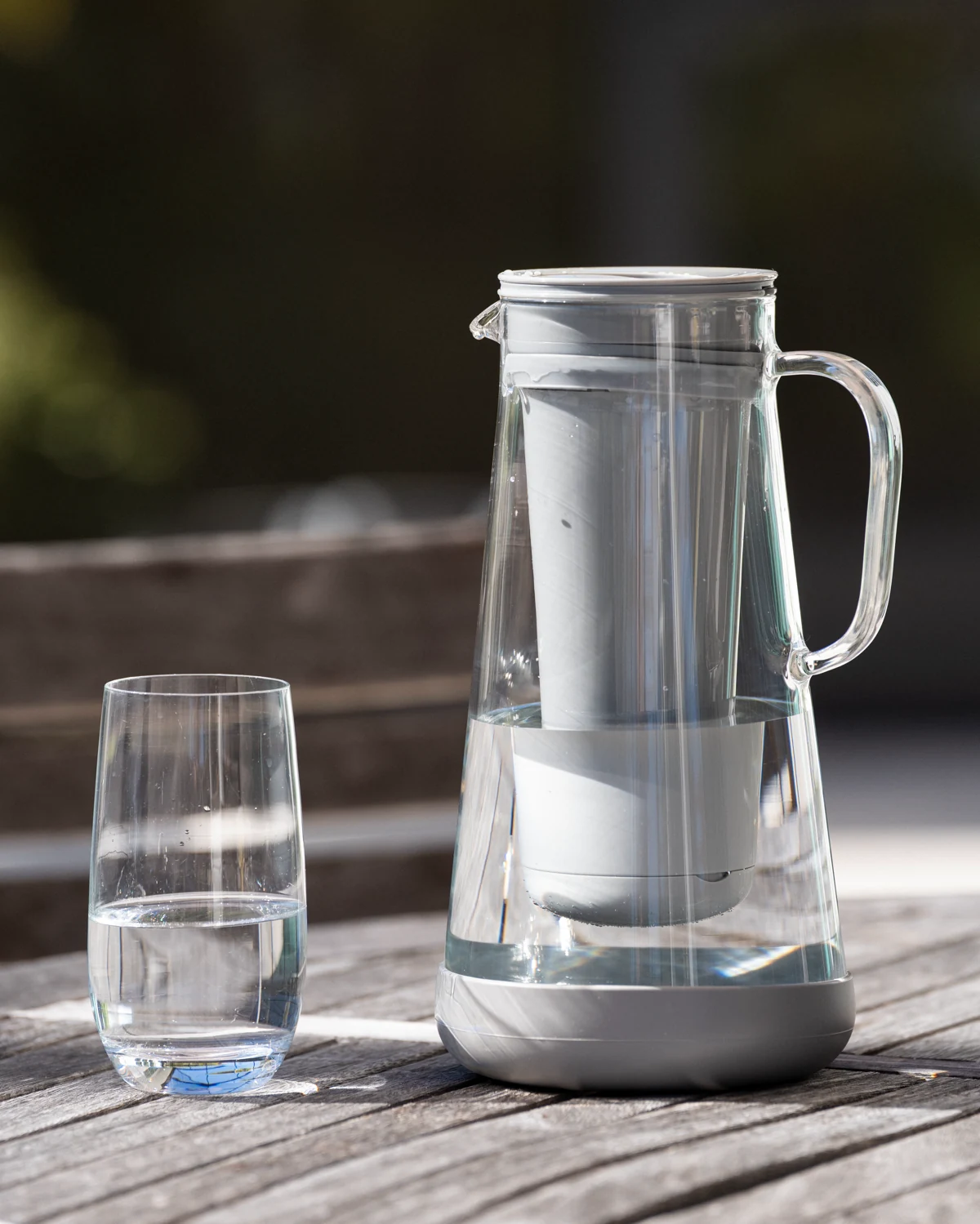
I mean I have tested enough filtration systems over the years to know the effects of carbon filters on improving taste already, but somehow this two stage filter system makes our tap water taste so much smoother and it now has a very clean taste to it.
In our house, it takes that “tap edge” way down and makes it feel closer to what I’d expect from a more involved home filtration system.
A big chunk of that is chlorine reduction. LifeStraw lists NSF 42 for chlorine reduction, and in real life that tends to translate into cleaner smell and better flavor.
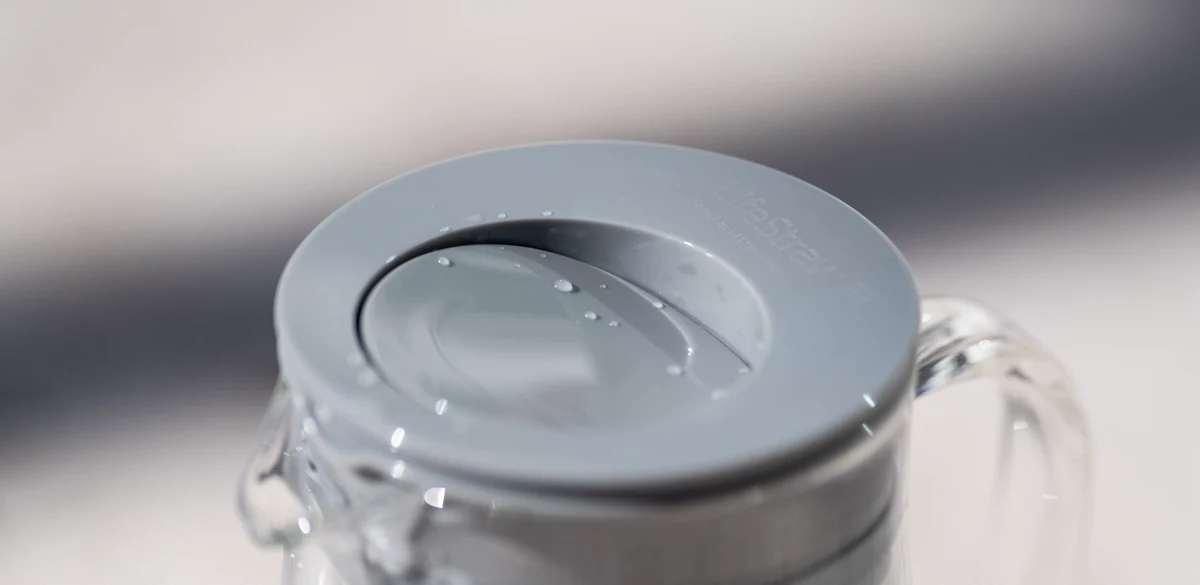
The fill door flap opens up automatically and effortlessly when you fill the pitcher up with water, leading to an easy fill up process.
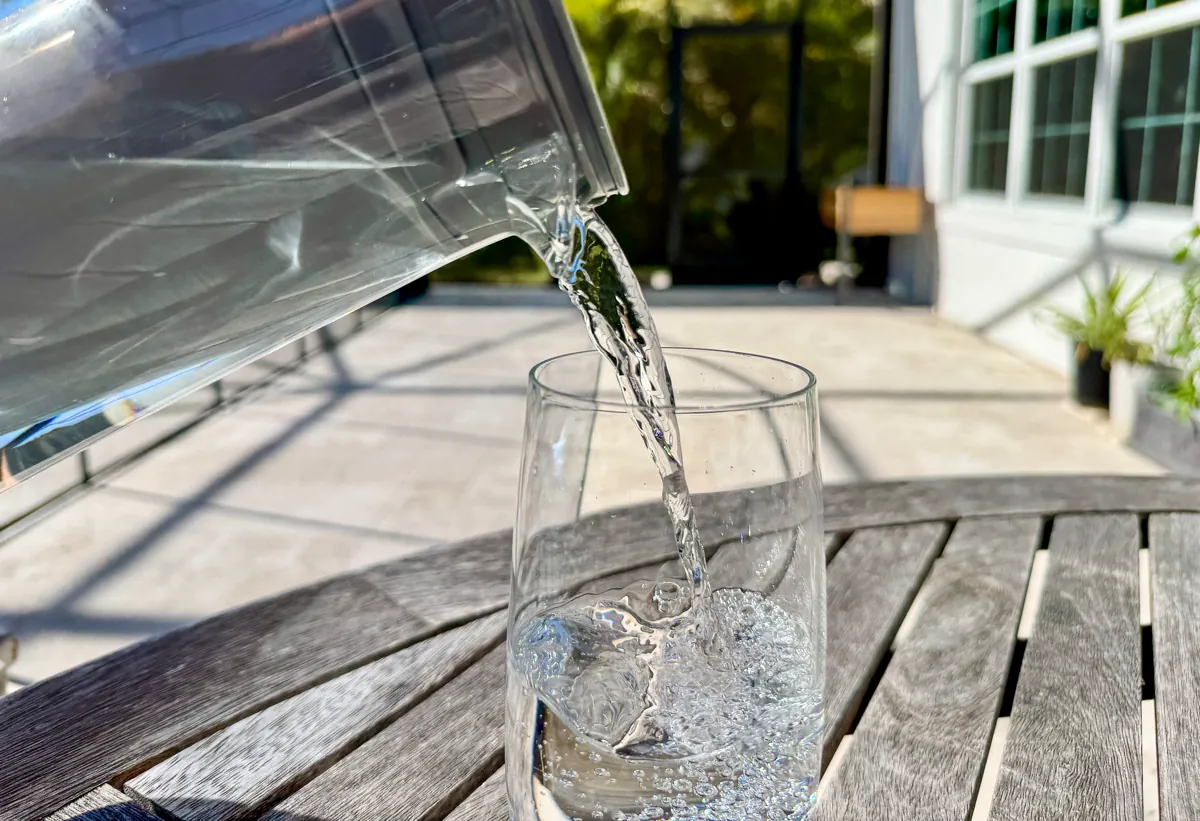
The spout of the pitcher jug provides a steady pour with a tight stream of water, making it enjoyable and accurate to pour into your glass/ stainless steel bottle.
Microplastics: the reason I wanted this pitcher in the first place
My main motivation here was the reduction of microplastics in our at-home drinking water.
Two things matter to me most:
- The filter’s claim: the membrane microfilter is rated for 99.999% microplastic removal, with a 0.2-micron pore size.
- The pitcher body: the water you’re storing sits in glass, not plastic.
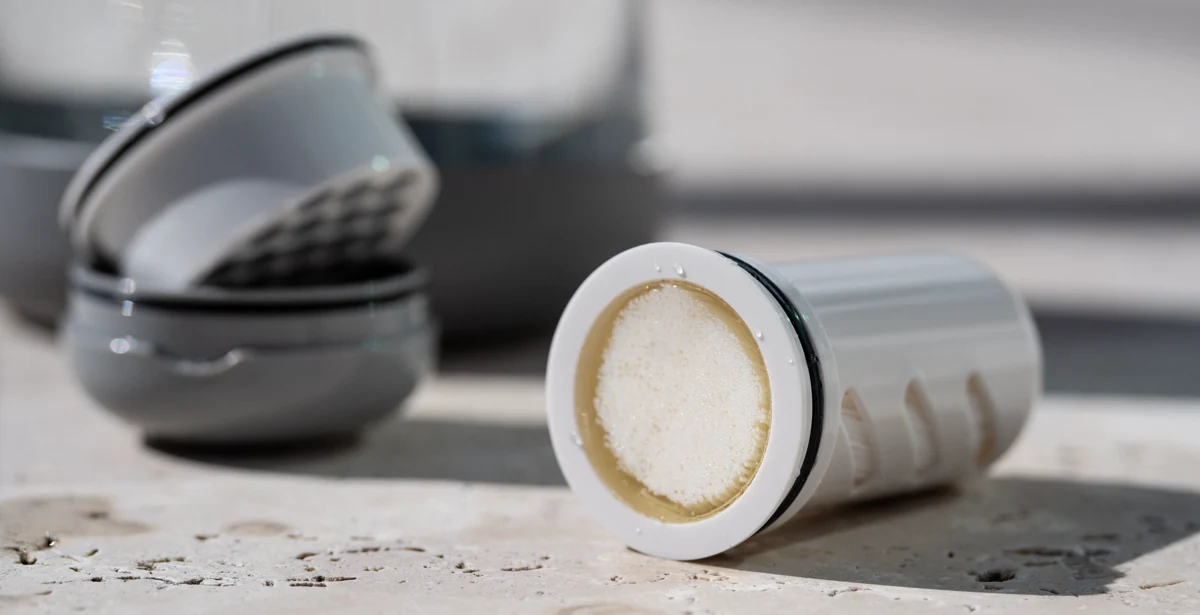
It's worth saying clearly: the lid and filter housing are still “not glass” (true of basically every pitcher), so I don’t treat this like a perfect lab-grade solution.
But it does align with what I wanted: reduce exposure as much as possible, where I can, without turning our kitchen into a science project.
If you like digging into details, LifeStraw has also published info on their microplastic testing and certifications (including NSF verification for microplastic reduction on certain products).
Filtration speed and the “wear-in” period
This is the biggest daily-life downside for me; it filters slower than a basic Brita-style pitcher.
In my use, it’s a “start it, do something else, come back” kind of filter. It’s not the one you fill and immediately pour.
A couple of practical notes from living with it:
- It’s slower at first, then gets more usable once the filters have been through a few cycles.
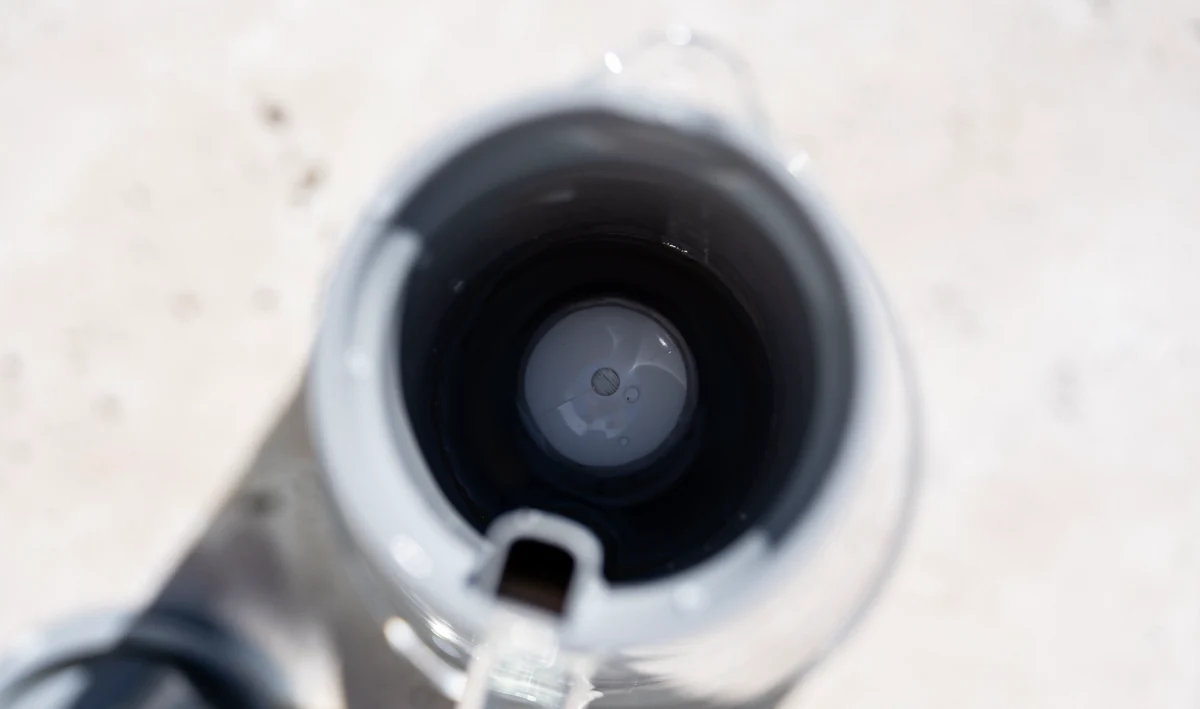
- The fill reservoir is smaller than the filtered-water chamber, so if you wait until it’s empty to refill, you’ll end up standing around, and doing multiple fill sessions. It works best when we top it up before it bottoms out.
That all being said, I can live with a slow filter system as long as I know I'm getting cleaner, tastier water at the end of it.
Good things take time to create - this is a mantra I think many people need to remember, in all walks of life.
Setup, cleaning, and day-to-day upkeep
Setup for the Lifestraw 7-cup Home pitcher is straightforward, but it does have a first-run step where you discard the first batch of filtered water.
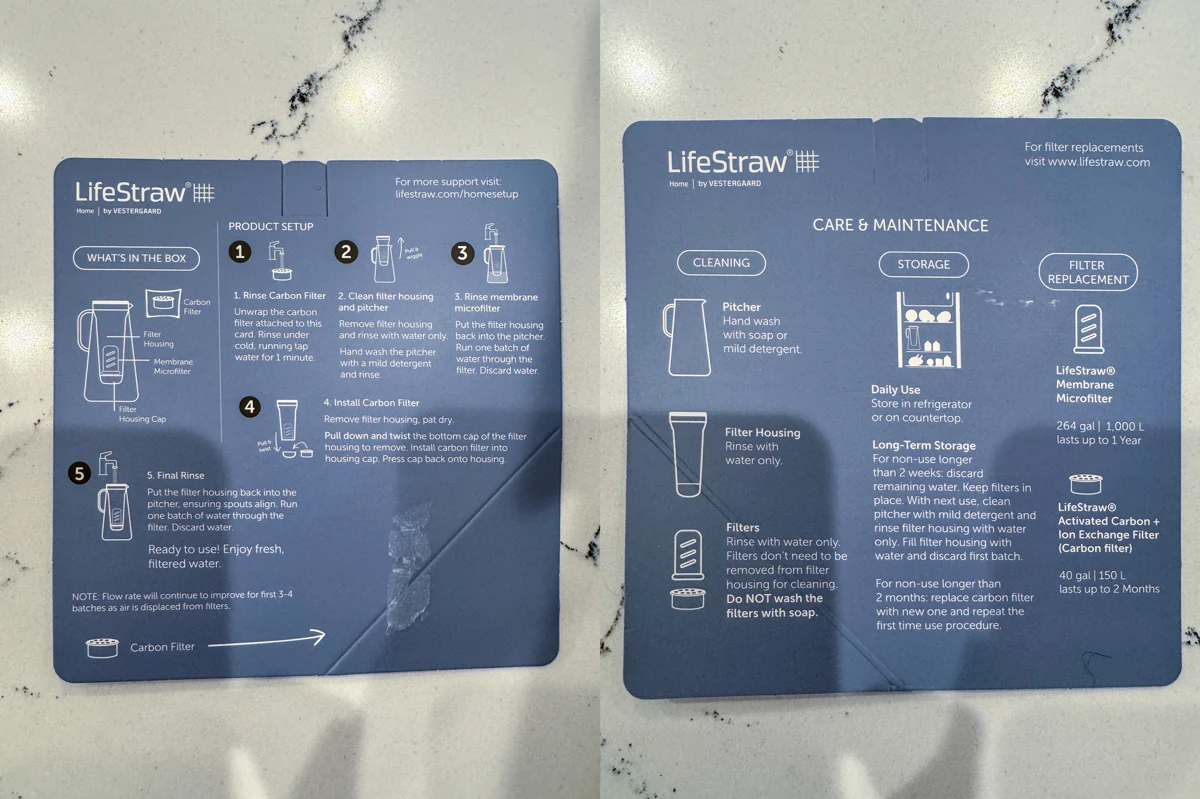
LifeStraw’s manual instructs you to run one batch through and discard before you start drinking from it, which I did.
Cleaning-wise, the pitcher is dishwasher safe once the filter housing is removed, and be aware that LifeStraw notes that you shouldn't use soap on the filters. Rinse with water only.
Storage is easy: fridge or countertop is fine for daily use.
If you stop using it for a while, the manual is specific about what to do and when to replace the carbon filter again (especially if it’s been over 2 months).
The glass factor: love it, but treat it like glass
I love the glass pitcher, it looks classy, feels clean, and it matches why I bought it.
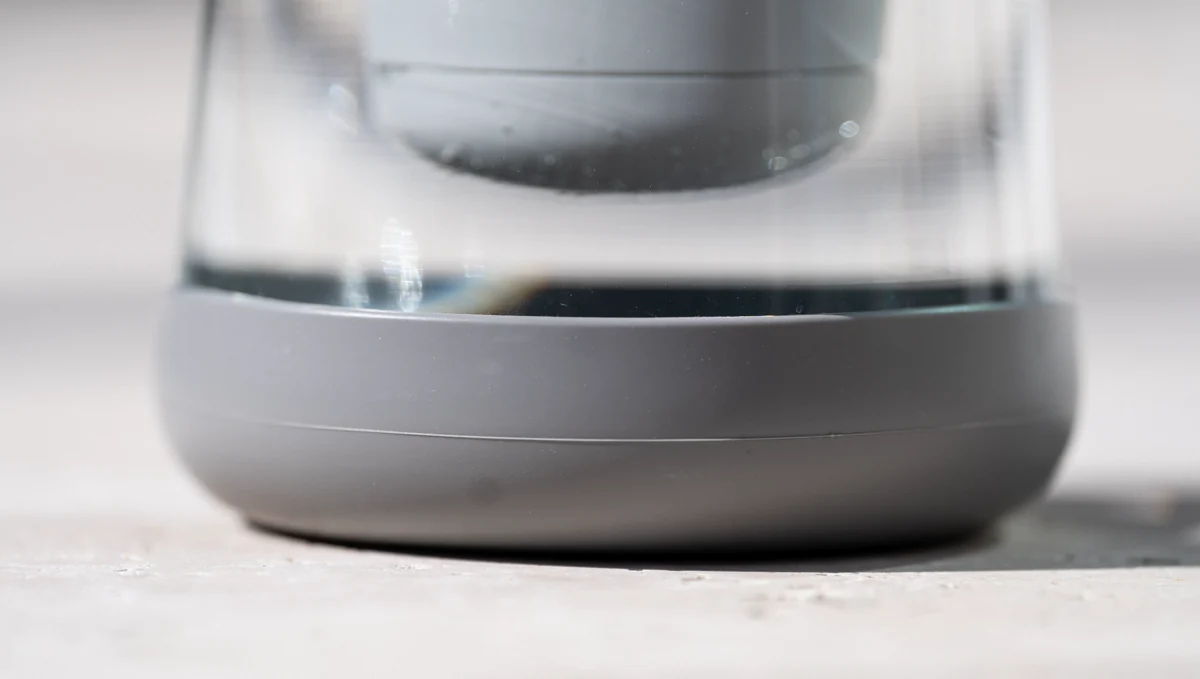
But it’s still glass; the silicone base helps with stability, slipping and clinking when you place it down, but you’ll still want to handle it like any glass jug around a sink or hard countertop.
Ongoing cost and what ownership actually looks like
The carbon filter is the frequent one, which I haven't had to replace yet.
LifeStraw rates it for 40 gallons / up to 2 months, but of course this depends on usage within your family.
So the ongoing cost is real, and it’s part of the deal of getting super clean and tasty water, which is totally worth it in our household as it's what we drink most of. We also prefer to boil our veg with filtered water.
On the plus side, the membrane microfilter is rated for 264 gallons / up to a year, so you’re not swapping everything constantly. I recommend buying that 1-year filter replacement set for a discounted $60, so that you'll never be scrambling to buy replacement filters.
If you like the brand side of it, LifeStraw ties purchases to their give-back program (“a child in need receives safe water for an entire year”), and they outline being a certified B Corp and Climate Neutral Certified on their impact pages.
My verdict
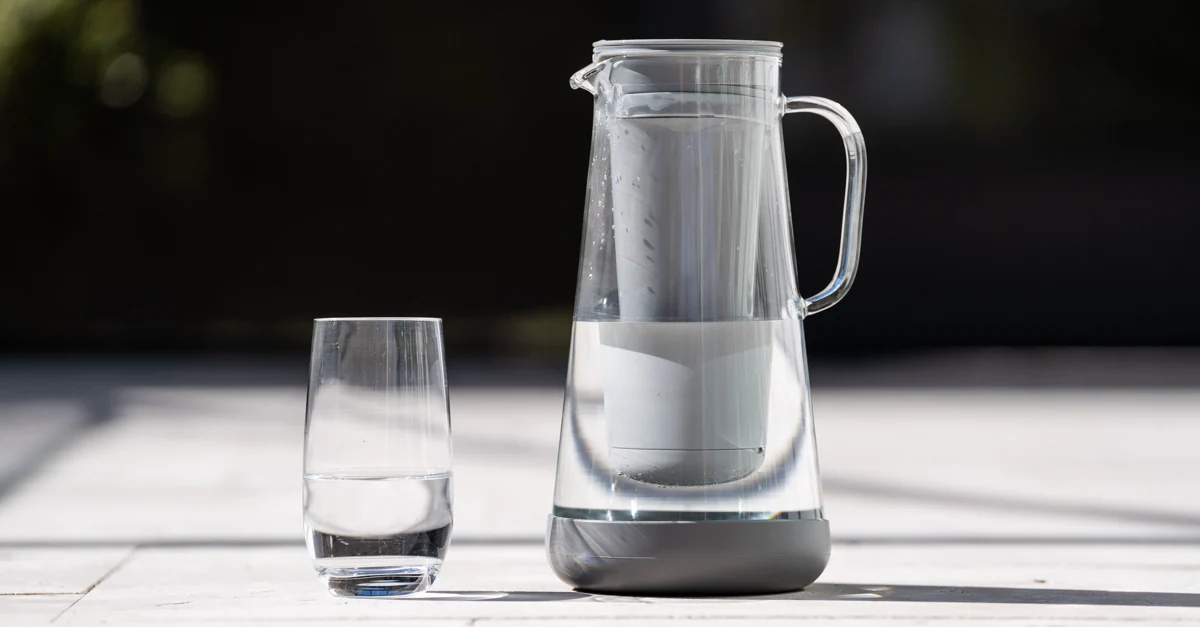
The quick summary is that I love using the Lifestraw Home water filter pitcher, and I’m keeping it in our daily routine.
It is a fully fledged member of our at-home filtration system for clean drinking water, and it's not going anywhere!
For $52 $65, this is a fantastic purchase, and in my eyes, an essential one if you truly care about your health and the quality of the water you are drinking.
I think it’s for you if:
- You want better-tasting tap water and you’ll actually drink more of it.
- Microplastics matter to you, and you like the combination of a microplastic-rated membrane filter plus glass storage.
- You want a pitcher that’s trying to do more than just improve taste. LifeStraw lists bacteria/parasite standards plus PFAS reduction standards.
- You’re okay paying ongoing filter costs to get those benefits.
I’d skip it if:
- You want fast filtration above everything else.
- You’ve got a very large household that drains a pitcher constantly (7 cups goes quicker than you think).
- You’re hoping to remove fluoride because your state hasn't banned it yet, like Florida and Utah has. LifeStraw specifically says that’s not what it’s designed for.
If you’re like me, and you want a realistic way to improve your at-home drinking water (and feel better about knowing you are dramatically reducing your involuntary intake of microplastics), this pitcher makes a lot of sense.
Just go in knowing you’re trading speed for more robust filtration goals.
Written by

Subscribe to our Newsletter
to discover the best gear, healthy foods, and life outdoors.








Member discussion