
Ultralight backpacking gear: the complete kit guide
How to build a sub-10lb ultralight backpacking kit, with the best lightweight gear from REI across every category, plus a free base weight calculator.

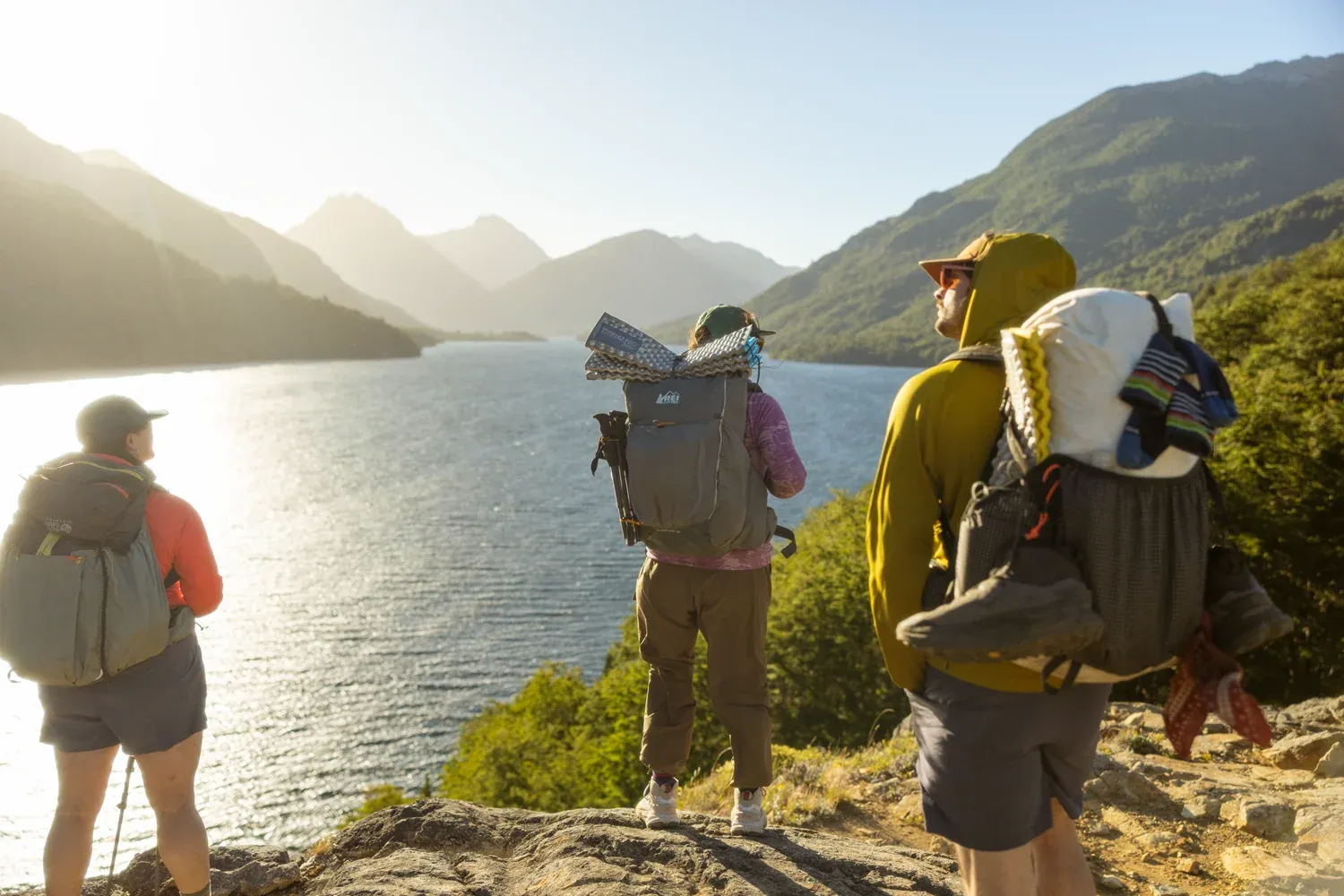
There's a specific kind of joy that comes from stepping onto a trail with a pack that doesn't fight you. Where your hips aren't aching by mile three, your shoulders aren't braced for impact, and you're moving, actually moving, rather than surviving the weight on your back.
That's the promise of ultralight backpacking, and it's way more achievable than most people think.
The gear has genuinely got better, and more affordable. Materials are lighter without being fragile, sleep systems pack smaller without sacrificing warmth, and packs built for ultralight loads actually carry well rather than just being regular packs with less fabric, and less organisational compartments.
You don't need to spend thousands or obsessively shave every gram; you just need to make smarter choices across a handful of key categories.
This guide walks through everything from what ultralight actually means, how to build a functional ultralight kit, and the specific gear worth considering. All of it is available at REI, which is where I'd point anyone who wants to handle and compare options in person before committing.
Get outside and go hiking for the first time
A beginner-friendly guide to hiking basics, what to wear, what to bring, and the 10 Essentials checklist.
 Alastair Dixon
If you're newer to the whole backpacking world and want to start with the fundamentals first, our beginner's guide to hiking and getting outside is a good place to begin.
This article is sponsored by REI. All gear recommendations are based on firsthand testing and genuine editorial judgment. Trail & Kale only partners with brands whose products we actually rate.
If you purchase through links in this article, we may earn a small affiliate commission.
What does "ultralight" actually mean?
Ultralight backpacking is defined by base weight. So, everything in your pack excluding consumables like food, water, and fuel. Worn clothing also doesn't count.
The thresholds most backpackers use:
- Super ultralight: under 5 lbs / 2.3 kg
- Ultralight: 5–10 lbs / 2.3–4.5 kg
- Lightweight: 10–20 lbs / 4.5–9 kg
- Traditional: over 20 lbs / 9 kg
Ten pounds is the meaningful threshold. Get your base weight under that and you'll feel the difference on the first climb of day one.
The four biggest contributors to pack weight and what the ultralight community calls the "Big Four" are your pack, shelter, sleep system, and rain jacket. Getting smart about those four items is how most people drop the most weight, the fastest.
Calculate your base weight
Use our custom calculator below to add up your kit. It's pre-loaded with the REI gear featured in this guide so you can see exactly where the numbers land, then swap in your own items to see how your current setup compares.
Trail & Kale × REI
Base weight
calculator
calculator
Toggle items on or off, edit any weight, and add your own gear. Worn clothing and consumables (food, water, fuel) don't count toward base weight.
Super UL< 5 lbs
Ultralight5–10 lbs
Lightweight10–20 lbs
Base weight
0.0 lbs
0.00 kg
0 items
Add gear above
The gear, by category
Packs
The pack is where most people carry the most unnecessary weight. A traditional pack for a weekend trip might weigh 4–5 lbs before you put anything in it. The ultralight options below cut that roughly in half.
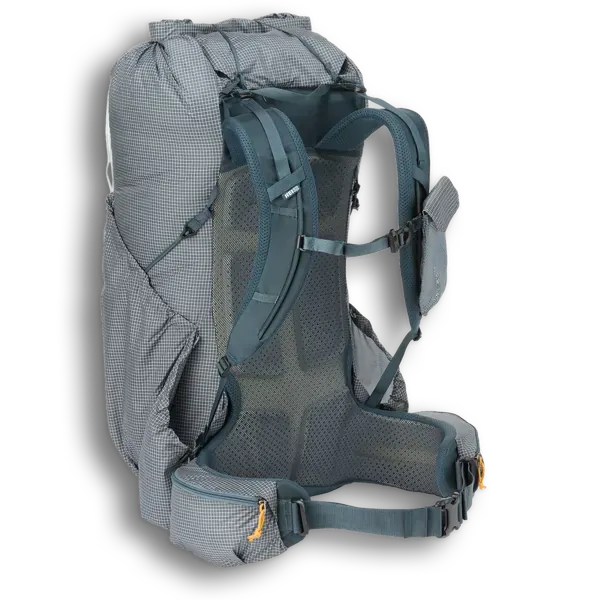
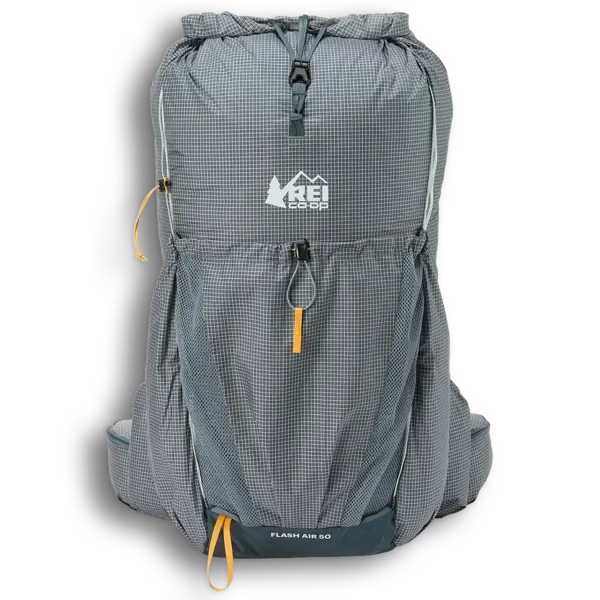
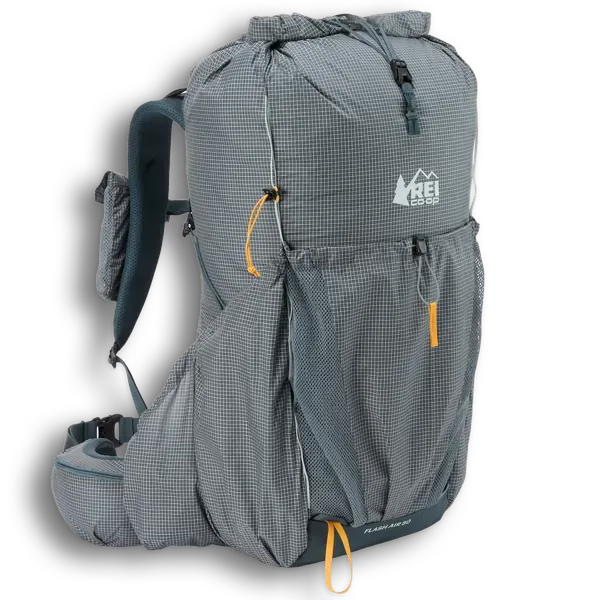
The REI Co-op Flash Air 50 Pack ($299) is where I'd start for most people. At 1lb 14oz (size M), it's REI's lightest backpacking pack and the one that makes the most sense if you're transitioning from a heavier setup. The 3D contoured hipbelt carries surprisingly well for the weight, and the 200-denier fabric will prove durable across varied terrain. It's genuinely versatile, and will be comfortable on both weekend trips and longer routes.
For those who are all-in on ultralight philosophy, the Hyperlite Mountain Gear Southwest 55 Pack is the other option to know. Made from 100% waterproof Dyneema Composite Fabric, it comes in at 1 lb 14.69 oz (size M) and eliminates any need for a pack liner or rain cover. The price reflects the material, but the durability is exceptional.
Shelter
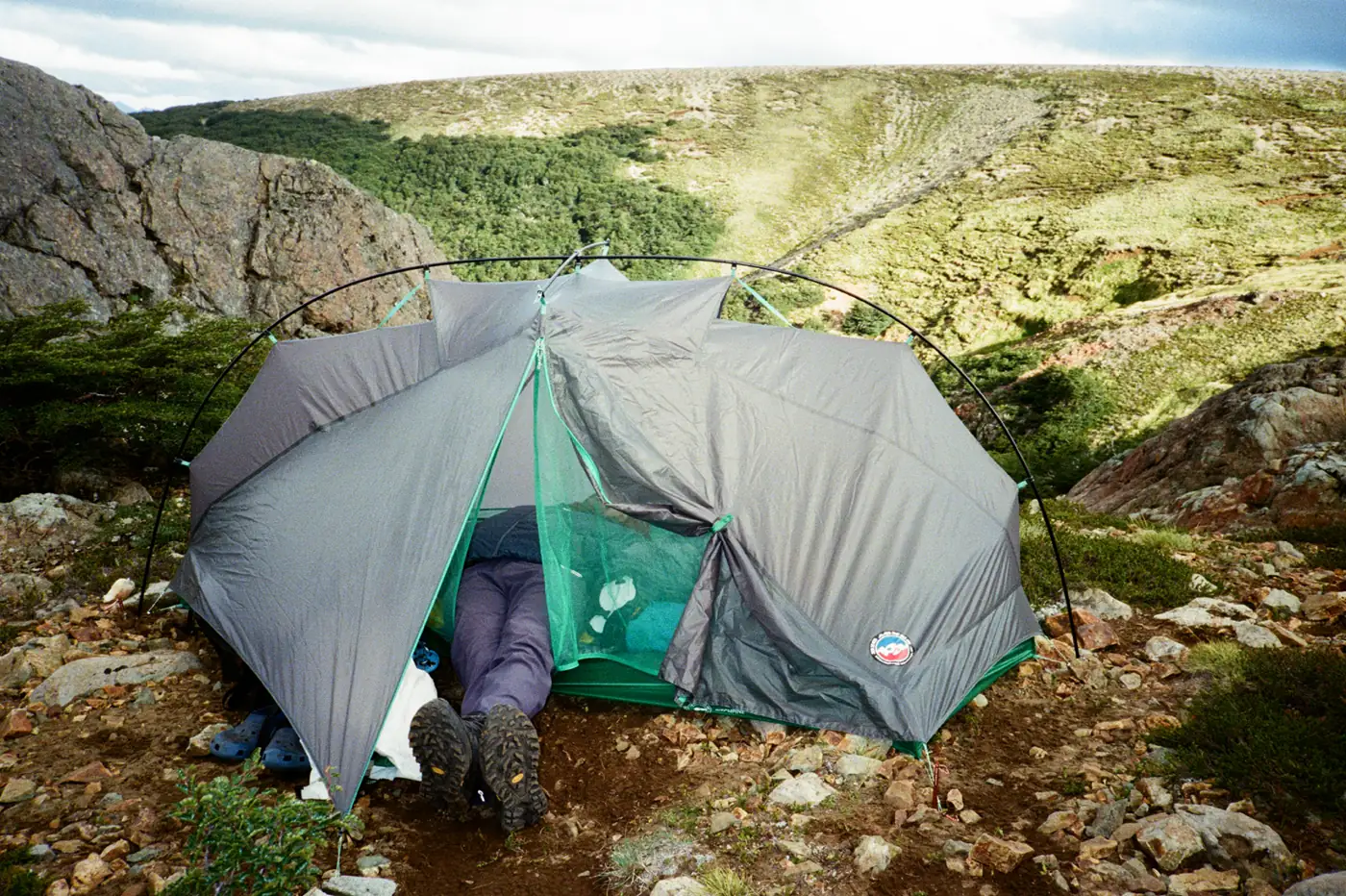
The shelter category has had some of the most interesting innovation in ultralight gear over the past few years. Trekking-pole-supported designs in particular have come a long way in terms of weather protection and livability.
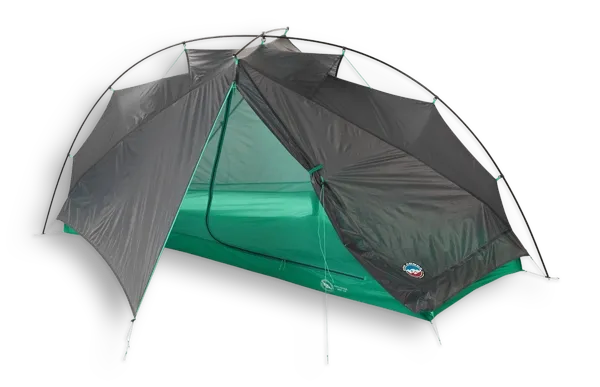
The Big Agnes Pitchpine VST 1.5 Tent ($649.95) weighs just 1lb 11.1oz at minimum trail weight. The Hyperbead fabric is 3-season capable, and the extra 0.5 sizing is a genuinely useful touch; enough bonus room for a pack or a dog without feeling cavernous. It's a smart choice for solo trips where weather protection matters.
For a two-person option, the REI Co-op Flash Air 2 Tent ($429 and 2lbs 6.5oz with poles) offers two large canopy-style doors and pitches with most standard trekking poles. At this weight, it's a solid choice for pairs who want to split shelter weight on longer trips.
Sleep system
Your quilt and sleeping pad together make up your sleep system, and this is where most ultralight kits either succeed or fail. Being cold at 2am is not the kind of weight savings anyone wants.
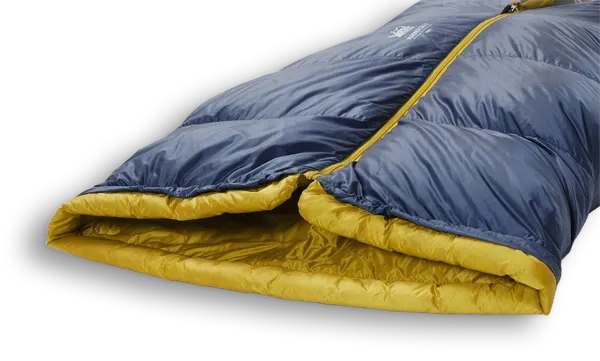
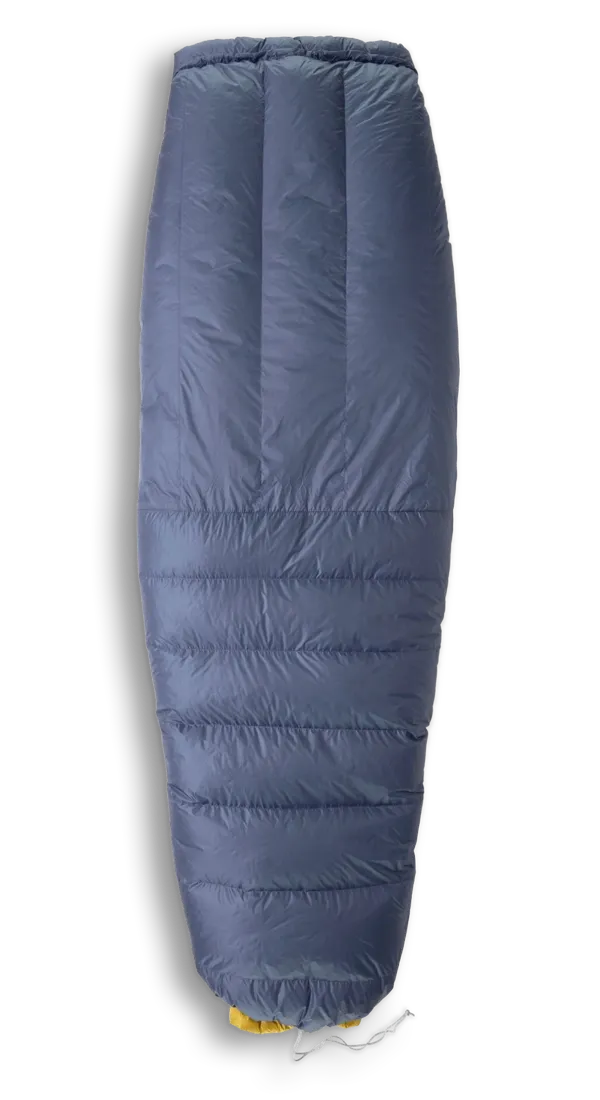
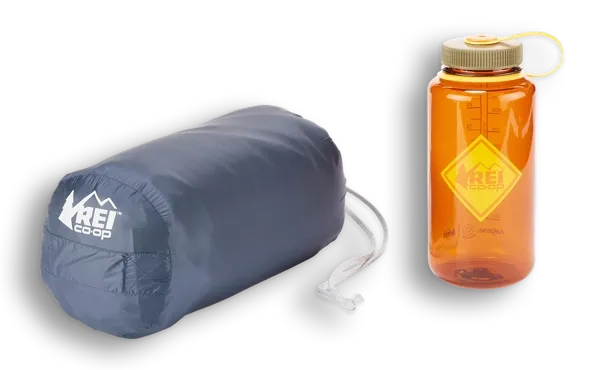
The REI Magma 30 Down Trail Quilt ($329 and 1lb 4.3oz, size M) is one of the more compelling quilts in this price range. The 850-fill-power goose down is genuinely warm for the weight, the body-shaped cut reduces dead air space while improving thermal efficiency, and it packs down impressively small. For three-season use down to around 30°F, this covers most scenarios.
For sleeping pads, the Nemo Tensor Elite Mummy Sleeping Pad ($219.95) is the headline pick — 8.5oz for a regular mummy, which is exceptional.
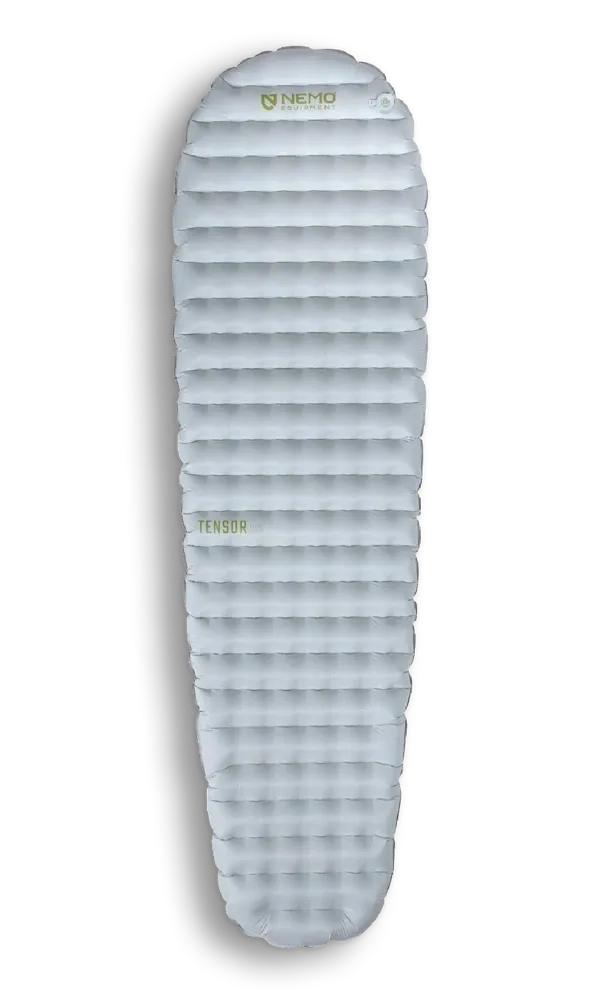
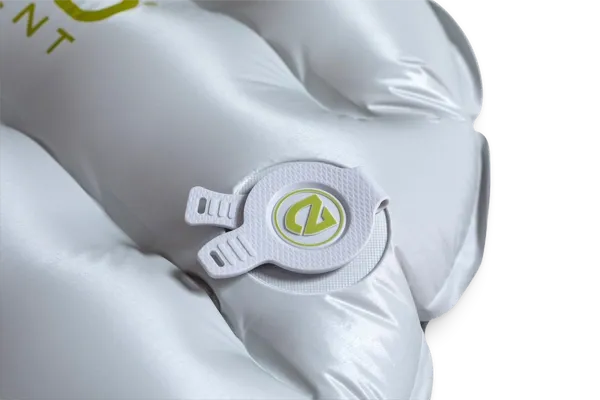
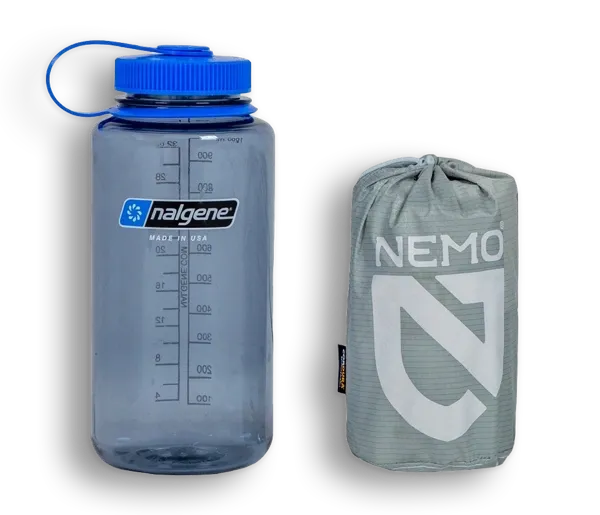
The Apex baffle construction reduces material without sacrificing warmth (R-value of 4.2), and the mummy shape cuts weight while keeping the pad where you actually need insulation.
If you've ever woken up having rolled off a narrow rectangular pad at 3am, you'll appreciate the fit.
Clothing layers
The approach we use for ultralight clothing is a three-layer system: a lightweight sun-protection base, an insulated mid-layer, and a waterproof shell. Done well, these three pieces cover almost any conditions you'll encounter on a 3-season route.
Sun layer: The REI Co-op Flash Shade Hoodie ($69.95 and 6 oz, men's) is an excellent foundation. The 50+ UPF coverage handles full-day exposure, the antimicrobial material stays fresher for longer in a multi-day context, and it's light enough that you'll barely register it in your pack. The women's version is 5.3 oz.
If you want a sun hoodie with a slightly more relaxed fit and a bit more coverage (8.8oz), the REI Co-op Sahara Shade Hoodie is worth a look alongside it.
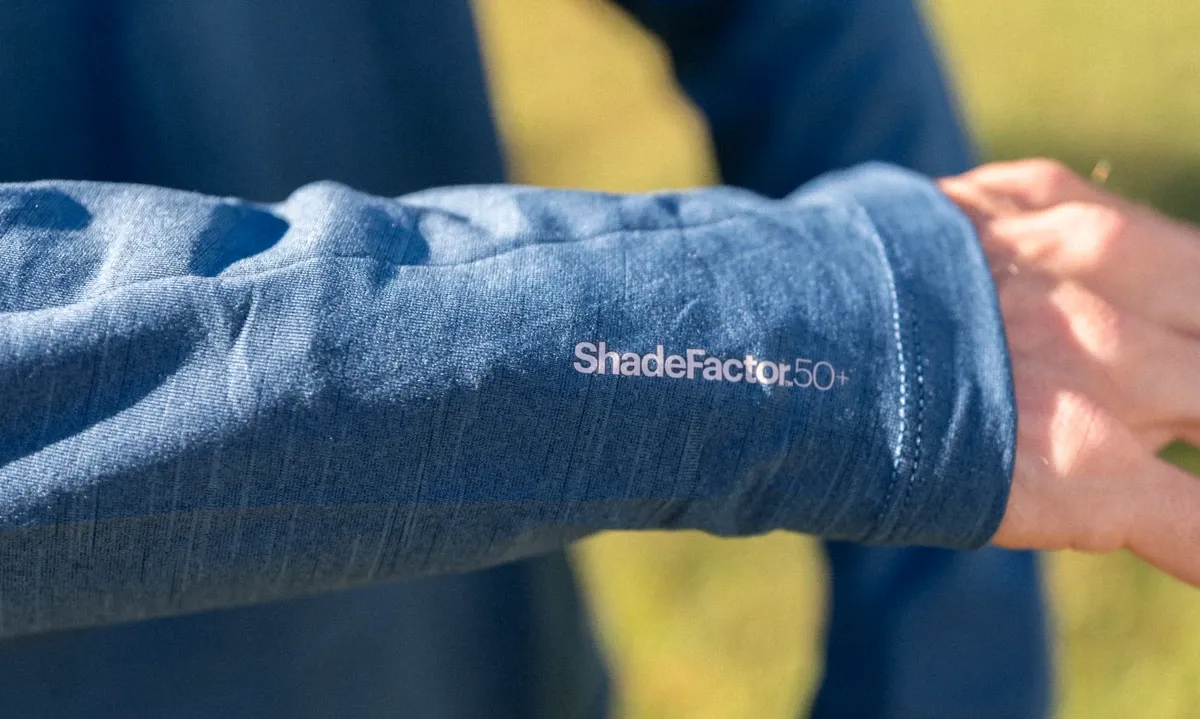
REI Sahara Shade Hoodie review: a comfortable, coverage-first sun layer
Soft fabric, useful sun protection, and a well-designed hood make this one of REI’s most appealing warm-weather layers.
 Alastair Dixon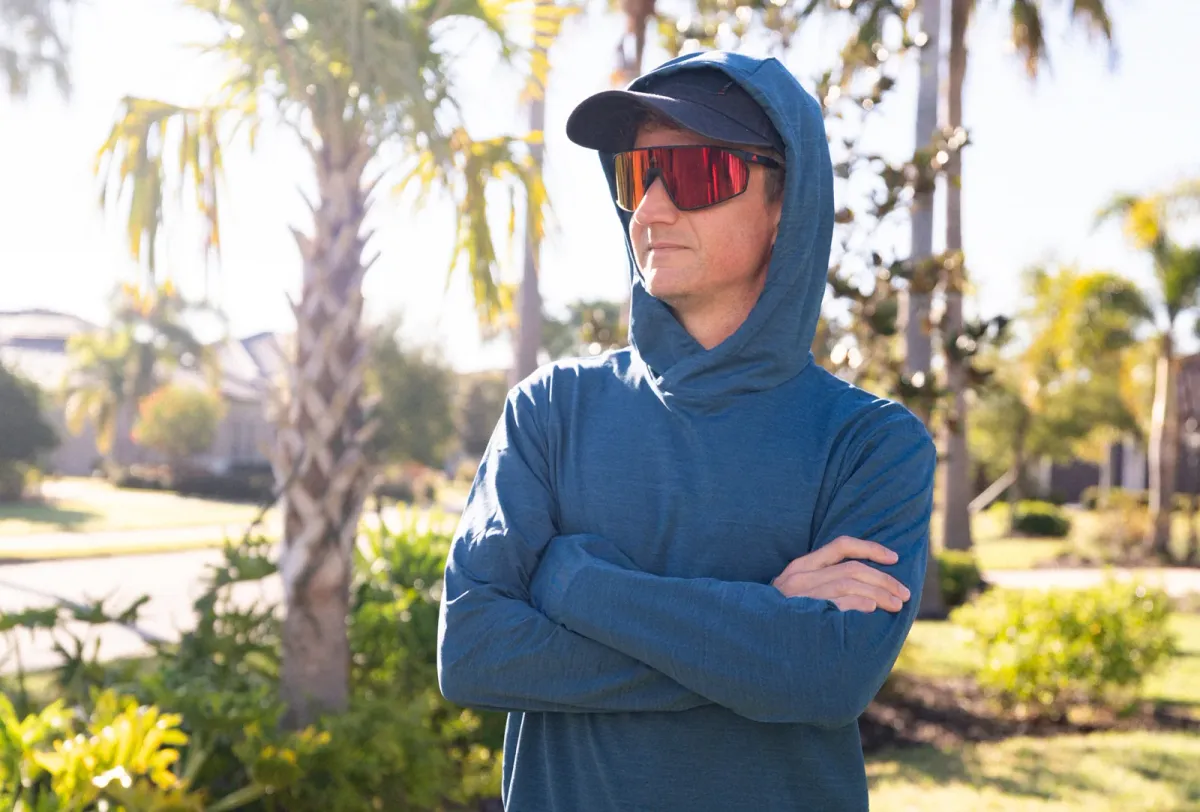
We've tested it extensively and published a full review. It's a different construction that some people prefer for all-day wear.
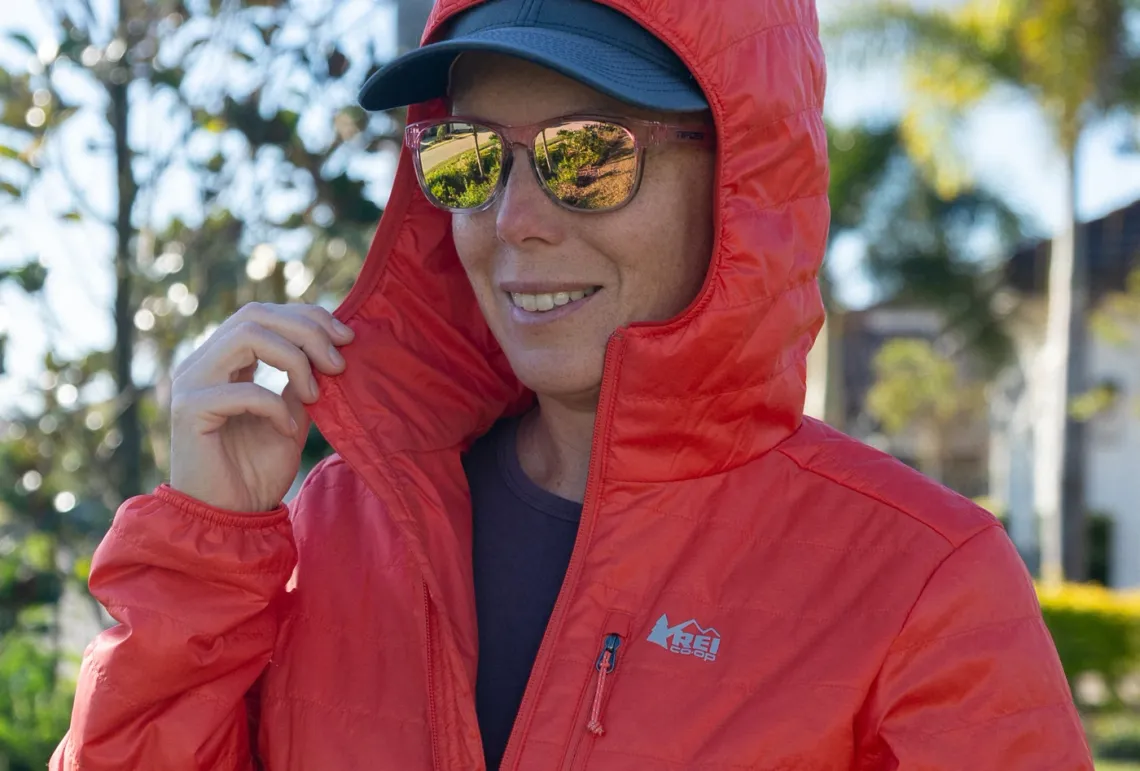
Insulated mid-layer: The REI Co-op Microtrek Insulated Hoodie (16.1 oz, men's / 13.4 oz, women's) fills the gap between your sun layer and rain shell.
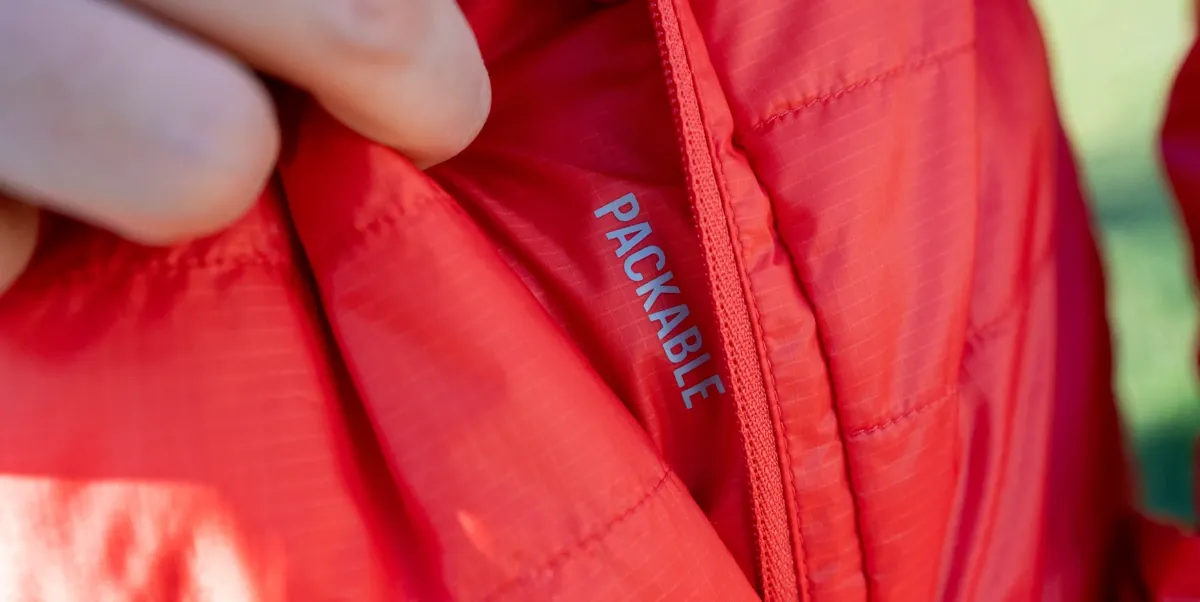
REI Co-op Microtrek women’s insulated hoodie review
My hands-on REI Co-op Microtrek women’s insulated hoodie review, covering warmth, fit, packability, pockets, and everyday trail use.
 Helen
Helen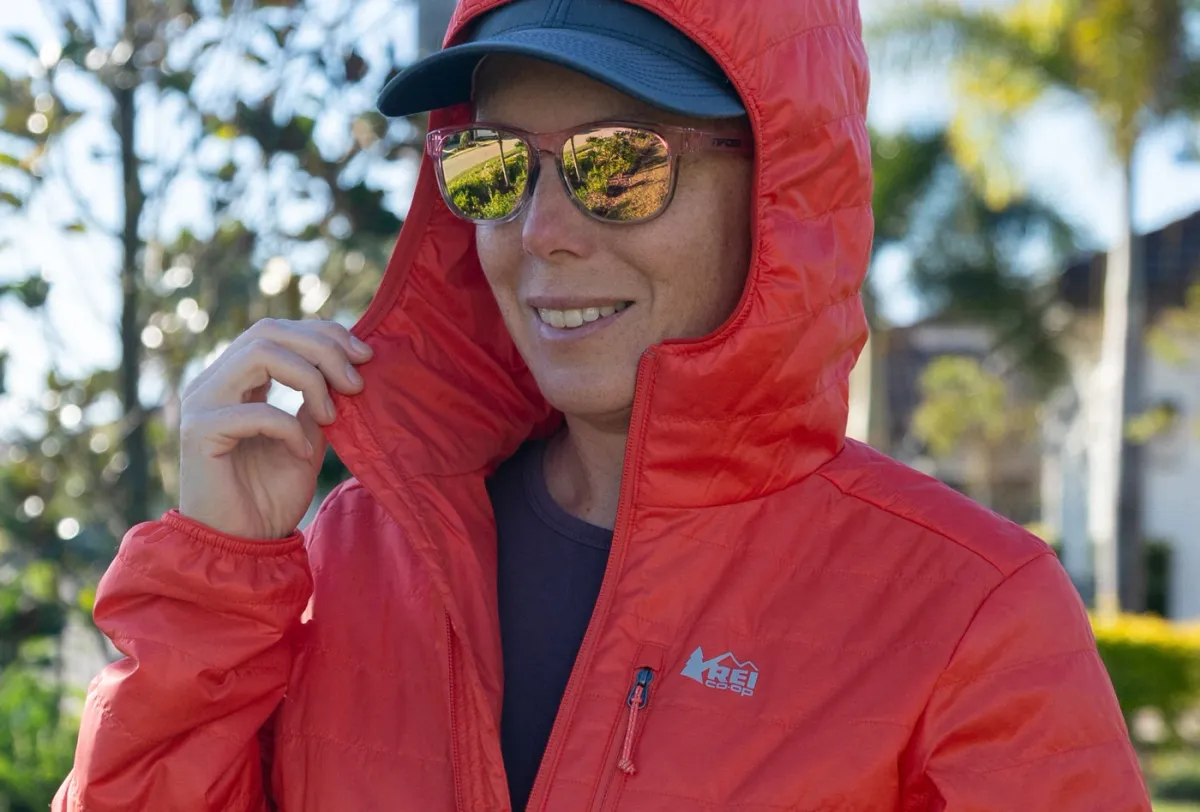
Lightweight synthetic insulation stays functional when damp, which is important in backpacking conditions, and the water-resistant shell handles light precipitation. We've reviewed the women's version in detail; read our REI Co-op Microtrek Women's Insulated Hoodie review if you're picking for that fit.
Rain shell: The REI Co-op XeroCloud 3L Rain Jacket ($189 and 13.4 oz, men's / 11.3 oz, women's) is the one piece you want to get right. A true 3-layer waterproof construction means it breathes properly on the uphill and seals properly in the downpour. The pit zips are worth having when you're working hard. At this weight it's competitive with jackets costing significantly more.
Bottom layers: The REI Co-op Flash Shorts ($69.95 and 5.6 oz, men's) and REI Co-op Flash Pants ($99.95 and 8.1 oz, men's) round out the clothing kit. The shorts' grid mesh will be notably breathable for warm-weather miles; the pants have a 4-way stretch and 50+ UPF that makes them useful as both a hiking layer and a camp layer.
Footwear
Trail footwear is personal, but for ultralight backpacking the general principle is: go as light as the terrain and distance allow. A lighter shoe/boot on your foot saves more energy over a long day than shaving weight from your pack.
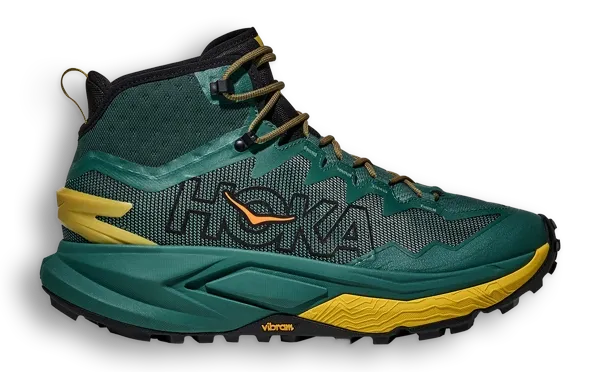
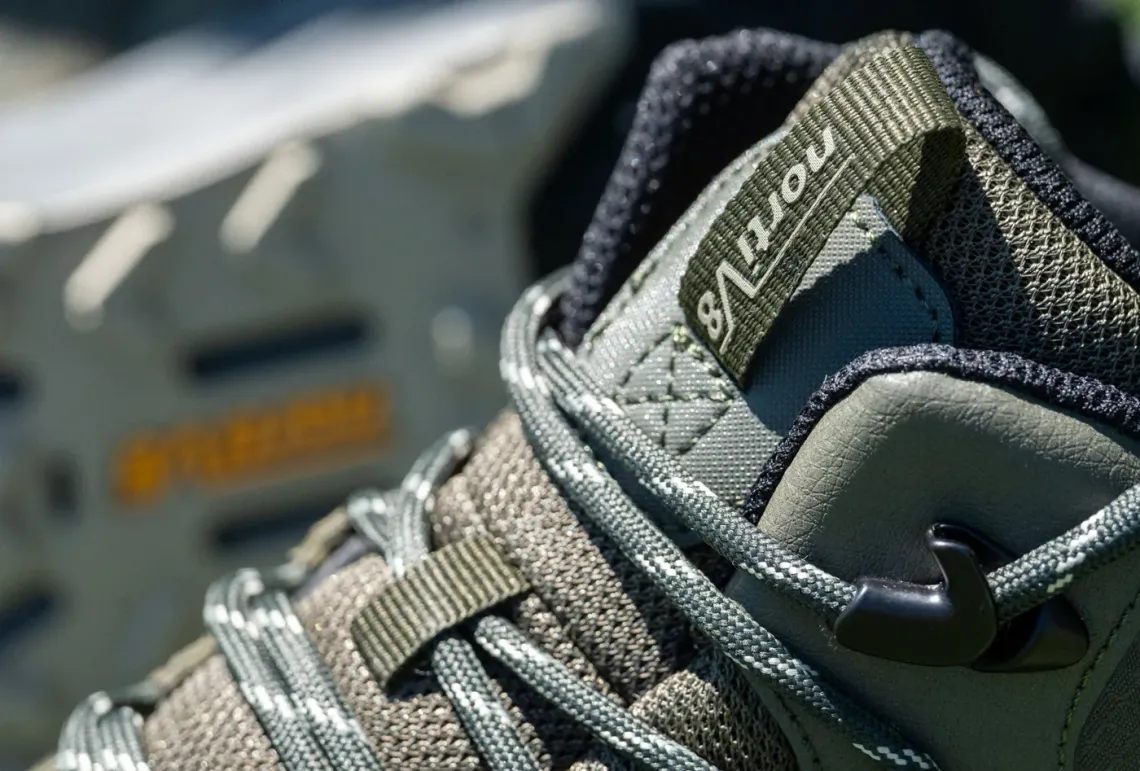
The HOKA Mafate Hike Boots ($200 and 1lb 10.2oz a pair, men's size 9) bring trail running-shoe energy to the hiking boot category. The Matryx mesh upper is breathable and durable, and the rocker geometry that HOKA is known for from their running shoes makes for an efficient stride on longer days.
If you're moving fast over mixed terrain, these are worth serious consideration.
For a lighter, lower option, the Altra Lone Peak 9 Waterproof Low Hiking Shoes ($165 and 1lb 13.7oz (a pair), men's 9) offer waterproof protection with Altra's wide toe box fit, and a zero-drop stack height, which some trail runners and ultralight hikers strongly prefer for natural foot positioning over distance.
Accessories
Two smaller items worth including in any ultralight kit:
The LEKI Skytera Lite Trekking Poles ($149.95 and 14.6oz for the pair) are made from ultralight carbon fiber with adjustable mesh straps. They earn their weight many times over on any descent, and pair directly with shelters that require a trekking pole for construction.
The REI Co-op Flash COOLMAX Lightweight Socks ($16.95) and Flash Bucket Hat ($39.95) are small-weight additions that make real differences on longer routes. The hat in particular is worth having if you're covering exposed terrain.
Complete ultralight gear list
| Item | Weight | Category |
|---|---|---|
| REI Co-op Flash Air 50 Pack (M) | 1 lb 14 oz | Pack |
| Big Agnes Pitchpine VST 1.5 Tent | 1 lb 11.1 oz | Shelter |
| REI Magma 30 Down Trail Quilt (M) | 1 lb 4.3 oz | Sleep |
| Nemo Tensor Elite Mummy Sleeping Pad (R) | 8.5 oz | Sleep |
| REI Co-op Flash Shade Hoodie (M) | 6 oz | Clothing |
| REI Co-op Microtrek Insulated Hoodie (M) | 1 lb 0.1 oz | Clothing |
| REI Co-op XeroCloud 3L Rain Jacket (M) | 13.4 oz | Clothing |
| LEKI Skytera Lite Trekking Poles | 14.6 oz | Accessories |
| Total base weight | ~8.5 lbs / 3.9 kg |
A base weight of 8.5 lbs lands squarely in ultralight territory. Add food and water and you're still moving considerably lighter than a traditional setup.
Where to shop
All gear in this guide is available at REI. REI's return policy and member dividend make it a low-risk place to invest in higher-end ultralight pieces, and their in-store gear comparison is genuinely useful for something like sleeping pads or pack fit where handling the product matters.
Sponsored by REI. This content was created in partnership with REI and reflects Trail & Kale's honest editorial perspective.
Written by

Subscribe to new posts
and discover the best gear, healthy foods, and life outdoors.







Member discussion