
Suunto Vertical 2 Review: AMOLED Clarity Meets Epic Adventure Endurance
Offline maps, a real flashlight, and Always-On Display for uninterrupted data, makes this Suunto’s toughest, smartest watch yet.

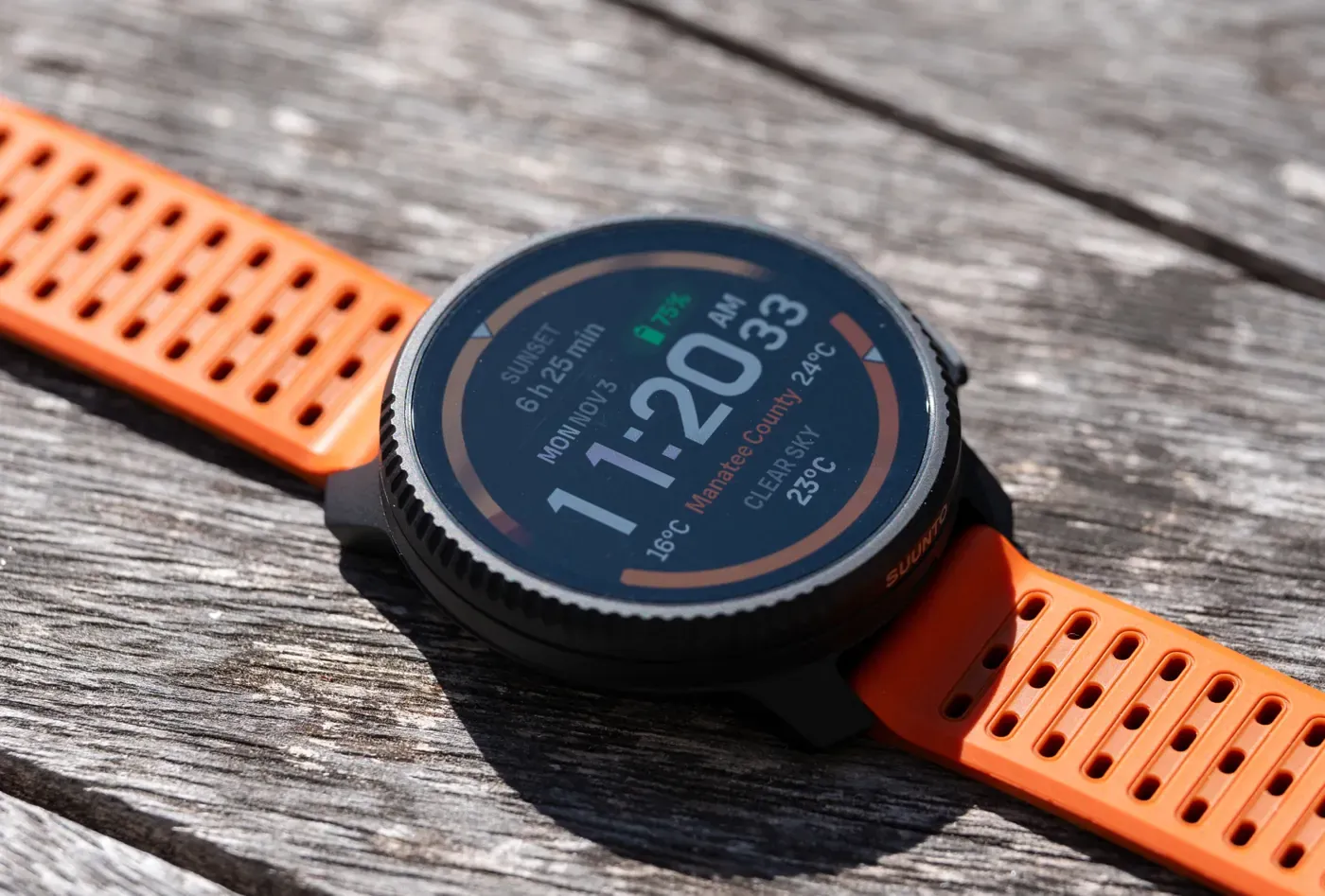
The Suunto Vertical 2 is the Finnish brand’s most complete outdoor adventure watch yet.
It combines a bright 1.5" AMOLED display with Suunto’s famously rugged design, and does it without sacrificing the multi-day battery life that’s long been its calling card.
This is the first Suunto AMOLED watch that truly delivers both premium visuals and endurance-grade performance.
It’s built for adventurers and mountain athletes who demand reliability off-grid, but who also want a modern smartwatch experience that finally feels refined.
Key specifications
- Price: $599 at suunto.com (stainless steel; the one I have), $699 (titanium)
- Weight: 87 g (steel), 74 g (titanium)
- Display: 1.5" LTPO AMOLED, 466×466 resolution, up to 2000 nits (peak brightness)
- Battery life: Up to 65 hours in Performance GPS mode / 20 days smartwatch mode / 250 hours in Tour mode
- Materials: Sapphire crystal glass, all-metal case (stainless steel or titanium)
- Navigation: Full offline maps, dual-band GPS (L1+L5), Climb Guidance, FusedAlti™
- Sensors: Optical HR (new Suunto sensor), barometer, compass, blood oxygen, HRV, temperature
- Features: 115+ sport modes, integrated LED flashlight (white + red), TrainingPeaks sync, Strava & Komoot integration
- Water resistance: 100m
- Storage: 32GB for maps and routes
Performance review
The first thing that stood out to me is how premium and purposeful the Vertical 2 feels, when compared to the Suunto run, and to some degree, the Race 2, but to be fair, they are less expensive watches.
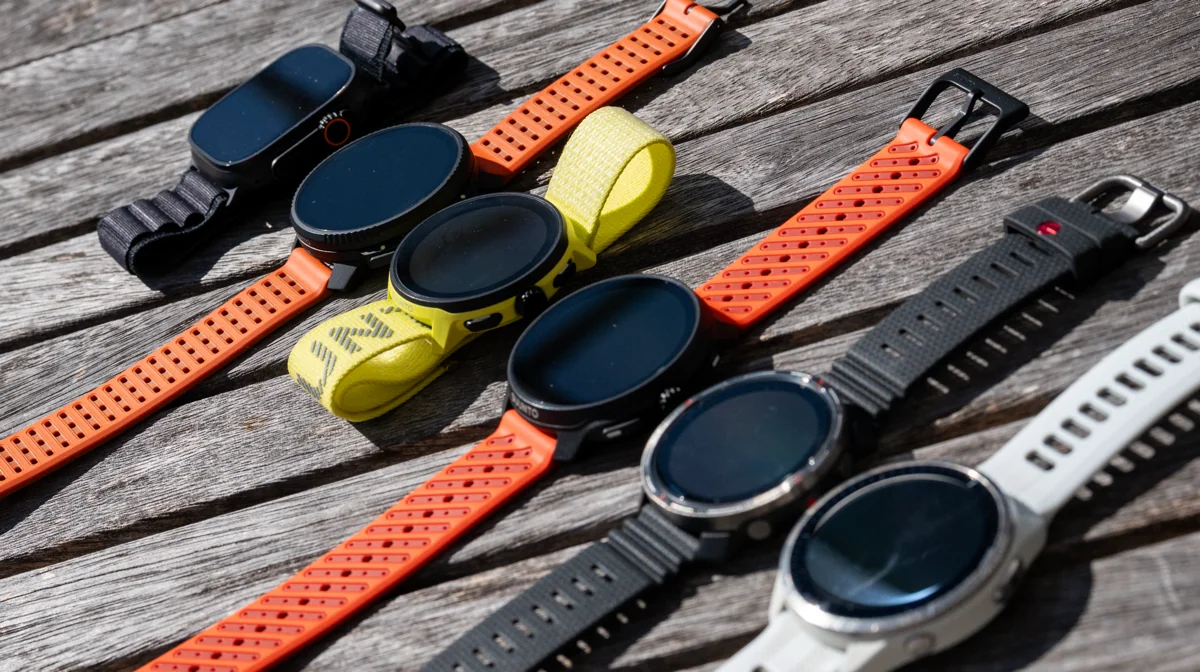
The all-metal casing and sapphire glass give it that reassuring durability I expect from a true adventure watch; no mixed-material compromises.
At 87grams (for the stainless steel version I have been testing), it’s not featherlight, but the balance is spot-on for an ultra-distance watch that needs to survive rough conditions.
Display and interaction
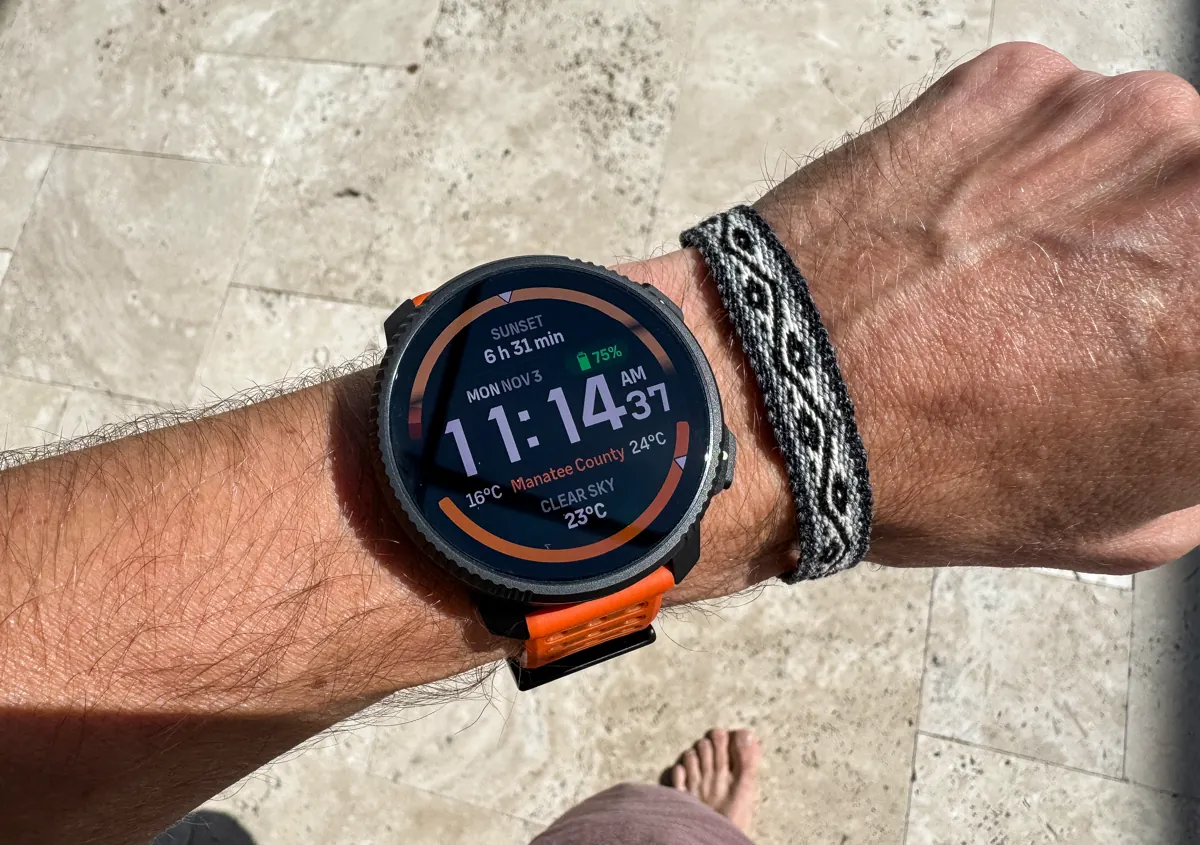
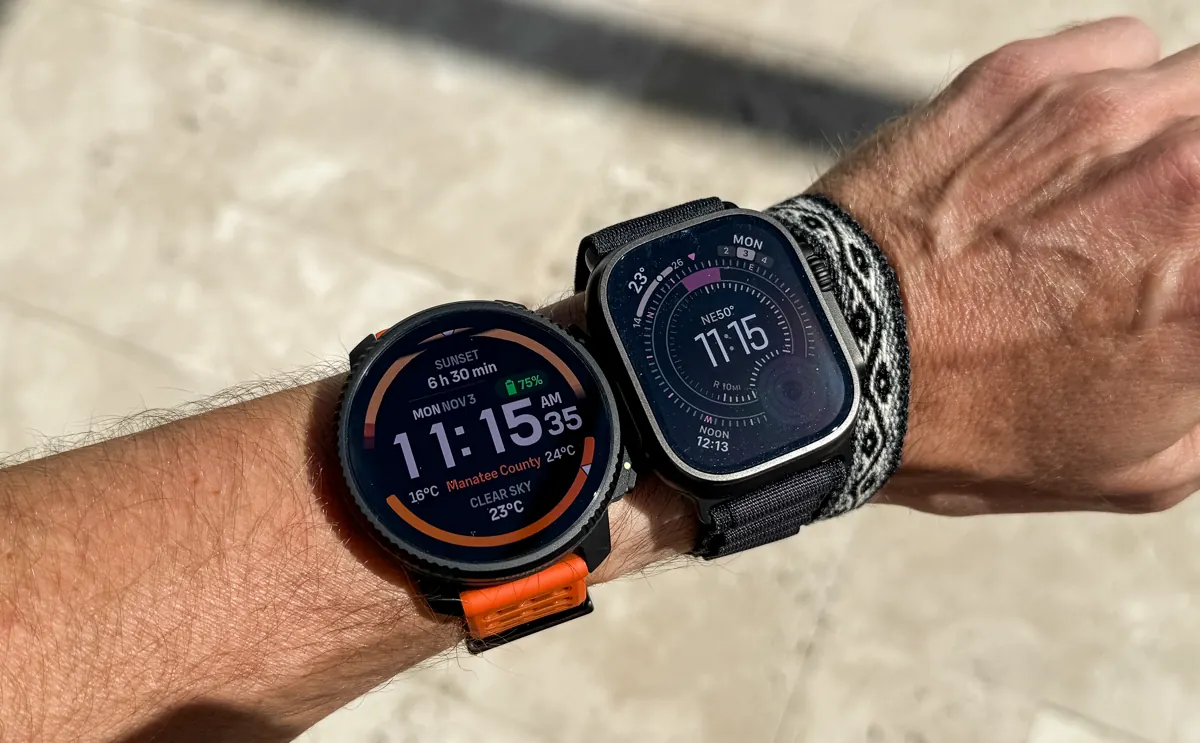
The new AMOLED display is crisp, colorful, and bright enough to read under harsh sunlight or dim alpine dawns, if you find yourself in that situation, peaking at 2000 nits.
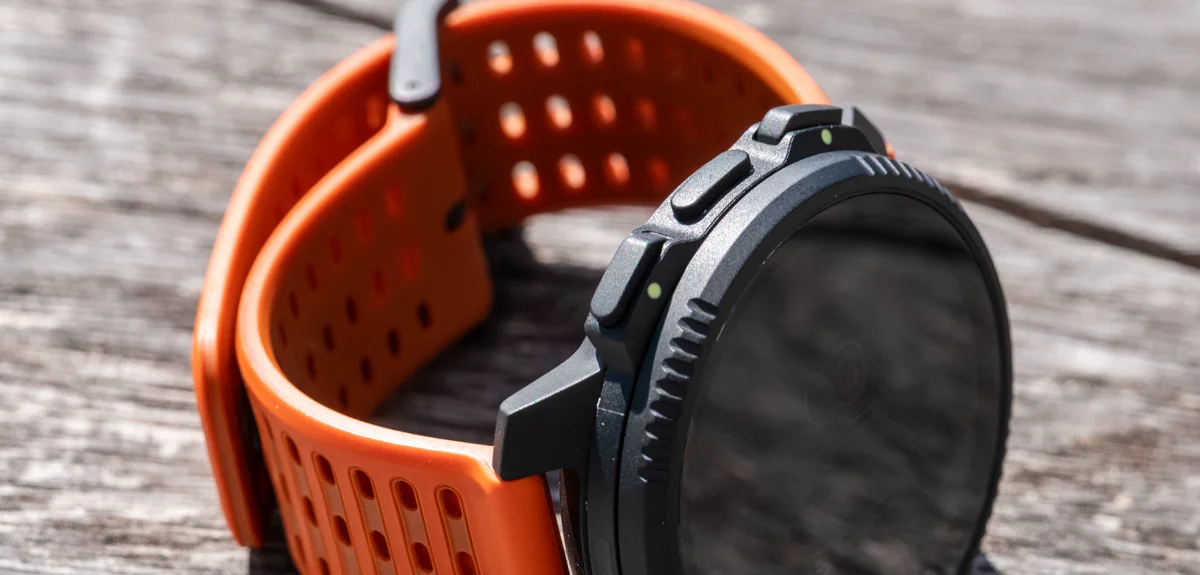
Suunto nailed the touchscreen + button combo, it quickly becomes intuitive for maps but tactile enough for workouts and winter use.
Initially, I noticed some screen wake lag when rotating my wrist mid-run, which is fine for daily wear, but when you’re running and want to check pace or heart rate quickly, that half-second delay feels too slow.
The good news is that there’s a simple fix. The Always-On Display (AOD) mode can keep your workout metrics visible the entire time, so there’s no waiting for the screen to wake up.
You can enable it by going to Settings → Display → Always On Display or, for finer control, use Exercise Options → Display → Always On Display. This keeps your key data (pace, HR, elevation, maps) visible in a dimmed, low-power state during runs, hikes, and rides.
Battery life takes about a 10–20% hit when AOD is active, but that still leaves you around 50–60 hours in dual-band GPS mode, which is impressive for an AMOLED watch.
For anyone who wants instant glanceable data mid-stride or during interval work, AOD mode makes a big difference.
Navigation and maps
Offline maps are where the Vertical 2 truly shines.
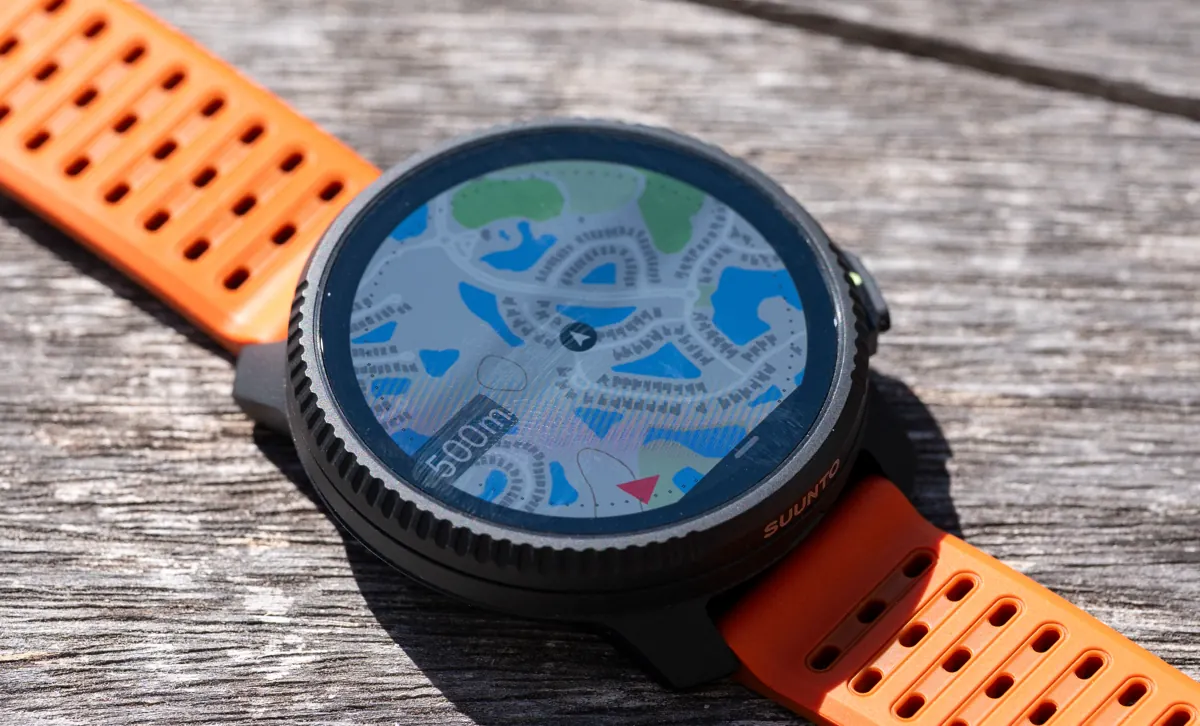
You get full offline maps, climb and elevation data pages, and reliable off-route warnings.
The visuals are detailed, though Suunto could improve the region download process, it feels dated, and route storage (around 10–12 slots) is surprisingly limited given the 32GB onboard memory.
There’s no on-watch re-routing, so if you wander, you’ll need to manually find your way back.
Still, for hikers, runners, and mountaineers who plan routes ahead of time, it’s one of the most self-sufficient navigation tools available today.
Battery life
Suunto’s efficiency has always been impressive, and it’s even better here.
In Performance (dual-frequency) mode, I averaged ~2% per hour with maps and navigation active, which extrapolates to roughly 50 hours of continuous GPS use.
The extended endurance modes stretch to 250 hours, trading precision for longevity, if that's something you need for a multi-day adventure race / ultramarathon, for example.
The Vertical 2 is the first Suunto AMOLED that doesn’t punish battery life, and that’s a huge step forward.
Sensors and tracking
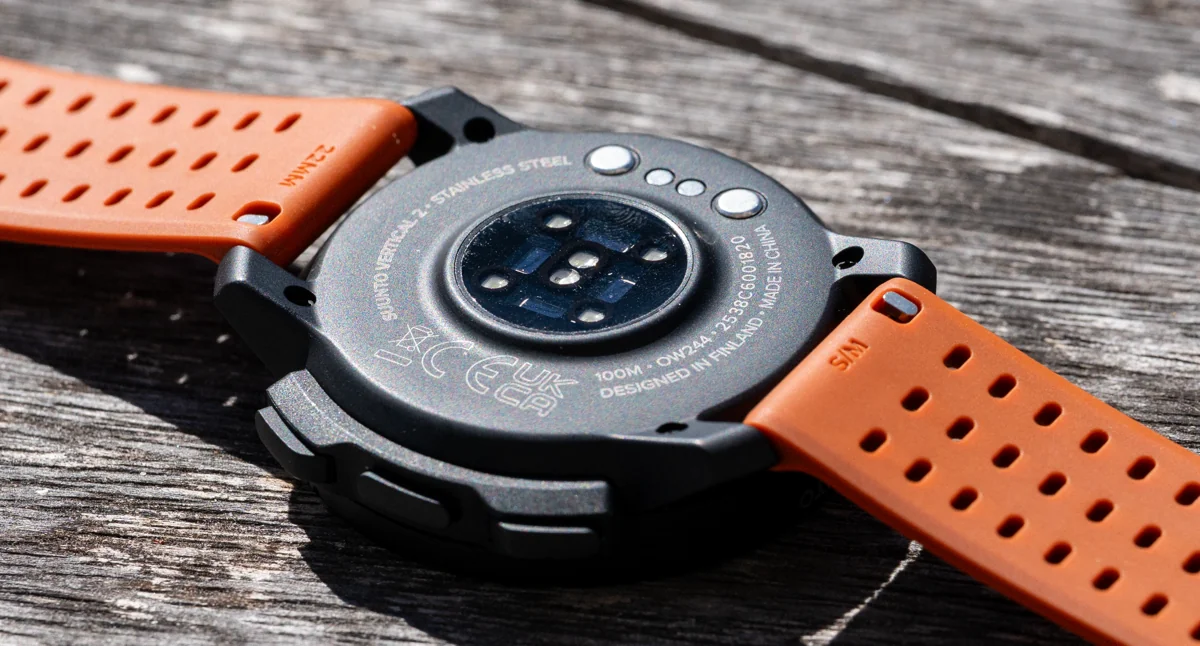
The optical heart rate sensor, shared with the Suunto Race 2, finally hits reliability levels suitable for serious training.
It still wobbles during rapid intensity spikes but remains accurate enough for structured sessions, just make sure you have it tight on your wrist; this is the same for any HR wrist sensor.
The dual-frequency GPS performs well in wooded areas, though I have read that open-water tracking remains a little hit-or-miss; I'll update this review if I notice anything to the contrary.
Training metrics like TSS, CTL, VO₂Max, HRV, and TrainingPeaks integration make it a legitimate training tool, while the Suunto app ecosystem continues to mature with AI-driven coaching and heatmap-based route discovery.
Flashlight and safety
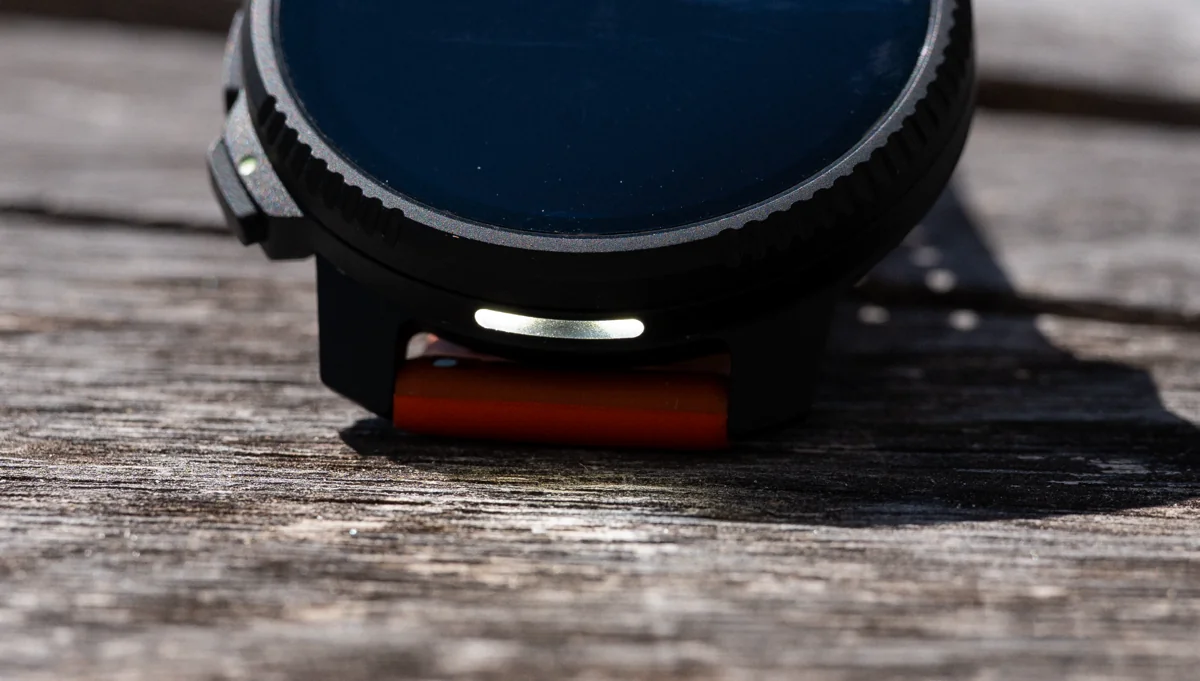
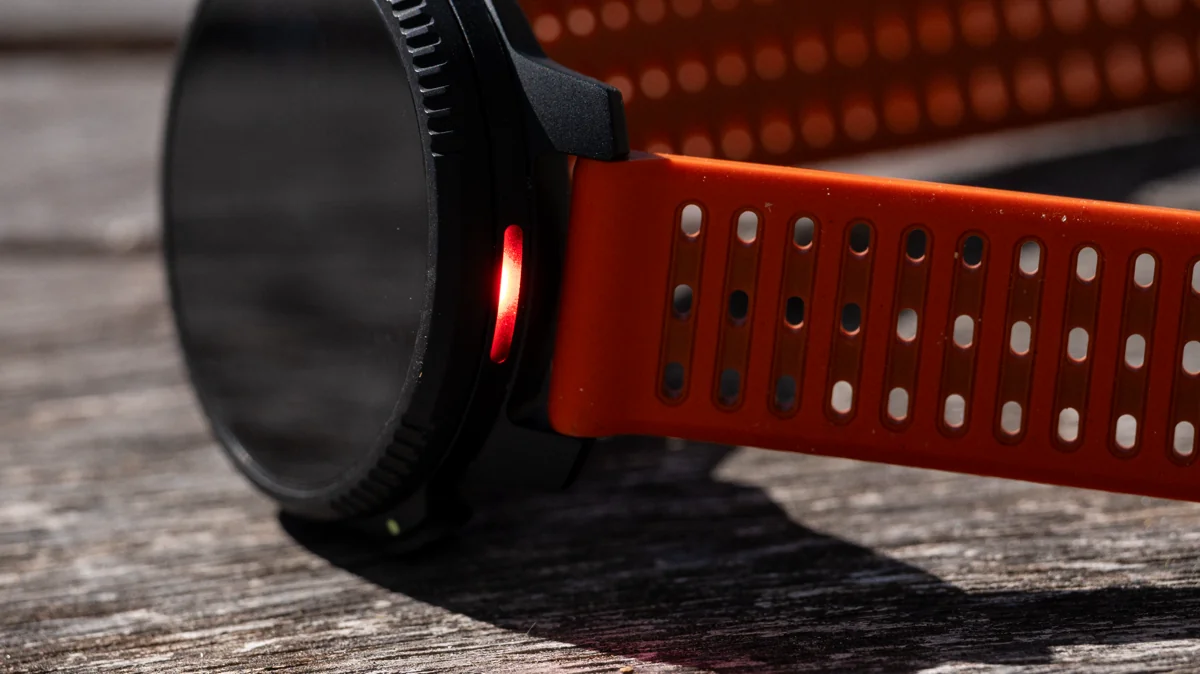
The LED flashlight is a proper hardware-based light.
It's bright, with white and red modes, adjustable brightness steps, and an SOS option. It’s genuinely useful for night trailheads and tent setups.
However, the software still needs refinement as it can’t be easily accessed mid-workout, as far as I can tell.
Comfort and usability
The Vertical 2 wears comfortably for its size.
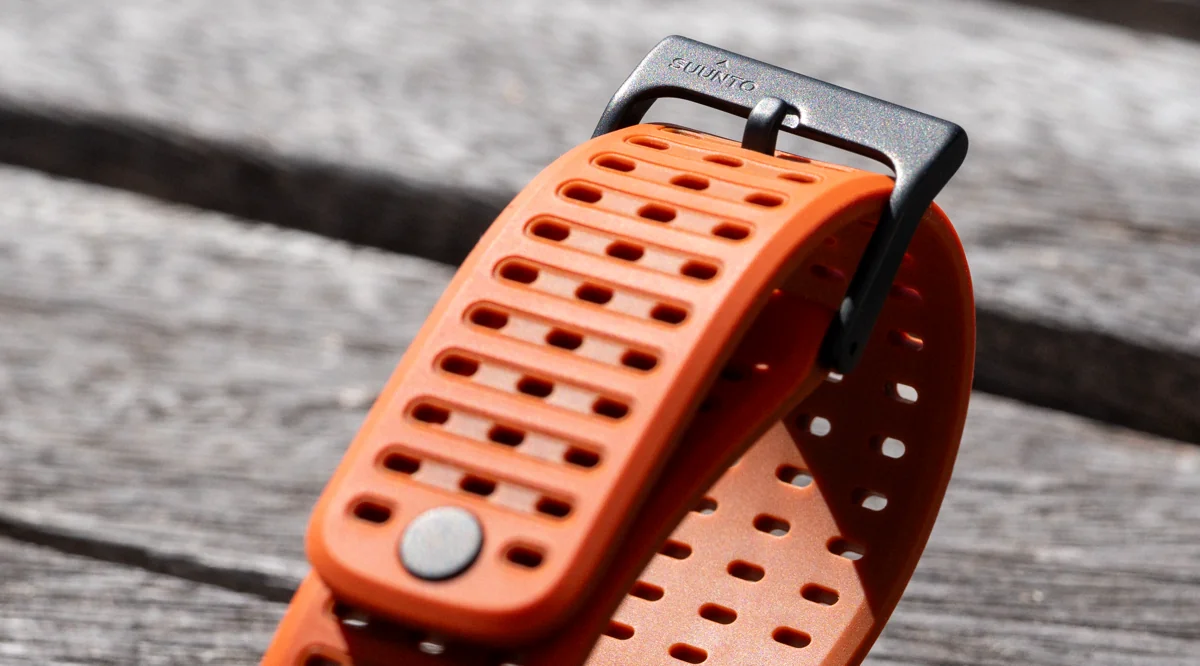
The silicone strap feels flexible and soft from first use, when compared to stiffer, silicon straps that you may find on a Garmin, for example.
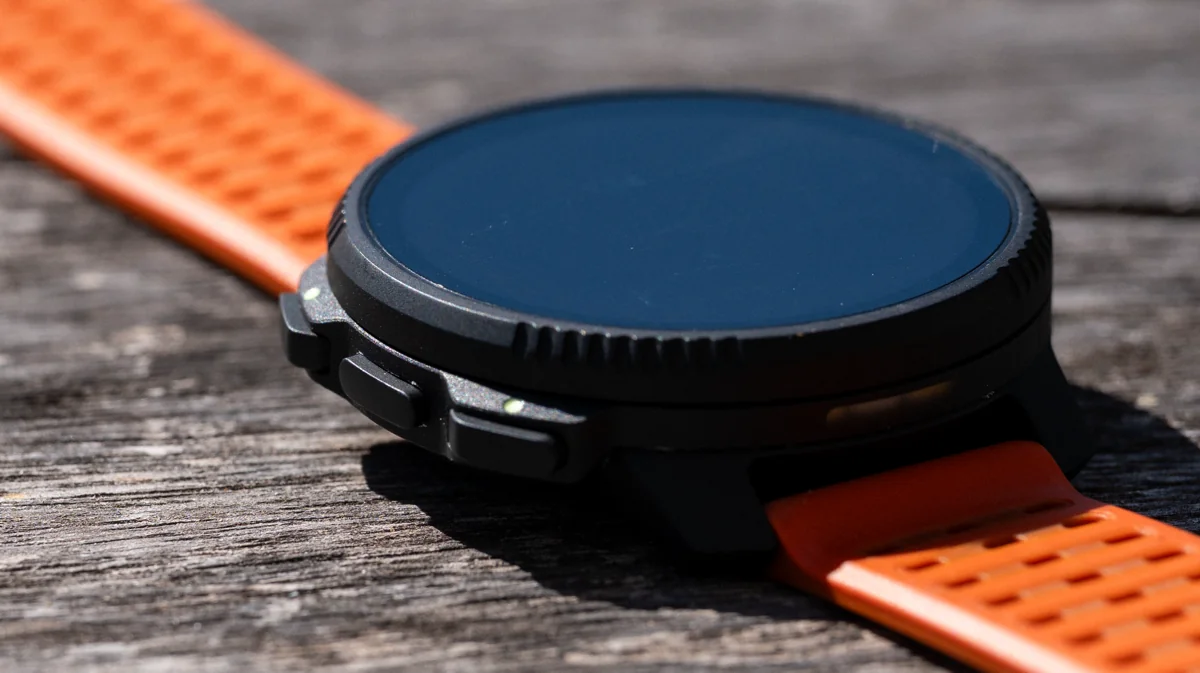
Buttons are well-spaced, and the absence of a crown (which I’ve found a fussy on the Suunto Race 2 when sweaty) is a welcome choice.
As for smartwatch functionality, it’s still basic, notifications are read-only, and offline music, to my knowledge, remains missing, though Bluetooth headphone pairing hints at future support.
I do enjoy the complication rich home screen though, which shoes me local weather data, sunrise/sunset, and more.
What’s in the box
- Suunto Vertical 2 watch
- Magnetic USB charging cable (secure, improved design)
- Quick-start guide and documentation
- Warranty and safety information
My verdict
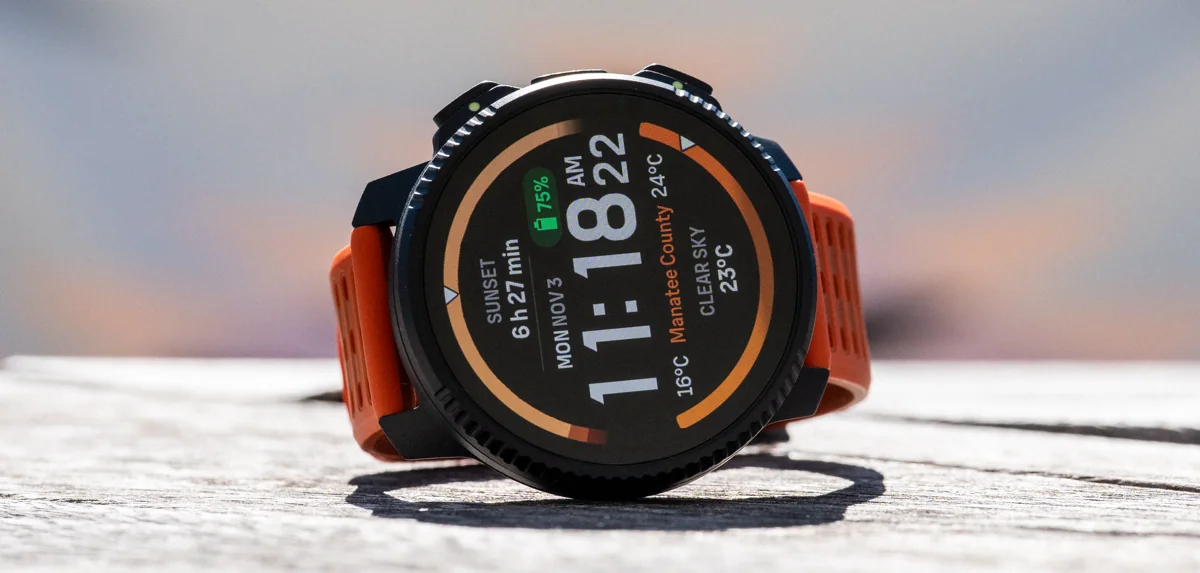
The Vertical 2 is the most complete watch Suunto has built; tough enough for real expeditions, yet smart and polished enough for daily training.
It delivers bright AMOLED clarity without killing endurance, reliable GPS and HR tracking, full offline maps, and a legit LED flashlight that’s actually useful.
Turn on Always-On Display (AOD) and you’ll never have to wait for the screen to wake mid-run, and your pace, heart rate, and maps stay visible when it matters most.
It’s not the cheapest or the most connected smartwatch, but if you care more about adventure performance than app fluff, this is the one to bet your next big outing on. Update your firmware, enable AOD, and take it somewhere that tests you back.
Written by

Subscribe to our Newsletter
to discover the best gear, healthy foods, and life outdoors.






Member discussion