
Suunto Race 2 review: clarity, battery, and control for serious training
A deeper look at Suunto’s brightest, longest-lasting training watch yet PLUS how it fits into real-world running and endurance life.

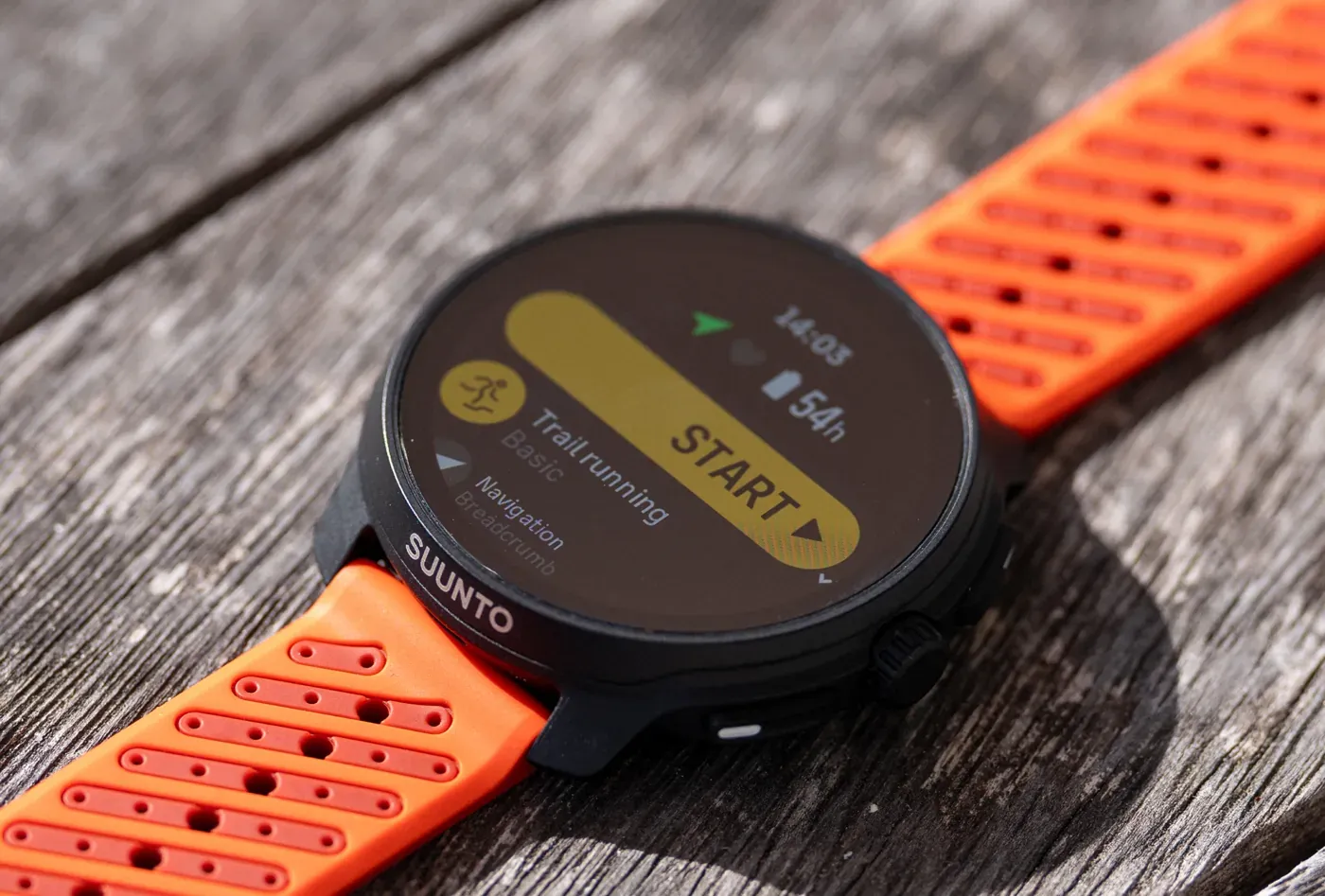
While I've been testing the Suunto Race 2 the thought that has been front of mind has been, "could this be a serious upgrade option for daily training runs, long trail days, and race efforts?"
The Race 2 certainly provides reliable GPS, a strong battery life, and proper mapping without pushing you into full “smartwatch” territory, allowing for a very reasonable price point.
After spending time digging into its hardware upgrades, settings flexibility, and real-world feedback, it’s clear Suunto hasn't simply refreshed the original Race. They’ve rebuilt it to be a long-term training tool.
It's not aimed at people who want a wrist phone (I'm looking at you, Apple Watch Ultra 3), Spotify downloads, or contactless payments. It’s for runners and endurance athletes who care more about screen clarity, battery confidence, and accurate data when the miles stack up.
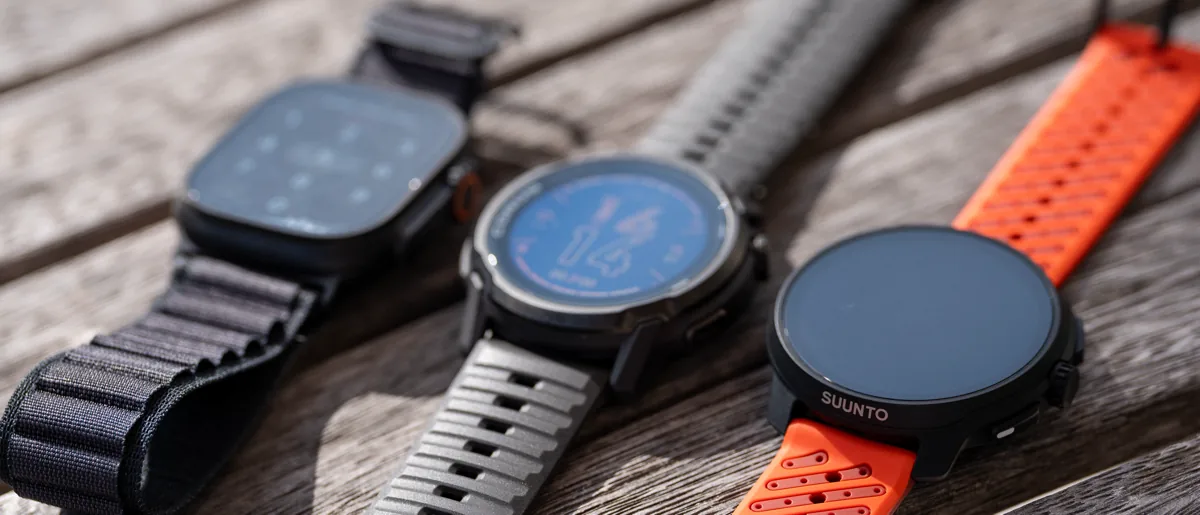
Suunto’s focus here is obvious: keep it pure, make it powerful, and let the training take center stage.
Key specifications
- Price:
$499 at suunto.com (stainless steel), $599 (titanium) - Display: 1.5” LTPO AMOLED, 466 x 466 resolution
- Brightness: Up to 2000 nits
- Size: 49 x 49 x 12.5 mm
- Weight: 76g (stainless steel version)
- Glass: Sapphire crystal
- Battery life:
- Up to 55 hours in Performance GPS mode (dual-band)
- Up to 200 hours in Tour mode
- 16–18 days of daily use with activity tracking
- Storage: 32GB (offline maps)
- Water resistance: 100m
- Smart features: Phone notifications, music controls (no onboard music)
- Materials: Stainless steel bezel, fibre-reinforced polyamide case, silicone strap
How to set it up
One of the biggest strengths of the Race 2 is how much you can tailor it to your own training.
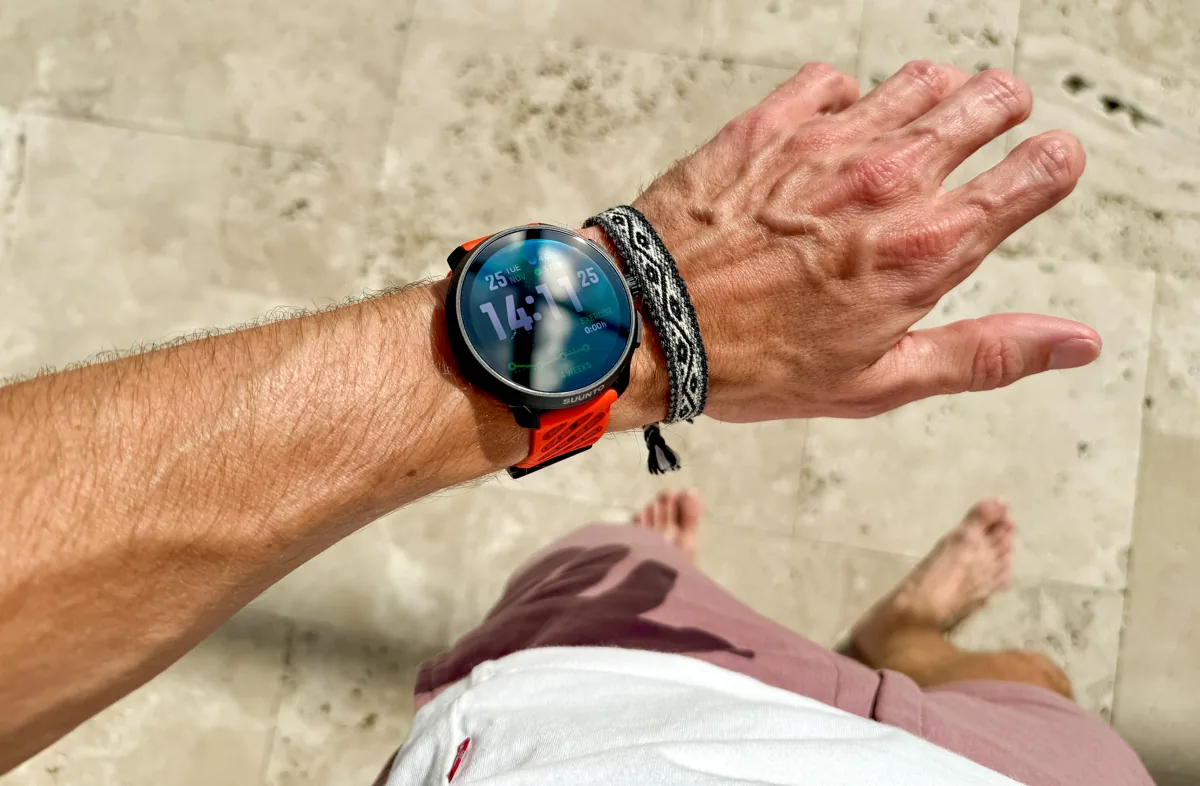
The default settings are conservative, so a few tweaks make it feel immediately more personal and practical. These are some of the settings I changed right away.
Display and power
Start with auto brightness and raise-to-wake, leaving Always-On Display off to preserve battery.
It keeps the screen responsive when I want it, without draining power needlessly. I’d also set up a nighttime Do Not Disturb window so I’m not flashbanged during sleep hours.
Buttons and shortcuts
Suunto’s new touchscreen lock shortcut is one of those small things that makes a big difference.
Map the lower button to lock the screen instantly and use the upper button as something else you use frequently. Simple, but useful when hands are sweaty or muddy mid-run. From watch face, long press the bottom/lower button: Set to Touch & button lock.
Zones and training metrics
You can also manually set up running heart rate zones and power zones instead of relying on defaults. Since I use structured training, having thresholds aligned to my current fitness is essential.
I’d also make sure ZoneSense is enabled (download it from SuuntoPlus, from within the app, for free), so I can see how my intensity really shifts during longer efforts.
Sport screens
When it comes to Suunto watches, straight away, I customise my run screens to include:
- ZoneSense
- Ascent / descent
- Vertical speed
- Estimated finish time
- Current power
This makes it more of a real-time training tool rather than just a passive tracker.
Widgets and layout
I pin my most-used widgets to the top: Resources, Sleep, Weather, and Recovery. That way, when I flick through in the morning, I get exactly what I need without digging.
Maps and navigation
Before any big trail sessions, I’d download offline maps and enable heatmaps.
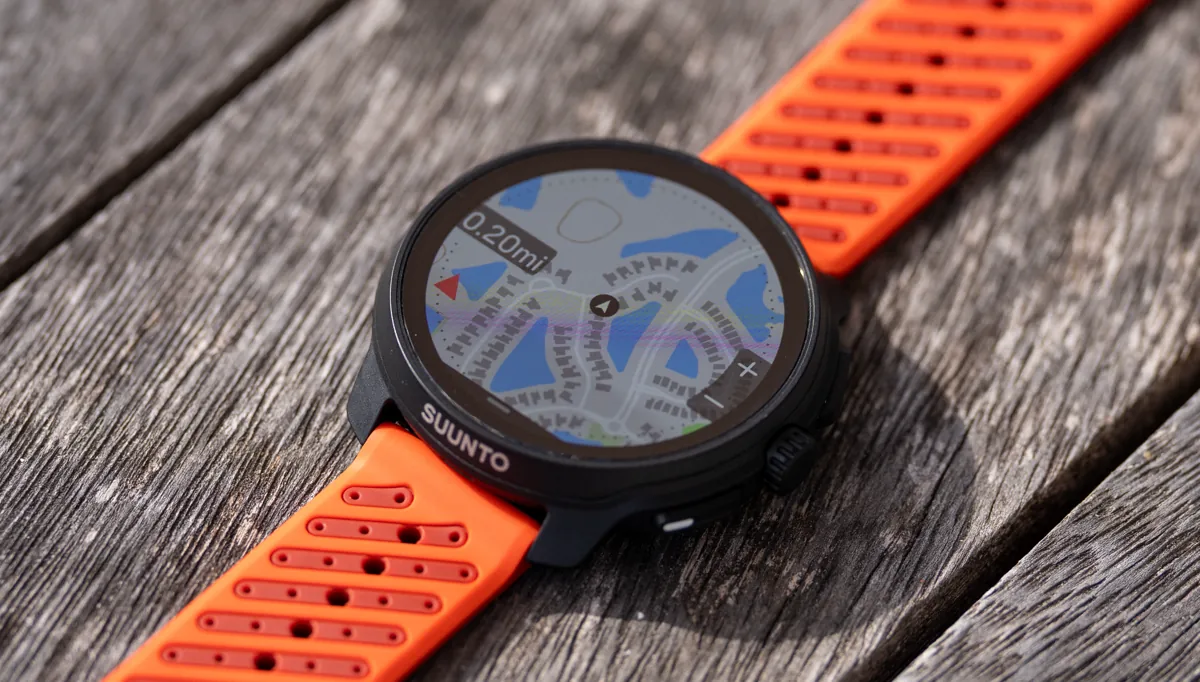
The ability to see popular routes (or avoid them) adds a lot of value for exploring new areas or planning long runs.
Notifications
You can keep notifications on, if you like, but have vibration only and trim them down to on the essential time sensitive ones. I don’t want my easy runs turning into a buzzing distraction fest.
Performance review
The Suunto Race 2’s biggest strength is how well it balances modern display tech with endurance-level battery life.
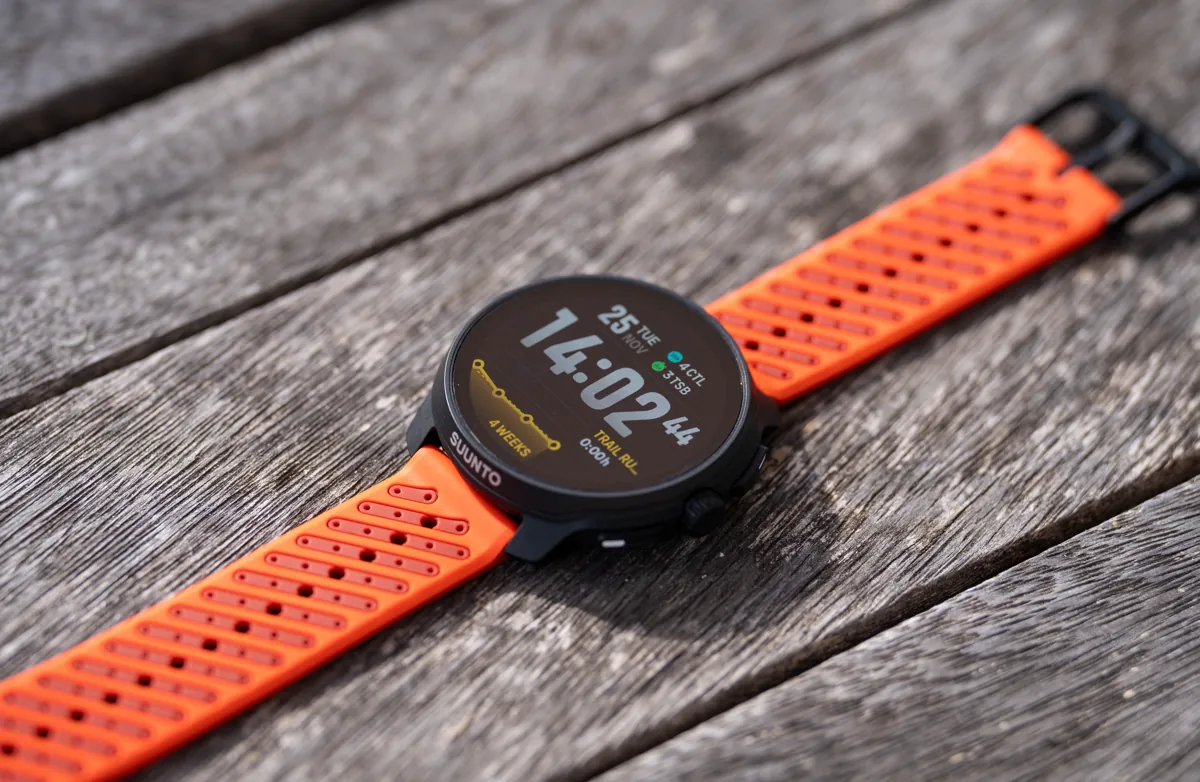
That 1.5” AMOLED screen isn’t just nice to look at, it’s genuinely functional when compared to a Memory-in-Pixel display found in the COROS APEX 4, for example.
It’s bright enough to read clearly in full sunlight and smooth enough to make map navigation feel natural, and not clunky. For long trail runs, that matters more than people think.
Battery life is where this thing really works in an endurance context.
Getting 40–50+ hours of real-world GPS in dual-band mode puts it right up there among the best AMOLED watches, without creeping into huge Fenix-style territory.
For ultras, multi-day adventures, or just not worrying about charging every other night, that’s a big tick for me.
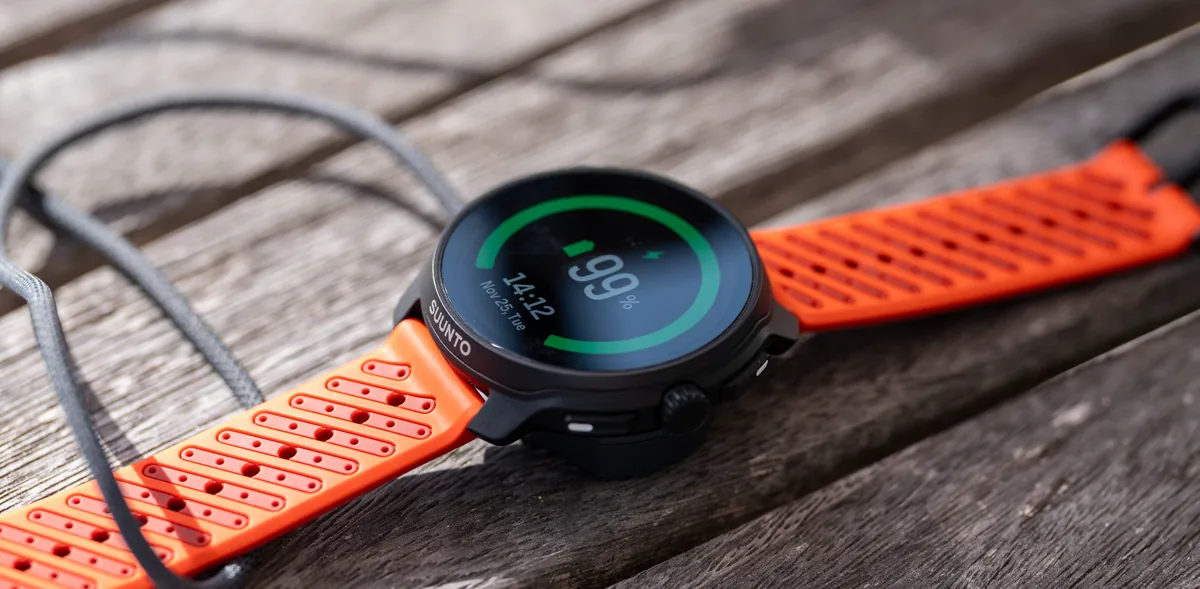
The Suunto Race 2 charges remarkably fast for a sports watch with such long battery life:
- 0 → 100 % in 45–60 minutes
- 0 → 70–80 % in ~20 minutes (enough for another full day of heavy GPS use)
- 10–15 minute top-up gives you 20–30+ hours of GPS tracking.
It uses a secure-snap magnetic USB-C cable, works with any charger, and is one of the quickest-charging AMOLED endurance watches on the market making it ideal for ultras or forgetting to plug in overnight.
I’ve also been really impressed with the build quality on the Race 2.
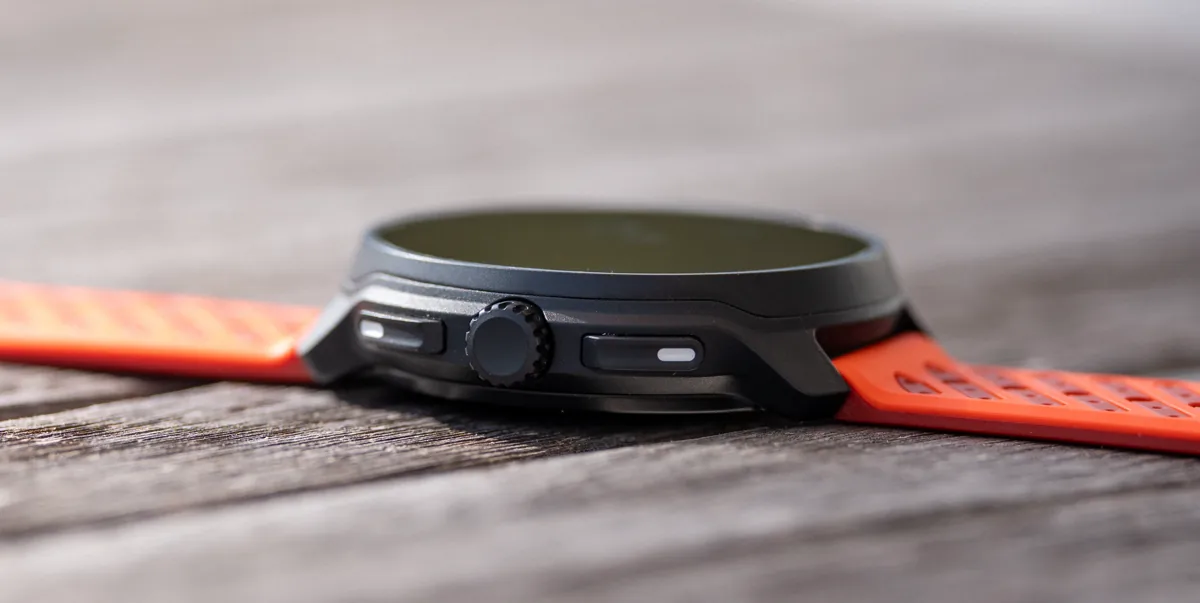
Sapphire crystal, a stainless steel bezel, and a fibre-reinforced polyamide case all combine to make it feel premium without trying too hard.
It’s lightweight on the wrist (76 g for steel, 65 g for titanium), but it doesn’t feel fragile at all; I haven’t babied it on trails and it’s taken daily use easily.
The buttons deserve a special mention too.
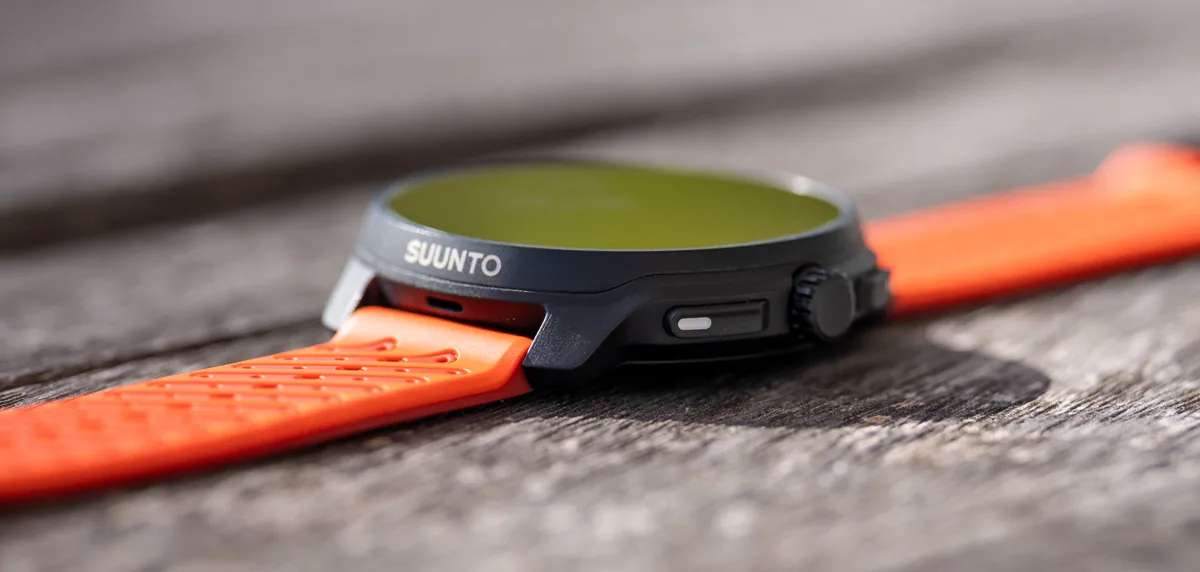
They’re big, clicky, and well spaced, with no mushiness even when I’m sweaty. The three-button layout with the crown, plus the instant touchscreen lock shortcut, makes interacting with it on the move feel natural and intuitive.
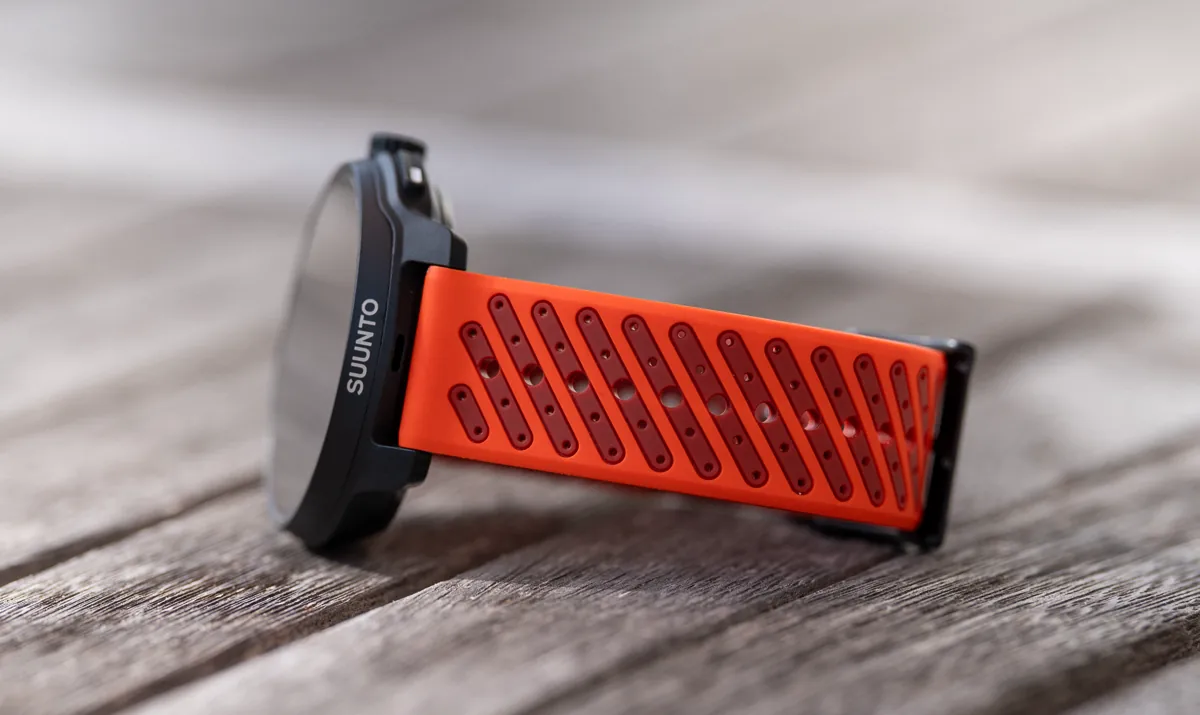
The stock silicone strap is surprisingly good as well.
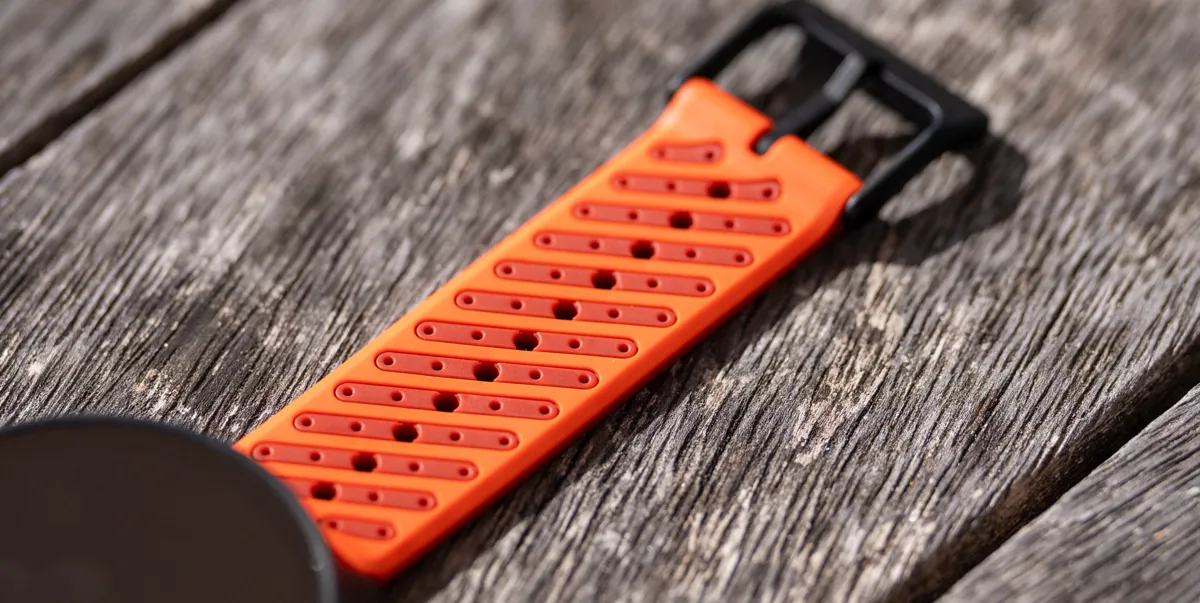
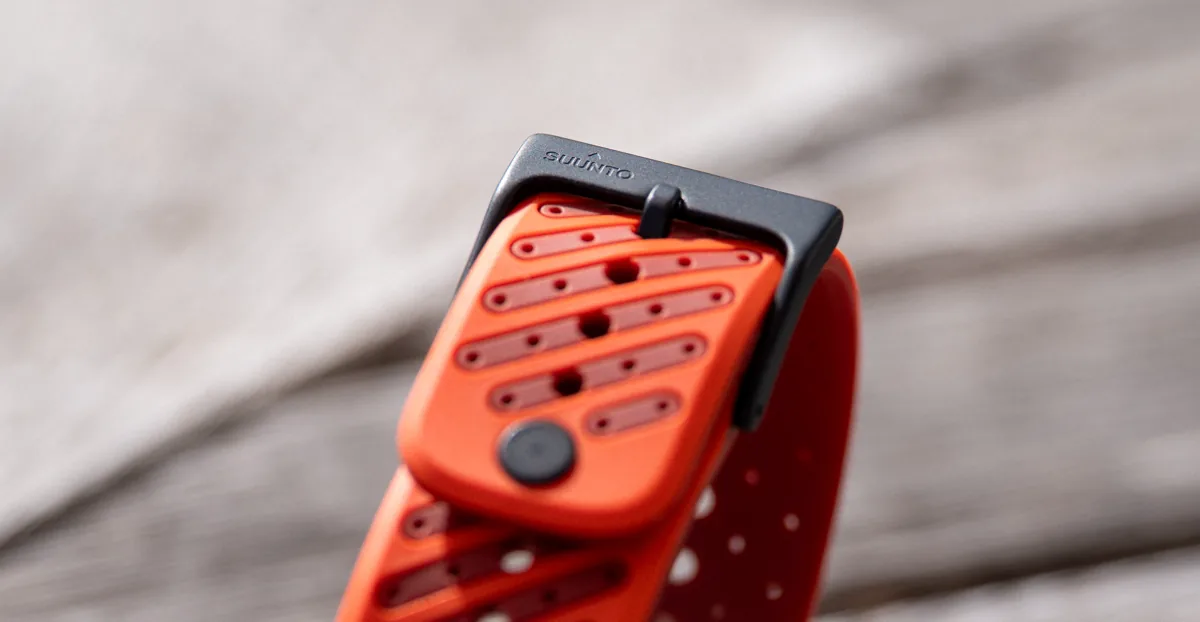
It’s soft, slightly tacky so it grips the wrist without slipping, and thin enough to stay comfortable on long runs.
The vent holes help it dry quickly and avoid that lingering sweat smell after big efforts. I’ve had no irritation, and honestly, it’s one of those rare cases where I don’t feel any need to swap the strap out for something else.
The improved heart rate sensor is another key upgrade, that I noticed.
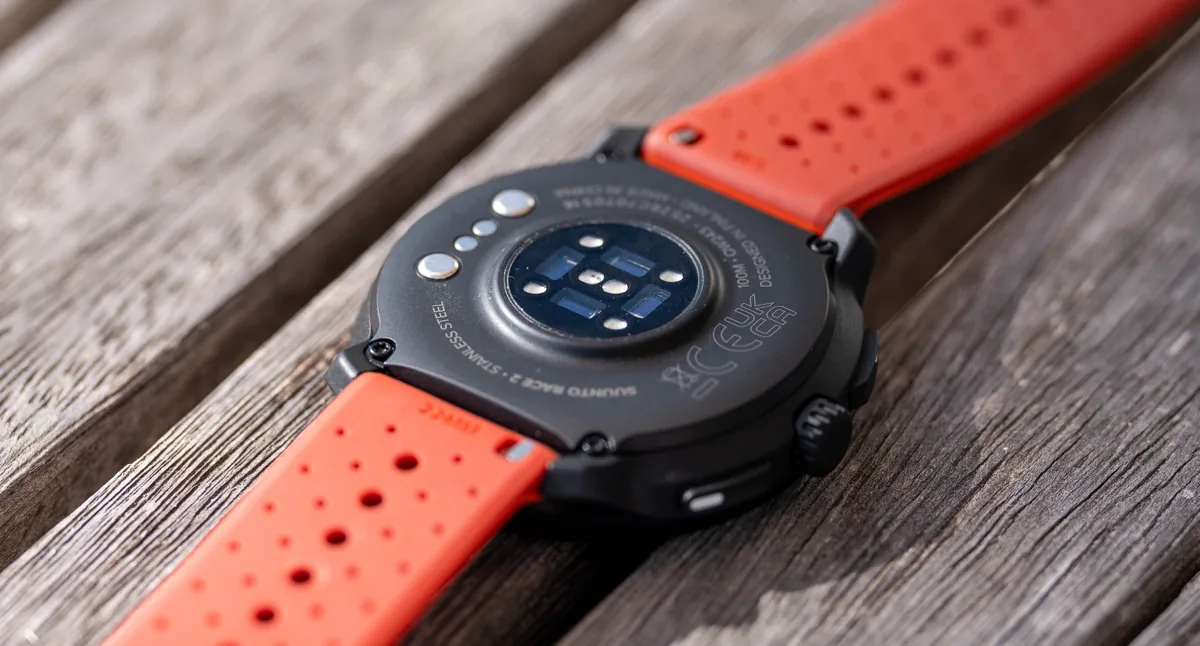
From everything I’ve seen and tested, so far, it’s finally reliable enough to trust on steady runs and far more usable during interval work than previous Suunto sensors.
For a lot of runners, this means skipping a chest strap most days without losing meaningful accuracy.
GPS and mapping are also a highlight, even though I find it annoying to have to download maps to the device, rather than having all that work automatically like on a high end Garmin.
The download process is very slow too, limited by the wifi hardware in the watch I suppose; my 1gb map tile took over an hour to download, and I have 5gb wifi at home.
Dual-band GNSS, fast lock, and stable tracking make it dependable even in tricky terrain.
The offline maps and heatmaps make trail navigation feel calmer and more controlled, especially when you’re deep into a long run or run a route backward for the first time, and you're struggling to find your way.
ZoneSense and Suunto Coach add a different layer to the experience.
I like that they aren’t just telling me I’m “good” or “bad” today, but actually helping interpret training load, recovery, and intensity in a more fluid way. It feels less rigid than some other ecosystems and more focused on how my body is responding over time.
Where it holds back is in smartwatch features.
There’s no onboard music, no payments, no mic or speaker, and notifications are basic.
But for me, that’s not a dealbreaker as I don’t want my training watch trying to be my phone. I want it to help me run better and last through long days outdoors, which it does.
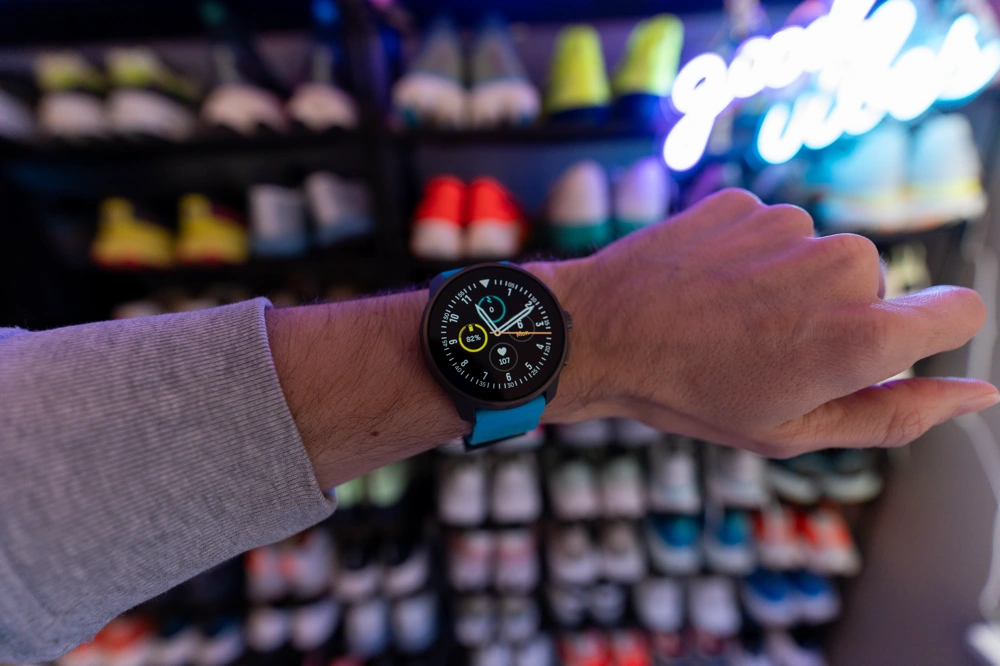
The 49mm case will feel large for some wrists, no way around that.
It sits well on mine, but I’d definitely consider the Race S if you have smaller wrists or just prefer a more compact profile.
My verdict
The Suunto Race 2 feels like Suunto finally hitting the balance right between modern tech and serious endurance use.
The screen is outstanding, the battery life makes it realistic for ultra-level distance, and the improved heart rate sensor means I can rely on it more without extra gear.
It’s not here to replace your phone or lifestyle smartwatch in the way that the Apple Watch Ultra does. It’s here to support training, navigation, and recovery without charging anxiety or overly busy software.
The price jump over the original Race is real, and the older model is now a strong budget option (now $299 - $100 off in the BF sales), but for anyone who trains regularly, runs long, and wants a watch that feels built for years ahead, for $499, this one makes sense.
If I stick with it long-term, it’ll be because of how it fits into my daily running rhythm; not because of gimmicks, but because it quietly does what I need, day after day.
Written by

Subscribe to our Newsletter
to discover the best gear, healthy foods, and life outdoors.







Member discussion