
Polar Grit X2 review: A compact outdoor watch for trails and training
Robust multisport features with AMOLED display, biosensing, and mapping in a design that skips the bulk of premium models - that's a key draw here!

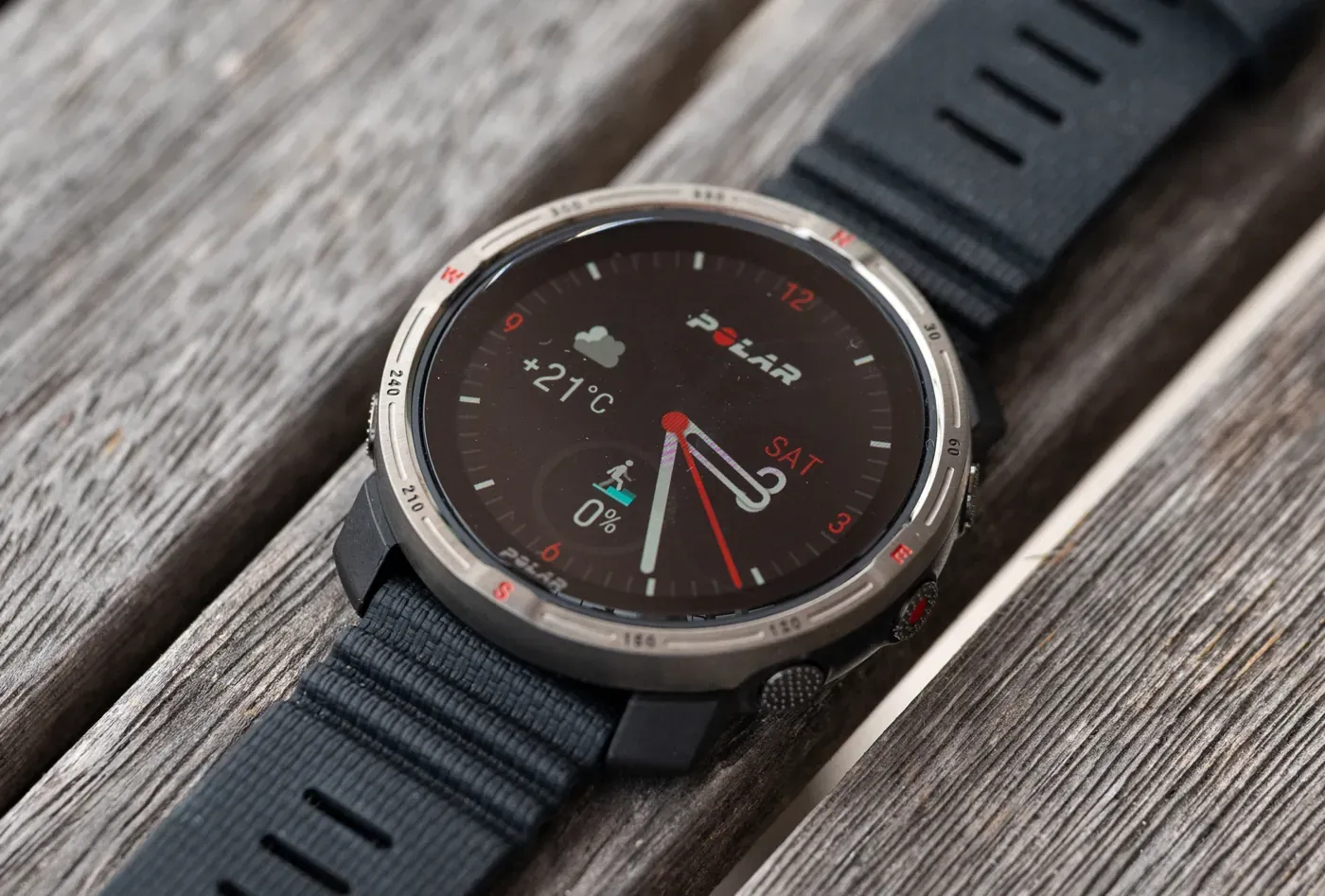
Outdoor watches come in many forms, but finding one that balances features, wearability, and usability can take some real testing.
The Polar Grit X2 combines adventure tools like biosensing and mapping in a surprisingly compact package that avoids the heavier feel of some rivals. I started testing it to see if its metrics and navigation held up for mixed outdoor activities.
After a month on trails, hikes, and daily recovery, it showed solid performance for balanced use.
The mix of data depth and practical features makes it worth considering for those who want training support without excess weight and bulk on their wrists.
That makes the Grit X2 a great option for those with slim wrists who want ALL the features.
Key specifications
The Grit X2 balances outdoor durability with everyday usability.
- Pricing: $799 at polar.com
- Weight: 62g total, 39g without wristband
- Dimensions: 44.7 x 44.7 x 12.5 mm
- Display: 1.28-inch AMOLED touchscreen, 416 x 416 resolution
- Battery life: Up to 30 hours in performance mode, 90 hours in eco mode, 7 days smartwatch use
- GPS: Dual-frequency (L1/L5), supports GPS, Glonass, Galileo, BeiDou, QZSS
- Sensors: Elixir biosensing (Gen 1 ECG/SpO2/skin temp), Gen 4 optical HR, barometer, magnetometer compass, accelerometer, gyroscope
- Materials: Plastic case, sapphire glass screen, stainless steel bezel, premium silicone wristband
- Water resistance: WR50 (suitable for swimming, not diving)
- Connectivity: Bluetooth LE, proprietary USB-C cable
- Durability: Tested to MIL-STD-810H
- Other features: Offline color maps, turn-by-turn navigation, FuelWise fueling assistant, Training Load Pro, Recovery Pro, FitSpark daily guide, voice guidance, energy sources breakdown, swimming metrics, weekly summary
How to set it up (the settings I changed right away)
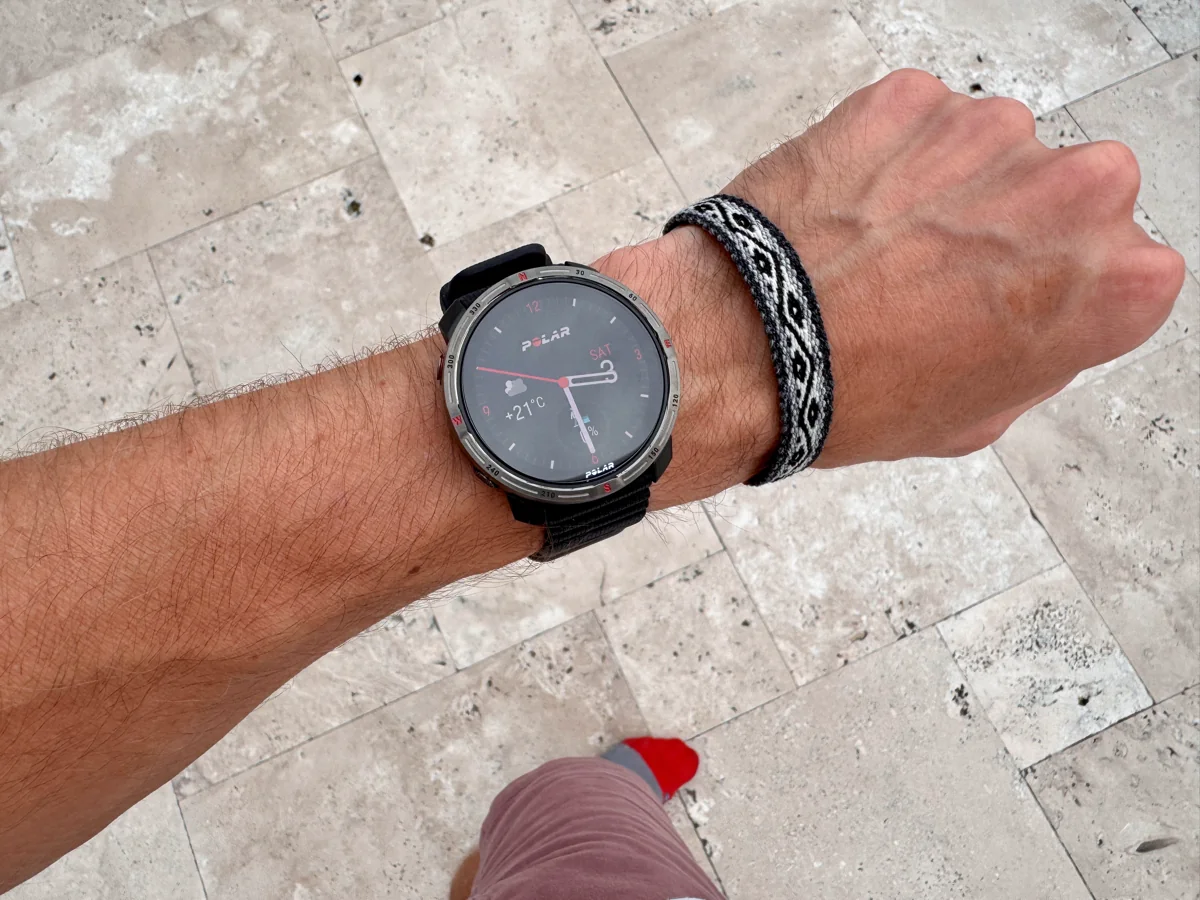
The Grit X2 arrives as a fairly intuitive system, but a few adjustments make it feel optimized for real use.
Display and brightness first
The AMOLED uses gesture activation by default, but I enabled always-on in settings for quick glances while keeping the ambient light sensor active to save battery.
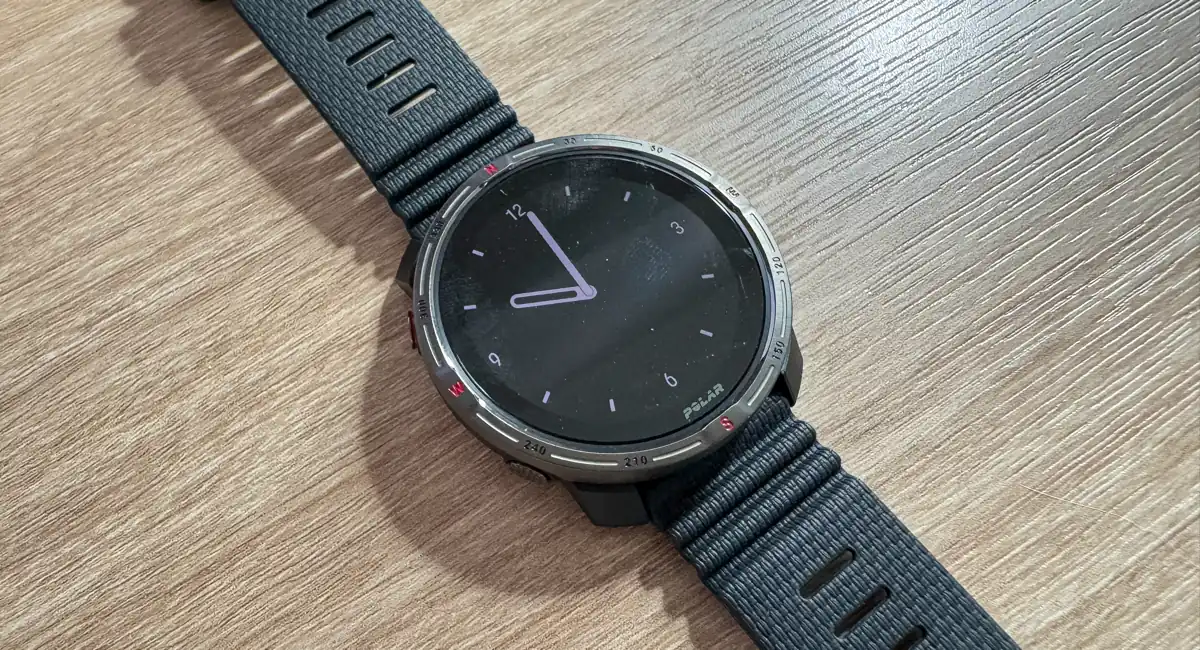
Note this will reduce your battery life but the watch face will show the clock, allowing you to glance at it and catch the time.
GPS mode may need tweaking
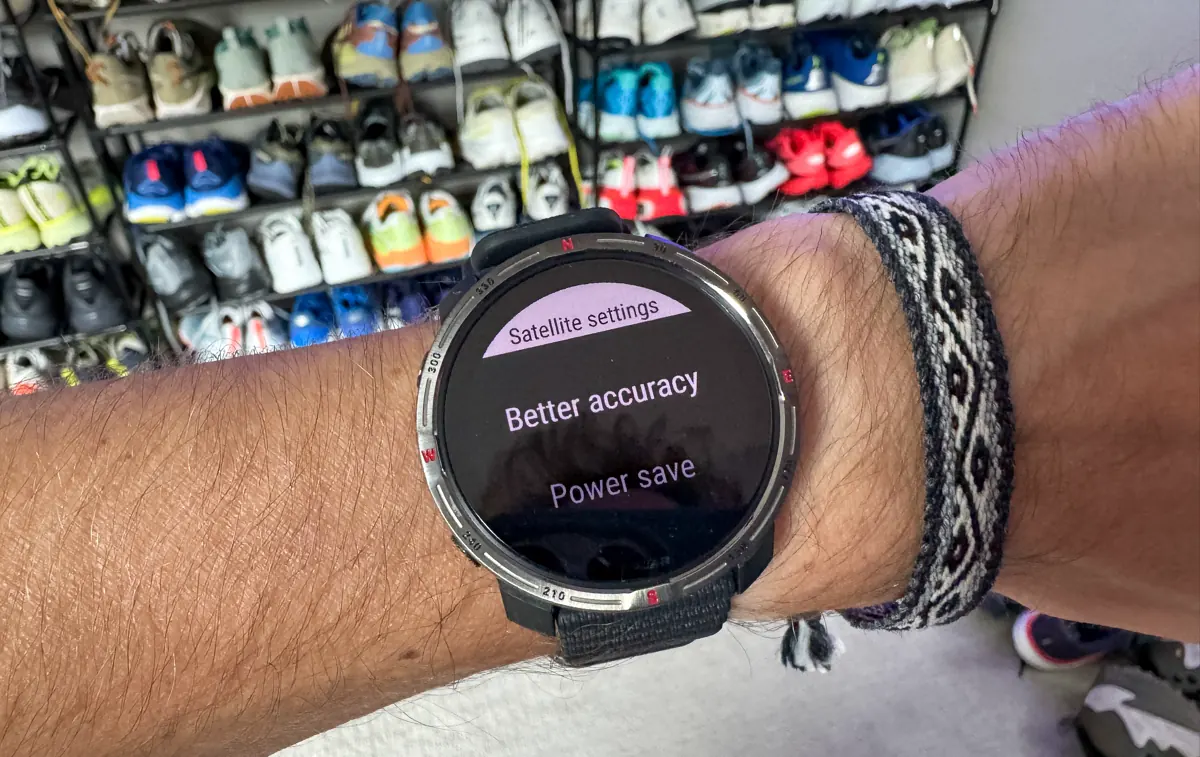
'Better Accuracy' is default for precision, but you can switch to 'Power Save' mode for longer hikes to extend the 30-hour claim.
How to change: From the watch face, go to Settings > General settings > Positioning Satellites > Select Better Accuracy or Power Save mode.
Heart rate and biosensing
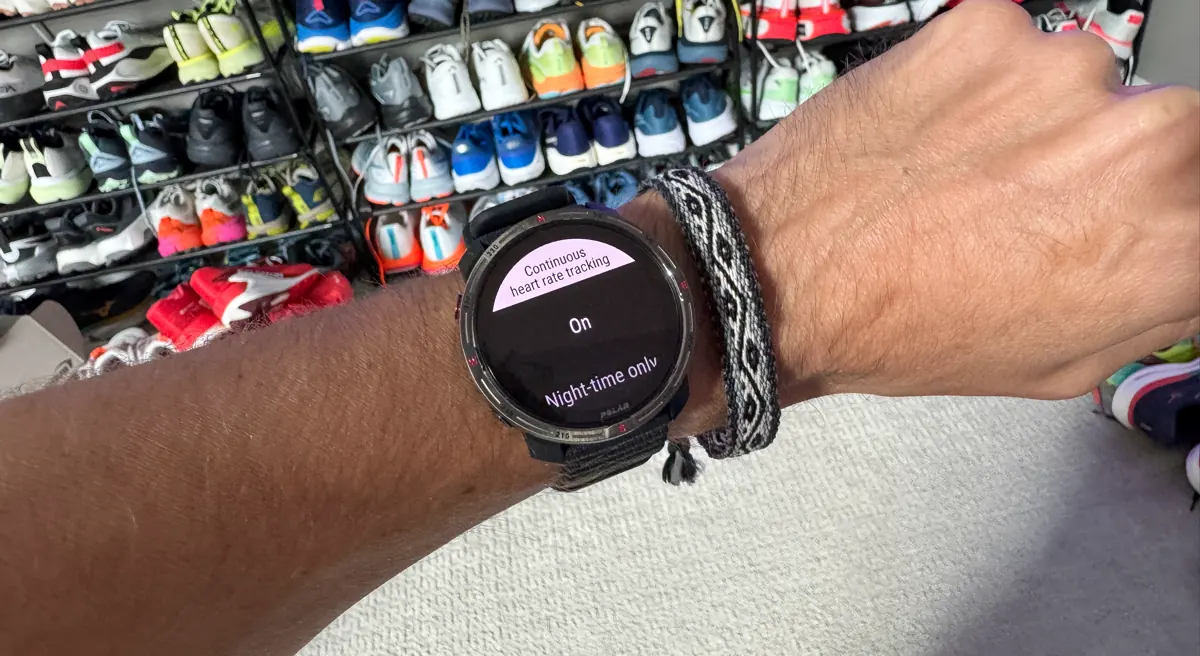
Gen 4 optical HR tracks 24/7, providing continuous data; you can also set this to track 'only at night' to increase battery life although I recommend leaving to 24/7 so you gain other health insights.
For cold runs where it can lag, pairing a strap via Bluetooth overrides wrist reading for better accuracy.
How to change: From the watch face, go to Settings > General settings > Pair and sync phone > Pair sensor or other device > Select HR sensor and follow Bluetooth pairing prompts.
Mapping and navigation
Preloaded offline maps for North America and Europe provide immediate breadcrumb and basic navigation. Enabling rerouting (including deviation alerts) made it reliable for trails.
Performance review
The Grit X2 handles outdoor activities with a compact footprint.
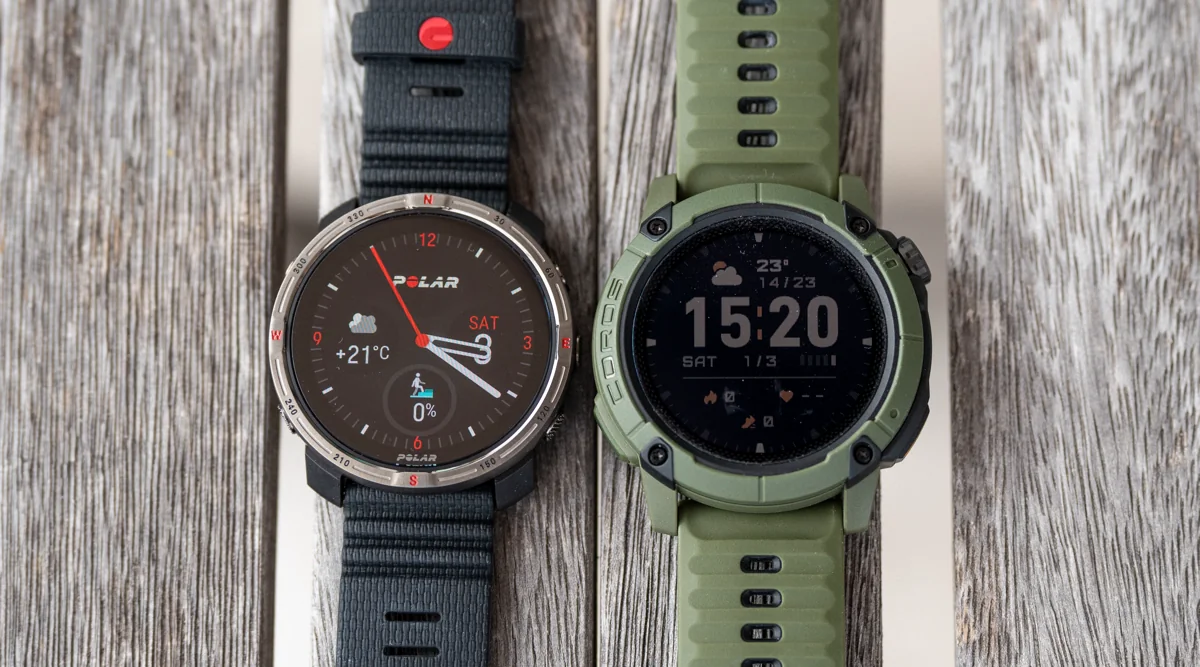
At 62 grams, it stays secure on long hikes or runs without noticeable bounce.
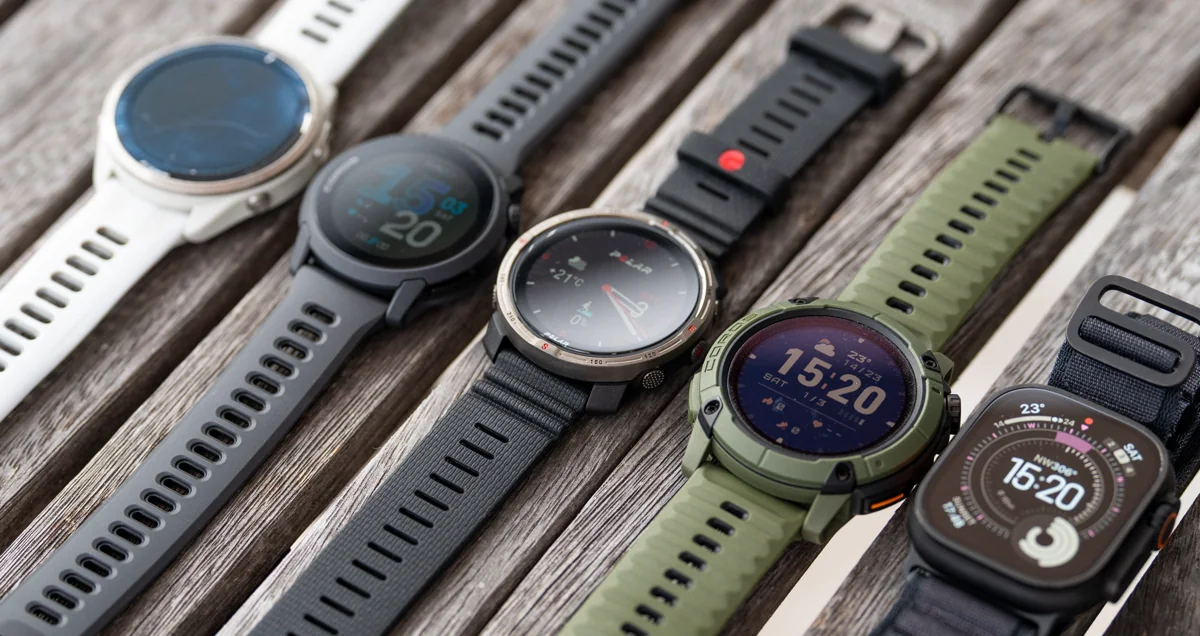
You can see how small it is when you put it next to the COROS NOMAD, a direct competitor.
The sapphire glass screen, and stainless steel bezel resist impacts very effectively.
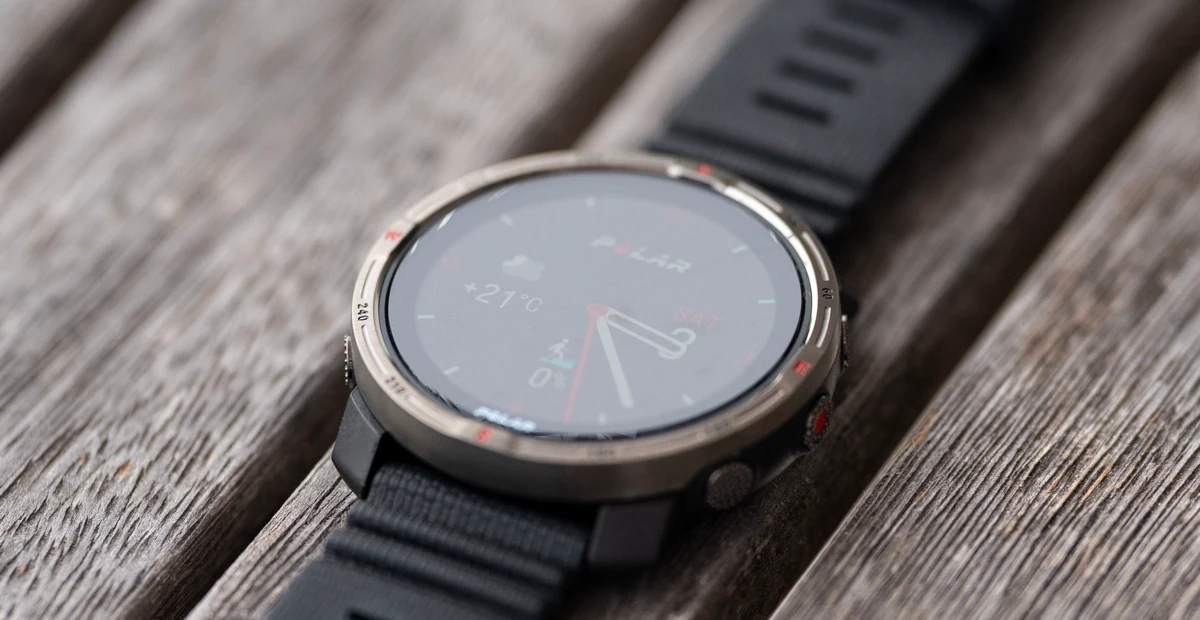
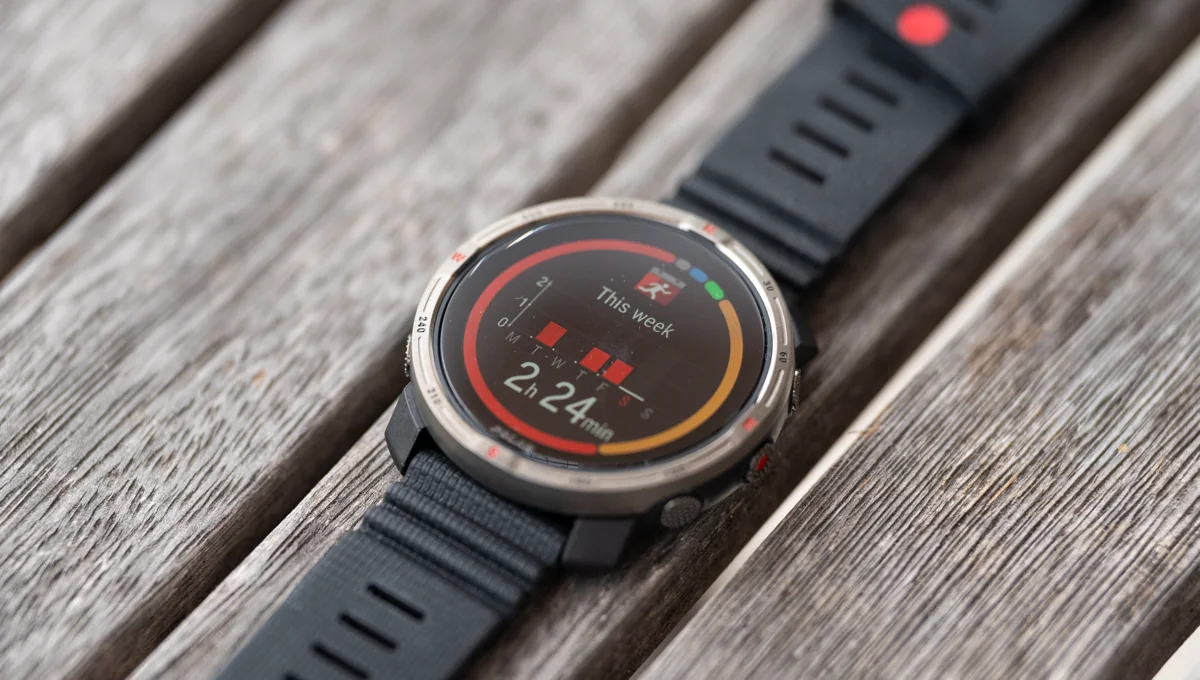
The AMOLED display provides clear visuals in various conditions.
It remains readable in sunlight and handles rain on the touchscreen without issues, making metrics like pace or elevation easy to check mid-effort.
The flashlight mode offers basic utility for low-light starts.
I have noticed that GPS acquisition is definitely slower than COROS and Garmin, but once locked, the 'Better Accuracy' mode provides precise tracking on trails and mixed routes.
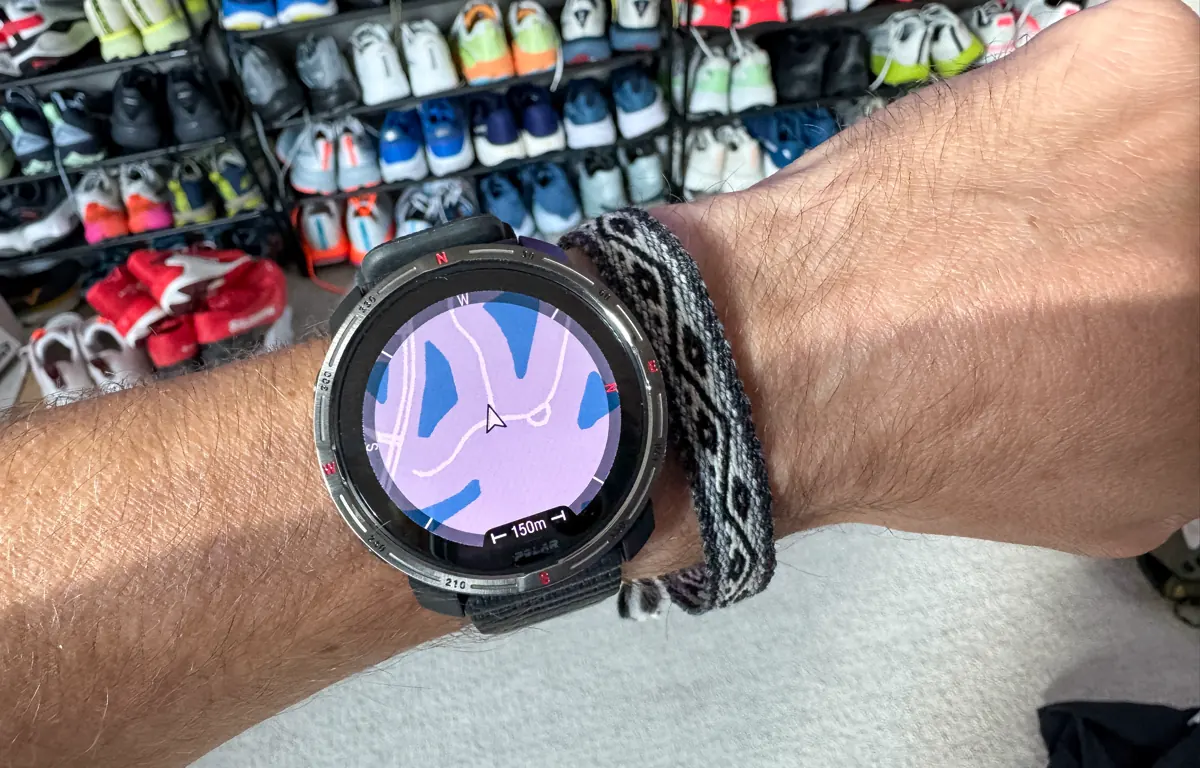
Preloaded offline color maps with elevation profiles support topo navigation out of the box, making the whole navigation experience much easier. Turn-by-turn guidance works well for synced routes.
Biosensing covers a range of data. Elixir tech includes ECG, SpO2, skin temperature, and Gen 4 HR for recovery insights, but HR readings can lag initially in cold weather.
Pairing a strap improves accuracy during intervals or demanding hikes.
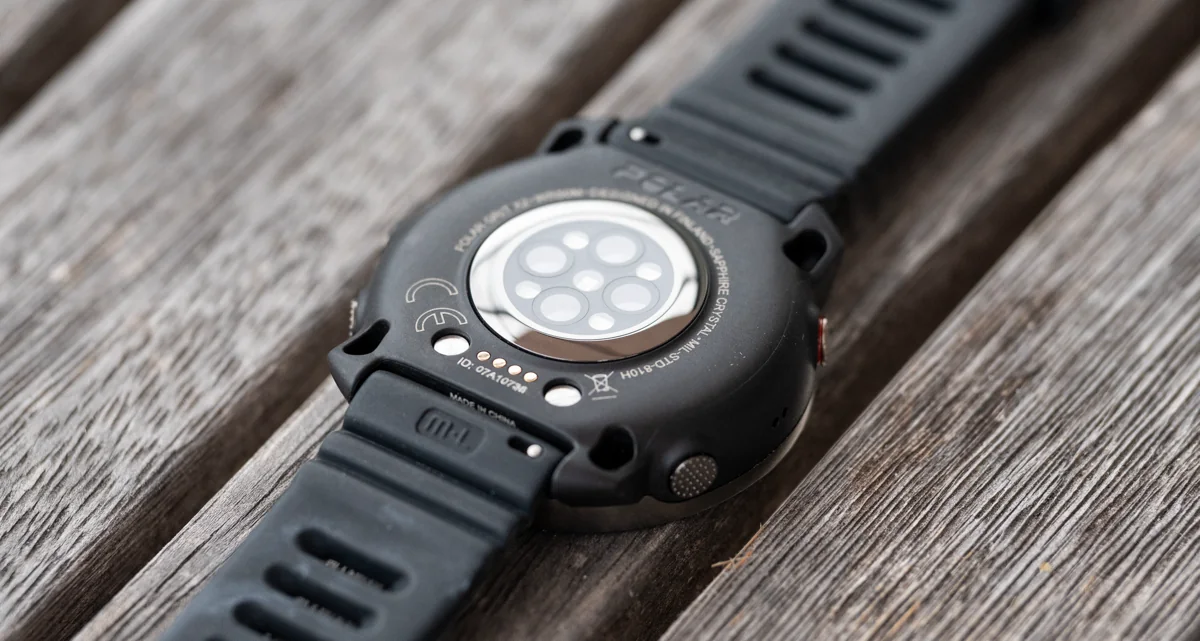
SpO2 and ECG provide quick checks, though they require proper positioning for consistency. These tools allow for monitoring recovery after efforts, with SpO2 helping gauge altitude adaptation on higher trails.
Battery lasts a long time especially considering its size. Real-world performance mode approaches 30 hours on mixed GPS activities, Power Save mode should extend to 90 for lighter outings.
Daily tracking hits 5 to 7 days with features enabled, though the always-on screen mode shortens that noticeably.
For multi-day hikes, Power Save GPS mode helps, but it falls short of longer-battery competitors in extreme scenarios. The watch charges quickly reaching full in under an hour.
Training tools include Training Load Pro for strain monitoring, Recovery Pro for daily readiness, and FitSpark for guided sessions.
FuelWise and energy sources breakdown help with fueling on extended trails. These features provide structured support, though integration feels less seamless than some ecosystems like you find on Garmin and COROS for example.
Hill Splitter tracks vertical changes automatically, useful for hilly terrain, and energy sources show fat/carb/protein use during activities.
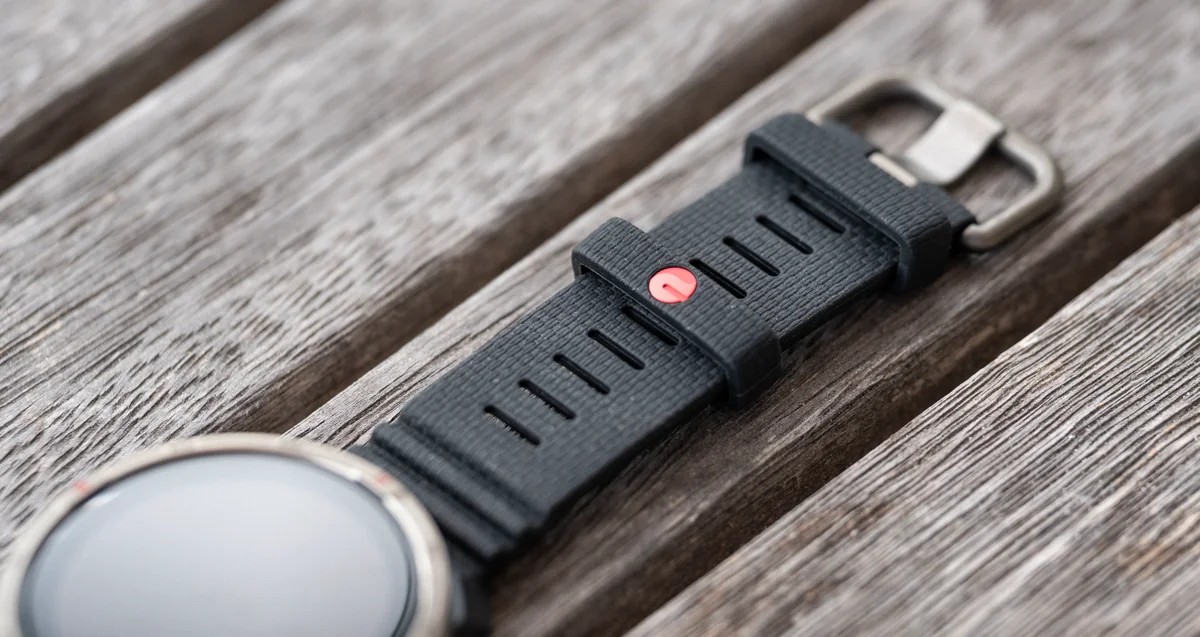
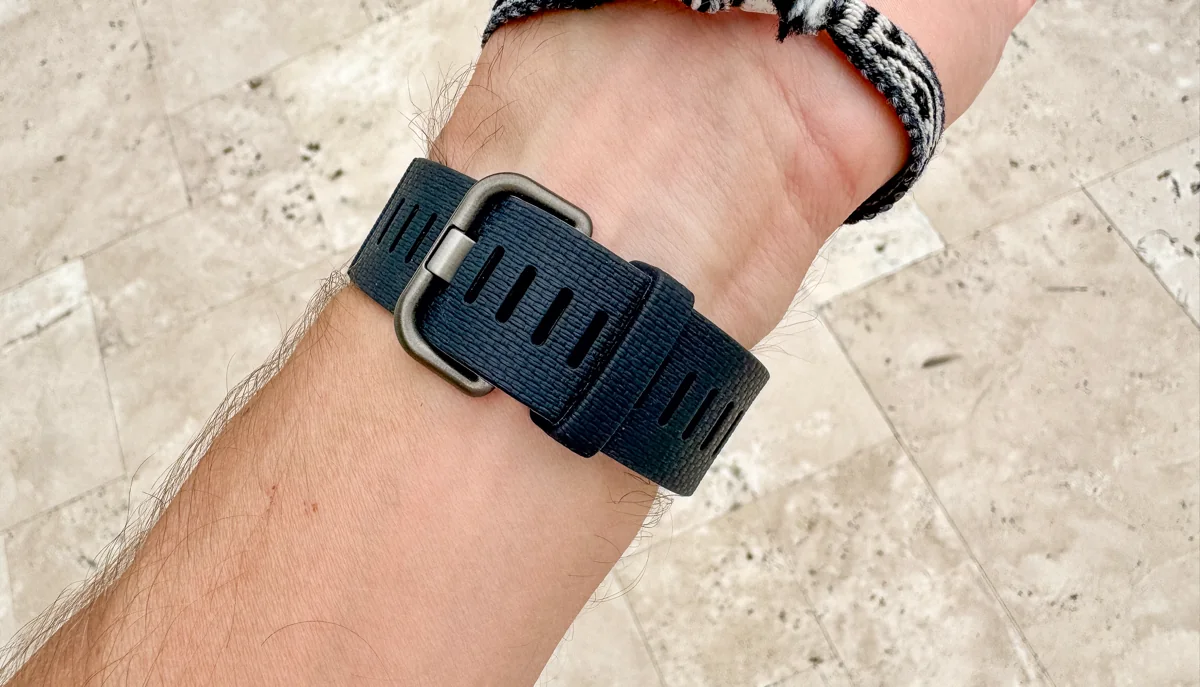
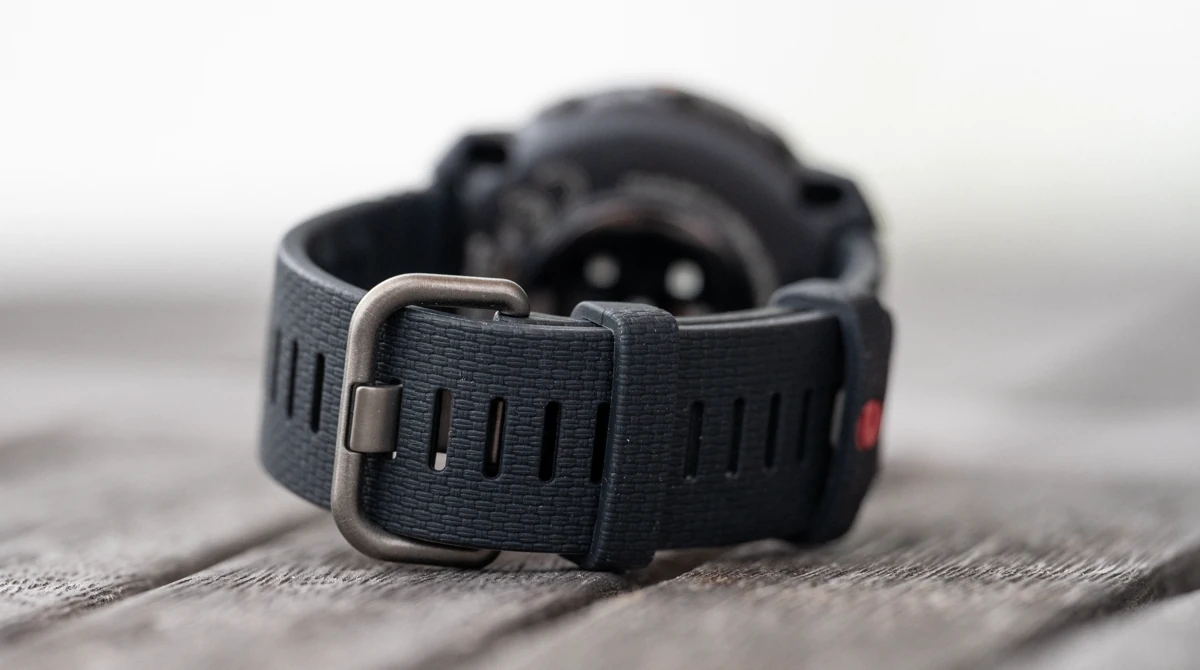
The strap although comfortable does feel a bit too floppy, and that can make it a little awkward to do up when compared to a more robust silicone strap.
And the 5 buttons are not very intuitive when navigating the system; stopping and saving activities uses a different button from start, leading to occasional confusion.
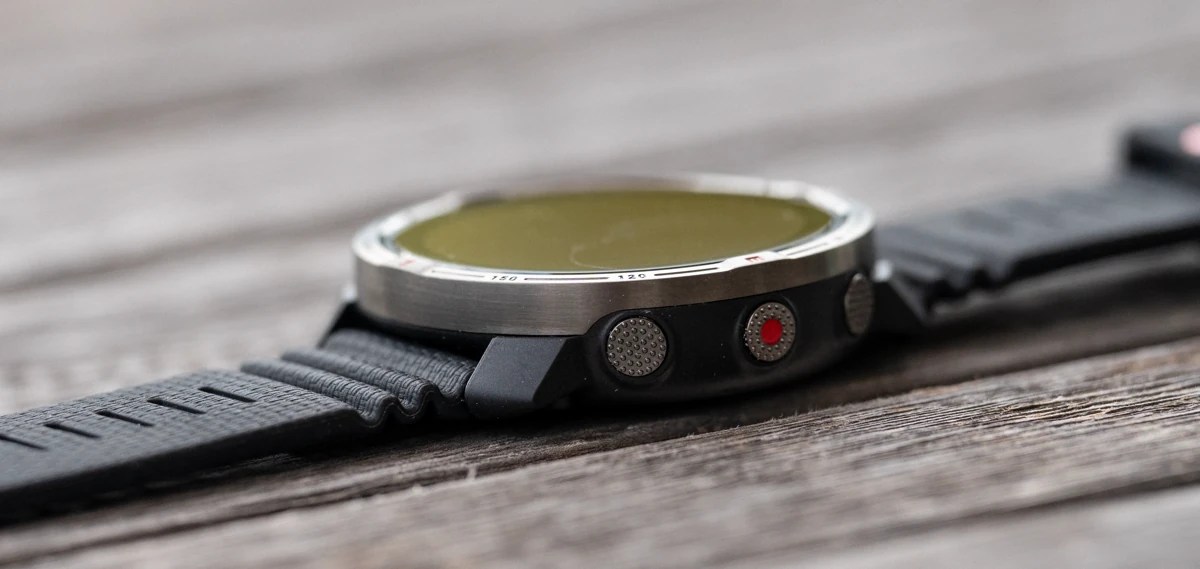
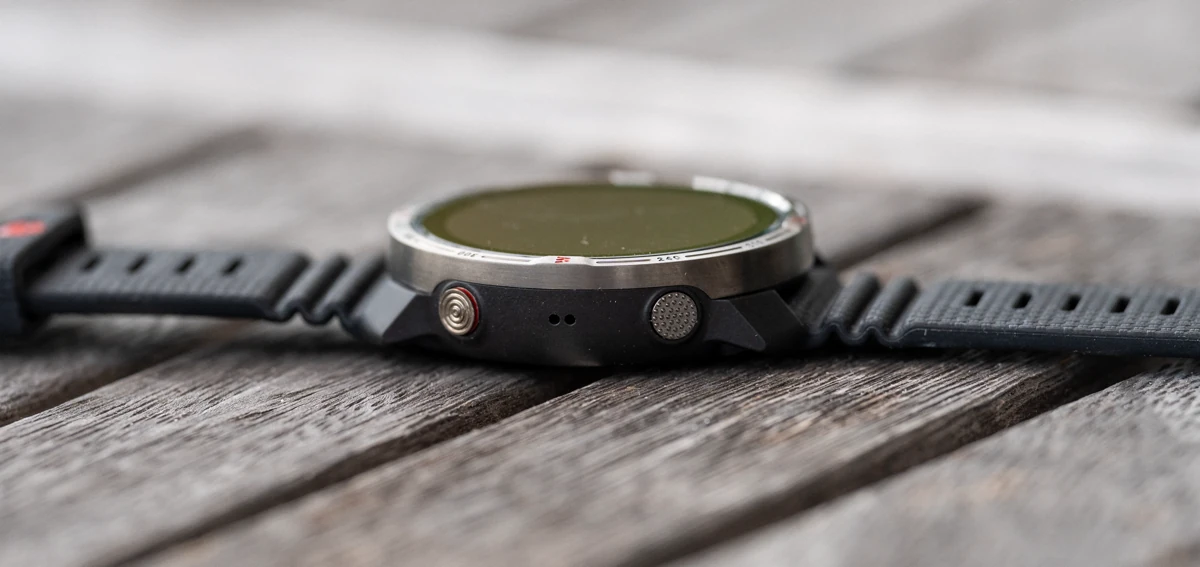
A scroll wheel and fewer buttons would improve navigation flow no end.
Overall, it performs very well for outdoor adventures with metrics and navigation. Usability is not as fluid as some competitors, and GPS acquisition speed are areas for improvement.
My verdict
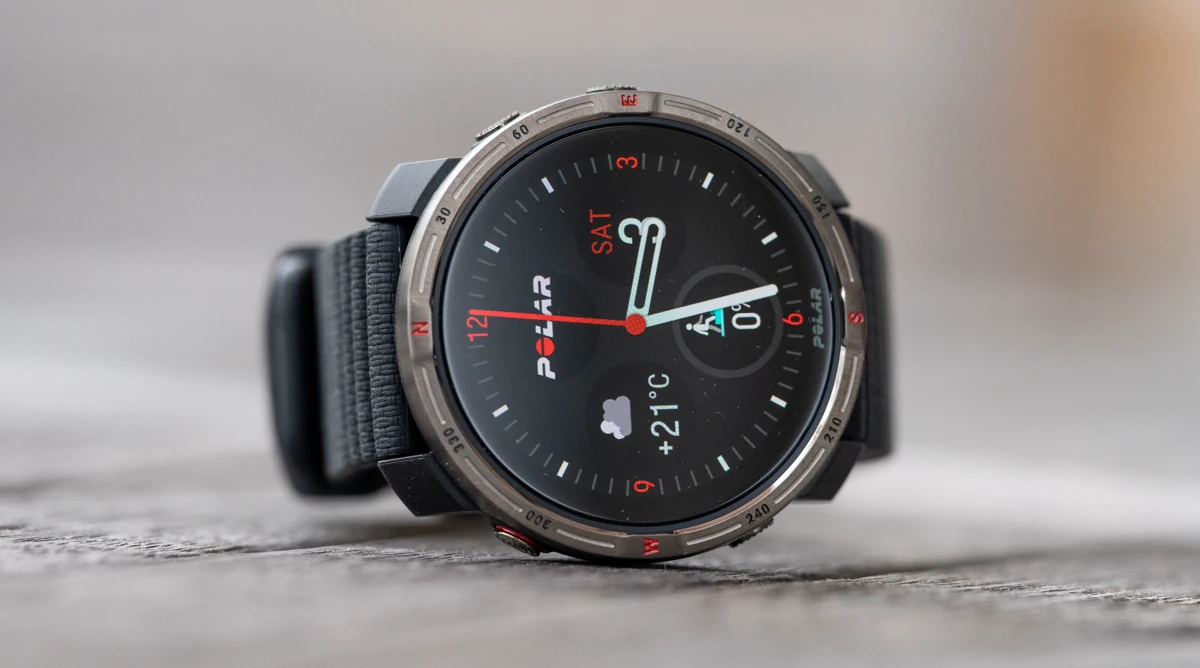
The Polar Grit X2 offers a compact option for outdoor training. It provides biosensing depth and practical mapping in a design that is genuinely small when compared to the competition.
This alone, makes it a strong choice for those who prefer smaller watches but love to get after it in training and exploring the outdoors.
For endurance athletes wanting tools like Training Load Pro and offline maps, in a small form, it's a good choice, but $800 does feel a little overpriced, when you can get the COROS NOMAD for only $350.
Thanks for reading. Have you tried the Grit X2 or another Polar watch? Let me know in the comments. -Alastair
Written by

Subscribe to our Newsletter
to discover the best gear, healthy foods, and life outdoors.






Member discussion