
Microplastics in Bottled Water 2026: Health Risks and Best Filters to Remove Them
Discover how microplastics end up in bottled water, the potential health issues they cause, and top solutions to protect yourself.

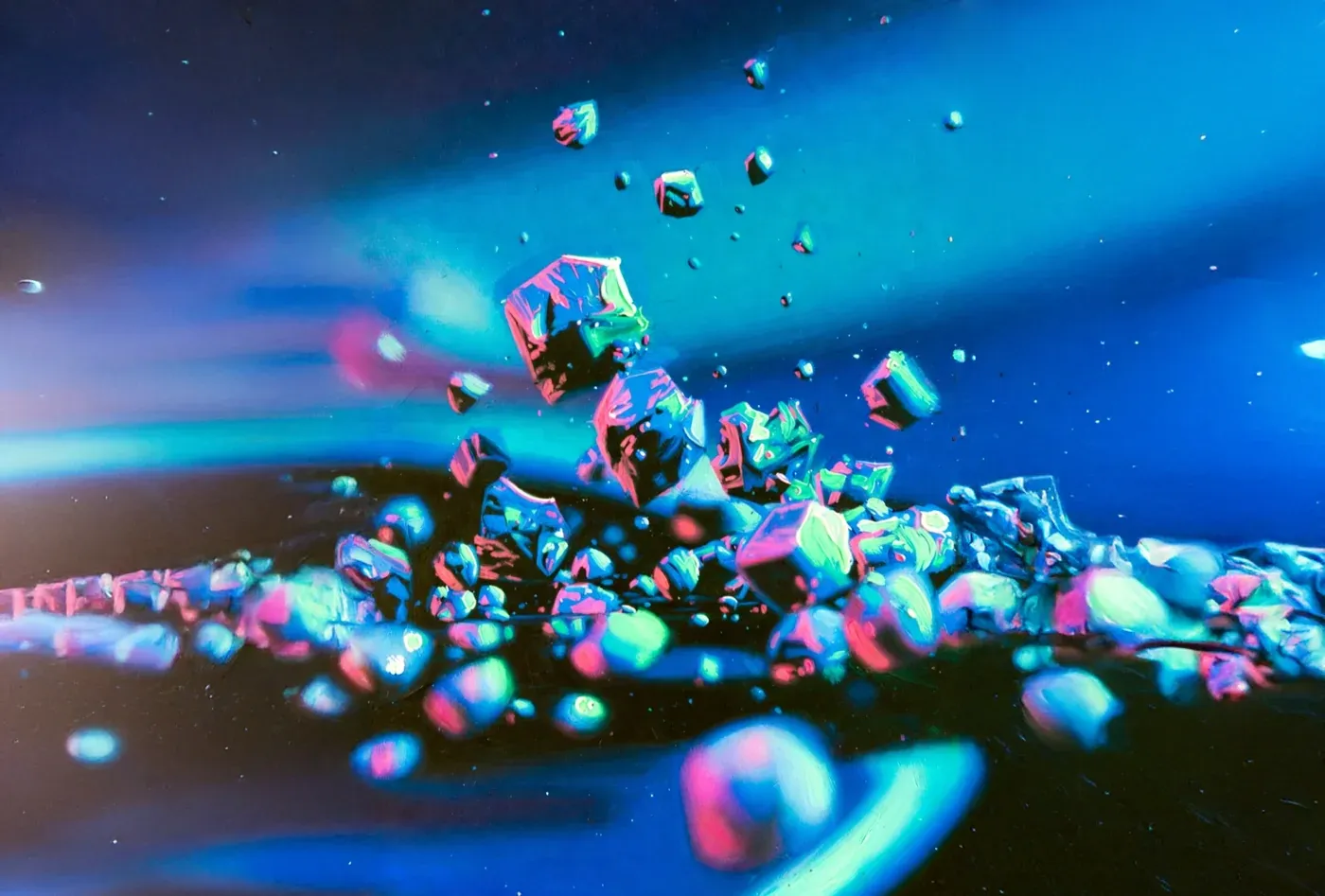
Water is one of the simplest foundations of daily health. Most of us drink it multiple times a day to stay energized, focused, and functioning.
But what if the "pure" bottled water we trust, and go out of our way to buy (because we see it as the cleanest option), like Evian or similar premium brands, is quietly introducing contaminants we can’t see?
Recent studies have found microplastics in bottled water at levels often higher than tap water.
I’ve followed this topic closely, reviewing the latest research to understand how microplastics in water get there, the potential effects on humans, and realistic ways to reduce exposure. The picture isn’t cause for panic, but it’s enough to rethink hydration choices in 2026.
How microplastics infiltrate drinking water
Microplastics are tiny plastic fragments less than 5 millimeters long, often invisible in the water we drink however. Larger particles near that upper limit are rarely present in properly treated water supplies.
Meanwhile, the tiniest fragments (those under 1 micrometer) are commonly known as nanoplastics.
Microplastics come in two main forms, 'primary', and 'secondary':
Primary microplastics are manufactured small for specific uses, like microbeads in exfoliants (now banned in many places) or industrial pellets that spill into waterways.
Secondary microplastics make up the majority. They form when larger plastics degrade from sunlight, waves, heat, or physical wear, breaking bottles, bags, or packaging into fragments over time.
In drinking water, both types appear. Tap water can contain them from aging pipes, wastewater runoff, or atmospheric fallout where particles settle into reservoirs.
Bottled water, however, consistently shows higher concentrations.
Studies detect thousands of particles per liter in popular brands, largely from shedding during production; fragments release from machinery, caps, and the bottles themselves. Storage conditions like heat or light accelerate this.
One widely cited analysis found an average of 325 particles per liter in bottled water globally, compared to just 5.5 in tap from the same regions. The plastic packaging is a direct contributor.
Food adds to the load too. Microplastics appear in seafood, salt, honey, and packaged items. Combined with water sources, daily intake can climb quickly.
I don’t recommend relying on straight tap water either, however. Quality varies widely by location, with potential chlorine byproducts, heavy metals from old pipes, PFAS chemicals, or microplastics from runoff.
At-home filtration provides consistent protection regardless of the source.
If you’re leaning toward reverse osmosis for home use, I’ve got a full breakdown of what it’s like to live with one in my Waterdrop A2 countertop filtration system review.
I always believe it's upon us as individuals to take full responsibility for our own health rather than relying on governments to do it for us.
The potential health effects of microplastics on humans
The scary part of all this is that microplastics are not inert.
They can carry additives like phthalates or bisphenols from manufacturing, which leach into the body. Research links chronic exposure to inflammation, oxidative stress, and disruption of gut microbiomes, all of which are crucial for our cellular health.
Read our book of the month feature on Good Energy by Casey Means MD to learn more about that, or buy the book now on Amazon. If ever there was a life changing book, this would be it.
Particles have been detected in human blood, lungs, placentas, and organs, suggesting they cross biological barriers. Animal studies show effects on reproduction, metabolism, and immune function.
Human data is emerging but limited, early findings associate higher exposure with markers of cardiovascular risk or endocrine changes.
The World Health Organization reviewed evidence in 2019 and updated in 2022, concluding current levels pose low immediate risk but calling for more research and reduced pollution.
No established safe threshold exists yet, but like I said, that doesn't mean you can't take your own action now, to safeguard your future health - I urge you not to wait for officials to tell you when to look out for your own health.
How to remove microplastics from water
Reducing exposure starts with ditching single-use plastics and choosing filtration proven to physically trap most of the micro- and nanoplastics; the tiniest particles (under 1 micrometer) are the hardest to remove.
Reverse osmosis (RO) systems, like the ones from WaterDrop brand, are the most effective option overall, especially for nanoplastics, capturing over 99% of particles (often down to 0.0001 microns) through ultra-fine membranes, making them ideal for permanent under-sink installation and whole-house drinking water.
Read my Waterdrop A2 countertop RO filtration system review, to learn more about how they work, the resulting water taste, and what they're like to live with.
For portable bottles, membrane-based options stand out for strong microplastics reduction:
- LifeStraw Go Series Stainless Steel (full review here)→ 2-stage filtration removes 99.999% of microplastics (down to 0.2 microns), plus bacteria and parasites, with insulation to keep water cold all day.
- Grayl UltraPress Titanium (review here)→ Press purifier eliminates 99.999% of microplastics, pathogens, chemicals, and heavy metals in 10 seconds. It's lightweight and perfect for travel or backcountry usage.
For countertop convenience, the LifeStraw Home Water Pitcher (available in glass or plastic versions (I recommend the glass version for obvious reasons we use it all the time in our household - read my review here) is an excellent gravity-fed choice.
It combines a membrane microfilter and activated carbon to remove 99.999% of microplastics (along with bacteria, parasites, PFAS, lead, and chemicals), delivering clean, great-tasting water without electricity, though RO still remains superior for the smallest nanoplastics.
Beyond health, skipping single-use bottles also means less plastic waste breaking down into these particles in oceans and wild places.
A grounded perspective on microplastics in water
Microplastics in bottled water highlight how convenience can carry hidden costs.
Secondary breakdown and primary manufacturing both contribute, with bottled sources often worse due to packaging. Health effects on humans appear tied to chronic inflammation and disruption, though more studies are needed.
I’ve shifted to a reusable bottle and home systems with proven physical filtration for microplastics reduction.
For on-the-go, the LifeStraw Go Series Stainless Steel bottle stands out with it's fine membrane tech (down to 0.2 microns or better), while a reverse osmosis system handles the toughest job at home, including many nanoplastics.
For countertop ease, we use the LifeStraw Home Water Pitcher as a solid gravity-fed option that tackles microplastics effectively without needing power.
Small changes like these meaningfully cut exposure without overhauling daily life, and ditching single-use bottles helps prevent more plastic waste from breaking down into these particles in the first place.
What steps have you taken to reduce microplastics, or which water filter for microplastics are you considering? Share in the comments or our Instagram, I read them all. -Alastair
Written by

Subscribe to new posts
and discover the best gear, healthy foods, and life outdoors.









Member discussion