
Merrell Moab Speed 2 GTX hiking shoes review: comfort, stability, and serious trail protection
A protective waterproof hiker built for long days, mixed terrain, and cooler-weather adventures.

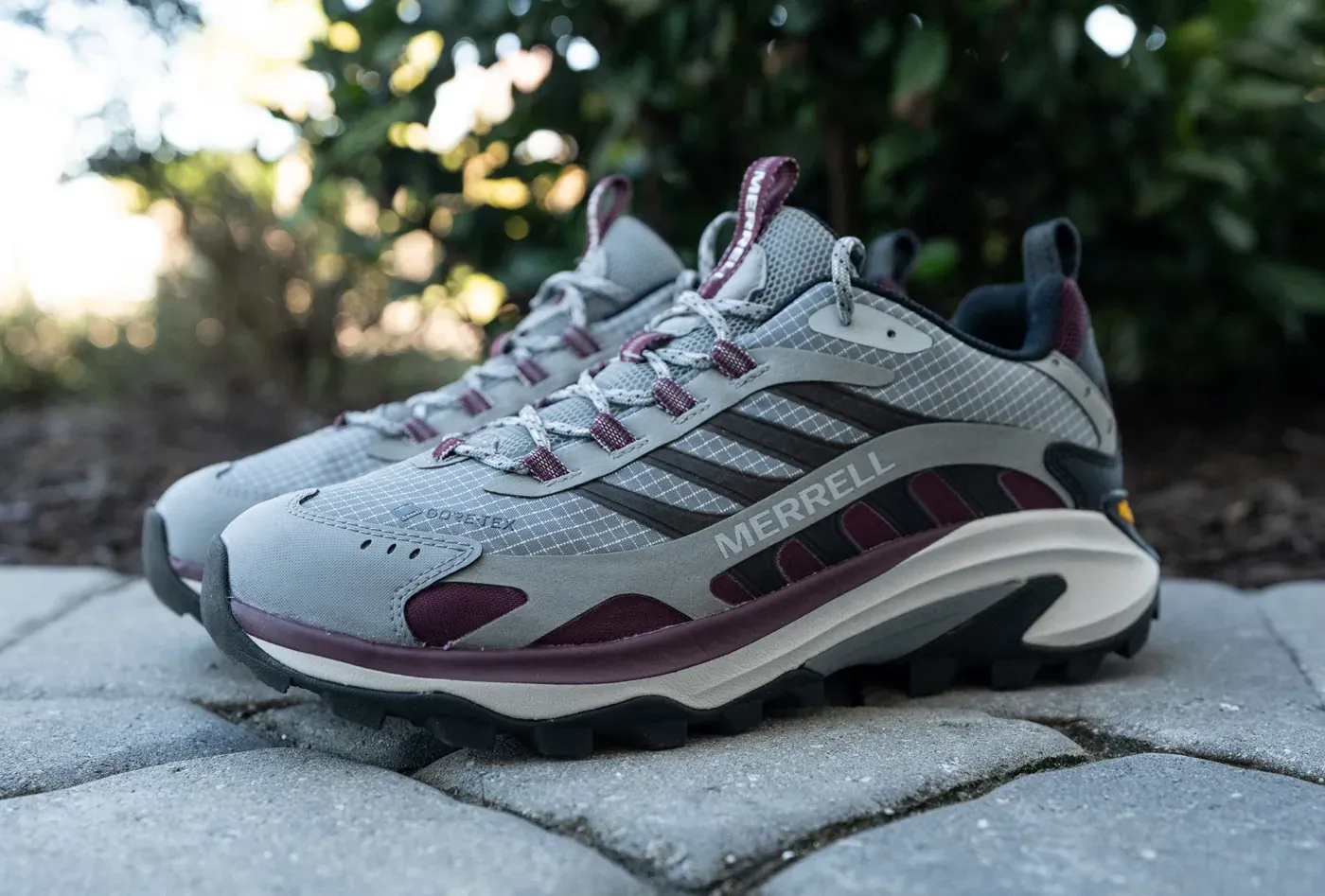
The Merrell Moab Speed 2 GORE-TEX sits in that interesting middle ground between a lightweight day-hiking shoe and a sturdier low-cut boot.
I’ve been testing this GTX version during family hikes on everything from gravel paths to forested trails, and it’s clear Merrell built this update around comfort, protection, and stability rather than turning it into a trail-running crossover.
I have also been using these as a day to day lifestyle shoe because I like how they look, and perform when in use all day.
The Moab Speed 2 GTX requires a proper break-in, but once everything softens up, it becomes a smooth-rolling, confidence-building hiker for long days on moderate terrain.
If you like a stable underfoot feel with plenty of cushioning and don’t mind trading a little extra weight for support, this shoe has a lot going for it.
If you purchase through links in this article, we may earn a small affiliate commission. For exclusive content, our newsletter, and more perks, become a member, it's free! -The Trail & Kale team ✌🏼
Key specifications
- Price: $175 at merrell.com
- Weight: 12.1oz / 343g (US M9, measured)
- Drop: 10mm (stack height: 34mm heel / 24mm forefoot)
- Lug depth: 4mm
- Upper: Ripstop nylon mesh with TPU overlays and a GORE-TEX membrane
- Midsole: FloatPro™ Foam (30% more foam than previous version)
- Plate: FlexPlate™ for torsional rigidity and stability
- Outsole: Vibram® TC5+ with debris-shedding traction lugs
- Extras: Padded collar, bellows tongue (partial), dual heel/tongue finger loops for slipping them on/off
- Best for: Moderate trails, long day hikes, mixed terrain, wet conditions, cooler climates, all-day use
Performance review
Fit & upper feel
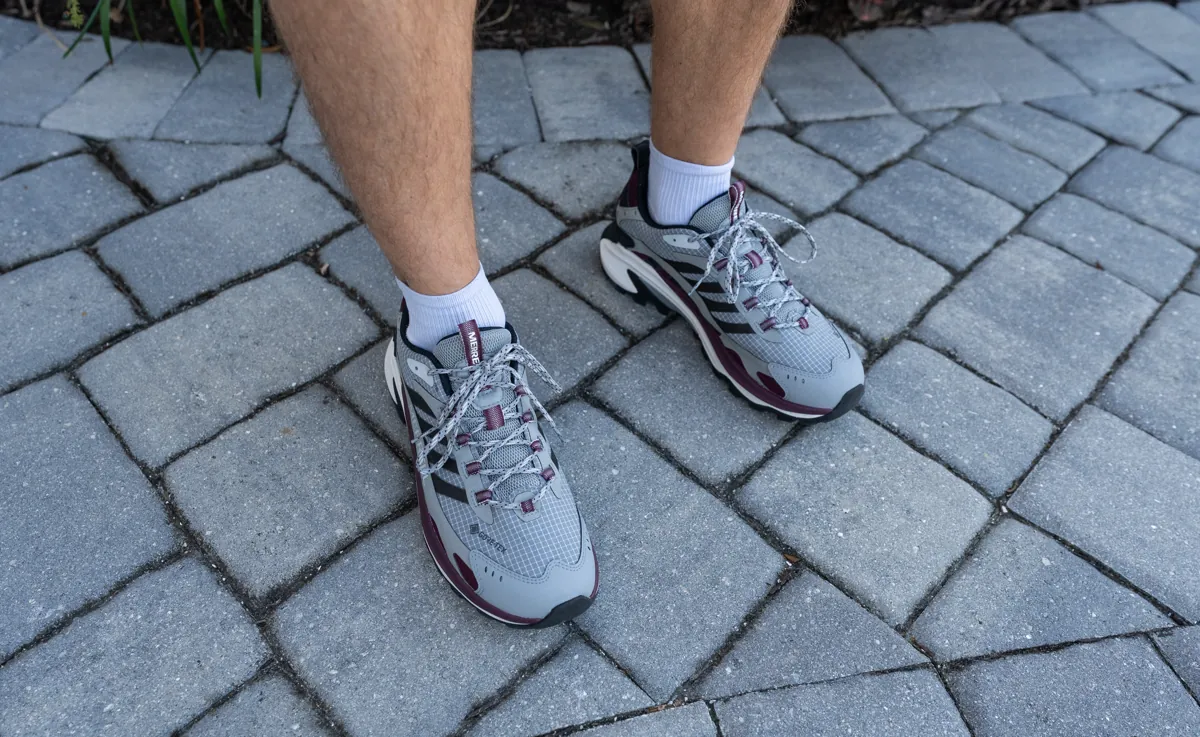
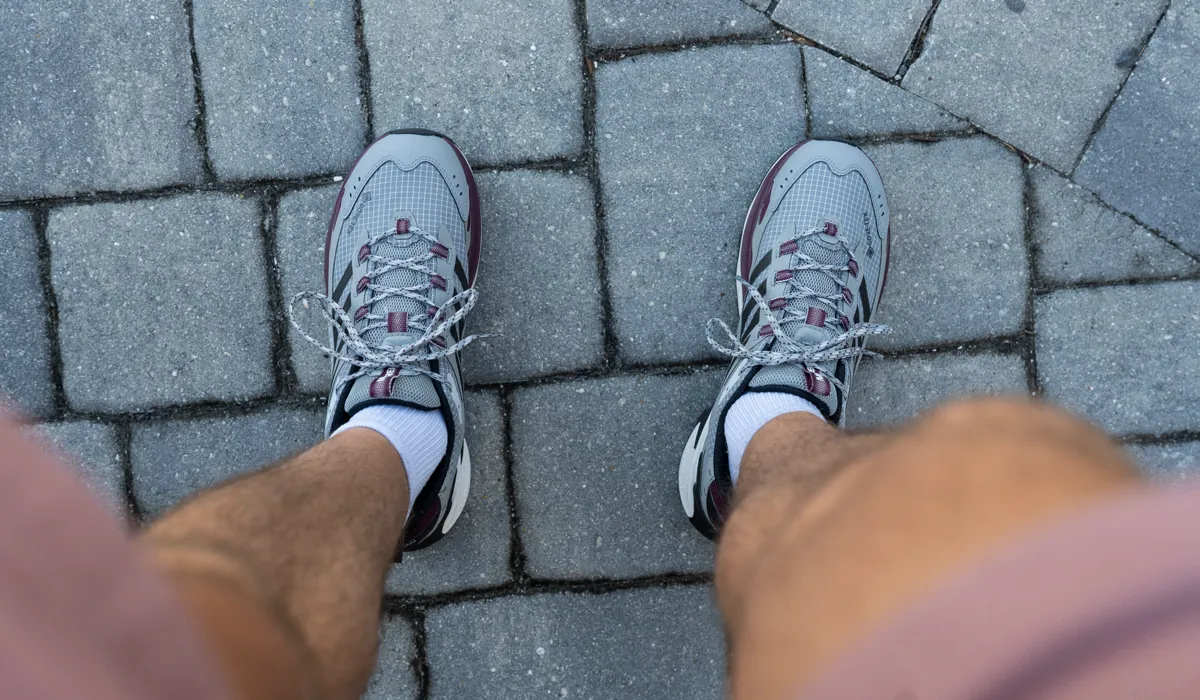
Lengthwise, the Moab Speed 2 GTX fits true for me, but the shape leans toward “mini-boot” rather than a trail-runner-inspired fit.
The midfoot is a bit narrower and more locked-in, providing a nice secure fit, while the toe box stays fairly roomy for comfort and toe splay.
That combination is great for comfort on long days, but it does introduce a hint of looseness when the terrain tilts steeply or gets awkward.
Heel lockdown is the one part that never quite becomes perfect for me, it's sufficient for moderately technical trails however.
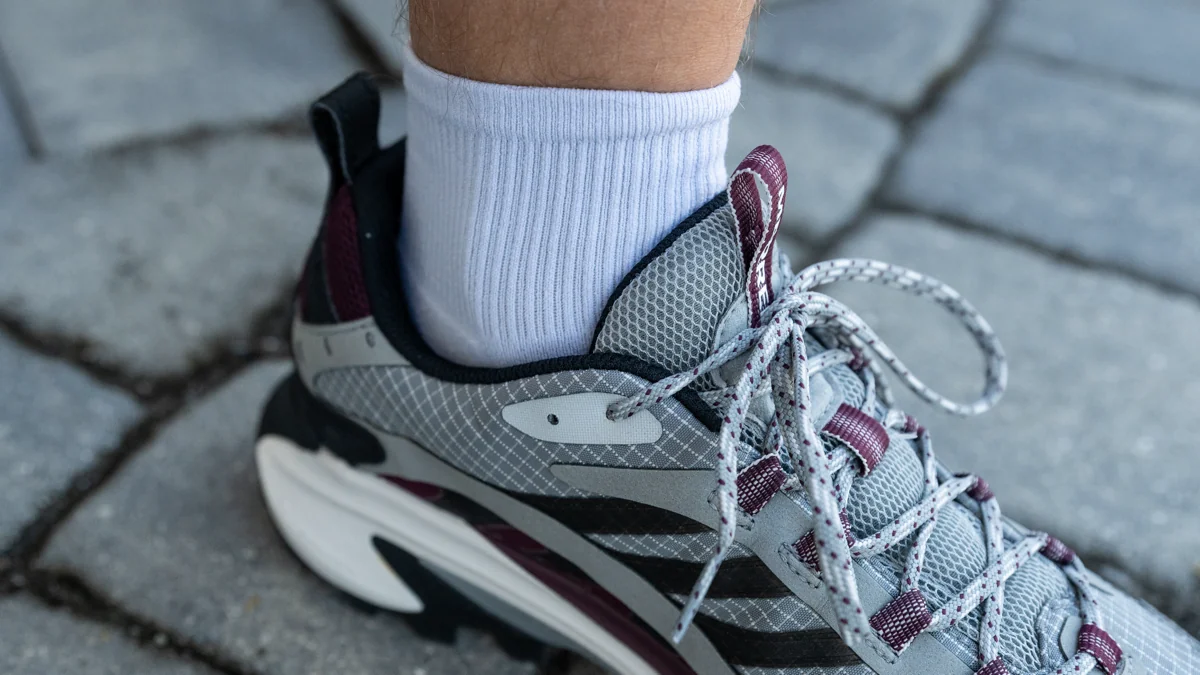
I have to cinch the laces harder than usual to stop movement on climbs.
The upper uses substantial TPU overlays, which makes the shoe feel tougher and more supportive than typical lightweight hikers, though it also contributes to the shoe' running warm's lack of breathability.
This is a common occurrence in GTX hiking shoes due to the waterproof membrane and thicker materials trapping heat on warmer days.
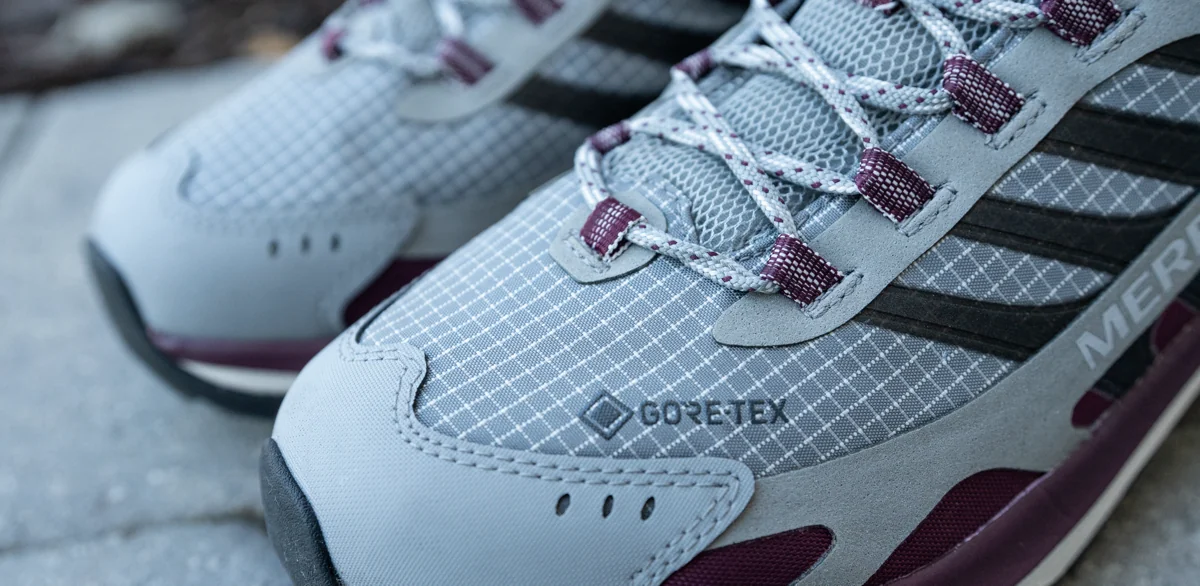
For the first 20–30 miles, the upper feels stiff and a bit clompy, but it ends up softening very nicely.
Padding around the collar and ankle is excellent right out the box, so comfort improves quickly even before the stiff bits mellow out.
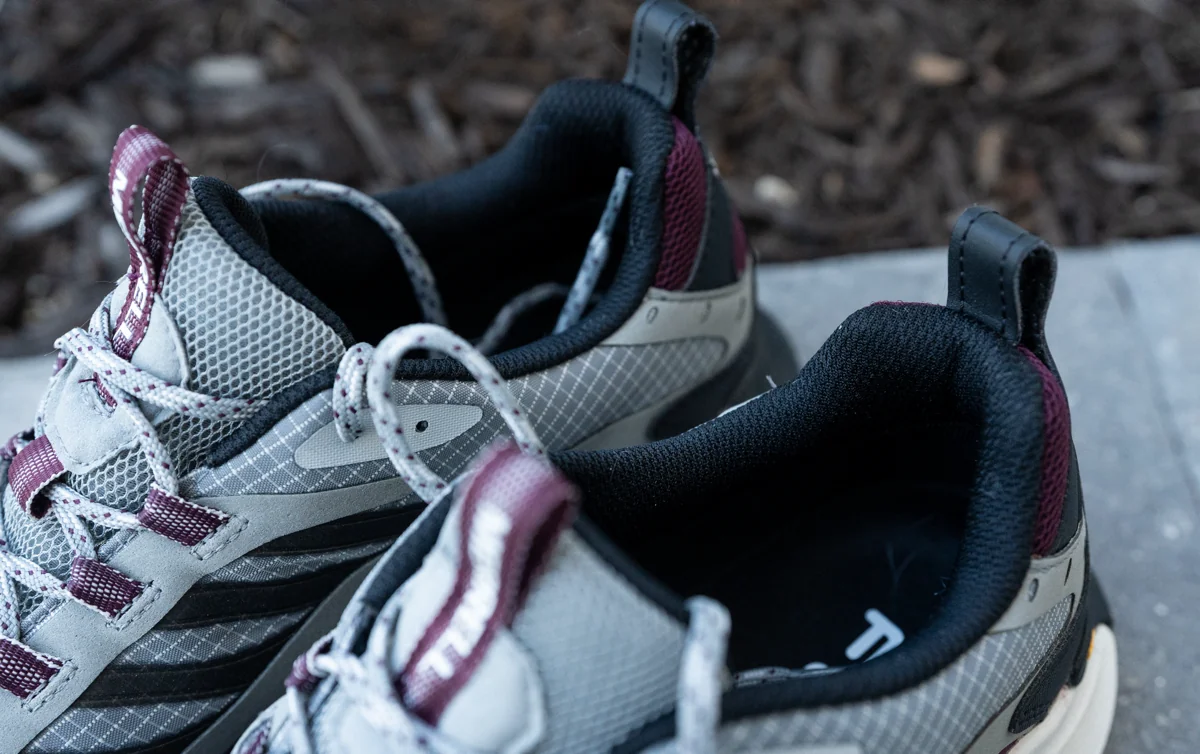
The partial bellows/gusseted tongue helps keep things snug but leaves a small gap near the top where dust and fine debris can still sneak in.
Weight, ride, and overall feel
At just over 12oz in my size, this is squarely in that middle zone between a fast hiker and a more traditional low-cut boot.
The Moab Speed 2 GTX feels lighter on the foot than the number suggests, especially compared to leather waterproof shoes or bulkier hiking boots, with more rigid frames.
FloatPro foam is one of the major stars of the show.
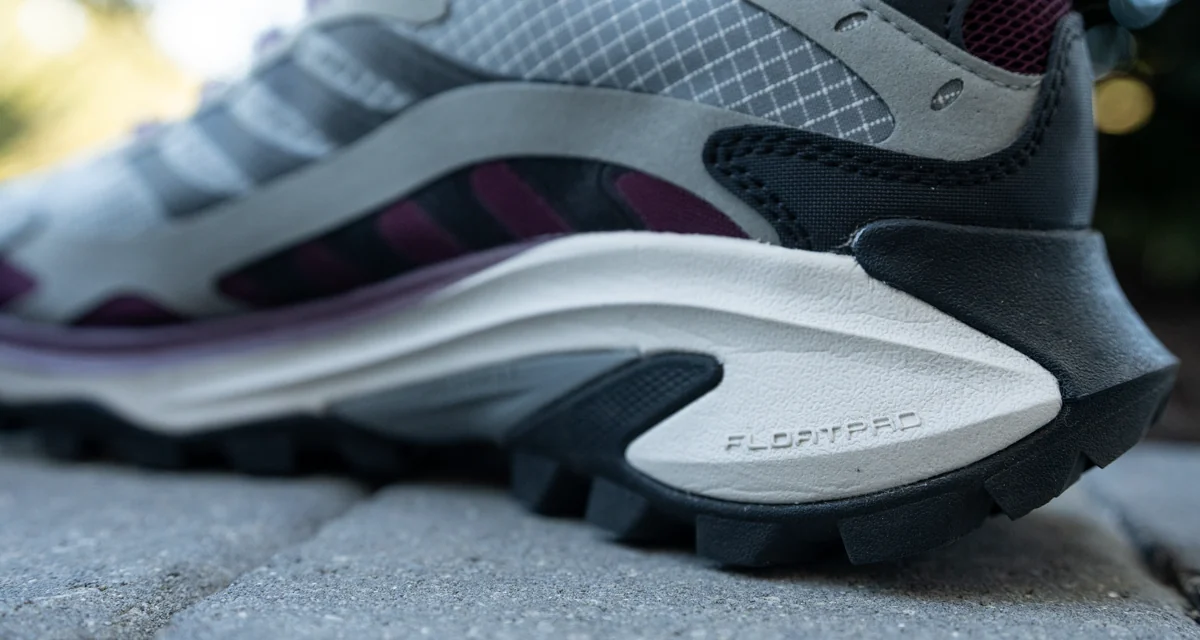
Merrell added 30% more of it in this update, and it shows on the hike.
Impact absorption is better, the underfoot feel is softer without drifting into mushy territory, and the shoe rolls more smoothly through each step.
For all-day comfort on moderate trails, it’s a great balance.
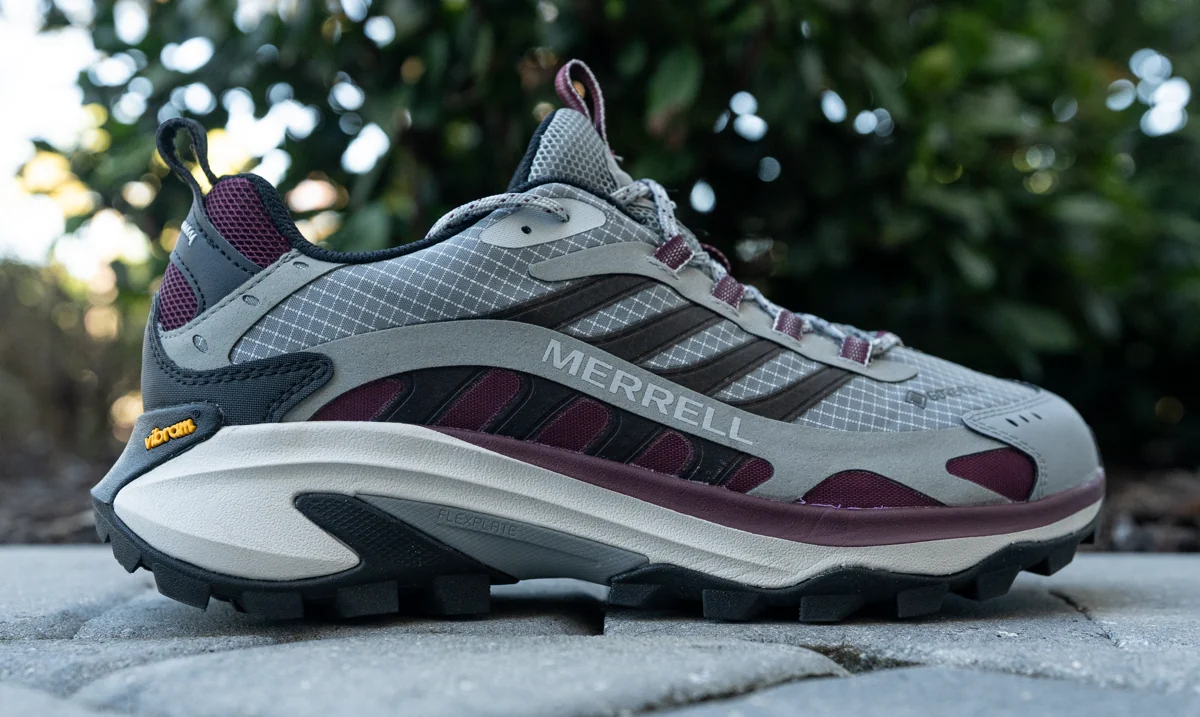
The FlexPlate deserves credit too.
It gives the shoe impressive torsional stiffness and protection without making it feel like a complete block on your foot. You get good support under load and a planted feel on uneven terrain.
Before the break-in, that plate makes the shoe feel very stiff; after the break-in, the rigidity translates into stability and confidence without killing the natural stride.
Stability & support
For a low-cut shoe, stability is excellent.
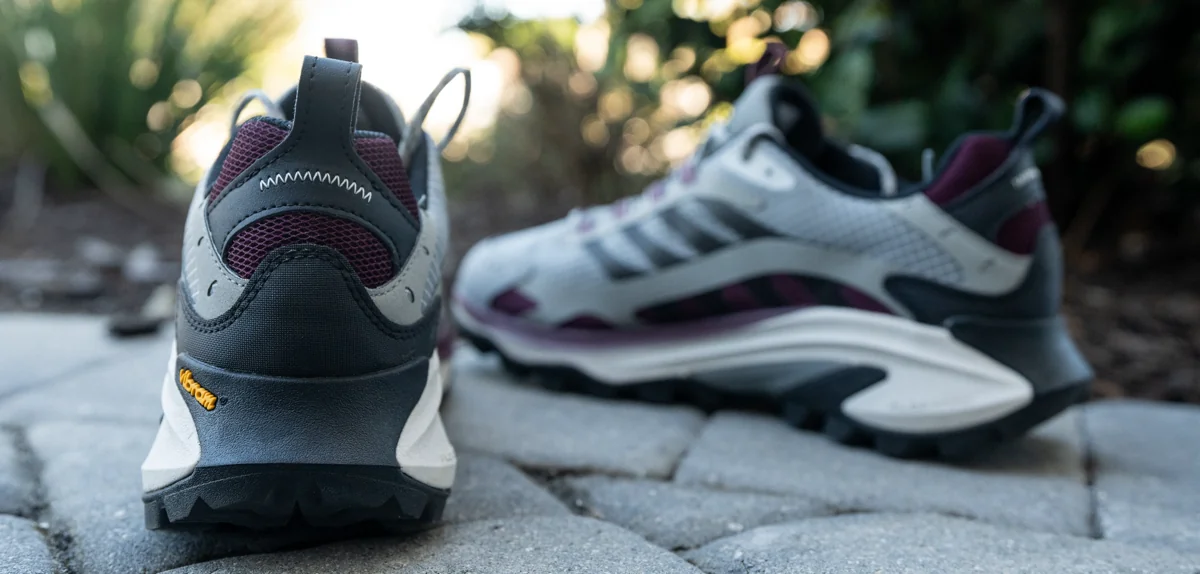
The tall stack height never feels wobbly thanks to the structured upper and that FlexPlate stiffening through the midfoot.
I can move quickly on rolling singletrack without thinking about ankle wobble or harsh impacts.
That said, the roomy toe box and slightly loose heel do show their limits when things get steeper or more technical.
On off-camber rock or tight switchbacks, I occasionally get a bit of foot movement. If you want race-car cornering, this isn’t the shoe but to be honest, if that's what you want then you're better placed buying a good pair of all-mountain trail running shoes instead.
Traction
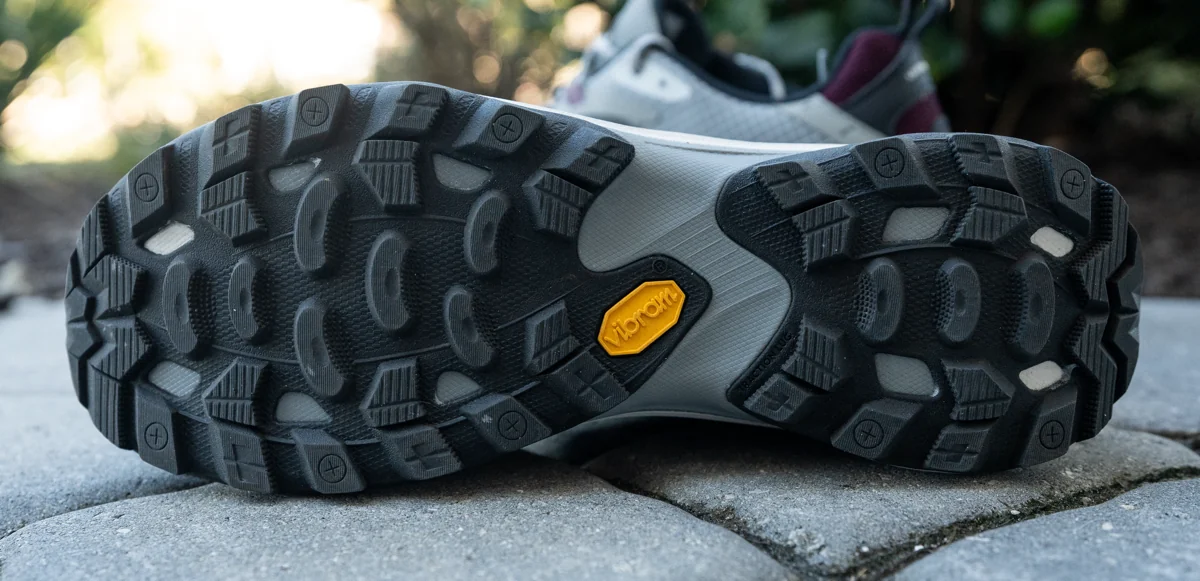
The Vibram TC5+ outsole is reliable across typical hiking surfaces.
Loose dirt, gravel, soft soil, forest trails, and standard mountain terrain will all feel predictable and secure. The 4mm lugs dig nicely into softer ground and shed debris very effectively.
On smooth wet rock or steep slabs, the grip becomes a bit less convincing.
Part of that is the outsole compound, but part of it is the slightly “floaty” fit in challenging positions.
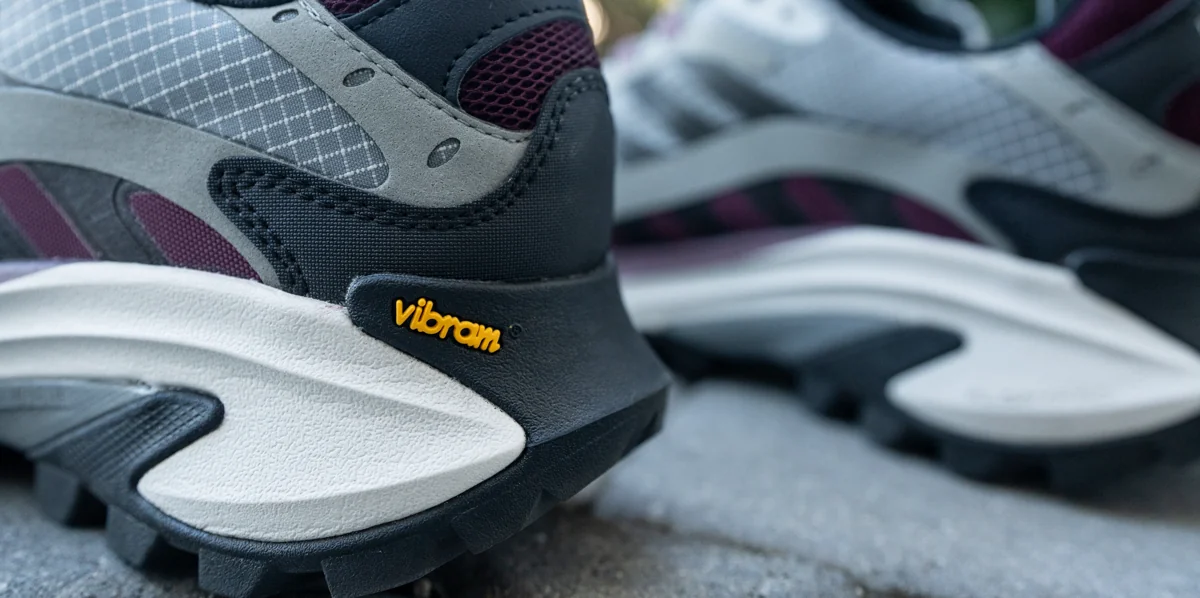
Still, for moderate trails and mixed conditions, traction is excellent.
Waterproofing & breathability
The GORE-TEX membrane works exactly as expected.
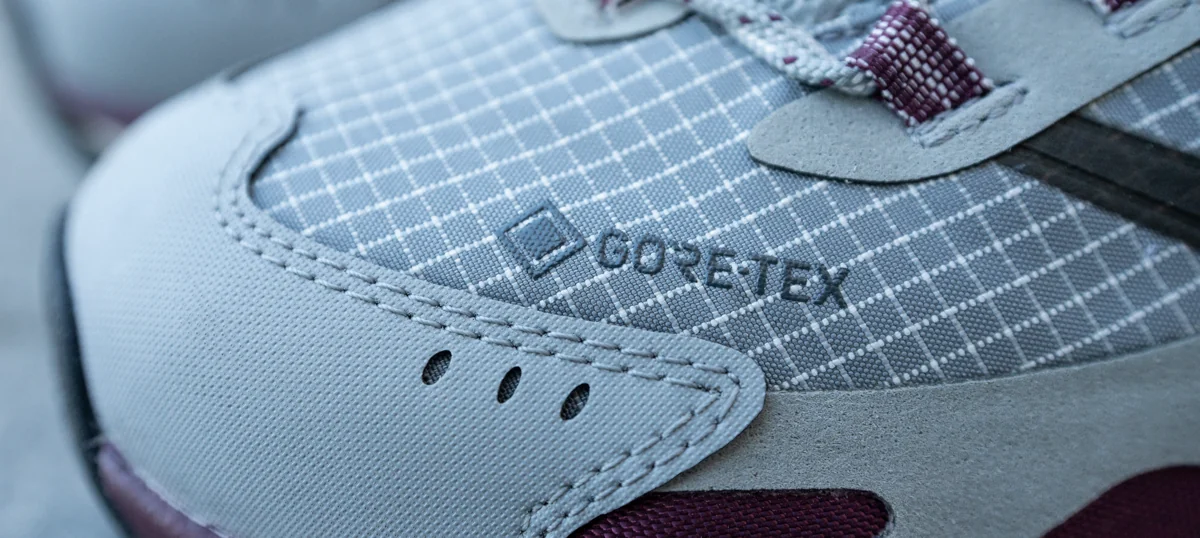
Protection is great up to ankle height, but the shoe is still a low-cut model, so deep puddles will always win.
Breathability is the trade-off, between GTX, the TPU structure, and the padded upper, these run warm.
They’re fantastic in cool or wet conditions and fine in shoulder seasons, but I wouldn’t choose them for hiking in hot summer temps.
Protection & durability
The Moab Speed 2 GTX feels properly built for rough use.
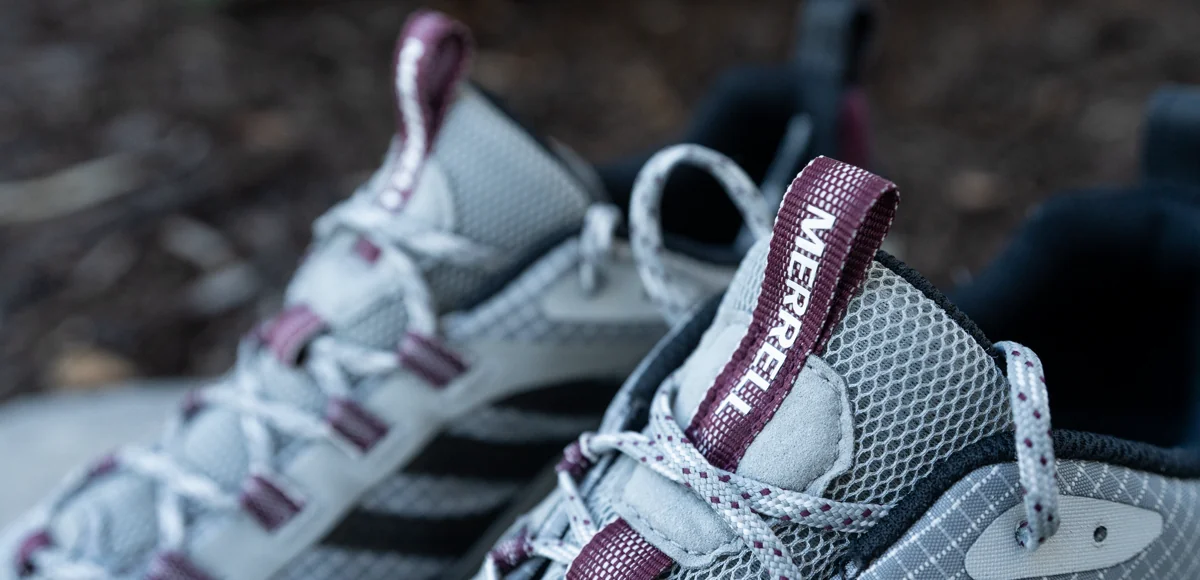
The ripstop nylon upper, TPU overlays, and reinforced heel/toe give it a rugged, long-lasting feel, and the outsole looks like it will last a long time.
The FlexPlate is a big win for protection underfoot as rocks and roots disappear without feeling disconnected from the trail.
Everything about the build leans toward durability and long-term use rather than chasing the ultra-lightweight category.
My verdict
At $175, the Merrell Moab Speed 2 GORE-TEX is a very well-rounded, stable, and comfortable hiking shoe that shines on moderate trails and long day hikes.
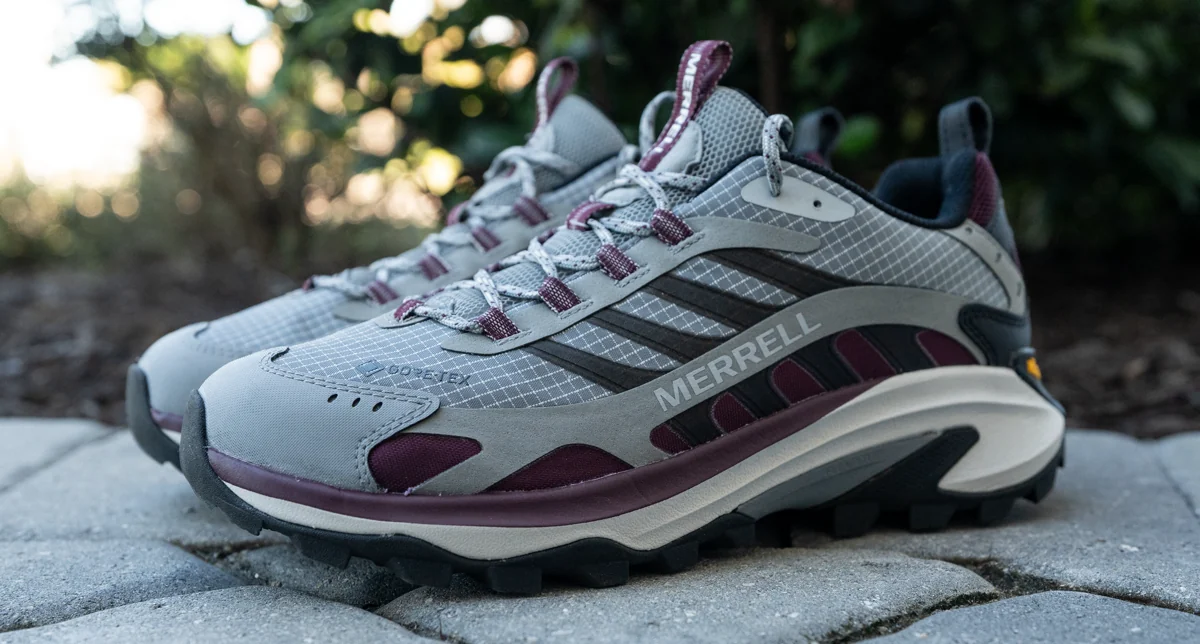
It blends cushioning with durability, has excellent wet-trail traction, and offers a confidence-building platform once you push through the break-in period.
It isn’t a technical shoe, and it’s not the right choice for hot climates or ultra-precise scrambling.
But for versatile day hiking, mixed terrain, and wet or cool-weather missions, it delivers a smooth and supportive ride that’s easy to trust.
If you’re upgrading from a lighter hiker and want more structure without stepping up to a stiff boot, this one sits right in that sweet spot and provides excellent value for money.
Written by

Subscribe to our Newsletter
to discover the best gear, healthy foods, and life outdoors.






Member discussion