
COROS vs Garmin: which GPS watch brand makes more sense for runners?
Garmin still does more. COROS keeps getting sharper. The better choice comes down to whether you want a bigger ecosystem or a cleaner training tool.

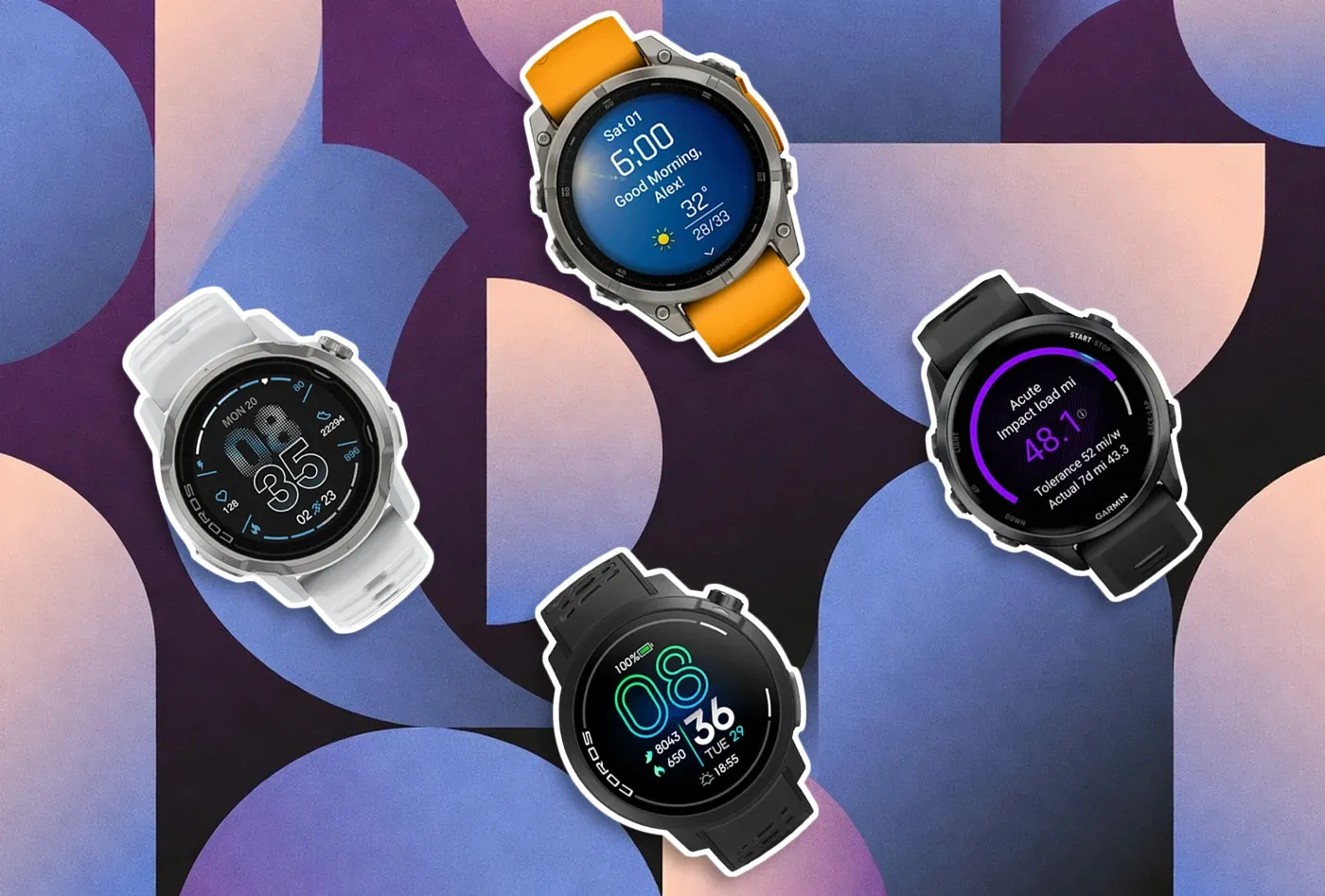
If you’ve been bouncing between COROS and Garmin tabs, feeling like you should have worked it out by now, I get it... I review running gear full-time, and even I bounce between both brands because they each have their own strengths and weaknesses.
This used to be an easier choice. Garmin was the obvious “serious” option. COROS was the interesting disruptor with strong battery life and a few watches that made people pay attention.
That gap is A LOT smaller now, and the scales have actually tipped in some respects.
COROS has matured into a proper ecosystem for endurance athletes, while Garmin has become even more expansive, more capable, and, if I’m honest, a little more overwhelming too.
Garmin’s current wearable ecosystem stretches across running, multisport, adventure, health, golf, apps, maps, payments, and subscription plans, while COROS stays much tighter around endurance watches, sensors, Training Hub, and regular software updates.
That’s why I don’t think this is really a “which brand is better?” conversation anymore.
It’s more a question of budget and personality. Garmin is the brand for people who want their watch to feel like a fully loaded platform. COROS is the brand for people who want their watch to feel like a focused training companion and don't want to unnecessarily empty their bank account on a watch.
If you purchase through links in this article, we may earn a small affiliate commission. For exclusive content, our newsletter, and more perks, become a member, it's free! -The Trail & Kale team ✌🏼
Garmin still feels like the bigger universe
Garmin’s biggest advantage is still breadth.
Once you’re inside Garmin, you’re not just buying a running watch. You’re stepping into a much larger system that includes Garmin Coach, Garmin Pay, the Connect IQ app store, music support on compatible watches, outdoor maps, adventure devices, cycling products, and more recently Garmin Connect+ for extra premium app features.
Garmin also supports adaptive training plans that adjust around your goals, schedule, and race date, which is part of why so many runners stick with the brand once they’ve settled in.
That breadth matters more than the usual spec-sheet debates.
If you’re the sort of runner who wants one watch to handle weekday workouts, route planning, phone-free music, race prep, daily health tracking, smartwatch duties, and maybe a bit of hiking or travel too, Garmin still makes a very convincing case.
That’s a big part of why the Garmin Forerunner 965 has remained such a strong benchmark. What stood out most wasn’t just the AMOLED display or the sheer amount of data. It was the way the maps, ClimbPro, route building, training readiness, and all-day health metrics came together into one very complete package.
Garmin Forerunner 965 Review
It’s the watch I’ve been using all year for road & trail runs, ultra racing, route discovery, sleep tracking, and everyday health and fitness.
 Alastair Dixon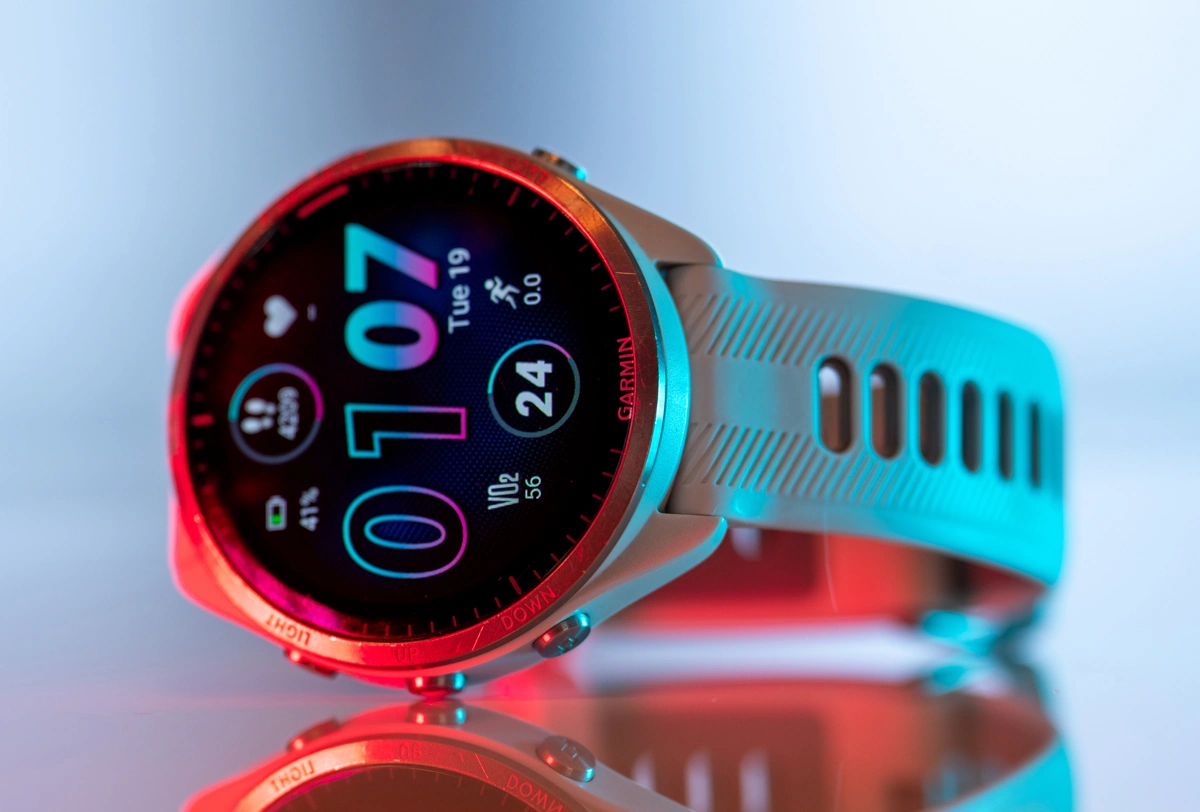
The downside is the same thing as the upside.
Garmin can feel like a lot. There are more models, more layers, more menus, more settings, more features you may never touch, and now even a premium subscription tier floating in the background.
None of that makes Garmin bad. It just means the brand is increasingly built for people who don’t mind living inside a pretty large ecosystem.
COROS has become much harder to ignore
What COROS has done so well is resist the temptation to become Garmin-lite.
The current COROS watch lineup is smaller and easier to understand.
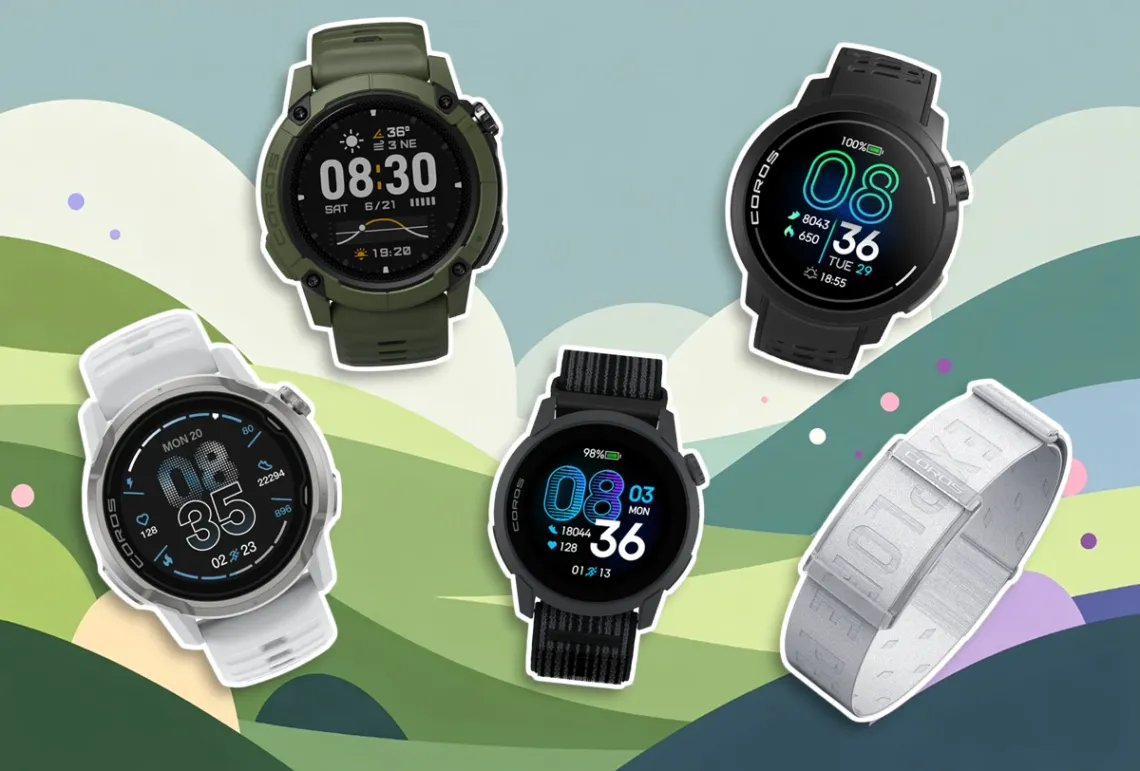
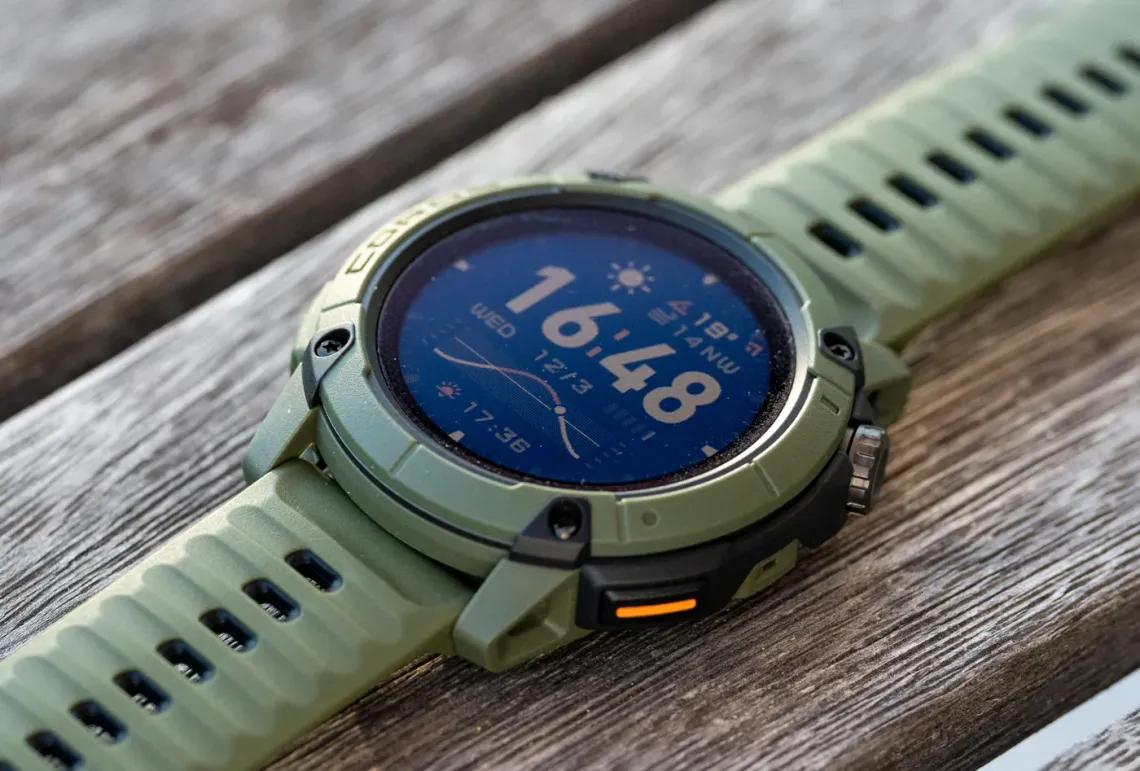
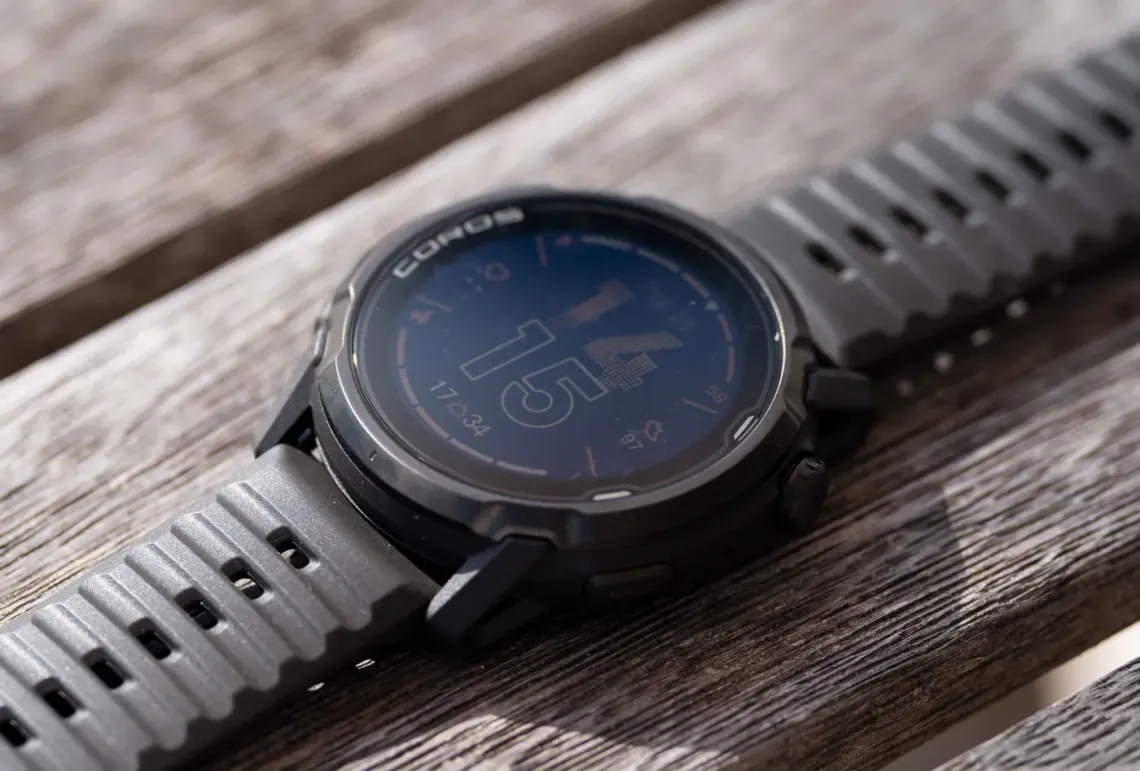
You’ve got PACE 4, PACE Pro, APEX 4, NOMAD, and VERTIX 2S, with the wider ecosystem built around Training Hub, official workouts and training plans, the COROS HR Monitor, and the COROS DURA bike computer.
The company also keeps pushing meaningful software updates into existing products, which helps the whole platform feel alive rather than abandoned the moment a new model lands.
That matters because COROS doesn’t win by doing everything.
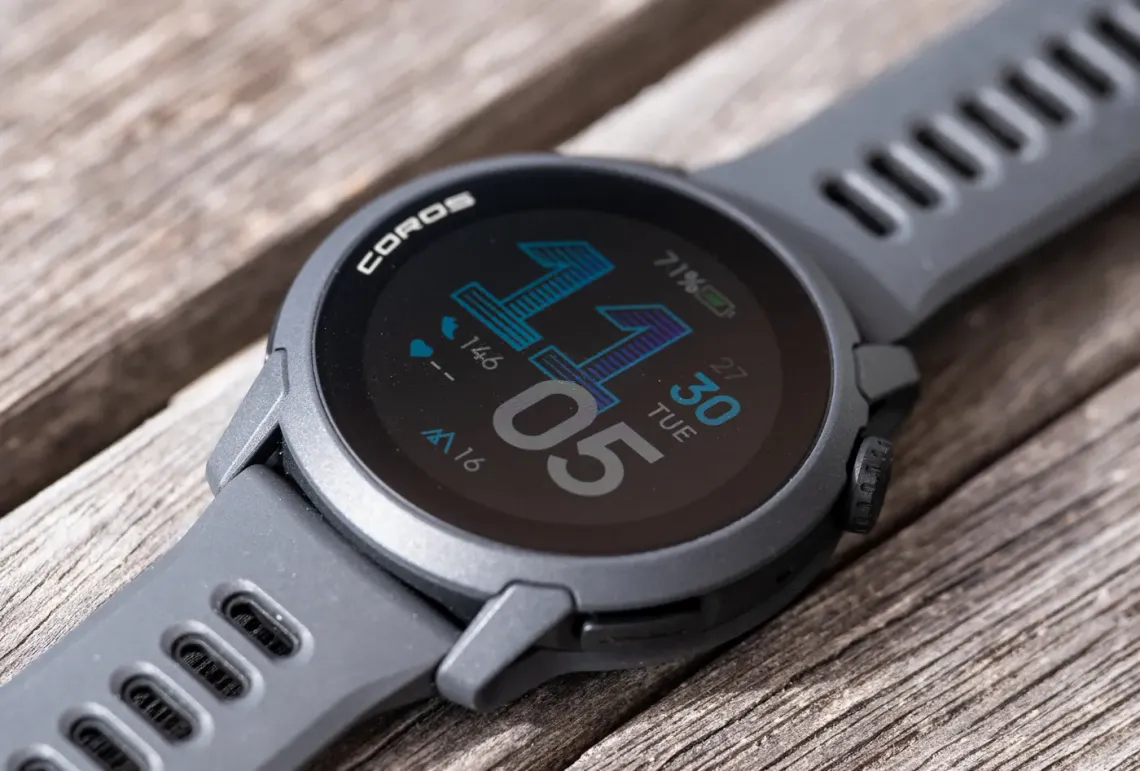
It wins when the watch feels simple, quick, efficient, and built around training first. That’s exactly why COROS PACE 4 landed so well for me.
COROS PACE 4 is built for speed, style, and smarter training
A featherweight GPS running watch with sharp visuals, long battery life, and voice tools that make logging efforts more enjoyable.
 Alastair Dixon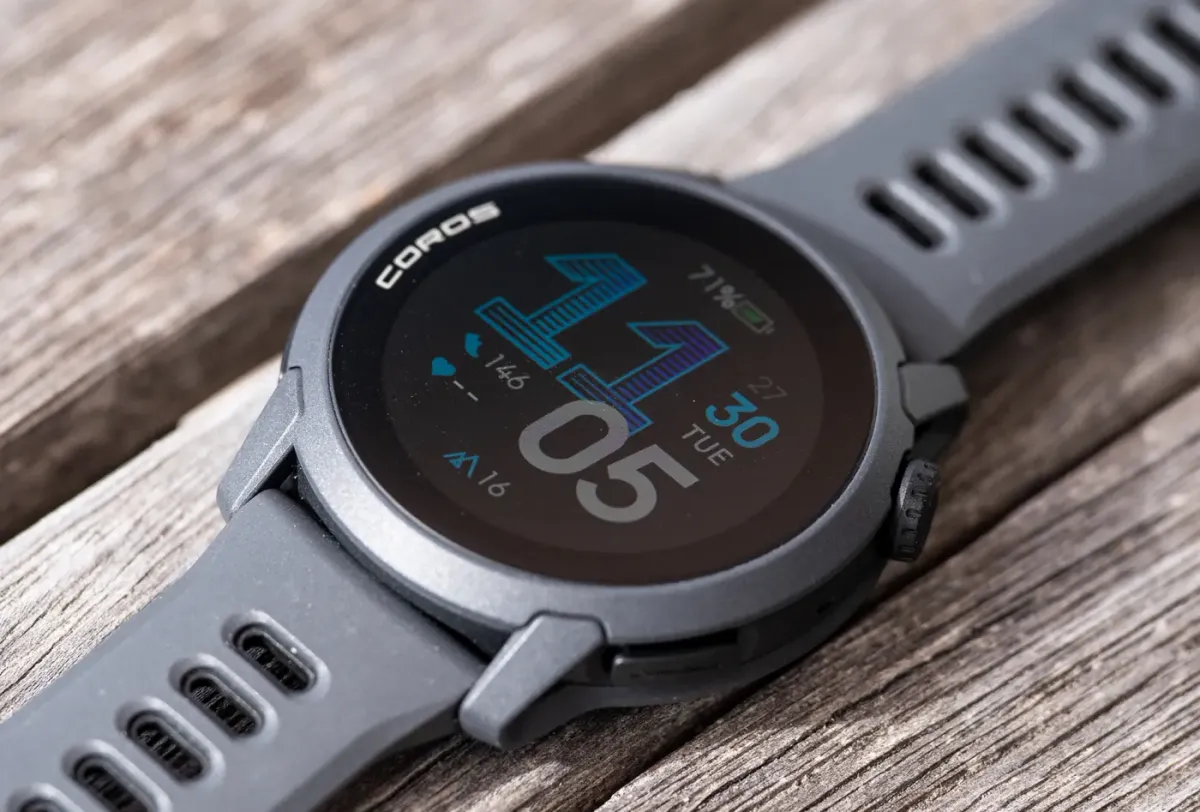
In that review, I kept coming back to the same point: it became my daily road-running favorite because it gives me the modern AMOLED experience, strong battery life, useful training tools, and a barely-there feel on the wrist, without trying to be something else.
The same pattern shows up further up the range too.
With COROS PACE Pro, what really jumped out was how polished and competitive it felt against far more established rivals.
COROS PACE Pro Review: Yikes, Garmin Better Keep Up...
A running watch with a bright AMOLED display, responsive interface, accurate GPS, and full-scope training tools, for only $299!
 Alastair Dixon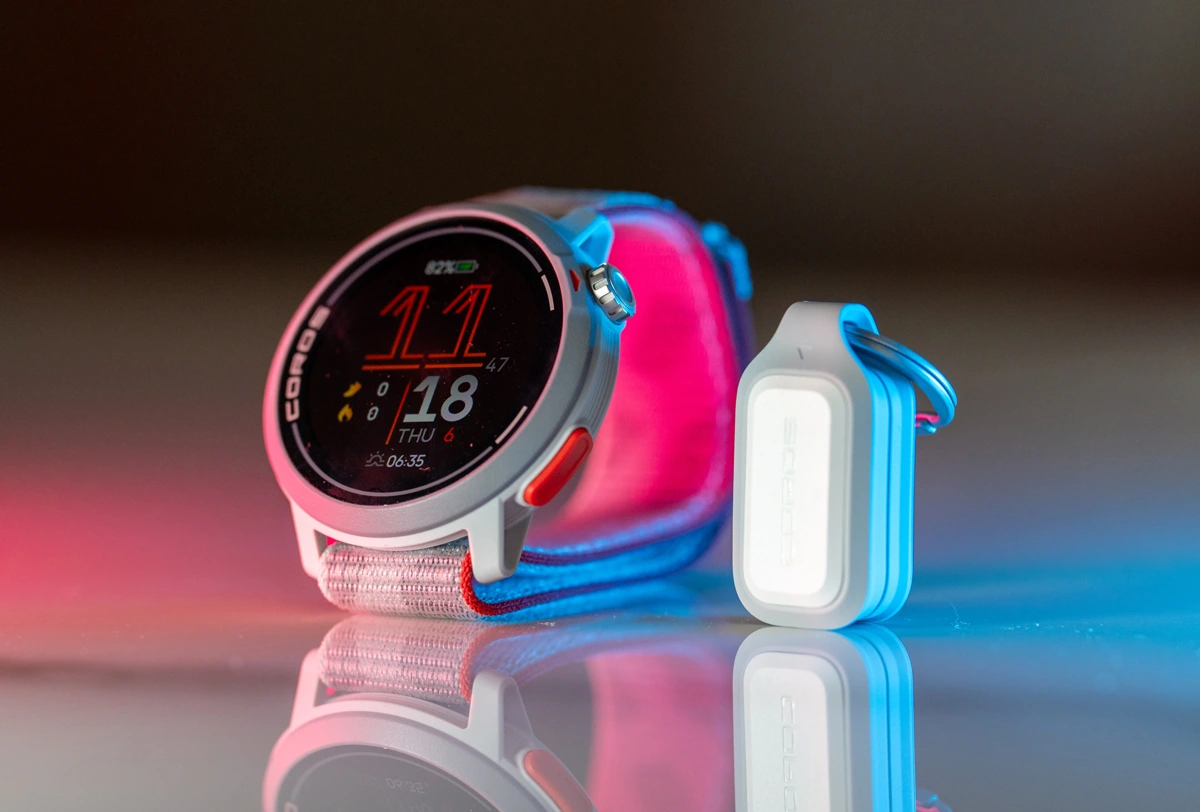
In my review, I said Garmin should probably be paying attention, and I meant it.
The bright AMOLED display, responsive interface, dual-frequency GPS, strong battery life, and offline features make it feel like a serious modern running watch, not just a value play.
Then on the adventure side, COROS NOMAD and COROS APEX 4 make a similarly strong case for hikers, trail runners, ultrarunners, and mountain athletes who care more about battery life, full mapping, and athlete-first usability than smartwatch flash.
The flagship models for road runners and trail runners
If you just want to know which watches sit at the top of each brand’s road and trail categories, here’s the simple version.
Road running flagships
COROS: PACE Pro ($299)
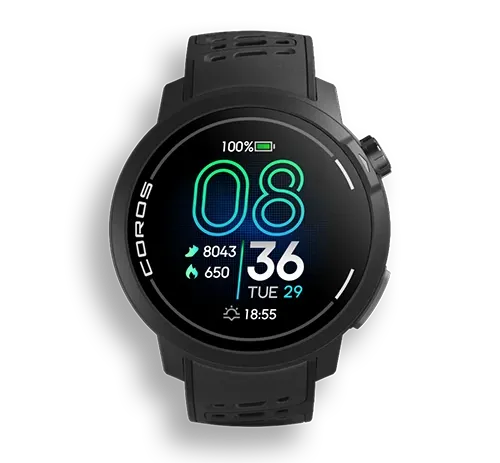
COROS positions the PACE Pro as its high-end AMOLED performance watch for multisport athletes who want precision, performance, and clarity.
Garmin: Forerunner 970 (starting at $750)
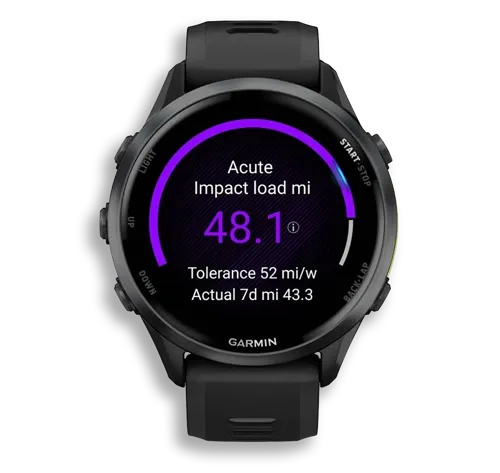
Garmin positions the Forerunner 970 as its premium running and triathlon smartwatch, making it the clearest road-running flagship in the current lineup.
Trail running flagships
COROS: APEX 4 (starting at $429)
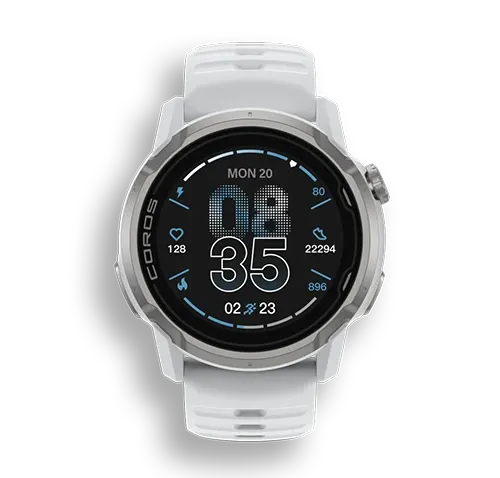
COROS presents the APEX 4 as its mountain sports watch, built for training and racing in the mountains.
Garmin: fēnix 8 (starting at $1,100)
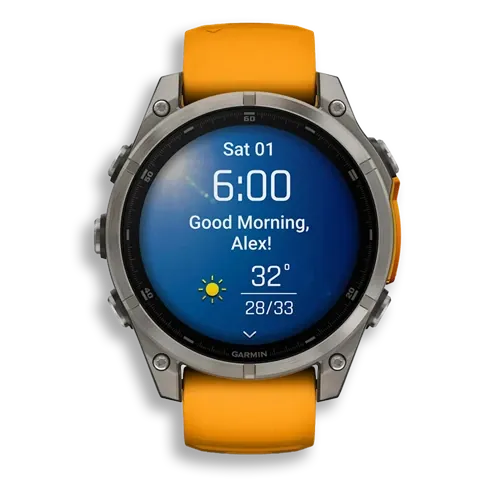
Garmin positions the fēnix 8 as its premium multisport adventure watch, which makes it the trail and mountain flagship for most runners.
The real difference is philosophy
This is where the choice gets much clearer.
Garmin wants to be the broad, feature-rich world you can live inside. COROS wants to be the training tool you trust and stop thinking about.
Garmin gives you more lifestyle flexibility through things like Connect IQ apps, Garmin Pay, and third-party music support on compatible devices. COROS is much more restrained. COROS watches can control audio on your phone and play downloaded MP3 files, but they do not support streaming services or streaming apps.
That’s a meaningful difference, and for some buyers it’ll be enough to decide the whole thing on its own.
But the flip side is that COROS can feel refreshingly uncluttered.
The COROS Training Hub is free, the broader training experience is clean, and the company’s product pages still read like they’re aimed at endurance athletes first.
That tone carries through to the watches themselves. The experience tends to feel focused rather than bloated. Garmin often feels more powerful whereas COROS often feels more intentional for training.
So which one makes more sense for runners?
→ I think Garmin makes more sense if you know you want the fuller package.
That means richer smartwatch utility, stronger app and music options, a wider range of watch shapes and categories, deep route-building and navigation tools, and lots of health and training layers in one place.
If you’re the runner who enjoys having extra depth to grow into, or you split your time between road running, trail running, gym work, and everyday life on one device, Garmin still has a very strong argument.
That’s part of why watches like the Garmin Forerunner 165, Garmin Forerunner 265, Garmin Forerunner 965, Garmin Instinct 3, and Garmin Enduro 3 can all coexist without really stepping on each other too much.
→ I think COROS makes more sense if you want less noise and more training value.
That’s especially true if you care about battery efficiency, simple setup, a cleaner app experience, and watches that feel built by people who are still primarily obsessed with endurance sport rather than consumer electronics.
For a lot of runners, that’s the sweet spot. They don’t need an app store on their wrist. They don’t need mobile payments. They don’t need ten half-hidden features they’ll never use. They need reliable GPS, useful training feedback, strong battery life, and a watch they actually enjoy wearing consistently.
That’s where COROS feels strongest right now.
The Best Running Watches Under $450 in 2026
Whether you’re looking for your first running watch or in research phase for an upgrade, these are the best GPS watches for runners, under $450.
 Alastair Dixon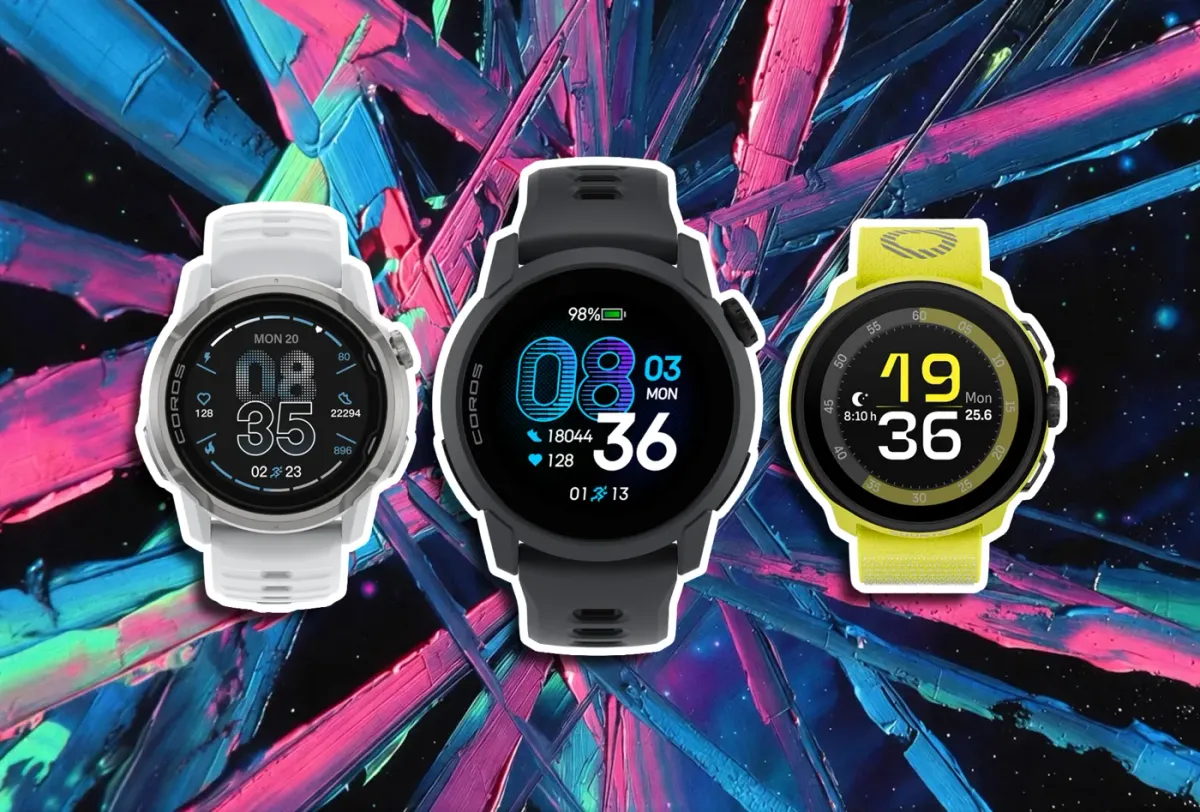
My honest take
If you're a runner who mostly trains on roads, wants strong value, and doesn’t care much about smartwatch extras, I’d steer you toward COROS first.
If you're a runner who wants the fullest experience, loves route planning, cares about richer lifestyle features, or just wants a watch that can do almost everything without compromise, I’d point you toward Garmin first.
That doesn’t mean Garmin is automatically the better brand. It just means Garmin is still the broader one.
COROS, on the other hand, has become the brand I’d recommend to more people who want to keep the whole thing simple. And that’s a big change from a few years ago. The watches are better. The ecosystem is sharper. The value is easier to feel. And once you stop comparing them as if both brands are trying to be the same thing, the choice gets a lot easier.
Garmin makes more sense if you want the bigger universe. COROS makes more sense if you want the cleaner relationship with training. That’s the version of this comparison that feels true to me.
If you haven't already, signup for our free newsletter, and subscribe to our YouTube Channel for more quality content like this. -Alastair
Written by

Subscribe to our Newsletter
to discover the best gear, healthy foods, and life outdoors.







Member discussion