
Choosing the right COROS watch for running, trails, and adventure
A simple guide to the COROS watch that fits how you actually train, whether that’s road miles, mountain days, or off-grid exploring.

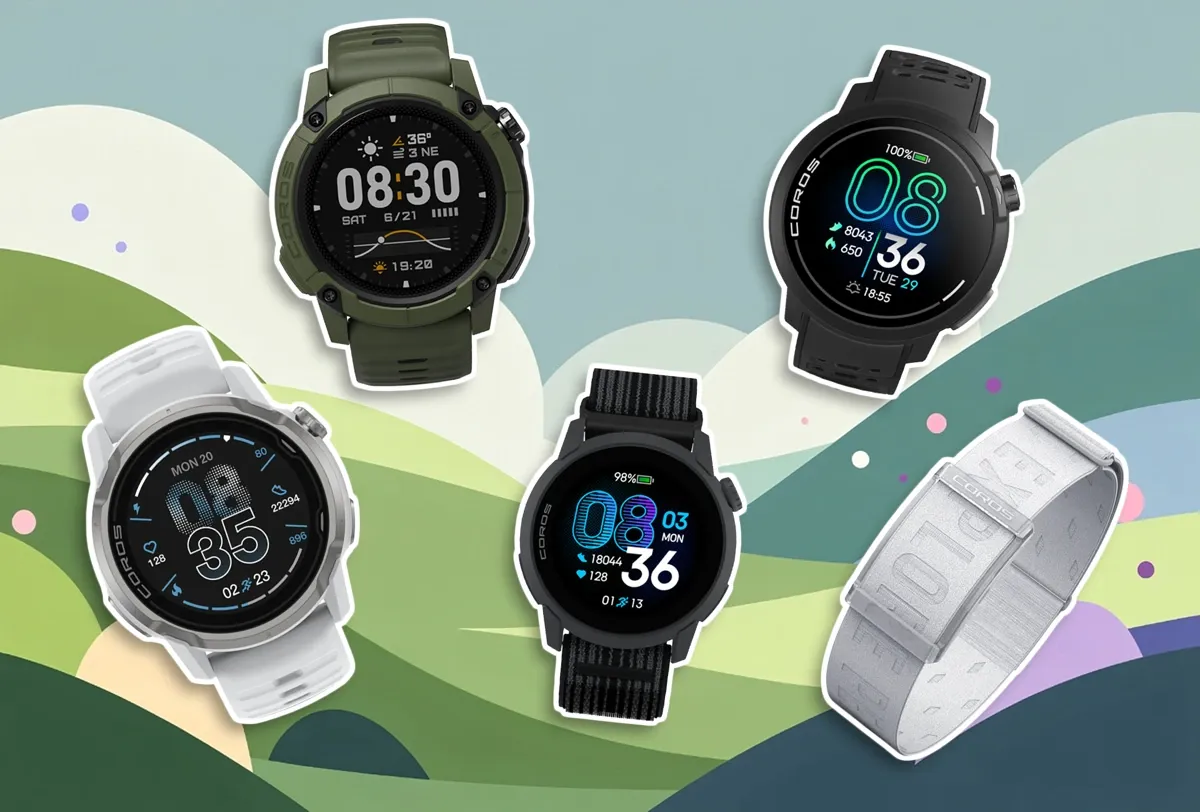
If you’ve looked at the COROS lineup recently and found yourself thinking, “Hang on, these all seem good, and more affordable than some of the other brands out there, so which one actually makes sense for me?”, you’re definitely not alone.
That’s kind of where COROS is now; it’s no longer a brand with one obvious running watch and one obvious mountain watch; the lineup has matured.
The watches share a lot of the same training DNA, the broader COROS ecosystem is genuinely useful, and the free Training Hub adds a lot of long-term value once you’re logging consistent miles.
What changes from model to model is less about whether the watch is good, and more about what kind of athlete it serves best.
That’s what this guide is here to clear up. I’ve tested the PACE 4, PACE Pro, NOMAD, and APEX 4, and while I like all four for different reasons, I definitely don’t think they’re interchangeable, in the traditional sense.
If you purchase through links in this article, we may earn a small affiliate commission. For exclusive content, our newsletter, and more perks, become a member, it's free! -The Trail & Kale team ✌🏼
Let's start with the quick answers
→ Choose the COROS PACE 4 if you mostly run on roads, want the lightest and least intrusive watch here, like the idea of an bright, visible AMOLED screen, and don’t need full offline maps.
It’s 32g with the nylon band, gets up to 41 hours of GPS battery life, and in my testing it quickly became the watch I reached for most for daily road running.
COROS PACE 4 is built for speed, style, and smarter training
A featherweight GPS running watch with sharp visuals, long battery life, and voice tools that make logging efforts more enjoyable.
 Alastair Dixon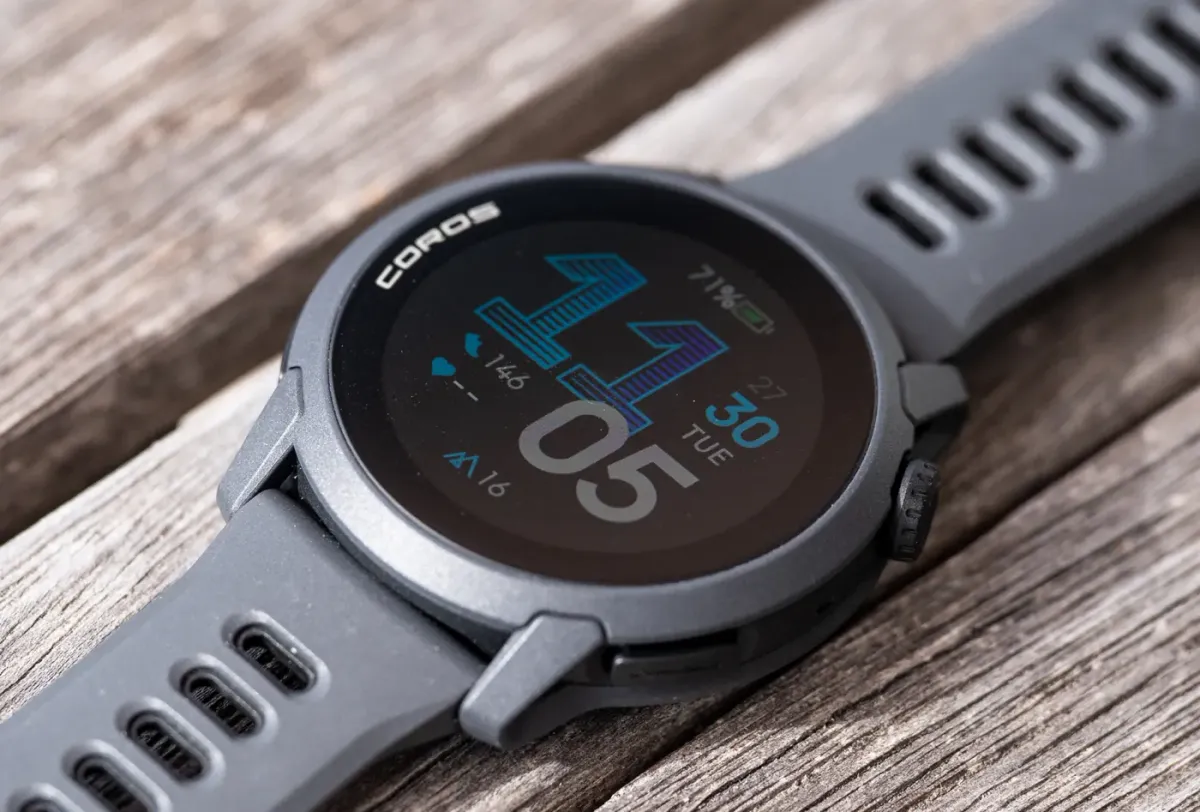
→ Choose the COROS PACE Pro if you want a more full-featured running watch with an AMOLED display and proper offline mapping, but still want something that feels runner-first rather than chunky or overly outdoorsy. At $299, it hits a very smart middle ground in the lineup.
COROS PACE Pro Review: Yikes, Garmin Better Keep Up...
A running watch with a bright AMOLED display, responsive interface, accurate GPS, and full-scope training tools, for only $299!
 Alastair Dixon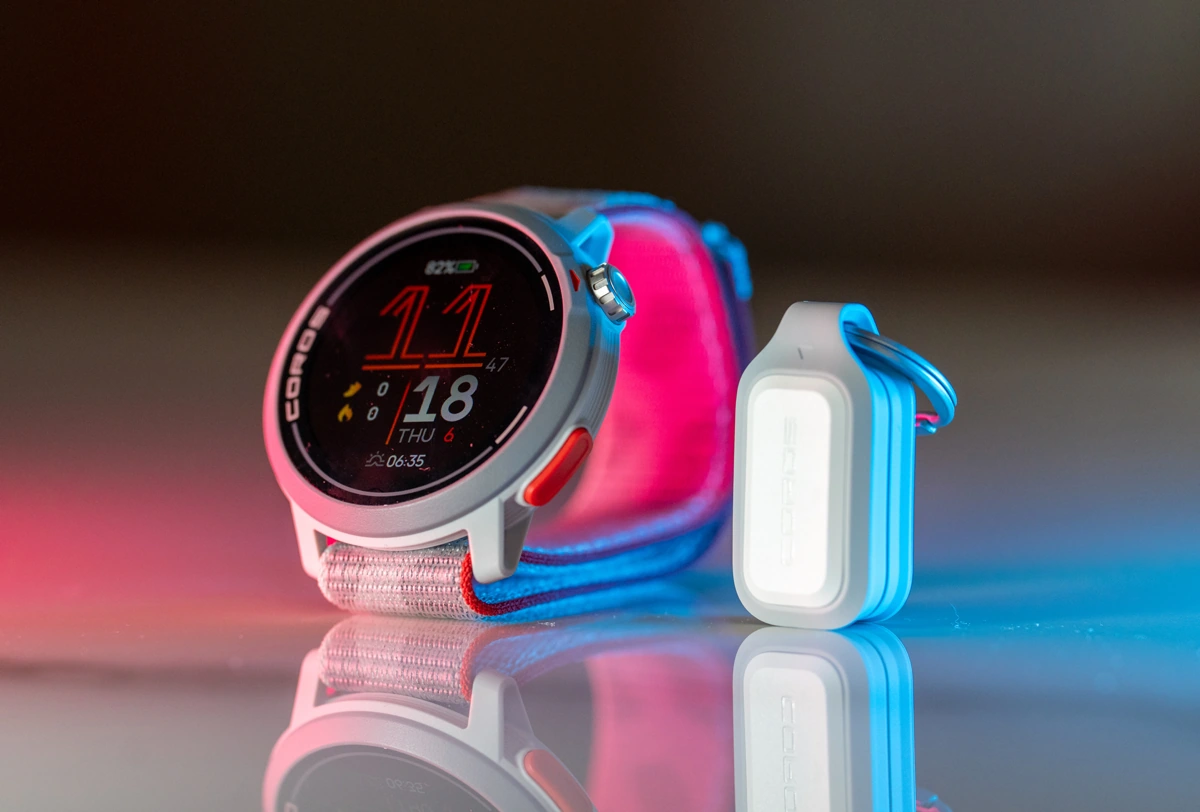
→ Choose the COROS NOMAD if your weeks include trail running, hiking, camping, backpacking, bikepacking, or just generally spending long stretches outside where battery life and mapping matter more than a flashy display. It’s very clearly the adventure-first watch in this group.
I tried the COROS NOMAD for a month: Pros, cons, and key takeaways
A rugged adventure watch with big battery, full maps, and fishing tools that make more sense for trail days, hikes, and off-grid trips than for everyday smartwatch fans (unless you just love the style, like I do!).
 Alastair Dixon
→ Choose the COROS APEX 4 if you want the most serious mountain training watch here, with a more premium build, better durability, long battery life, fast mapping, and a design that feels ready for harder terrain and bigger training blocks.
I tried the COROS APEX 4 for a month, here’s what I learned
A lightweight mountain GPS watch with huge battery life, precise offline maps, and athlete-focused features that make long training days feel easier.
 Alastair Dixon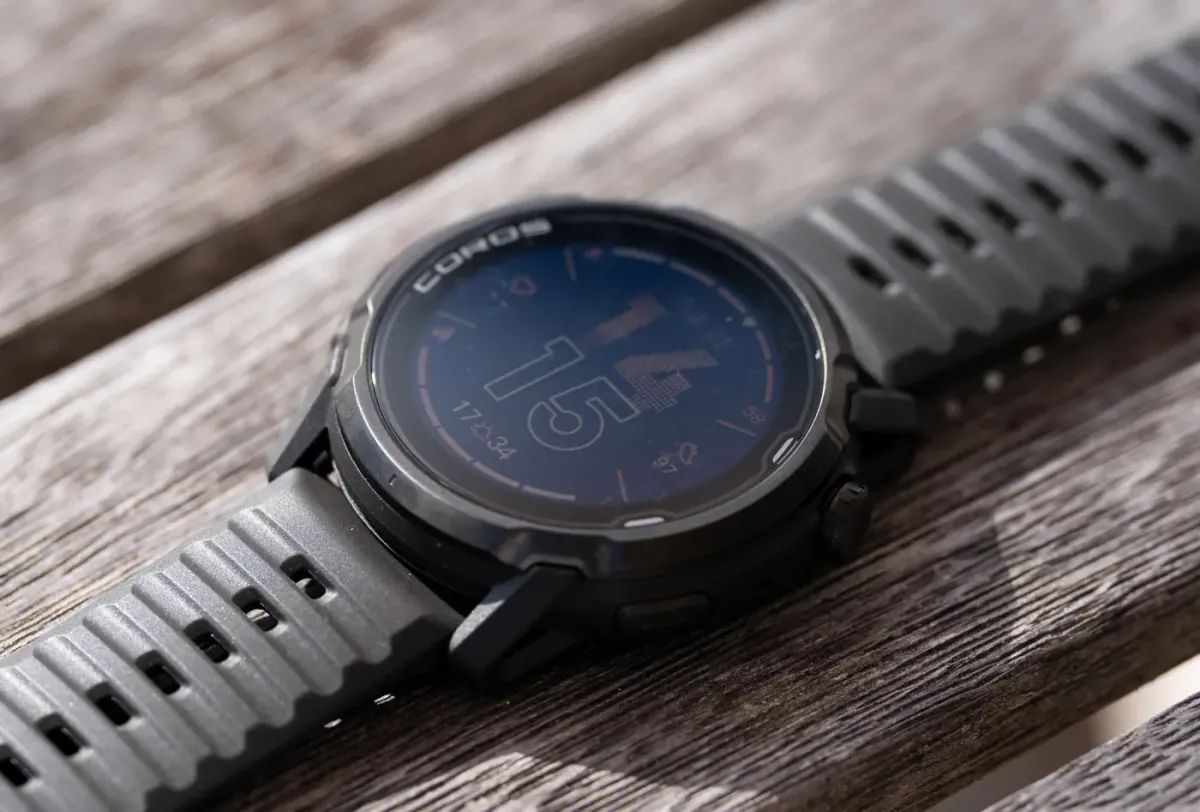
+ Add the COROS Heart Rate Monitor if you know wrist-based optical heart rate can get sketchy on your wrist during intervals, cold-weather sessions, or harder workouts. It’s lightweight, comfortable on the bicep, and makes more sense as an add-on than as a must-buy for everyone.
COROS Heart Rate Monitor review: The Double Edged Sword.
This HR Monitor might be the game-changer you’ve been waiting for. It’s accurate, comfortable, and will outlast most ultramarathons. Read this review to learn more!
 Alastair Dixon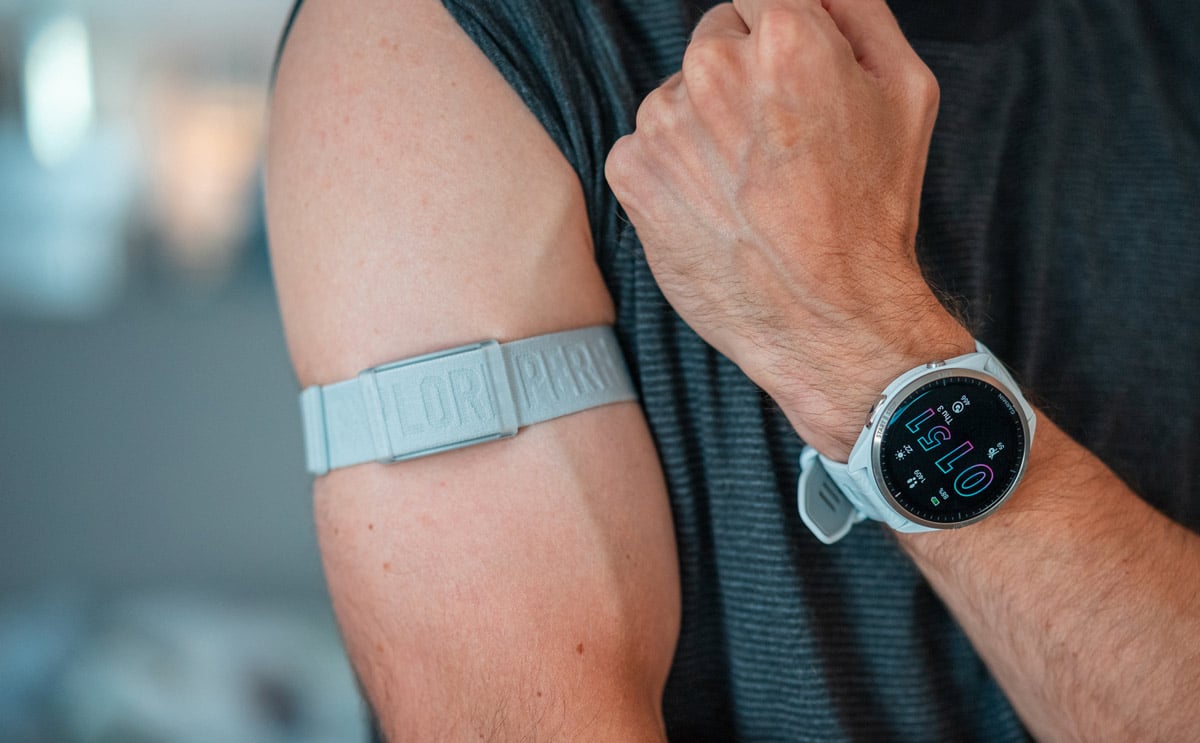
Why choosing a COROS watch feels harder now
The reason this decision feels weirdly difficult is that COROS has done a good job of keeping the core experience consistent.
The Best Running Watches Under $450 in 2026
Whether you’re looking for your first running watch or in research phase for an upgrade, these are the best GPS watches for runners, under $450.
 Alastair Dixon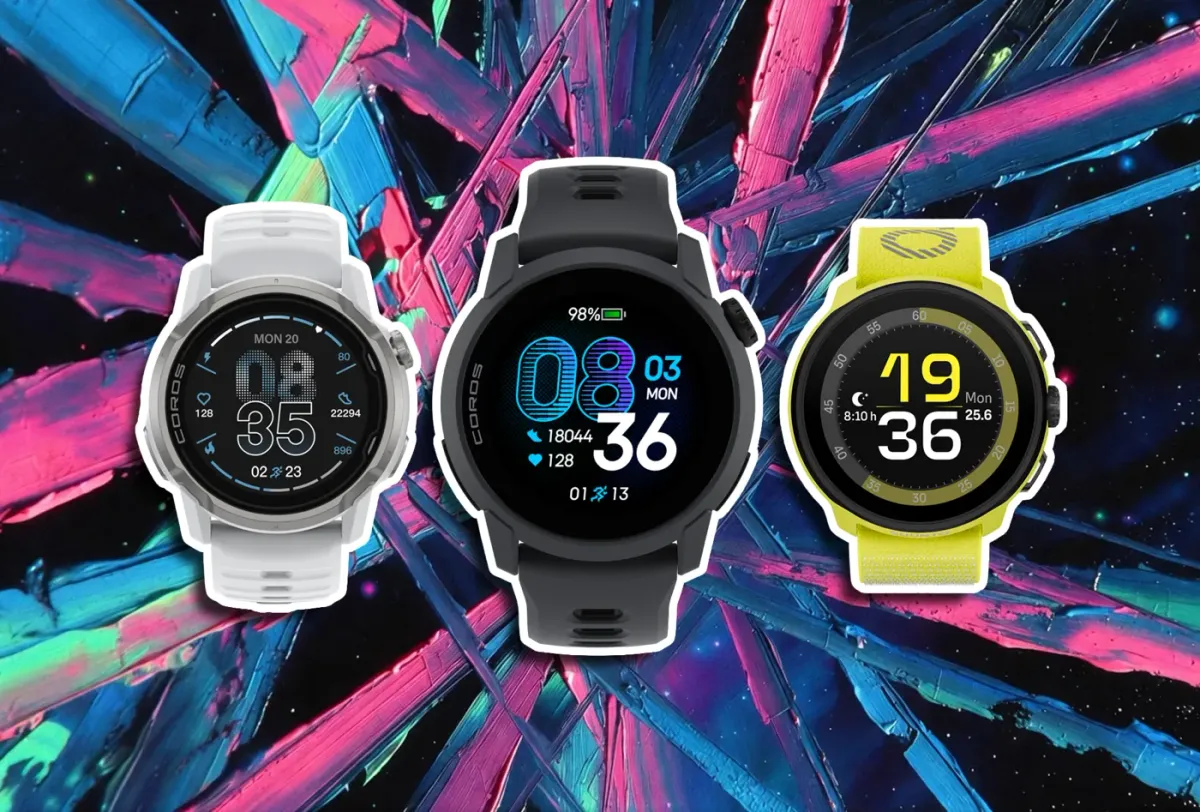
Across the watches, you’re still getting a clean app, useful training metrics, strong battery life, a performance-first feel, and none of the clutter that can make some smartwatches feel more like little phones than training tools.
So the real question isn’t “Which one is best?” in some abstract sense.
It’s "do you a small watch with simplicity, maps, adventure utility, or mountain-grade durability?"
Once you look at the lineup through that lens, the choice gets much easier.
COROS PACE 4 (best for most runners)
If most of your training is road running, workouts, long runs, race prep, and everyday mileage, this is the one I’d point most readers toward first. It's also the most affordable!
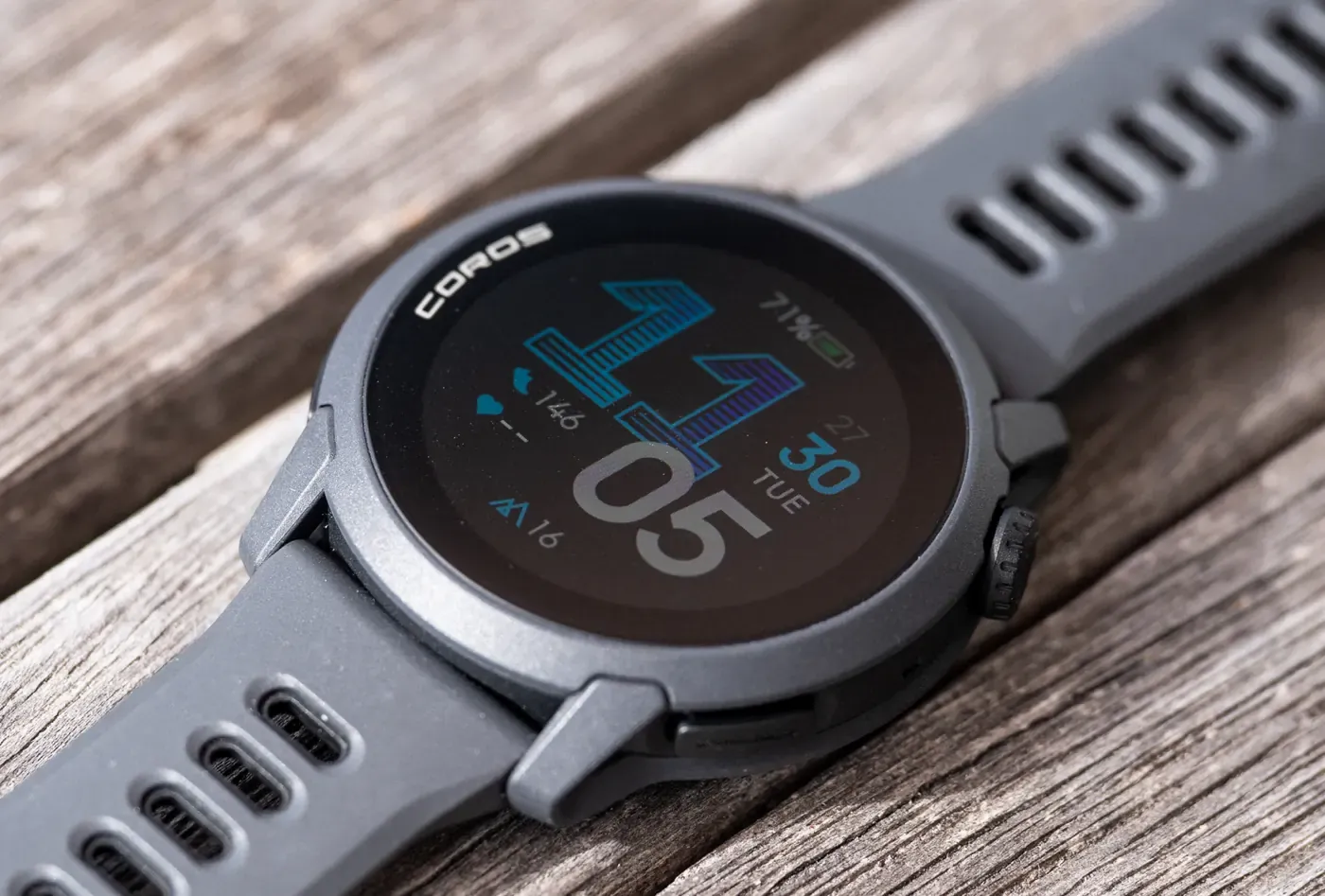
The PACE 4 feels like COROS trimming away the stuff many runners don’t really need, then making the remaining experience better.
It’s extremely lightweight and small on the write, the AMOLED display makes checking pace and zones far nicer than older MIP-style watches, and the battery life is still excellent by AMOLED standards.
I also like that it doesn’t try to pretend it’s an expedition watch. It knows what it is. It’s a focused running watch that disappears on the wrist and gets on with the job.
The catch is simple. You don’t get full offline maps here, only breadcrumb-style navigation. For plenty of runners, that won’t matter at all.
But if you regularly explore new trails, travel a lot with your watch, or want stronger route guidance, that’s the point where you stop looking at the PACE 4 and start looking at the PACE Pro or APEX 4 instead.
COROS PACE Pro (best if you want AMOLED and proper maps together)
This is the watch I’d call the sweet spot for runners who want more than the PACE 4 without jumping all the way into mountain-watch territory.
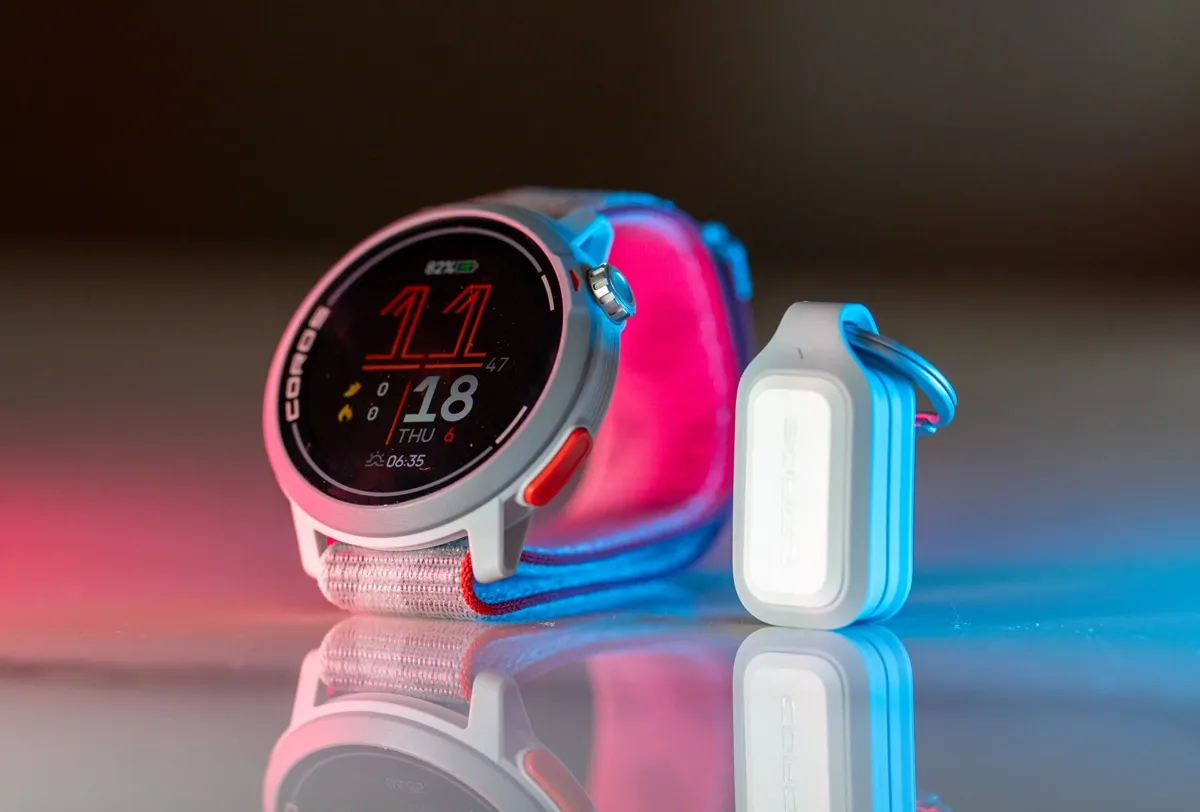
The PACE Pro keeps the bright AMOLED experience that makes daily use feel modern and enjoyable, but adds the kind of mapping and navigation tools that make a real difference once your running starts to spread beyond familiar roads.
It also gets 32GB of storage for maps and music, dual-frequency GPS, and a snappy feel that you specifically called out in your review. At $299, it’s a very persuasive package.
For me, this is the one for the runner who does a bit of everything. Maybe they race on road, dabble in trail, travel with their watch, care about display quality, and want offline navigation without wearing something that looks overly tactical.
It also makes the most sense here for multisport athletes who still want the experience to feel primarily running-focused.
COROS NOMAD (best value for hikers, trail runners, and outdoor generalists)
The NOMAD is the easiest one here to understand once you stop trying to see it as a conventional running watch.

This thing is built around the idea that your time outside might include trail running, sure, but also hiking, backpacking, campsite pinning, weather awareness, long battery demands, and generally moving through the outdoors without wanting to baby your watch.
The MIP display is less flashy than AMOLED, but it makes sense here because battery life is stronger, the watch feels purpose-built, and the mapping package is far richer than you’d expect at this price.
I wouldn’t steer a road-first runner toward the NOMAD unless they specifically loved the look or knew they wanted an adventure watch first and a running watch second.
But for hikers, long-day trail runners, campers, and outdoor people who care more about utility than screen sparkle, I think it makes a lot of sense. It’s one of those watches where the value becomes clearer the more varied your weekends look.
COROS APEX 4 (best premium option for mountain training)
If the PACE Pro is the smart middle-ground pick, the APEX 4 is the watch for readers who already know they want something more serious.

This is the mountain athlete’s watch in the group. It brings the more durable titanium-and-sapphire build, longer GPS battery life, dual-frequency accuracy, quick-access mapping, and an overall feel that suits big vert, rough terrain, and training where reliability matters more than prettiness.
What came across strongly for me was that it feels tougher than the PACE line without becoming annoyingly heavy on the wrist, which is exactly the balance this category needs.
This is the one I’d recommend to the reader training for mountain ultras, spending serious time off-road, or just wanting the most capable COROS watch you’ve reviewed for demanding terrain.
Starting at $429, it’s not the cheapest option, and the screen isn't the prettiest indoors, but that’s almost beside the point. The whole appeal is that it feels built for work.
Should you also buy the COROS Heart Rate Monitor?
For most runners, no not automatically.

A lot of people buy accessories like this before they’ve actually identified a problem they need to solve.
If your wrist-based heart rate works well enough for steady runs and general training, I wouldn’t rush to add another thing to charge and remember.
But there is a real use case for it. If you do a lot of interval work, care about cleaner heart rate data, train in conditions where optical wrist readings can drift, or just know your wrist shape or watch fit tends to mess with sensor accuracy, the bicep-worn COROS Heart Rate Monitor is a sensible add-on.
It’s 19g, lasts up to 38 hours in activity mode, and it’s much less annoying (and more comfortable) than wearing a chest strap.
My simple recommendation
If you want the shortest possible version, here it is:
For most runners, I’d start with the COROS PACE 4.
If you want maps and a richer feature set without losing that modern AMOLED feel, go COROS PACE Pro.
If you’re more outdoorsy than performance-obsessed, and your weeks spill into hiking, backpacking, and long off-grid days, go COROS NOMAD.
If you want the most capable mountain-focused watch here and you know you’ll use what it offers, go COROS APEX 4.
That’s really the whole thing with the COROS lineup. Not better, better, better, better. Just different tools for different kinds of athletes. And once you frame the lineup that way, COROS becomes much easier to shop.
If you haven't already, signup for our free newsletter, and subscribe to our YouTube Channel for more quality content like this. -Alastair
Written by

Subscribe to new posts
and discover the best gear, healthy foods, and life outdoors.








Member discussion