
I tried the COROS APEX 4 for a month, here’s what I learned
A lightweight mountain GPS watch with huge battery life, precise offline maps, and athlete-focused features that make long training days feel easier.

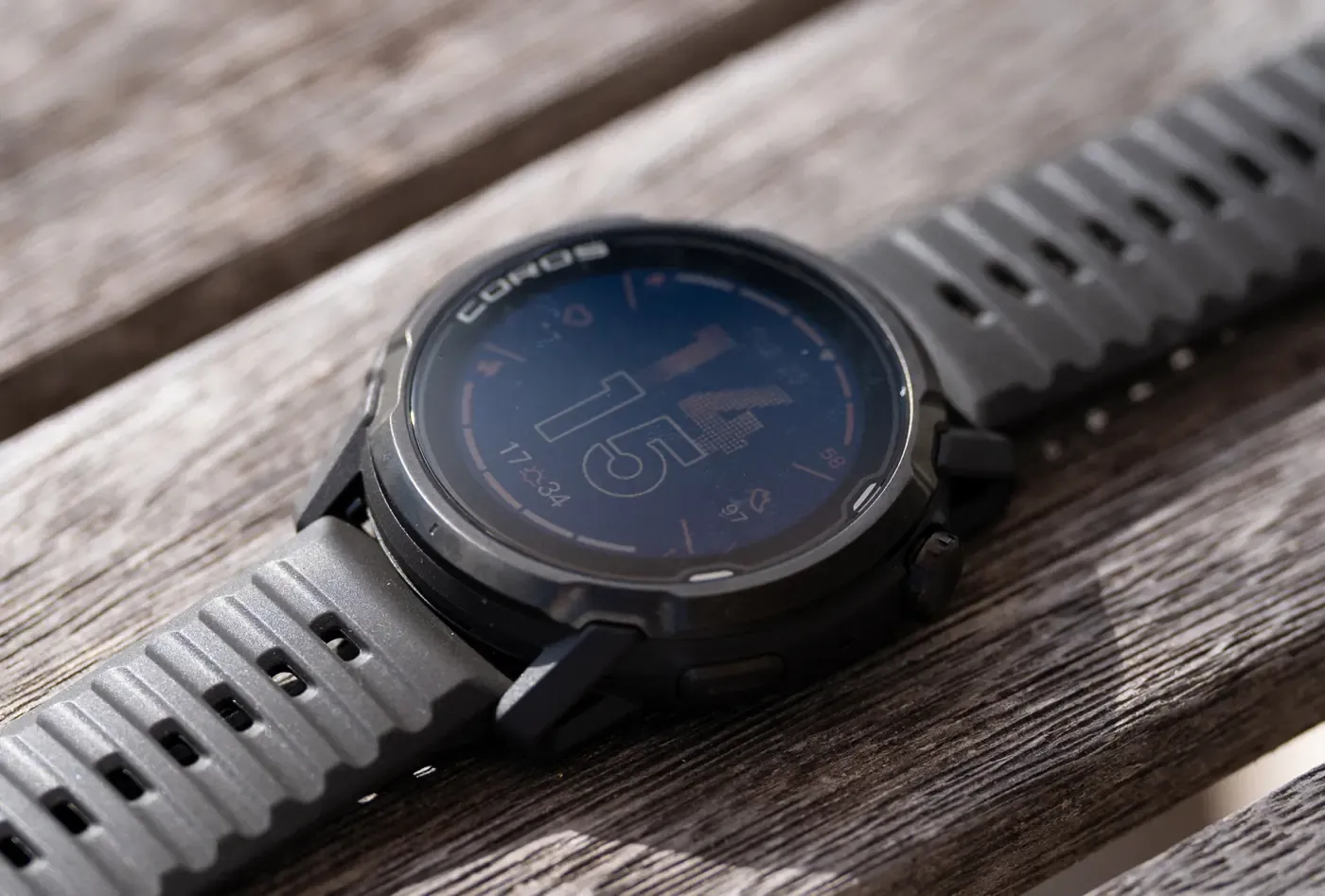
The COROS APEX 4 arrives with a reputation long-time mountain athletes already understand: it’s built for people who care far more about accurate data and long battery life than having an AMOLED light show on their wrist.
And after a month of using the 46mm version for trail runs, and steady training weeks, it’s clear that COROS hasn’t over promised here.
If you decide to purchase the APEX 4, be sure to take advantage of my exclusive code 'Alastair' at check out, to get a free band with any purchase!
It feels tuned for the runners who spend their weekends putting in big vert, exploring routes they haven’t memorized, or heading out early without wondering whether their watch is going to be dead before they’re back at the car.
It’s not a dramatic reimagining of the APEX 2, however, in fact, the first impression is that not much has changed.
I tried the COROS NOMAD for a month: Pros, cons, and key takeaways
A rugged adventure watch with big battery, full maps, and fishing tools that make more sense for trail days, hikes, and off-grid trips than for everyday smartwatch fans (unless you just love the style, like I do!).
 Alastair Dixon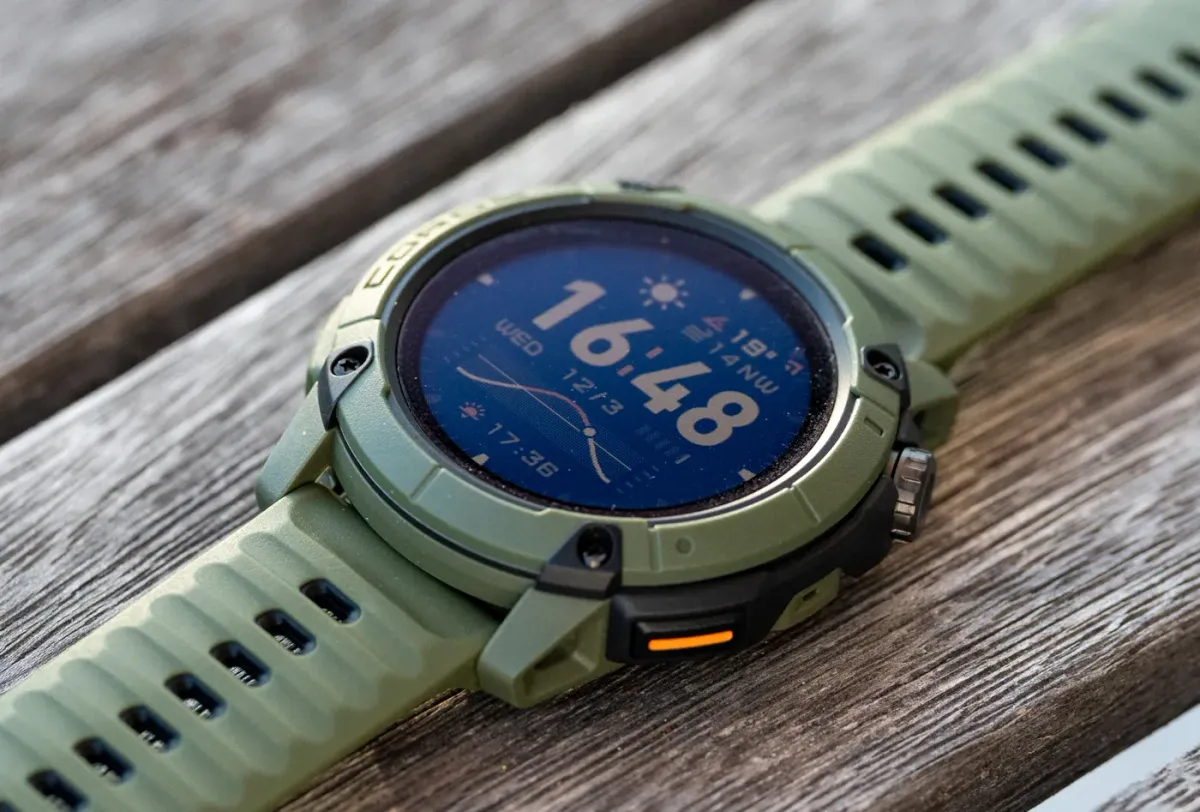
But give it a week, especially on the trails, and the bigger story starts to reveal itself in the way it takes care of the fundamentals like offline maps for navigation, GPS accuracy, and battery life that makes you forget charging, is a thing.
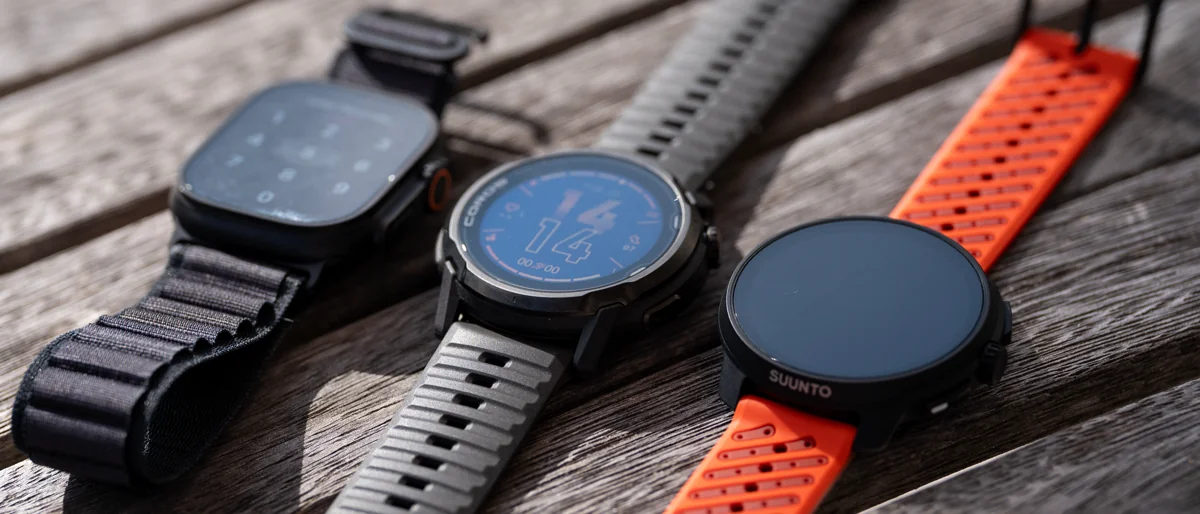
The MIP display won’t win beauty contests, and you’re not getting a smartwatch’s creature comforts but if your priority is “take me out there, let me run, and don’t get in the way”, the APEX 4 settles into your training surprisingly well.
If you purchase through links in this article, we may earn a small affiliate commission. For exclusive content, our newsletter, and more perks, become a member, it's free! -The Trail & Kale team ✌🏼
Key specifications
For context, I’ve been testing the 46mm titanium + sapphire model ($479 at coros.com), which brings the bigger battery and larger display.
- Price: $429 at Coros
- Weight: 64g
- Battery: up to 65 hours of GPS, or roughly 20–30 days of everyday wear with the right settings
- Display: 1.3" always-on MIP touchscreen
- Materials: titanium bezel, sapphire glass, reinforced polymer case
- GPS: dual-frequency, 5-system multi-GNSS, plus COROS’ new vertical accuracy algorithms
- Navigation: global offline topo + street maps, 3D terrain, POIs, quick-access mapping
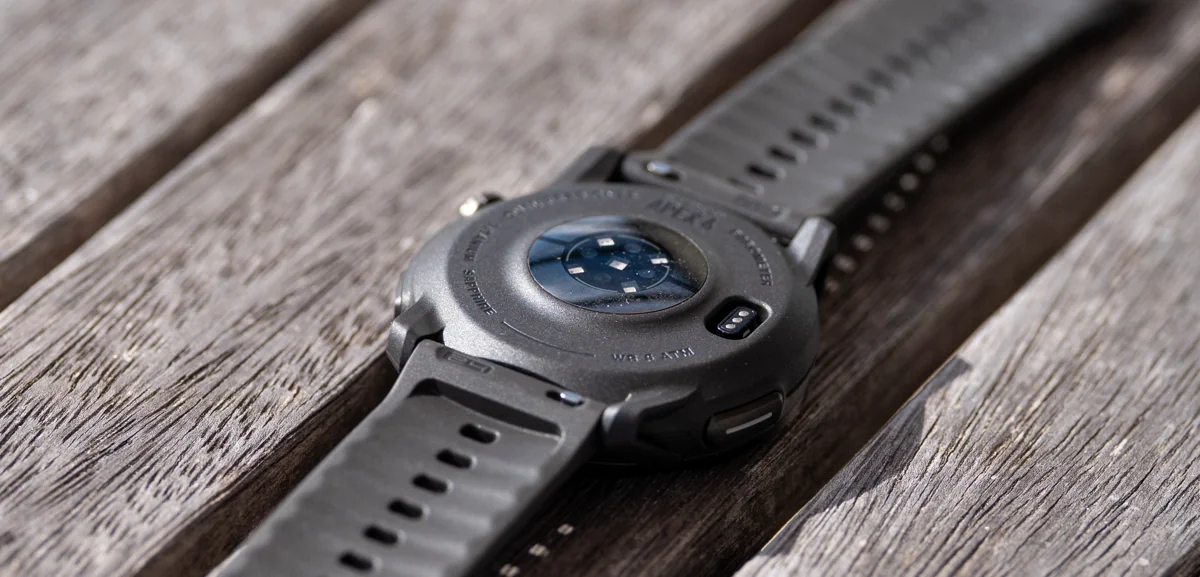
- Sensors: precision optical HR, HRV, SpO2, wrist temp, dual-range barometer
- Audio: built-in mic and speaker for calls, alerts, and voice pins
- Charging: proprietary USB-C dongle
How to set it up (the settings I changed right away)
Most people don’t realize how much of the COROS experience is shaped by the first few settings you tweak.
The defaults are fine, but optimizing the watch takes it from good to genuinely excellent, especially when you want maximum battery and accuracy.
The biggest decision is GPS mode.
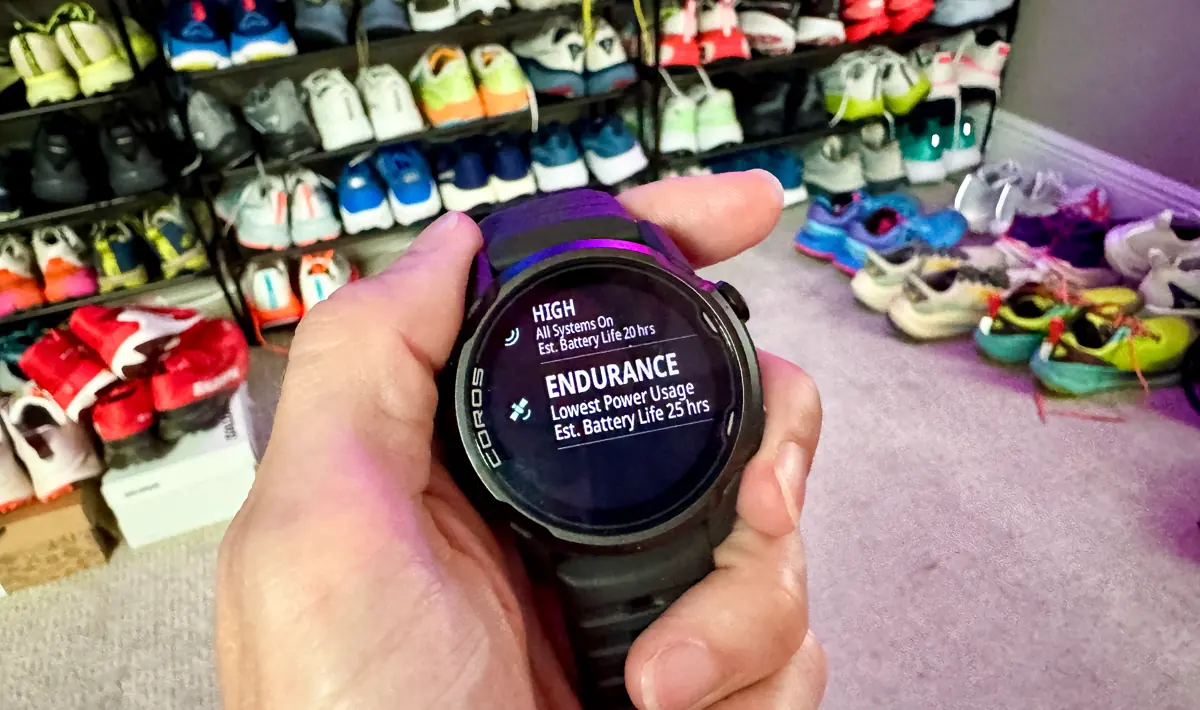
The watch ships in dual-frequency for maximum precision, and it’s brilliant in technical or canyon terrain, but swapping to Endurance Mode for longer days massively boosts battery life without tanking accuracy.
This is something to think about changing if you're taking on an ultramarathon, otherwise don't worry about it.
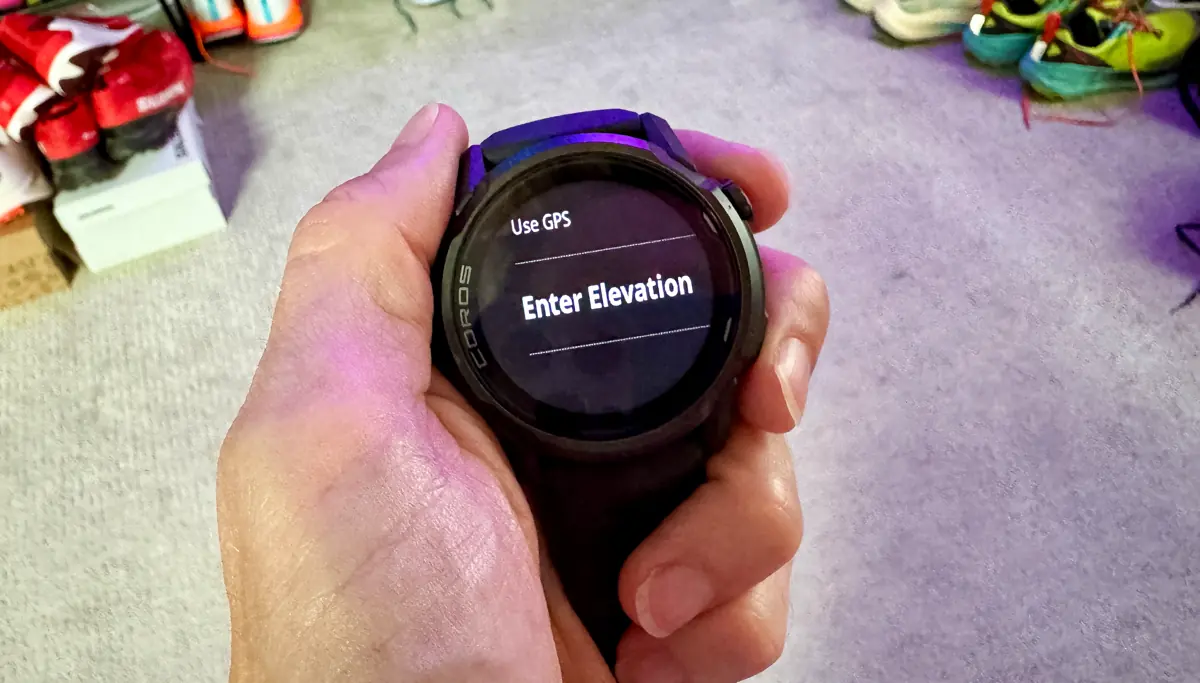
I also calibrated the barometer manually before any big trail run, because COROS’ elevation tracking is impressively tight when you give it a clean starting point.
Mapping is where the APEX 4 feels like a big step up from previous COROS watches.
The maps download quickly, the 3D terrain view actually helps you read the landscape, and the quick-access mapping button becomes second nature after about two runs.
Voice pins are surprisingly useful, you can tag a feature, trail junction, or moment mid-run without breaking cadence but I turned the sensitivity down so the watch didn’t capture every heavy breath as a “journal entry”.
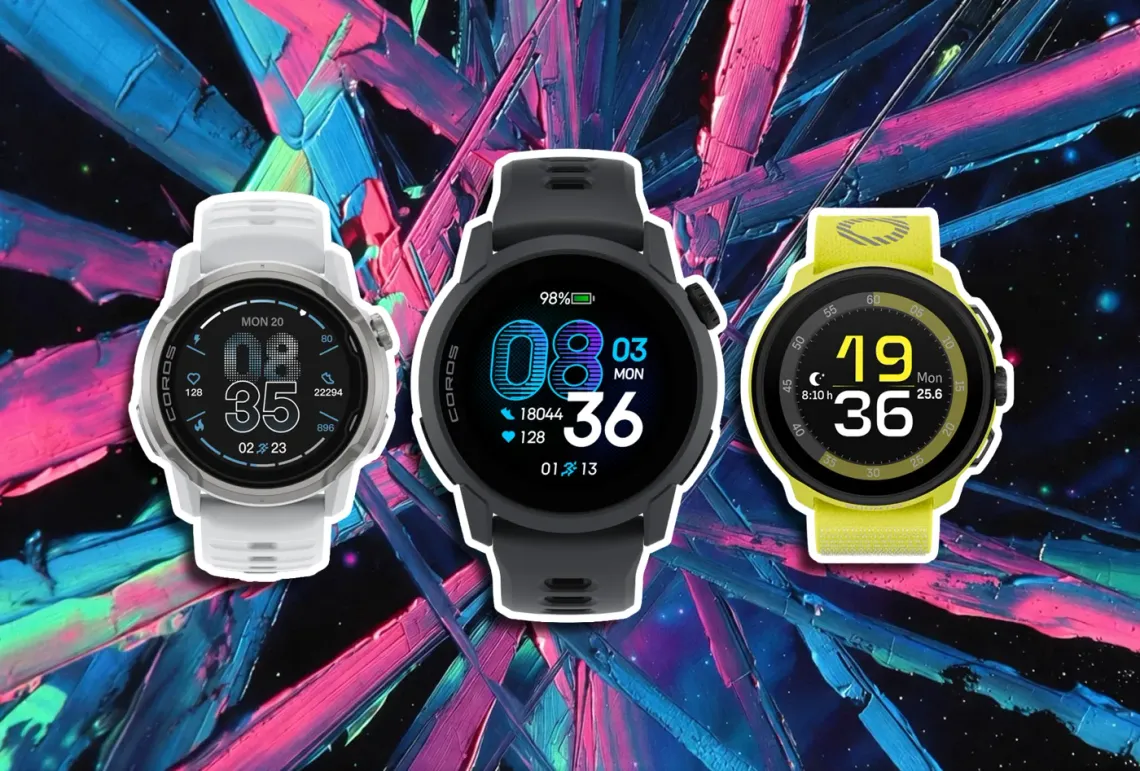
COROS PACE 4 is built for speed, style, and smarter training
A featherweight GPS running watch with sharp visuals, long battery life, and voice tools that make logging efforts more enjoyable.
 Alastair Dixon
For day-to-day battery life, a couple of changes make a huge difference: HR sampling every 10 minutes instead of every minute, gesture-based backlight, and trimming notifications to only the essentials.
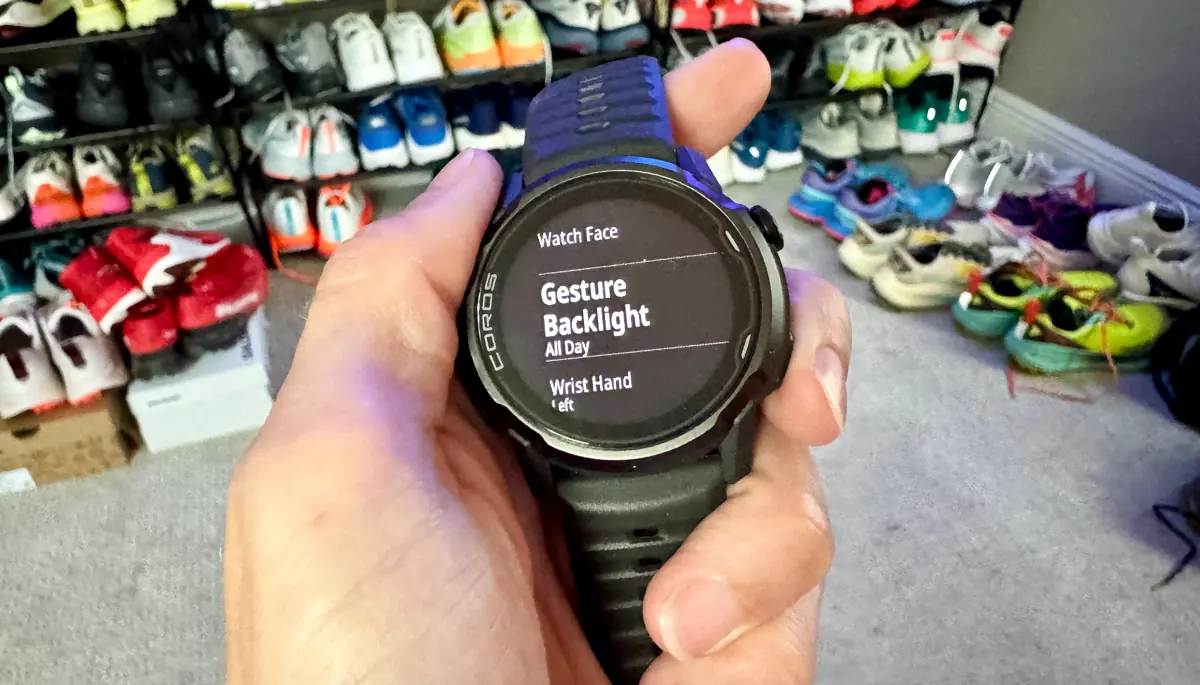
If you do that, you'll get genuine multi-week wear out of this watch, which still feels wild in 2025.
And finally, the custom data screens.
COROS makes these so fast and intuitive that they almost feel like part of your training ritual. Try building an 8-field trail layout with vert, Effort Pace, HR zone, lap pace, and nutrition reminders.
It will be everything you'll want to see at a glance when the miles start stacking up.
Performance review
Design, weight, and day-to-day wear
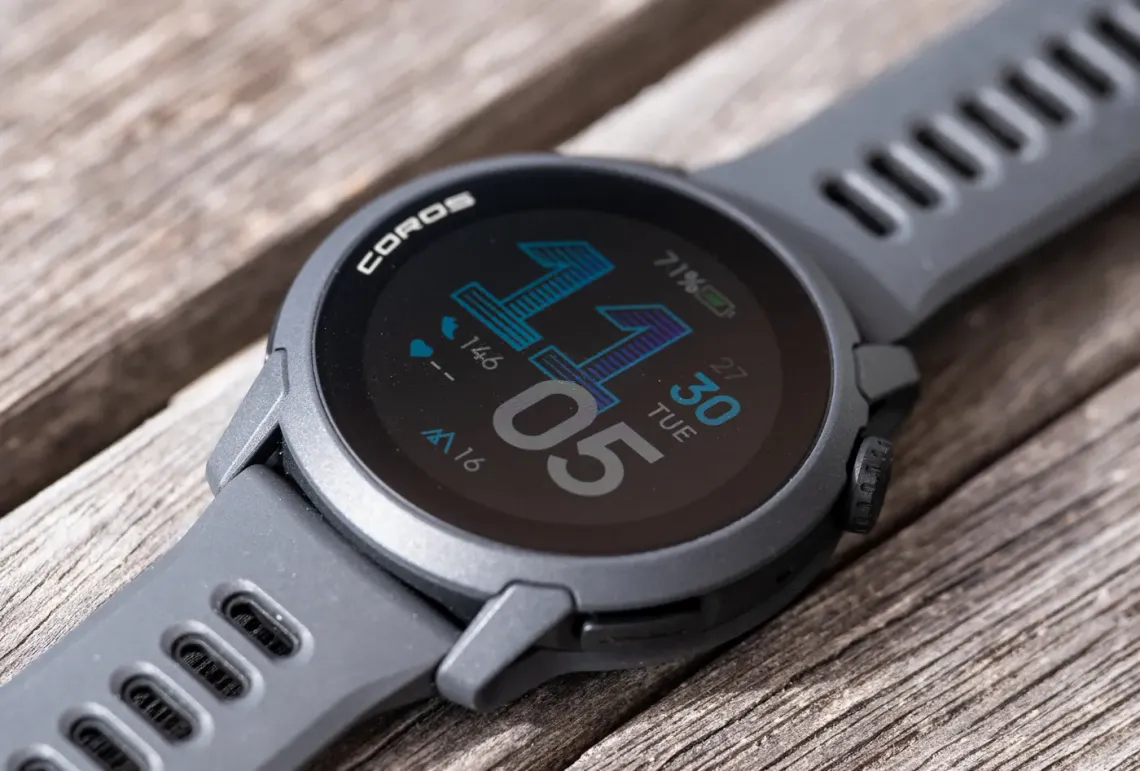
The 46mm APEX 4 is one of those watches that looks tougher than it feels.
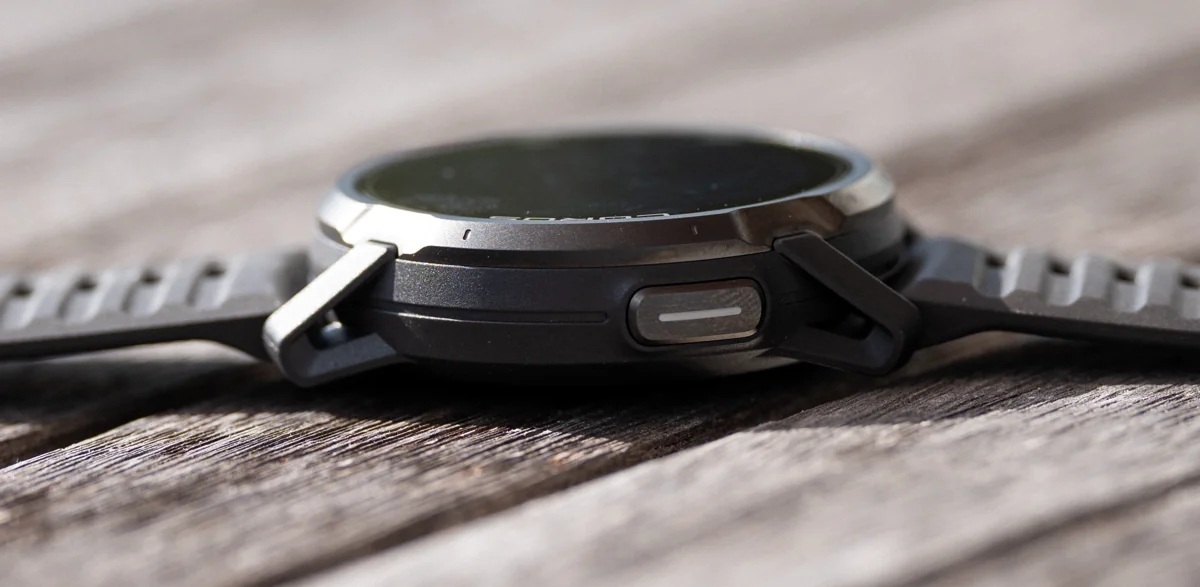
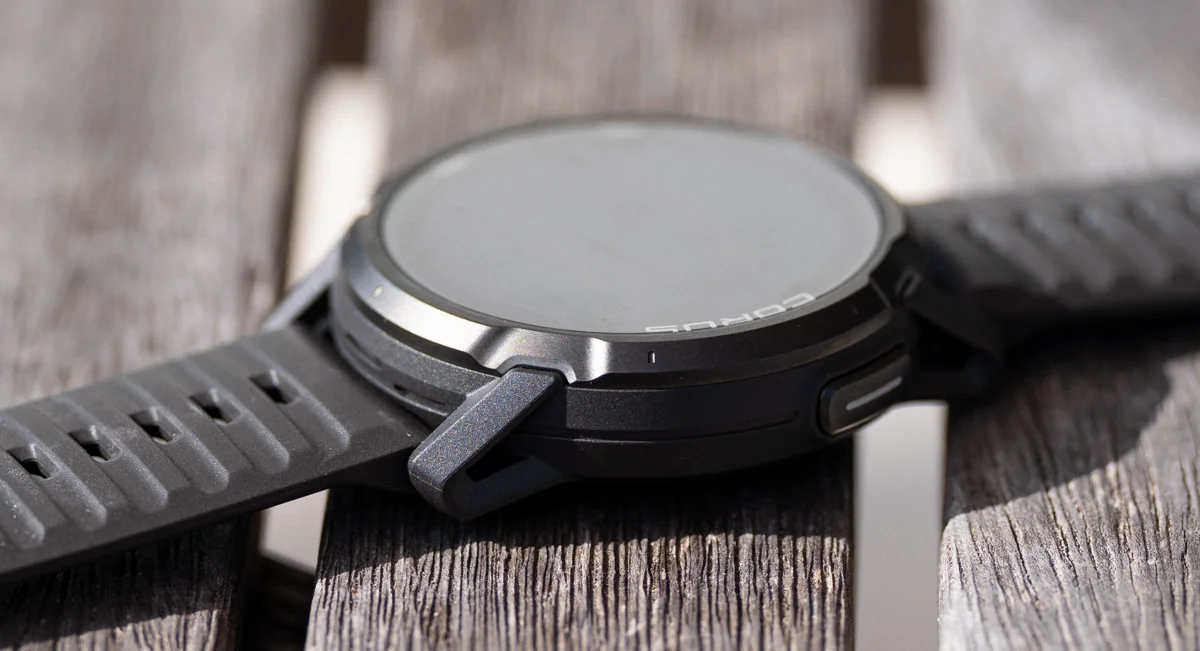
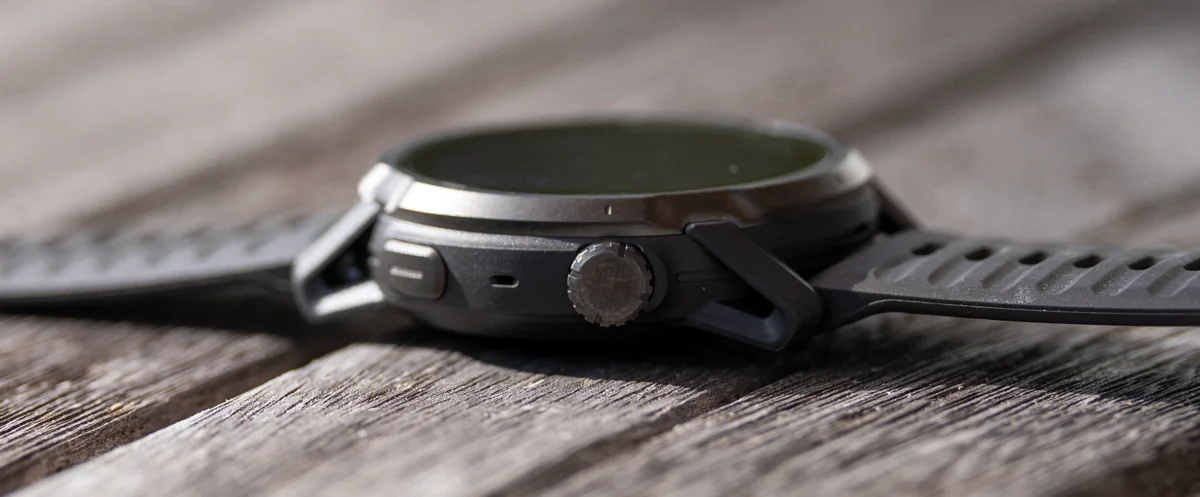
The titanium bezel and sapphire display have taken a beating already without a mark to show for it, yet the whole thing weighs just 64g.
That’s unusually lightweight for a watch with multi-day battery life and full offline mapping.
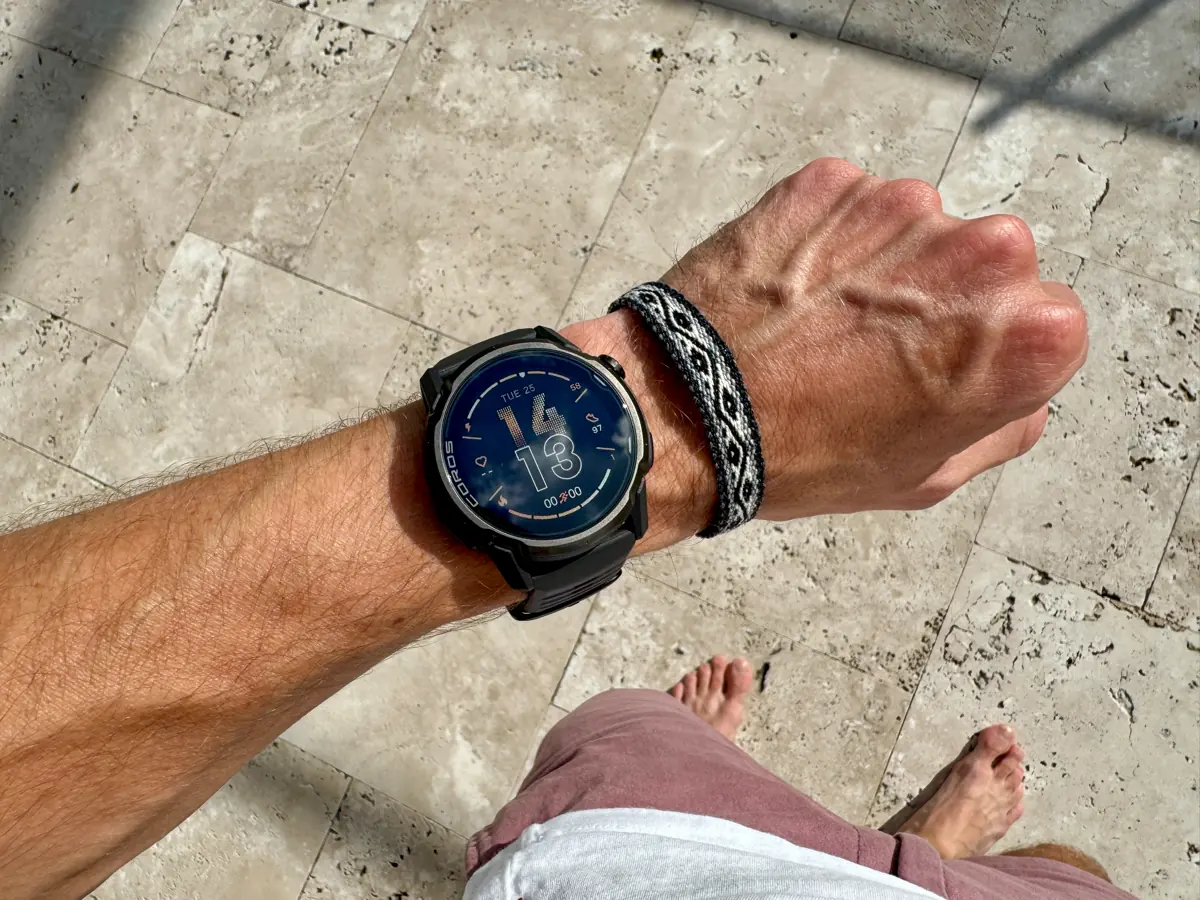
On the wrist, it feels like the right balance for trail runners: present enough to feel durable, but not so large that you’re conscious of it's weight during climbs or fast descents.
The reinforced lugs on the strap also help the watch feel secure without requiring you to overtighten the band.
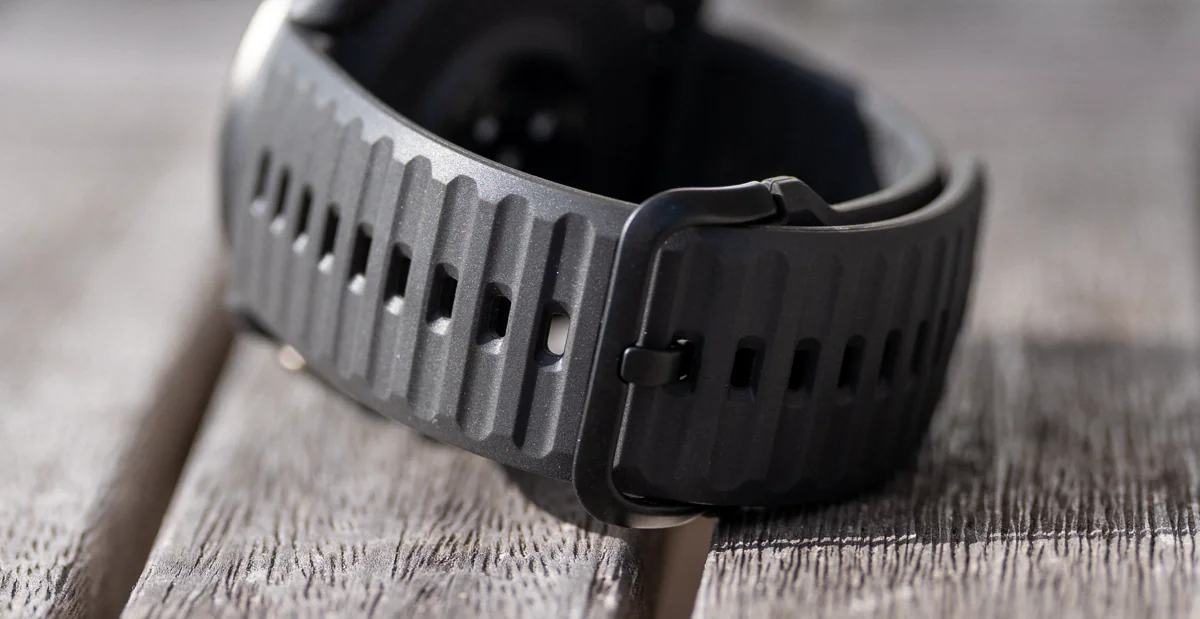
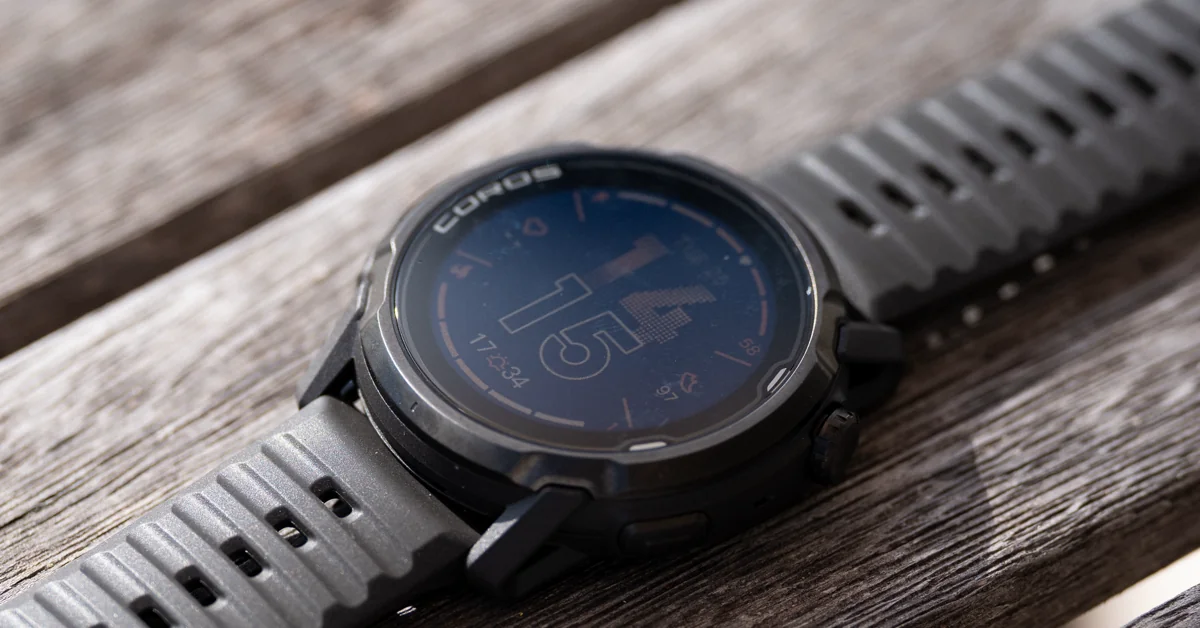
The MIP display is the one part that feels dated indoors, but outdoors, especially in bright light, it does exactly what you want: stays visible without draining battery.
Battery life: still the benchmark
Battery life is where COROS continues to make every other running watch brand feel uncomfortable.
Real-world use goes beyond the advertised 65 hours of GPS.
For long training weeks, back-to-back days in the mountains, or multi-day adventures, this watch doesn’t flinch. Most runners won’t come close to draining it in a typical week unless they’re deep in an ultra block.
The fast-charge behavior (0–60% in about an hour) means you can top it up before a run without planning around it. And unlike some earlier COROS releases, the overnight battery drops that worried early adopters have been fixed in firmware.
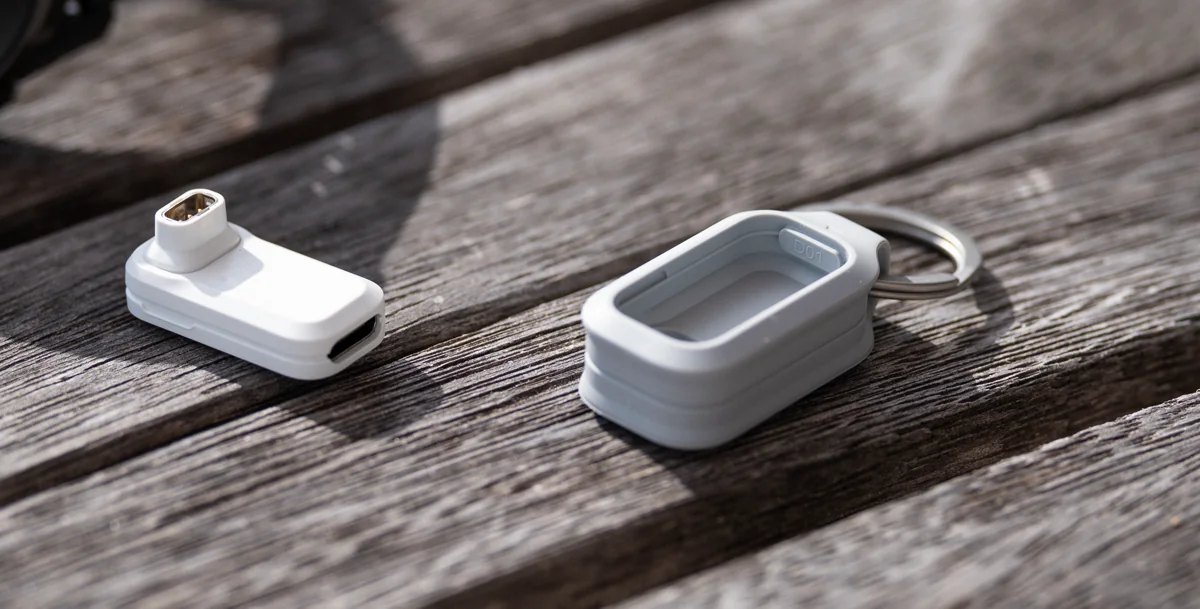
It comes with a little dongle (but no USB-C cable), which you can plug any existing USB-C cable into, and I kind of like what they did there, just be careful not to lose the dongle!
This is the watch you take when you absolutely do not want your battery to be part of the conversation.
GPS, elevation, and accuracy
COROS’ new vertical algorithms may be the sleeper feature of the APEX 4.
Elevation tracing is tight, consistent, and noticeably more stable under tree cover, and no doubt it will be in narrow valleys, or on ridge-heavy terrain too.
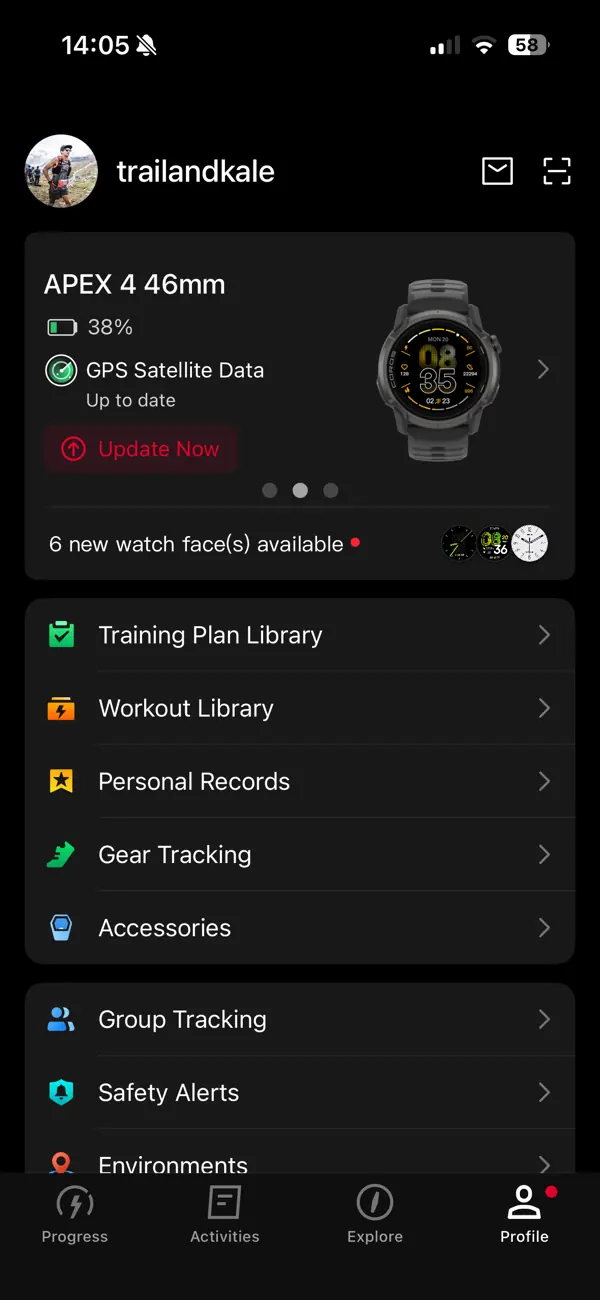
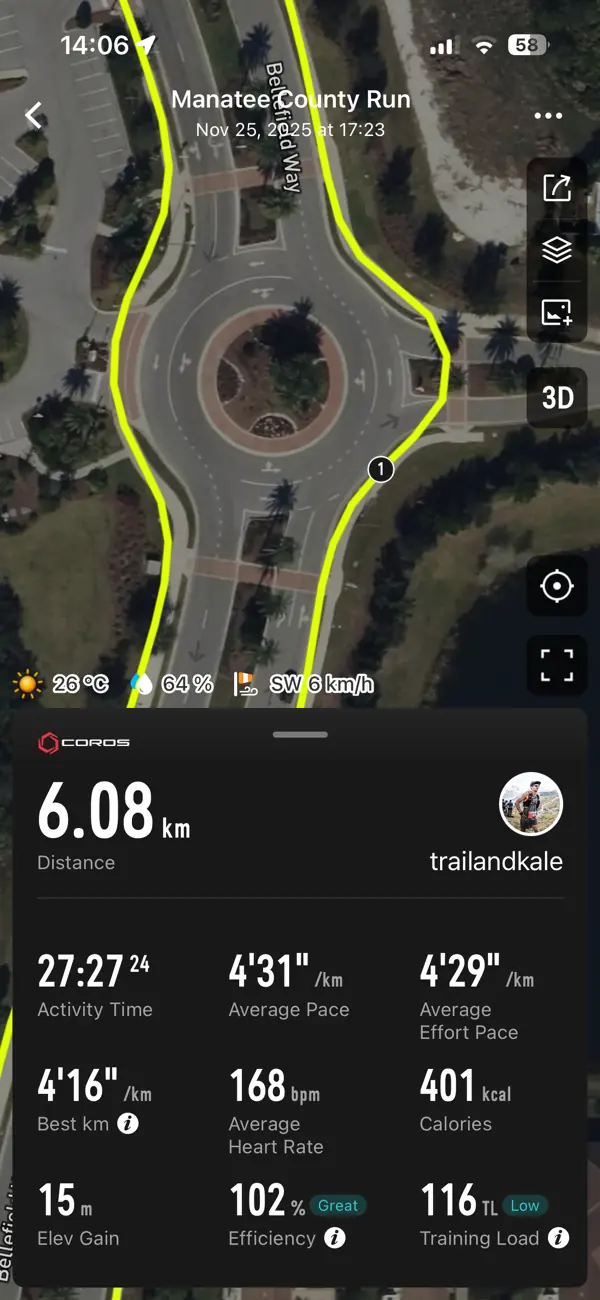
GPS tracks look clean and believable, matching chest-strap HR data within a few beats and producing routes you don’t have to second-guess later.
Compared against other high-end watches I’ve used recently, this is easily one of the most reliable performers for both distance and vertical metrics.
Maps and navigation
This is where the APEX 4 truly feels like the generation it claims to be.
The new maps load instantly with no lag, and no redraw hesitation, and the inclusion of street and trail names finally makes COROS’ navigation feel complete.
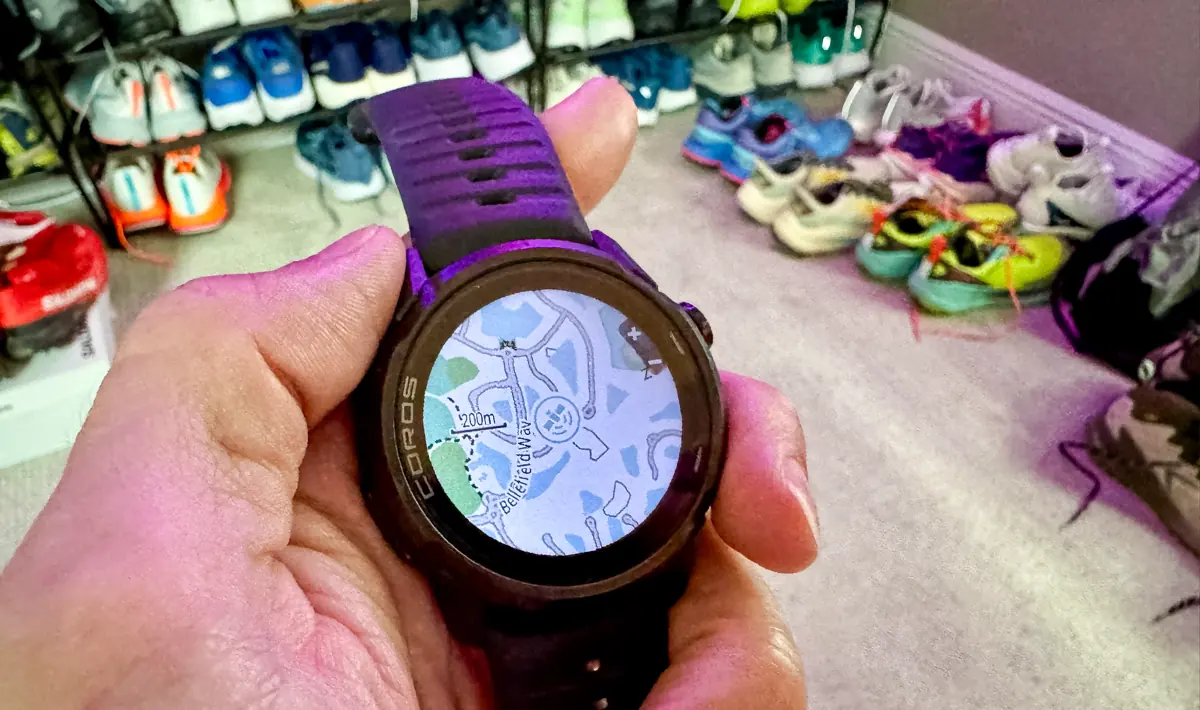
The 3D terrain view is surprisingly helpful on new routes when you're trying to understand where the trail is trending.
If you’re a backcountry runner, adventure racer, thru-hiker, or someone who regularly goes off-the-beaten-path on long days, the mapping experience alone makes this watch worth looking at.
It’s more refined and responsive than anything COROS has offered before.

Training tools and the COROS ecosystem
COROS still wins on simplicity and clarity.
EvoLab’s training load, fatigue, recovery, and readiness scores are direct and easy to interpret without needing a deep-dive knowledge of physiology. HRV, sleep data, and stress trends round out the picture without overwhelming you.
In fact, I'm going to go as far as saying, I prefer how all this is presented to the user in EvoLab on the COROS App, than the equivalent in Garmin Connect. I have been a Garmin fanboy for many years but I'm feeling myself sway towards COROS now.
It’s a watch built for people who want actionable information, not 50 sub-metrics.
That said, it’s also not as rich in the coaching sense as Garmin’s training readiness systems. COROS still leans toward “give you the data, let you decide what to do with it.”
For many runners, especially those training for ultras or mountain races, that’s exactly the right balance.
Audio, smart features, and everyday use
The built-in mic and speaker sound like a gimmick until you start using them. Audio pace alerts make tempo runs easier to manage, but to be honest I find them a little annoying so turned them off.
Voice pins feel like a genuinely useful feature on exploratory days, and hands-free calls mid-run are clearer than expected.
But as a smartwatch? It’s limited. No streaming services, no NFC payments, no premium watch faces. If you want integrations and lifestyle features, an Apple Watch or a high-end Garmin still leads the pack.
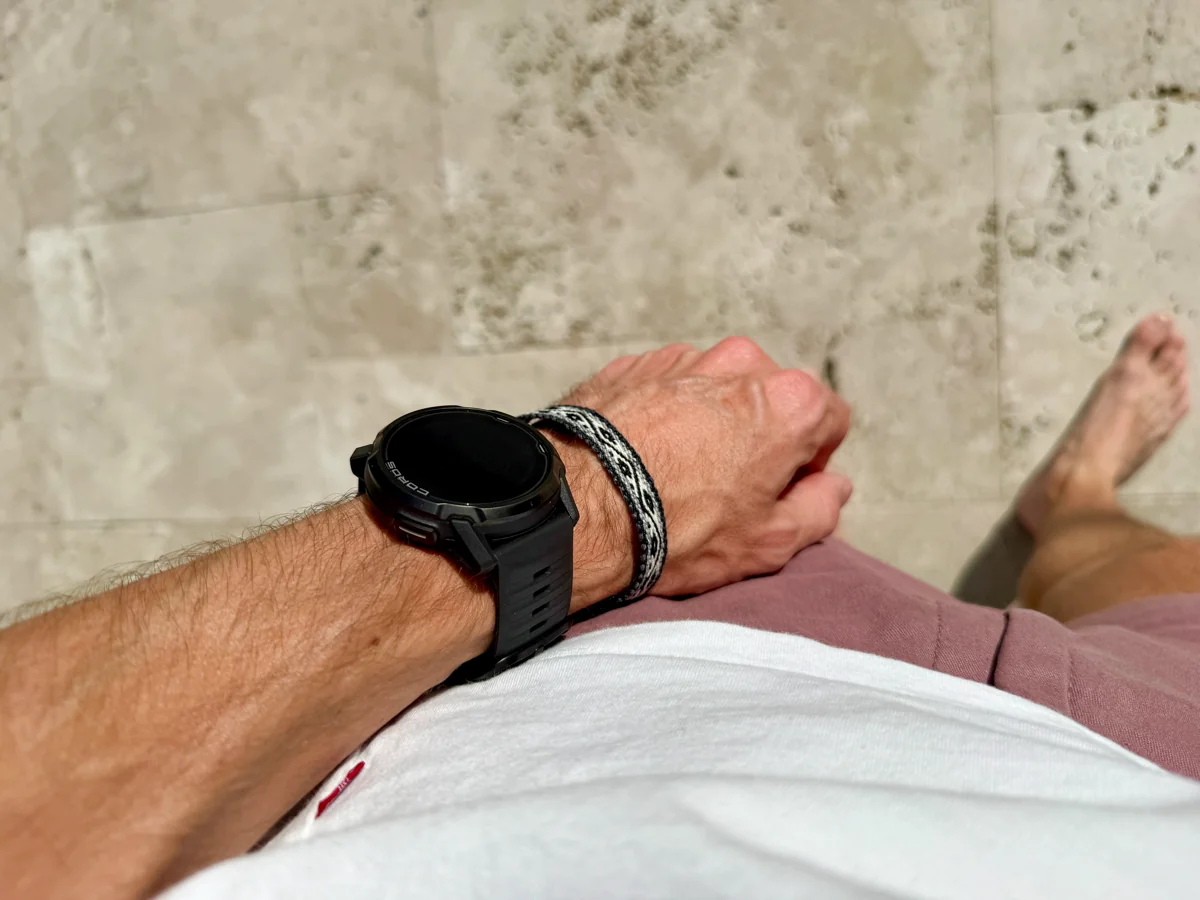
This is a runner’s watch, not a lifestyle device, and COROS makes no attempt to disguise that.
The parts that don’t land as well
No watch is perfect, and the APEX 4 does have honest limitations.
The MIP display looks washed out indoors and can feel cramped for dense data layouts.
There’s no built-in flashlight, which matters more than you’d think for night runners.
In some ways I wish COROS had done more to differentiate it from the APEX 2, in looks. If you already own that watch, this may feel more like a refinement than a big leap.
But none of these drawbacks affect what the watch is best at: being a reliable training partner in demanding terrain.
My verdict
The COROS APEX 4 is a mountain watch through and through, and at $479, it blows away the competition for value for money.
It doesn’t try to be flashy, it doesn’t pretend to be a smartwatch, and it doesn’t chase features that look great on marketing slides but fall apart when you're halfway up a climb.
If the APEX 4 feels like more watch than you really need, the PACE 4 (review here) is the better pick for runners who want something lighter, simpler, and more training-focused, while the NOMAD (review here) makes more sense if your adventures lean more toward hiking, exploring, and off-grid navigation.
It excels where it matters:
- long battery life
- accurate GPS and elevation
- fast, detailed offline mapping
- practical audio tools
- durable, lightweight build
- simple, reliable, and actionable training metrics
If your training revolves around long days outside, trail races, ultras, or simply exploring new routes without worrying about whether your watch can keep up, the APEX 4 feels like a watch designed around you.
If you want AMOLED visuals, tap-to-pay, or a more lifestyle-oriented experience, there are better options out there.
But for mountain runners, the equation is simple: accuracy + battery + navigation > everything else. And that’s where the COROS APEX 4 feels right at home.
Written by

Subscribe to our Newsletter
to discover the best gear, healthy foods, and life outdoors.







Member discussion