
Best Tonal alternatives in 2026 (honestly compared)
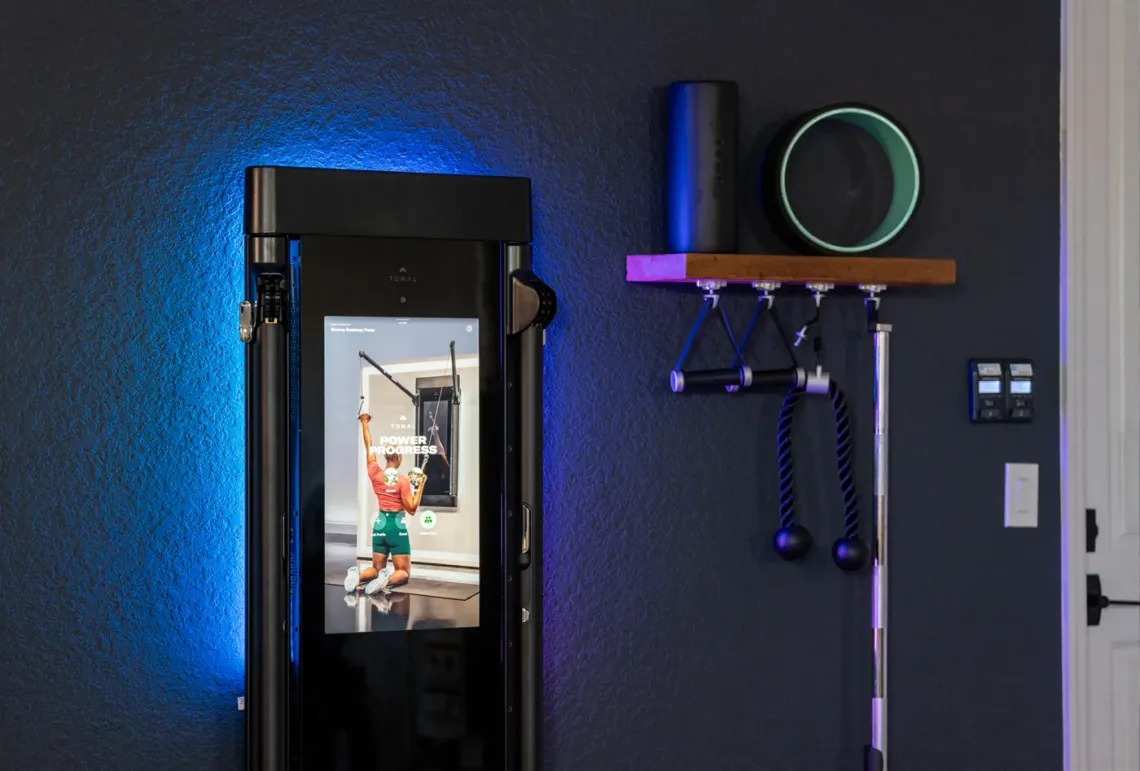
I've trained on the Tonal 2 for months. Here's how the best smart home gym alternatives actually compare, and when I'd pick one of them instead.

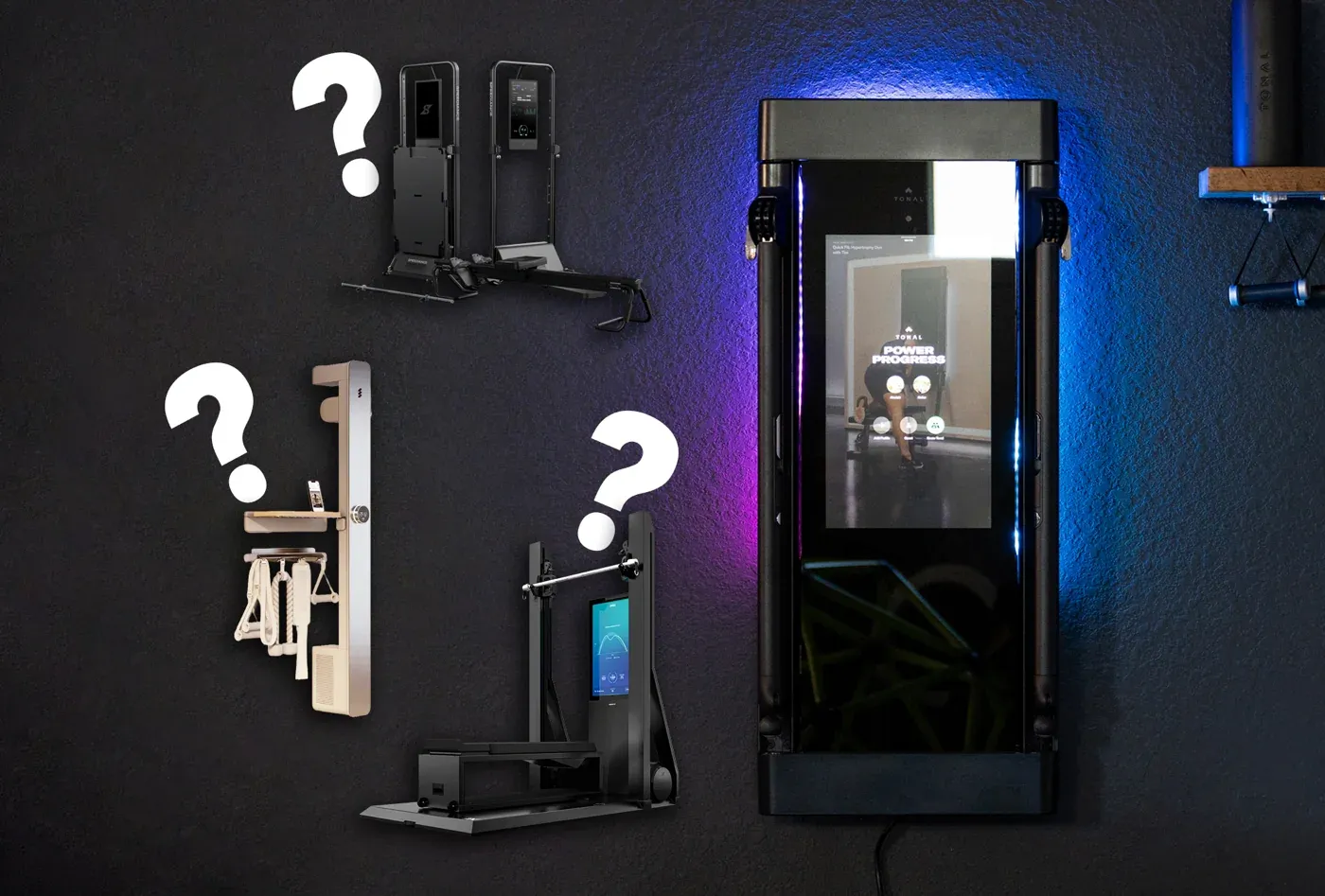
I've put real time into the Tonal 1 and Tonal 2, and my reviews include over 1.5 million lbs of lifting experience on both platforms.
Tonal 2 home gym review: a smarter, quieter, more complete strength system
How Tonal 2 has transformed my at-home strength training from a routine to a habit that I stick to.
 Alastair Dixon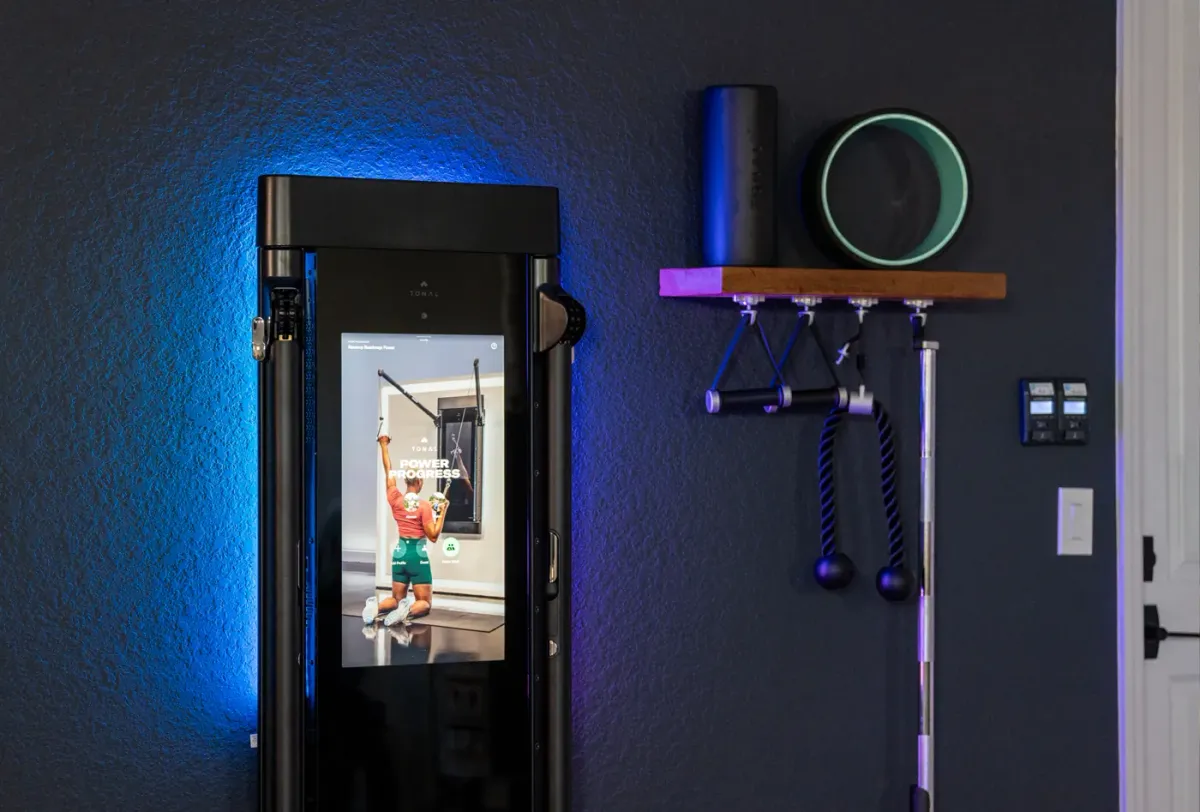
The alternatives below are researched rather than personally tested, but rest assured, in typical Trail & Kale format, I've gone deep on spec sheets, manufacturer data, verified owner feedback, and hands-on coverage from reviewers I trust.
I'll be clear throughout about where I'm speaking from experience versus what the evidence says. That framing matters in a category where most comparison articles are written by people who've tried none of the machines they're ranking.
With that said: Tonal 2 is excellent, and I still use it most days of the week, at home. You can read my full review if you want the complete picture, but it isn't the right machine for everyone, and the smart home gym category has gotten genuinely competitive over the last couple of years.
The two most common reasons people end up looking for alternatives are the wall-mount requirement and the total cost of ownership once you factor in the household subscription. Both are legitimate concerns, and the machines below address them in different ways.
The five alternatives I've looked at hardest (because I weighed them up before upgrading my Tonal to v2), are the Speediance Gym Monster 2, Amp, Vitruvian Trainer+, OxeFit XS1, and Tempo Move. There's also a short section at the end on when Tonal 2 is still the clear right answer, because for a certain kind of buyer it genuinely is.
If you purchase through links in this article, we may earn a small affiliate commission.
Quick comparison
| Machine | Price | Max resistance | Subscription | Wall mount? | Best for |
|---|---|---|---|---|---|
| Tonal 2 | $4,295 + $295–$550 installation | 250 lbs | $59.95/mo | Yes | Guided training, AI coaching |
| Speediance Gym Monster 2 | From $3,749 | 220–260 lbs | Free (basic) | No | Most people, best long-term value |
| Amp | $1,795 | 100 lbs | $23/mo | Yes | Budget-conscious wall-mount option |
| Vitruvian Trainer+ | ~$3,000 | 440 lbs | Included | No | Serious strength, tiny footprint |
| OxeFit XS1 | ~$3,999 | 250 lbs | From ~$32/mo | No (floor-based) | Strength plus cardio, space available |
| Tempo Move | ~$495 | Real weights | ~$39/mo | No | Traditional lifting feel with coaching |
Prices change frequently in this category — verify before buying.
Speediance Gym Monster 2: the best Tonal alternative for most people
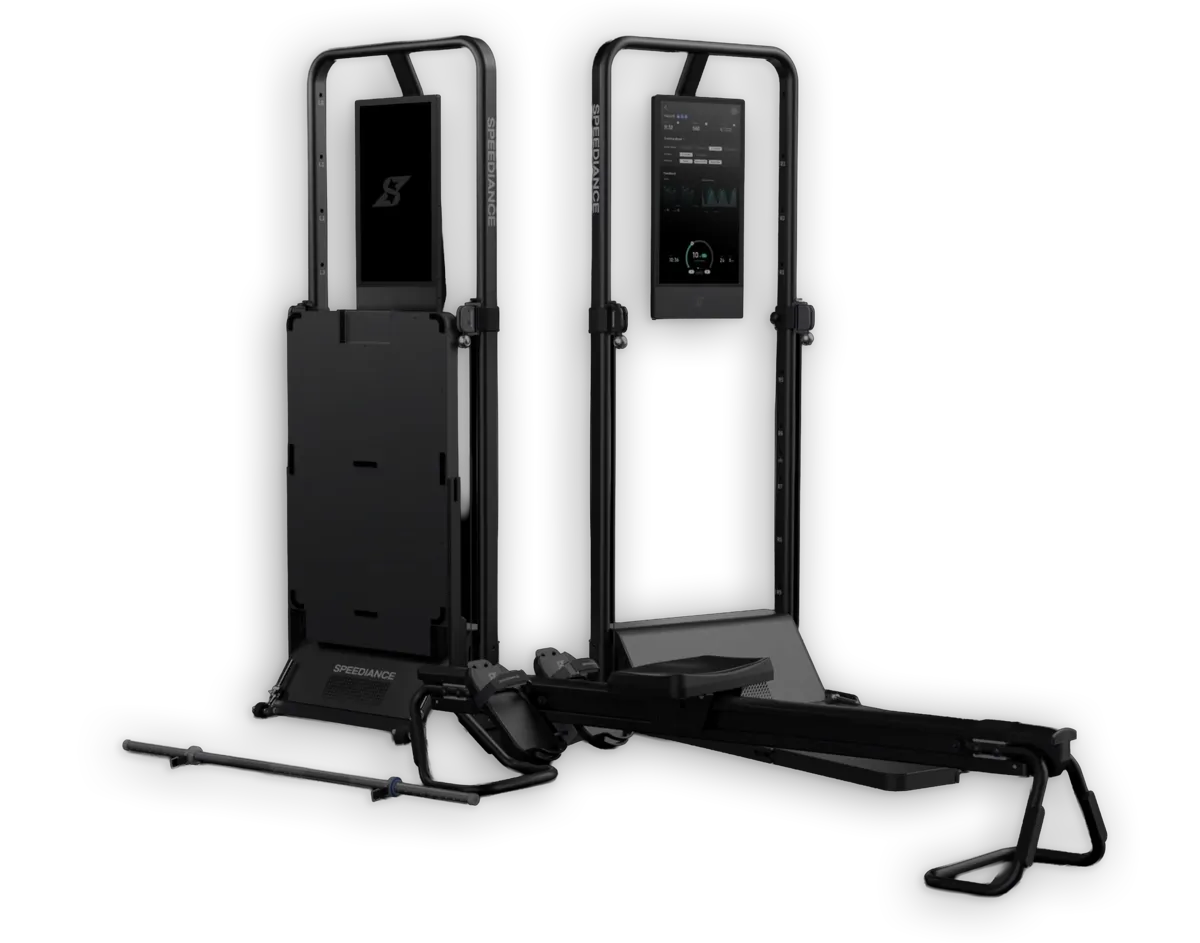
The short version: Freestanding, no wall required, no mandatory subscription, more raw resistance than Tonal, and a lower long-term cost of ownership. The tradeoffs are real but manageable for most buyers.
The Gym Monster 2 is a freestanding digital cable system with dual electromagnetic motors and a pulley that adjusts to 10 different heights. The base model delivers up to 220 lbs of resistance; the GM2S variant pushes that to 260 lbs.
It doesn't mount to the wall; it stands on its own footprint, which makes it viable for renters, people in apartments, and anyone who isn't willing to commit to permanent installation. It also folds down to a more compact profile when not in use.
On paper, Speediance looks more expensive than Tonal: the Works package (machine plus flat bench) runs around $3,950, up to $4,499 for the Family Plus with an adjustable bench and rowing attachment.
But Speediance's basic membership is free for life. No monthly fee to access workouts, custom programming, or digital weight modes like eccentric and chain loading. Run the numbers over three years and Tonal's $59.95/month subscription adds over $2,100 to the total — which makes Speediance meaningfully cheaper in practice.
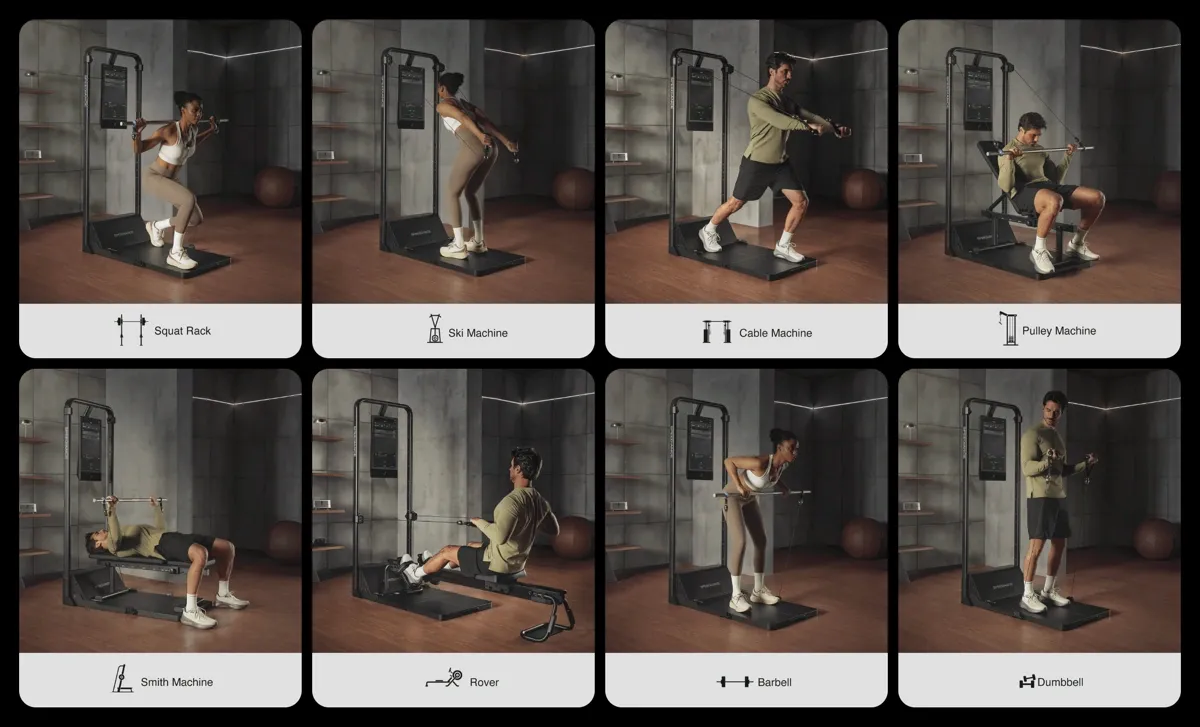
The feature set is genuinely impressive. Over 500 guided workouts, AI-assisted resistance adjustment, and training modes that aren't available on mechanical machines: eccentric loading (where resistance increases on the way back down), chain mode (where resistance builds as you near the top of a movement), and isokinetic training for rehab and consistency work. A Bluetooth ring on the handles lets you adjust weight mid-set without touching the screen.
The honest limitations: reviewers who've tested it note that the AI coaching feels more like smart automation than true personalization. It adjusts resistance based on performance, but it's not the same depth of feedback and form guidance Tonal provides. The handle quality has been called out as a step below the barbell construction. At 172 lbs, assembly is a two-person job. And despite the "AI coaching" marketing, there are no live instructor-led classes in the way Tonal has them.
For taller users, the arm height can affect range of motion on some overhead movements in a way that Tonal's wall arms don't. Worth checking against your height if you're over 6 feet.
Who it's for: Anyone who can't or won't wall-mount, buyers watching long-term cost, people who want a similar raw resistance to Tonal's 250 lb ceiling, families wanting multiple users.
Who should skip it: Anyone whose priority is live coaching depth and Tonal's class-leading AI form guidance. If the subscription is worth it to you for the coaching quality, Speediance doesn't replicate that experience.
Amp: the most affordable wall-mount option
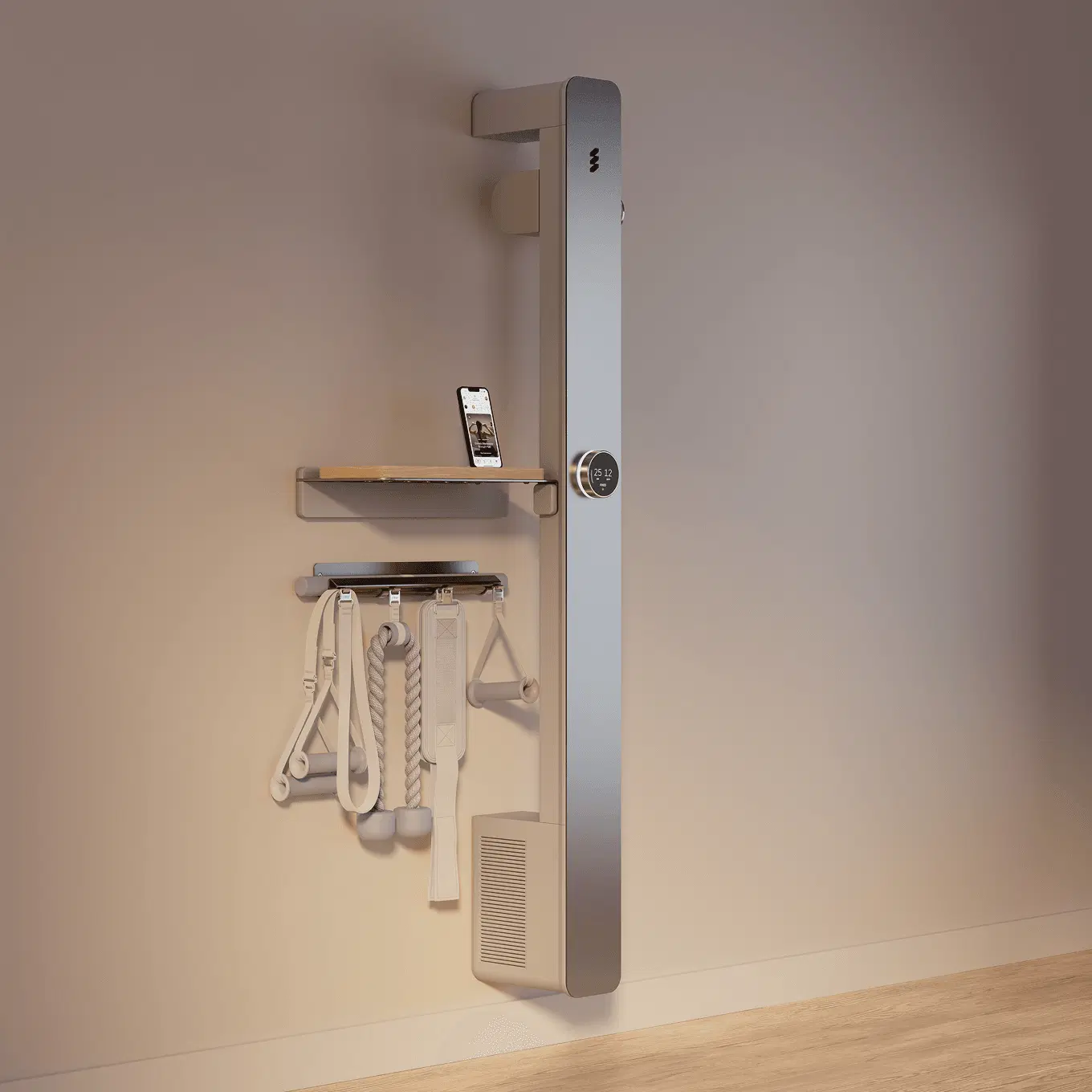
The short version: $1,795 with installation included, a genuine fraction of Tonal's price. The tradeoff is a much lower resistance ceiling, which matters more than it sounds.
Amp launched in early 2025 and quickly positioned itself as the accessible entry point to the wall-mounted smart gym category. At 6 feet tall, 2 feet wide, and 1 foot deep, it's the slimmest wall-mounted system in this comparison.
The installation is straightforward; 8 holes into the wall, drilling along one stud, handled by the white-glove team that's included in the purchase price. It fits in a 3-foot width with 7 feet of depth for the workout area.
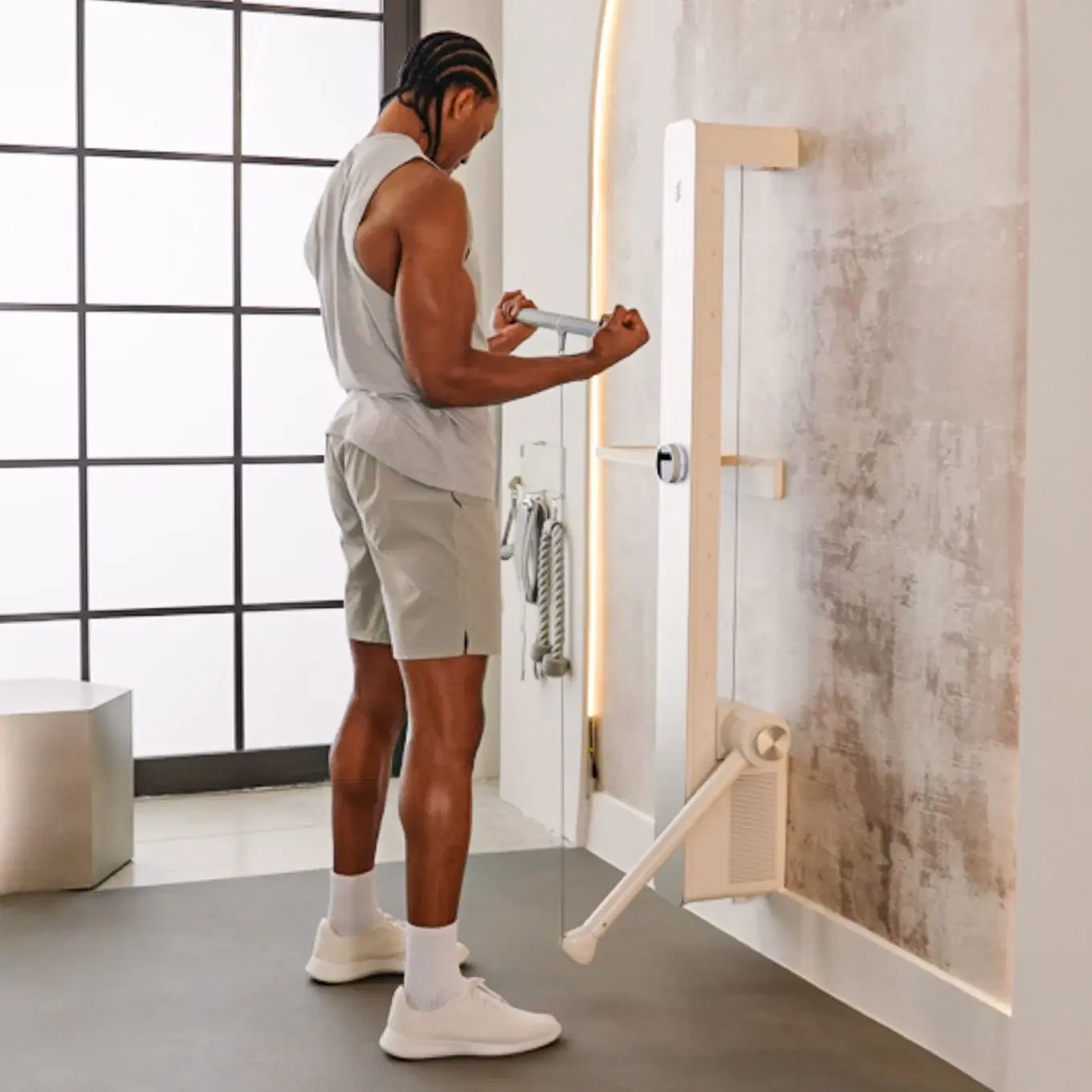
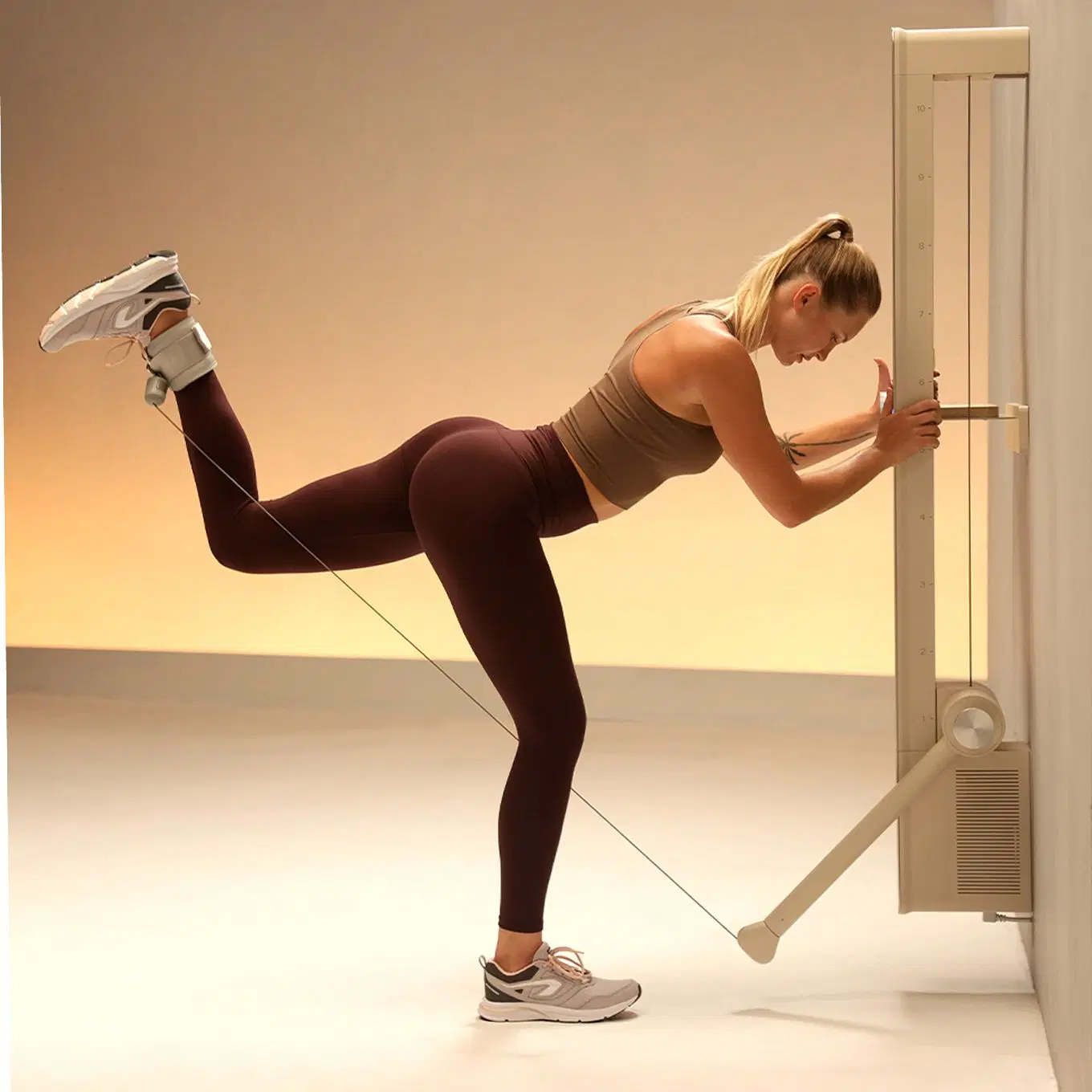
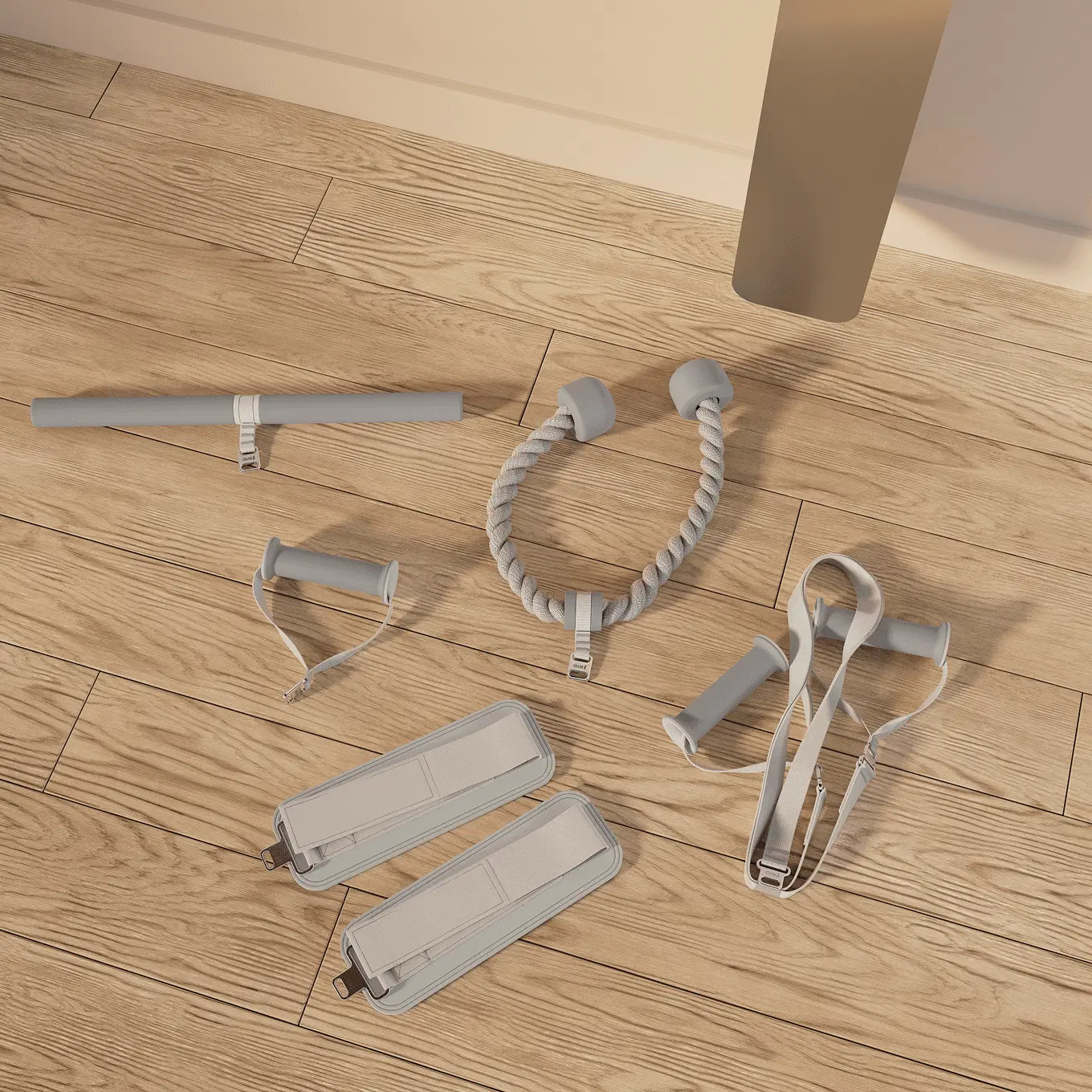
The resistance system tops out at 100 lbs. That's the number that needs attention.
For lighter lifters, beginners, or people whose primary goal is conditioning, muscle tone, and general fitness, 100 lbs is workable. For anyone who's been training consistently and relies on heavier compound movements like rows, presses, deadlift variations, well that ceiling will become a constraint fairly quickly.
Tonal's 250 lb max isn't limitless, but it's a completely different proposition.
What Amp gets right is the experience. Reviewers consistently praise the design (genuinely minimal, furniture-quality aesthetic that nearly persuaded me to buy it), the adaptive AI that adjusts weight rep by rep based on real-time output, and the three resistance modes: fixed, band-style (progressive through the range of motion), and eccentric.
The white-glove installation being included is a real differentiator — Tonal's install is typically additional, so the actual price gap shrinks when you account for that.
One significant caveat: Amp's app is iPhone-only. If you're on Android, this isn't your machine.
The subscription at $23/month is the lowest recurring cost in this comparison, and the 90-day return window is a confident product guarantee worth noting.
Who it's for: Beginners and intermediate lifters, people who prioritize design and space over maximum resistance, buyers who specifically want a wall-mount but find Tonal's price hard to justify.
Who should skip it: Experienced lifters who regularly push heavy loads. If you're regularly working in the 100–200 lb range on cable movements, you'll outgrow this. Android users should also look elsewhere.
Vitruvian Trainer+: the strength-first compact option
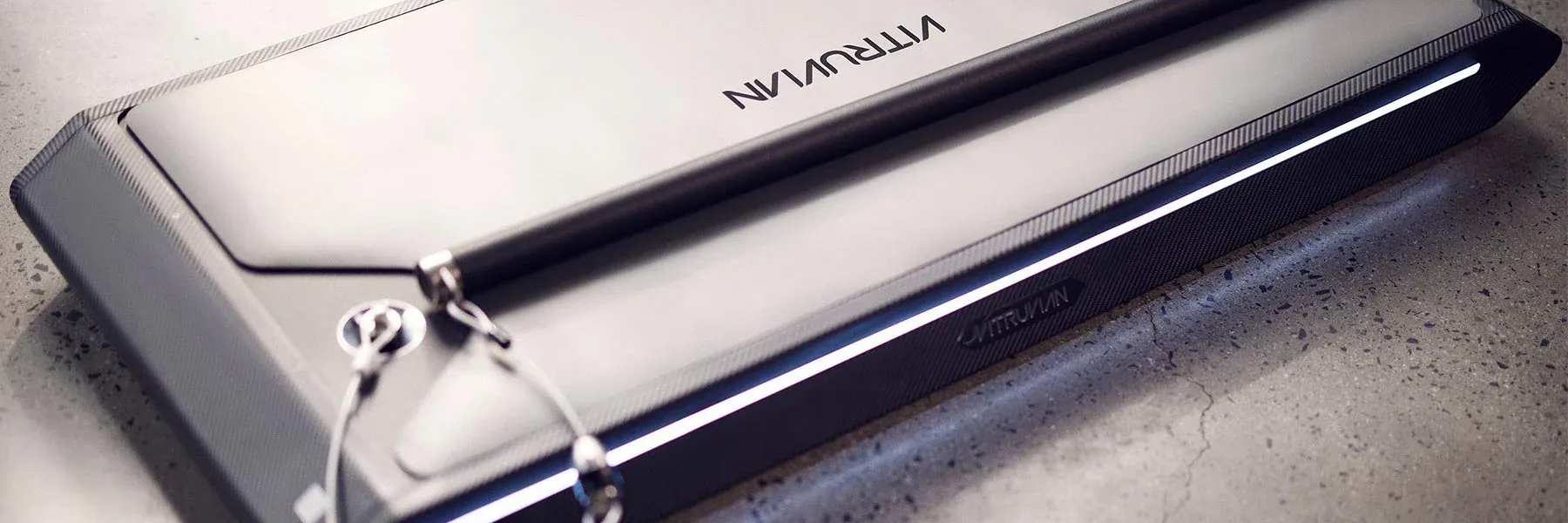
The short version: Up to 440 lbs of resistance in a platform that stores in 3.5 square feet. The highest resistance ceiling here by a wide margin, but it's a fundamentally different type of machine.
The Vitruvian is a floor-based platform, not a cable system in the traditional sense. You stand on it and train with handles that connect to a motorized resistance system underneath. It stores flat, slides under a bed or behind a couch, and takes up essentially no space in your home when not in use. There's no screen — you pair it with the Vitruvian app on your own device.
The 440 lb resistance ceiling is the headline, and it's real. For powerlifters, advanced strength athletes, or anyone who's been frustrated by the relatively modest resistance caps on systems like Tonal and Speediance, this is the only compact home machine that can genuinely challenge you long-term. The system samples motion at 1,000Hz, which gives it an exceptionally responsive feel that reviewers compare to actual free weights.
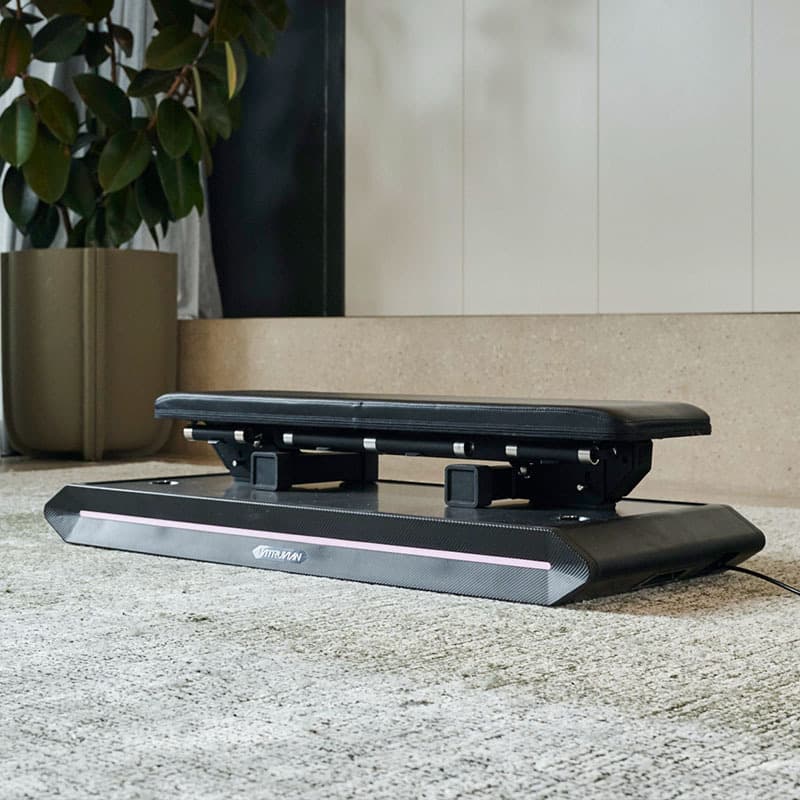
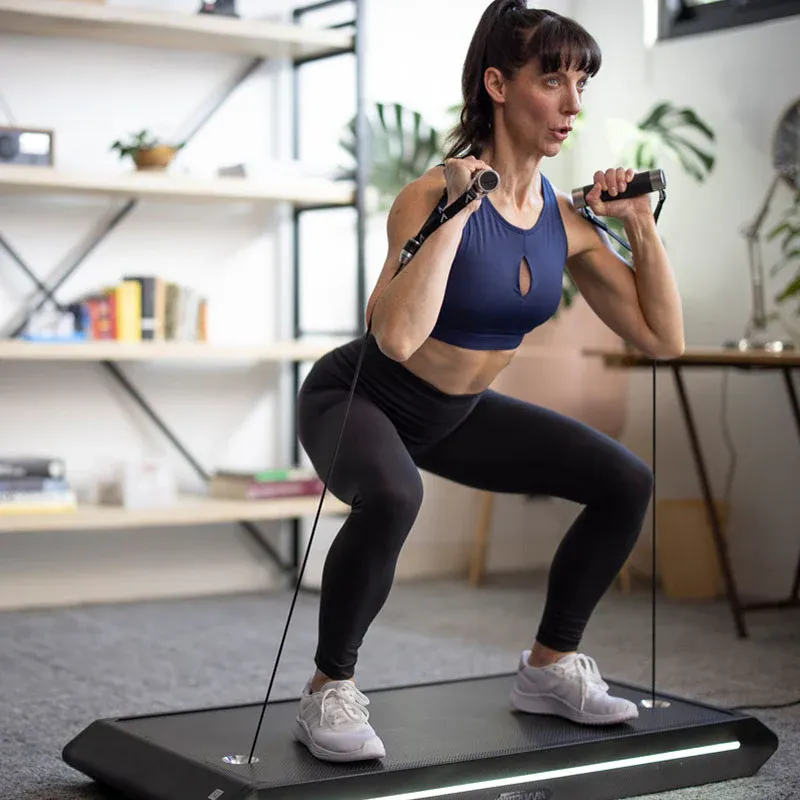
The limitations are genuine too: Without the optional V-Frame accessory, high-attachment work (lat pulldowns, cable flyes, overhead press) is difficult or impossible.
This isn't a cable machine in the same way as Tonal or Speediance; exercises that rely on pulling from above or from the side require adapting your approach or buying additional kit. There are no instructor-led classes. The training ecosystem is app-based and relatively simple compared to the guided programming on Tonal or Speediance.
For an advanced lifter who wants maximum resistance in minimum space and doesn't need coaching scaffolding, it's a compelling option. For anyone who relies on a variety of cable-based movements or wants a machine that walks them through workouts, it's the wrong fit.
Who it's for: Serious strength athletes, powerlifters who need a high resistance ceiling, people in small spaces who need something they can store flat.
Who should skip it: Beginners or intermediate lifters who benefit from coaching and guided programming. Anyone who wants the full cable machine range of movements without additional accessories.
OxeFit XS1: the premium option for strength and cardio combined
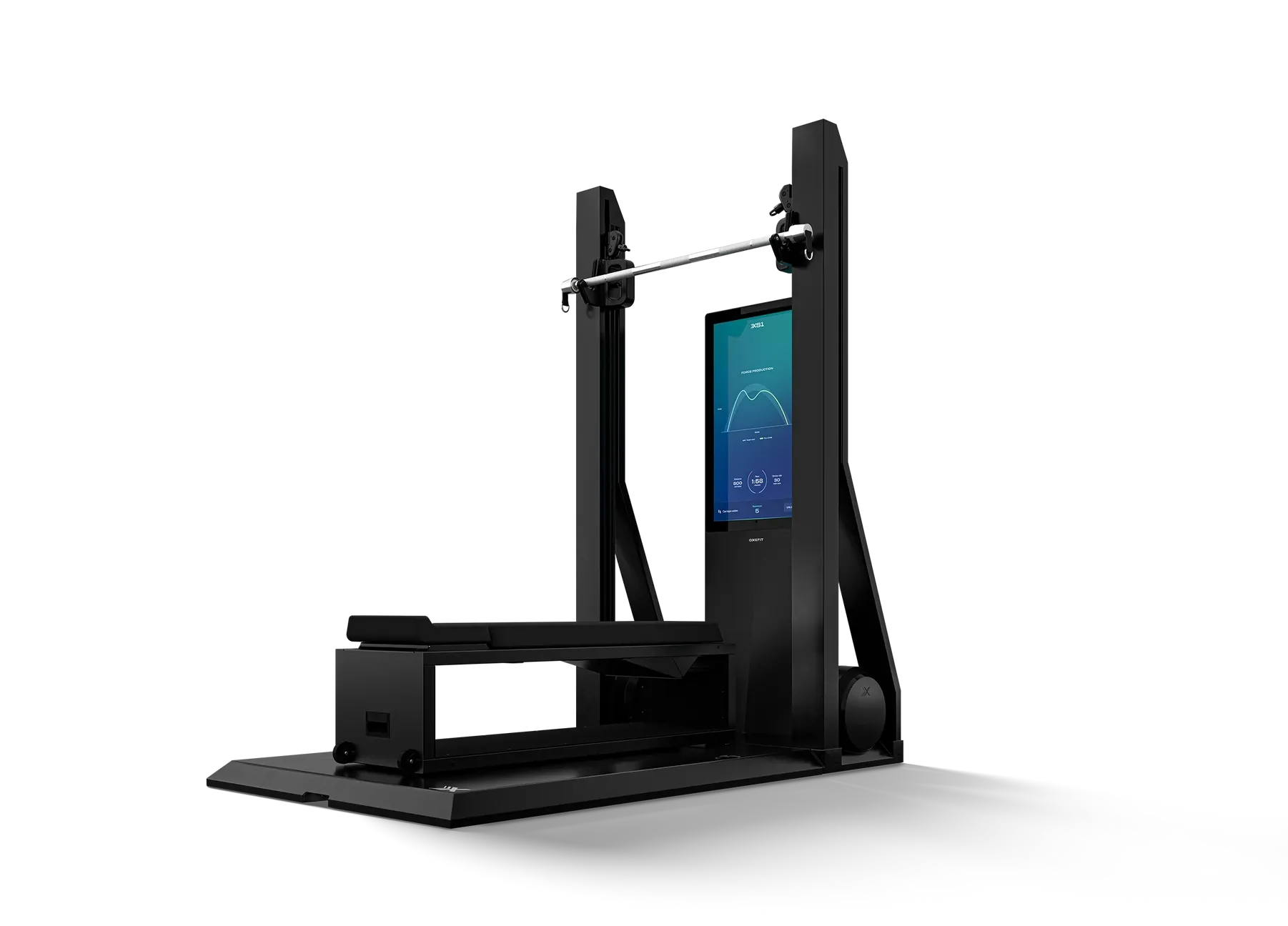
The short version: The most expensive machine here, the largest footprint, and the deepest feature set. It earns its price if you specifically want serious cardio integration alongside strength training, and you have the space to set it up; for most home users it's too much machine.
The XS1 is a floor-based platform that folds down when not in use and requires about 6 × 8.5 feet when set up. It offers 250 lbs of digital resistance with force plate technology that measures how you move, not just how much you lift.
Like Tonal, OxeFit tracks power output, asymmetry between left and right sides, and velocity-based training data that the other systems here don't capture. The accessory range extends to rowing, pilates-style work, and movements that aren't available on a wall-mounted cable system.
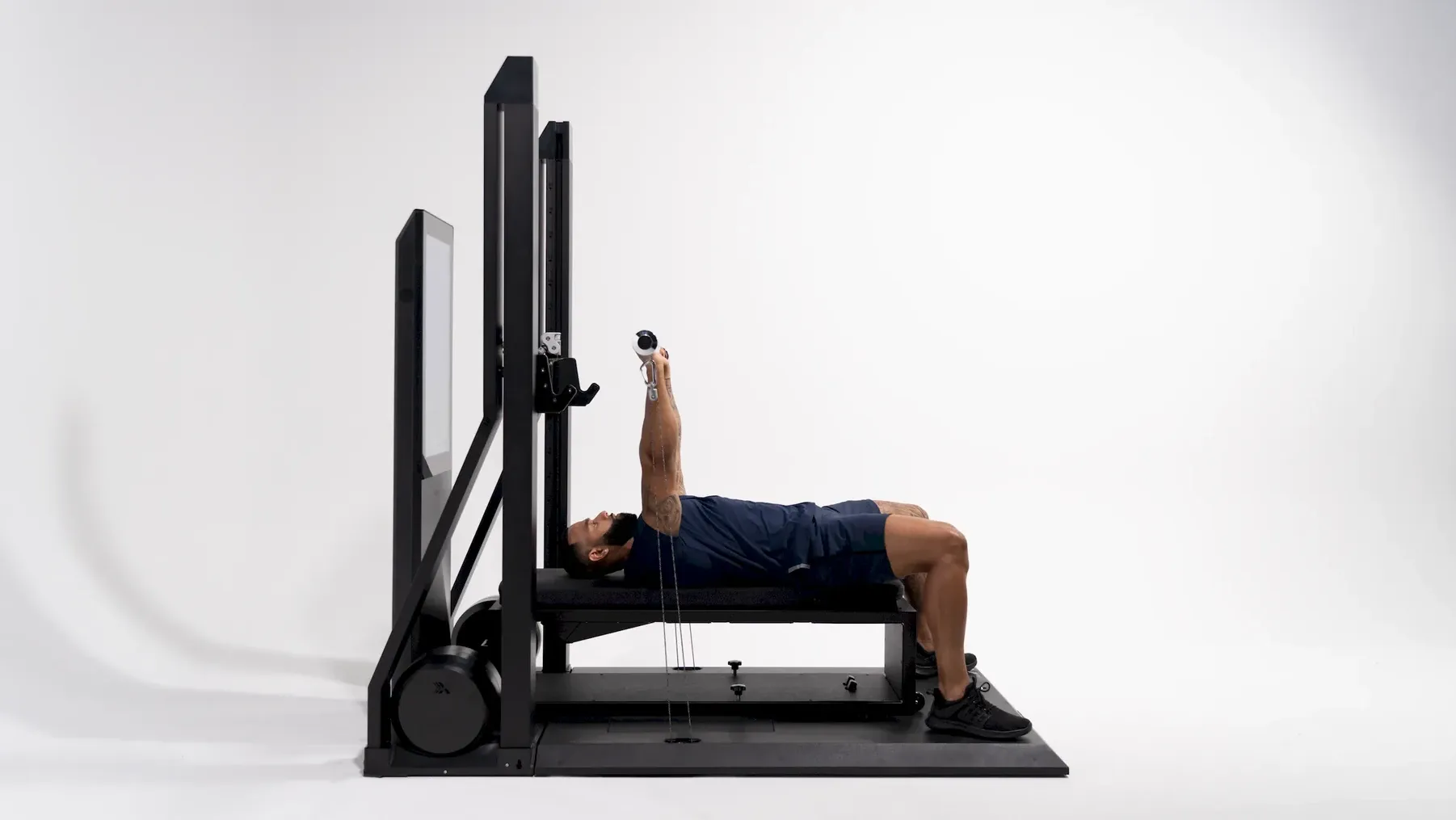
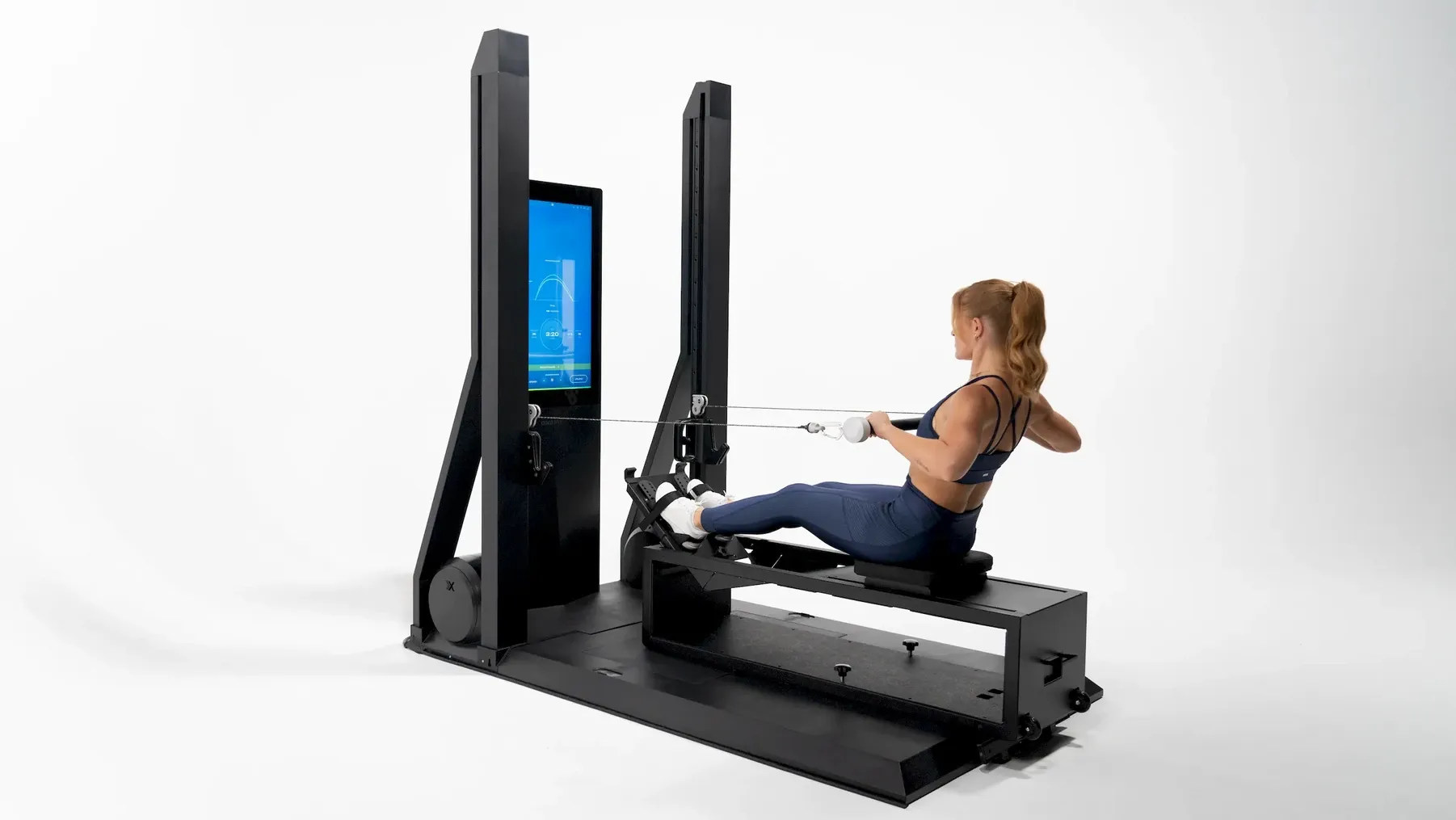
The optional Power Membership starts at around $32/month, less than Tonal's subscription, though the hardware runs to ~$3,999 before accessories.
The honest case for looking elsewhere: for pure strength training, Tonal's AI coaching is more refined than OxeFit's, and the footprint you're committing to is significantly larger. OxeFit makes most sense for people who want one machine to genuinely replace multiple pieces of equipment like a rower, a cable station, and a strength system in one, and have the space to accommodate it. That's a real use case, but it's a narrower one than the other machines here are targeting.
Who it's for: People who want serious cardio alongside strength, athletes who want biomechanical performance data, buyers with space to spare and budget to match.
Who should skip it: Anyone with a compact home, buyers who primarily want strength coaching without the cardio component, anyone for whom $3,999 plus accessories is too steep.
Tempo Move: the real-weights option
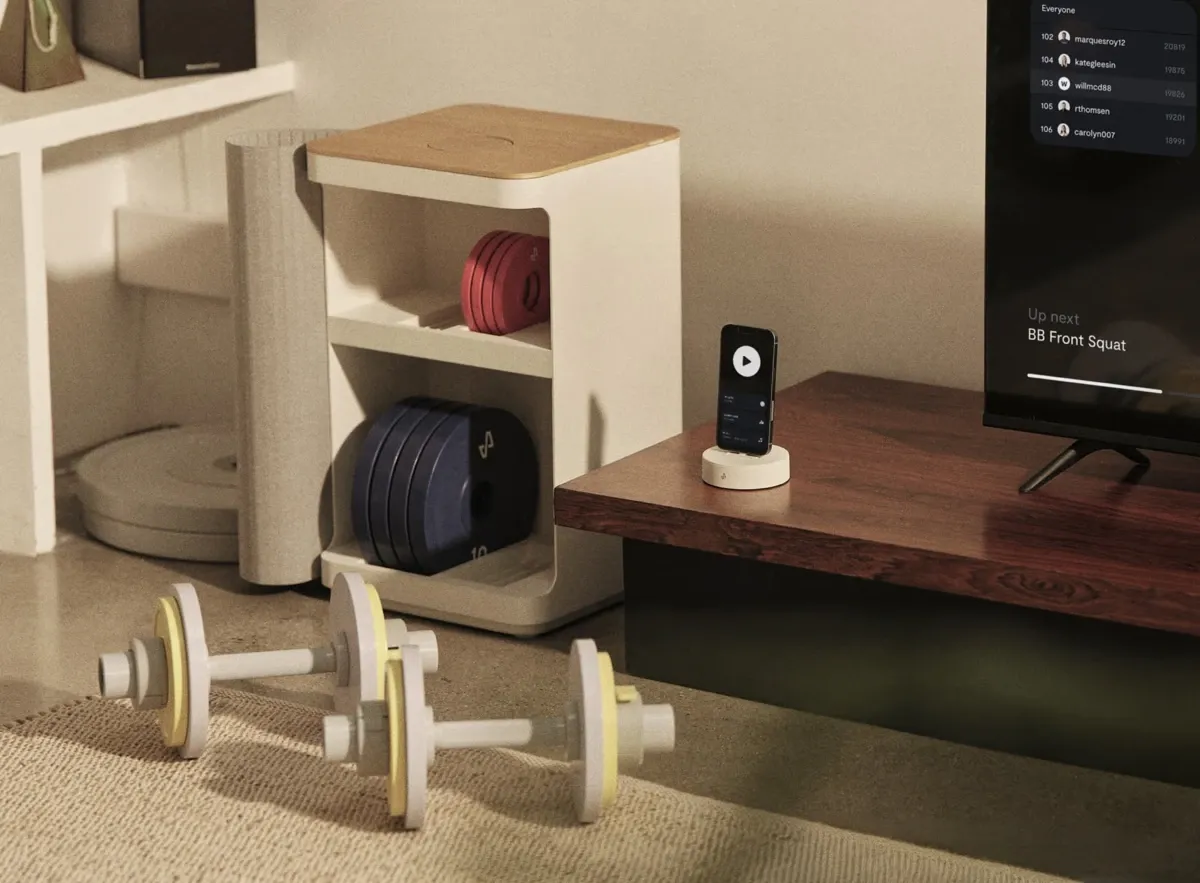
The short version: Not a digital resistance system at all. If you want the feel of actual iron with coaching layered on top, this is the path in, at a fraction of the price.
Tempo Move uses real barbells and dumbbells. It's a coaching platform and tracking system that pairs with physical weights, not electromagnetic resistance. The entry price is around $495 for the device, with a subscription of around $39/month for coaching and programming access.
That distinction matters. Tempo isn't competing with Tonal on the digital weight angle — it's a different proposition for a different buyer. The training feel is closer to a traditional gym because the weights are traditional. You get coached programming, form tracking, and structured progression, but the mechanics are physical rather than digital.
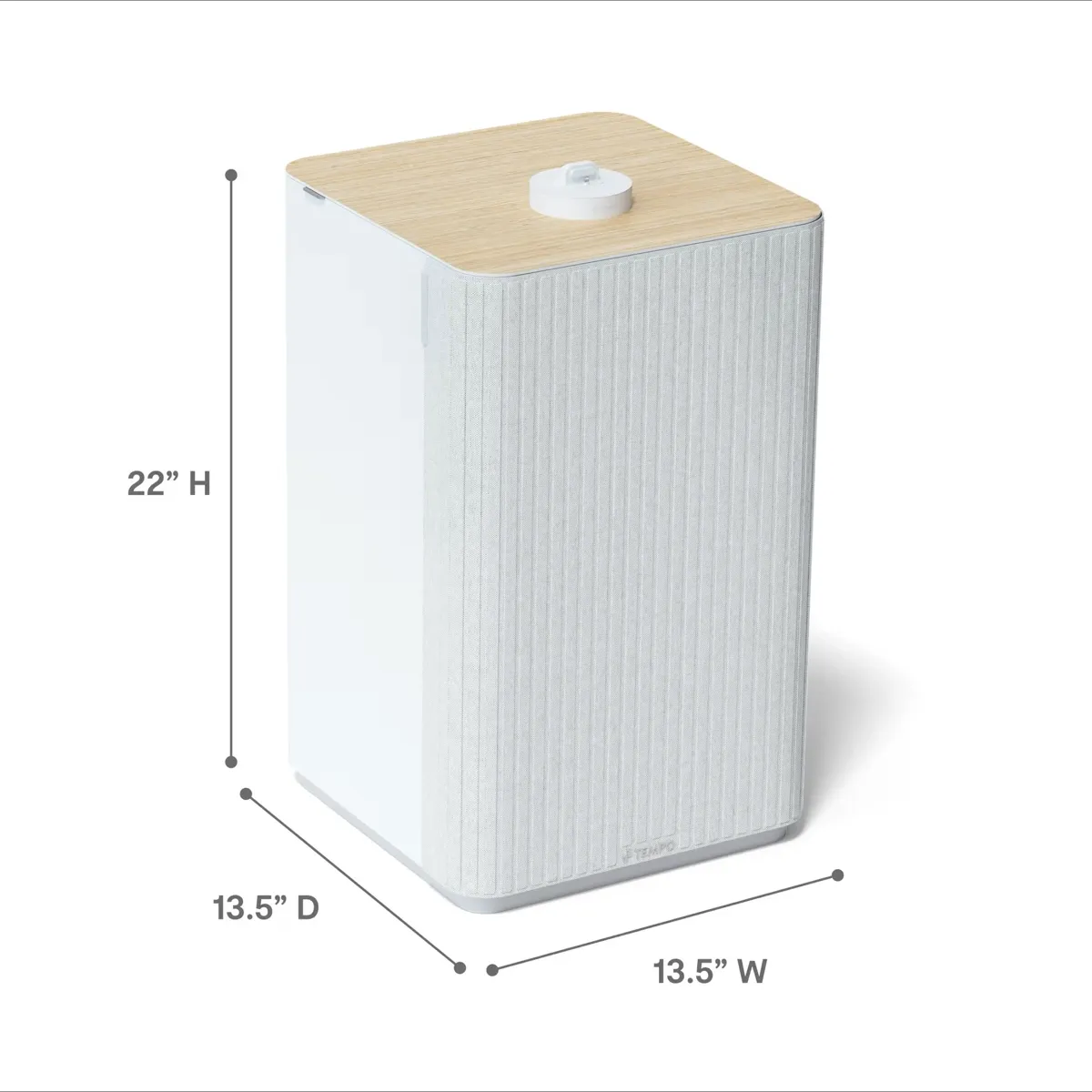
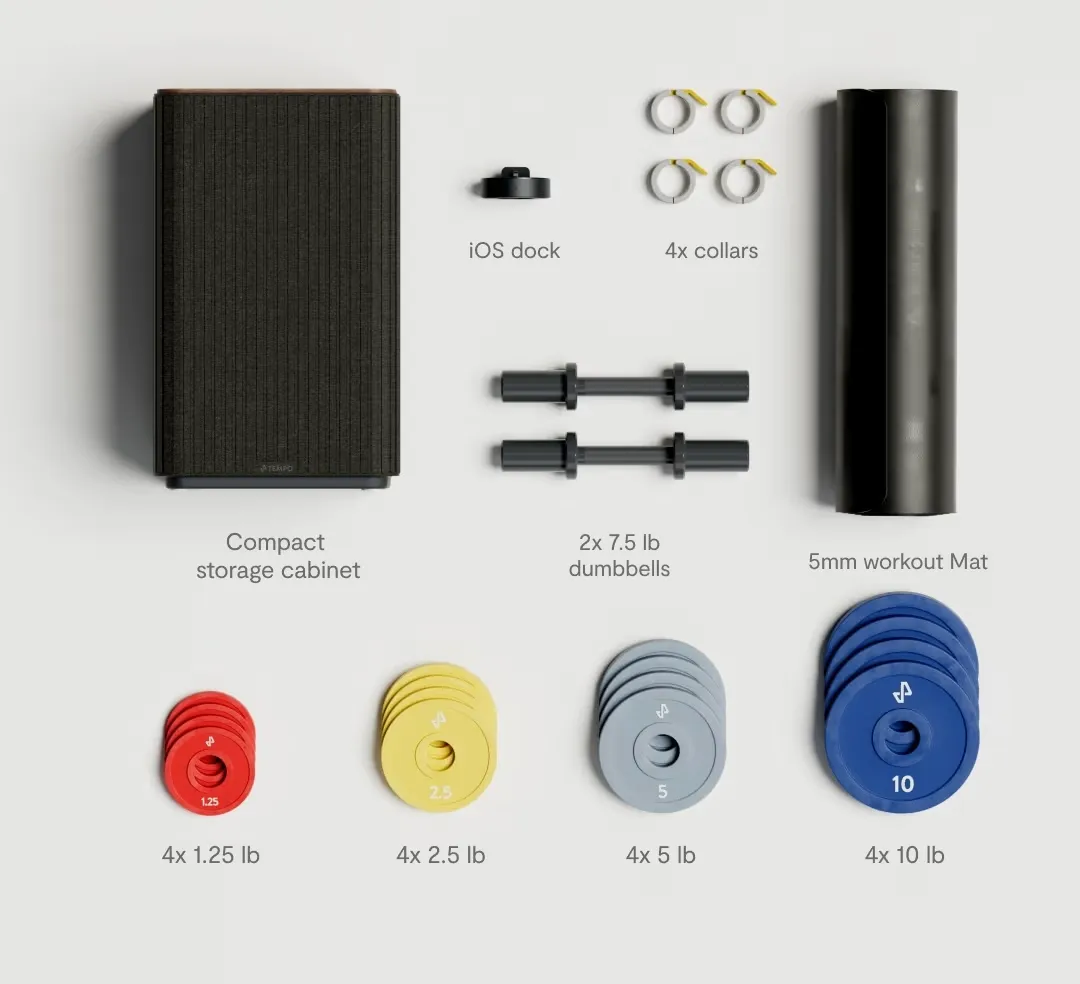
The practical advantages are that there's no wall mounting, no installation, portable, and the lowest entry price in this list by a wide margin.
The limitations are also real: the footprint expands with the weight collection over time, transitions between exercises are slower because you're physically changing weights rather than adjusting a dial, and the system doesn't offer the variety of cable movements that digital resistance enables.
For someone who specifically wants the barbell and dumbbell feel with guidance and accountability, Tempo is the right answer and it's genuinely good at what it does. For someone looking for a Tonal-style cable system, it's not really in the same category.
0:00
/0:10
Who it's for: Buyers who prefer traditional weight training and want coaching added, people with a tight initial budget, anyone who specifically values the barbell/dumbbell movement feel.
Who should skip it: Anyone looking for a digital cable system, people who want the space-saving benefits of electromagnetic resistance, buyers who want a single machine that handles everything.

So when should you actually buy Tonal 2 instead?
After looking at everything above, there are four situations where the Tonal 2 is still the clear right answer.
You want the best AI coaching available. Tonal's Smart View form guidance and adaptive weight system remain class-leading. The depth of real-time feedback, the spotter mode, the way it adjusts mid-set, the progressive overload tracking over time, is more sophisticated than any of the alternatives here. If guided coaching is the reason you're considering a smart home gym in the first place, Tonal justifies its premium.
You train across a wide range of intensities. The adaptive weight system on Tonal is particularly good at managing the progression from warm-up sets through working sets, adjusting automatically based on your output. Lighter lifters and heavier sessions coexist well on the same machine without manual recalibration.
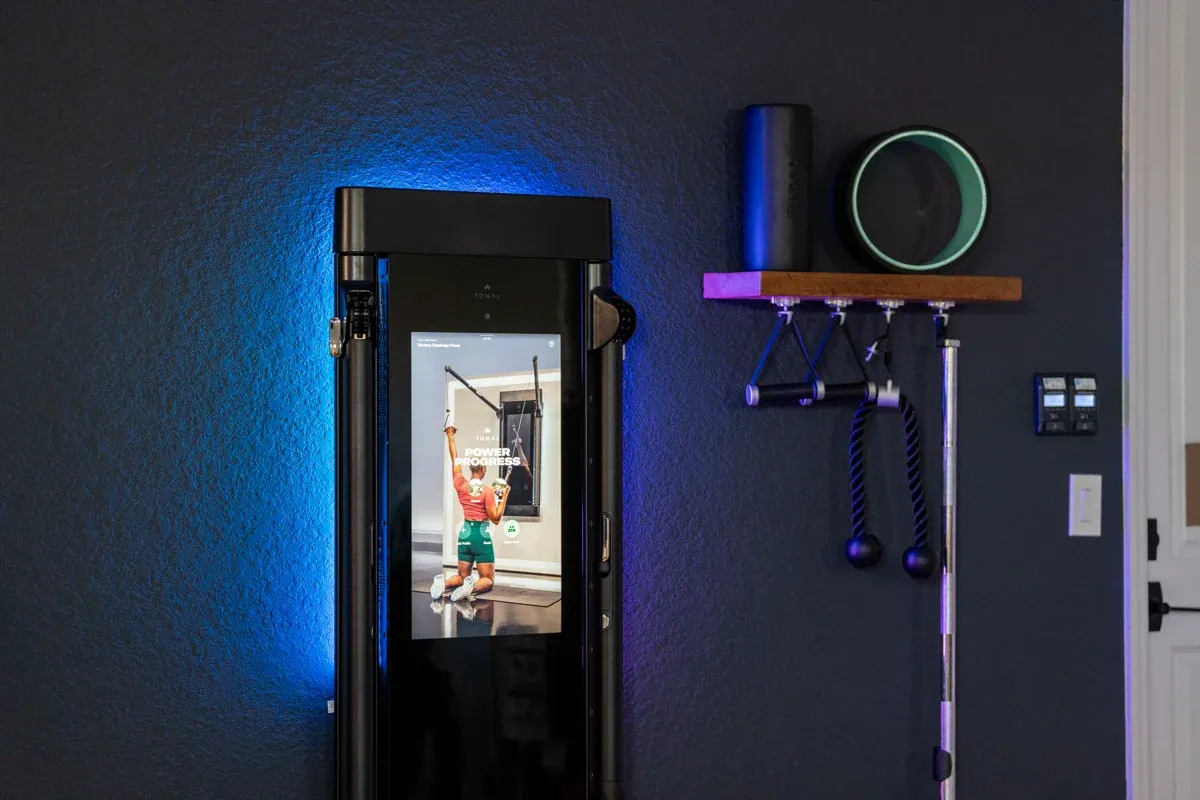
Aesthetics and minimal footprint matter. Tonal is genuinely one of the best-looking machines in this category. Wall-mounted, zero floor presence, and a design that genuinely works in a living room. If you care about the visual integration into your home, your only other option is the Amp home gym.
You want a proven content library. Tonal has been building its coaching ecosystem longer than any alternative here. The depth of instructor-led programming, the variety of class formats, and the community around it are all more developed than what you'll find on any of the newer entrants.
Tonal 2 home gym review: a smarter, quieter, more complete strength system
How Tonal 2 has transformed my at-home strength training from a routine to a habit that I stick to.
 Alastair Dixon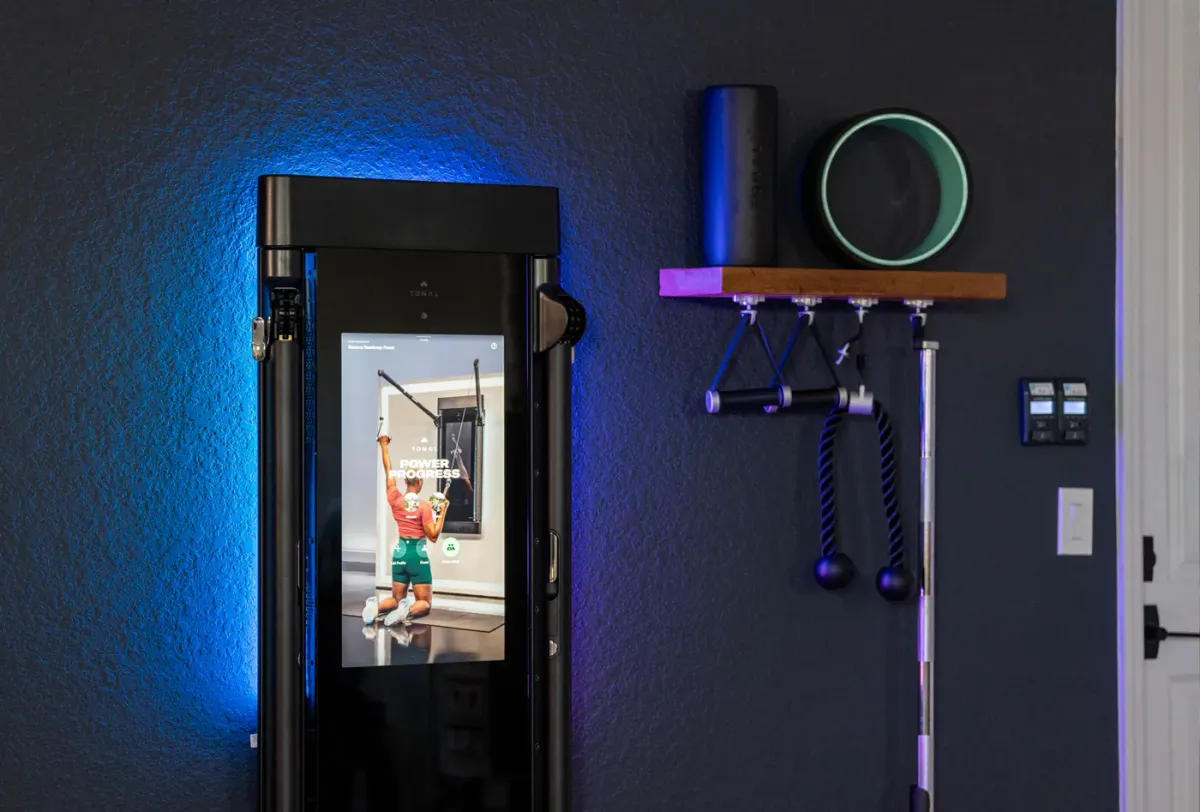
If those four things matter to you, read my full review of the Tonal 2; including the things I'd change about it, before making your decision.
My verdict
For most people who've decided they want a smart home gym, the Speediance Gym Monster 2 is the most honest recommendation. It offers a similar raw resistance to Tonal 2, removes the wall-mount barrier, and saves real money over three-plus years once you account for the subscription-free model and installation cost of Tonal.
It's not Tonal's equal on coaching depth, but it's a complete, well-built machine that will serve the majority of buyers extremely well.
If budget is the primary constraint and you're open to a wall mount, Amp gets you into this category at a genuinely accessible price, provided the 100 lb resistance ceiling works for your training level.
For serious strength athletes who've outgrown the resistance ceilings on cable systems, Vitruvian is in a category of its own but is limited on the amount of movements it can do, compared with Tonal, Speediance, and OxeFit.
And for buyers who want Tonal's wall-mounted, coaching-first experience but find the price hard to commit to right now: Tonal 1 is cheaper, and still 100% worth saving for. The product is excellent, the ecosystem is mature, and the resale value holds better than most home fitness equipment.
The alternatives are good but Tonal is still the benchmark.
The machines above are researched based on verified owner feedback, spec data, and hands-on coverage from trusted reviewers.
My Tonal 2 experience is firsthand. Where you see specific performance claims about competing machines, they're drawn from published reviews and manufacturer specifications rather than personal testing (all of which is specified).
Prices and subscription costs change, check current listings before buying.
If you haven't already, signup for our free newsletter, and subscribe to our YouTube Channel for more quality content like this. -Alastair
Written by

Subscribe to new posts
and discover the best gear, healthy foods, and life outdoors.








Member discussion