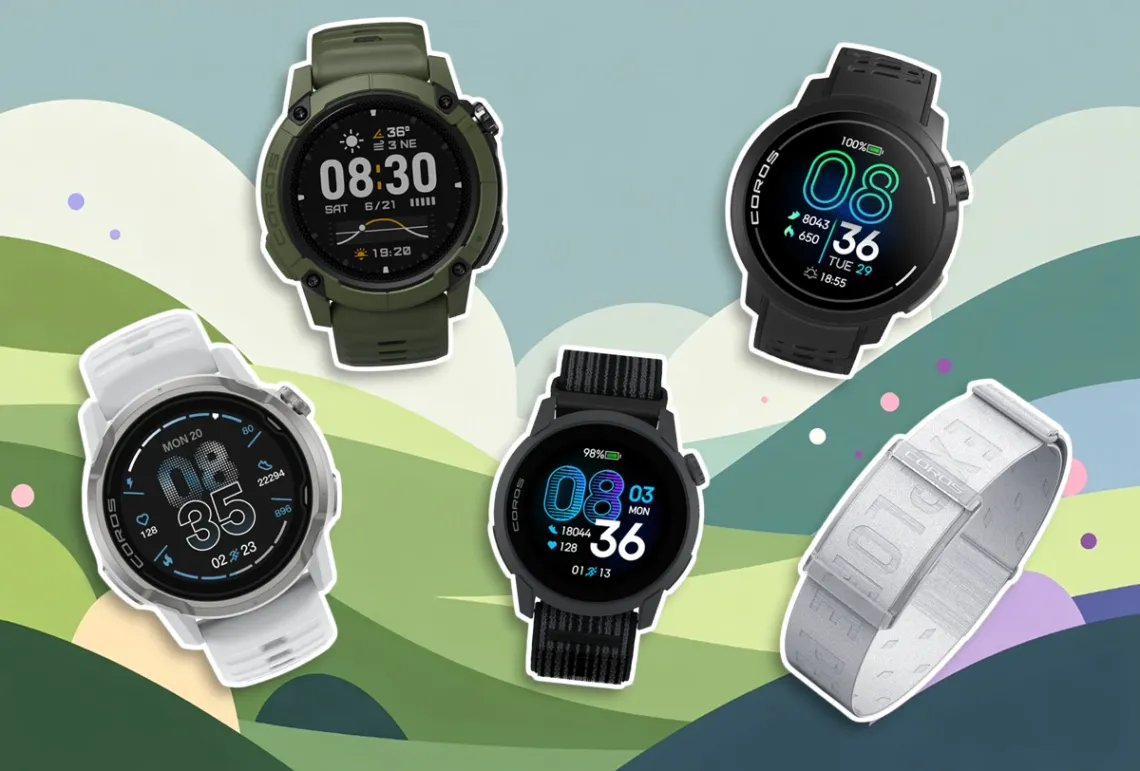
Best Running Watches under $450
Whether you're looking for your first running watch or in research phase for an upgrade, these are the best GPS watches for runners, under $450.

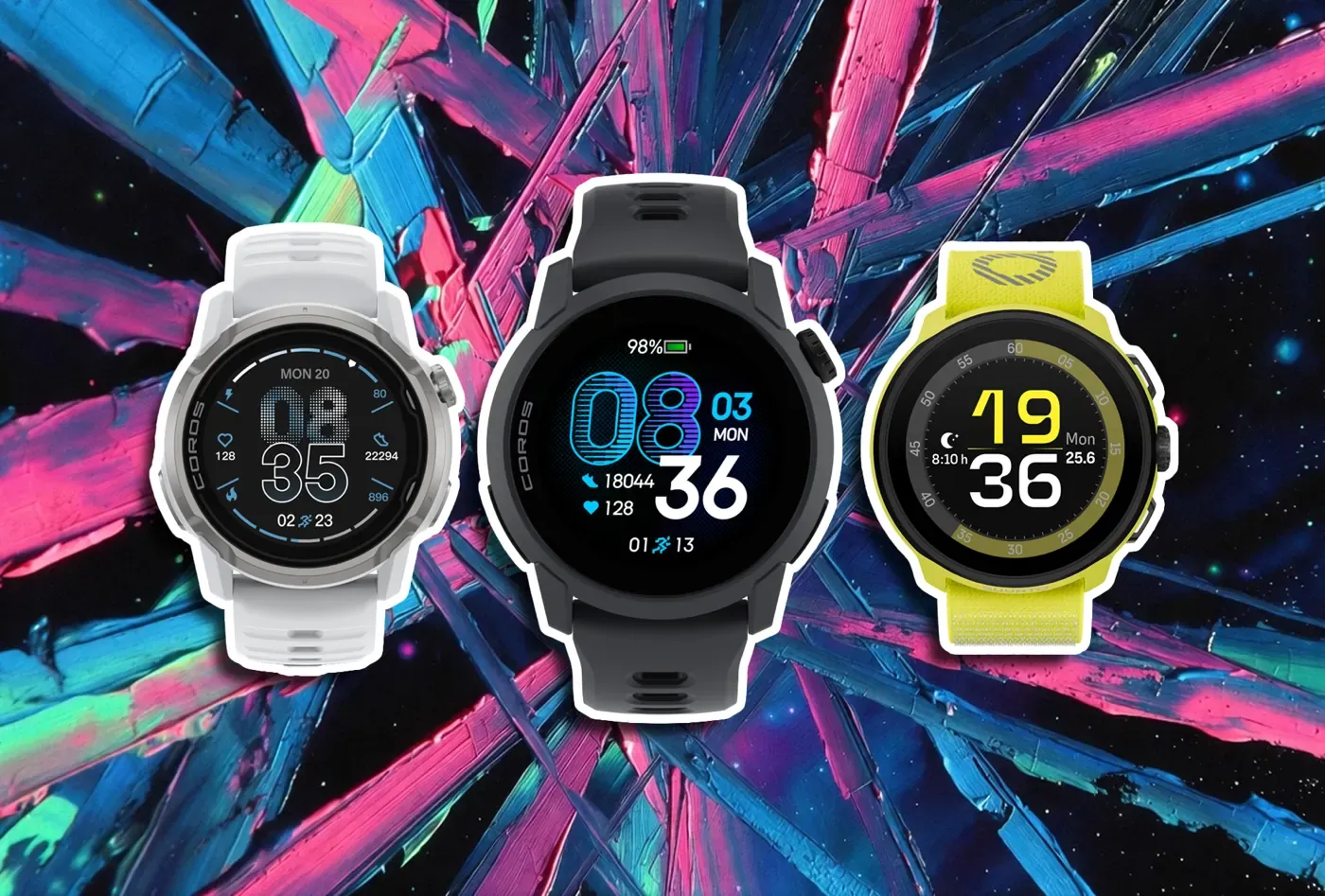
Running watches are one of those purchases that should be simple, but quickly turn into a spreadsheet problem when you start researching.
Every brand has a “best” option, every model claims to be more accurate, and suddenly you’re looking at $600+ watches for runs you mostly do from your front door.
This is my guide to the best running watches under $450. I’ve been testing a lot of these watches across real training, not just a couple of easy jogs.
Steady mileage, intervals, trails, long runs, and the usual day-to-day wearing that reveals the little annoyances (or the little joys) pretty fast.
The good news is that under $450 is plenty of budget now. You can get excellent GPS accuracy, useful training tools like structured workouts and pacing features, and solid wrist-based heart rate tracking without needing to strap a chest monitor on every time you head out.
Most of these also work well as everyday watches, with sleep and health tracking that gives you a bigger picture than “how fast did I run”.
If you purchase through links in this article, we may earn a small affiliate commission. For exclusive content, our newsletter, and more perks, become a member, it's free! -The Trail & Kale team ✌🏼
Here’s what I expect from a running watch before I’ll even consider recommending it
Every watch in this guide earns its spot by doing the fundamentals properly:
- Reliable built-in GPS for pace and distance you can trust
- Battery life that fits real training (I’m looking for at least ~15 hours in GPS mode, and around a week or more of normal use)
- Clear pace, split, and distance data that’s easy to read mid-run
- Wrist-based heart rate that’s good enough for day-to-day training (with the option to pair a HR Monitor strap if you want more precision)
- Easy syncing to your phone so you can actually review sessions, spot trends, and plan what’s next
- Proper water resistance (typically 5ATM / 50m) so rain, sweat, and the odd swim aren’t a concern
Most of these watches go well beyond that too. Things like structured workouts, recovery metrics, sleep tracking, music controls, and navigation tools can all be genuinely useful, but only when the basics are already solid.
For each watch below, I’ve called out the standout features and included links to the full product pages and my deeper reviews where relevant.
4. COROS APEX 4
Price: $479 at coros.com (just over $450 but too good not to include here)
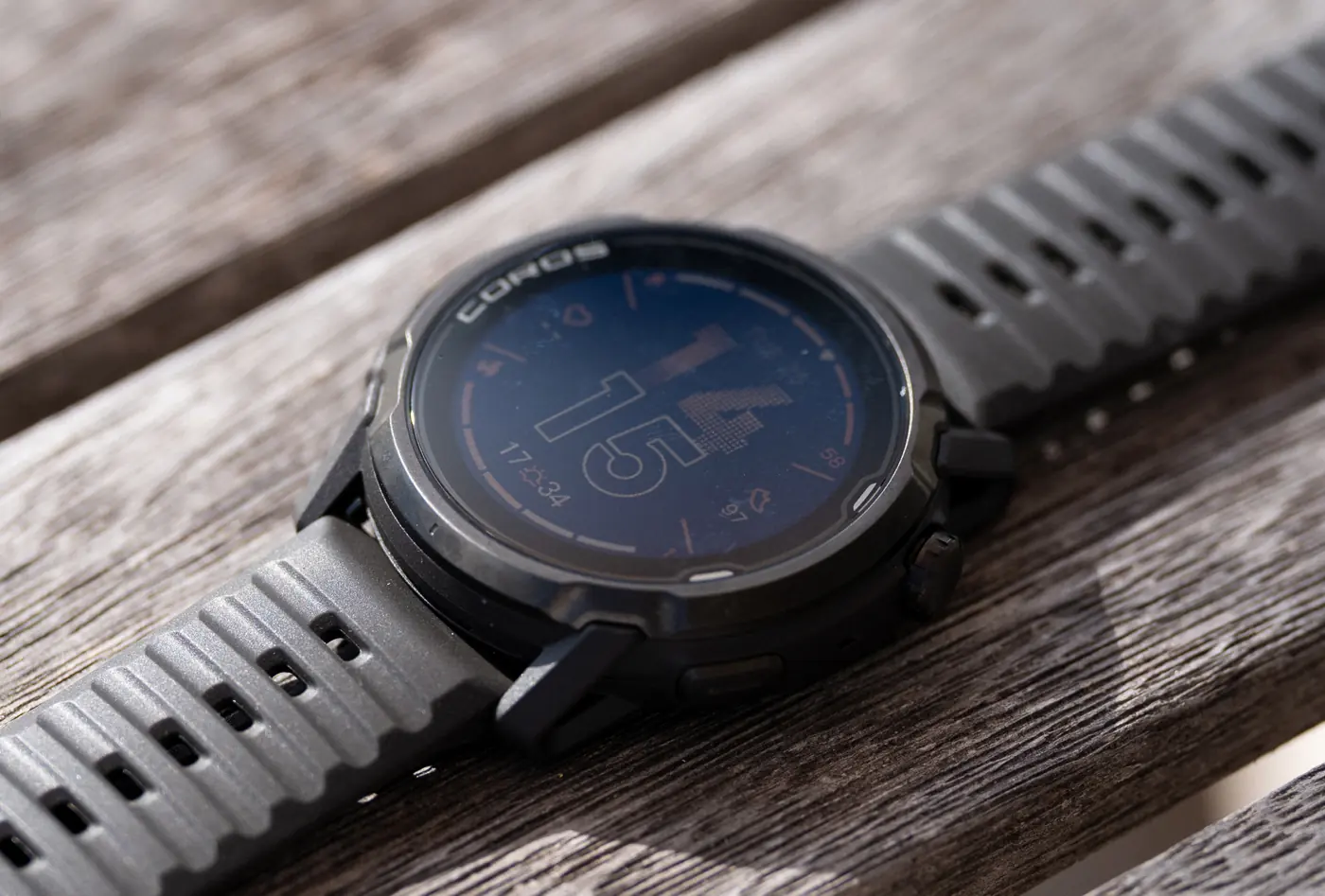
I tried the COROS APEX 4 for a month, here’s what I learned
A lightweight mountain GPS watch with huge battery life, precise offline maps, and athlete-focused features that make long training days feel easier.
 Alastair Dixon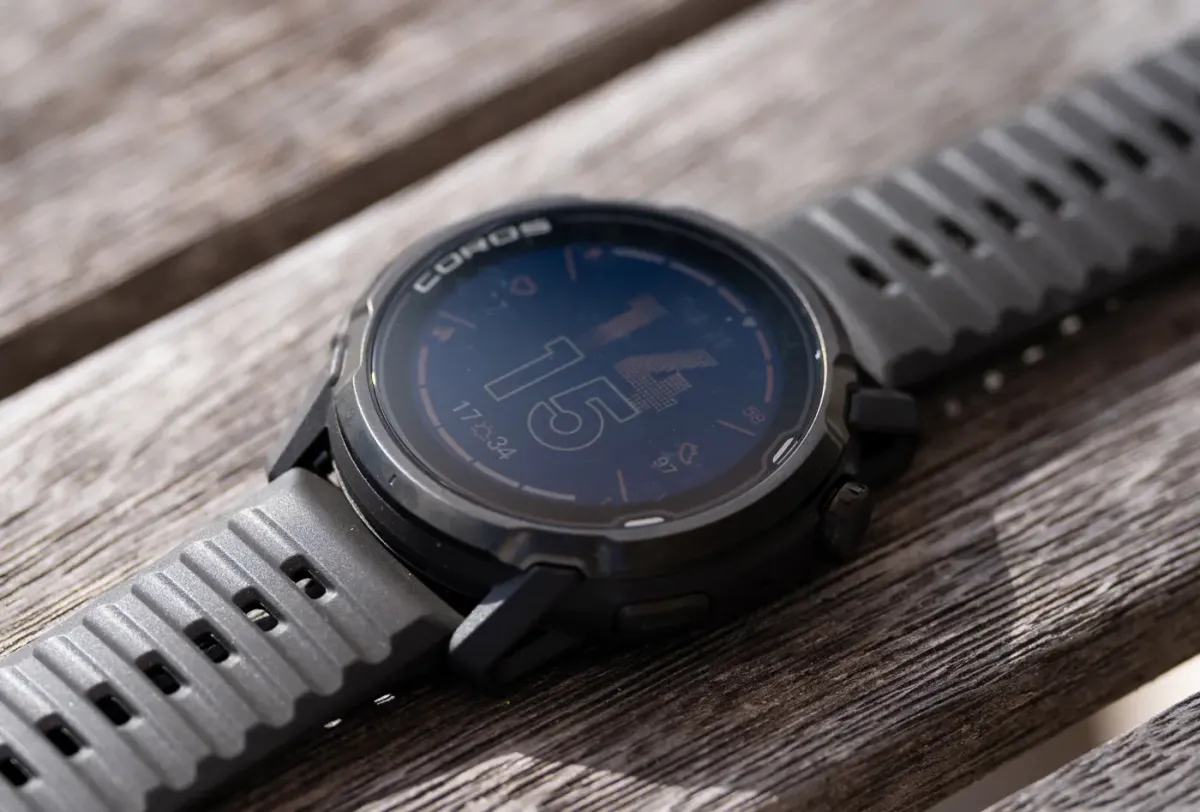
- Battery life: Up to 65 hours of GPS | Roughly 20–30 days of everyday wear (with the right settings)
- Weight: 64g
- Display: 1.3-inch always-on MIP touchscreen
The COROS APEX 4 is the watch to grab when battery, accuracy, and navigation matter most. It doesn’t try to be a smartwatch, but it makes long trail days feel simpler because charging and getting lost stop being part of the conversation.
The always-on MIP display can look a little washed out indoors, but outdoors it’s clear, efficient, and stays readable without punishing battery. Despite the titanium + sapphire build and full offline mapping, it still wears well at 64g, making it durable without feeling clunky long runs.
Maps are the big reason to choose it. Offline topo + street maps load fast, trail/street names make navigation feel complete, and the 3D terrain view genuinely helps on unfamiliar routes. Add the strong GPS and the improved vertical accuracy (especially if you manually calibrate the barometer before big runs) and the data stays reliable under tree cover too.
Overall, if your running leans trail-heavy: ultras, mountain blocks, or route exploration, the APEX 4 delivers the stuff you actually rely on: battery + accuracy + proper maps.
3. Suunto Run
Price: $199 at suunto.com
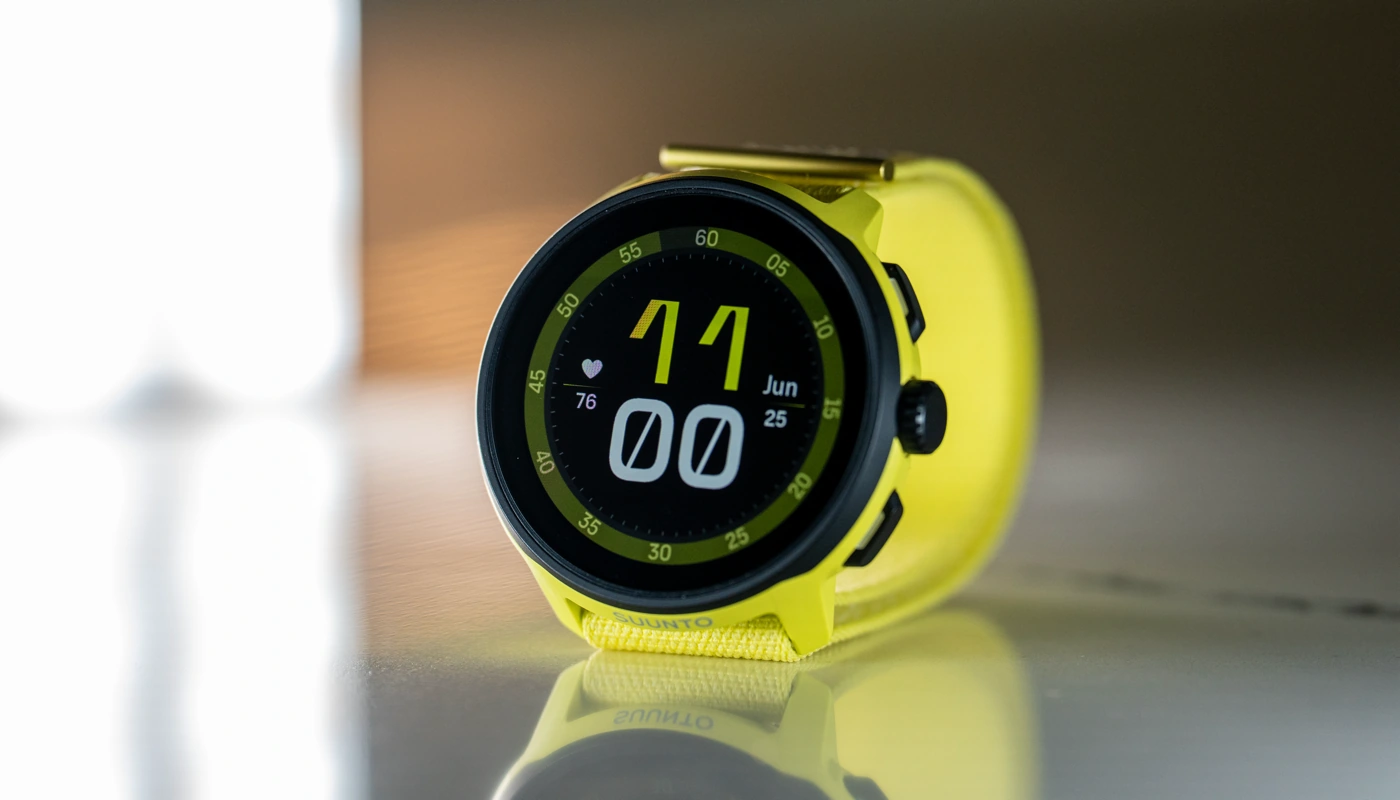
Suunto Run running watch review
A run focused GPS running watch with excellent accuracy, training tools that matter, and a price that makes it all the more tempting.
 Alastair Dixon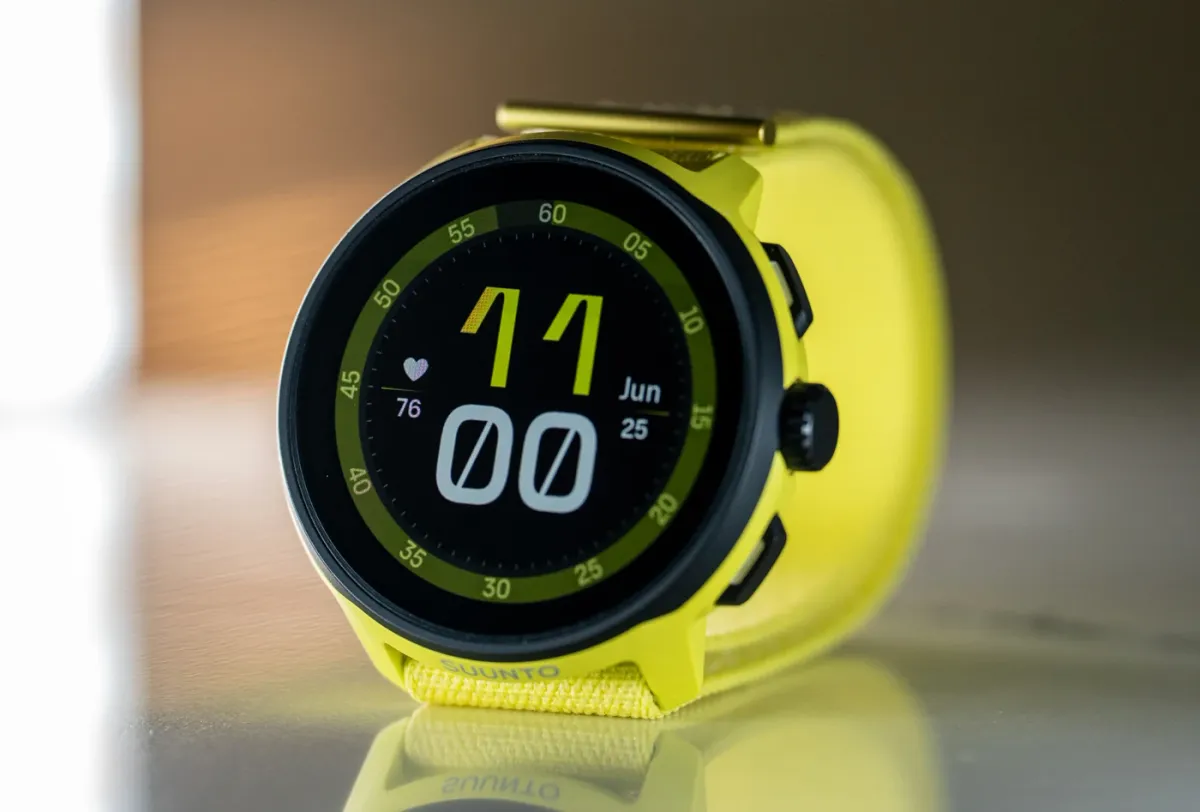
- Battery life: Up to 12 days daily use | 20 hrs GPS (performance) | 40 hrs GPS (power-save)
- Weight: 36g
- Display: 1.32-inch AMOLED (466×466)
The Suunto Run is exactly what a lot of runners actually want: a lightweight watch that nails the basics, tracks accurately, and doesn’t drag you into a $500+ price bracket.
It keeps things run-first, with dual-band GPS, HRV recovery tracking, structured workouts, and a clean AMOLED display that’s genuinely easy to read in bright sun and early mornings.

The GPS holds lock really well, even on trails and tree cover, with only a second or two variance from other watches, over 1km splits. The button interface also stays responsive with gloves, and I’ve had comments from readers using it in proper cold conditions (down to -20°C), which is a nice bonus for winter runners and XC skiers.
Training-wise, it covers (among other things): structured intervals, Ghost Runner pacing for steady work, Training Load/TSS, and sleep + HRV-based recovery.
Smart features stay minimal (music controls, notifications, weather), and navigation is breadcrumb-only, but if you want a focused running watch under $250 that feels light and gives clean, useful training data, the Suunto Run is a really easy one to recommend.
This post is for subscribers only
Subscribe to continue reading
Written by