

members only
What It Means To Be a Plant-Based Runner
Why eat a plant-based diet, how it can help athletic performance as a plant-based runner, as well as your wellbeing and living a healthy, balanced lifestyle.

We are plant-based runners. But what is 'plant-based'? This post explains what it means to be a plant-based runner, why you may want to eat a plant-based diet, how a plant-based diet can help athletic performance as a runner, as well as general wellbeing, and why eating a plant-based diet is important to us.
Are you a vegetarian? Are you vegan? These are commonly asked questions when we tell people we are plant-based runners, which means we eat a 'plant-based diet' and we find that the way we eat is an excellent way to fuel our running training, racing and recovery as well as to help us live a healthy everyday lifestyle.
The word 'diet' has come to mean almost exclusively, the way someone eats and drinks with the goal of losing weight and being healthy. However, the word 'diet' should really mean, quite simply, what you eat and how you eat it. In this post we cover what a plant-based diet means to us, what foods we eat and do not eat, and why it is not a 'diet' in the marketing sense of the word, but in fact a lifestyle which is catching on... and could well be the way everyone in the world should be eating in the future.
This post isn't intended to persuade or 'influence' anyone else to eat the way we eat, however seeing as it is a commonly-asked question and many people are curious about the plant-based diet and why, specifically as a runner, you'd choose to eat a plant-based diet and how it benefits you, I'm answering those questions here.
What is a 'Plant-Based Diet'?
The meaning of a plant-based diet to us is quite simply that the overwhelming majority of the food we eat comes from plants. Whether that's vegetables, fruit, or grains, we restrict our consumption of animal products and artificial ingredients, focusing on whole foods and plant derivatives for our nutritional needs.
What is the difference between a Plant-Based Diet and Vegan or Vegetarian?
Let's be very clear - a Plant-Based Diet is NOT Vegan, and it is not strictly vegetarian, either. Many people have come to refer to the plant-based diet as being the same as being vegan, however our interpretation of this is not the same.
The main difference between eating a plant-based diet and being vegan is that while we restrict how much and how frequently we eat animal products, we haven't eliminated them from our diet. Examples of what we eat, that strict vegans do not, include eggs and honey. Additionally, we occasionally eat some meat - which is generally either sustainably-sourced fish or poultry.
Why eat a plant-based diet?
Quite simply, we believe that a whole-food, plant-based diet is the most natural and healthy way to eat, and is doing the environment a favor. I won't go into the animal and environmental ethics discussion in this post, but sufficed to say, not driving demand for the agricultural production and processing of large quantities of meat and the crops needed to feet those animals is good for the planet and our collective future.
From a health perspective, and specifically athletic performance perspective, I can tell you that since changing how we eat to following a plant-based diet, our running performance and recovery speed has improved, and we both feel healthier and more well-balanced as a result of reducing the amount of processed foods and meat we consume.
A major advantage of eating a plant-based diet is that it is easier to know more about the provenance of the food you are consuming. We want to know that what we are putting in our bodies is of high quality and what it is - a real crop and not a list of unpronounceable ingredients on a packet. There is enough evidence out there that eating too much meat, animal fats and processed food is, for many people, at least one of the underlying causes of some major and deadly medical conditions.
Benefits we've seen from this dietary change include:
- No uncomfortable 'over-full' feeling after a meal - easier digestion
- More energy on a daily basis
- Feeling lighter and more agile when on the run
- Clearer skin
- Simpler food choices - in restaurants and the supermarket
- Lower food shop bills, despite buying top quality produce
If you would like to learn more about the reasons many people (including us) choose to a plant-based diet, including more on the environmental and animal welfare reasonings, then I encourage you to watch the documentaries listed in this post, do your own research and form your own opinion.
What It Means To Be Plant-Based Runners
Our choice of food is a fundamental influencer of how we behave. In a fitness context it is also important to reflect this in how we structure our nutrition plans for running and fitness activities, to ensure we are getting the right balance of nutrients and portions to fuel our runs, races, workouts and adventures. For more on this topic, read this post: 'Benefits of a plant-based diet for athletes'.
We're inspired by other endurance athletes who have already been living this way for years - the most famous including ultra endurance athletes and runners Scott Jurek, Rich Roll, Kilian Jornet and Emelie Forsberg.
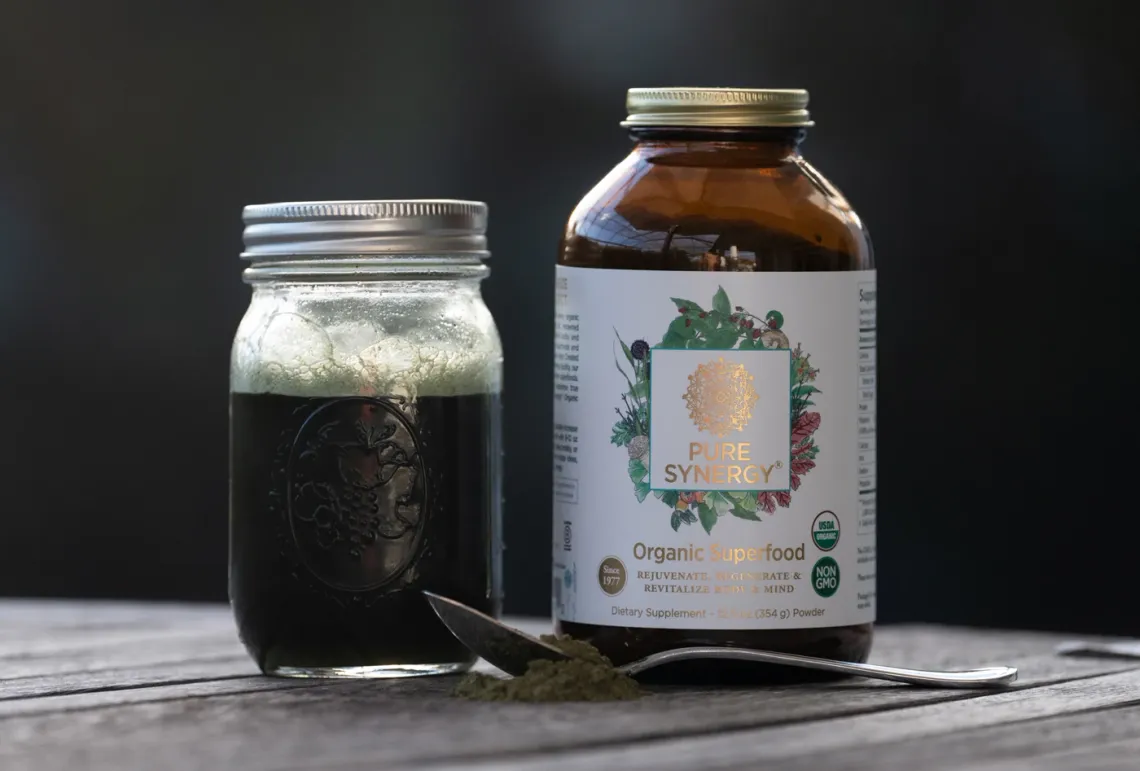
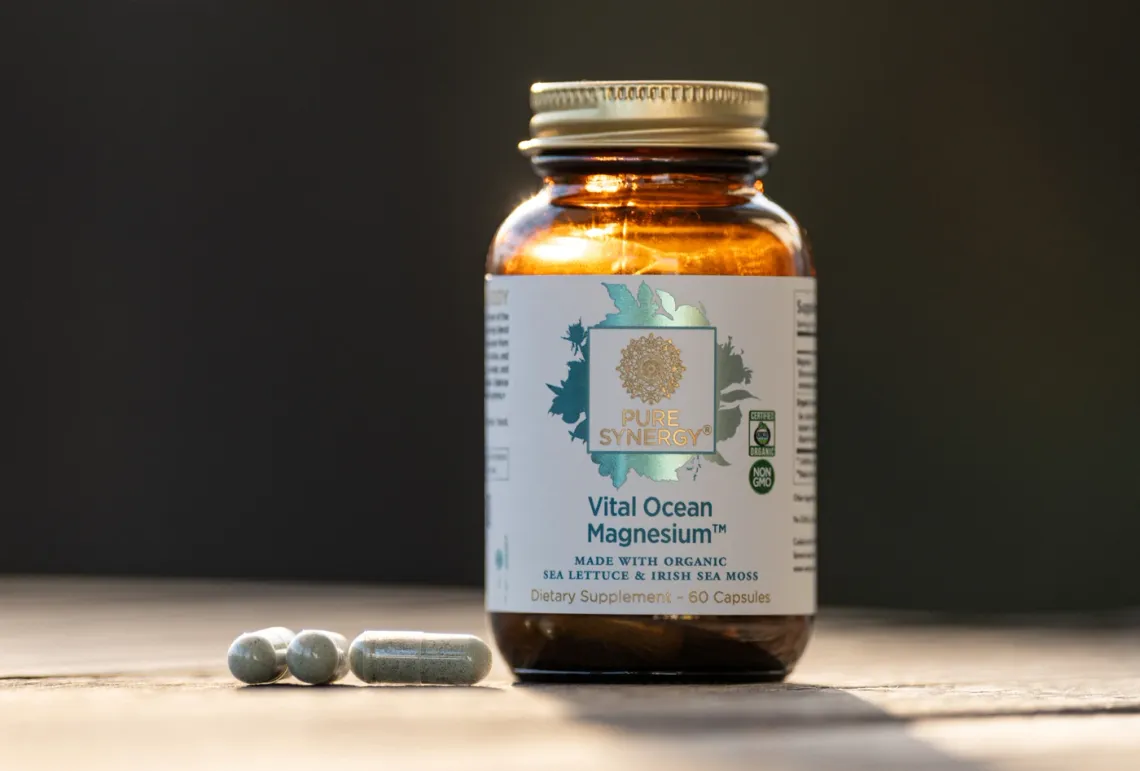
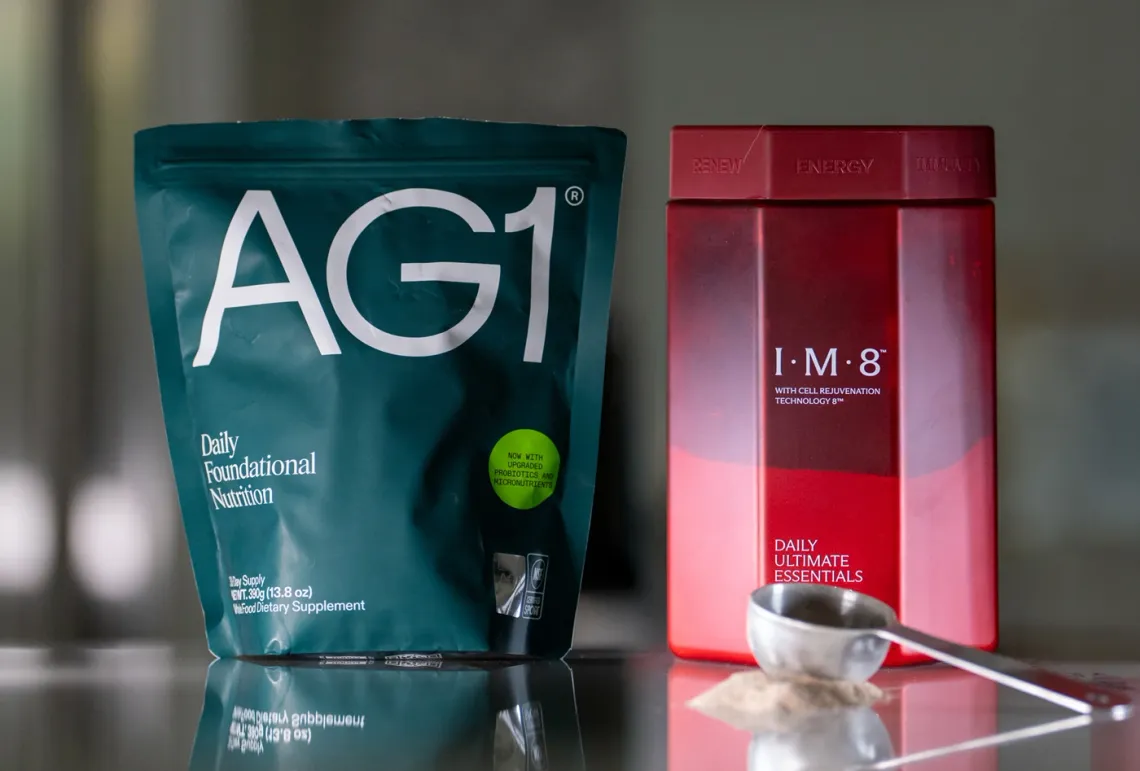
On our blog we write about being plant-based runners, as well as reviewing plant-based nutrition including plant-based protein, green juices, supplements and CBD products that we have used to support our training, racing and lifestyle in general. Click the button below to check out all of our plant-based nutrition content on this site.
Written by

Subscribe to our Newsletter
to discover the best gear, healthy foods, and life outdoors.







Member discussion